
Bookbot

Patrick Brantlinger

    Barbed Wire
    Crusoe's Footprints
    Who Killed Shakespeare?
    • Who Killed Shakespeare?

      What's Happened to English Since the Radical Sixties

      • 248 stránok
      • 9 hodin čítania

      The book explores the perceived decline of Shakespeare and the humanities within academia, challenging the notion that English professors are to blame. Instead, it argues that the real issue lies in the corporatization and careerism of higher education, which marginalizes these subjects. Through a critical lens, the author addresses the widespread critiques of universities, suggesting they are misdirected and highlighting the need for a deeper understanding of the complexities facing modern education. This analysis is essential for anyone invested in the future of the humanities.

      Who Killed Shakespeare?
    • Crusoe's Footprints

      Cultural studies in Britain and America

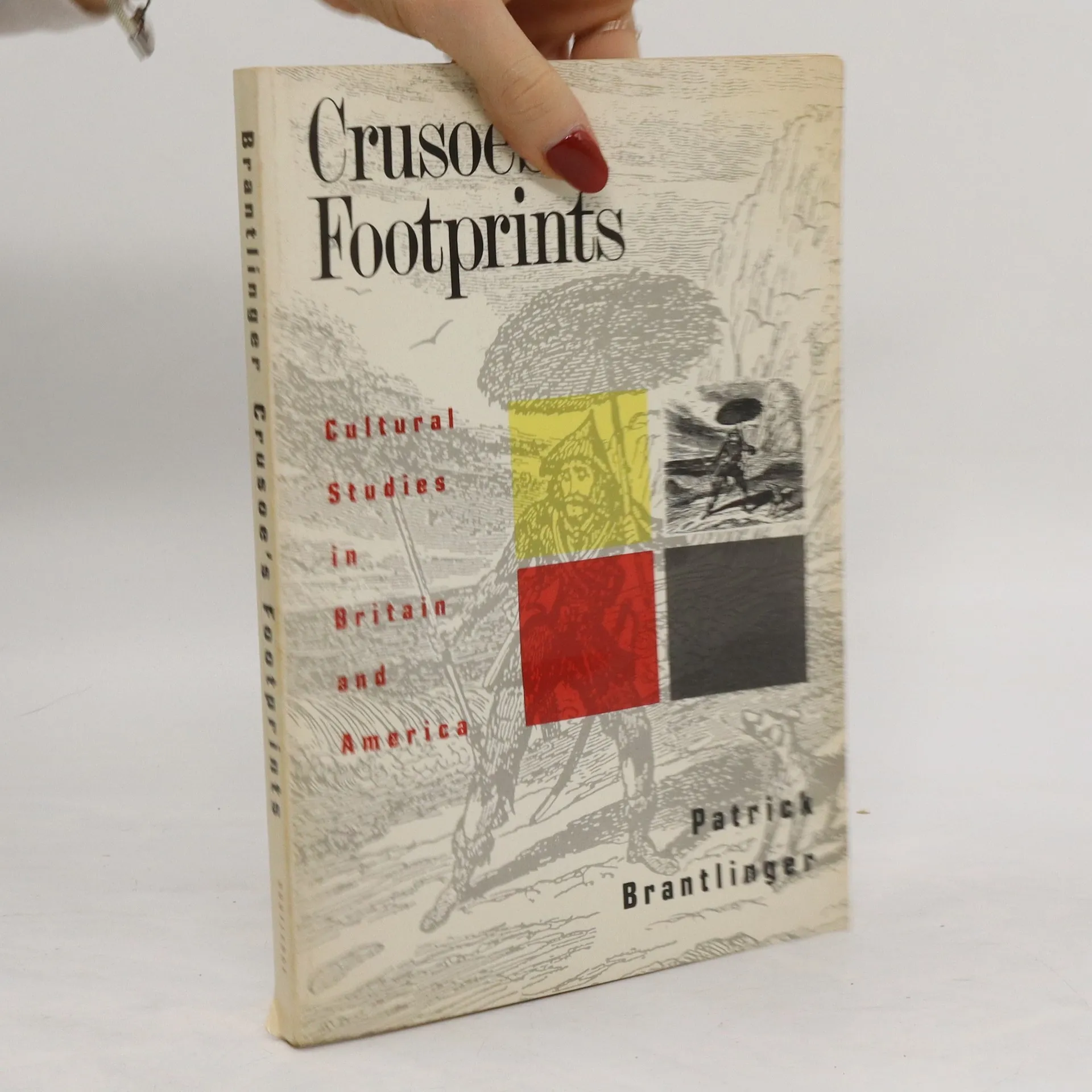
      "Cultural Studies" has emerged in British and American higher education as a movement that challenges the traditional humanities and social science disciplines. Influenced by the New Left, feminism, and poststructualist literary theory, cultural studies seeks to analyze everday life and the social construction of "subjectivities." Crusoe's Footprints encompasses the movement of many colleges and universities in the 1960s towards such interdisciplinary and "radical" programs as American Studies, Women's Studies, and Afro-American Studies. Brantlinger also examines the role of feminist criticism which has been particularly crucial in both Britain and the U.S.

      Crusoe's Footprints
    • Barbed Wire

      Capitalism and the Enclosure of the Commons

      • 186 stránok
      • 7 hodin čítania

      The book explores the historical and ongoing transformation of property concepts, focusing on capitalism's tendency to privatize communal resources. It traces developments from the 1870s fencing of the West to contemporary issues like urbanization, mass incarceration, and financialization, highlighting the commodification of individuals. By linking these phenomena to the broader themes of land enclosures and empire, it offers a critical examination of corporate globalization and its effects on society and the environment.

      Barbed Wire