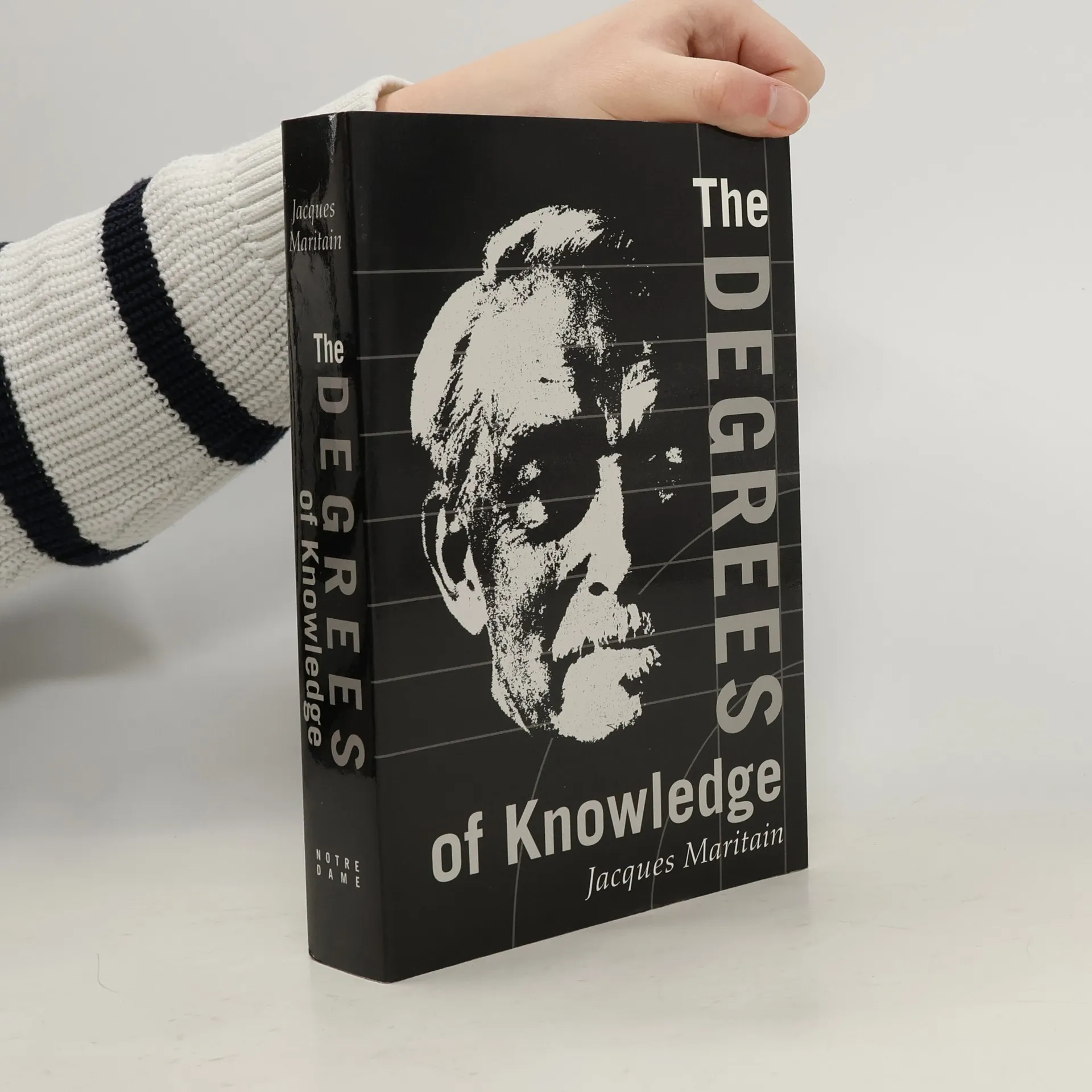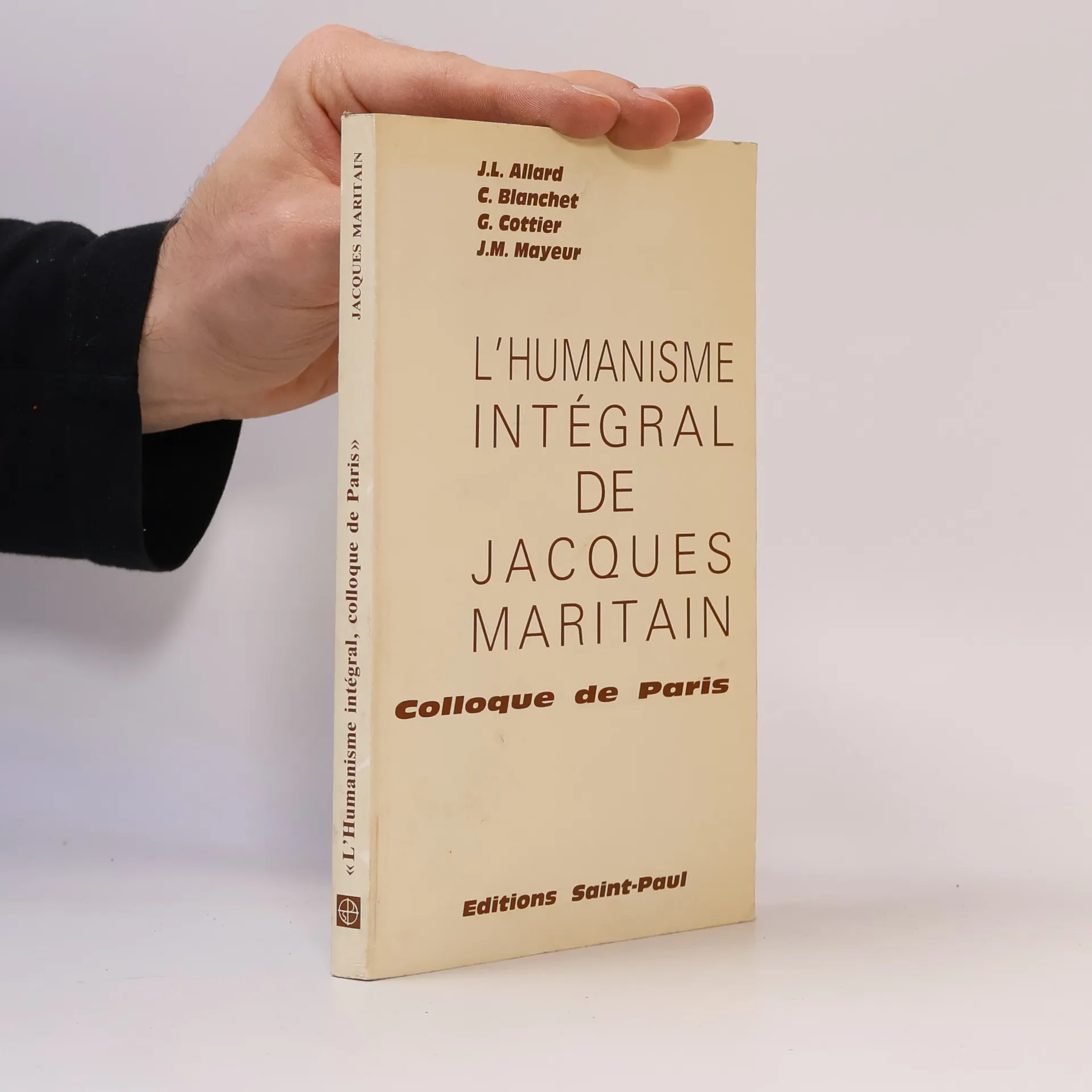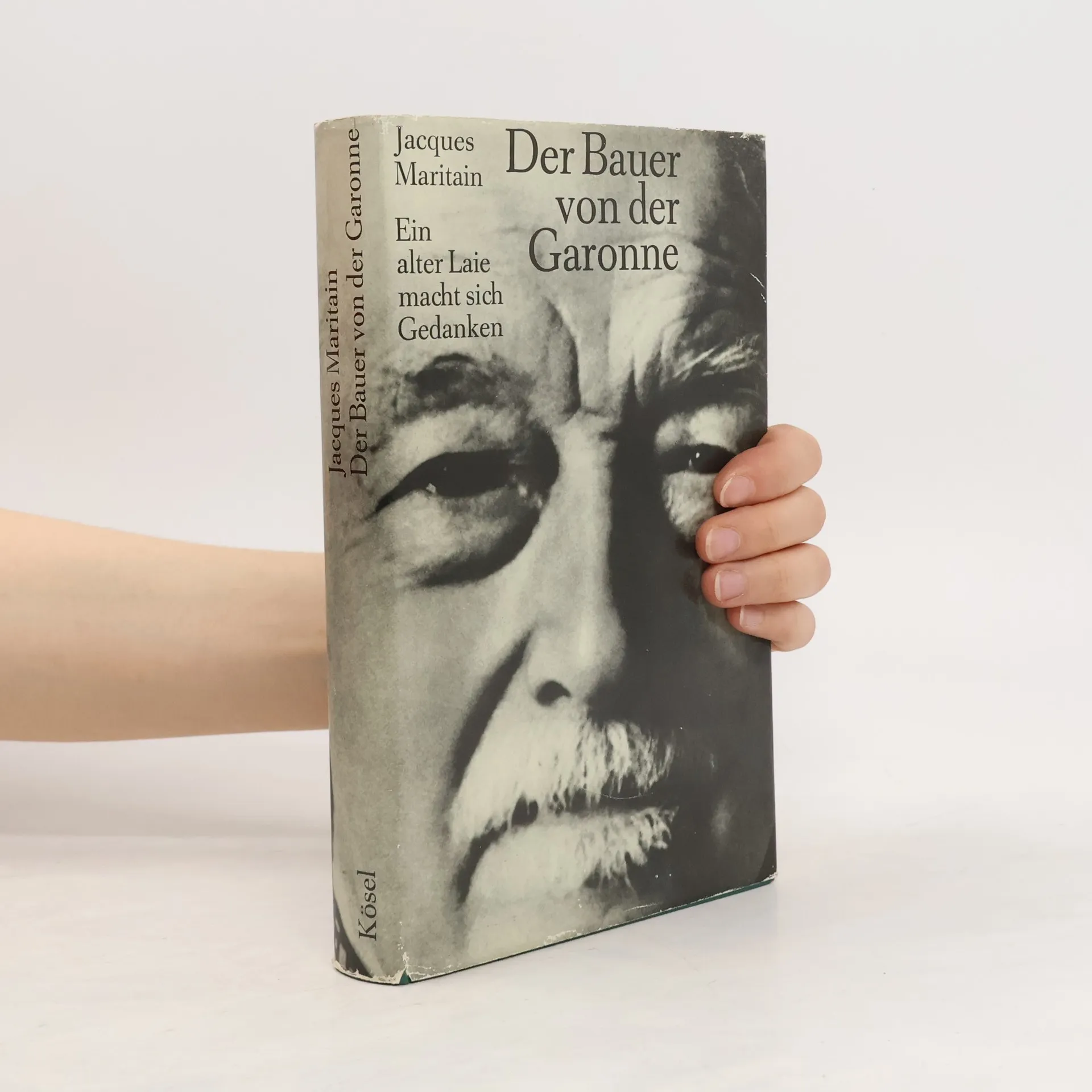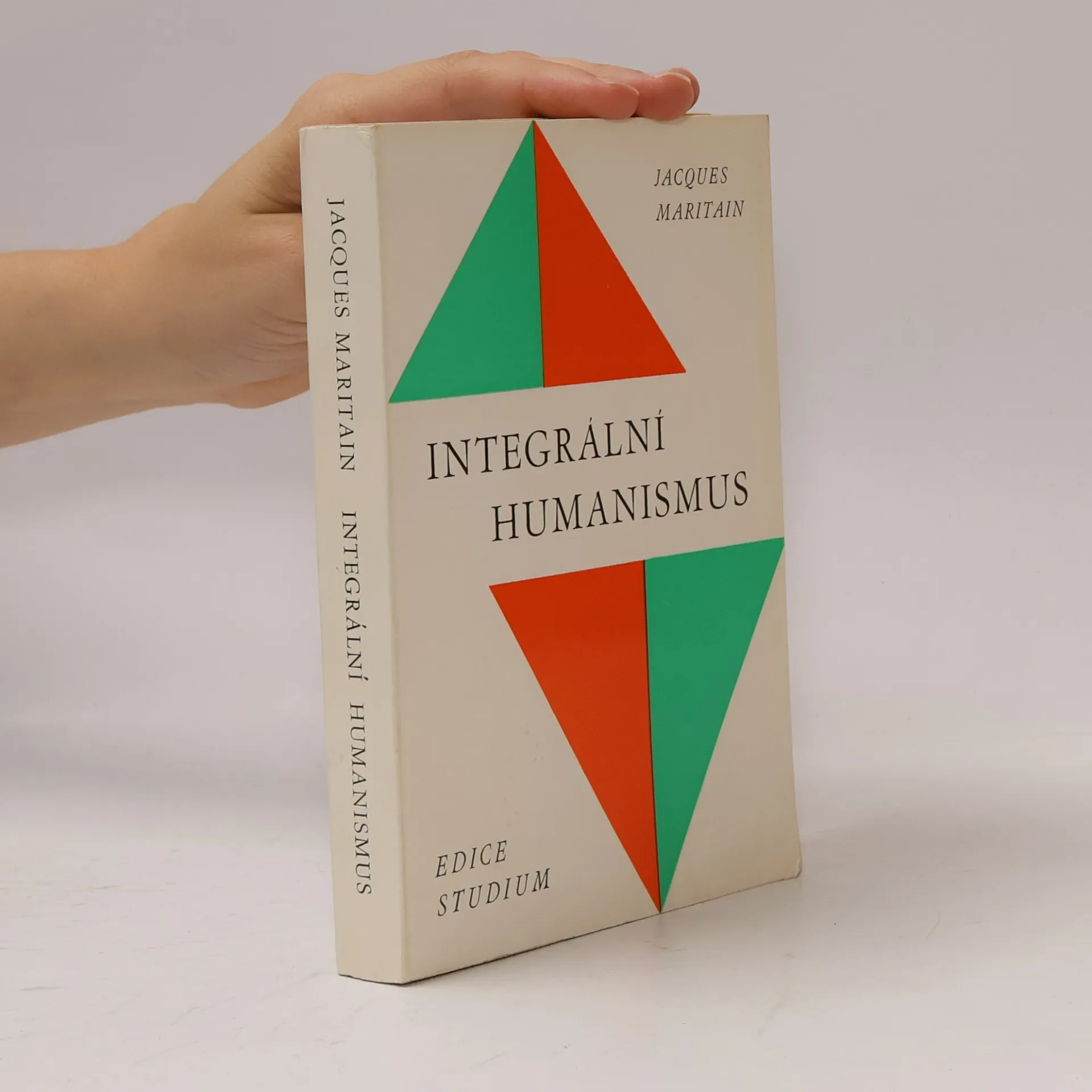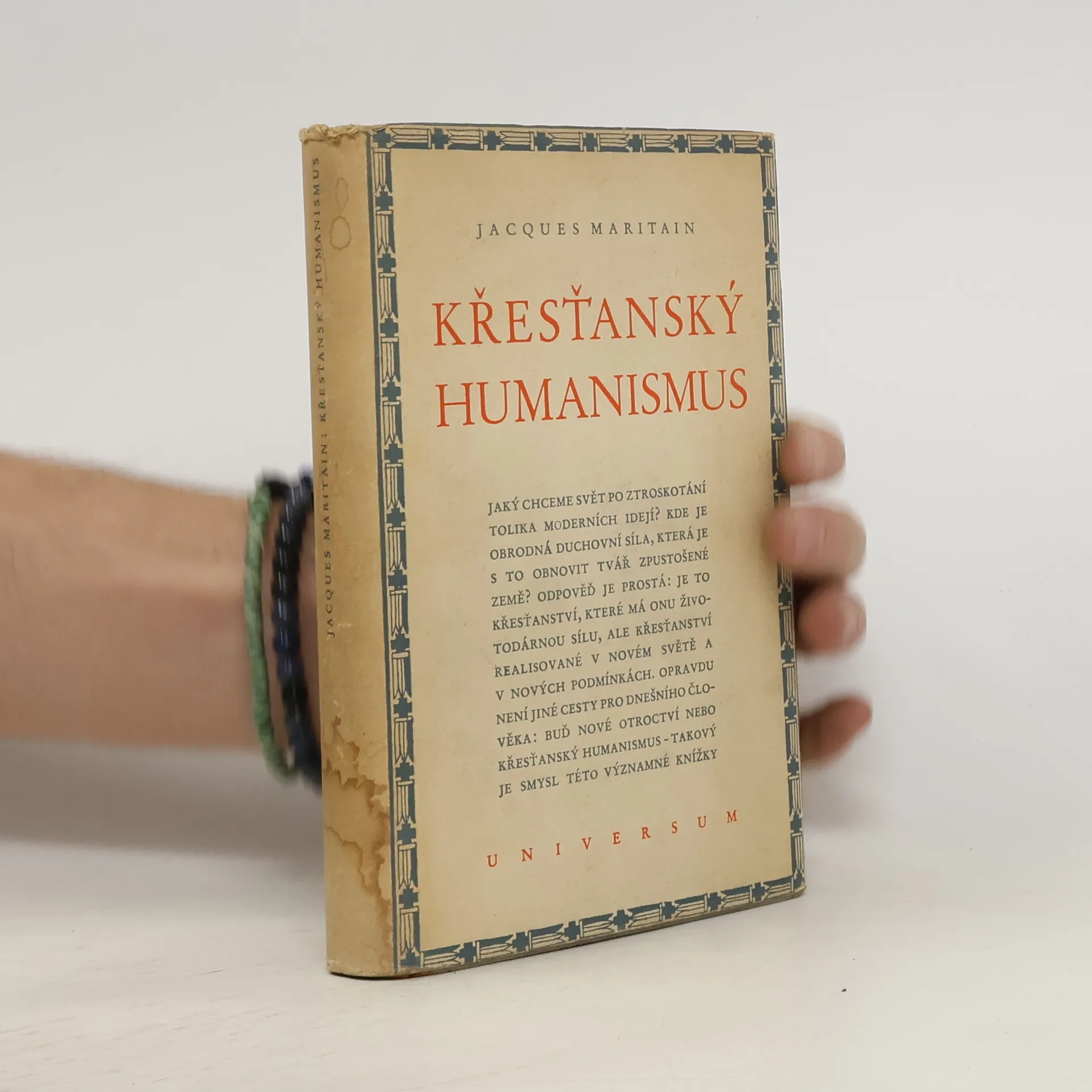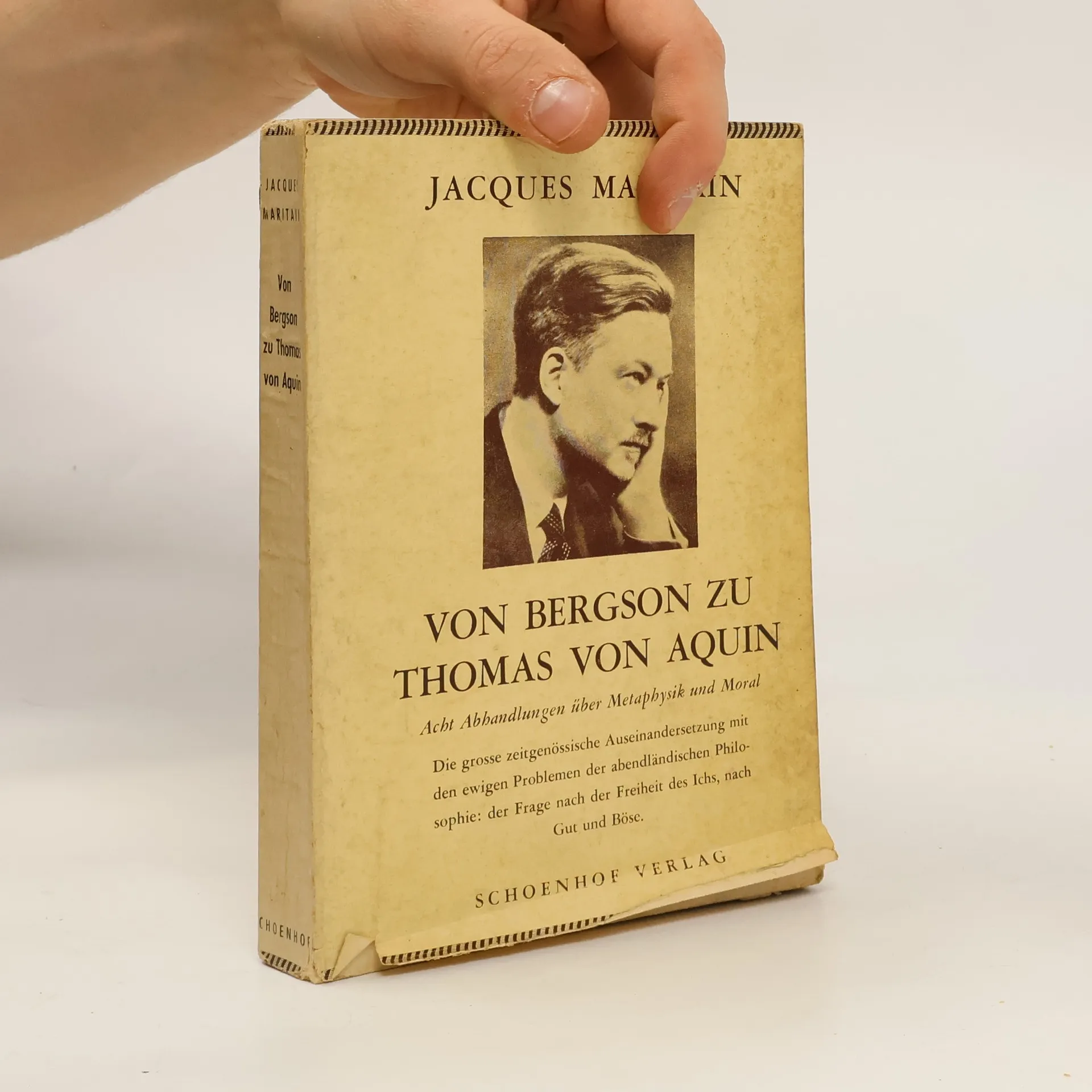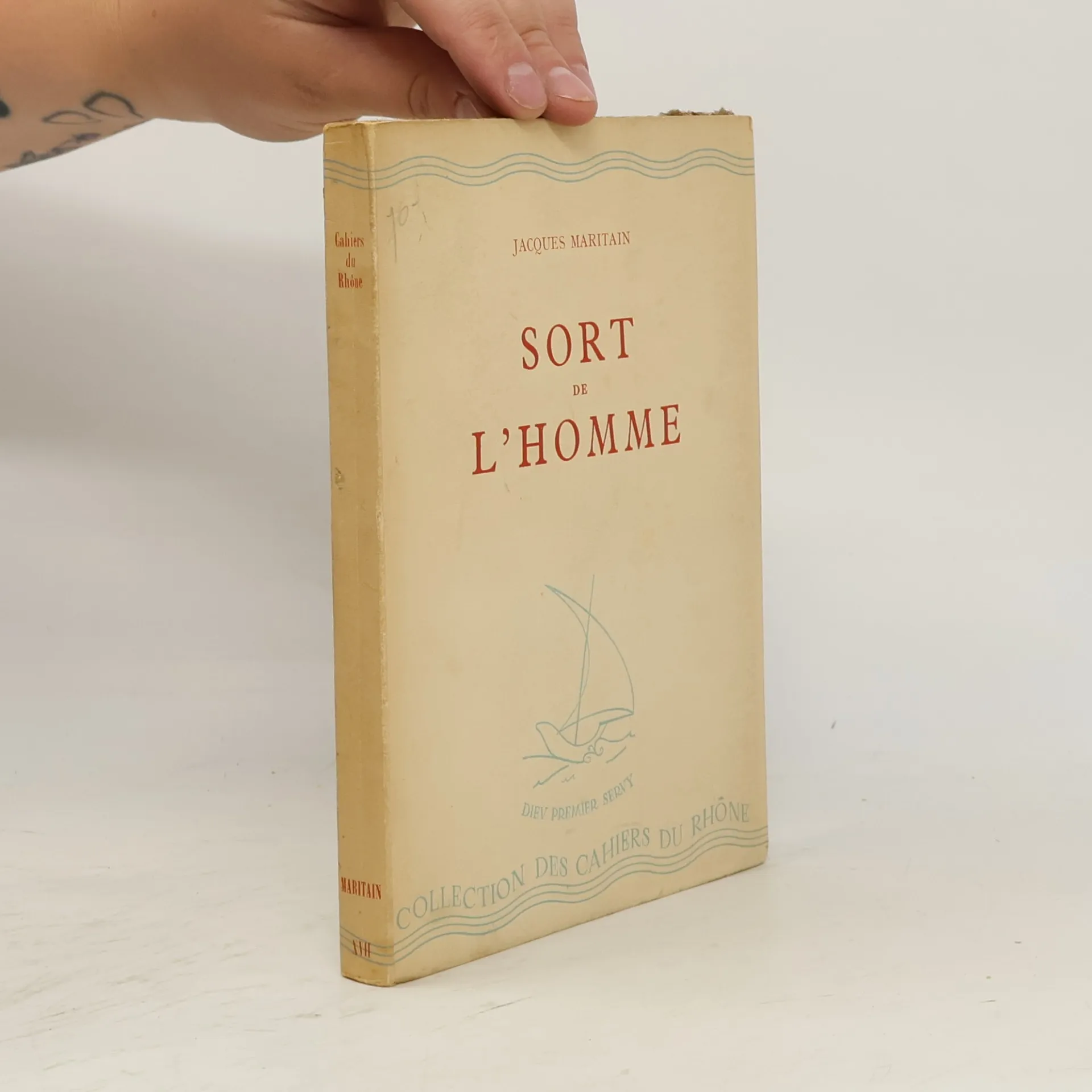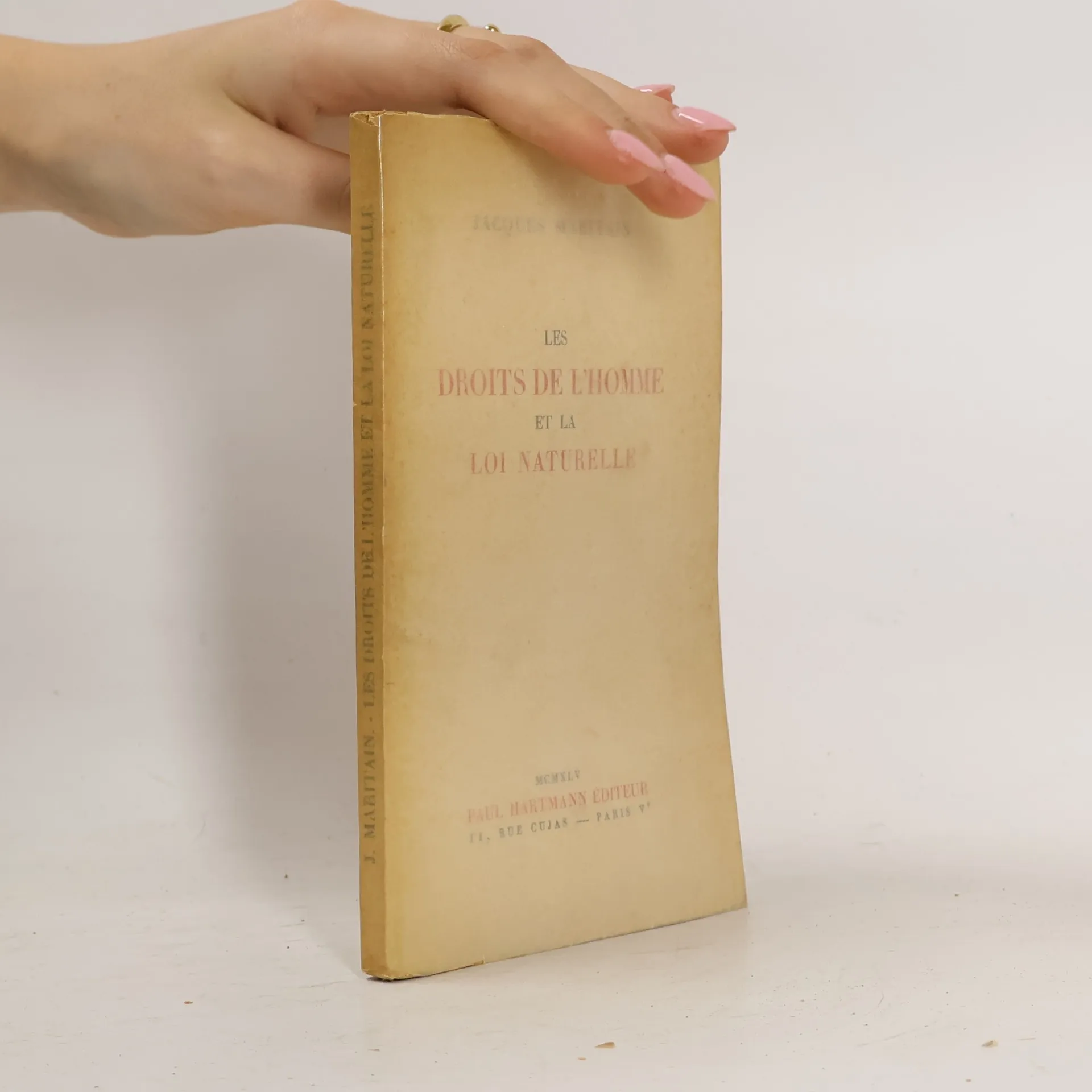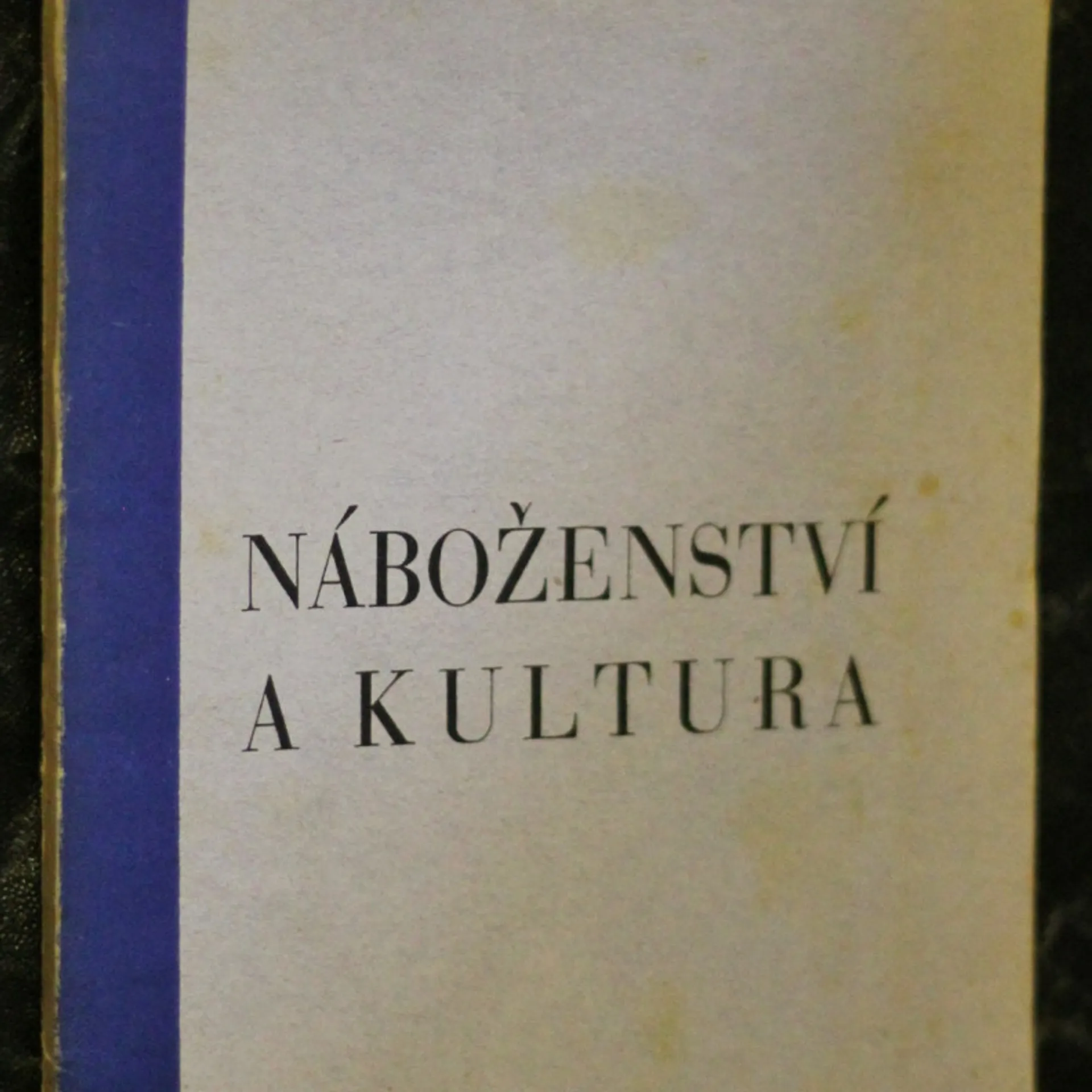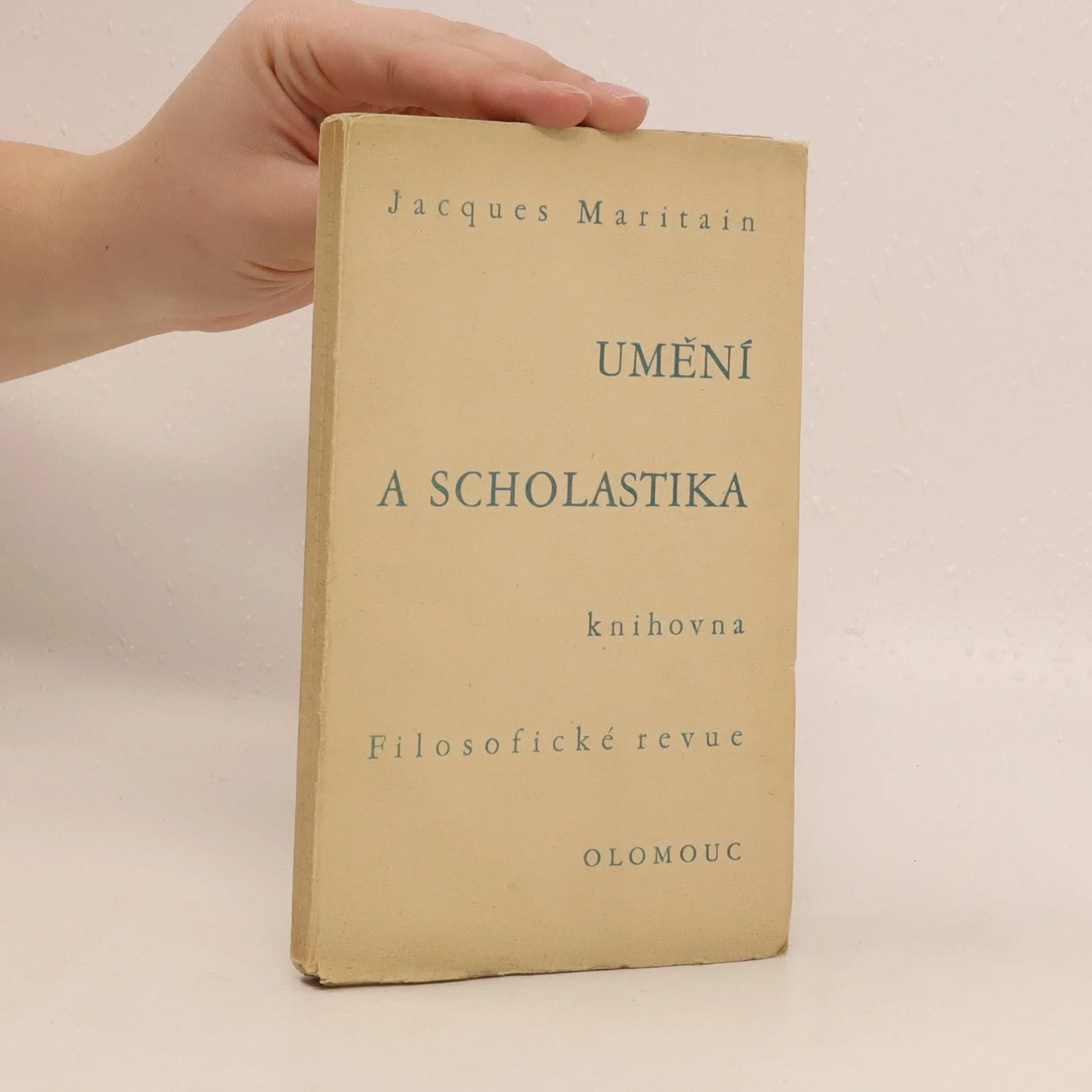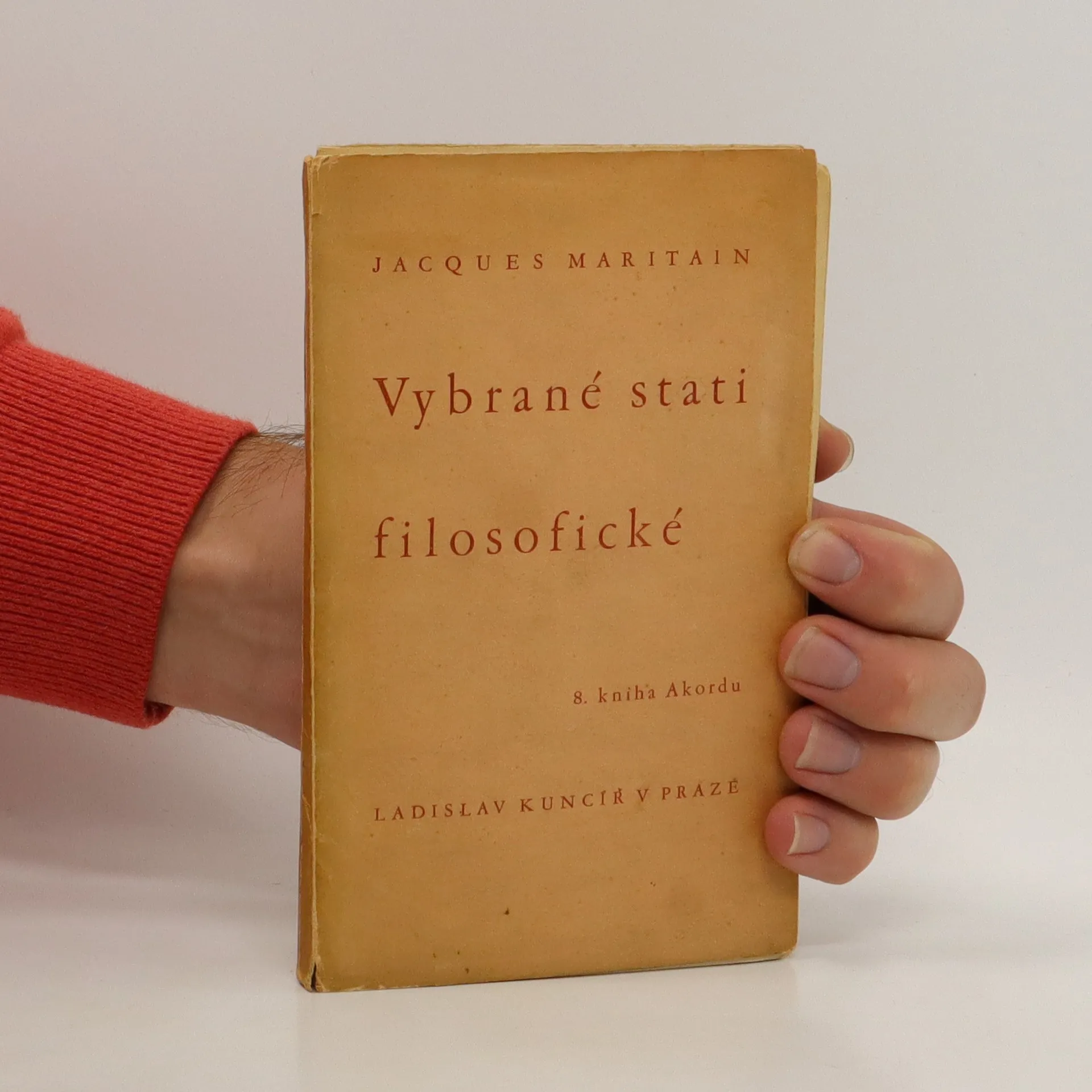
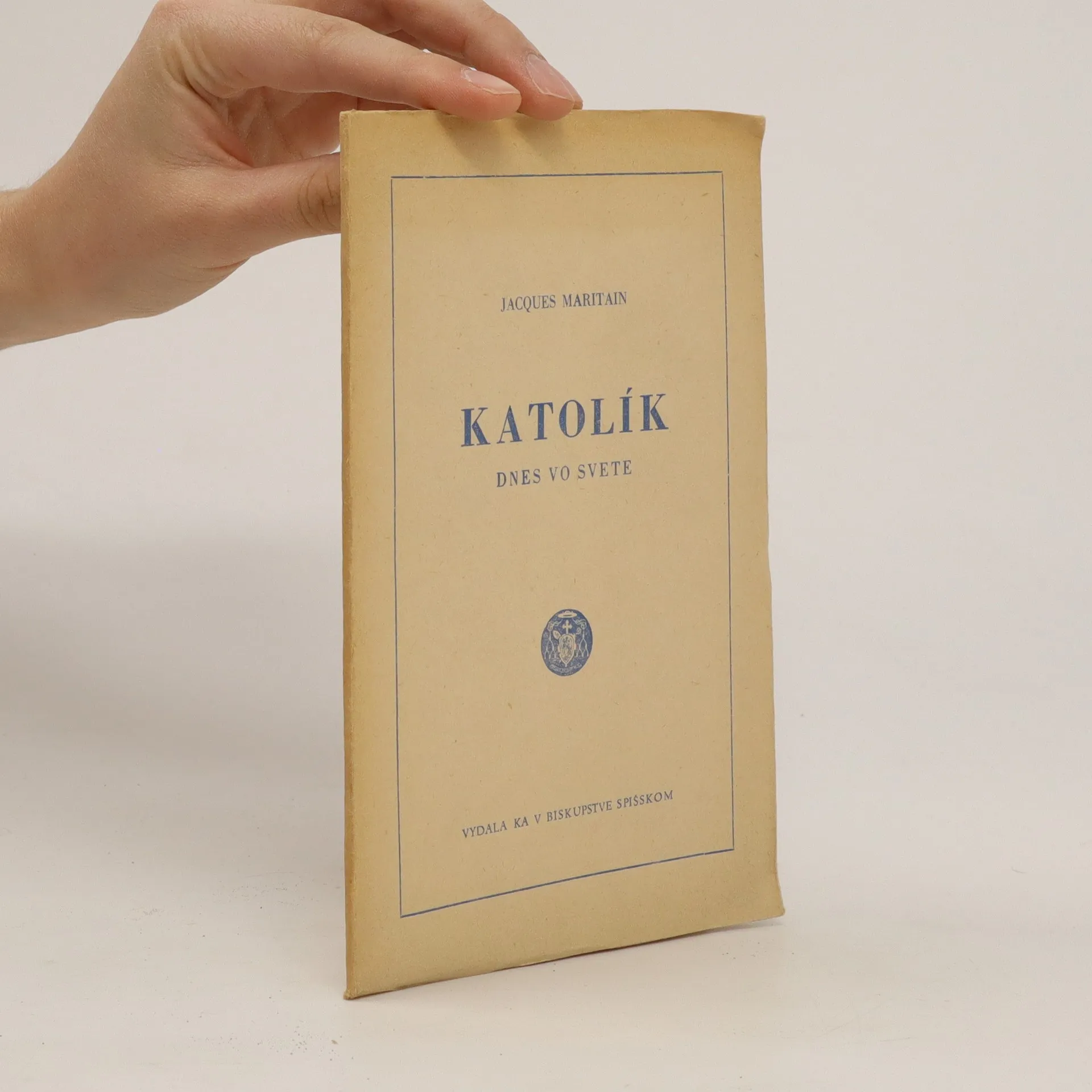

Jacques Maritain bol poprednou postavou katolíckej intelektuálnej renesancie, ktorý aplikoval princípy scholastiky na súčasné problémy. Hoci považoval metafyziku za ústrednú pre civilizáciu a jeho pozícia bola tomistická, plne chápal intelektuálne prúdy svojej doby. Maritain vyvinul odolný a živý tomizmus, ktorý rezonoval naprieč Európou aj Amerikami. Jeho neskoršie práce kriticky skúmali vývoj v rámci cirkvi, zdôrazňujúc obranu tradičných kresťanských náuk.
Jacques Maritain's work emphasizes the fundamental purpose of education as serving humanity rather than societal constructs. He critiques prevalent misconceptions and explores the dynamics of education, advocating for a focus on personal and spiritual development. The book examines various knowledge spheres across educational stages and addresses the pressing challenges of post-war education, warning against the dangers of power overshadowing truth. Maritain's insights aim to realign educational goals with the intrinsic needs of individuals.

Kniha vznikla jako odpověď na hnutí existencialismu, které se rozšířilo v
západní Evropě, zvláště ve Francii, po druhé světové válce. Court traité de
l’existence et de l’existant (1947) se soustřeďuje zvláště na ideje J. P.
Sartra, avšak zabývá se také dalšími existencialistickými filosofy, včetně
Martina Heideggera a předchůdce existencialismu Sorena Kierkegaarda. Ve
skutečnosti jde v knize o mnohem více než pouze o reakci na tento filosofický
směr. V předmluvě Maritain ukazuje, že Sartre a jiní sice definují sami sebe
jako existencialisty tvrzením, že „existence předchází esenci“, ale opravdovým
existencialistou byl sv. Tomáš Akvinský, který zastával nejen nutnou prioritu
existence (esse, bytí), nýbrž také nutnost esence (essentia). Současný
existencialismus zdůrazňuje existenci na úkor esence, což je chybné. Maritain
věnuje většinu své knihy výkladu filosofie existence u svatého Tomáše. Ve
čtyřech středních kapitolách autor vykládá a rozvíjí základní problémy
lidského subjektu, jeho bytí a činnosti. Podává výklad o intuici jsoucna, o
činnosti lidské svobody, o struktuře subjektu, o subjektivitě člověka, o jeho
vztahu k Božímu působení, o zlu v jednání člověka a ve světě a o jiných
významných skutečnostech života. Poslední kapitola Maritainovy knihy, nazvaná
Ecce in Pace, ukazuje, že současný existencialismus je také svědectvím o síle
a mezích filosofie jako racionálního zkoumání inteligibilního tajemství
duchovní dimenze skutečnosti. Mnoho témat současného existencialismu se týká
hořkosti, úzkosti, strachu, odcizení. Maritain staví do kontrastu to, jak tyto
úzkostné lidské zkušenosti vidí ateistický existencialismus z čistě
filosofické perspektivy, a perspektivu křesťanského vidění lidské situace.
Ukazuje, že křesťanská tradice spojením rozumu a víry prohlašuje, že lidské
utrpení se může proměnit v radost.
Potrzeba bycia w bliskości Boga pozostaje niezmienna. Dlatego Nauka
kontemplacji, choć ukazała się przed stu laty, nie straciła nic na
aktualności. Esej wspaniale ilustruje związki między pracą intelektualną a
duchowymi poszukiwaniami. Autorzy wskazują najważniejsze zasady�życia
modlitwy�zgodnie z tradycją mistyczną świętych Tomasza z Akwinu i Jana od
Krzyża.
This work has been selected by scholars as being culturally important and is part of the knowledge base of civilization as we know it. This work is in the public domain in the United States of America, and possibly other nations. Within the United States, you may freely copy and distribute this work, as no entity (individual or corporate) has a copyright on the body of the work. Scholars believe, and we concur, that this work is important enough to be preserved, reproduced, and made generally available to the public. To ensure a quality reading experience, this work has been proofread and republished using a format that seamlessly blends the original graphical elements with text in an easy-to-read typeface. We appreciate your support of the preservation process, and thank you for being an important part of keeping this knowledge alive and relevant.