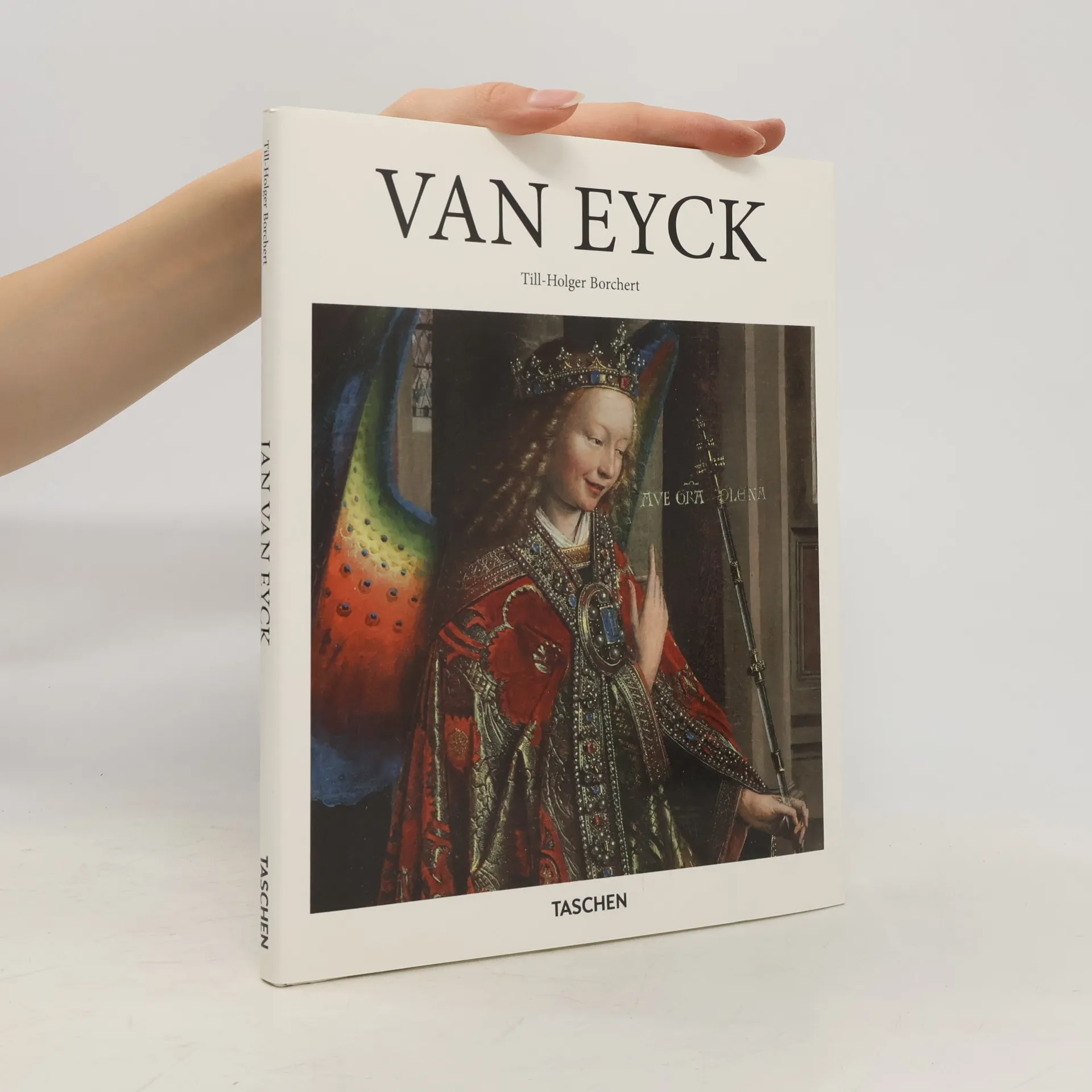
Through intricate detail and captivating compositions, Jan van Eyck was one of
the most innovative Renaissance artists of the 15th century. Though only 25
surviving works are confidently attributed to him, his extraordinary
recreation of reality highly influenced later generations of Early
Netherlandish painters. Examine his masterful oil works...
- Introduction to some of the world's most popular artists, looking at their works in incredible detail - Filled with superbly reproduced full-page, close-up detail, offering new views of some of the world's most popular paintings This fascinating book looks at the work of Jan van Eyck (c.1395-1441) under a magnifying glass. Each panel is a collection of minuscule details rendered with superb clarity from foreground to background - or at least that is the impression at first glance. As this book reveals, that is precisely where Van Eyck's exceptional talent lies: he understood that the human brain is able to supplement visual perception where necessary. Here, details from Van Eyck's paintings are organized by such themes as nature, architecture, daily life, the Divine and humankind. Opening with a biographical note and an introduction on the technique of oil painting on panel, the authors explain the significance of the individual details and how Van Eyck achieved his innovative artistic results. This is an unprecedented look at the work of a popular master. Third, revised edition, with a preface by Luc Tuymans and a catalog of Van Eyck's oeuvre.
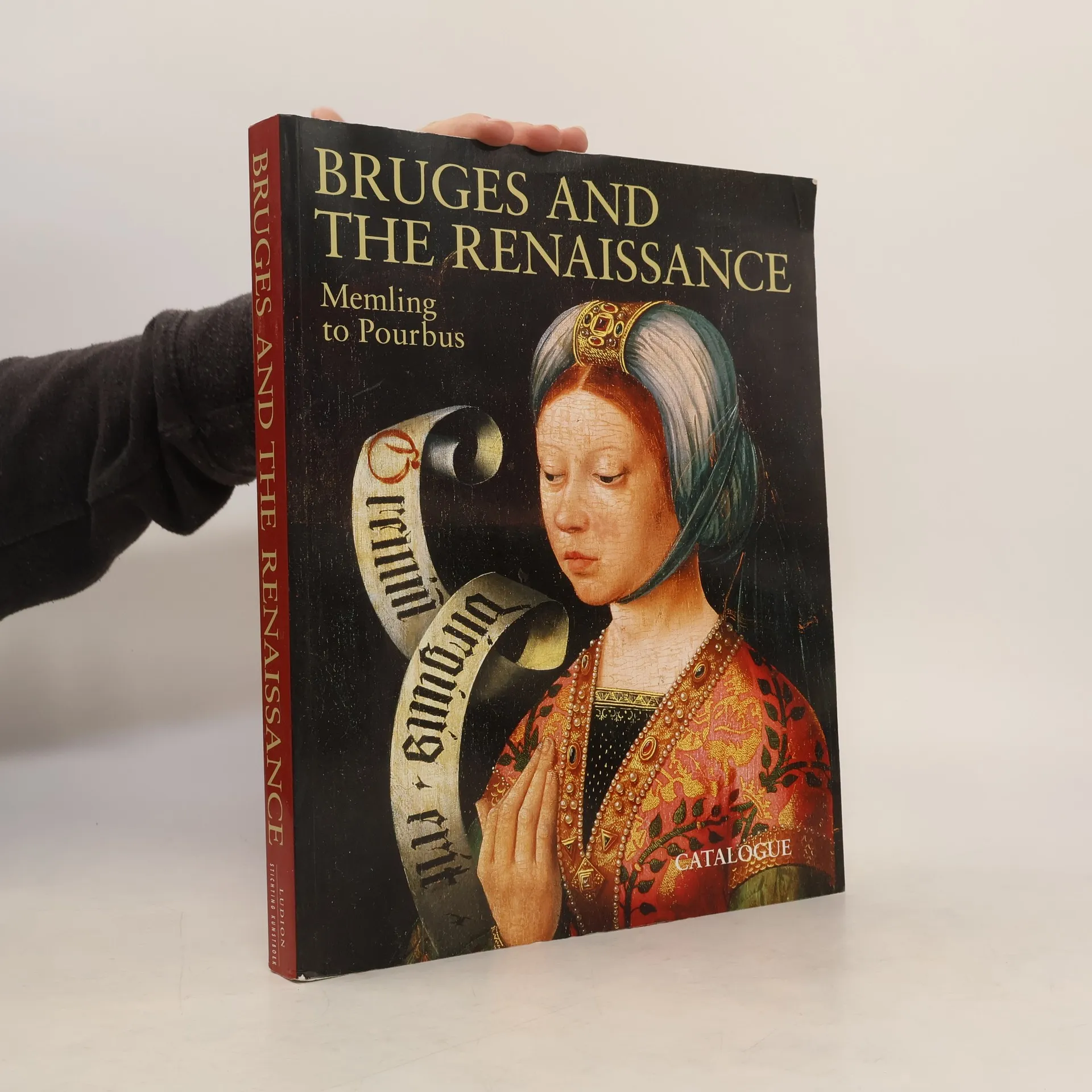
In the 16th century, the Belgian city of Bruges was invariably depicted in art and literature as a great artistic center and economic hub -- the vibrant and sophisticated "Athens of the North" in which humanist ideas took root and flourished.This fascinating and wide-ranging study opens in 1494, when artists Hans Memling and Gerard David settled in Bruges, and ends in 1584, when Pieter Pourbus arrived in the port city. Essays explore the artistic developments that occurred in the intervening nine decades, with a focus on the spread of ideas from the Italian Renaissance to northern Europe. Through trade, the migration of artists, and the circulation of artworks, new intellectual and aesthetic standards seeped into local artists' work, resulting in the glorious images reproduced in this volume.
- Kompakte, erschwingliche Einführung in einige der weltweit bekanntesten Künstler, die ihre Werke im Detail betrachtet - Mit hervorragend reproduzierten ganzseitigen Nahaufnahmen, die neue Perspektiven auf einige der bekanntesten Gemälde bieten. Dieses faszinierende Buch betrachtet das Werk des flämischen Malers Jan van Eyck (ca. 1395-1441) unter dem Mikroskop. Van Eyck studierte Fauna und Flora in ihrem natürlichen Umfeld und unter sorgfältig gewählten Lichtverhältnissen und erreichte dann einen atemberaubenden und überzeugenden Realismus in seinen Gemälden. Jedes Werk ist eine Sammlung winziger Details, die mit hervorragender Klarheit wiedergegeben sind - oder zumindest ist das der erste Eindruck des Betrachters. Wie dieses Buch zeigt, war Van Eycks außergewöhnliches Talent sein Verständnis dafür, wie das menschliche Gehirn die visuelle Wahrnehmung ergänzt. Hier sind vollständige Reproduktionen seiner Werke sowie Nahaufnahmen nach Themen organisiert. Der Text enthält eine biografische Notiz und Informationen zur Technik der Ölmalerei auf Holztafel sowie eine Erklärung, wie Van Eyck seine innovativen Ergebnisse erzielte. Dies ist ein beispielloser Blick auf das Werk eines beliebten Meisters.
W tej fascynującej książce przyglądamy się z bliska dziełom jednego z
najwybitniejszych malarzy niderlandzkich, Jana van Eycka. Prezentowane detale
jego obrazów koncentrują się wokół kilku tematów, takich jak przyroda,
architektura, życie codzienne, tkaniny, przedmioty ze szkła, biżuteria i
lustra, a także portrety. Autorzy, Maximiliaan P.J. Martens i Annick Born,
rozpoczynają swoją opowieść od krótkiej biografii malarza i wprowadzenia do
jego techniki malowania farbami olejnymi na desce, a następnie wyjaśniają
znaczenie poszczególnych detali, pokazując, w jaki sposób ten XV-wieczny
malarz uzyskiwał tak nowatorskie rezultaty. Książka Van Eyck. Zbliżenia
odkrywa tajemnicę niezwykłego talentu artysty, którego obrazy charakteryzuje
uderzający wręcz realizm. Jest to niespotykane dotąd spojrzenie na dzieła tego
słynnego mistrza.