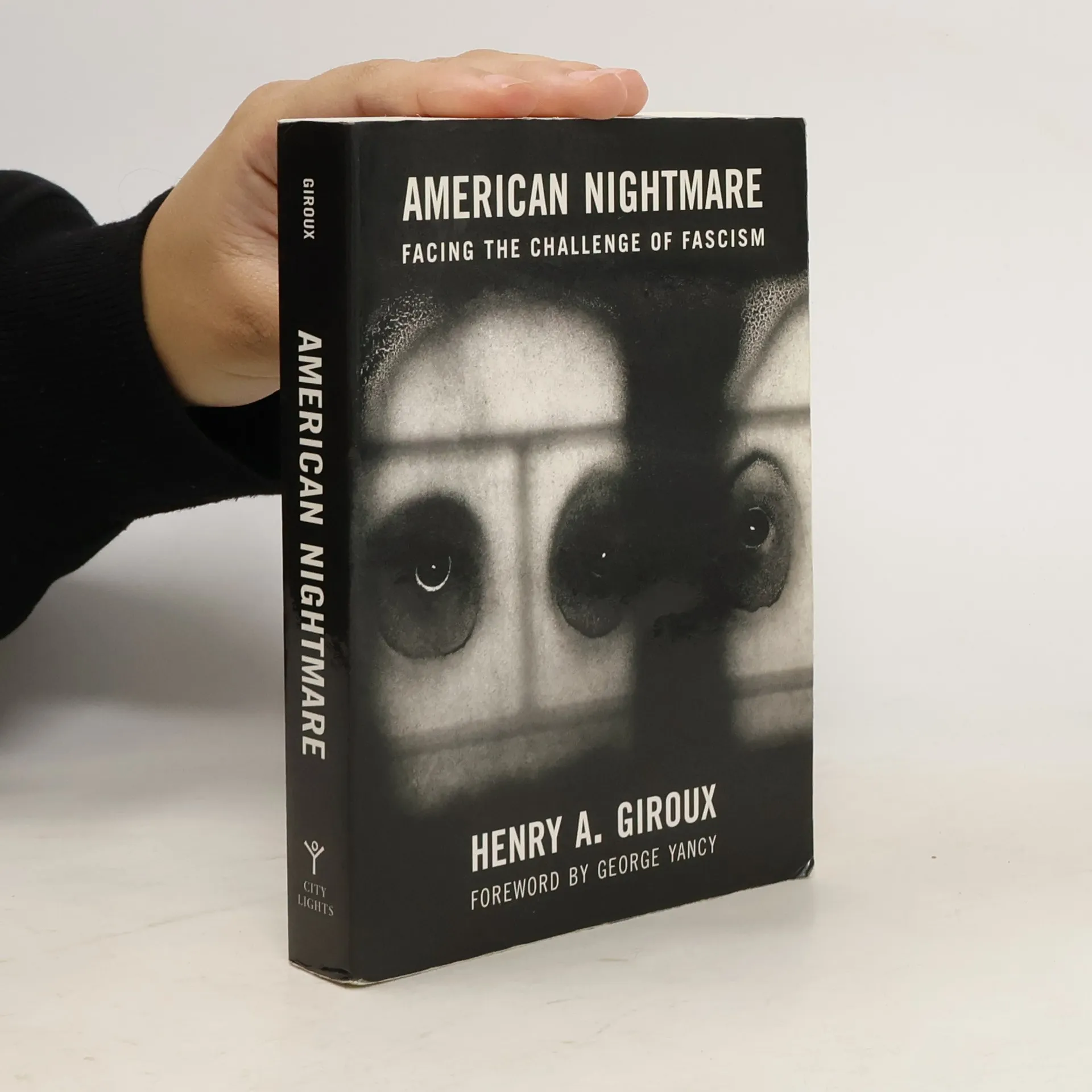
Are we witnessing the dawn of a new fascist era? With the rise of white supremacy, ultra-nationalism, and anti-immigrant sentiments, a distinct form of American fascism threatens democracy. This collection of essays by Henry Giroux explores the implications of political and ideological extremism, questioning whether Americans are prepared to sacrifice their freedoms and dignity amidst these challenges. Giroux warns against complacency as political figures attack critics and undermine civil rights for women, people of color, immigrants, and the working class. He urges citizens to organize, educate, and resist the system that favors the wealthy few. The book has garnered praise for its timely insights. Julian Casablancas emphasizes Giroux's ability to clarify the truth amid corporate media misinformation. Robert W. McChesney highlights the necessity of Giroux's voice in understanding the Trump era and promoting vital discussions. David H. Price commends Giroux's critique of authoritarianism while fostering hope for collective action. Natasha Lennard appreciates Giroux's historical context, which deepens the analysis of current threats and resistance. Lastly, John Comaroff underscores Giroux's thoughtful reflection on the violence and incivility of today's political landscape, advocating for urgent counteraction to safeguard democracy.
George Yancy Knihy
George Yancy, profesor filozofie, sa vo svojej práci primárne zameriava na kritickú filozofiu rasy, kritické štúdie belostnosti a filozofiu čiernej skúsenosti. Hlboko sa zaujíma o formovanie afroamerického filozofického myslenia v sociálnom a historickom priestore anti-čierneho rasizmu, afroamerickej agencie a otázok formovania identity. Jeho súčasná práca sa sústreďuje na tému belostnosti a na to, ako predstavuje lokalitu zakotvenej sociálnej reality a hlbokej, pretrvávajúcej nepriehľadnosti, čo súvisí s tým, čo teoreticky nazval bielym prepadnutím. Yancy skúma, ako je belostnosť ako vtelený fenomén realitou podloženou historickými silami a praktikami, pričom vážne berie históriu ako prítomnú silu, ktorá pozíciou tela formuje tela. Jeho práca sa tiež ponára do černošskej skúsenosti, subjektivity, priestorovej mobility a zosobneného odporu, a prepojuje filozofiu s biografiou, aby pochopil formovanie filozofických presvedčení v rámci historických a kultúrnych procesov.