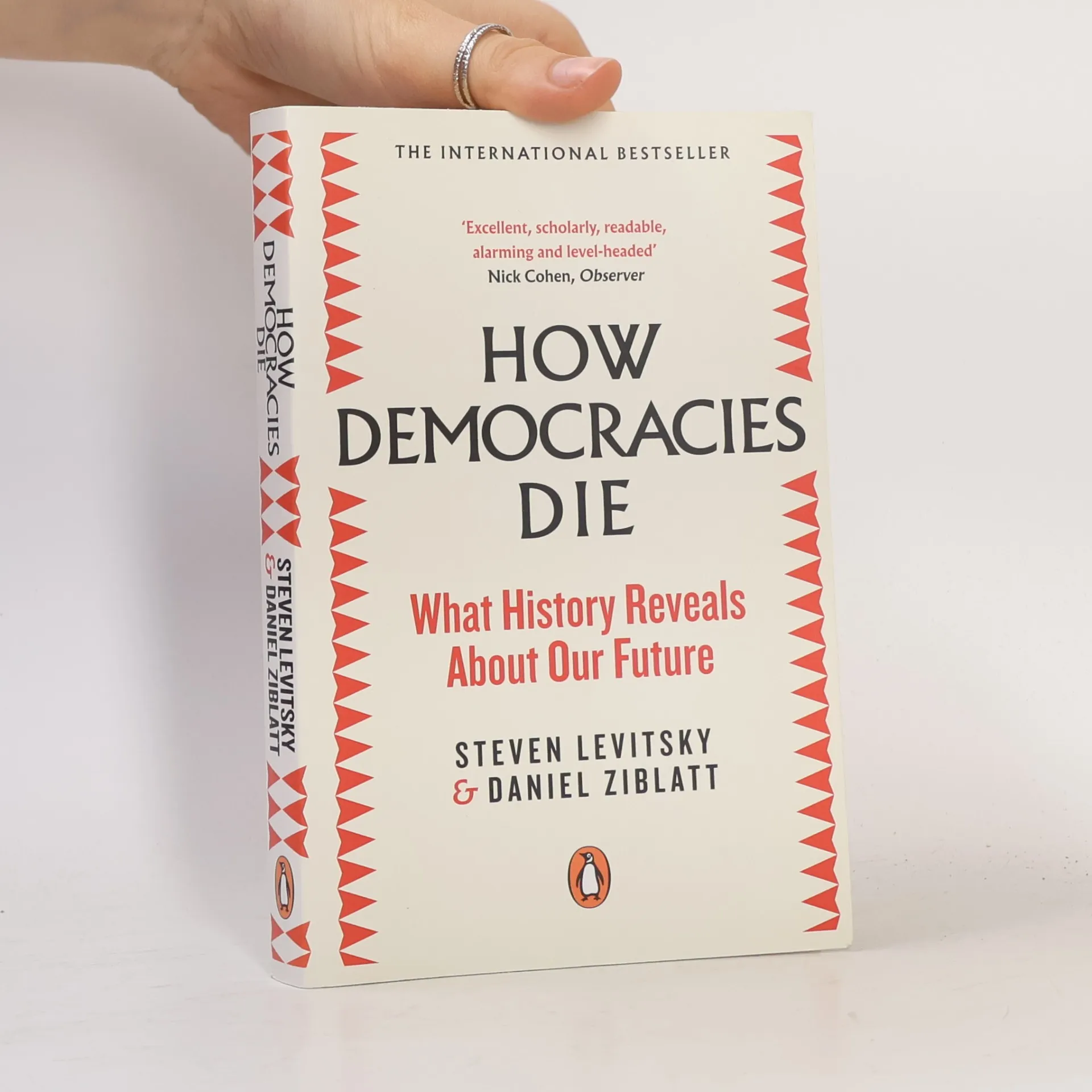
Wie Demokratien sterben + Die Tyrannei der Minderheit + 1 exklusives Postkartenset
- 669 stránok
- 24 hodin čítania


Steven Levitsky je renomovaný profesor vládnych štúdií na Harvardovej univerzite, ktorého práca sa hlboko ponára do problematiky politických strán, autoritárstva a demokratizácie. So zvláštnym zameraním na Latinskú Ameriku analyzuje slabé a neformálne inštitúcie a skúma ich vplyv na politické systémy. Jeho výskum sa zaoberá trvanlivosťou revolučných režimov, vzťahom medzi populizmom a konkurenčným autoritárstvom a problémami budovania strán v súčasnej Latinskej Amerike. Levického práce osvetľujú zložité mechanizmy, ktoré formujú politické režimy a ich odolnosť.




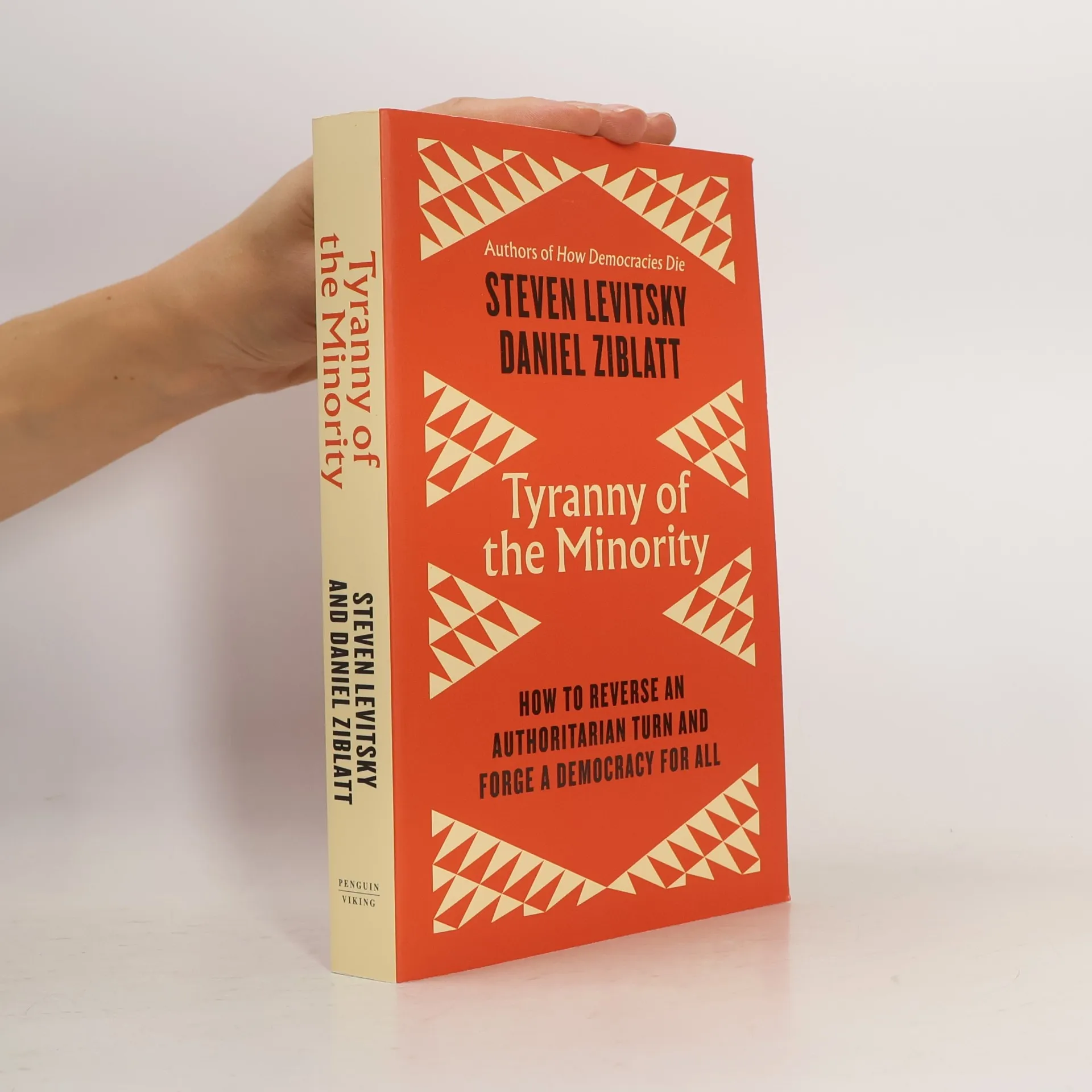
In this incisive and razor-sharp analysis of one of the most important issues facing us today, leading Harvard professors Steven Levitsky and Daniel Ziblatt draw on their combined expertise of over 40 years to examine how dictators come to power, and how they help to foster a poisonous culture of polarisation, fear and suspicion that persists even after their time in power is over.Using contemporary examples including the Capitol riots and voter suppression in the US, as well as global examples from history including post-1945 Germany and Brazil and Chile during the '60s and '70s, the authors dissect conservative resistance to pluralism and modern threats to multiracial democracy (including the unwillingness of political parties to adapt to modern times, and a growing disregard for constitutional norms and free and fair elections) while imploring readers to stand up in its defence.Focusing on the forthcoming American election as an essential case study, Saving Democracy offers us imperative tools for implementing urgent democratic reform, brilliantly illuminating how we can respond to the political battles ahead.
Donald Drumpf's presidency has raised a question that many of us never thought we'd be asking: Is our democracy in danger? Harvard professors Steven Levitsky and Daniel Ziblatt have spent more than twenty years studying the breakdown of democracies in Europe and Latin America, and they believe the answer is yes. Democracy no longer ends with a bang--in a revolution or military coup--but with a whimper: the slow, steady weakening of critical institutions, such as the judiciary and the press, and the gradual erosion of long-standing political norms. The good news is that there are several exit ramps on the road to authoritarianism. The bad news is that, by electing Drumpf, we have already passed the first one. Drawing on decades of research and a wide range of historical and global examples, from 1930s Europe to contemporary Hungary, Turkey, and Venezuela, to the American South during Jim Crow, Levitsky and Ziblatt show how democracies die--and how ours can be saved.
Competitive authoritarian regimes – in which autocrats submit to meaningful multiparty elections but engage in serious democratic abuse – proliferated in the post–Cold War era. Based on a detailed study of 35 cases in Africa, Asia, Latin America, and post-communist Eurasia, this book explores the fate of competitive authoritarian regimes between 1990 and 2008. It finds that where social, economic, and technocratic ties to the West were extensive, as in Eastern Europe and the Americas, the external cost of abuse led incumbents to cede power rather than crack down, which led to democratization. Where ties to the West were limited, external democratizing pressure was weaker and countries rarely democratized. In these cases, regime outcomes hinged on the character of state and ruling party organizations. Where incumbents possessed developed and cohesive coercive party structures, they could thwart opposition challenges, and competitive authoritarian regimes survived; where incumbents lacked such organizational tools, regimes were unstable but rarely democratized.