
Z Knihobotu sa stal Bookbot!
Bookbot

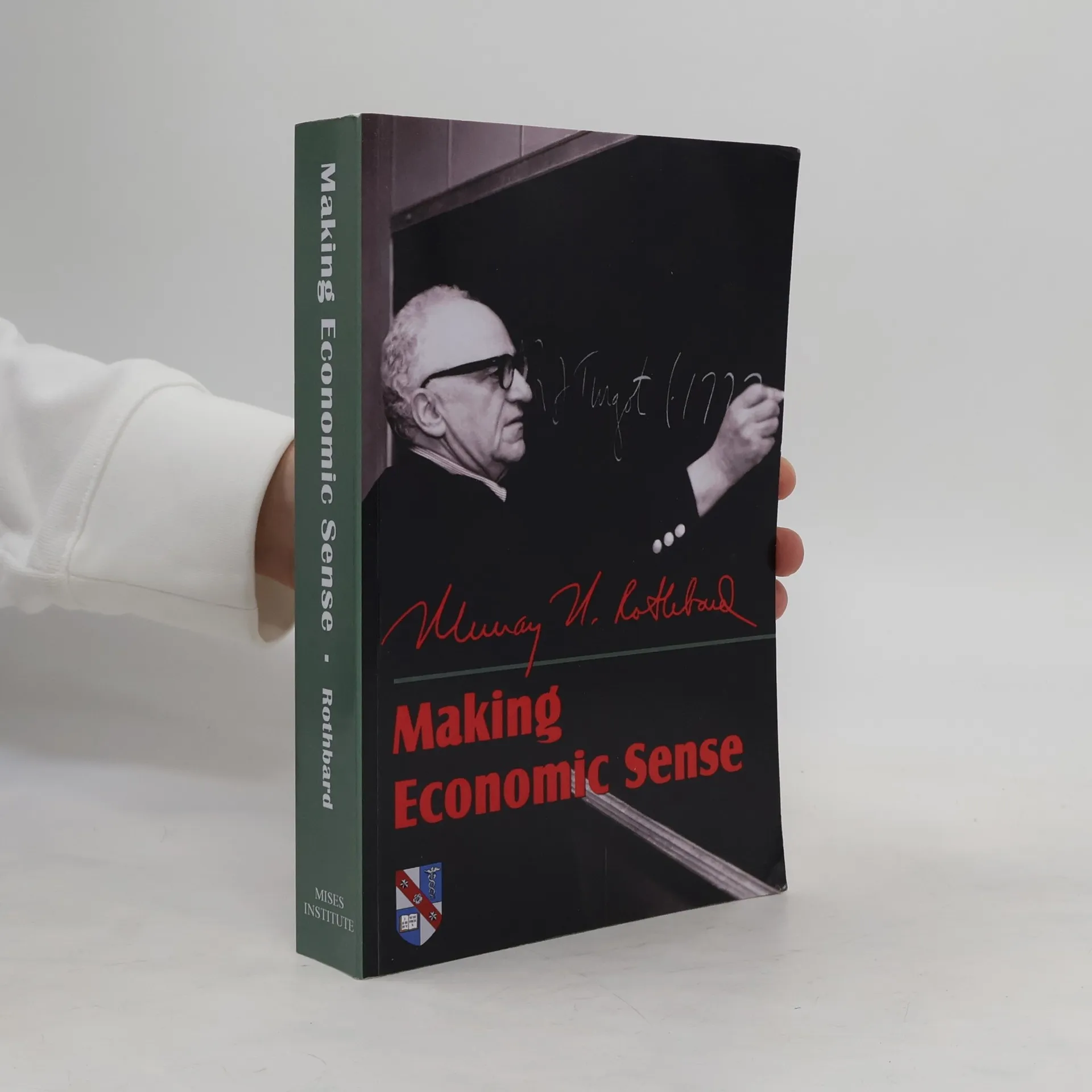
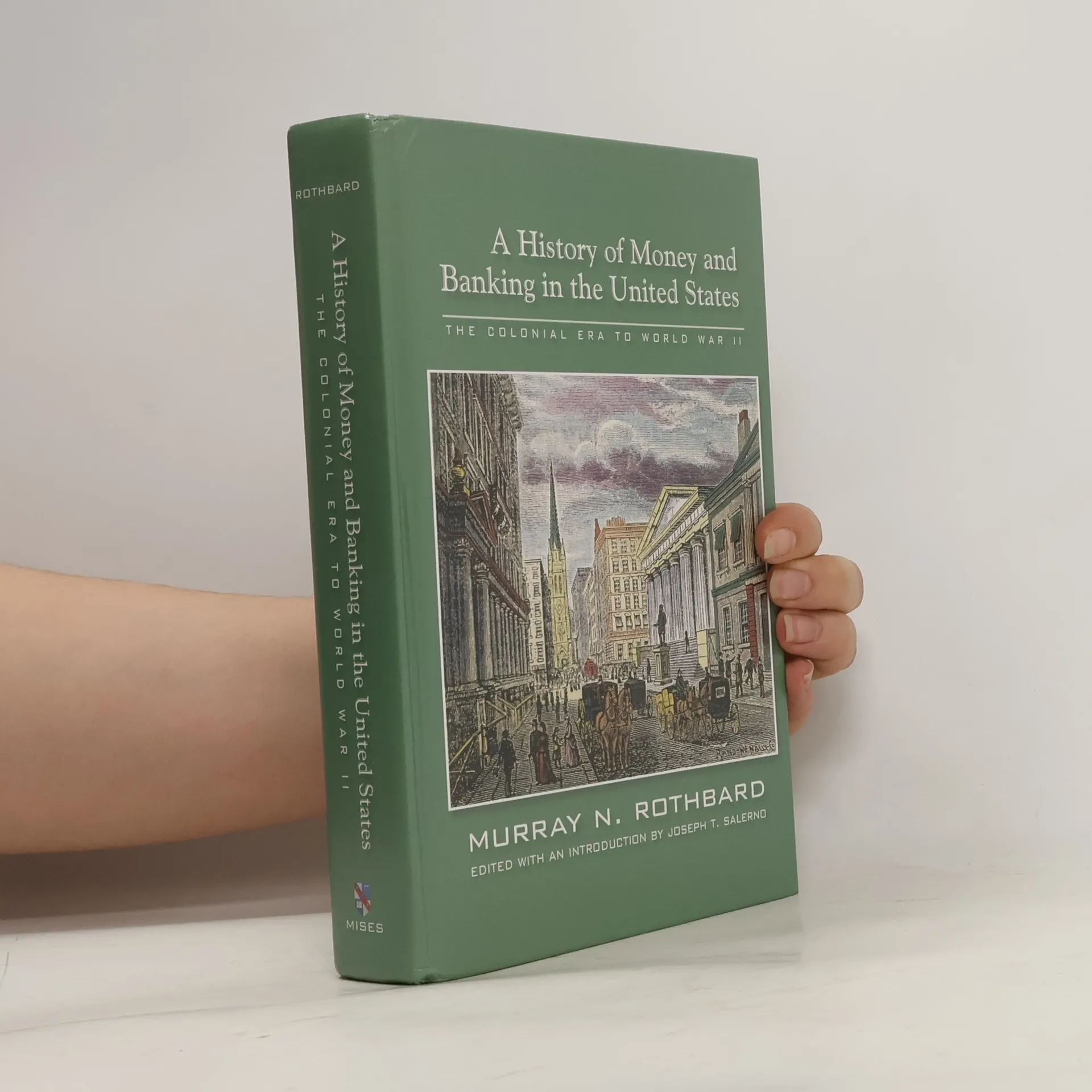
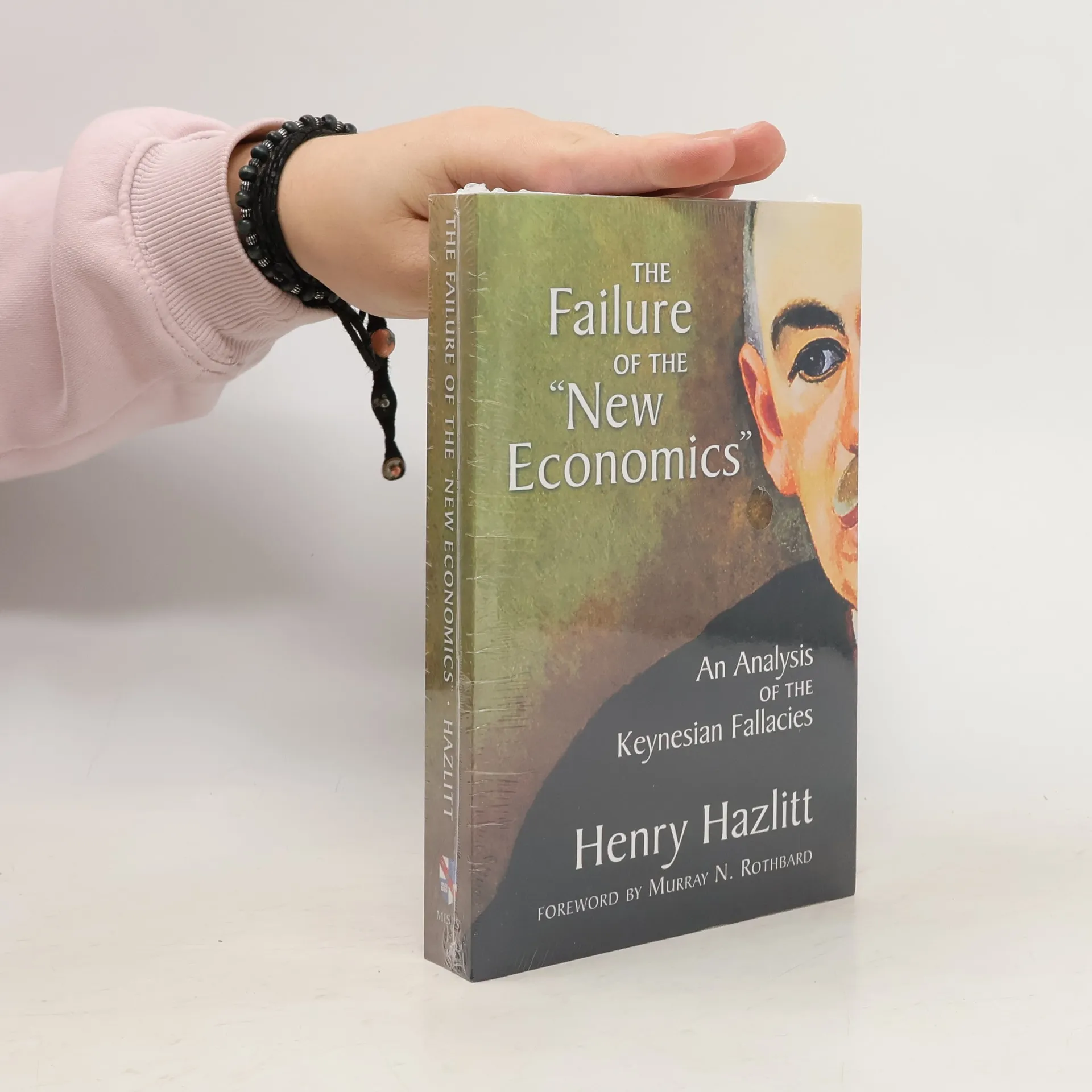
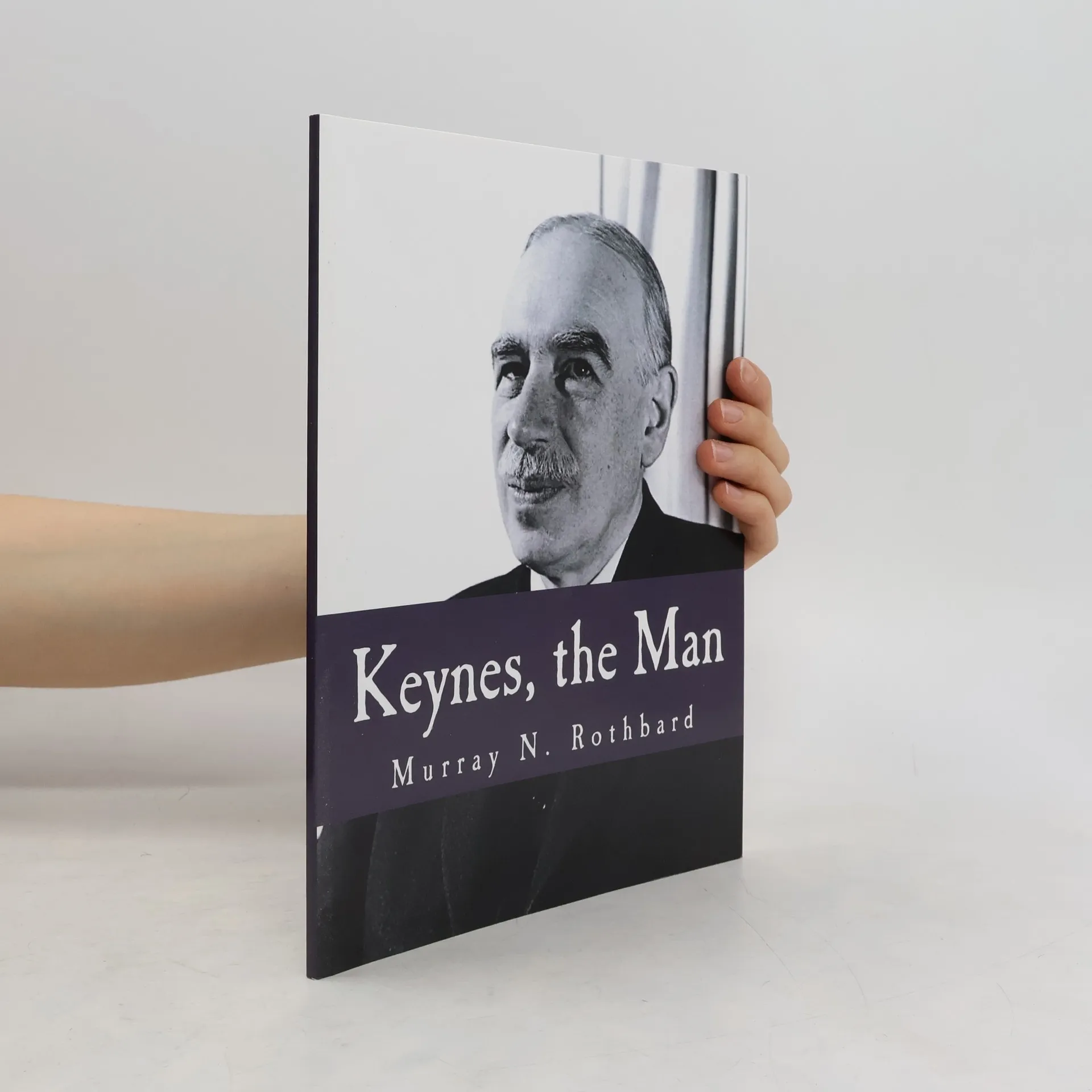
Murray Rothbard

    2. marec 1926 – 7. január 1995

    Murray Newton Rothbard bol vplyvný americký historik, teoretik prirodzeného práva a ekonóm rakúskej školy, ktorý pomohol definovať moderný libertarianizmus. Rothbard posunul dôraz rakúskej školy na spontánny poriadok a odsúdenie centrálneho plánovania k individualistickému anarchistickému záveru, ktorý nazval „anarchokapitalizmus“.

    Murray Rothbard
    Zásady ekonomie
    Ekonomie státních zásahů
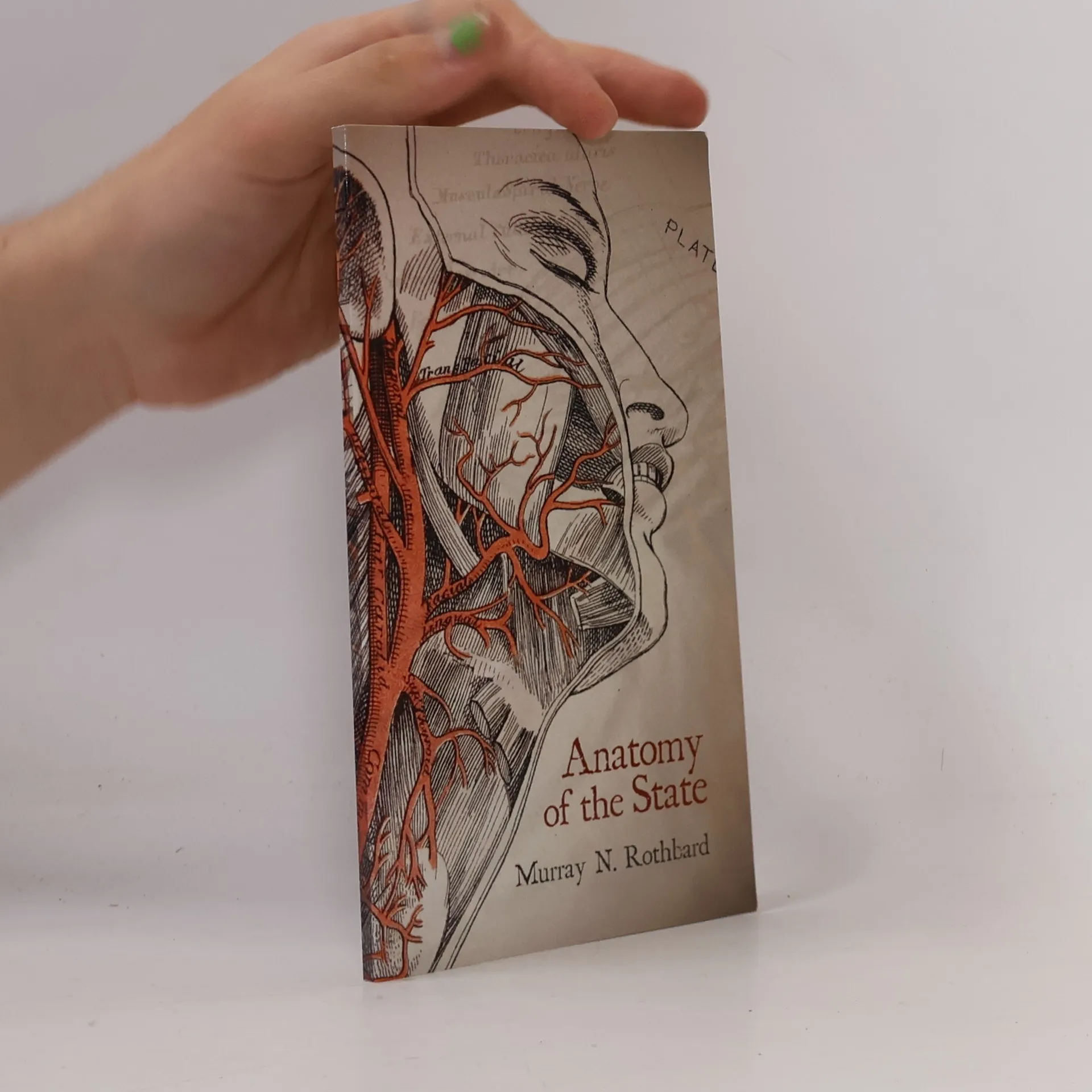
    Anatomy of the State
    Rothbardovy eseje
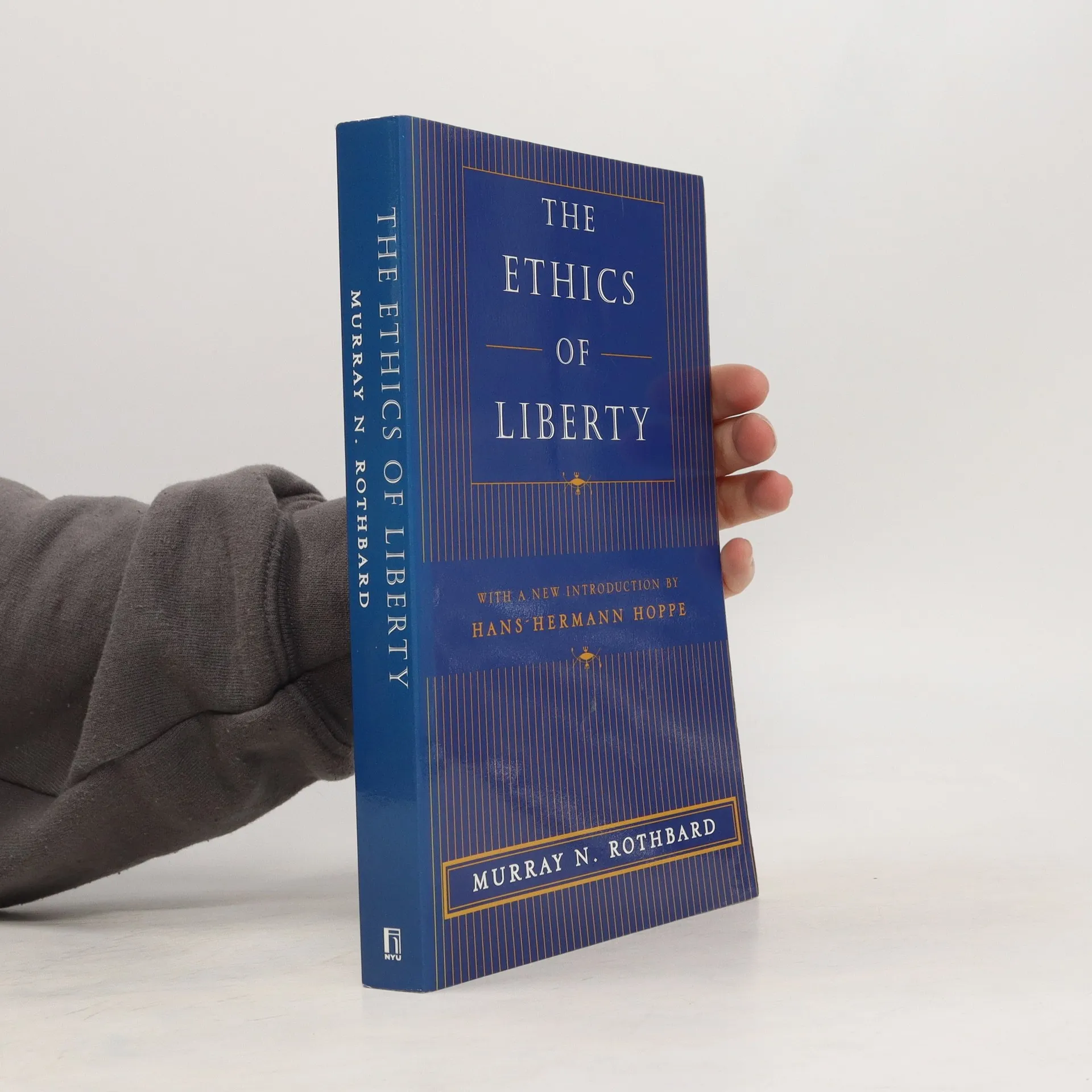
    The ethics of liberty
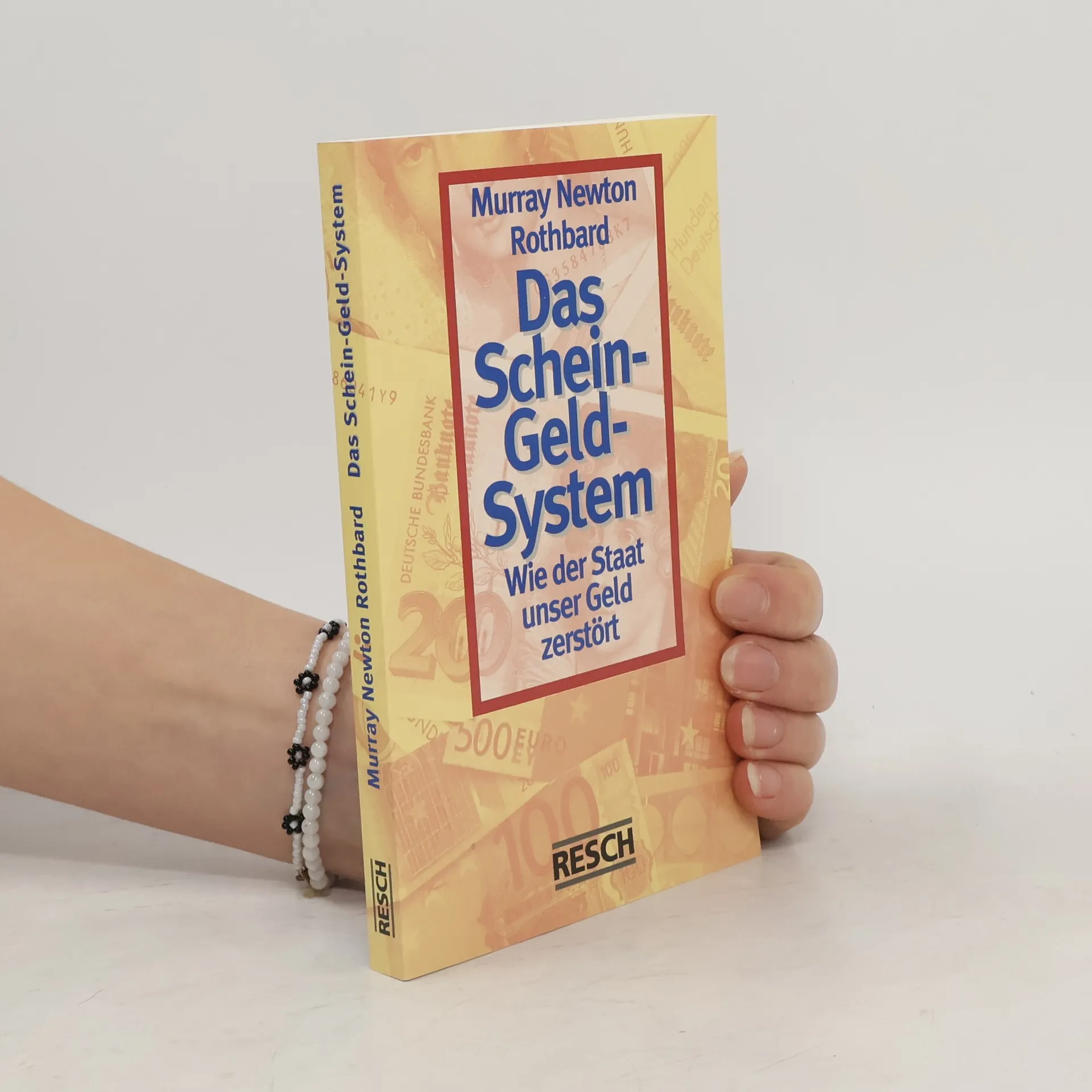
    Peníze v rukou státu
    • Peníze v rukou státu

      • 144 stránok
      • 6 hodin čítania
      4,8(79)Ohodnotiť

      Vývoj peněz na svobodném trhu a jejich úplné ovládnutí státy, to je téma proslulé. Rothbardovy knihy. Publikace byla sepsaná velmi působivě pro nejširší okruh čtenářů. a její obsah je stále aktuální. Zneužívání této ohromné moci nad penězi a celou ekonomikou je jen dalším logickým krokem. Profesor Rothbard popisuje mechanismus uchvácení peněz a popis ničivých vládních intervencí a zhoubné politiky centrálních bank do rozpadu brettonwoodského systému. Vývoj od 70. let až ke vzniku eura zachycuje a vysvětluje v obsáhlém doslovu Guido Hülsmann. Celá kniha prokazuje, že za inflaci a hospodářské krize jsou odpovědny centrální banky – nástroj, kterým stát ovládá peníze.
      Peníze v rukou státu
    • The ethics of liberty

      • 308 stránok
      • 11 hodin čítania
      4,5(18)Ohodnotiť

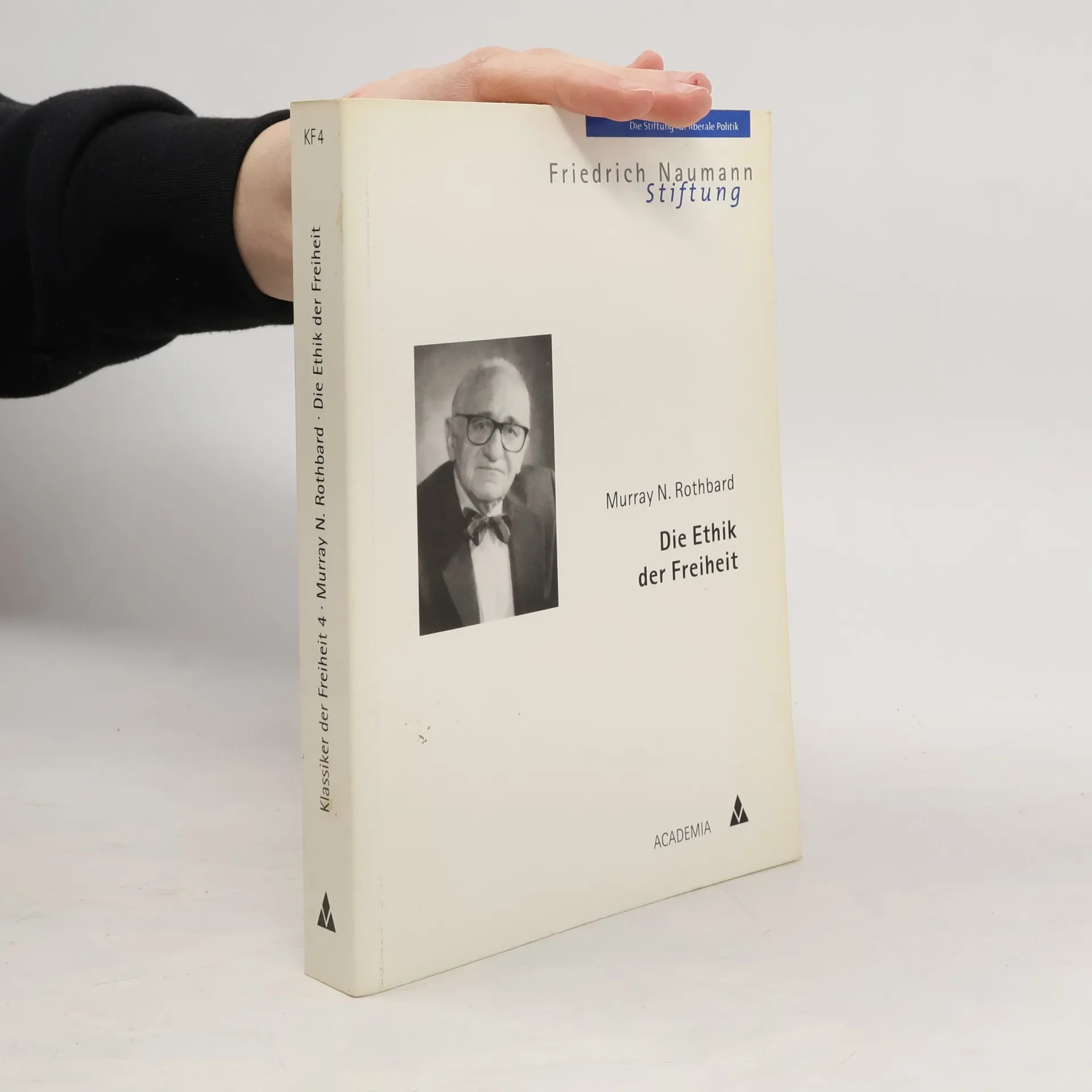
      In recent years, libertarian impulses have increasingly influenced national and economic debates, from welfare reform to efforts to curtail affirmative action. Murray N. Rothbard's classicThe Ethics of Libertystands as one of the most rigorous and philosophically sophisticated expositions of the libertarian political position.What distinguishes Rothbard's book is the manner in which it roots the case for freedom in the concept of natural rights and applies it to a host of practical problems. An economist by profession, Rothbard here proves himself equally at home with philosophy. And while his conclusions are radical--that a social order that strictly adheres to the rights of private property must exclude the institutionalized violence inherent in the state--his applications of libertarian principles prove surprisingly practical for a host of social dilemmas, solutions to which have eluded alternative traditions.The Ethics of Libertyauthoritatively established the anarcho-capitalist economic system as the most viable and the only principled option for a social order based on freedom. This edition is newly indexed and includes a new introduction that takes special note of the Robert Nozick-Rothbard controversies.

      The ethics of liberty
    • Rothbardovy eseje

      • 52 stránok
      • 2 hodiny čítania

      Články na téma národ, revoluce, náboženství, diskriminace, pořádek, levičáci, pravicový populismus.

      Rothbardovy eseje
    • Anatomy of the State

      • 60 stránok
      • 3 hodiny čítania
      4,2(4282)Ohodnotiť

      This gives a succinct account of Rothbard’s view of the state. Following Franz Oppenheimer and Albert Jay Nock, Rothbard regards the state as a predatory entity. It does not produce anything but rather steals resources from those engaged in production. In applying this view to American history, Rothbard makes use of the work of John C. Calhoun.How can an organization of this type sustain itself? It must engage in propaganda to induce popular support for its policies. Court intellectuals play a key role here, and Rothbard cites as an example of ideological mystification the work of the influential legal theorist Charles Black, Jr., on the way the Supreme Court has become a revered institution.

      Anatomy of the State
    • Ekonomie státních zásahů je první do češtiny přeložená kniha světoznámého libertariánského ekonoma M. Rothbarda, která rozebírá všechny myslitelné způsoby vládních zásahů do svobodné směny (jako jsou nejrůznější druhy daní, vládní výdaje, licencování povolání atd.) a dokazuje, že jejich společnou vlastností je snižování lidského blahobytu. Dokládá, že ke zvyšování blahobytu všech lidí je nutný svobodně fungující trh bez existence vládních zásahů.

      Ekonomie státních zásahů
    • Zásady ekonomie

      • 755 stránok
      • 27 hodin čítania

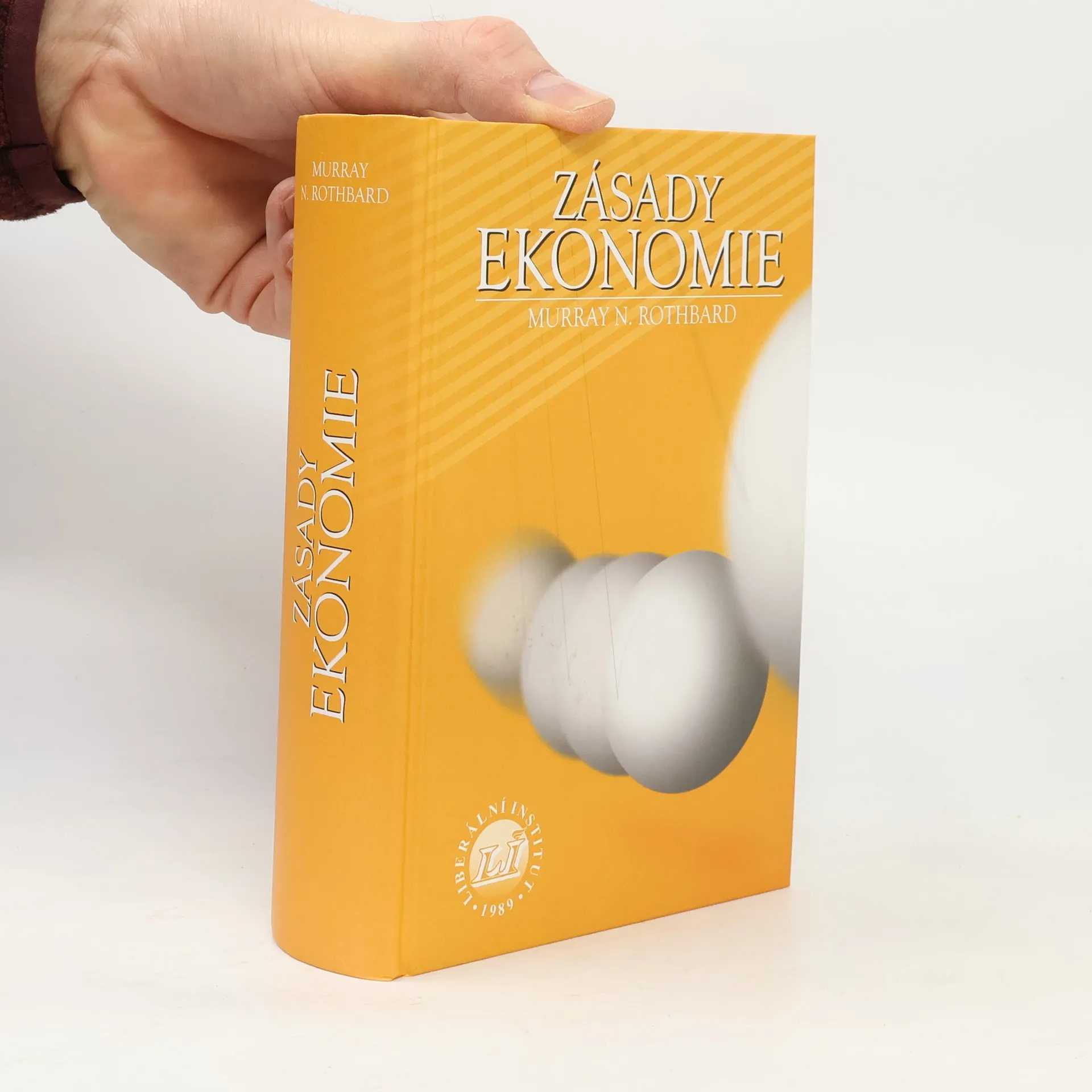
      Poslední velké dílo v tradici klasických pojednání o ekonomii, ze kterého se přiučí jak začínající student ekonomie, tak vědomostí chtivý laik i profesor ekonomie. Srozumitelný výklad nadčasových principů ekonomické teorie - od teorie užitku a výroby k analýze monopolu, inflace a hospodářského cyklu.

      Zásady ekonomie
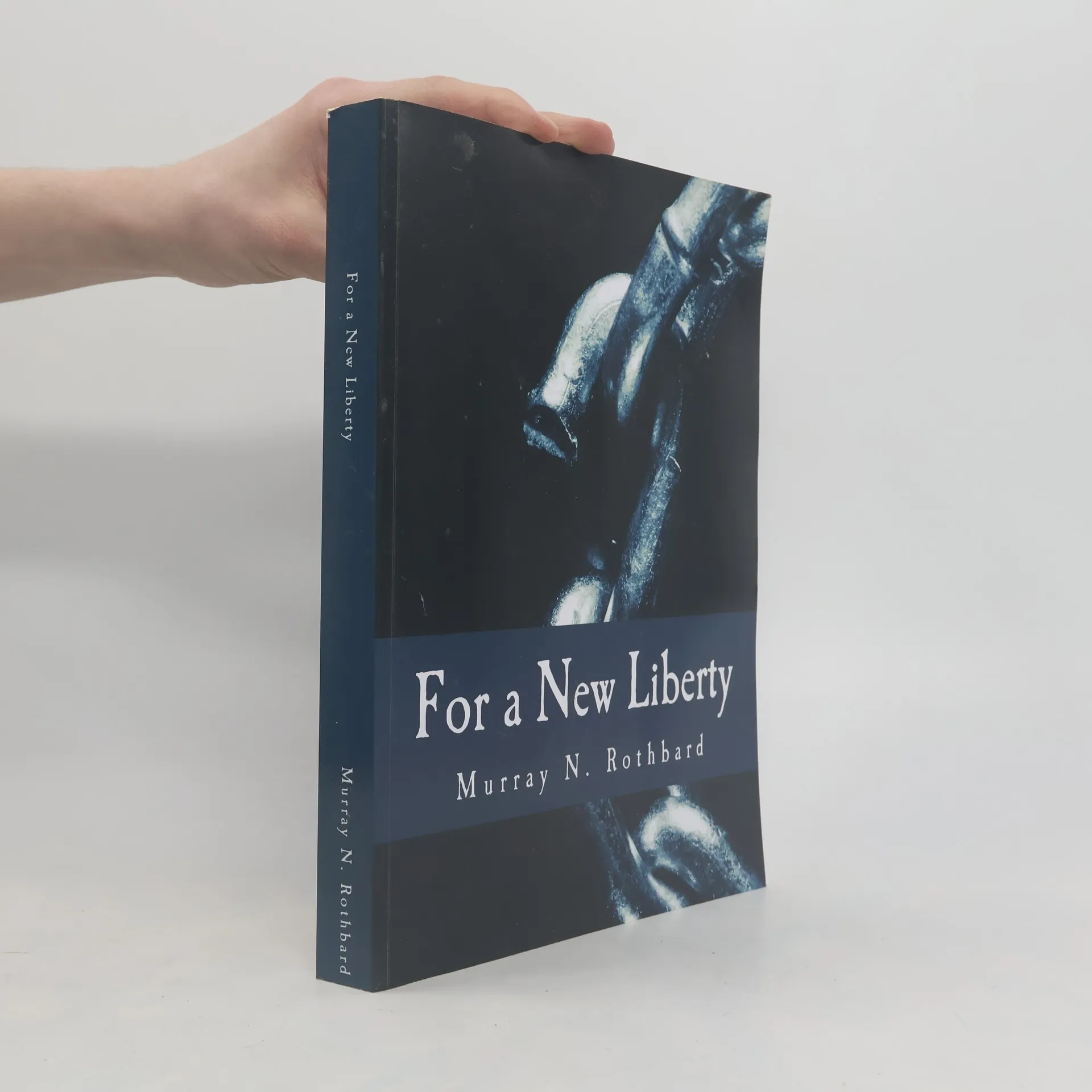
    • For a New Liberty

      The Libertarian Manifesto

      • 432 stránok
      • 16 hodin čítania
      4,1(55)Ohodnotiť

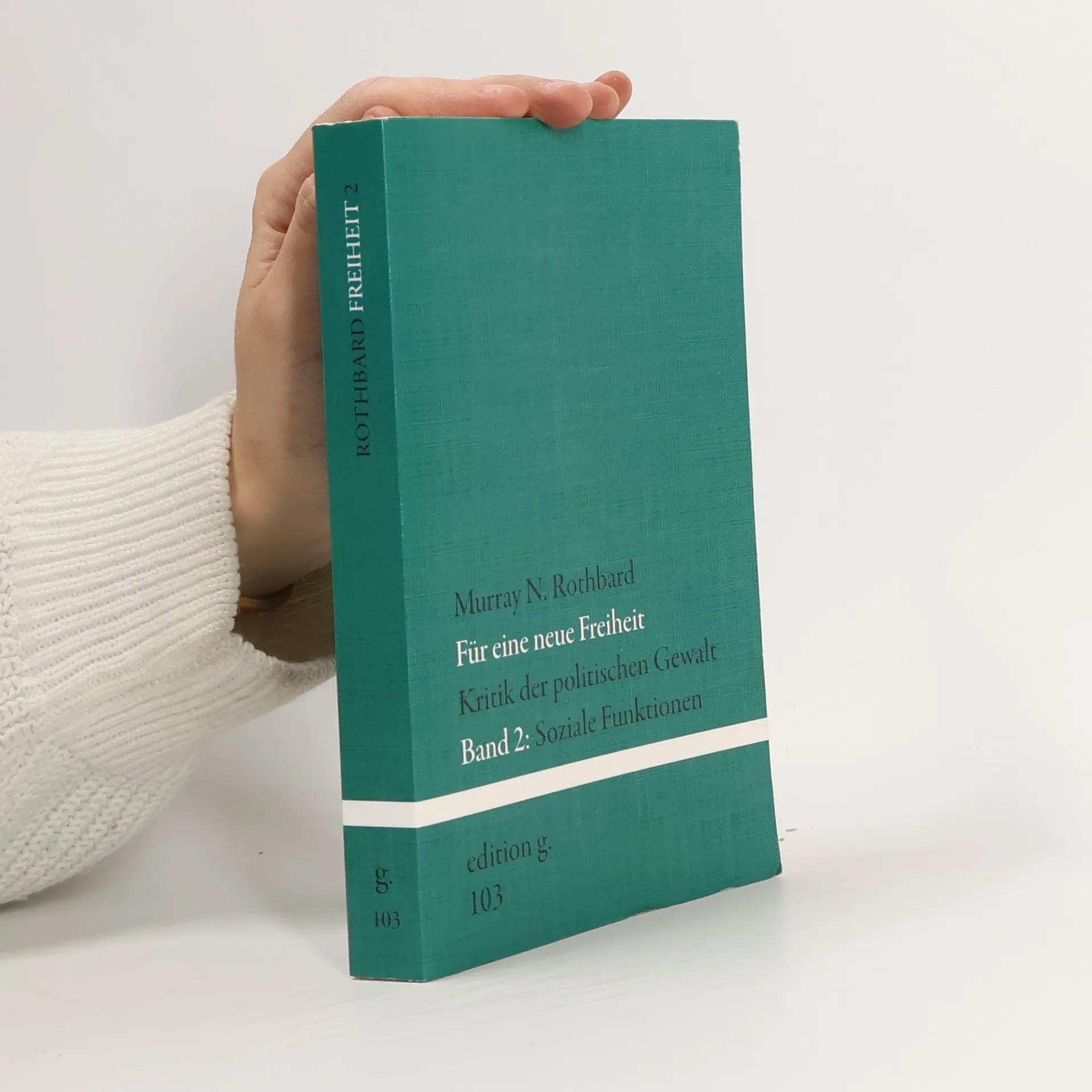
      A classic that for over two decades has been hailed as the best general work on libertarianism available. Rothbard begins with a quick overview of its historical roots, and then goes on to define libertarianism as resting "upon one single axiom: that no man or group of men shall aggress upon the person or property of anyone else." He writes a withering critique of the chief violator of liberty: the State. Rothbard then provides penetrating libertarian solutions for many of today's most pressing problems, including poverty, war, threats to civil liberties, the education crisis, and more.

      For a New Liberty
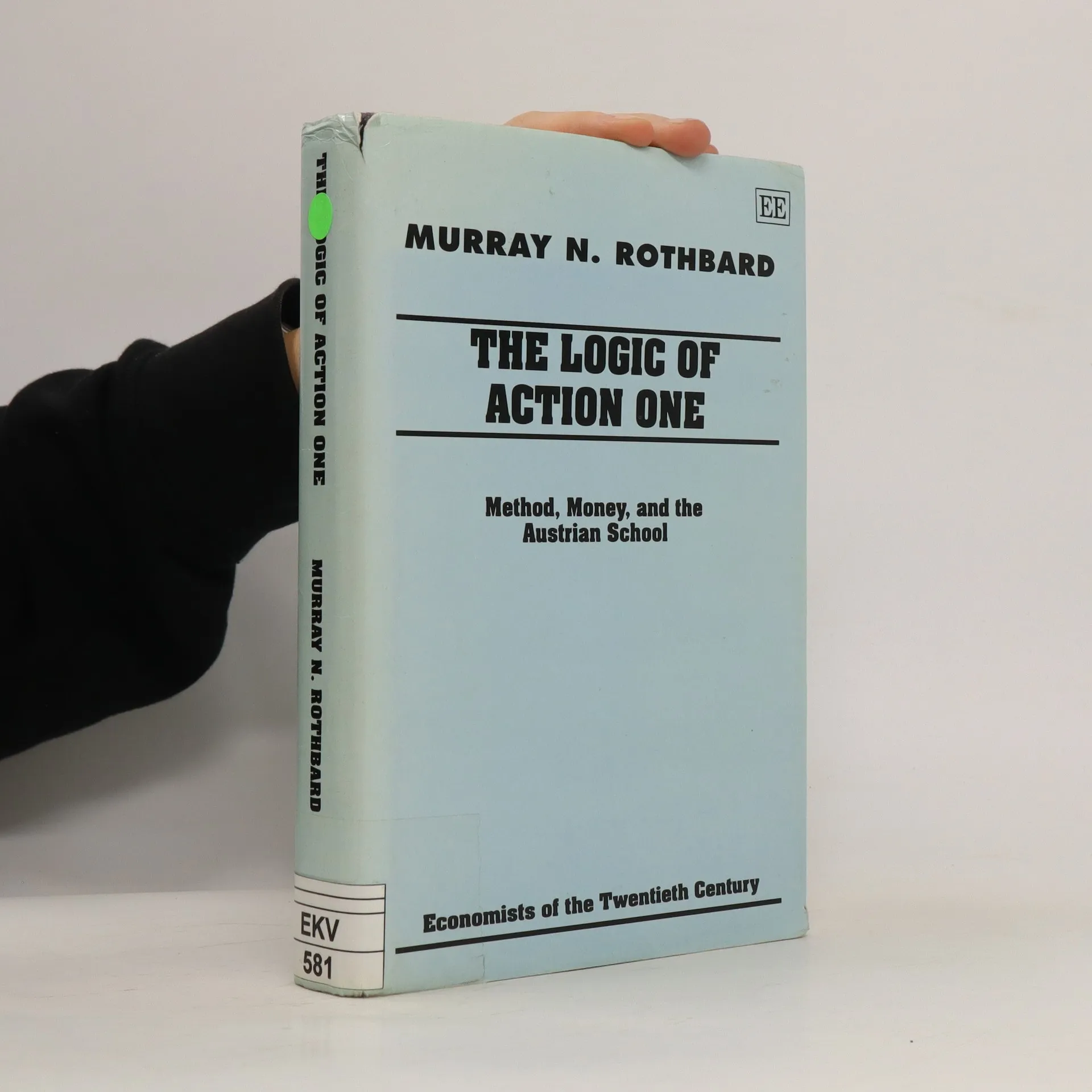
    • In this, the first of two volumes, Murray Rothbard - one of the major figures in twentieth-century Austrian economics - argues with clarity and force that economics is a deductive science based on the fundamental realities of action, scarcity and the passage of time. Such conviction is demonstrated in the first part of this book, where Professor Rothbard analyses method. The second part focuses on some of the theoretical debates within the Austrian school, including property and justice rights, welfare economics, value and efficiency. In the third section Rothbard considers the Austrian approach to money and calculation, including discussion of the definition of the supply of money, freely floating exchange rates and calculation and its role under socialism. This latest volume of Murray Rothbard's work goes some way to represent the important contributions he made to the field. The second volume of Murray Rothbard's essays on Austrian economics is also available.

      The Logic of Action one
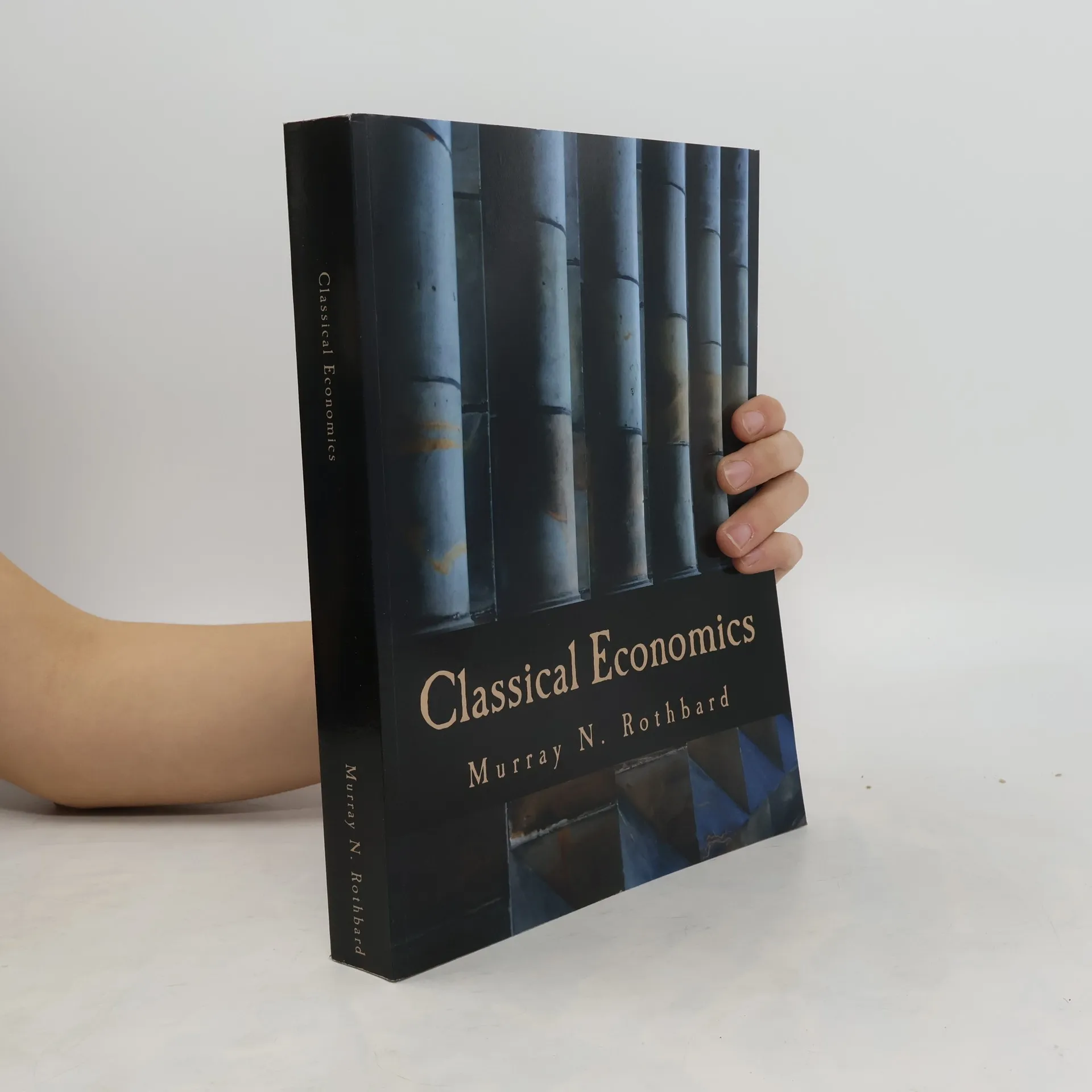
    • Classical Economics

      • 544 stránok
      • 20 hodin čítania

      LARGE PRINT EDITION! More at LargePrintLiberty.com Here is the last masterpiece by Murray N. Rothbard (1926-1995), the result of a lifetime of research and his crowning achievement.This volume is the first comprehensive treatment of classical economics from a modern Austrian perspective, an important history of nineteenth-century economic thought that discusses the key members of each school and reassesses their work.Professor Rothbard's approach offers new perspectives on both Ricardo and Say and their followers. He suggests that Ricardianism declined after 1820 and was only revived with the work of John Stuart Mill. The book also resurrects the important Anglo-Irish school of thought at Trinity College, Dublin under Archbishop Richard Whatley. Later chapters focus on the roots of Karl Marx and the nature of his doctrines, and laissez-faire thought in France including the work of Frederic Bastiat.Also included is a comprehensive treatment of the bullionist versus the anti-bullionist and the currency versus banking school controversies in the first half of the nineteenth century, and their influence outside Great Britain.

      Classical Economics
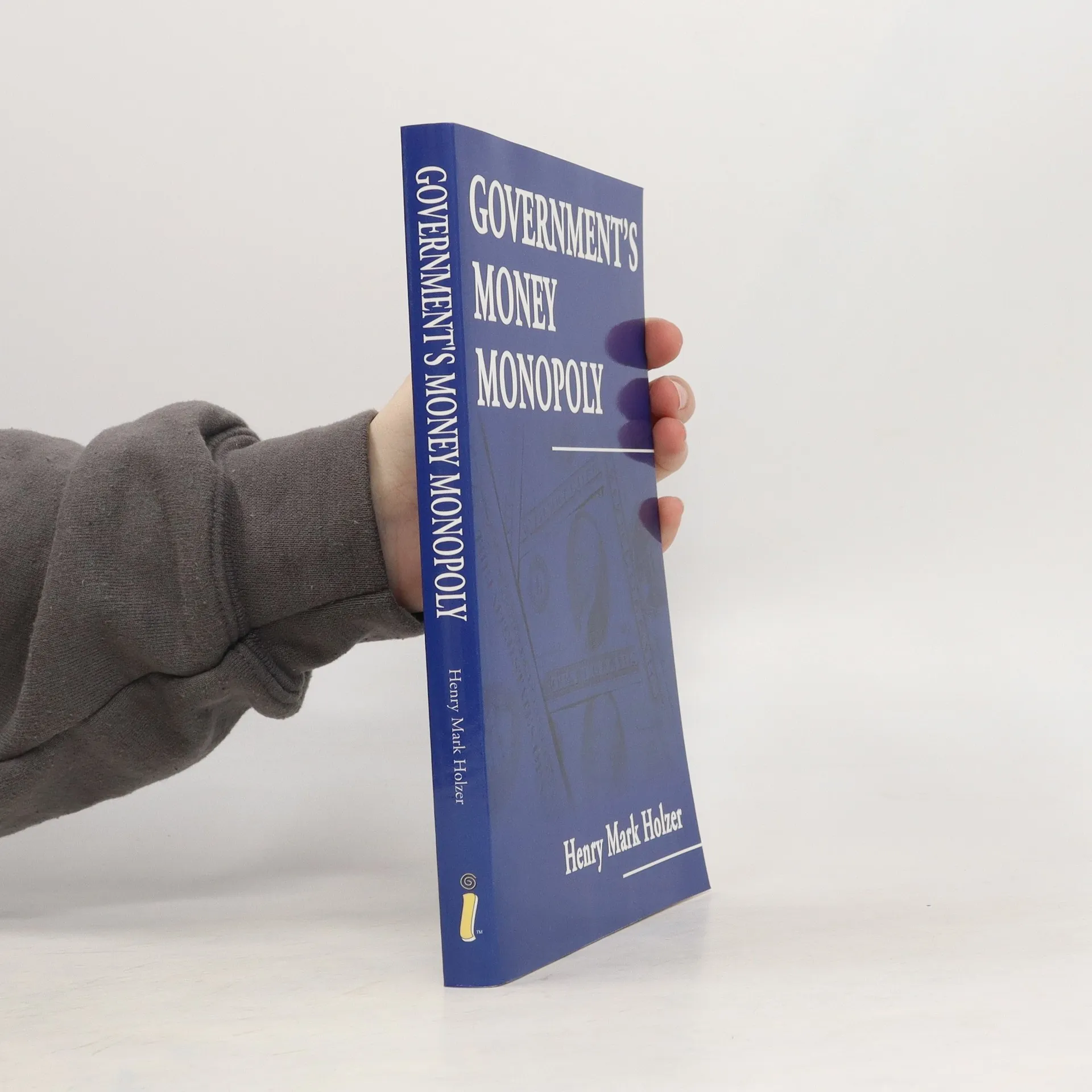
    • Government's Money Monopoly

      • 244 stránok
      • 9 hodin čítania

      A distinct correlation exists between how free a society is and how much power its government has over money. Because the United State of America was supposed to be a free country, its government was granted comparatively few` monetary powers – only to borrow and coin money, and regulate its value. Yet today the same government possesses total power over every aspect of America’s monetary system. With an octopus-like stranglehold, Washington’s control extends to gold, money, banking and much more. How and why the Founders’ limited intention was converted into omnipotent government monetary power is the subject of this book – a collection of basic materials which, if properly understood, explain what happened. The author’s thoughtful analysis leads to its concluding a constitutional amendment wholly separating government from money, the only way – permanently – to eliminate government’s power over the monetary system.

      Government's Money Monopoly