
Norman Doidge je psychiater, psychoanalytik, výskumník, autor, esejista a básnik. Pôsobí na Kolumbijskej univerzite a Univerzite v Toronte. Jeho práce sa zameriavajú na hlboké psychologické prieskumy a často skúmajú témy ako plasticita mysle a ľudské sebapoznanie. Svojím dielom ponúka pútavé a prístupné pohľady na zložitosť ľudskej psychiky.
Pozoruhodné případy léčby a uzdravení využívající neuroplasticity mozku
408 stránok
15 hodin čítania
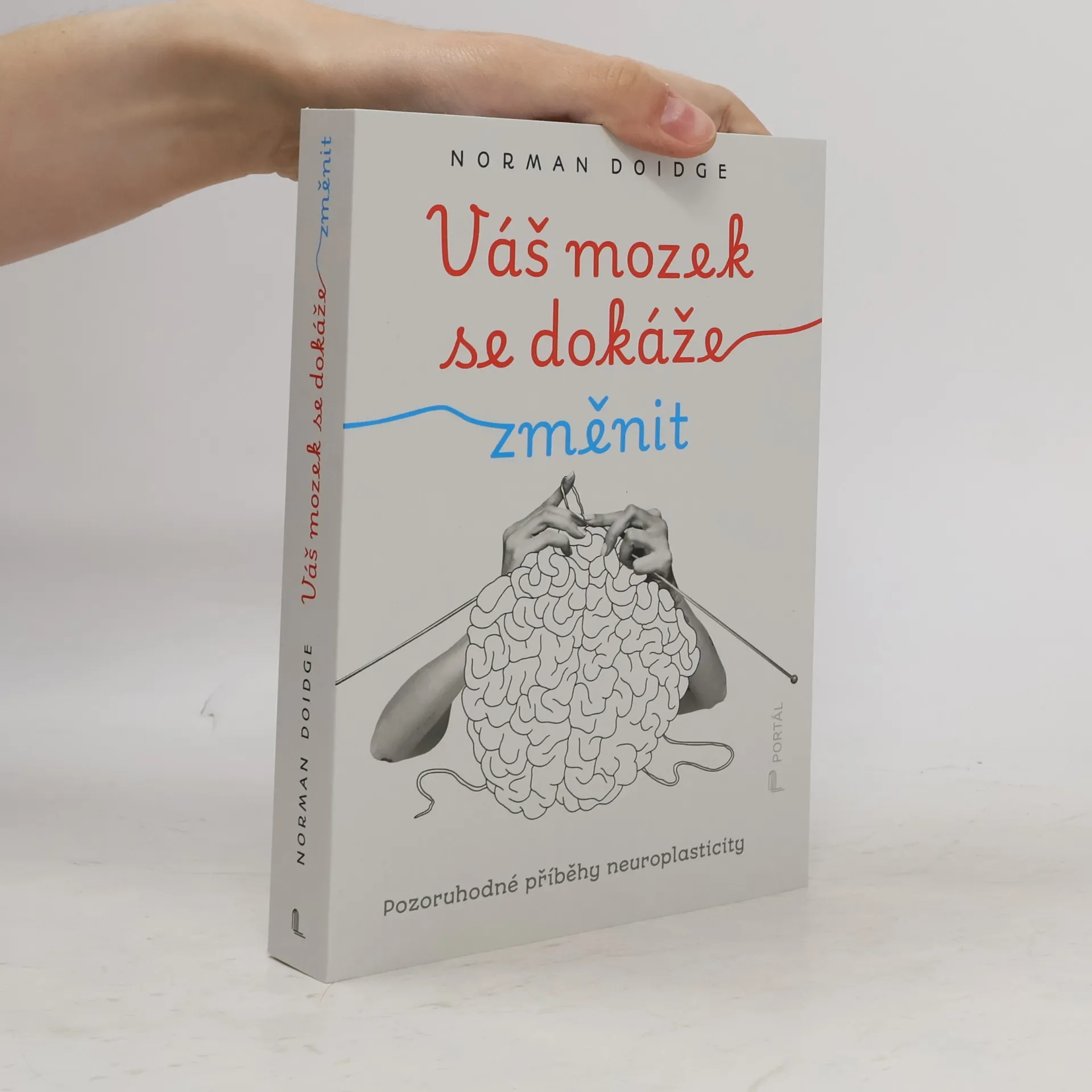
Inspirující kniha, která mění pohled na náš mozek, je pokračováním bestselleru „Váš mozek se dokáže změnit" autora Normana Doidgeho. Věda jménem neuroplasticita vyvrací představu, že lidský mozek je neměnný. Autor se setkal s vědci, kteří neuroplasticitu obhajují, a lidmi, kterým změnila život, a své poznatky předal do této knihy. O ženě narozené s polovinou mozku, která ho díky vhodné léčbě přepojila k normálnímu fungování, o nevidomých lidech, kteří se naučili vidět, o vyléčení poruch učení.
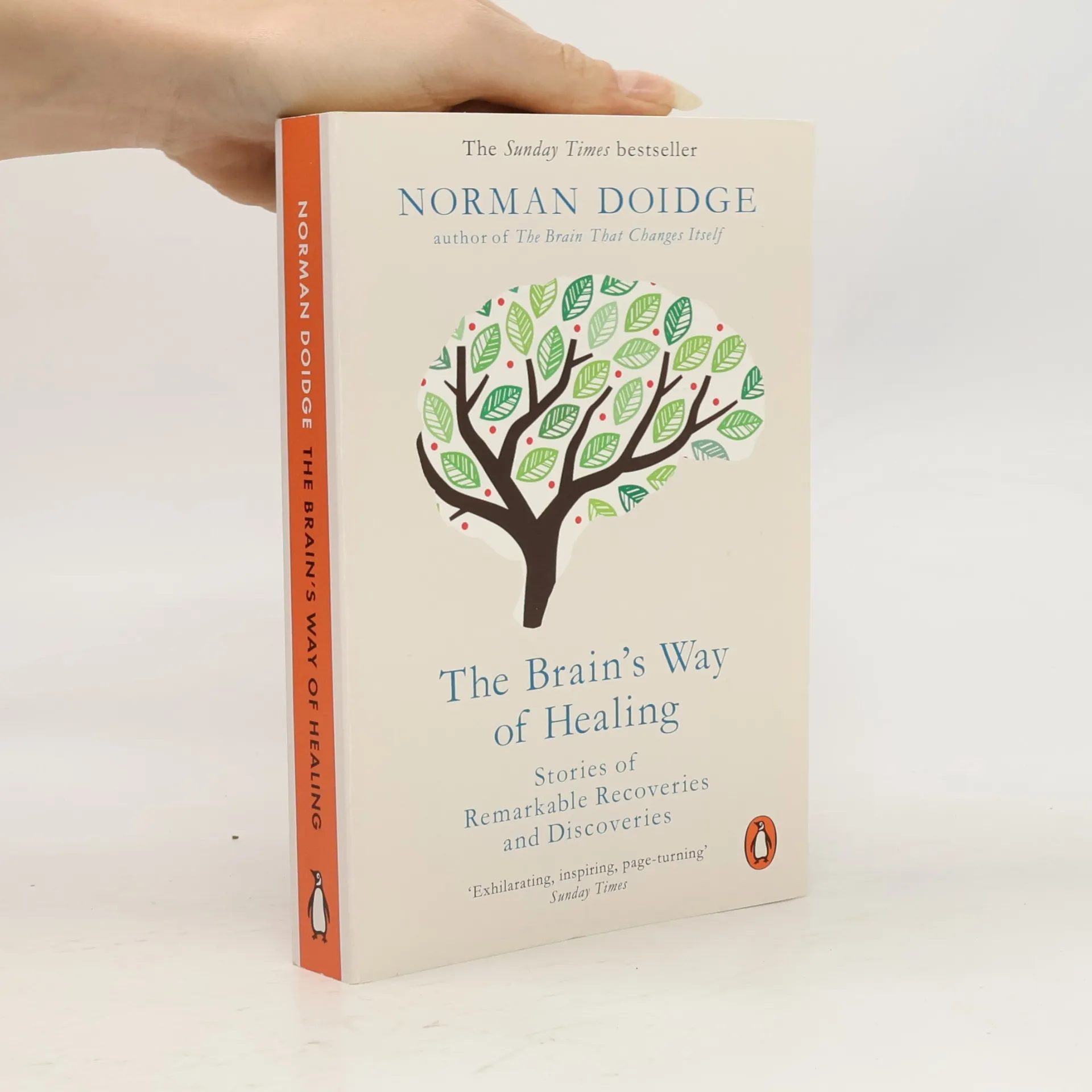
Meet the ninety-year-old doctor who is still practicing medicine, the stroke victim who learned to move and talk again and the woman with half a brain that rewired itself to work as a whole. All these people had their lives transformed by the remarkable discovery that our brains can repair themselves through the power of positive thinking. Here bestselling author, psychiatrist and psychoanalyst Norman Doidge reveals the secrets of the cutting-edge science of 'neuroplasticity'. He introduces incredible case histories - blind people helped to see, IQs raised and memories sharpened - and tells the stories of the maverick scientists who are overturning centuries of assumptions about the brain. This inspiring book will leave you with a sense of wonder at the capabilities of the mind, and the self-healing power that lies within all of us. (Verlagsangaben)
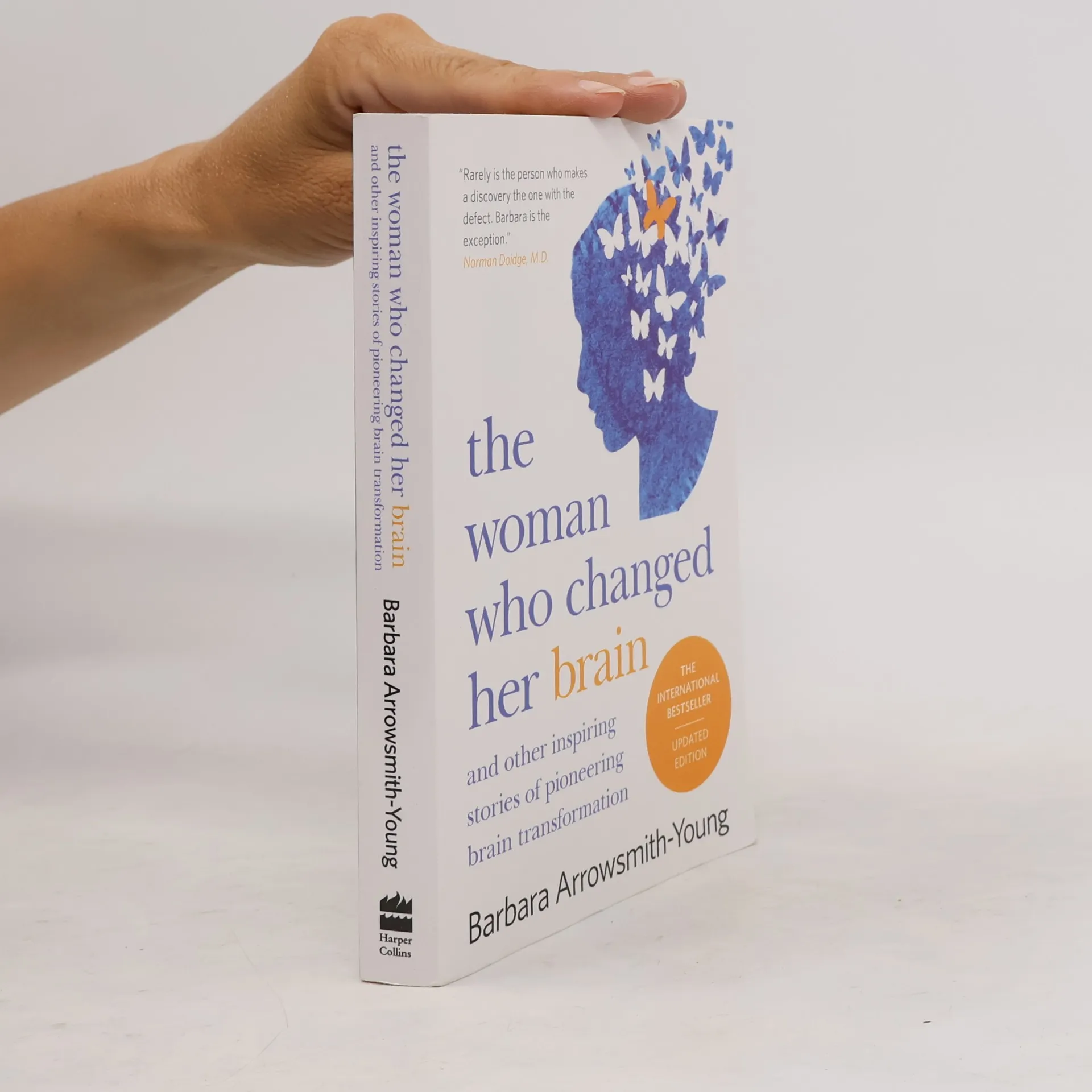
This book includes a new chapter that highlights recent research on the positive effects of cognitive exercises on students' brains, explores the intersection of neuroplasticity and education, and lists schools in Australia and New Zealand utilizing the Arrowsmith Program. It tells the remarkable story of a woman who overcame severe learning disabilities, transformed her brain, and created a program that has benefited thousands. Barbara Arrowsmith-Young faced significant challenges, being labeled slow and stubborn by teachers. As a child, she struggled with reading and writing backward, processing language, and even telling time. However, her strong memory and determination led her to graduate school, where she discovered research that inspired her to develop cognitive exercises to improve her brain function. The narrative intertwines her personal journey with compelling case studies from over thirty years of work with children and adults. Recent neuroscience findings have shown that engaging in specific mental tasks can alter brain structure through neuroplasticity, a principle Arrowsmith-Young has applied for decades. By creatively combining research insights, she designed unique cognitive drills that significantly enhanced her brain's performance, allowing her to overcome her cognitive deficits.
'This is a book of miracles. Fascinating... An absorbing compendium of unlikely recoveries from physical and mental ailments offers evidence that the brain can heal... brings Oliver Sacks to mind' Lisa Appignanesi, Observer The Brain's Way of Healing explores the astonishing advances in the discovery of neuroplasticity, showing that the brain has its own unique way of healing, only recently uncovered. Norman Doidge discusses a series of remarkable recoveries: patients told they would never improve have years of chronic pain alleviated or damage from debilitating strokes undone, and symptoms of multiple sclerosis, Parkinson's disease, brain injury, autism or learning disorders are reversed. He also shows how the risk of dementia can be lowered by 60%. Using stories to present cutting-edge science, Doidge illustrates principles that everyone can apply to improve their brain's performance.
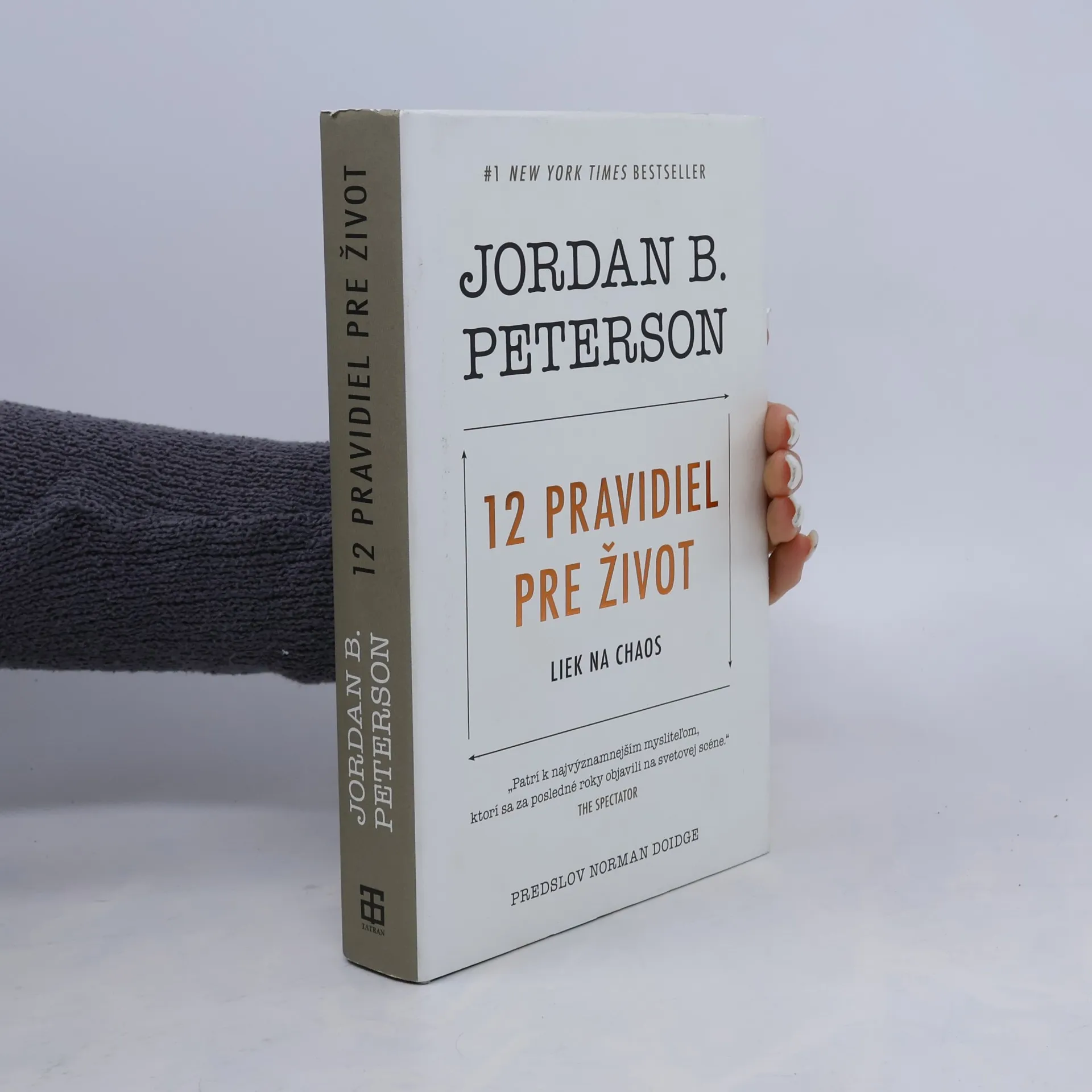
Ktoré najhodnotnejšie poznatky by mal každý vedieť?
Uznávaný klinický psychológ Jordan Peterson významne ovplyvnil súčasné chápanie osobnosti.
Vďaka svojim prednáškam o Biblii, ľúbostných vzťahoch, či mytológii, ktoré oslovili desiatky miliónov ľudí, ho možno zaradiť medzi najpopulárnejších mysliteľov na svete. V dobe nevídaných zmien a polarizujúcej politiky našiel jeho priamy a osviežujúci odkaz o dôležitosti osobnej zodpovednosti a starovekej múdrosti odozvu na celom svete.
V tejto knihe ponúka dvanásť dômyselných a praktických princípov pre zmysluplný život, ktoré nás nabádajú, aby sme si upratali vo vlastnom dome skôr, než začneme kritizovať iných, alebo aby sme sa porovnávali so svojím včerajším ja, nie s dnešným ja niekoho iného. Ukazuje nám, že sa nemáme snažiť dosiahnuť šťastie. Namiesto toho musíme hľadať zmysel nielen pre zmysel samotný, ale aby sme sa bránili proti utrpeniu, ktoré je neoddeliteľnou súčasťou nášho života.
Peterson vychádza z jasných príkladov zo svojej klinickej praxe i osobného života, z prvotriednych poznatkov psychológie a filozofie a ponaučení plynúcich z najstarších mýtov a príbehov ľudstva. Čitateľa tak pozýva na neopakovateľnú intelektuálnu cestu. 12 pravidiel pre život je pútavá, inšpiratívna kniha, ktorá ponúka liek na chaos v našich životoch: nesmrteľné pravdy aplikované na naše súčasné problémy.
Storie di persone che hanno cambiato il proprio cervello. Ediz. illustrata
410 stránok
15 hodin čítania
Cheryl ha la costante sensazione di cadere a causa di un deficit del suo apparato vestibolare; Barbara ha un cervello asimmetrico ed è considerata "ritardata"; Michael è un chirurgo oculare che a quarantaquattro anni subisce un ictus invalidante. Queste sono solo alcune delle storie alle frontiere della neuroscienza narrate in questo saggio: per loro e per molte altre tipologie di pazienti ora c’è una concreta possibilità di recupero e completa guarigione. La scoperta che ha aperto la strada a questa fondata speranza è quella della neuroplasticità, ossia la proprietà del cervello di essere malleabile sempre, non solo nell’infanzia. La tesi che ha scatenato la rivoluzione della neuroscienza ci dice che il cervello è in grado di cambiare se stesso e può funzionalmente riorganizzare ogni sua parte per sopperire alle carenze che si vengono a creare in seguito ai traumi o al lento processo di invecchiamento. Non solo. L’intera esperienza umana può essere spiegata esplorando le potenzialità del cervello malleabile: la creatività e l’amore, la dipendenza e l’ossessione. Si tratta di processi neurologici molto complessi che sono indagati, anzi, vivacemente raccontati con semplicità e chiarezza espositiva.
Selbstheilung ist keine Zauberei. „Unheilbare“ Krankheiten vollständig heilen? Das ist möglich. Lange stellten Mediziner bei chronischen Schmerzen, Parkinson oder Demenz die Diagnose „lebenslang“. Norman Doidge durchbricht diese massive Wand aus Leid und Schmerz. Seine revolutionäre Erkenntnis: Unser Gehirn heilt! Er zeigt, wie Neuroplastizität funktioniert und welche Rolle traditionelle chinesische Medizin oder buddhistische Meditation dabei spielen, anhand erstaunlicher Beispiele. Ein Mann besiegt Parkinson durch Laufen, ein Blinder kann dank Meditation wieder sehen. Was nach Wunderheilung klingt, belegt Doidge mit wissenschaftlichen Studien und verändert Leben. Dieses Buch weist Millionen Patienten einen Weg aus dem Leid – ohne Operation und Hokuspokus. Es bietet große Hoffnung für chronisch Kranke und deren Angehörige. Neueste wissenschaftliche Erkenntnisse werden populär und authentisch vermittelt. Doidges bahnbrechende Erkenntnis ist, dass äußere Impulse wie Licht, Wärme und Elektrizität sowie einfache Bewegungen unser Gehirn zur Selbstheilung anregen können. Mit „Neustart im Kopf“ hat Doidge bereits einen Bestseller zum Thema Neuroplastizität vorgelegt. „Wie das Gehirn heilt“ erreichte die New York Times Bestsellerliste. „Faszinierend … erinnert an Oliver Sacks.“ The Guardian.