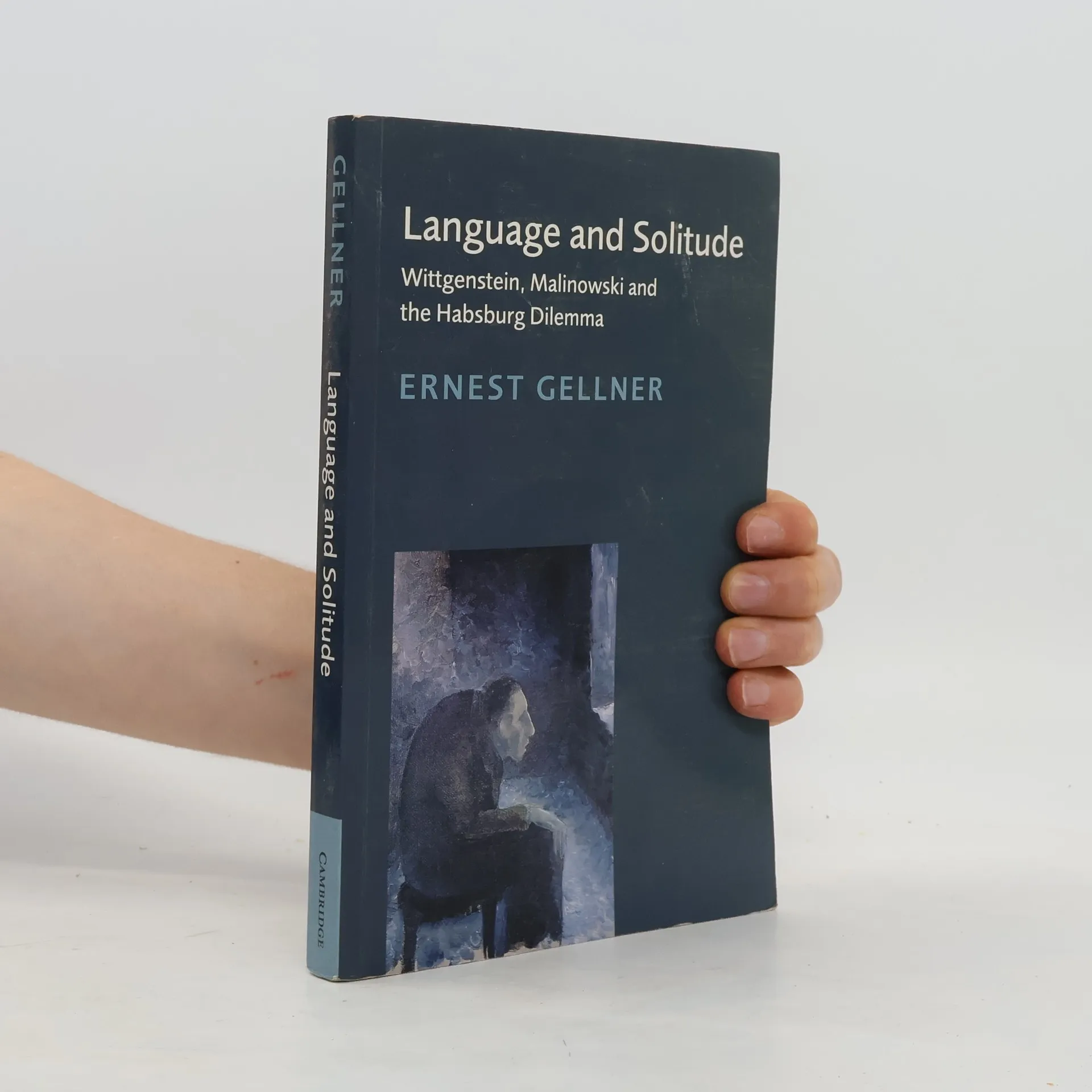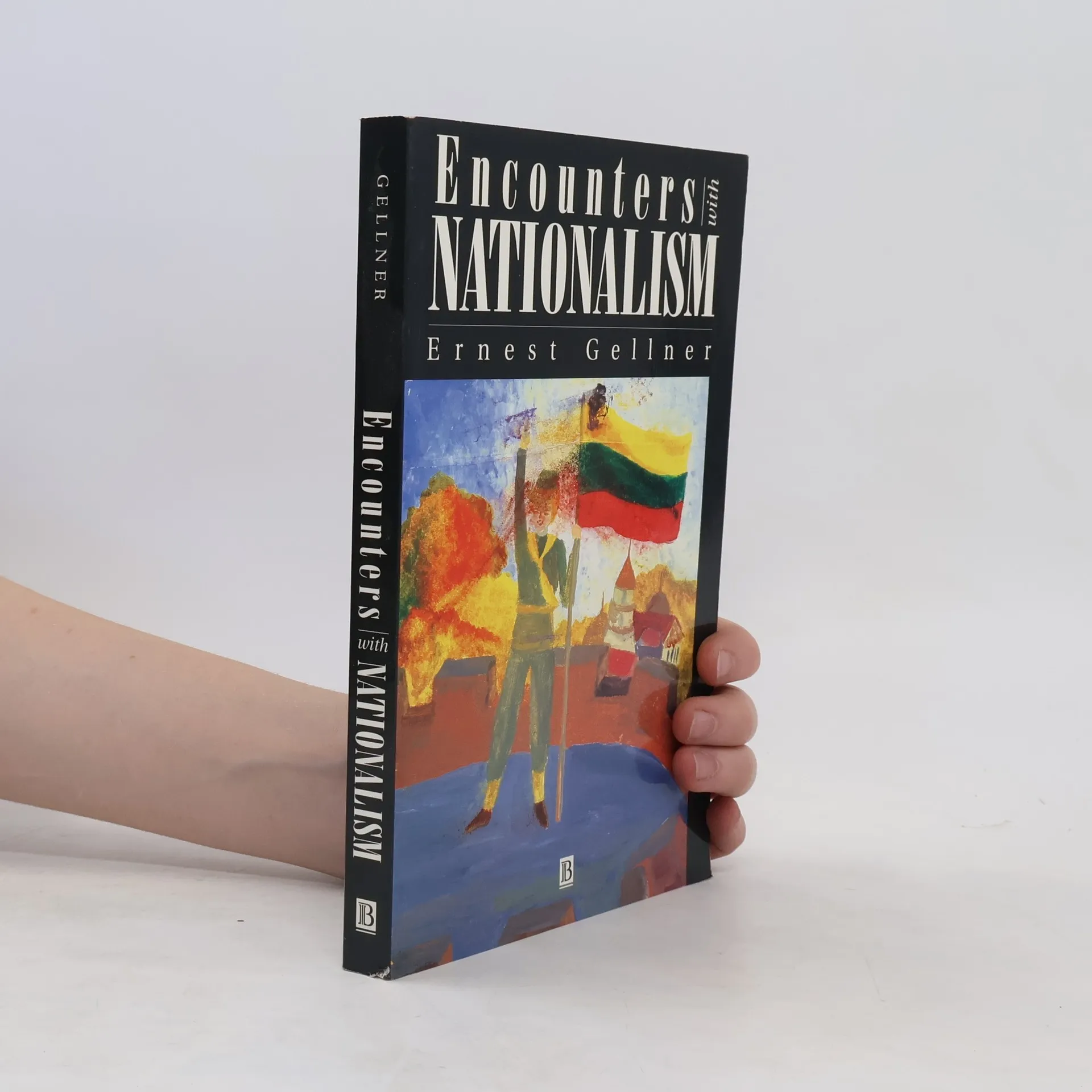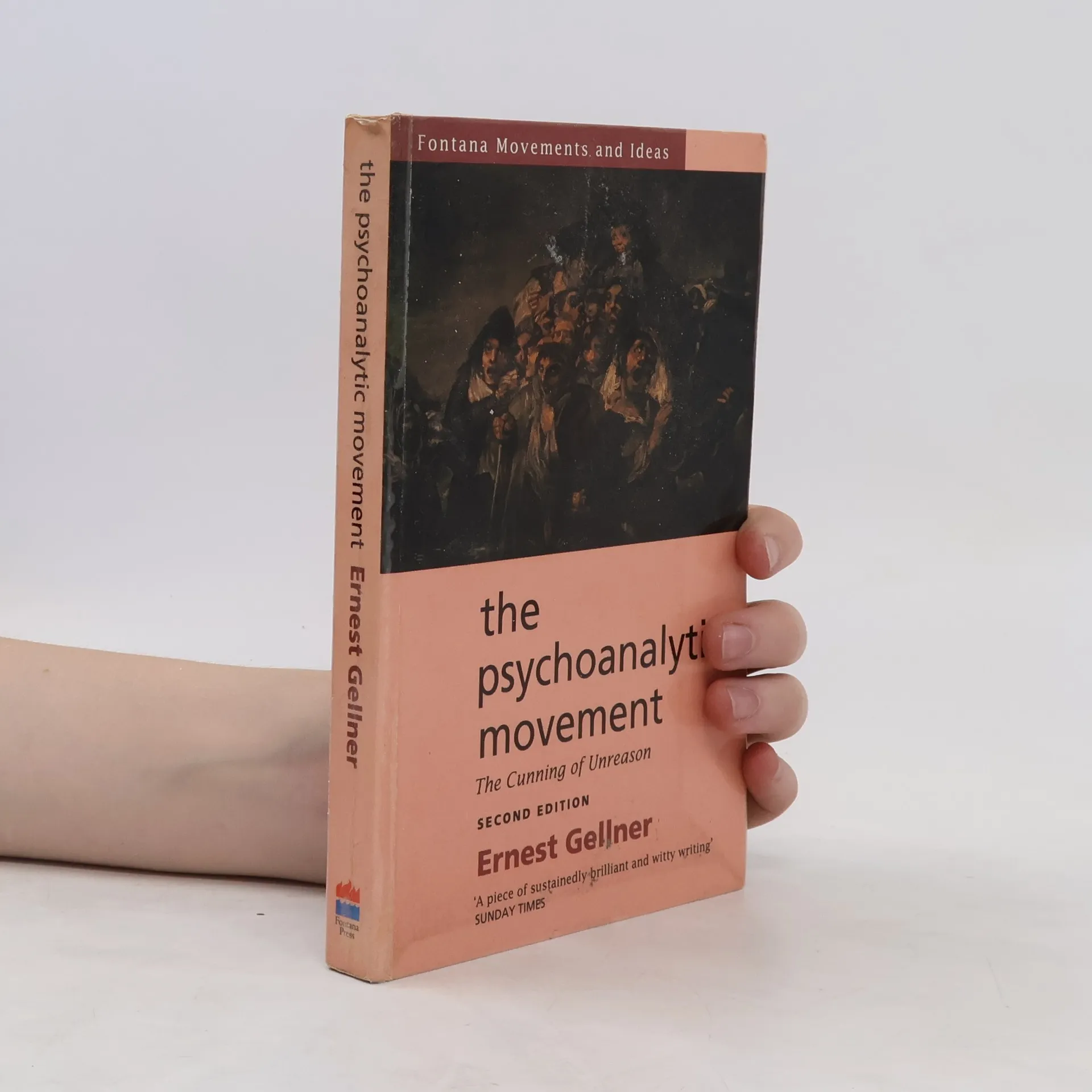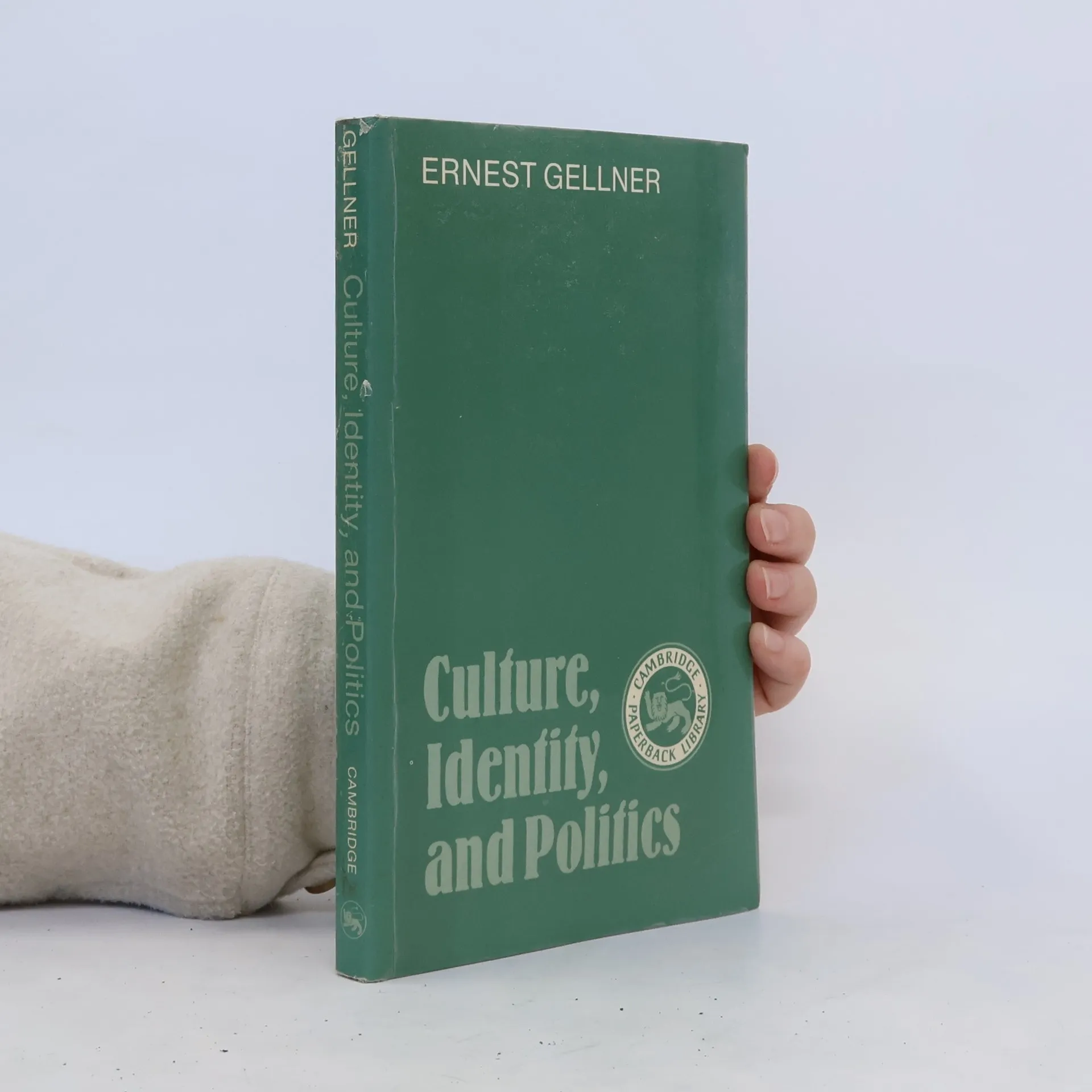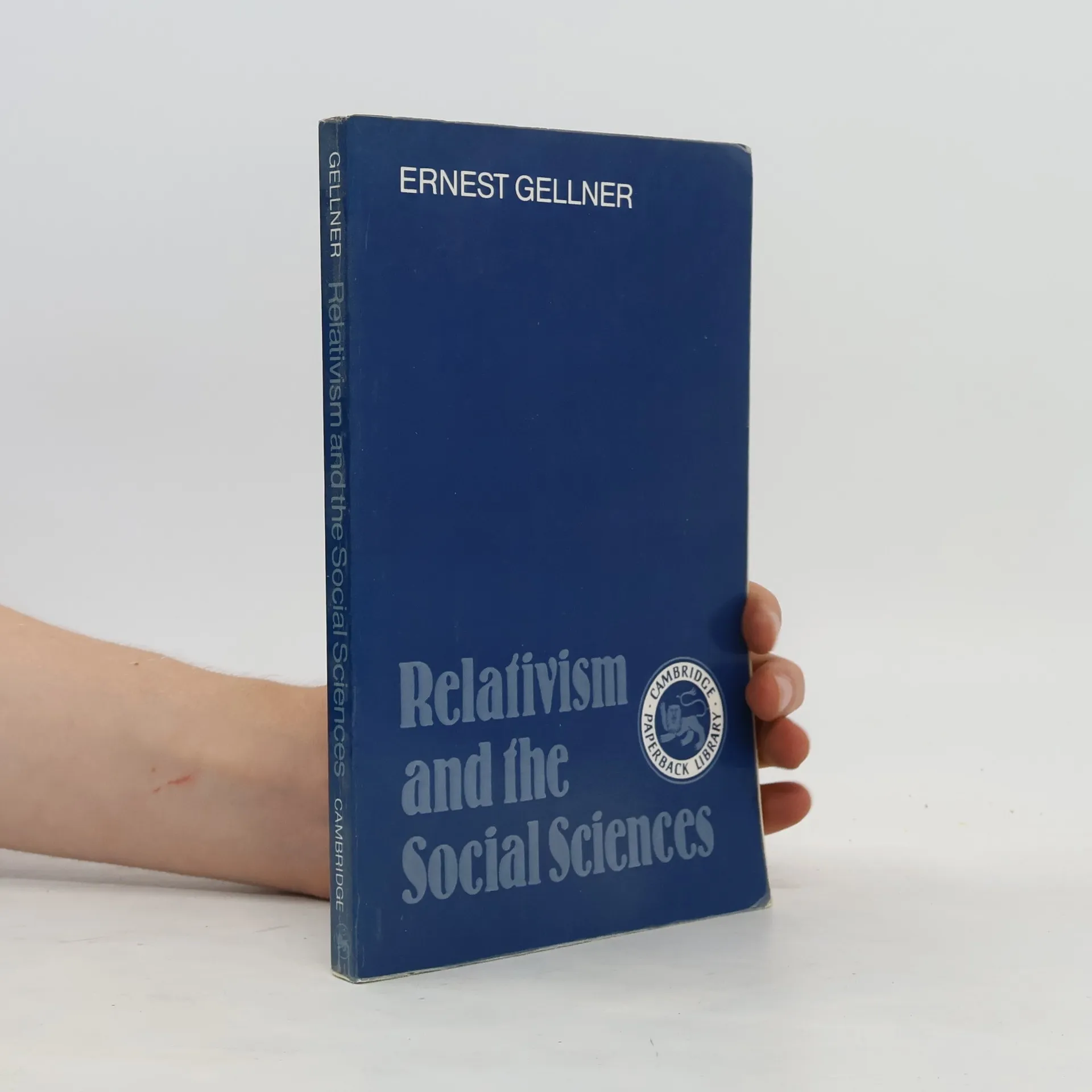

Focusing on the philosophical contributions of Wittgenstein and the anthropological insights of Malinowski, this final work by Gellner offers a comprehensive analysis of their ideas. It explores the intersections of language, culture, and human understanding, presenting a unique synthesis that highlights the significance of both thinkers in contemporary thought. Through this lens, Gellner aims to illuminate the broader implications of their theories for social science and philosophy.
Ernest Gellner Poradie kníh (chronologicky)
Ernest Gellner bol významný britsko-český filozof, sociálny antropológ a spisovateľ zaoberajúci sa nacionalizmom. Jeho dielo sa hlboko ponorilo do povahy moderných spoločností a do toho, ako nacionalizmus vznikol a funguje. Gellnerov analytický prístup a jeho schopnosť spojiť filozofiu, sociológiu a históriu mu umožnili ponúknuť jedinečné pohľady na zložitosť ľudskej kultúry a politiky. Jeho spisy zostávajú kľúčové pre pochopenie formovania národov a moderného štátu.


This collection of essays addresses critical issues within philosophy, politics, and society, offering insightful analysis and perspectives. It explores fundamental questions and challenges, encouraging readers to reflect on the interplay between these disciplines. Each essay contributes to a deeper understanding of contemporary societal problems, making it a valuable resource for those interested in the complexities of human thought and governance.
Saints of the Atlas
- 354 stránok
- 13 hodin čítania
A discussion of the social and political organization of Berber tribes in the Middle East and North Africa.
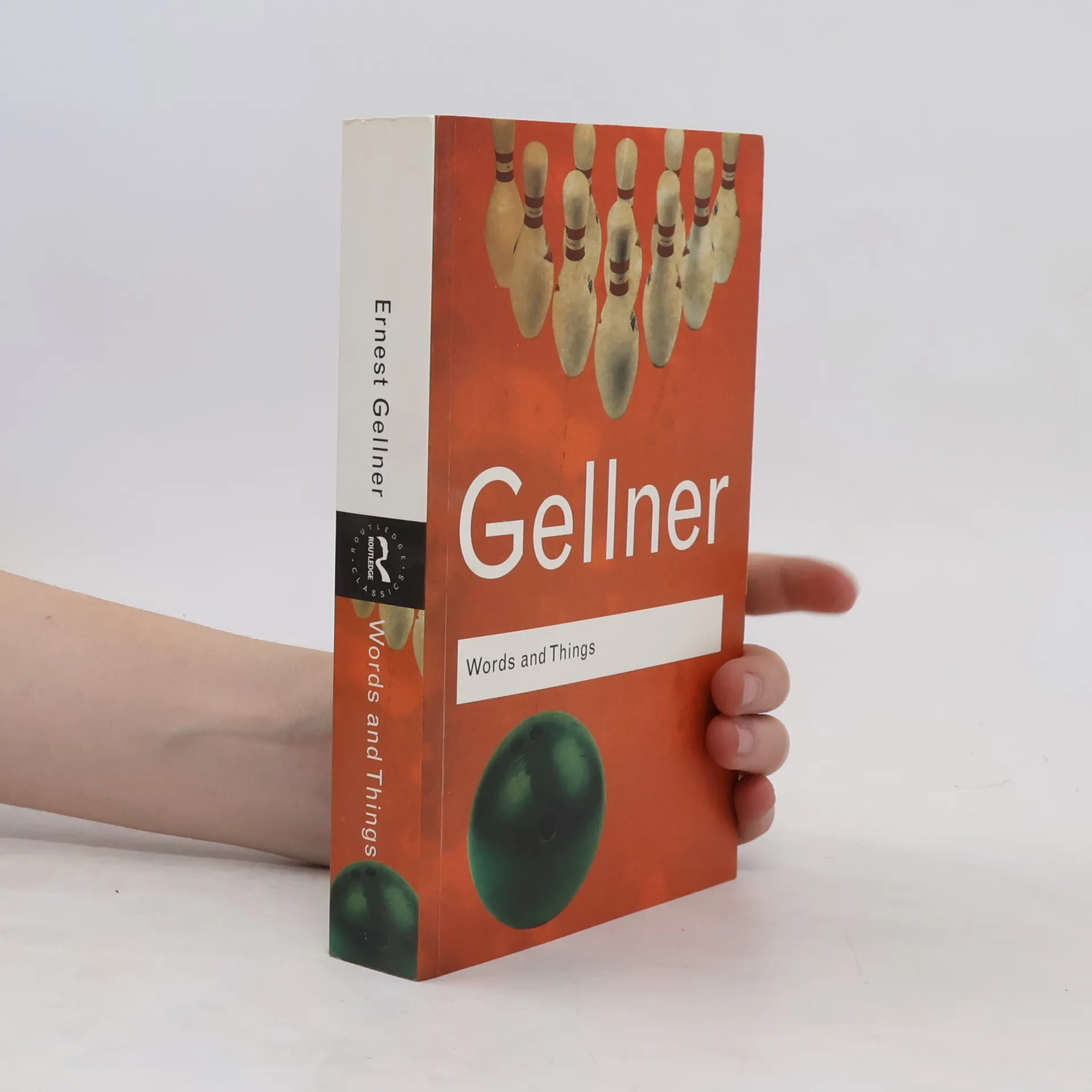
Words and Things
- 416 stránok
- 15 hodin čítania
First published in 1959, this classic challenge to the prevailing philosophical orthodoxy of the day, remains the most devastating attack on a conventional wisdom in philosophy to this day.
Poslední kniha Ernesta Gellnera, vydaná až po jeho smrti, se zabývá soupeřením dvou základních forem moderního myšlení, způsobu života a politiky. Zaměřuje se tedy na napětí mezi tím, co autor označuje na jedné straně jako atomistický individualismus a na druhé straně jako romantický organicismus. Konflikt těchto dvou koncepcí života i myšlení byl a je neobyčejně ostrý zejména ve střední Evropě a tvoří jakési podloží četných dalších střetů ať již v oblasti politiky nebo ekonomie. Byl nejvíce reflektován v Habsburské říši, ale dodnes ho pociťujeme v celém našem prostoru. Je to zároveň konflikt mezi rozumem a kulturou. Gellner jeho podstatu objasňuje analýzou myšlení R. Wittgensteina a B. Malinowského.
The Devil in Modern Philosophy
- 272 stránok
- 10 hodin čítania
The collection of essays explores the intricate relationship between philosophy and life, drawing on the insights of notable figures such as Chomsky, Piaget, and Eysenck. Gellner examines various perspectives on this connection, offering a multifaceted analysis that engages with both philosophical concepts and practical implications in everyday life. Through these discussions, the essays illuminate the ways in which philosophical thought influences our understanding of human behavior and societal dynamics.
Práce je jedním z nejpozoruhodnějších výkladů dějin moderní evropské filozofie od Descarta po současnost. Nejde však o tradiční akademické dějiny filozofie, chápané pouze jako vnitřní vývoj logiky, ontologie, gnoseologie, etiky a dalších součástí této disciplíny. Gellner vytrvale poukazuje na to, že filozofie je součástí mnohem širších i hlubších posunů v lidském vědění, chápání a jednání.
Nationalism
- 128 stránok
- 5 hodin čítania
A provocative essay on a subject that, since the collapse of the Soviet empire, has become once again, a central subject of contemporary politics. Lucid, witty and brilliant, Gellner's essay combines the perspectives of politics, history, philosophy and anthropology with the multidisciplinary flair for which he is renowned
Co vyplní vakuum vzniklé po dramatickém pádu komunismu v bývalém Sovětském svazu a východní Evropě? Jak ukazuje ve své knize nedávno zesnulý filozof E. Gellner, jedním z nejdůležitějších rozdílů mezi komunismem a západním liberalismem spočívá v jejich chápání občanské společnosti.
The premature death in 1991 of the Brazilian essayist, thinker and diplomat José G. Merquior robbed the international intellectual community of a gifted "friend of reason and a defender of modernity". Several essays in this volume, directly or indirectly, broadly or personally, pay tribute tothe life and work of this "politically engaged0 intellectual". Part I examines Merquiorian thought itself and--aptly enough--begins with his own incisive review of the rebirth of the liberal idea. Part II ranges more here, such distinguished contributors as John Hall, Ernest Gellner andNorberto Bobbio develop some of Merquior's favourite themes--liberalism as it relates to social cohesion, political stability, morality, republicanism and democracy, and the relativism and scepticism that characterize postmodern thinking.The book's application to two regions of the world is direct and to Merquior's own Latin America and to Central and Eastern Europe, where rapid political change and economic transition have brought debates on liberalism to the forefront. But in Merquior's thought there are also lessonsfor Western Europe and the United States, where the very familiarity of the liberal tradition can lead to a certain sterility of ideas. If this book can help to introduce a new perspective into Western political intellectual circles, then this alone would constitute a fitting memorial to José G.Merquior.