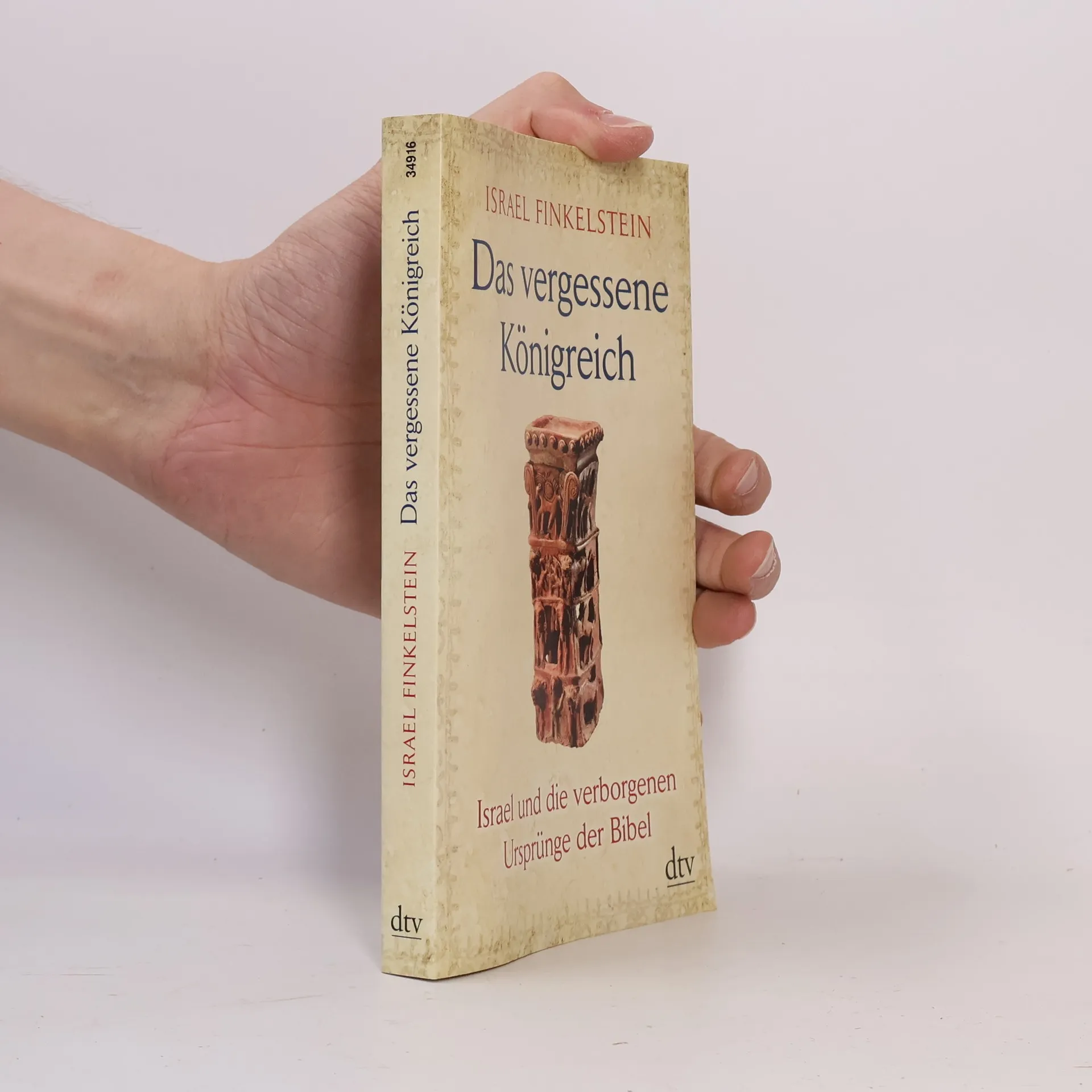
Die Hand an der Wiege
- 210 stránok
- 8 hodin čítania


Izrael Finkelstein je popredný archeológ špecializujúci sa na Levantu. Jeho výskum sa zameriava na historické a kultúrne naratívy regiónu, často spochybňujúc tradičné interpretácie prostredníctvom rigoróznych archeologických dôkazov. Finkelsteinova práca sa snaží rekonštruovať staroveké spoločnosti a pochopiť ich vývoj v čase, čím ponúka kritický pohľad na vzájájomné pôsobenie histórie, archeológie a textových zdrojov. Je popredným hlasom vo svojom odbore, významne prispieva k nášmu pochopeniu starovekého Blízkeho východu.


Mythen eines alte Königreichs Vom 10. bis zum 8. Jh. v. Chr. gab es das Königreich Israel. In der Bibel waren die Könige dieses Nordreichs Sünder und deshalb ging ihr Reich unter – im Gegensatz zum Südreich Juda, aus dem David und Salomon stammten. Doch die archäologischen Funde zeigen, dass tatsächlich in Israel der Palast und der Tempel lagen. Dort entstanden zentrale Erzählungen wie die vom Stammvater Jakob oder vom Auszug aus Ägypten. Das alte Königreich wurde vergessen, doch sein Name und seine Mythen überdauerten und gingen um die Welt.
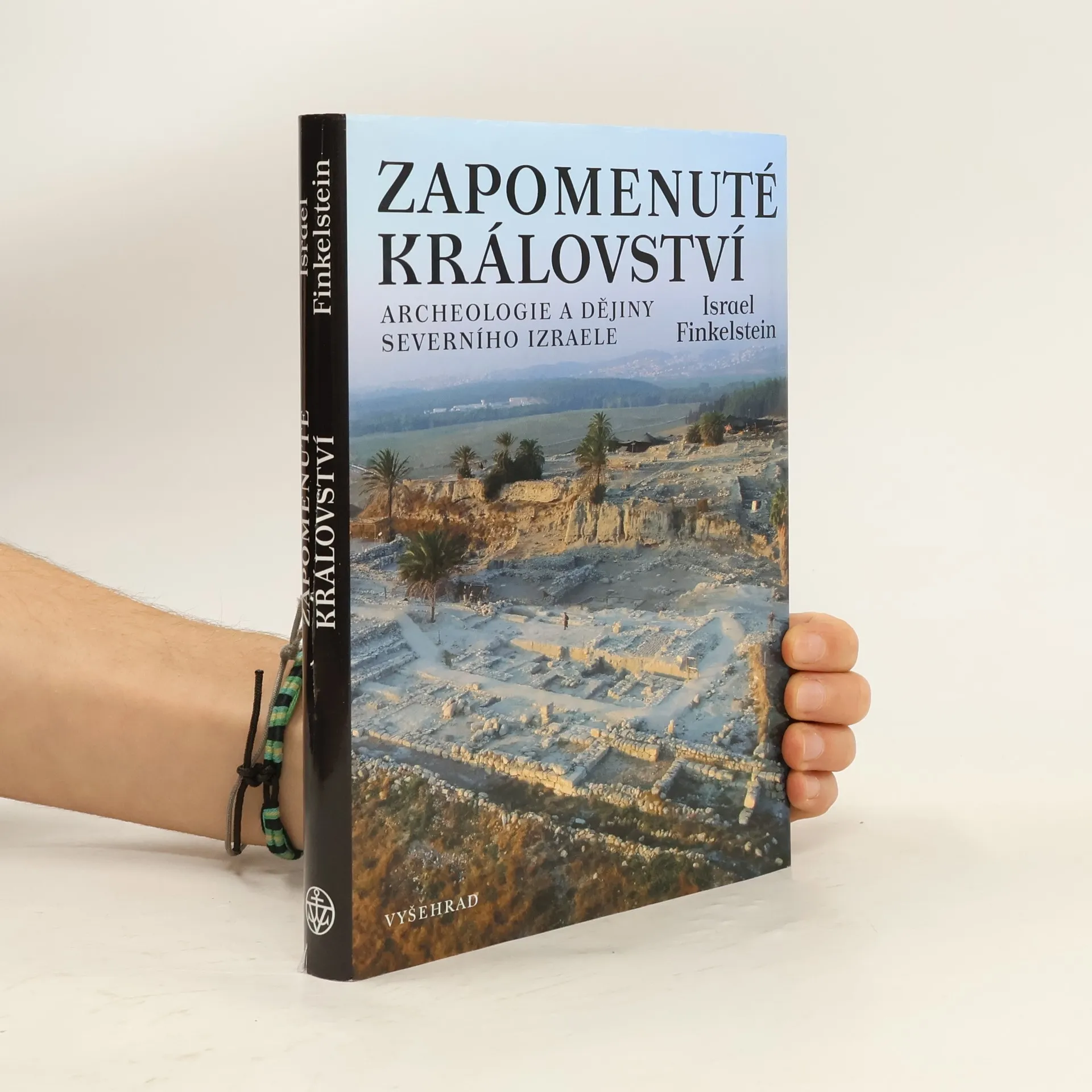
Kniha význačného telavivského archeologa Israele Finkelsteina (1949) známého v českém prostředí díky dílům Objevování Bible (2007) a David a Šalomoun (2010) nabízí nový pohled na starověký Izrael, které bylo sousedem známějšího Judského království na jihu existujícího až do pádu Jeruzaléma v roce 586 př. Kr. Izrael je v biblických textech líčen až jako druhý a méně významný a záměrně i 'pozapomenutý' stát. Autor na základě archeologického výzkumu, analýzy materiální kultury a biblických i dalších starověkých textů rekonstruuje dějiny Izraele podle jednotlivých svébytných údobí od pozdní doby bronzové až po pád hlavního města Samaří (1350--720 př. Kr.). Co se před očima čtenáře postupně objevuje, jsou pozdně kenaánský státní útvar Šekem, první izraelský státní celek Gibeón spojovaný s příběhy krále Saula následovaný královstvími Tirsa, Izraelem za vlivné dynastie Omríovců a dále vladaři, z nichž poslední nedokázal čelit vojenské převaze Novoasyrské říše v roce 720, kdy království padlo. Kniha byla oceněna v roce 2014 prestižní Prix Delalande-Guérineau.
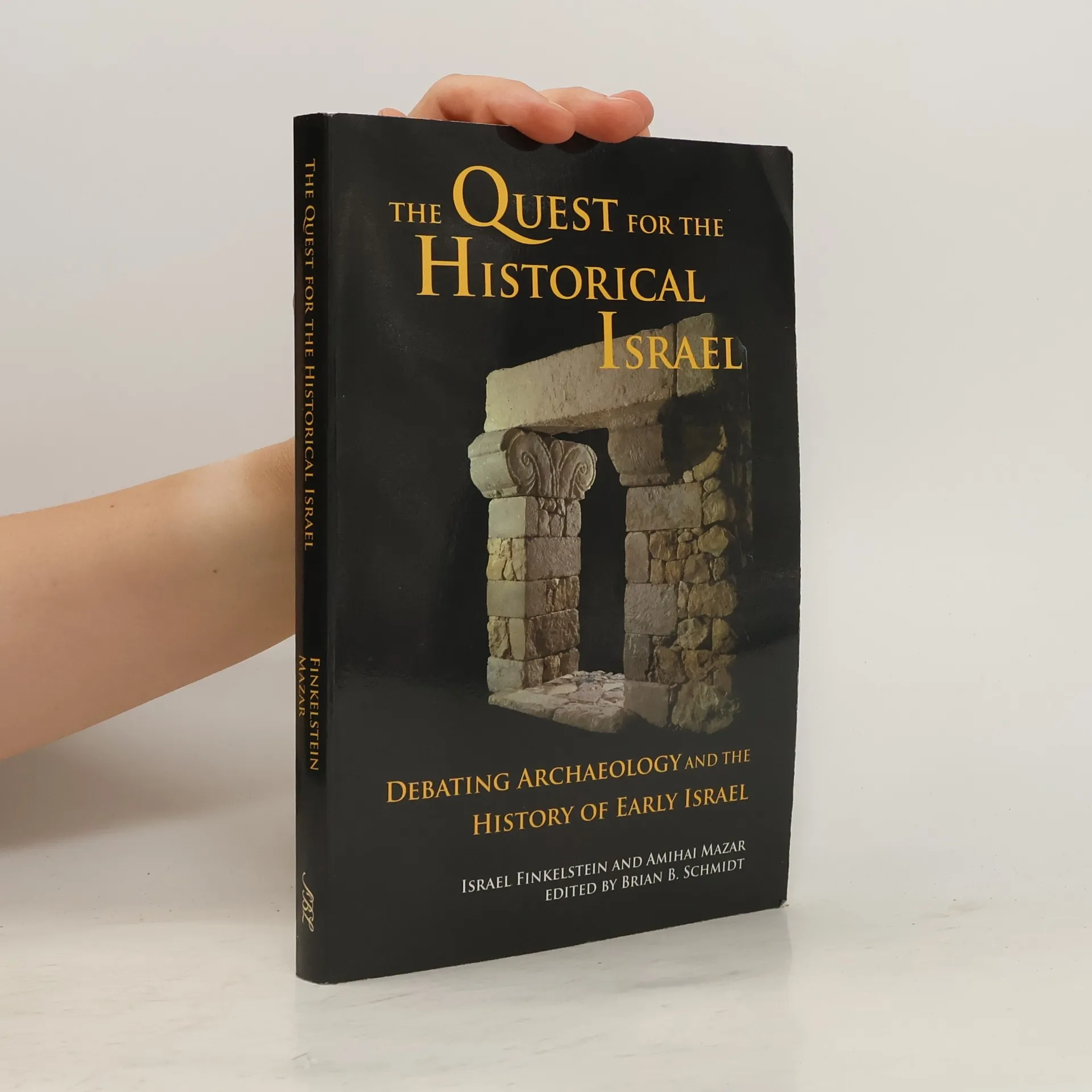
Debating Archaeology and the History of Early Israel
Engage the results of three decades of dialogue, discussion, and debate within Syro-Palestinian archaeology and ancient Israelite historyThis book brings together for the first time an emerging “centrist” paradigm that the material cultural data, the biblical traditions, and the ancient Near Eastern written sources are all significantly relevant to the historical quest for Iron Age Israel. The historical essays presented here are based on invited lectures delivered in October of 2005 at the Sixth Biennial Colloquium of the International Institute for Secular Humanistic Judaism in Detroit, Michigan.Features:- Balanced approach to the question of the relevance of the biblical account for reconstructing early Israel’s history- Organization by time period for easy comparison of Finkelstein and Mazar’s positions- Introductory essays for each section give overviews of the archaeological theories
In Search of the Bible's Sacred Kings and the Roots of the Western Tradition
Archaeological discoveries have transformed our understanding of biblical figures, particularly David and Solomon, traditionally viewed as heroic kings. Finkelstein and Silberman reveal that the historical David was likely a bandit leader in Jerusalem, with many biblical accounts being mythologized over time. They explore how these figures evolved through wars and tragedies, becoming symbols of hope for Jews and Christians, and influencing European kingship. This work combines meticulous research with engaging scholarship, reshaping the narrative of western civilization's origins.
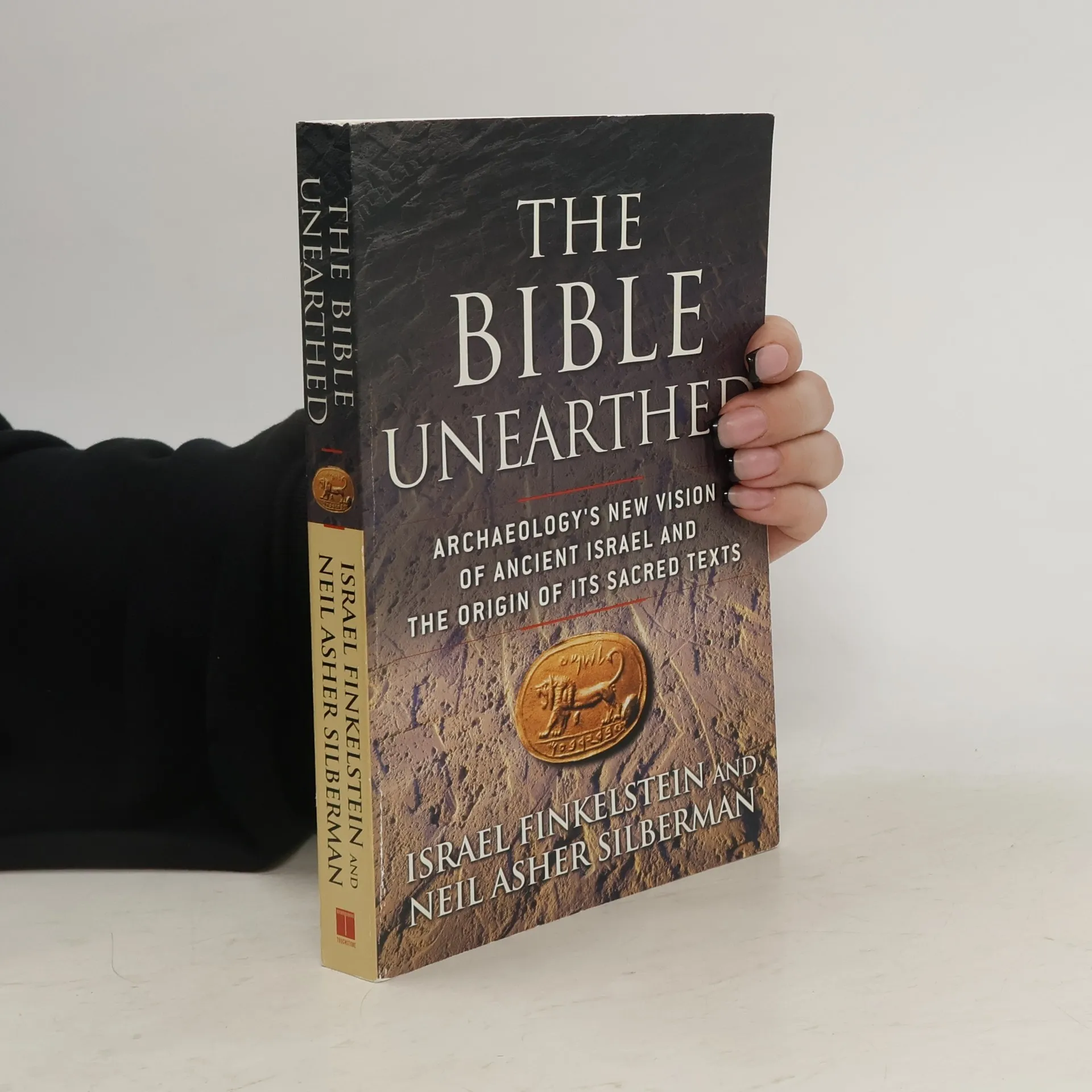
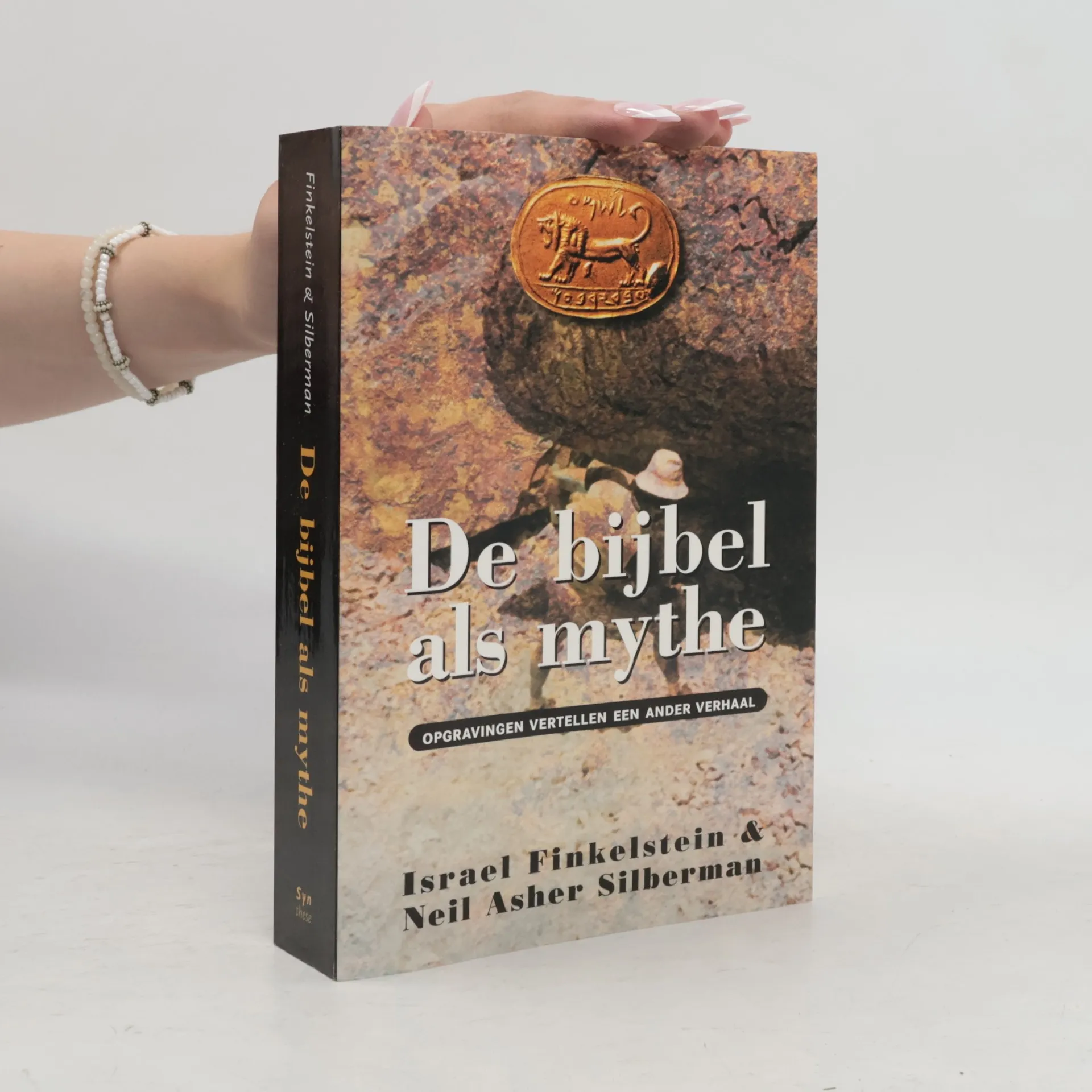
For the first time, the true history of ancient Israel as revealed through recent archaeological discoveries- and a controversial new take on when, why and how the Bible was written.
In this groundbreaking work that sets apart fact and legend, authors Finkelstein and Silberman use significant archeological discoveries to provide historical information about biblical Israel and its neighbors. In this iconoclastic and provocative work, leading scholars Israel Finkelstein and Neil Asher Silberman draw on recent archaeological research to present a dramatically revised portrait of ancient Israel and its neighbors. They argue that crucial evidence (or a telling lack of evidence) at digs in Israel, Egypt, Jordan, and Lebanon suggests that many of the most famous stories in the Bible—the wanderings of the patriarchs, the Exodus from Egypt, Joshua’s conquest of Canaan, and David and Solomon’s vast empire—reflect the world of the later authors rather than actual historical facts. Challenging the fundamentalist readings of the scriptures and marshaling the latest archaeological evidence to support its new vision of ancient Israel, The Bible Unearthed offers a fascinating and controversial perspective on when and why the Bible was written and why it possesses such great spiritual and emotional power today.