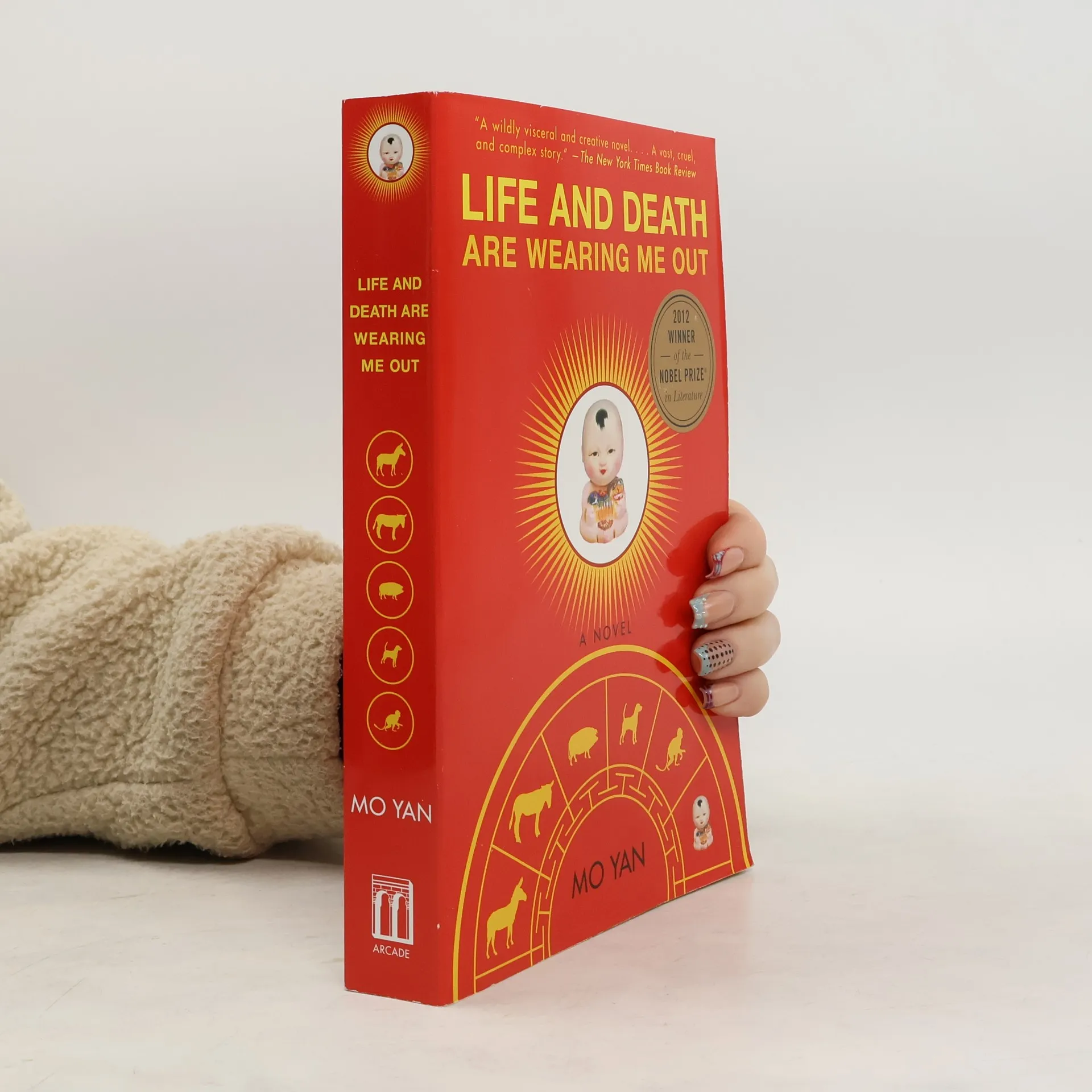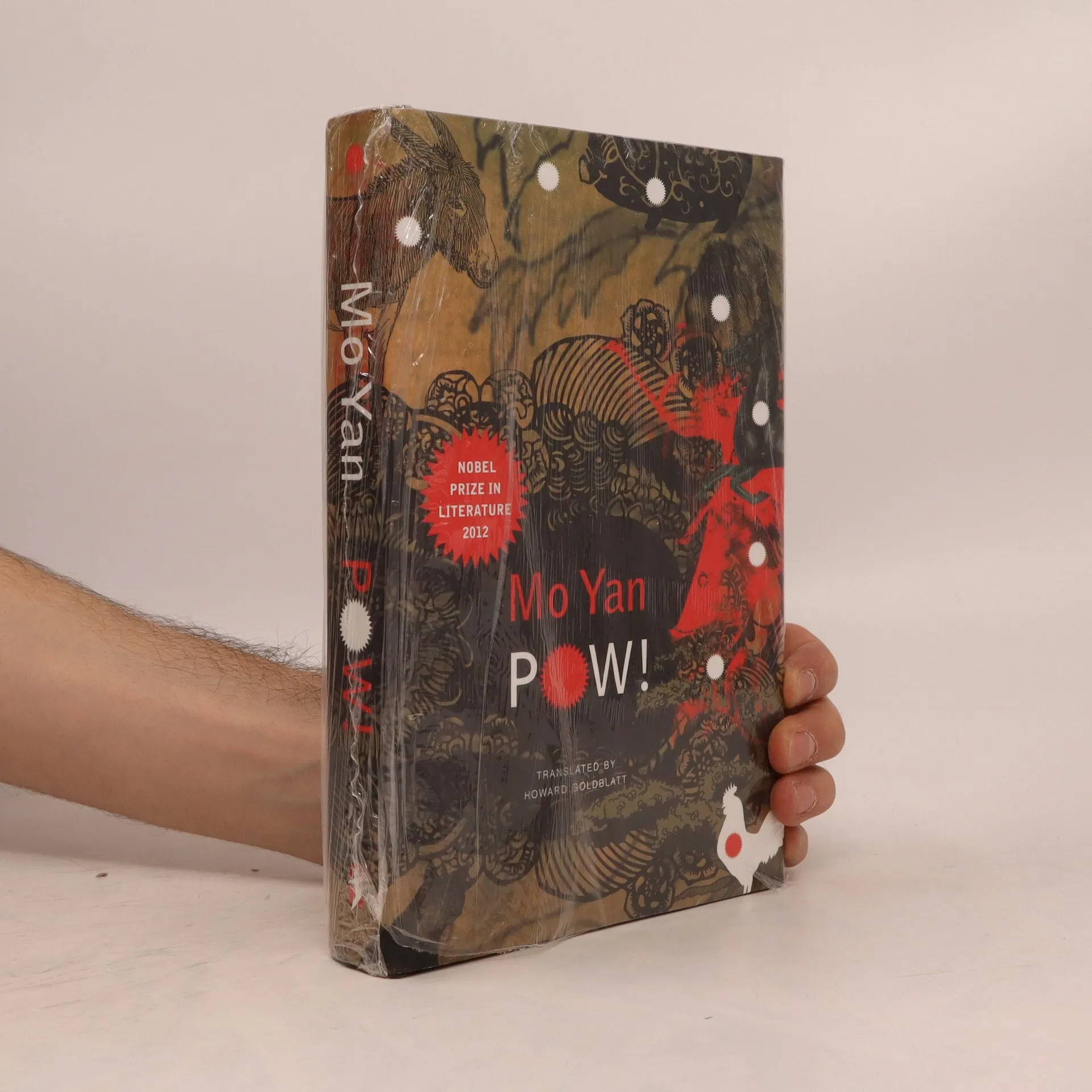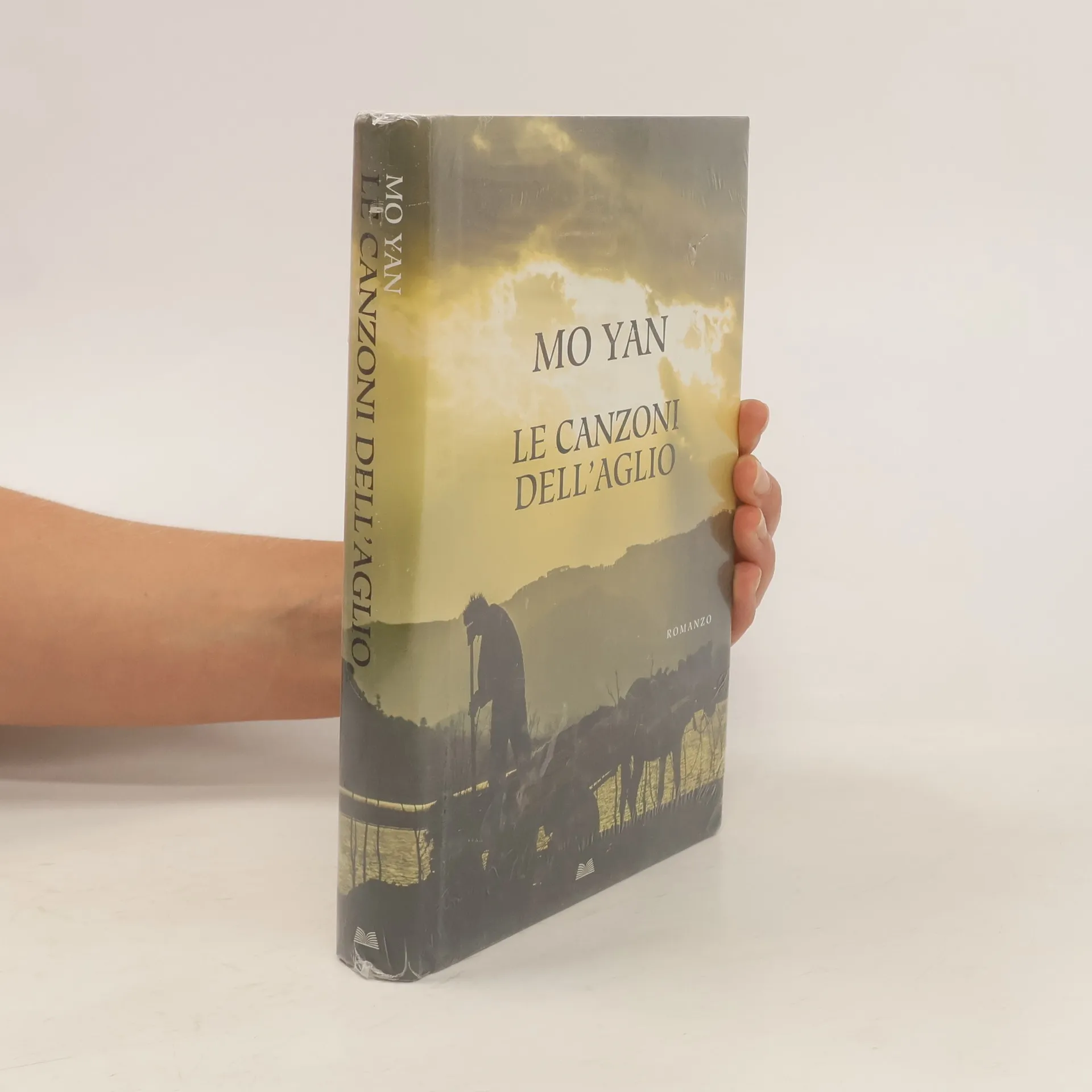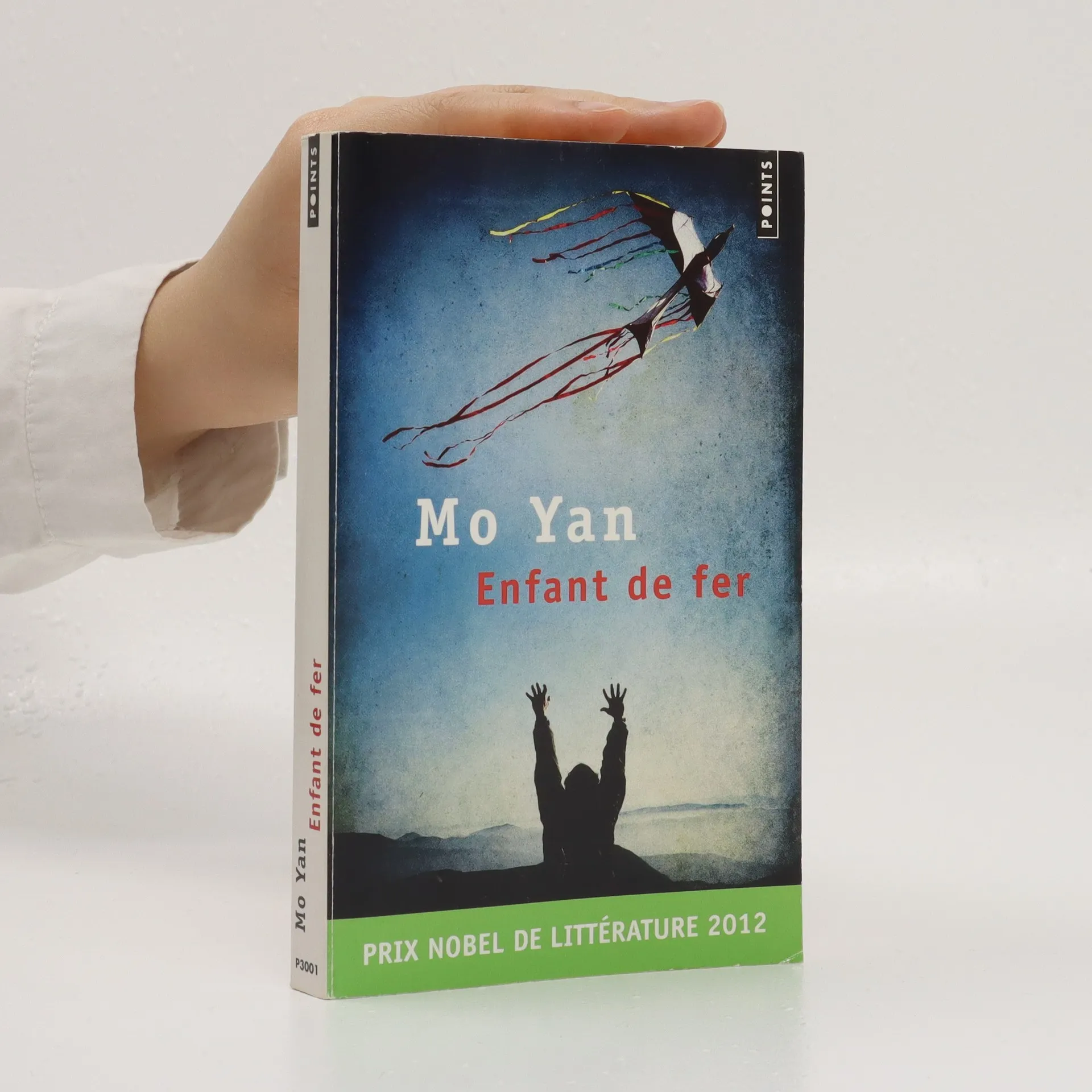
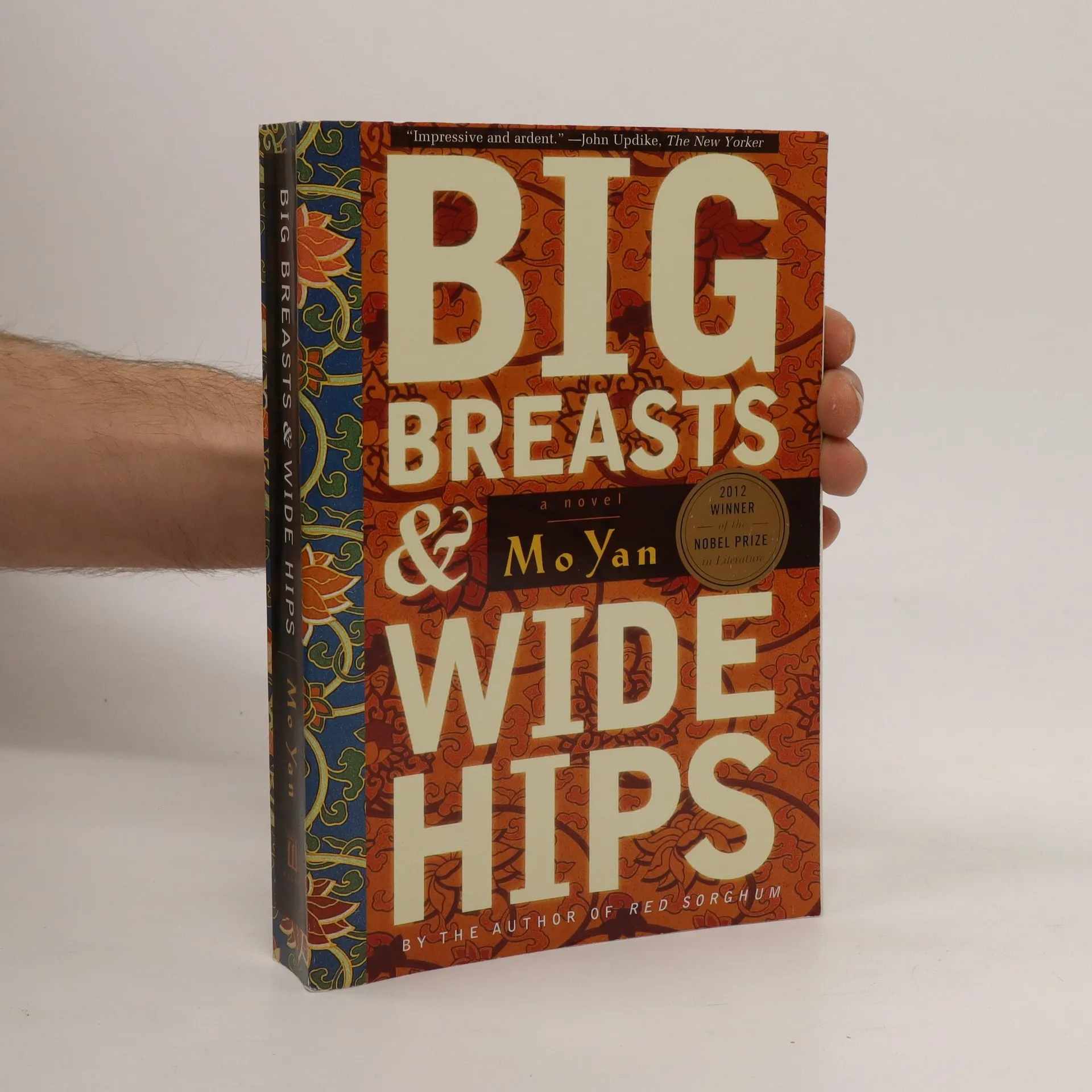
Jintong, his mother, and his eight sisters struggle to survive through the major crises of twentieth century China, which include civil war, invasion by the Japanese, the cultural revolution, and communist rule in the new China.
Yan Mo Knihy
Tento nositeľ Nobelovej ceny za literatúru je známy svojim halucinačným realizmom, ktorý majstrovsky spája ľudové rozprávky, históriu a súčasnosť. Jeho dielo často evokuje porovnania s Kafkom alebo Hellerom, pričom sa vyznačuje jedinečným spojením epických tém s intímnymi ľudskými osudmi. Autorov štýl je bohatý a vrstevnatý, čo čitateľom ponúka hlboký ponor do čínskej kultúry a histórie prostredníctvom pútavých príbehov.


Red sorghum
- 377 stránok
- 14 hodin čítania
Spanning three generations, this novel of family and myth is told through a series of flashbacks that depict events of staggering horror set against a landscape of gemlike beauty as the Chinese battle both the Japanese invaders and each other in the turbulent 1930s. As the novel opens, a group of villagers, led by Commander Yu, the narrator's grandfather, prepare to attack the advancing Japanese. Yu sends his 14-year-old son back home to get food for his men; but as Yu's wife returns through the sorghum fields with the food, the Japanese start firing and she is killed. Her death becomes the thread that links the past to the present and the narrator moves back and forth recording the war's progress, the fighting between the Chinese warlords and his family's history.

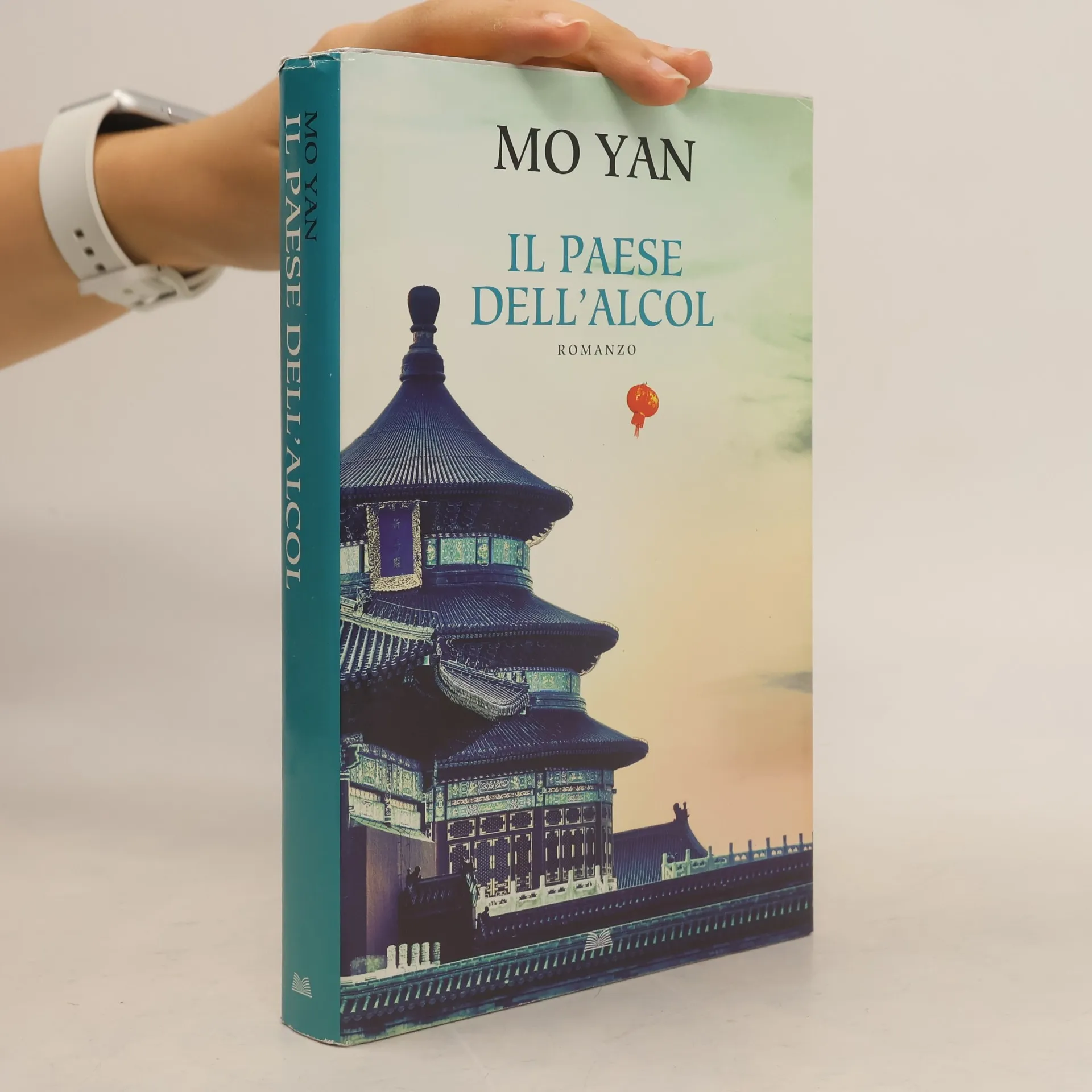
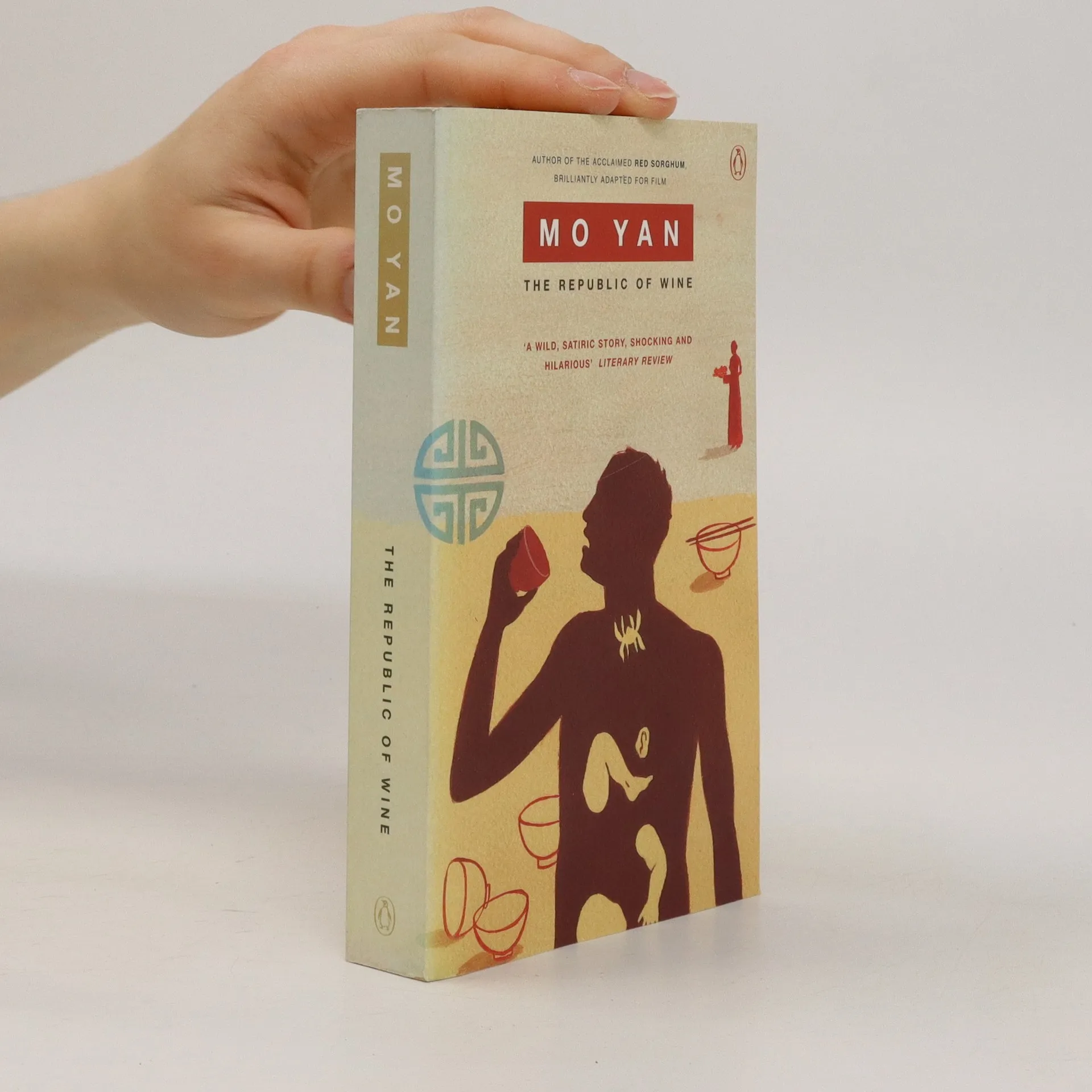
Special Investigator Ding Gou'er is dispatched to the Republic of Wine to investigate rumours of cannibalism. Beginning his mission at the mining company, he soon encounters Diamond Jin whose legendary capacity to hold liqour seems to hide a fondness for darker appetites. Then, at a banquet served in his honour, Ding Gou'er partakes of a dish - the memory of which is confused by an alcoholic fog - he will come to regret eating...In this hypnotic narrative, Mo Yan spins tales of terrible creatures - a dwarf, a scaly demon, a troupe of small boys raised for eating and a cookery teacher who primes her students with monstrous recipes.
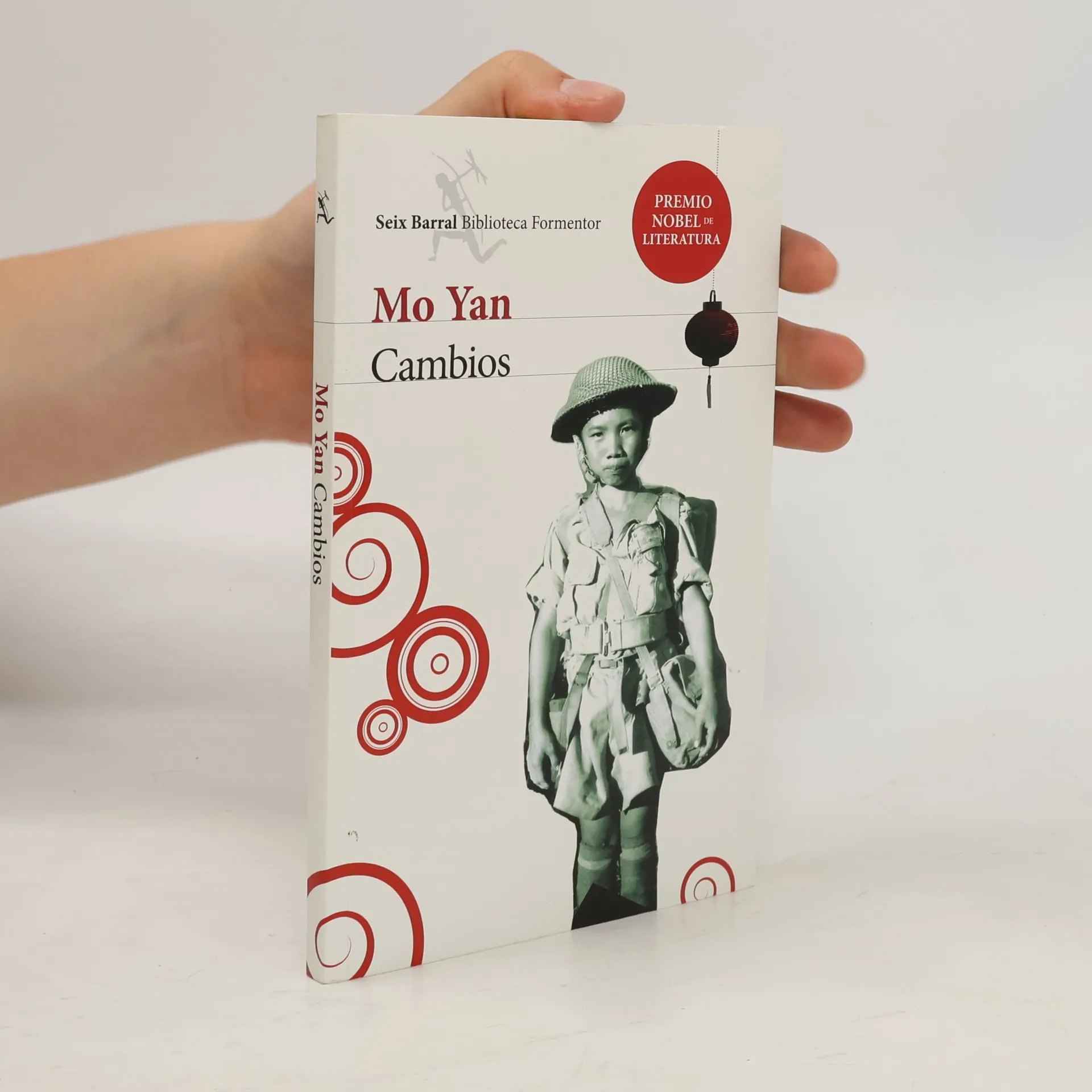
Cambios es la novela más personal del Premio Nobel de Literatura 2012, cuarenta años de historia de China vistos por un niño que se hace mayor en un mundo demasiado estrecho. Esta es en definitiva la vida de su autor, un hijo de campesinos que sueña con ser camionero, un obrero y un militar, un escritor que desde lo más alto recuerda su infancia. Con el tono abierto de una confesión entre amigos, Mo Yan teje la historia popular de un país en permanente transformación, el retrato de la gente común y los gestos cotidianos; como la rebeldía de su compañero de clase, He Zhiwu, quien no reconoce principio de autoridad alguno, o la tozudez de Lu Wenli, una chica acostumbrada a tomar siempre la decisión correcta pero que la lleva por el camino equivocado. Una rara joya literaria, una feliz confidencia y una ventana privilegiada que nos descubre quién es realmente el nuevo Premio Nobel de Literatura. Considerado por muchos el Kafka, Faulkner o García Márquez chino, Mo Yan es ante todo un autor de “sorprendente autenticidad” (Time), “uno de los grandes novelistas de hoy en día” (Le Monde).
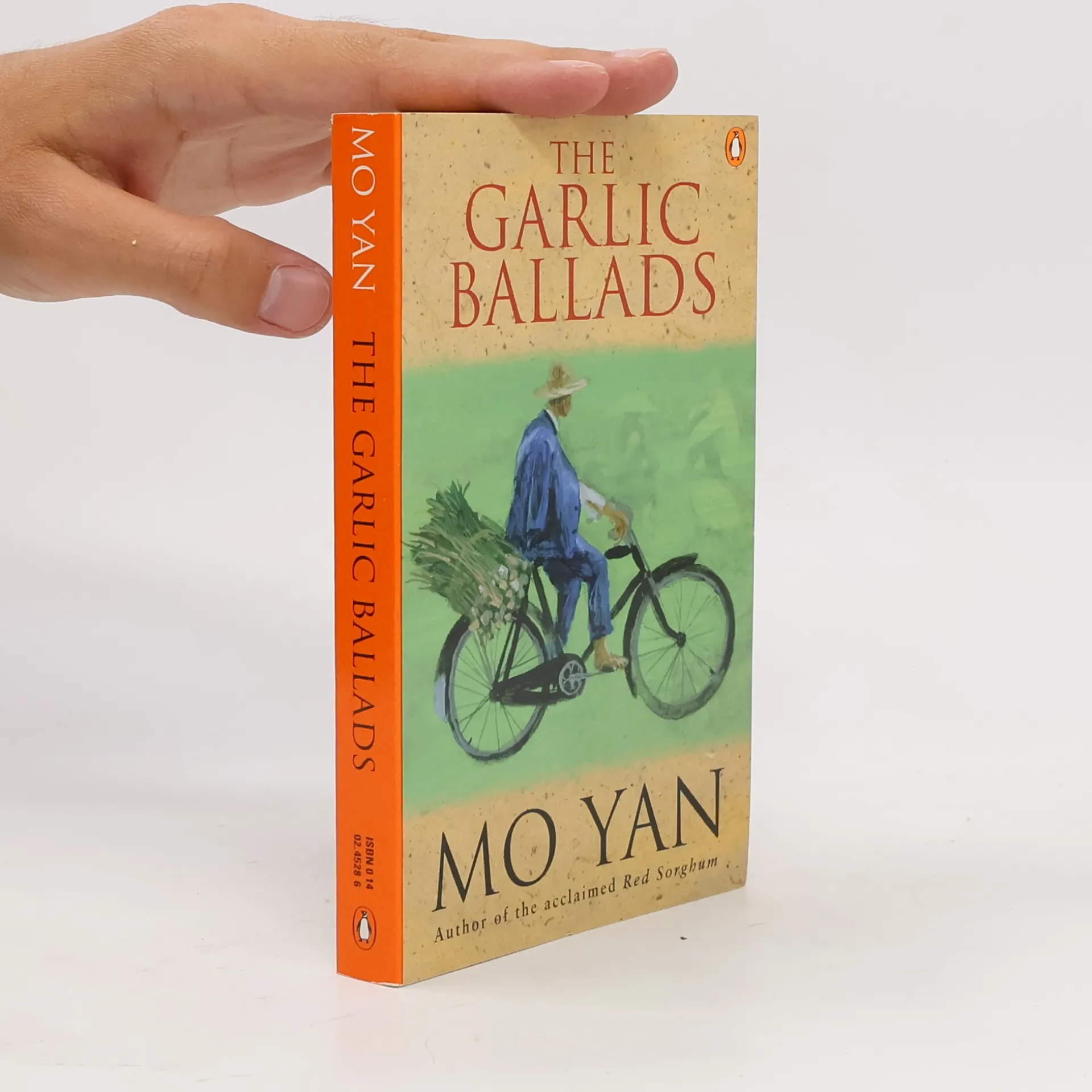
Mo Yan, a Nobel Laureate, is celebrated for his unique storytelling that blends folk tales, historical elements, and contemporary issues through a lens of hallucinatory realism. His notable works, translated into English by Professor Howard Goldblatt, include titles like The Garlic Ballads and Red Sorghum. His writing often reflects deep cultural insights and explores complex themes, making him a significant figure in modern literature.
I Name Him Me: Selected Poems of Ma Yan
- 160 stránok
- 6 hodin čítania
Poetry. Translated by Stephen Nashef. The poetry of Ma Yan, born in 1979 in Sichuan province, has garnered increasing attention in China since her untimely death in 2010. She stands out as a poet who is simultaneously playful and fearless in her explorations of subjectivity and inter-subjectivity, writing intimate yet arresting poetry of great emotional breadth. Her work delves into questions of gender, mental health, death, desire, physicality and our personal interactions to show how they all shape the raw experience of existence. I NAME HIM ME is the first collection of her poetry to appear in English.
A contemplative semiautobiographical picture book by Nobel Laureate Mo Yan and illustrated by Hans Christian Anderson Award nominee Zhu Chengliang.
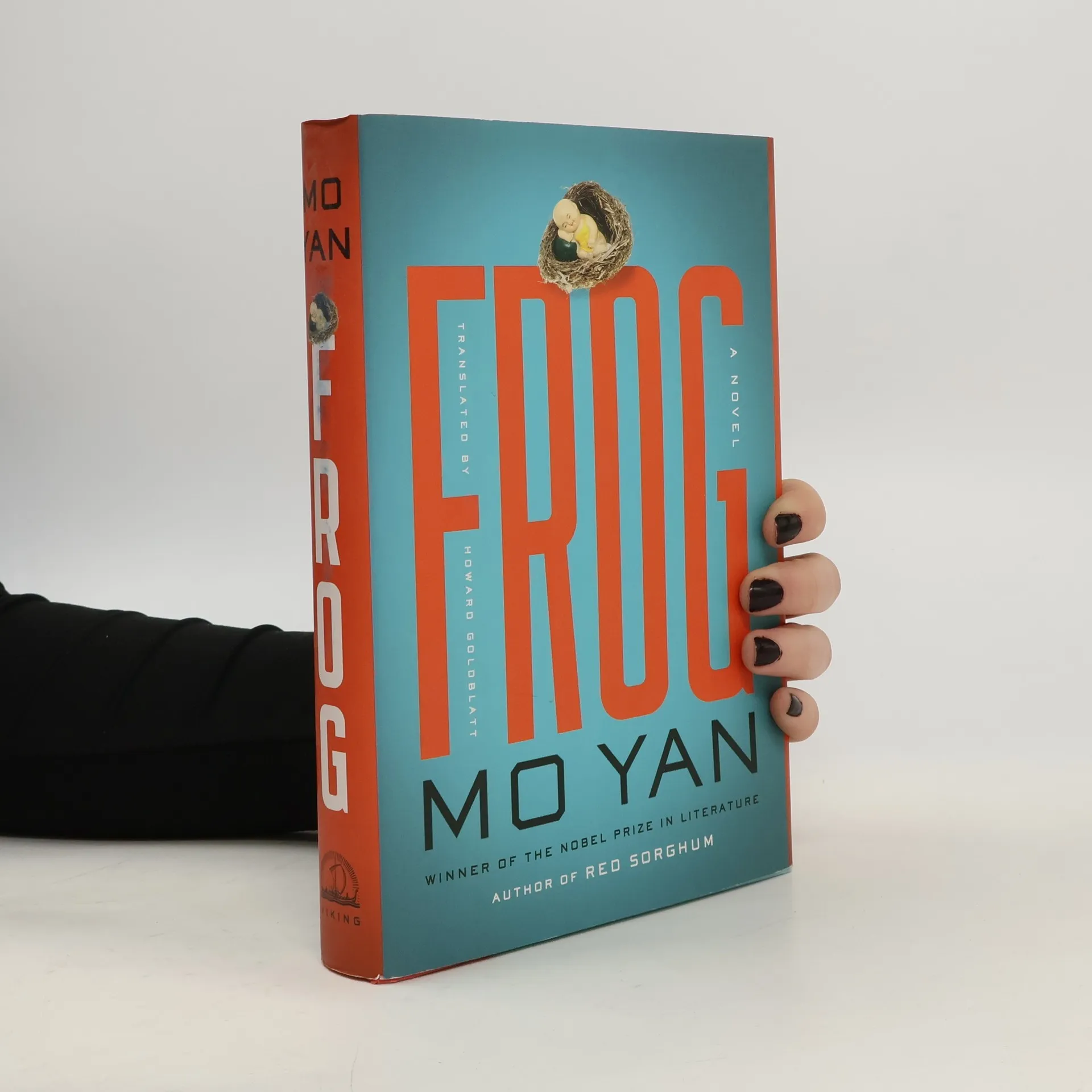
Mo Yan chronicles the sweeping history of modern China through the lens of the nation’s controversial one-child policy. Frog opens with a playwright nicknamed Tadpole who plans to write about his aunt. In her youth, Gugu—the beautiful daughter of a famous doctor and staunch Communist—is revered for her skill as a midwife. But when her lover defects, Gugu’s own loyalty to the Party is questioned. She decides to prove her allegiance by strictly enforcing the one-child policy, keeping tabs on the number of children in the village, and performing abortions on women as many as eight months pregnant.
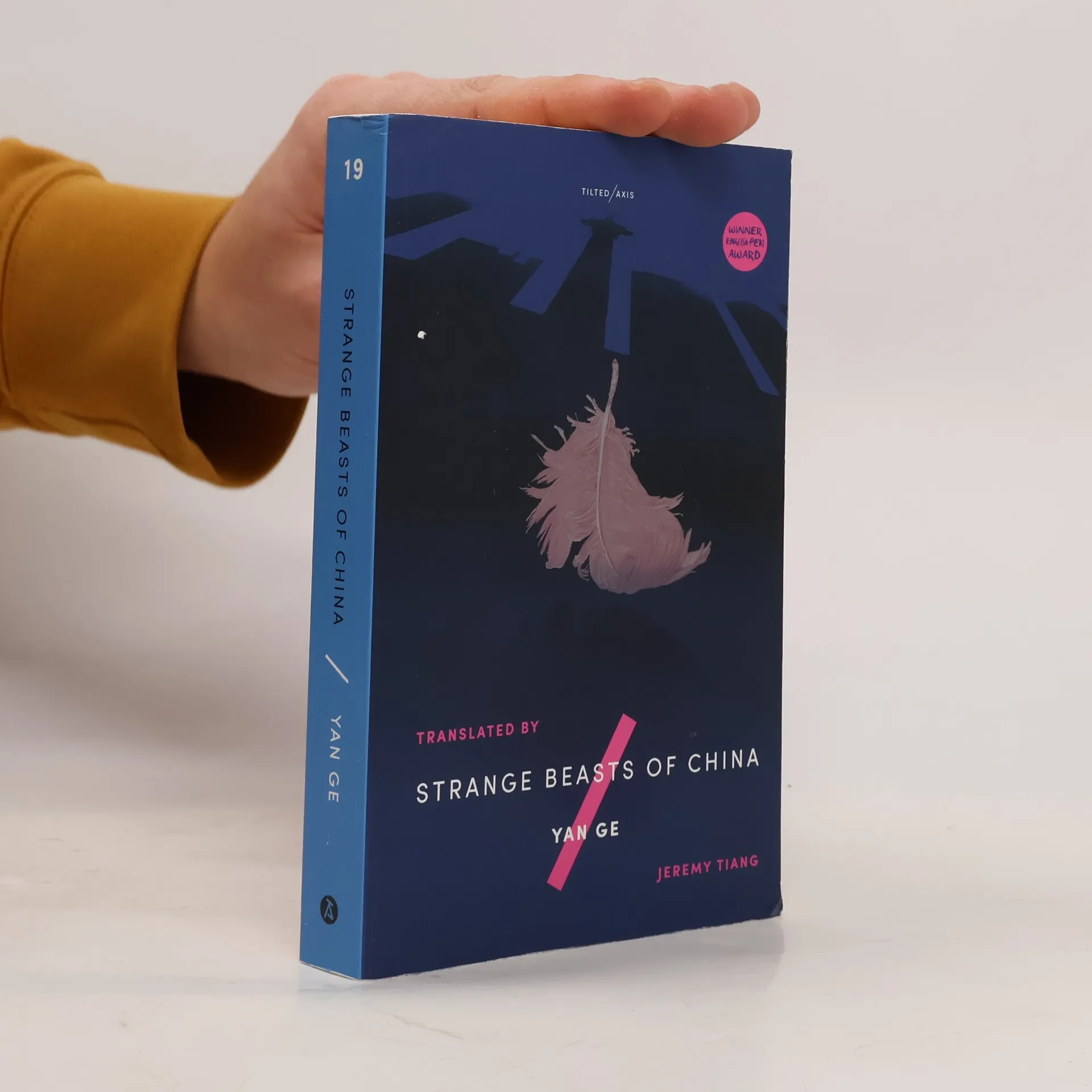
In the fictional Chinese city of Yong'an, an amateur cryptozoologist is commissioned to uncover the stories of its fabled beasts. These creatures live alongside humans in near-inconspicuousness--save their greenish skin, serrated earlobes, and strange birthmarks. Aided by her elusive former professor and his enigmatic assistant, our narrator sets off to document each beast, and is slowly drawn deeper into a mystery that threatens her very sense of self.