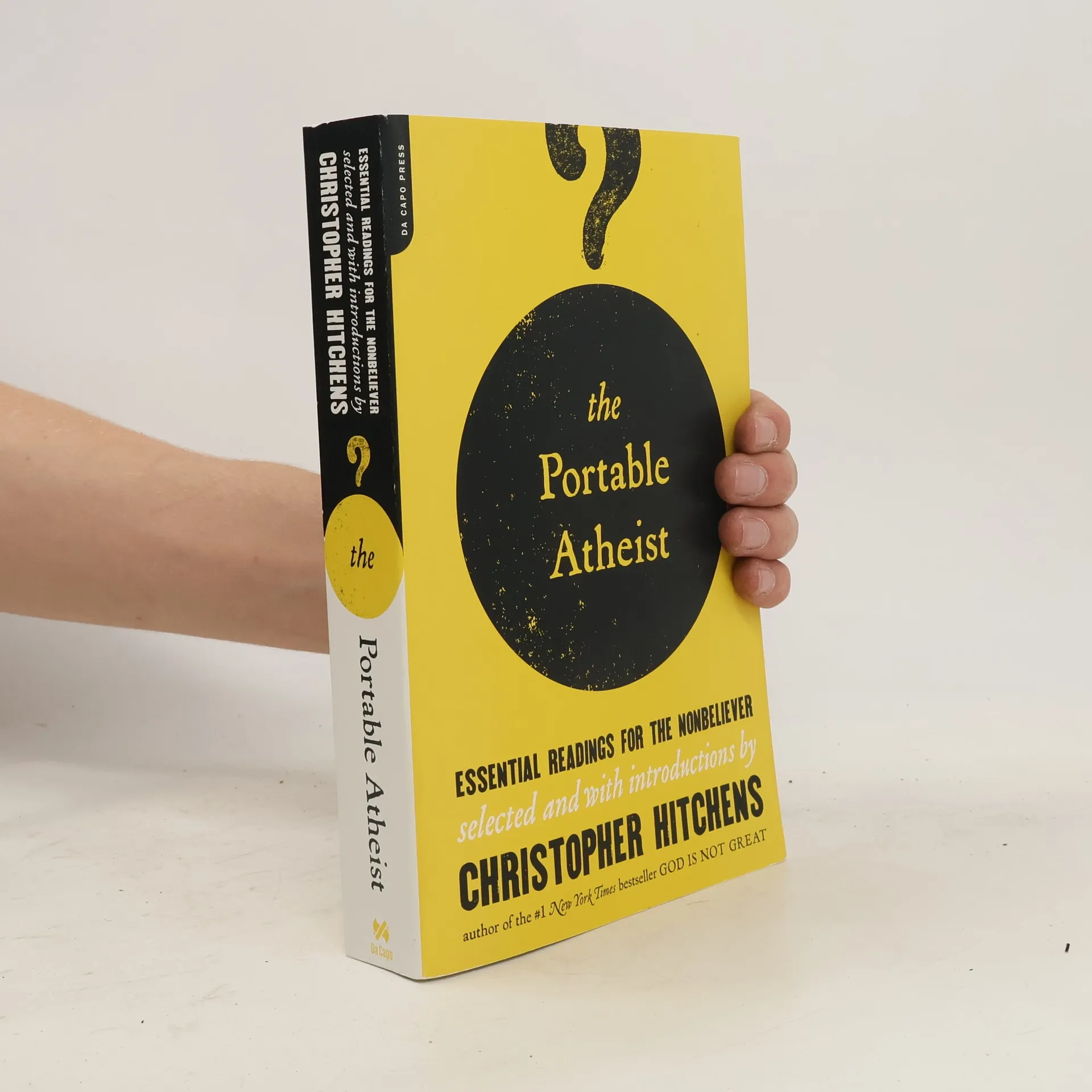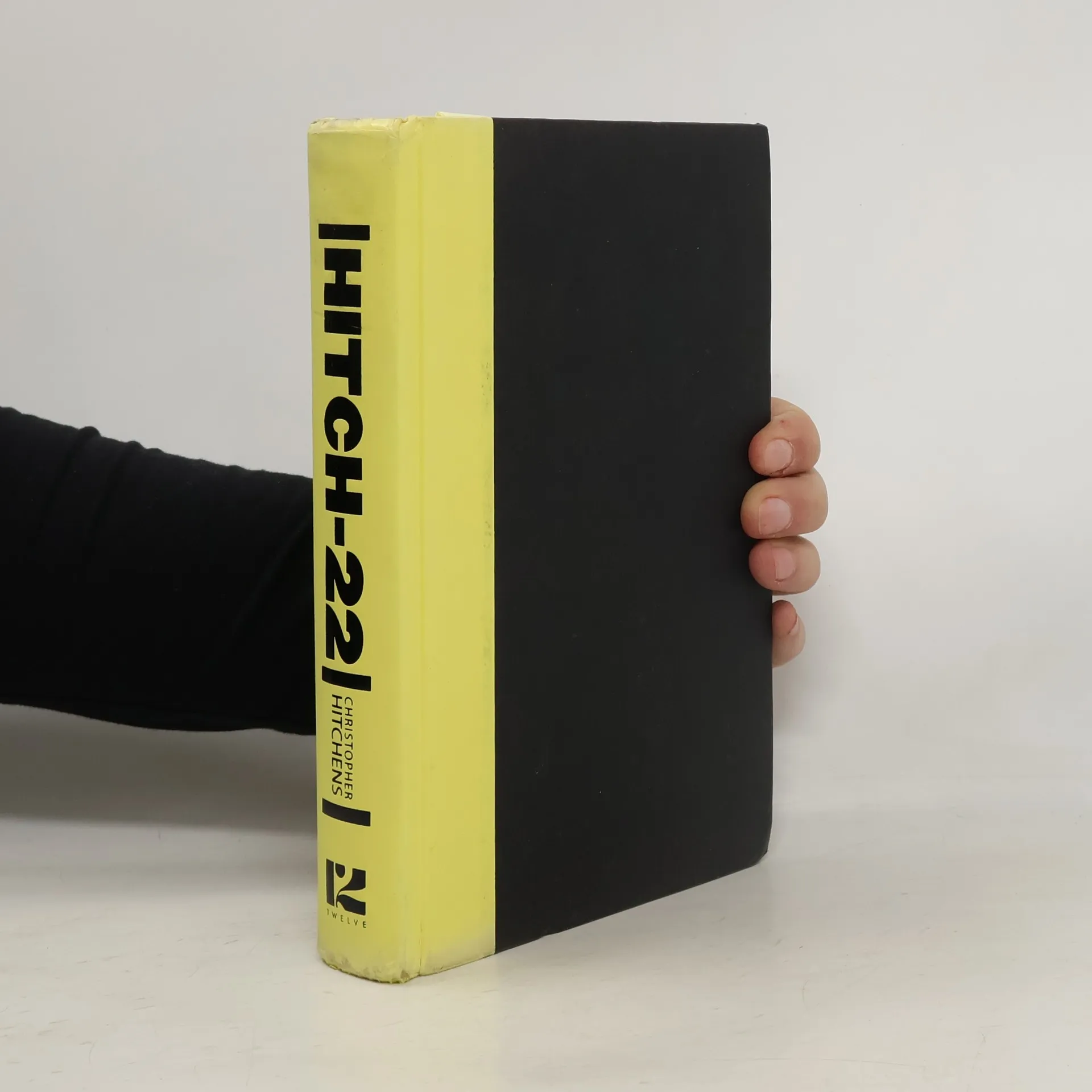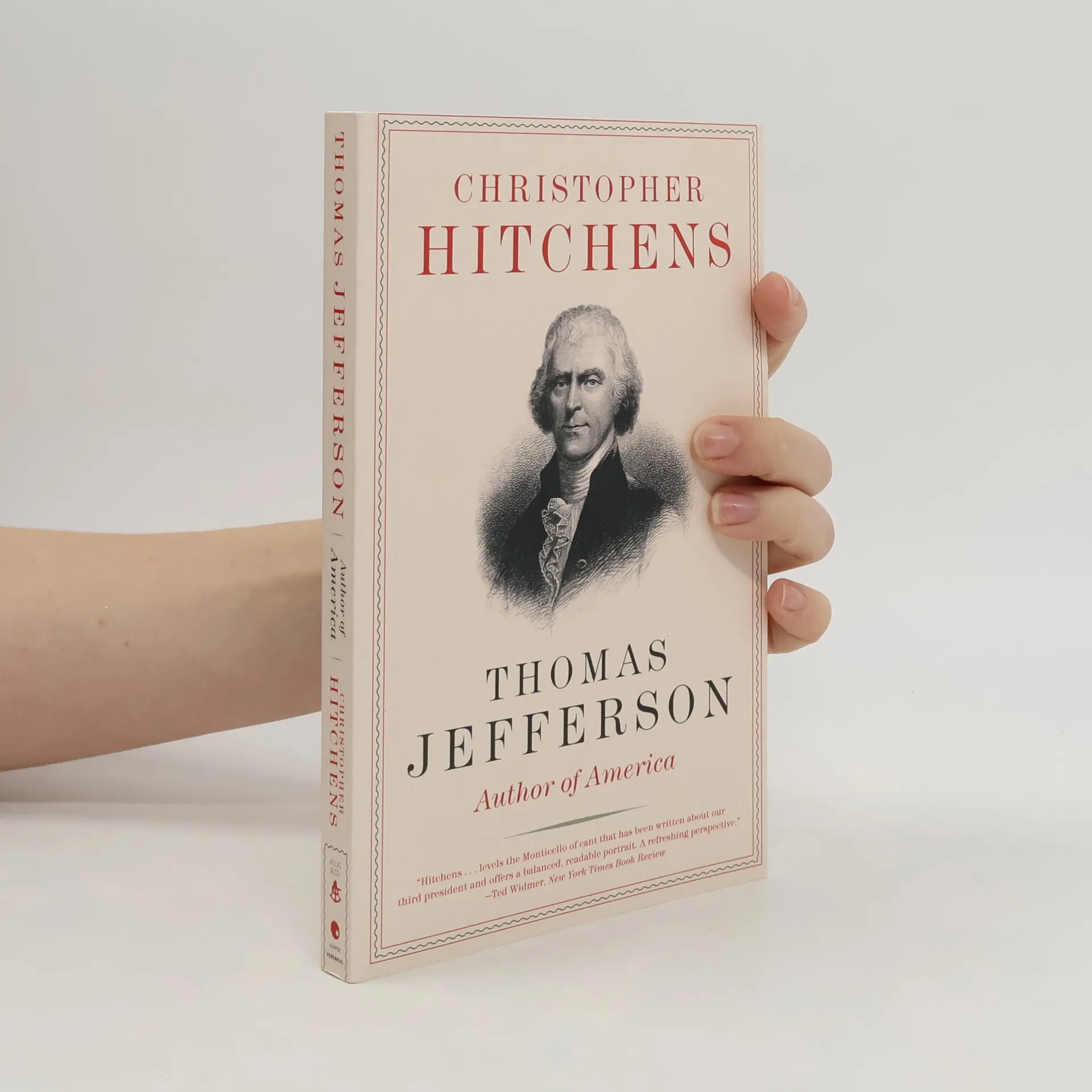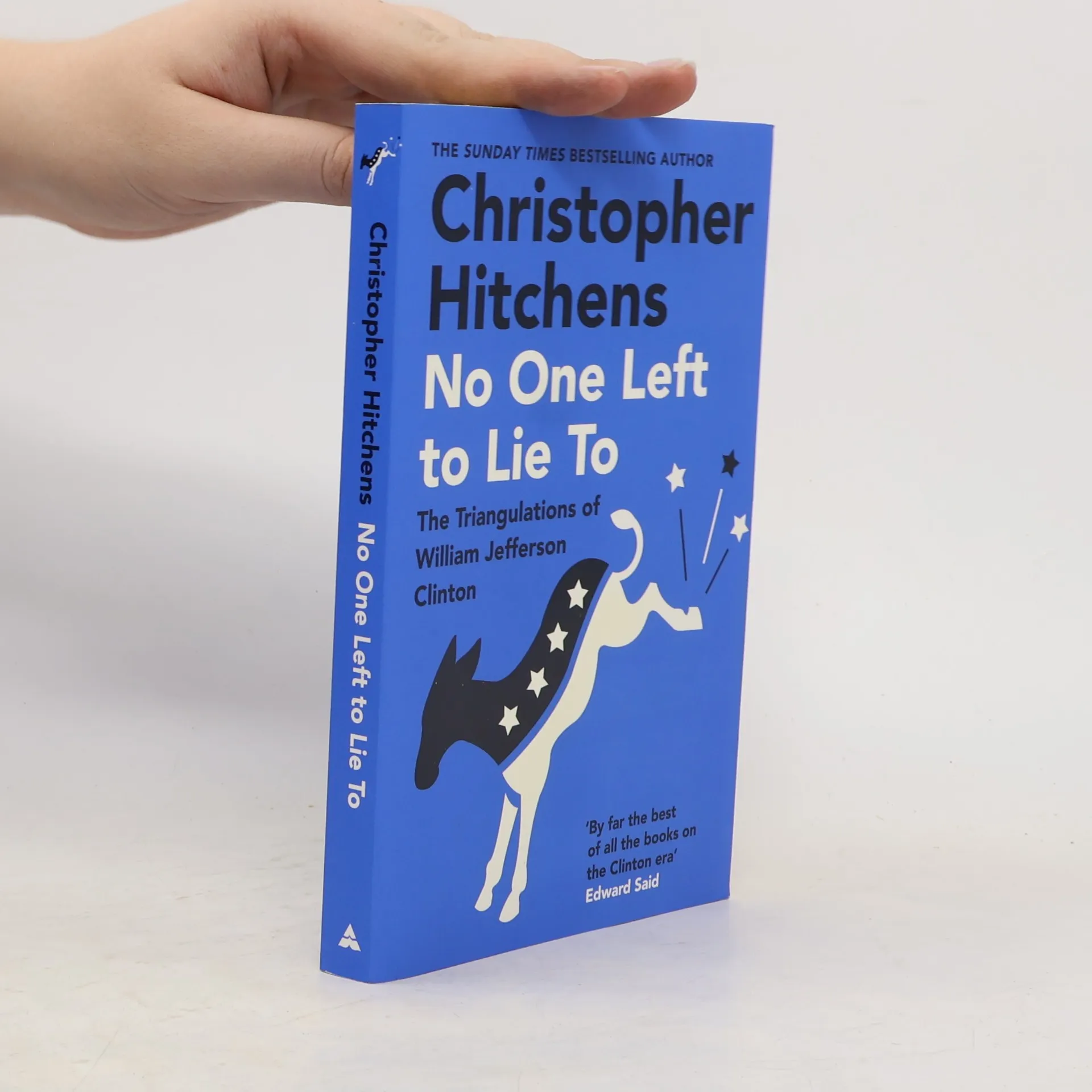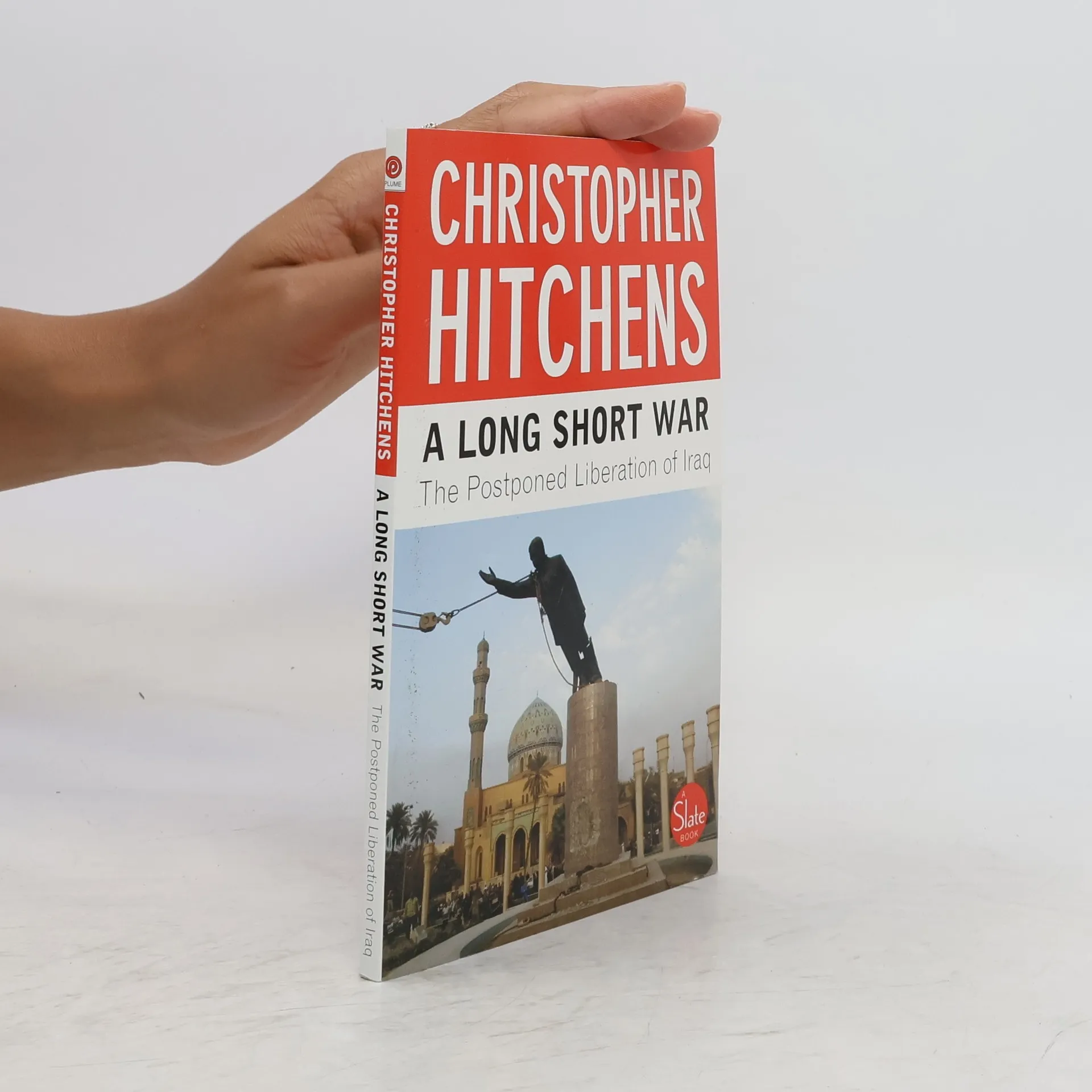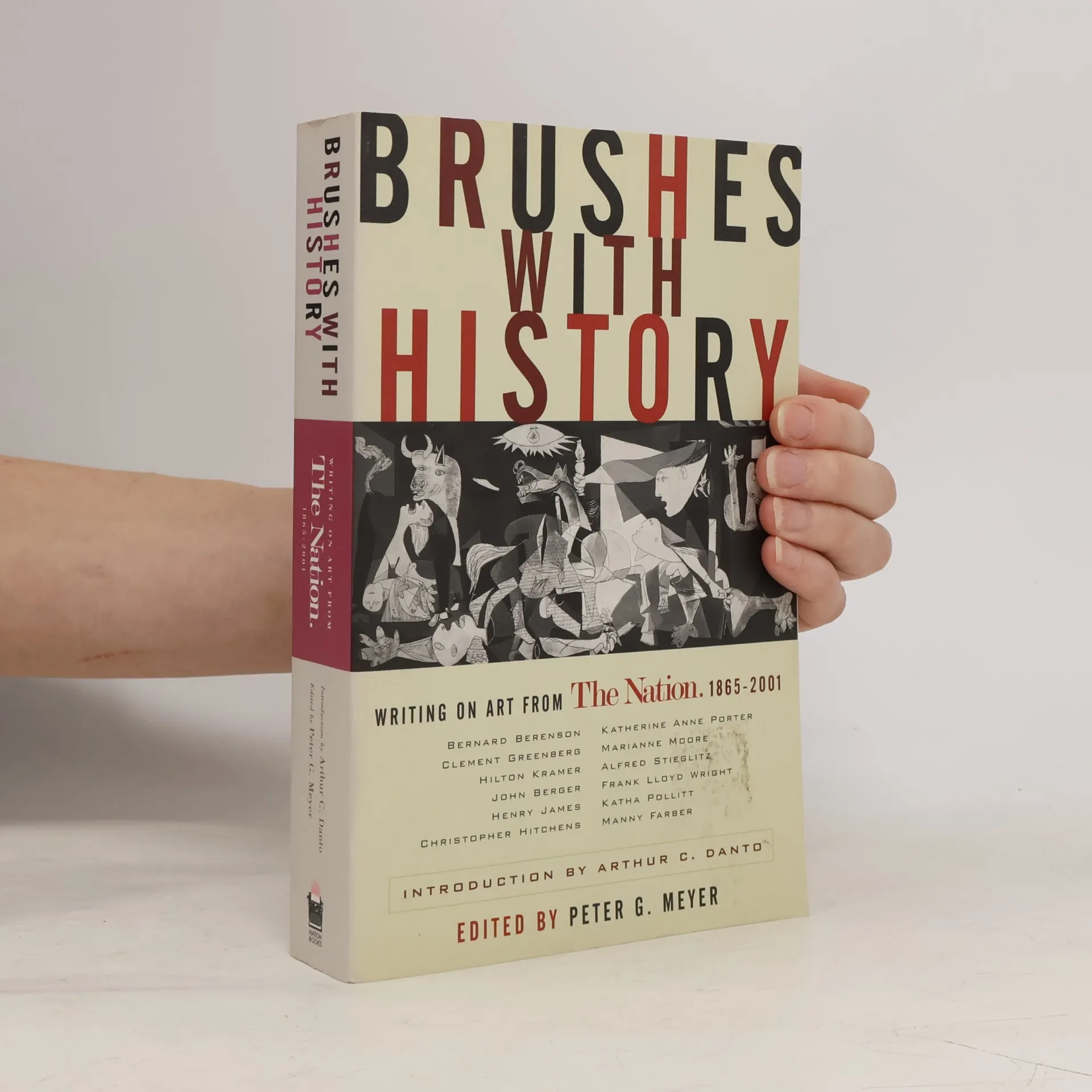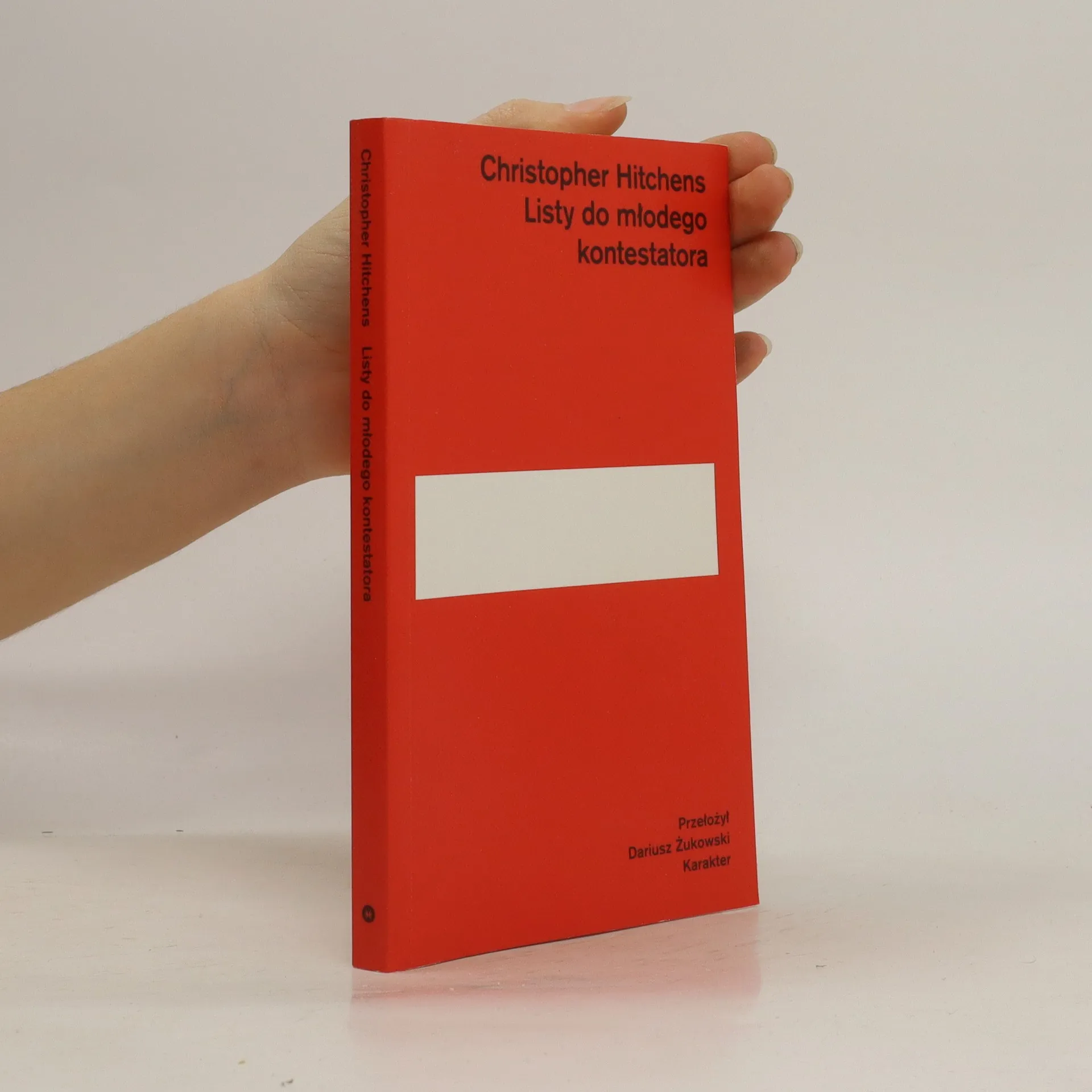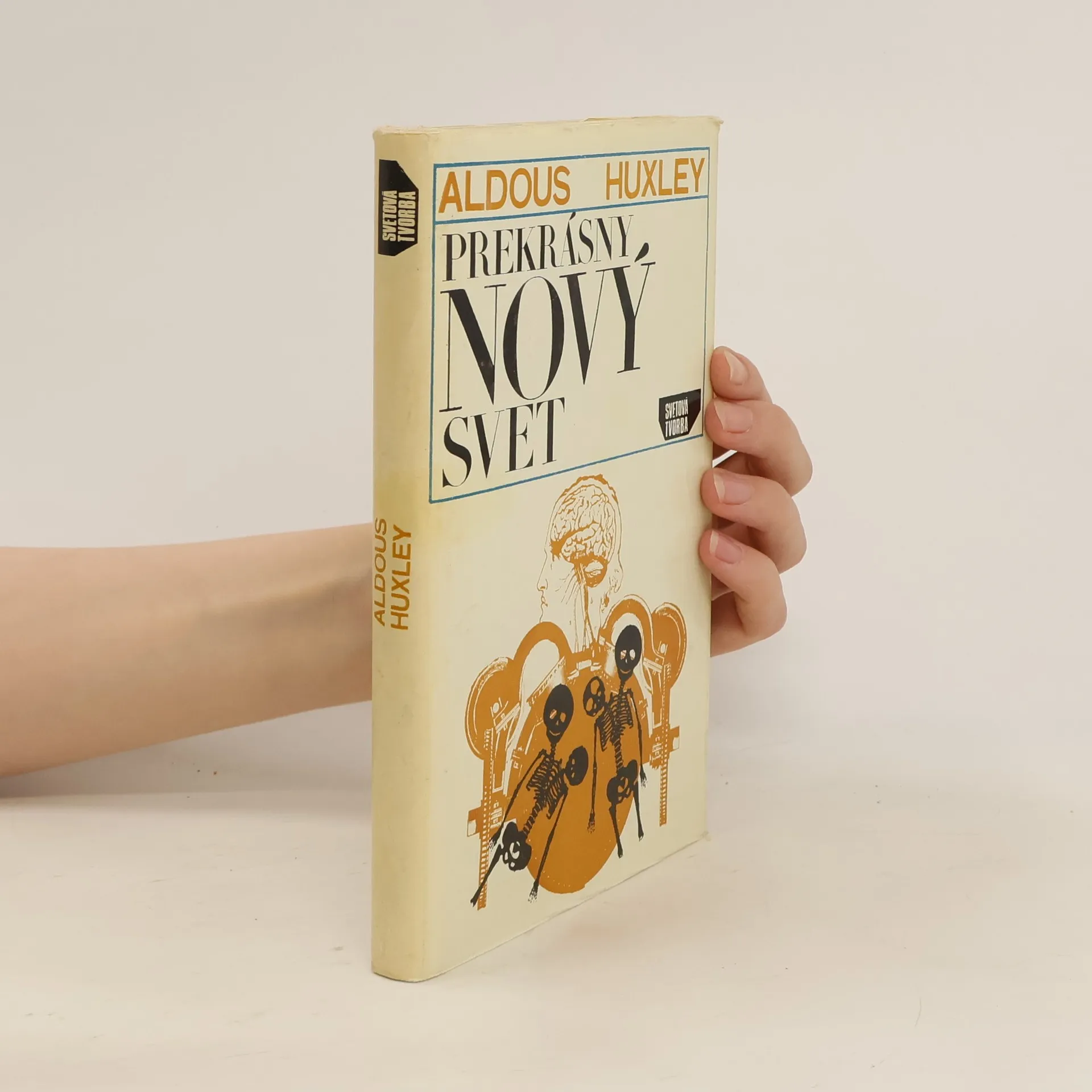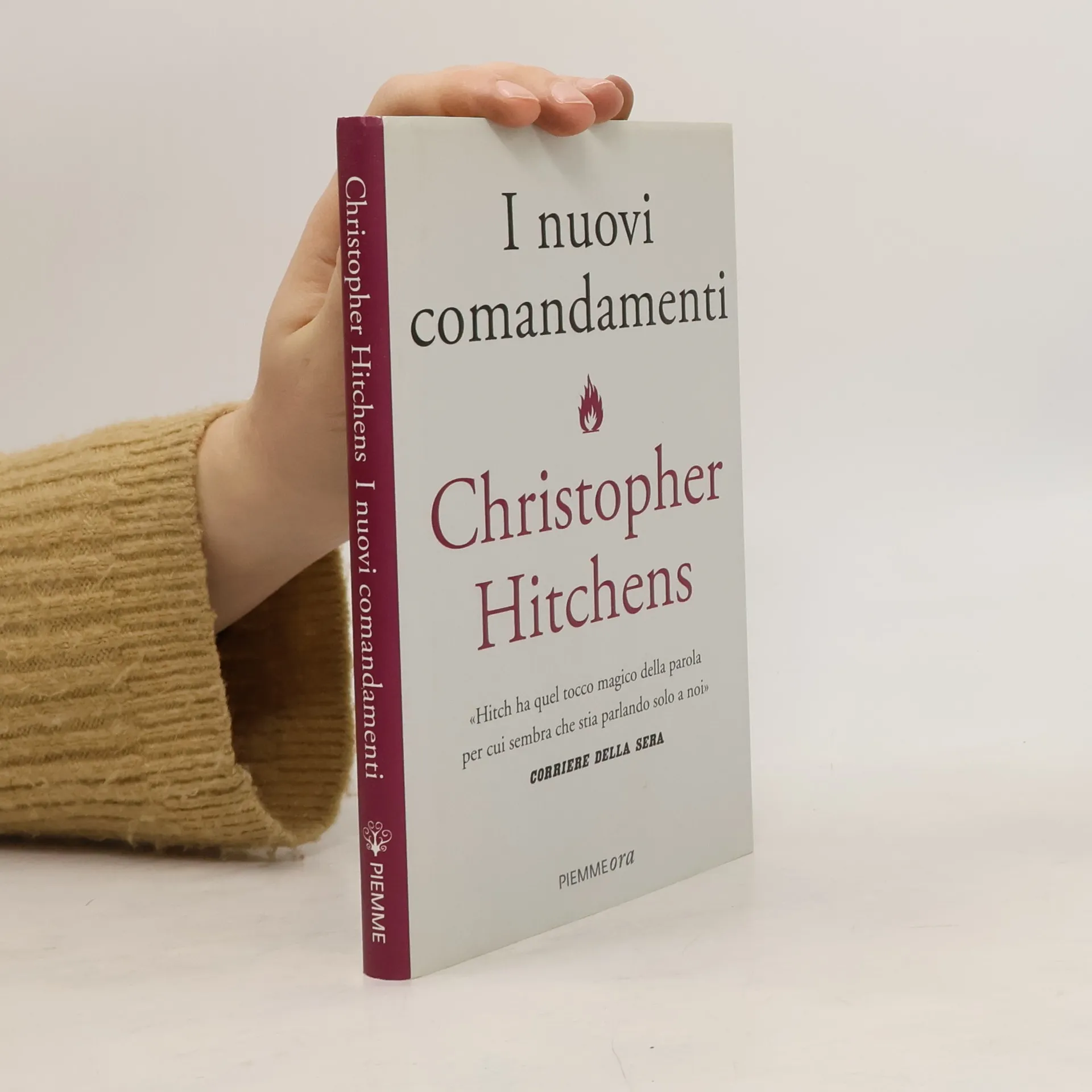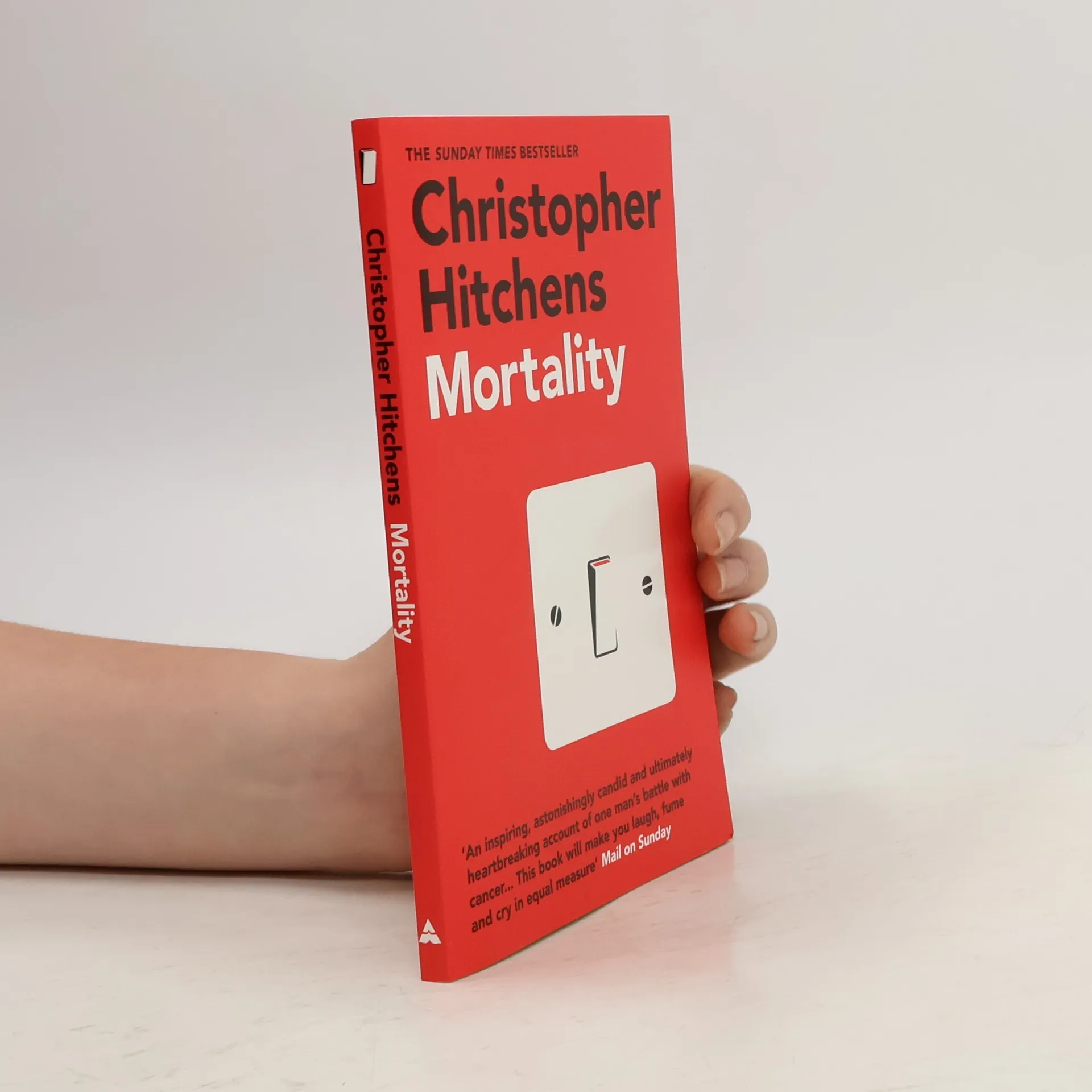
Christopher Hitchens bol polemik a intelektuál, ktorého písanie sa vyznačovalo prenikavou analýzou a nekompromisným štýlom. Spočiatku sa hlásil k radikálnej ľavici, ale v priebehu života sa jeho názory vyvíjali, čo viedlo k prekvapivým posunom v politických postojoch. Bol známy svojim obdivom k osvietenským hodnotám, ako je sekularizmus, humanizmus a rozum, a zároveň ostro kritizoval náboženské dogmy a politické postavy, ktoré považoval za škodlivé. Jeho literárne dielo je dodnes cenené pre svoju intelektuálnu hĺbku a odvahu spochybňovať zavedené pravdy.
Matka Tereza zasvätila svoj život pomoci chudobným a slabým. Nezaujímala sa o svetské záležitosti a financie, vo svojich skutkoch i slovách bola vždy dôsledne apolitická.
Existuje však i iný, menej známy príbeh Matky Terezy. Christopher Hitchens vo svojej britkej polemike ukazuje, že nie je všetko také ako sa na prvý pohľad zdá.
(z anotácie ku knihe)
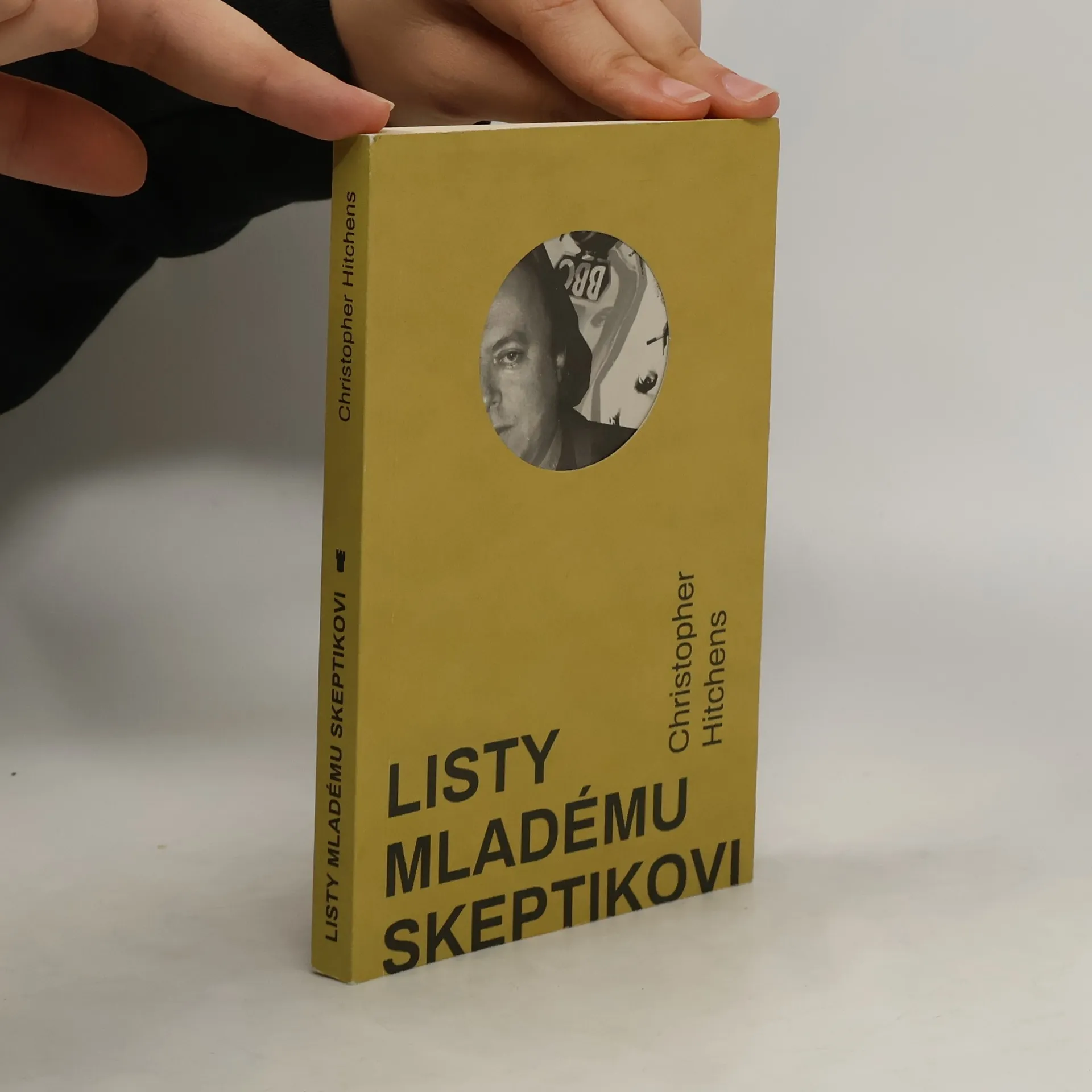
Intelektuál a prvotriedny provokatér vo svojej kritickej príručke inšpiruje budúce generácie rebelov a rebeliek. Skúma formy odporu od vznešeného disentu po bezdôvodné odvrávanie a predstavuje myšlienky tých, ktorí nezapadli do spoločnosti a stali sa jeho vlastnými vzormi. S otvorenou hlavou nám predstavuje návod, ako sa čo najlepšie vyhýbať politickým a kultúrnym pasciam, ktoré vedú do záhuby.
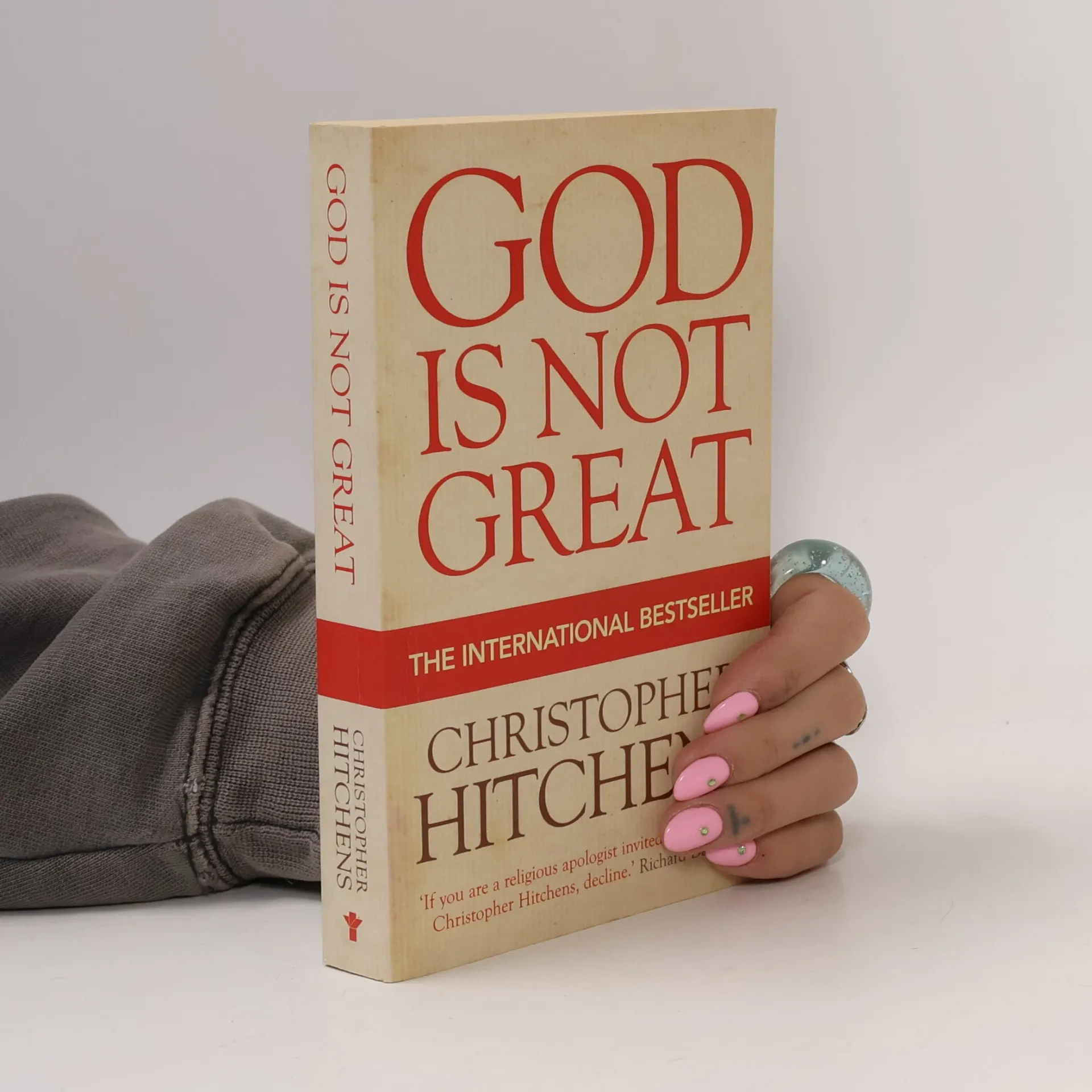
Christopher Hitchens (1949–2011) bol populárny autor, stĺpčekár a jeden z predstaviteľov nového ateizmu. Medzi jeho najznámejšie diela patrí kritická esej o Matke Tereze Misionárska poloha a štúdia o zhubnej sile náboženstva Boh nie je veľký. Pravidelne písal pre niekoľko novín a časopisov vrátane The Atlantic, Vanity a Harper's.
Thomas Paine's "Rights of Man" has been celebrated, criticized, maligned, suppressed, and co-opted, but Hitchens marvels at its forethought and revels in its contentiousness. In this book, he demonstrates how Paine's book forms the philosophical cornerstone of the U.S.
Hitchens takes on his biggest subject yet--the increasingly dangerous role of religion in the world. With insight and wit, he describes the ways in which religion is man-made, immoral, and repressive and argues for a new enlightenment through science and reason. (World Religions)
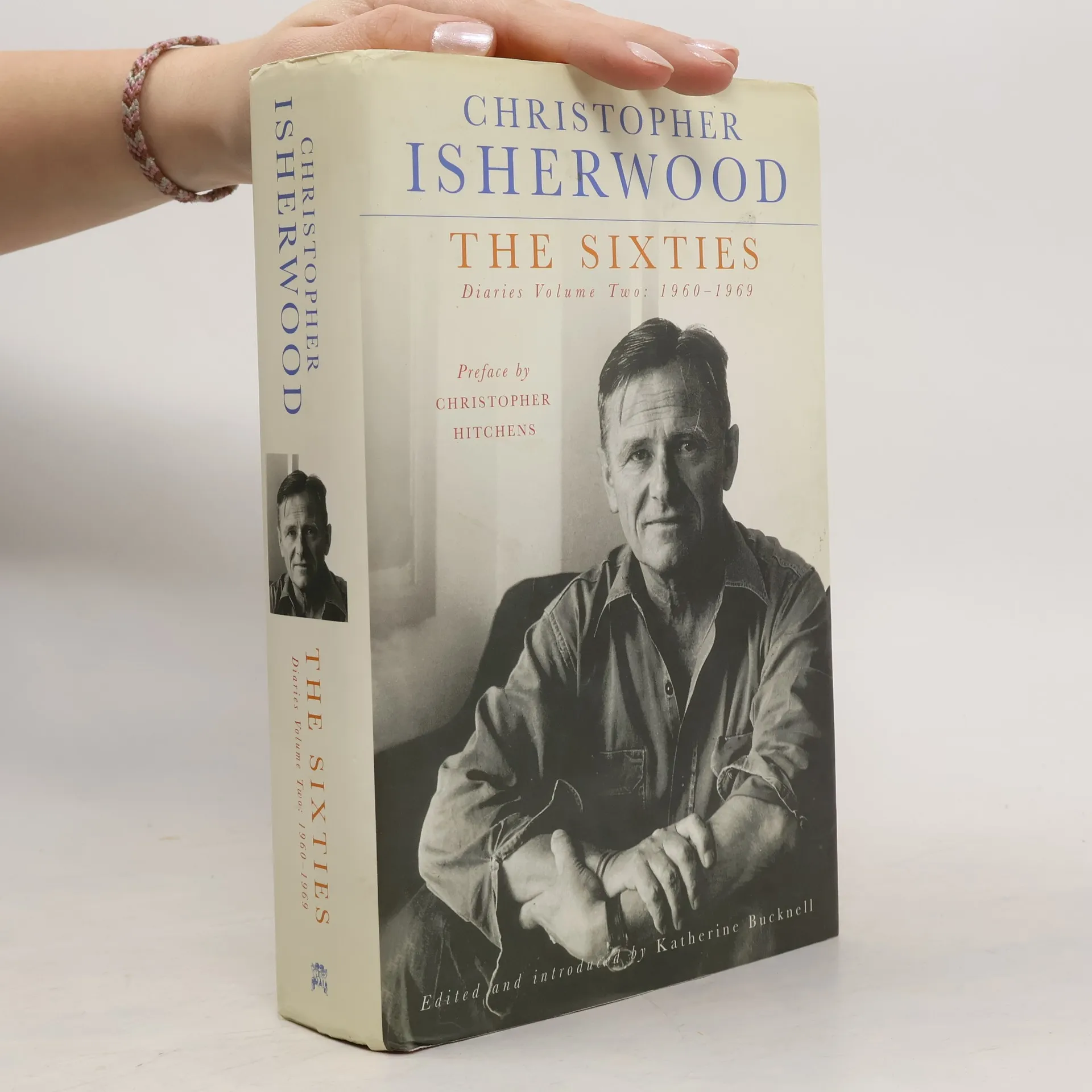
This second volume of Christopher Isherwood's remarkable diaries begins on his fifty-sixth birthday, capturing the transition from the fifties to a decade of social and sexual revolution. Isherwood takes readers through the bohemian landscape of Southern California, the liberated atmosphere of London, the vibrant cosmopolitanism of New York, and the rugged Australian outback. He chronicles his spiritual quest guided by his Hindu guru and shares the emotional complexities of his relationship with American painter Don Bachardy, who is thirty years his junior and navigating his own artistic path. The diaries are filled with sharp gossip and psychological insights about cultural icons of the era, including Francis Bacon, Richard Burton, and Mick Jagger. However, they are most revealing about Isherwood himself—his literary works, film writing, college teaching, and romantic entanglements. He seamlessly connects diverse topics, from Beckett to Brando and the opening of "Cabaret" to a detailed analysis of Gide. The backdrop includes significant political and historical events: the Cold War anxieties, Gagarin's spaceflight, the Vietnam War, and the Summer of Love. Isherwood, known for his prophetic portrayals of a morally bankrupt Europe before World War II, offers an unparalleled chronicle of the decade that profoundly influences contemporary life.
'Vanity Fair Portraits' traces the cultural history of the 20th century and its leading personalities in the pages of a magazine that helped usher in the modern age and which has itself become a benchmark of modern achievement.
Ten years since the death of the world-renowned and controversial intellectual, this stylish edition is one of twelve commemorating Christopher Hitchens' most wry and provocative works.
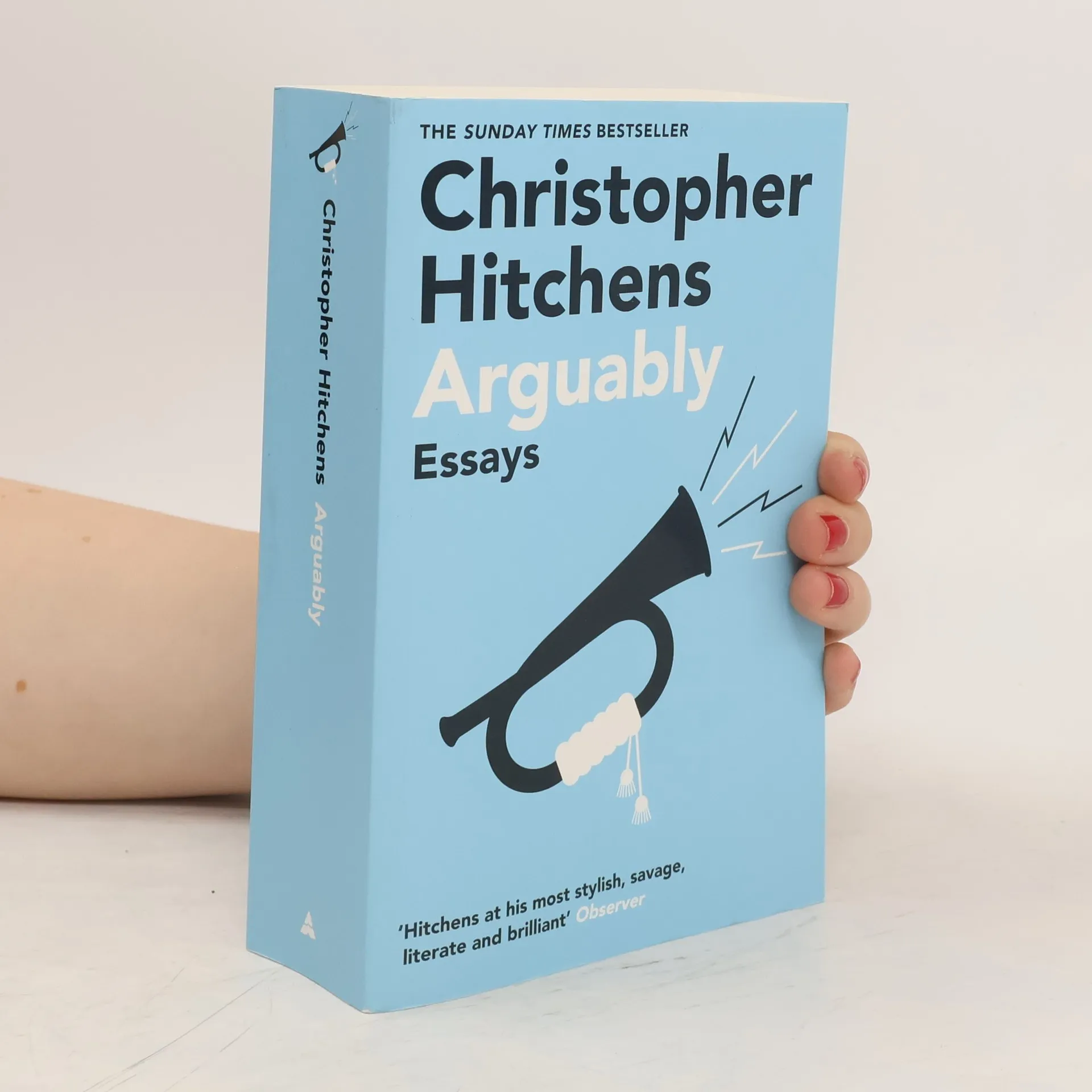
Essayist Christopher Hitchens ruminates on why Charles Dickens was among the best of writers and the worst of men, the haunting science fiction of J.G. Ballard, the enduring legacies of Thomas Jefferson and George Orwell, the persistent agonies of anti-Semitism and jihad, the enduring relevance of Karl Marx, and how politics justifies itself by culture--and how the latter prompts the former.
"All first-rate criticism first defines what we are confronting," wrote jazz critic Whitney Balliett. By this measure, the essays of Christopher Hitchens rank among the best. For nearly four decades, Hitchens has articulated the core principles of reason, tolerance, and skepticism that underpin our civilization—principles that must be defended anew by each generation. Recognized as one of the greatest conversationalists, alongside figures like Sir Patrick Leigh-Fermor and Sir Tom Stoppard, Hitchens invites readers into a democratic dialogue, engaging and reasoning with them. His formidable knowledge, akin to an encyclopedic treasure, feels like a conversation where he follows the logic of his thoughts, unafraid to expose fraudulence, denounce injustice, and critique hypocrisy. Readers have come to admire his eloquence, wit, and readiness to confront adversaries. In this collection, Hitchens offers fresh insights on figures like Charles Dickens, Karl Marx, and George Orwell, enriched by his experiences from traveling and reporting in places like Iran and China. His directness, elegance, and humor applied to a wide range of subjects set a high standard for essayists. This volume presents an intellectual self-portrait of a writer dedicated to the pursuit of reason and justice, showcasing his profound love for the English language.