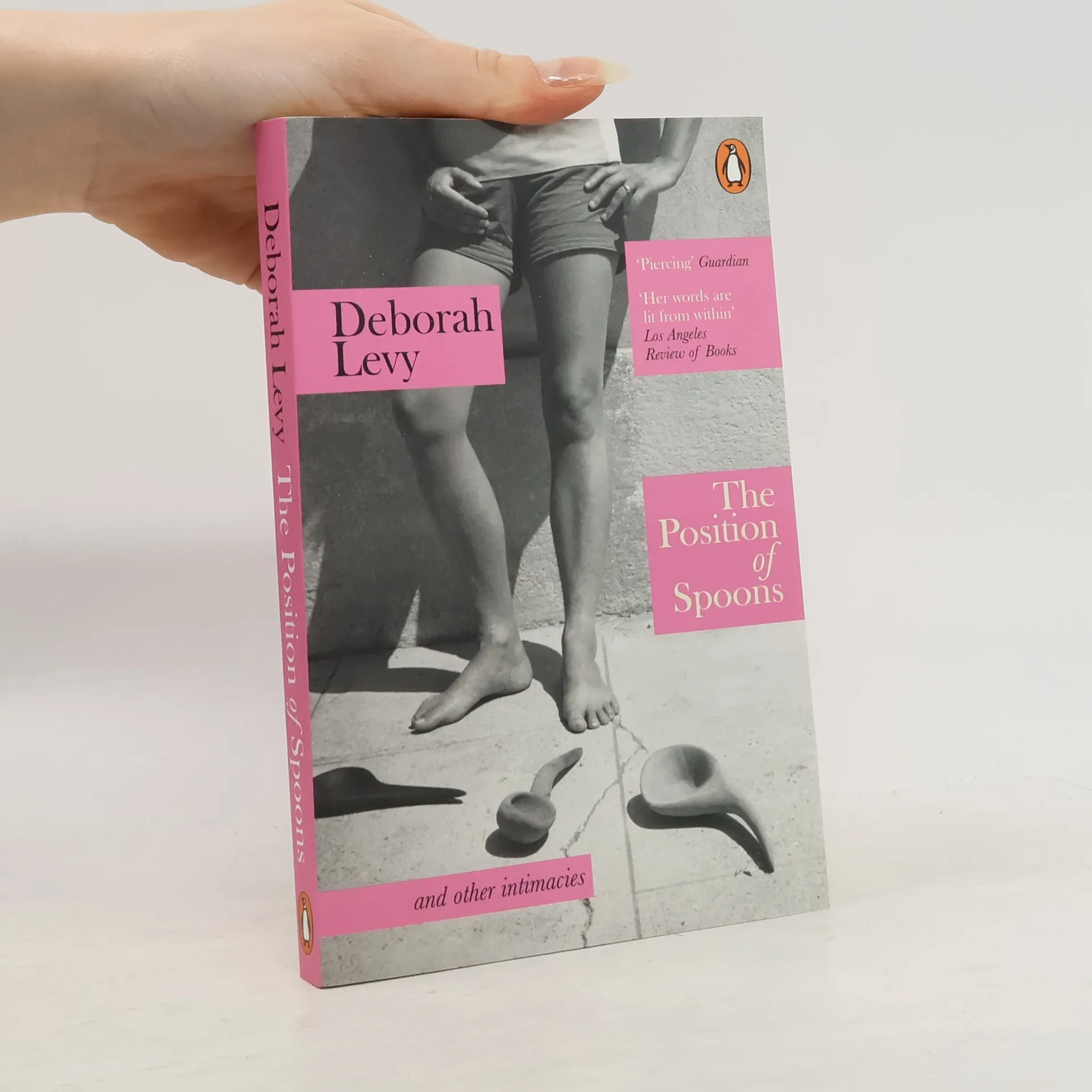
In The Position of Spoons, Deborah Levy invites the reader into the interiors of her world, sharing her most intimate thoughts and experiences, as she traces and measures her life against the backdrop of the literary and artistic muses that have shaped her. From Marguerite Duras to Colette and Ballard, and from Lee Miller to Francesca Woodman and Paula Rego, we can relish here the richness of their work and, in turn the richness of the author's own. Each page is a beautiful, tender composition of the questioning self- a portrait of Deborah Levy's writing life and intellectual vitality in all of its dimensions.
Deborah Levy Poradie kníh (chronologicky)
6. august 1959
Deborah Levy je autorka s pozoruhodným literárnym rozsahom, ktorá začala svoju kariéru písaním divadelných hier, ktoré sa vyznačovali intelektuálnou náročnosťou a poetickou fantáziou. Po úspechoch na divadelnej scéne objavila slobodu písania románov, ktorá jej umožnila plne rozvinúť jej jedinečný hlas. Jej diela sa ponárajú do zložitých psychologických krajín a často skúmajú témy identity a hľadania zmyslu. Levyová sa nebojí experimentovať s formou aj obsahom, čím čitateľom ponúka provokatívny a nezabudnuteľný literárny zážitok.



Billy & Girl
- 192 stránok
- 7 hodin čítania
In this brilliant, inventive, tragic farce, Deborah Levy creates the ultimate dysfunctional kids, Billy and his sister Girl. Apparently abandoned years ago by their parents, they now live alone somewhere in England. Girl spends much of her time trying to find their mother, going to strangers' doors and addressing whatever Prozac woman who answers as "Mom." Billy spends his time fantasizing a future in which he will be famous, perhaps in the United States as a movie star, or as a psychiatrist, or as a doctor to blondes with breast enlargements, or as the author of "Billy England's Book of Pain." Together they both support and torture each other, barely able to remember their pasts but intent on forging a future that will bring them happiness and reunite them with the ever-elusive Mom. Billy and Girl are every boy and girl reeling from the pain of their childhoods, forgetting what they need to forget, inventing worlds they think will be better, but usually just prolonging nightmares as they begin to create--or so it seems--alternative personalities that will allow them to survive and conquer and punish. In the end, the reader is as bewildered as Billy and Girl--have they found Mom and a semblance of family, or are, they completely out of control and ready to explode?
In der Essaysammlung Die Position der Löffel leiht uns Deborah Levy ihren Blick. Sie betrachtet ihre Lesebiographie, die Autor*innen, die sie prägten;Colette, Marguerite Duras, Elizabeth Hardwick, Simone de Beauvoir. Mal setzt sie Sigmund Freuds Brille auf und durchschaut die Neurosen der Gäste eines Wiener Kaffeehauses;Hysterie, ödipale Mutterliebe, Schwindel, Sachertorte. Sie betrachtet Künstler*innen und Kunstwerke;Meret Oppenheim, Lee Miller, Francesca Woodman. Sie schreibt ein Alphabet für die innere Stimme und eins für den Todestrieb, pflückt böse Blumen in Baudelaires’ Garten und folgt dem weißen Kaninchen durch einen Tunnel von Woolwich nach Anderswo. »Ist Anderswo zwischen deinen Ohren?« Poetisch, klug, manchmal surreal und immer mit einem untrüglichen, liebevollen Blick fürs Detail. Was, wenn es eine Rolle spielt, ob der Löffel zum gekochten Ei zeigt oder davon weg? Was verraten Socken und Schuhe über ihre Träger*innen? Was, wenn es wichtig ist, wem und was wir unsere Aufmerksamkeit schenken? Die Position der Löffel ist gleichzeitig Kurzgeschichtensammlung, kritische Theorie, Poetik und persönliche Bibliotheksführung. Levy-Lesende werden überall Bekanntes aufblitzen sehen, für Noch-nicht-Levy-Lesende gibt es einen neuen Kosmos zu entdecken.
An Amorous Discourse in the Suburbs of Hell
- 100 stránok
- 4 hodiny čítania
"She is a shimmering, melancholy angel, flown from Paradise to save him from the suburbs of hell. He an accountant, dreaming of a white Christmas, a little garden and someone to love. A storm of romance and slapstick, of heavenly and earthly delights, in this dystopian philosophical poem about individual freedom and the search for the good life."--Back cover
August Blue
- 208 stránok
- 8 hodin čítania
A new novel from the Booker Prize finalist Deborah Levy, the celebrated author of The Man Who Saw Everything and The Cost of Living. In Athens, a woman named Elsa glimpses her identical double. The other woman is buying two mechanical dancing horses. Elsa spends a month in pursuit of this enigmatic twin—a search that mounts to an uncanny, erotic encounter in a summer rainstorm. Deborah Levy's August Blue is a story of split selves, wayward selves, femininities, sexualities, avatars, shadows, reflections, alter egos, and the twin poles of compassion and cruelty that exist within all of us.
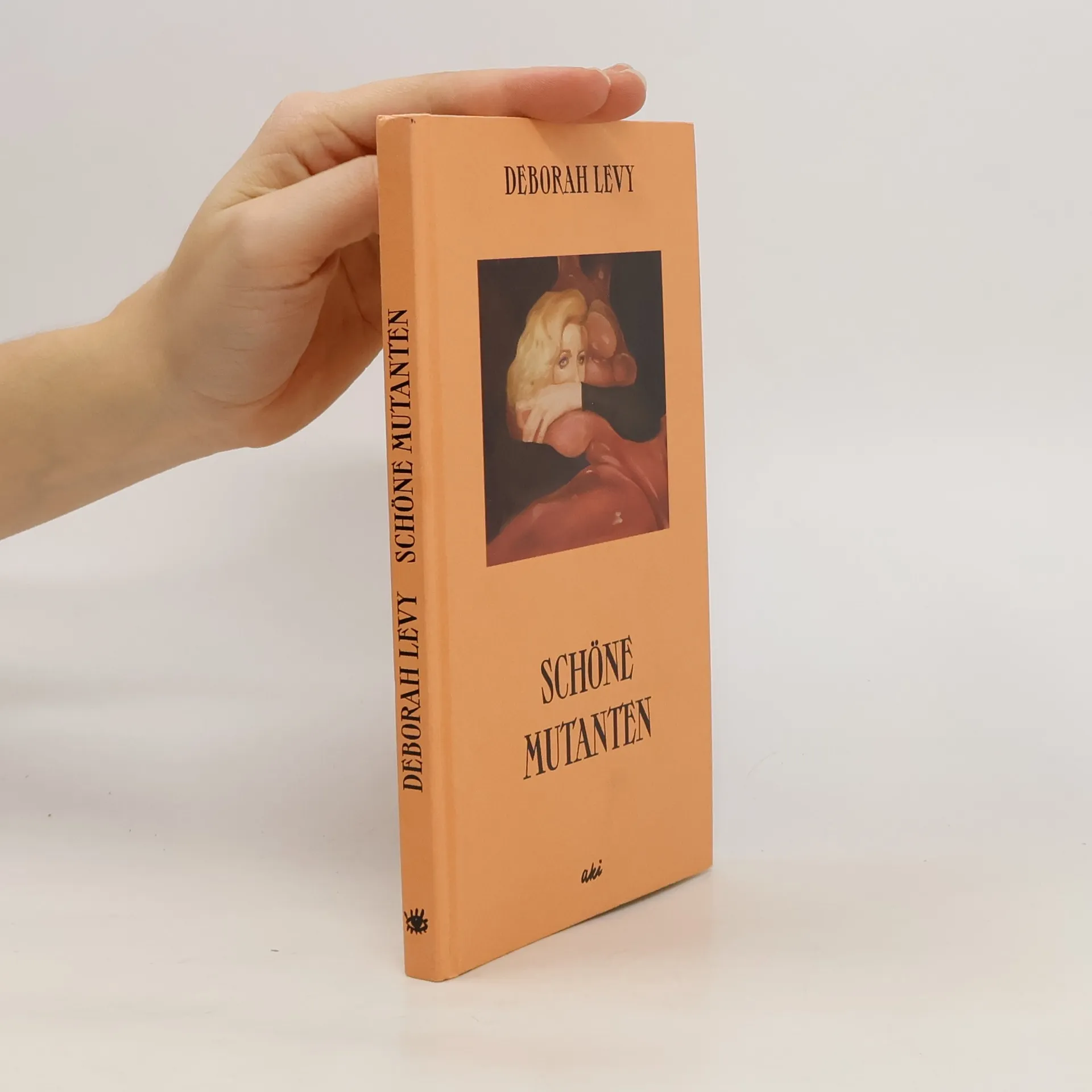
Deborah Levys kühnes Debüt erzählt von Außenseiter*innen, die rastlos und rasterlos leben und eben dadurch miteinander verbunden sind. In kurzen Passagen blickt Levy durch die Augen der schönen Mutanten auf die Welt. Sie erzählt von der russischen Exilantin Lapinski, ihrerseits eine Sammlerin von Geschichten, von der Poetin, die am Fließband tiefgefrorene Hamburger formt, vom Nachbarn, der Lapinski eine »schamlose Cunt« nennt, von der anorektischen Anarchistin und der pyromanischen Bankerin, die einst Gemma war, und von einem Lama. In Schöne Mutanten offenbart Deborah Levy eine Welt, deren Figuren aufbrechen und sich neu zusammen setzen, sich gegenseitig und ihre Leser*innen abstoßen und anziehen. Roh und bezaubernd und schön und vulgär. Eine provokative Prosa, die die Kerben, die Europa durchziehen, beschreibt und in den Bruchstellen Sonnenblumen pflanzt. Levy schreibt mit Scharfsinn und Witz und zieht das Groteske dem Naturalistischen stets vor. Vielleicht zeigt sich erst aus der Distanz die wahre Absurdität unserer Welt, in der zu leben offenbar bedeutet, Geld auszugeben.
Three bicycles. Seven ghosts. A crumbling apartment block on the hill. Fame. Tenderness. The statue of Peter Pan. Silk. Melancholy. The banana tree. A Pandemic. A love story. From a leading thinker and writer, this final installment in a critically acclaimed series offers an exhilarating and intimate meditation on home and the spectres that haunt it. Following the success of the previous volume, this work explores what women, both seen and unseen, possess at the end of their lives—both tangible property and intangible values often overlooked by society. It questions ownership and the impact of patriarchy on identity. Real estate becomes a complex metaphor for the lives women navigate, as they buy, sell, and inherit while also confronting what must be discarded. Levy's prose is wise, subtle, and ironic, with each sentence reflecting clarity and poise. Critics have praised her work as extraordinary and beautiful, filled with wit and sharp insights. This book promises to resonate deeply with readers, inviting them to reflect on the intricate relationship between identity, ownership, and the legacies we leave behind.
Ce que je ne veux pas savoir - Prix Femina étranger 2020
- 144 stránok
- 6 hodin čítania
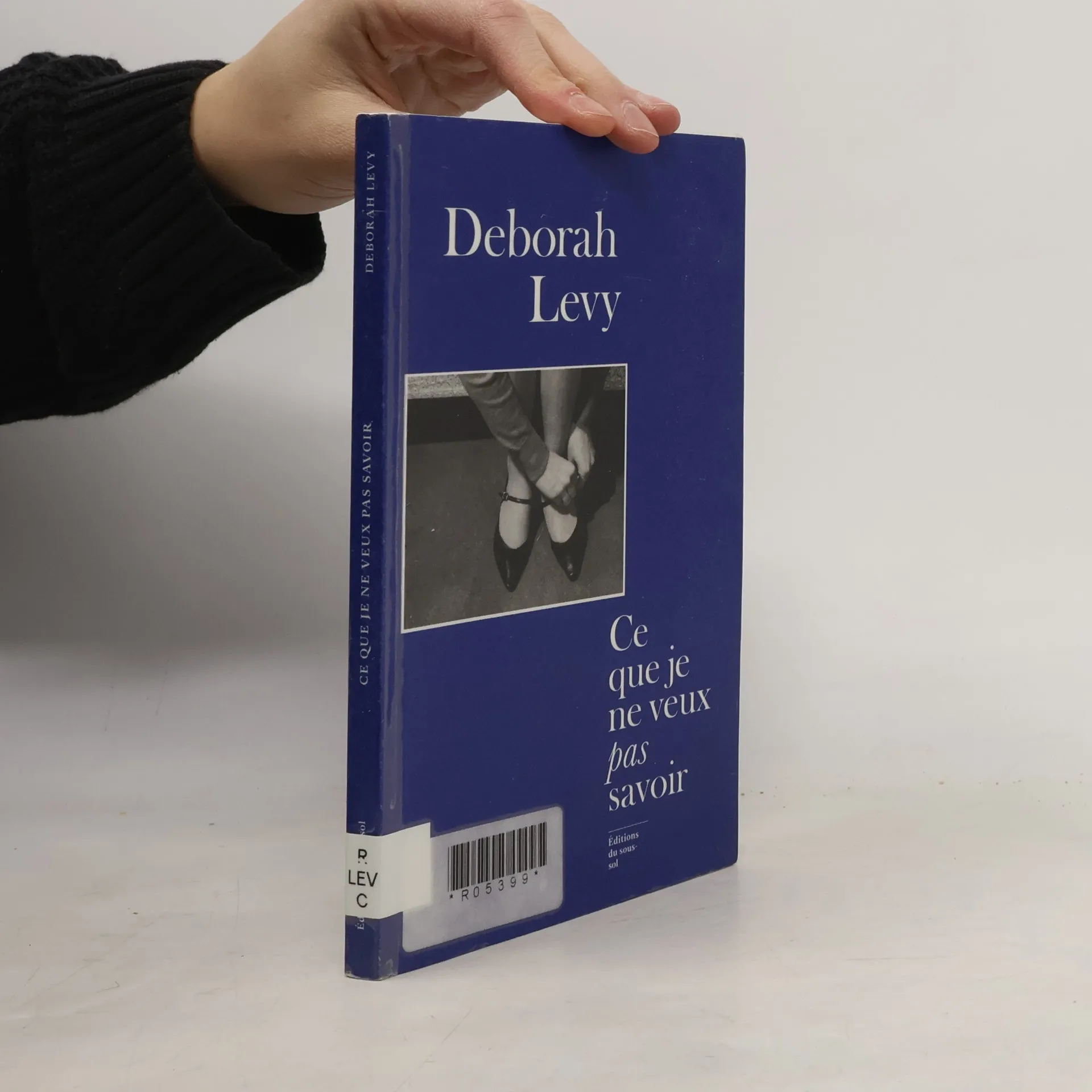
Deborah Levy revient sur sa vie. Elle fuit à Majorque pour réfléchir et se retrouver, et pense à l'Afrique du Sud, ce pays qu'elle a quitté, à son enfance, à l'apartheid, à son père – militant de l'ANC emprisonné –, aux oiseaux en cage, et à l'Angleterre, son pays d'adoption. À cette adolescente qu'elle fut, griffonnant son exil sur des serviettes en papier. Telle la marquise Cabrera se délectant du "chocolat magique', elle est devenue écrivaine en lisant Marguerite Duras et Virginia Woolf. En flirtant, sensuelle, avec les mots, qui nous conduisent parfois dans des lieux qu'on ne veut pas revoir. Ce dessin toujours inédit que forme le chemin d'une existence. Ce que je ne veux pas savoir est une œuvre littéraire d'une clarté éblouissante et d'un profond secours. Avec esprit et calme, Deborah Levy revient sur ce territoire qu'il faut conquérir pour écrire. Un livre talisman sur la féminité, la dépression, et la littérature comme une opération à cœur ouvert.
Penguin Essentials - 106: Swallowing Geography
- 96 stránok
- 4 hodiny čítania
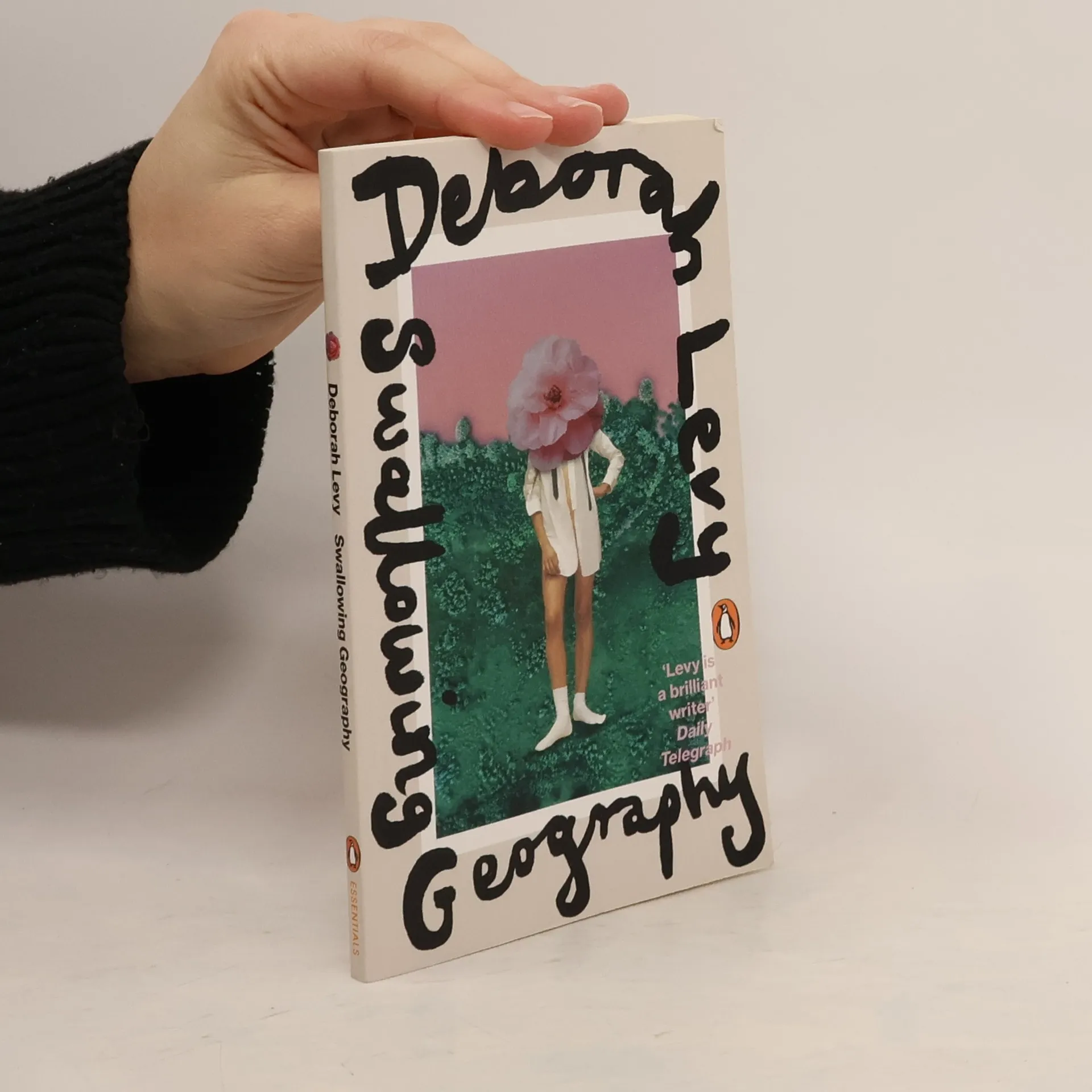
Like her namesake Jack Kerouac, J.K. is always on the road, travelling Europe with her typewriter in a pillowcase. From J.K.'s irreverent, ironic perspective, Levy charts a new, dizzying, end-of-the-century world of shifting boundaries and displaced peoples.
The man who saw everything
- 208 stránok
- 8 hodin čítania
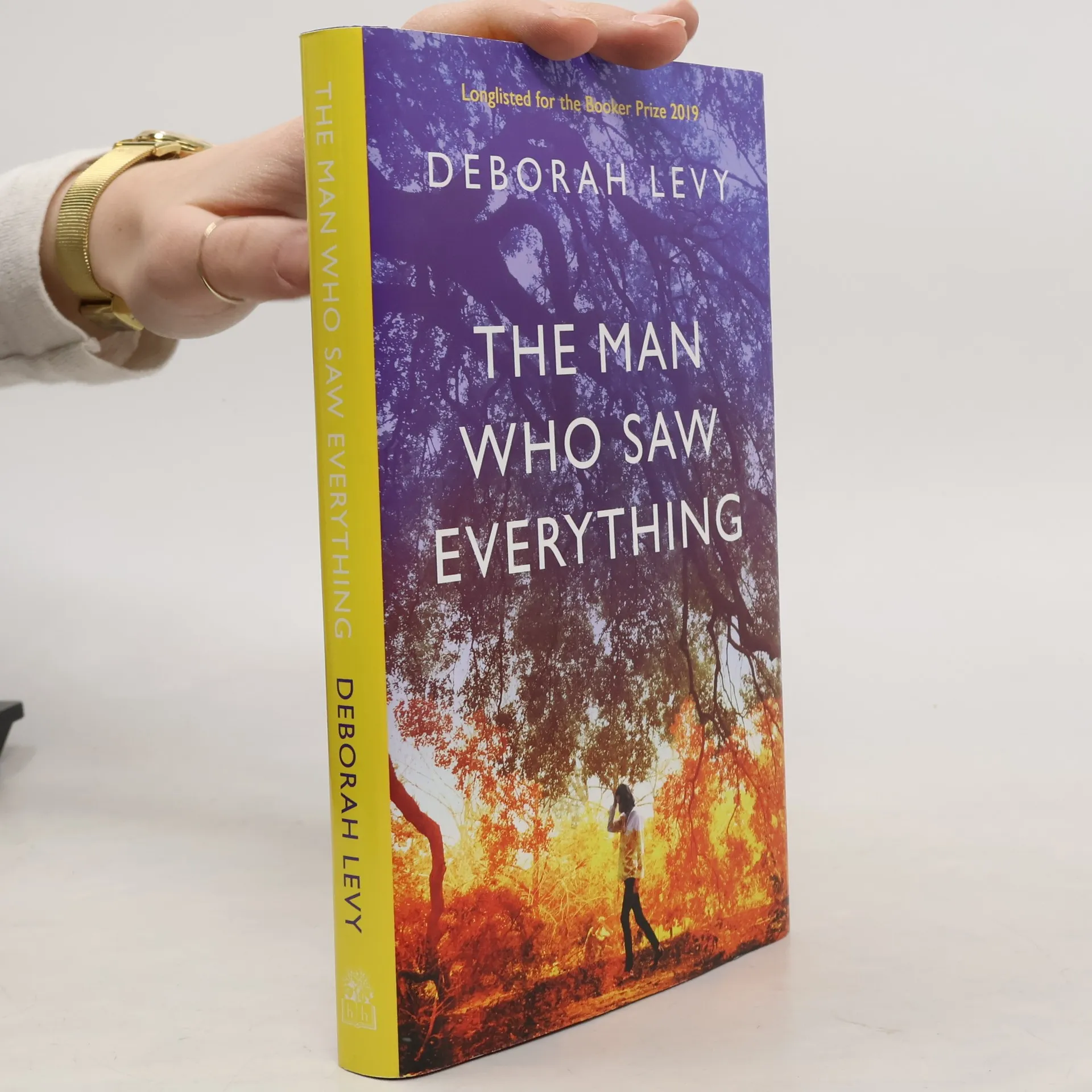
This exciting new masterpiece from Deborah Levy, longlisted for the Booker Prize and shortlisted for the Goldsmiths Prize, is a beguiling fever dream of a novel. It offers an ice-cold critique of patriarchy and the darkness of 20th-century Europe. In 1988, Saul Adler, a narcissistic young historian, is hit by a car on Abbey Road but appears unscathed. After a brief encounter with his art student girlfriend, Jennifer Moreau, he leaves for communist East Berlin just months before the Wall falls. There, he meets his assigned translator and her sister, who claims to have seen a jaguar in the city. As Saul navigates love, his troubled relationship with his authoritarian father, and a friendship with a possibly dubious hippy named Rainer, he grapples with the complexities of history and memory. The narrative slips between time zones, exploring what we perceive and overlook, the consequences of carelessness, and the burdens of history. Levy's electrifying prose is described as clever and raw, presenting a dizzying tale that challenges conventions and delves into life across time and borders.
The Cost of Living
- 208 stránok
- 8 hodin čítania
A GUARDIAN BEST BOOK OF THE 21ST CENTURY WINNER OF THE PRIX FEMINA ETRANGER 2020 Following on from the critically acclaimed Things I Don't Want to Know, discover the powerful second memoir in Deborah Levy's essential three-part 'Living Autobiography'. 'I can't think of any writer aside from Virginia Woolf who writes better about what it is to be a woman' Observer _________________________________ 'Life falls apart. We try to get a grip and hold it together. And then we realise we don't want to hold it together . . .' The final instalment in Deborah Levy's critically acclaimed 'Living Autobiography', Real Estate, is available now. _________________________________ 'I just haven't stopped reading it . . . it talks so beautifully about being a woman' Billie Piper on BBC Radio 4's Desert Island Discs 'It is the story of every woman throughout history who has expended her love and labour on making a home that turns out to serve the needs of everyone except herself. Wonderful' Guardian 'Wise, subtle and ironic, Levy's every sentence is a masterpiece of clarity and poise . . . a brilliant writer' Daily Telegraph 'A graceful and lyrical rumination on the questions, "What is a woman for? What should a woman be?"' Tatler 'Extraordinary and beautiful, suffused with wit and razor-sharp insights' Financial Times
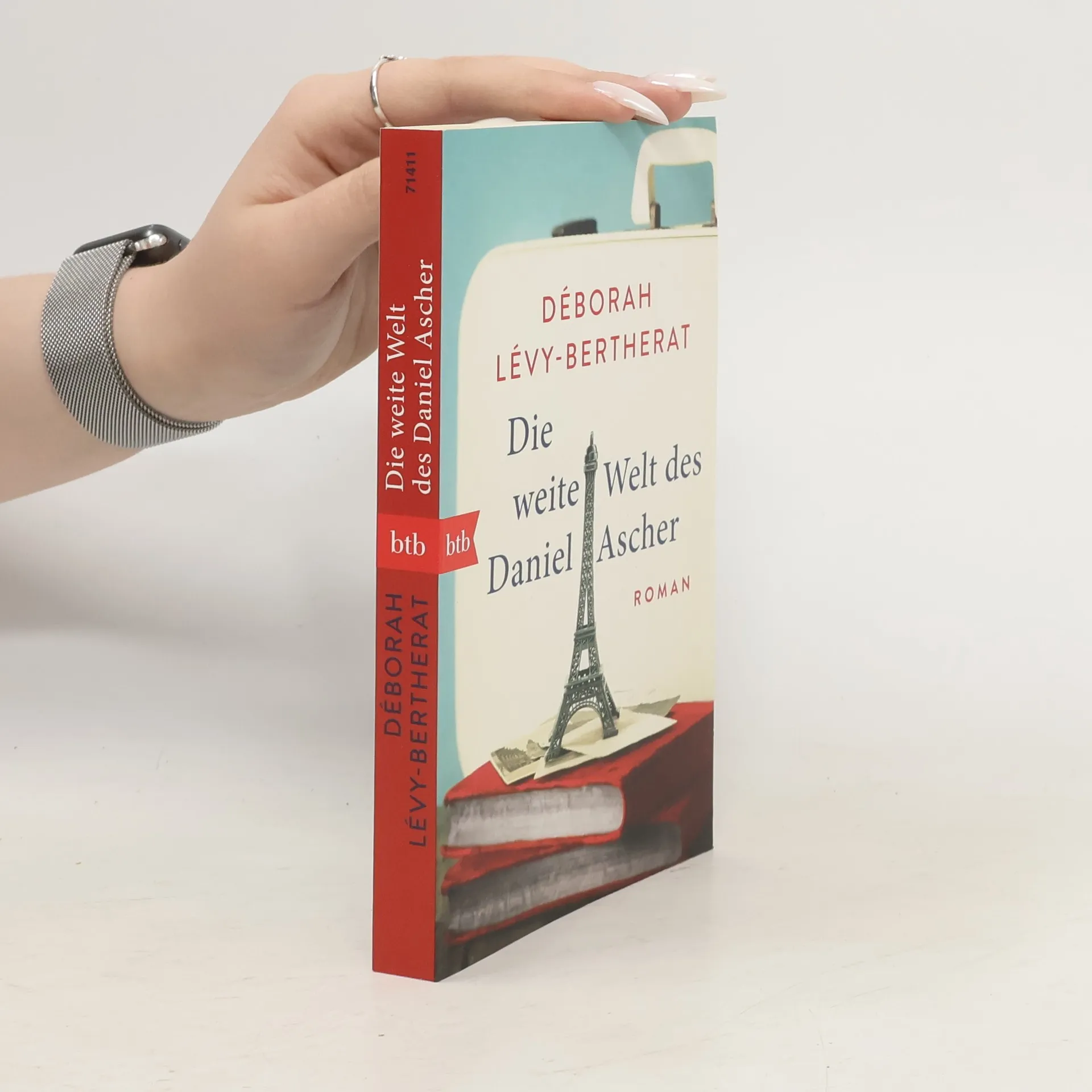
Für ihr Archäologiestudium lässt die zielstrebige Hélène die Provinz hinter sich und zieht nach Paris. Dort kommt sie unter bei ihrem Großonkel Daniel, einem exzentrischen alten Weltenbummler und Schriftsteller – mit dem sie allerdings nie besonders viel verband: Seine Bücher hat sie nicht gelesen und für die Mitbringsel aus den entlegensten Winkeln der Welt hat sie sich auch nie interessiert. Ihr neuer Freund Guillaume ist jedoch Feuer und Flamme, als er erfährt, dass Hélènes Großonkel der berühmte Autor der erfolgreichen Die schwarze Marke-Romane ist. Ihm zuliebe lässt sie sich auf seine Bücher ein – und entdeckt die Geschichte eines verlorenen Jungen und einer aussichtslosen Liebe: die Geschichte ihrer Familie.
Horúce mlieko
- 218 stránok
- 8 hodin čítania
Mladá antropologička Sofia sa pokúša vyriešiť záhadu nevysvetliteľnej dlhej choroby svojej matky Rose. Matkine ustavičné ponosy ju frustrujú, no zjavne jej vyhovuje, že sa nemusí osamostatniť a riešiť svoj neuspokojivý život dospelej ženy. Spolu s matkou odcestujú na horúce vyprahnuté pobrežie Španielska, aby tam spolu navštívili slávneho špecialistu, ktorý je ich poslednou nádejou, a dúfajú, že im pomôže vyriešiť záhadnú paralýzu Rosiných nôh.
Things I don't want to know: a response to George Orwell's 1946 essay 'Why I write'
- 128 stránok
- 5 hodin čítania
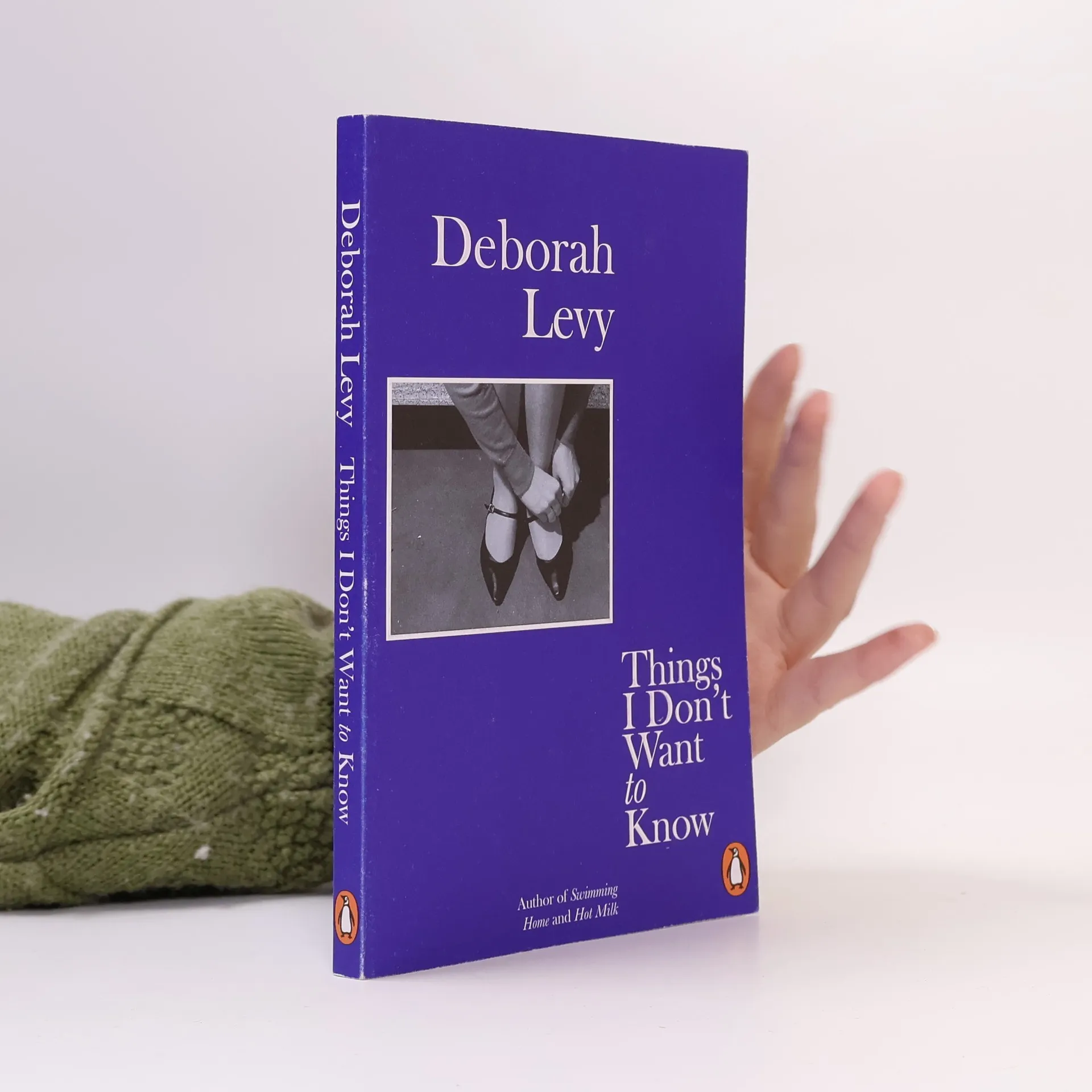
Taking George Orwell's famous essay, 'Why I Write', as a jumping-off point, Deborah Levy offers her own indispensable reflections of the writing life. With wit, clarity and calm brilliance, she considers how the writer must stake claim to that contested territory and shape it to her need. It is a work of dazzling insight and deep psychological succour, from one of our most vital contemporary writers. This first volume of the trilogy focuses on the writer as a young woman - the confusion and turbulence of youth, and the uncertainties of carving an identity as a writer. The second volume, The Cost of Living, speaks to the challenges of middle age as a writer and a woman - motherhood, separation, bereavement.
'Kissing you is like new paint and old pain. It is like coffee and car alarms and a dim stairway and a stain and it's like smoke.' ('Placing a Call') How does love change us? And how do we change ourselves for love - or for lack of it? Ten stories by acclaimed author Deborah Levy explore these delicate, impossible questions. In Vienna, an icy woman seduces a broken man; in London gardens, birds sing in computer start-up sounds; in ad-land, a sleek copywriter becomes a kind of shaman. These are twenty-first century lives dissected with razor-sharp humour and curiosity, stories about what it means to live and love, together and alone.
Swimming home
- 160 stránok
- 6 hodin čítania
As he arrives with his family at the villa in the hills above Nice, Joe sees a body in the swimming pool. But the girl is very much alive. She is Kitty Finch: a self-proclaimed botanist with green-painted fingernails, walking naked out of the water and into the heart of their holiday. Why is she there? What does she want from them all? And why does Joe's enigmatic wife allow her to remain? Profound and thrilling, Swimming Home reveals how the most devastating secrets are the ones we keep from ourselves.
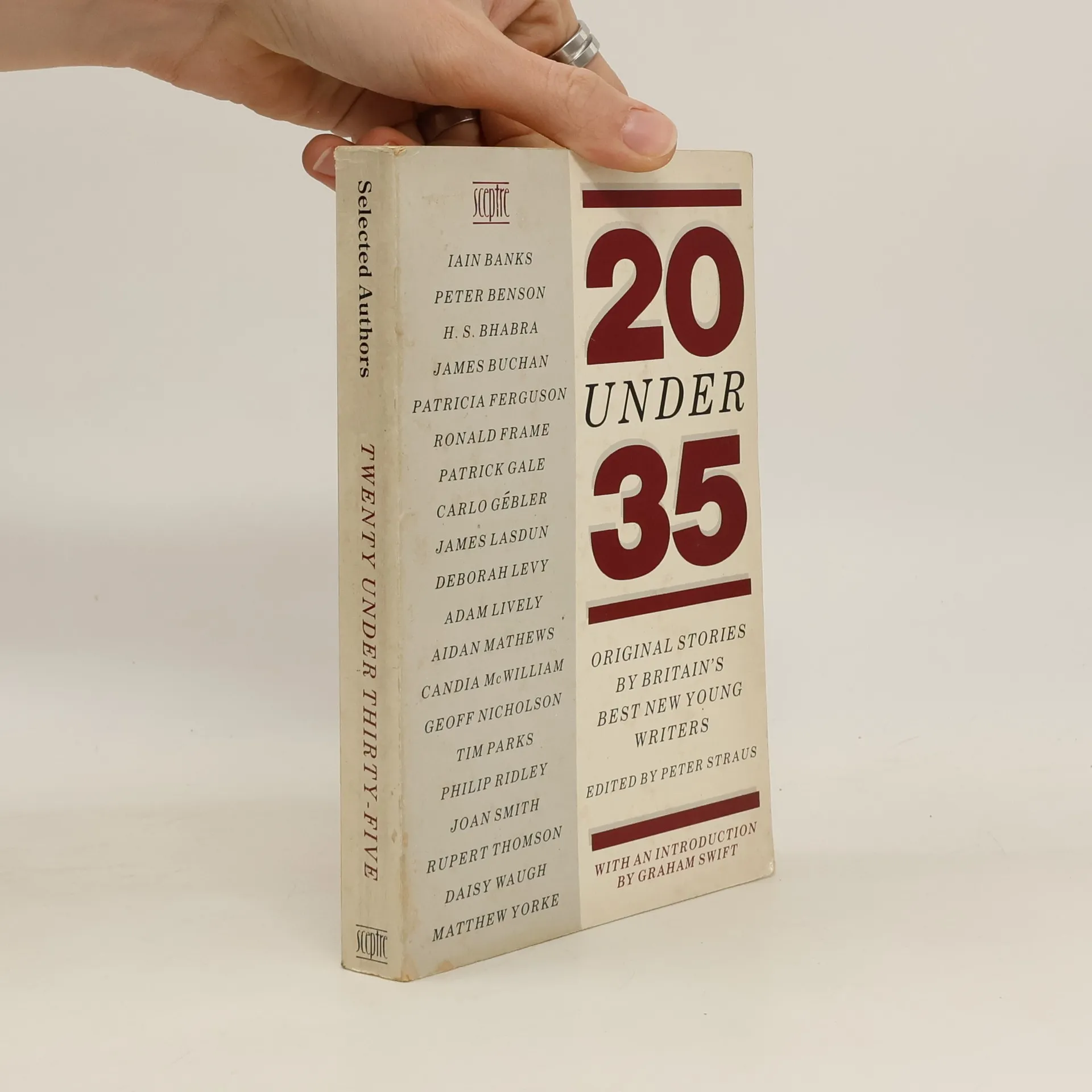
A collection of short stories by young British writers, this provides an introduction to the work of Iain Banks, Peter Benson, H.S. Bhabra, James Buchan, Patricia Ferguson, Ronald Frame, Patrick Gale, Carlo Gebler, James Lasdun, Deborah Levy, Adam Lively, Aidan Mathews, Candia McWilliam, Geoff Nicholson, Tim Parks, Philip Ridley, Joan Smith, Rupert Thomson, Daisy Waugh and Mathew Yorke. Many of these have already received critical acclaim. The collection is introduced by Graham Swift, author of "Waterland" and "Out of this World".