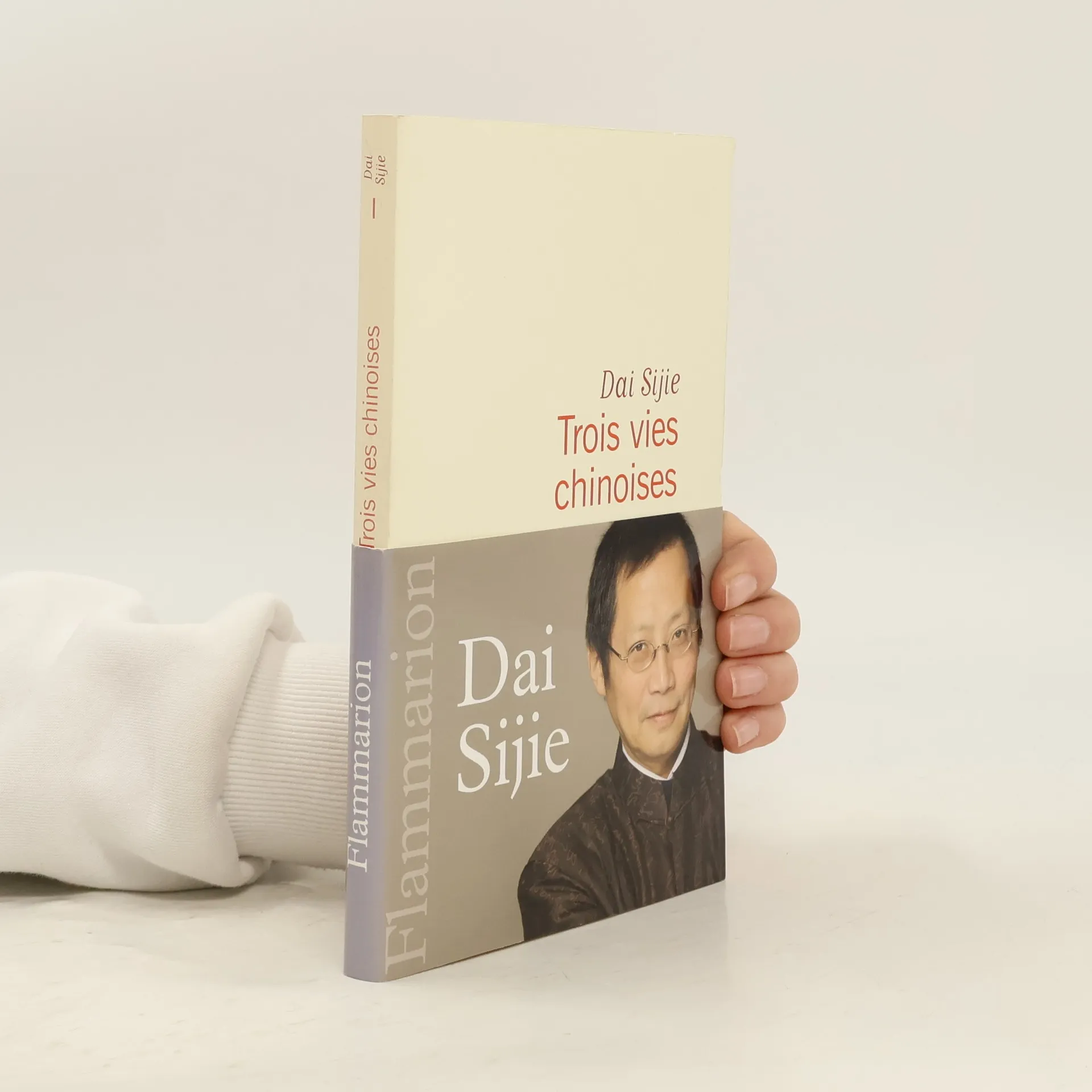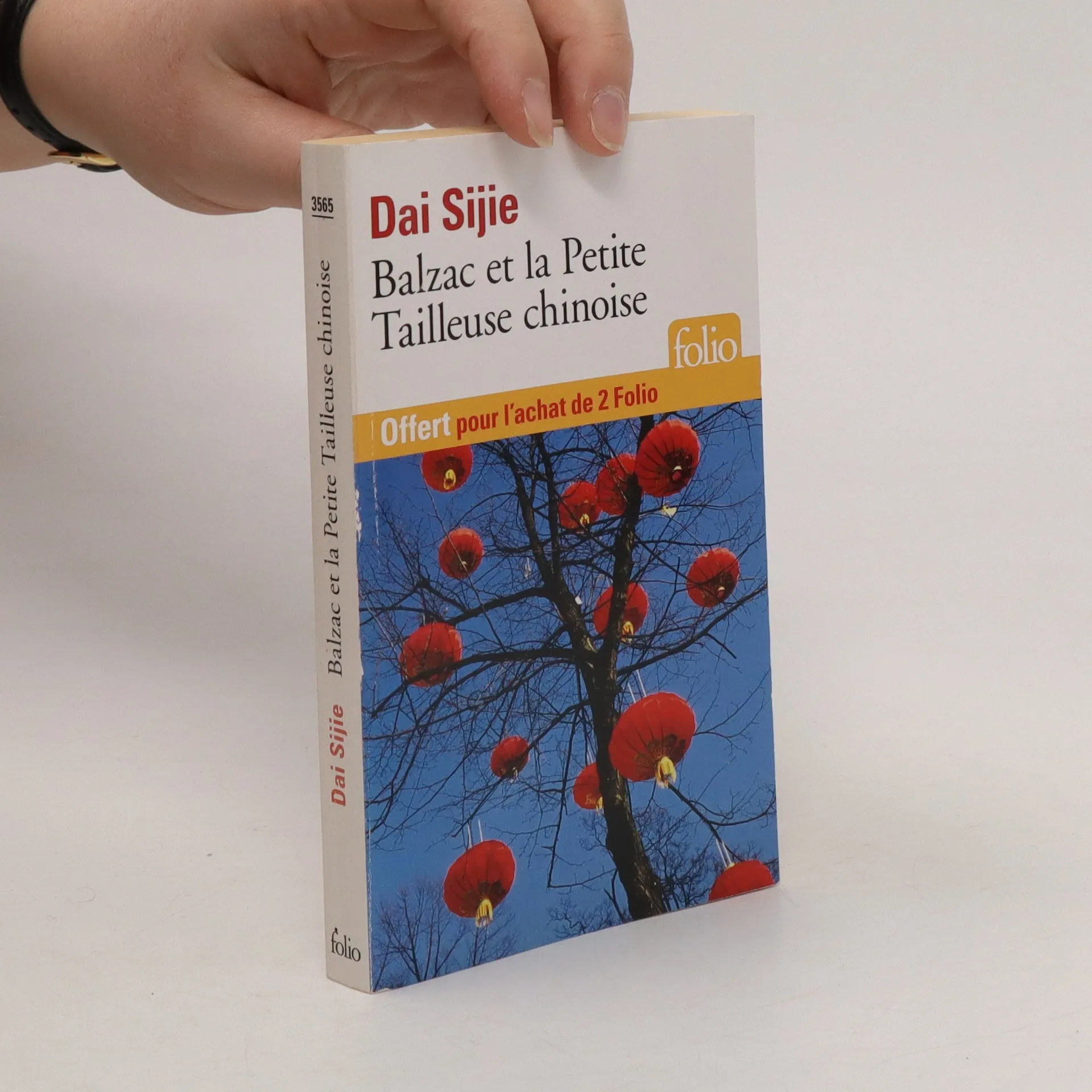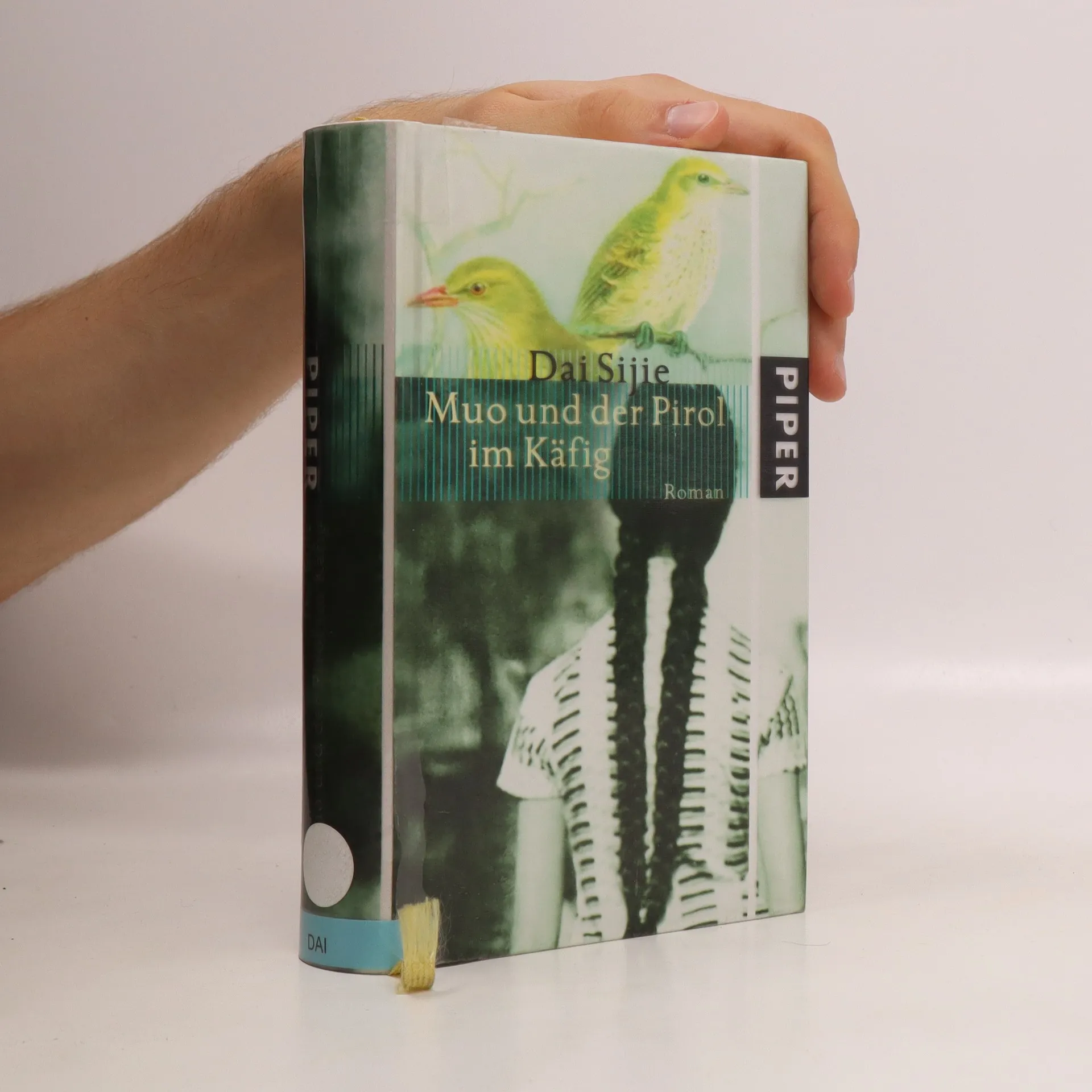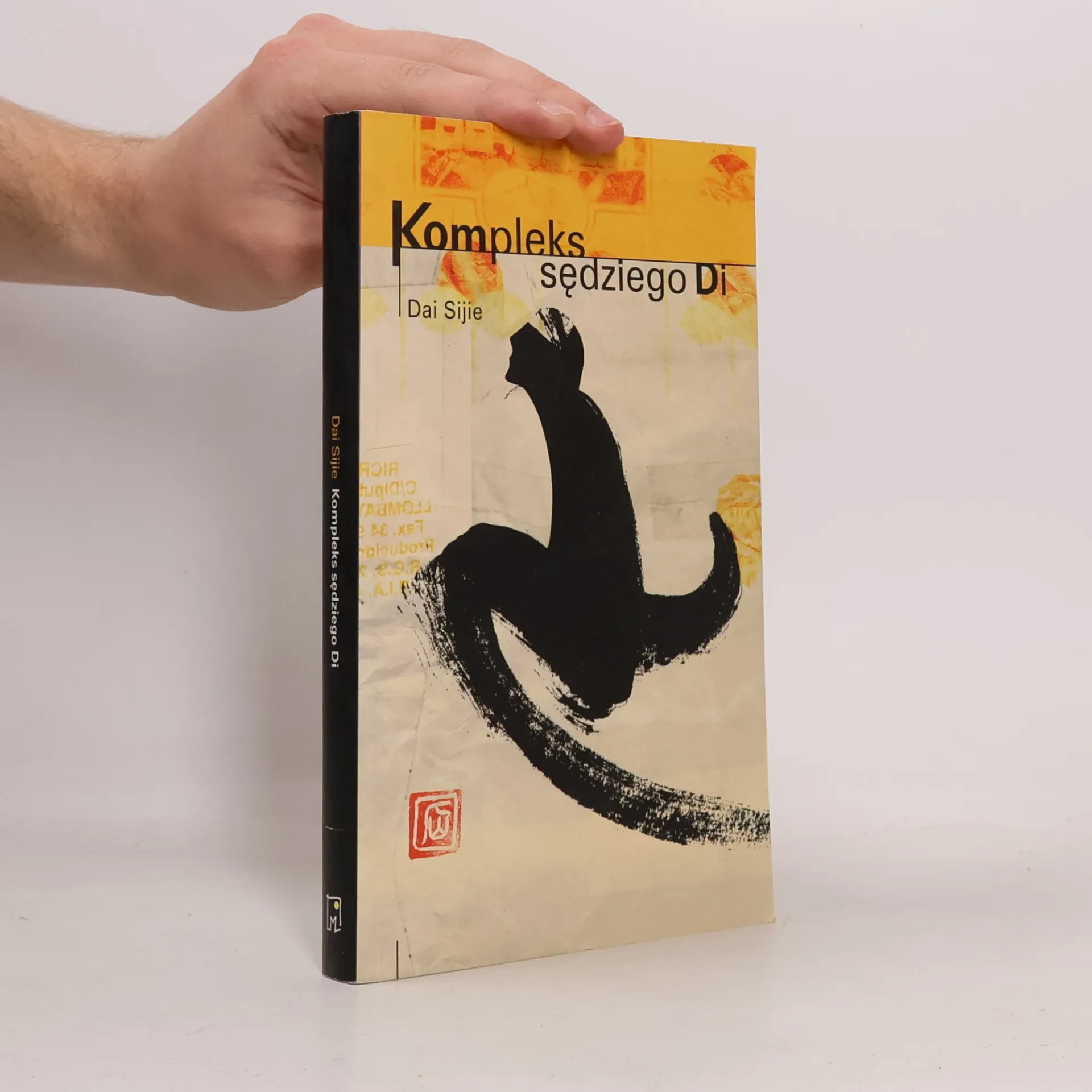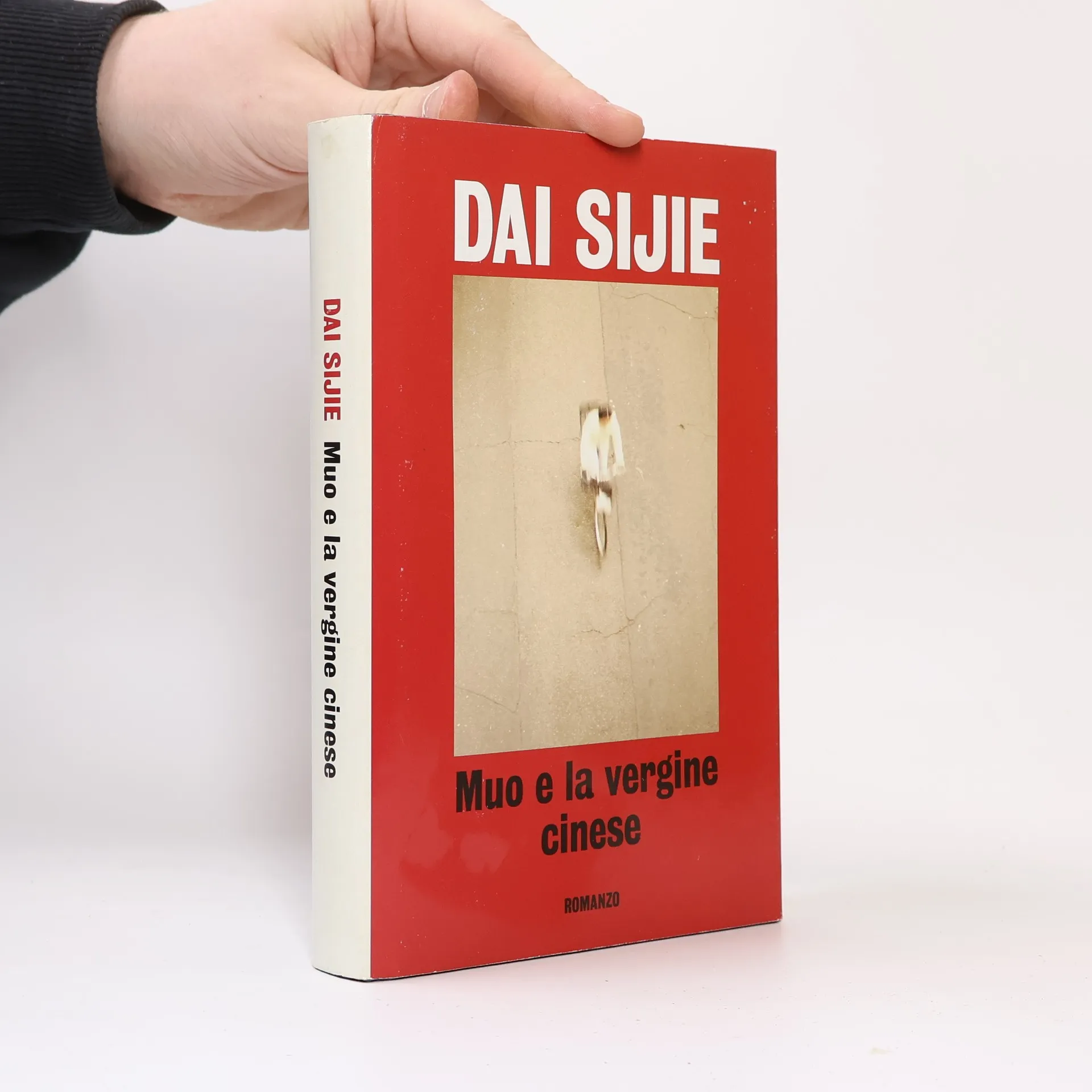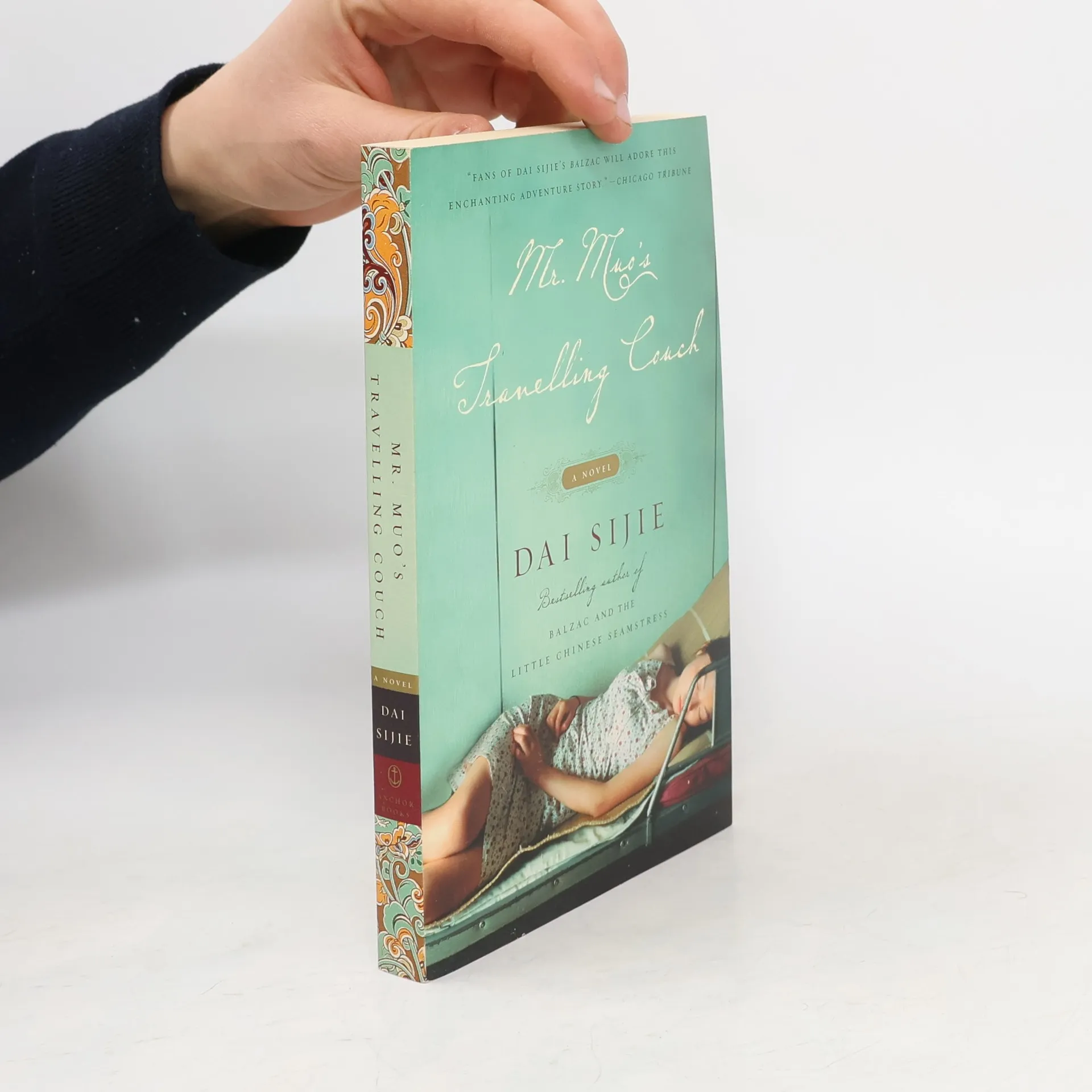
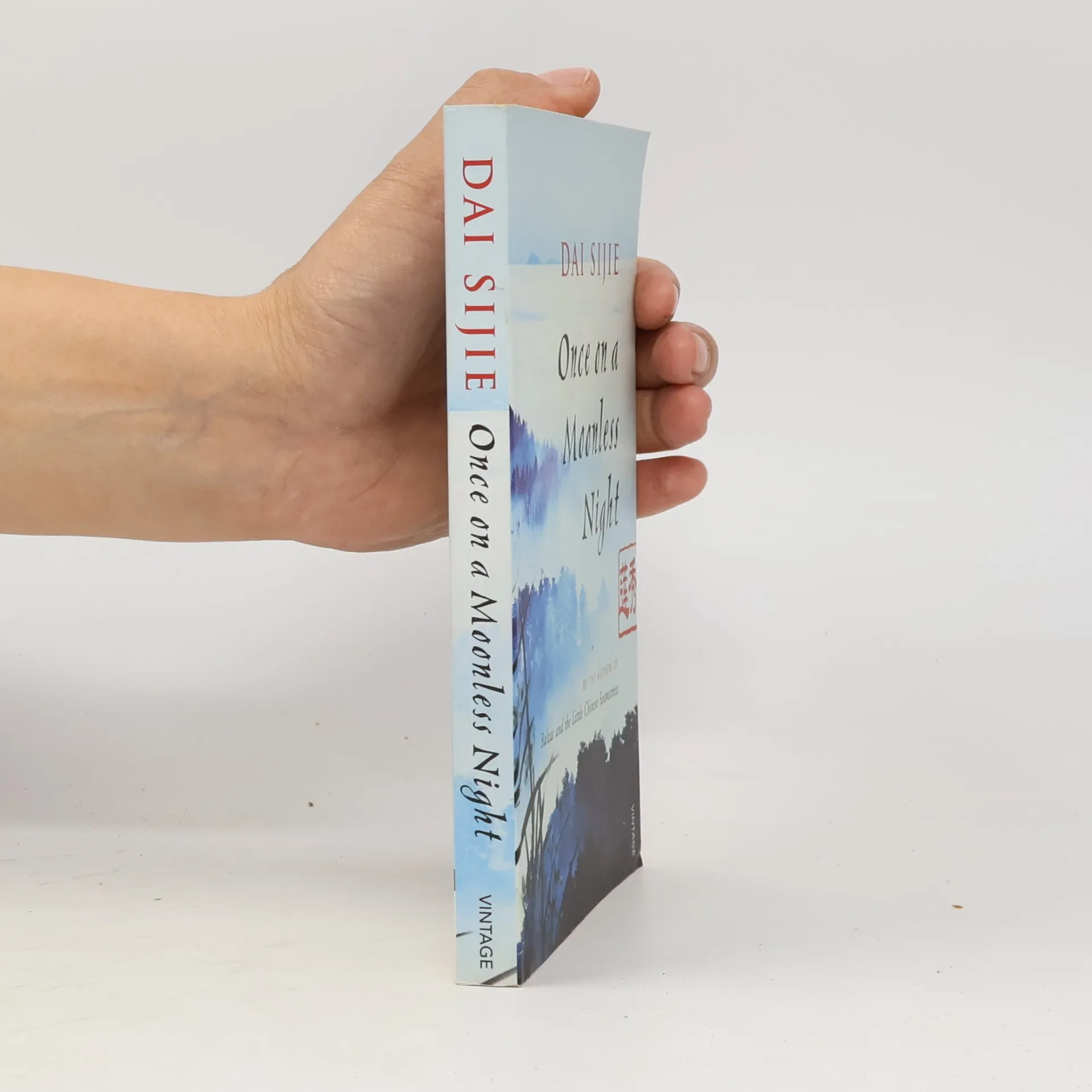
Dai Sijie sa narodil v Číne a zažil drsné časy kultúrnej revolúcie, ktoré ho poslali na prevýchovu do vidieckej oblasti. Táto skúsenosť hlboko formovala jeho pohľad na svet a jeho literárne dielo. Jeho písanie často skúma silu literatúry a umenia prekonať nepriazeň osudu a spojiť ľudské duše naprieč kultúrami. Slijieho štýl je jemný a poetický, často sa zaoberá témami univerzálnej ľudskosti a hľadania zmyslu v ťažkých časoch. Jeho diela ukazujú, ako môžu príbehy a klasické texty poskytnúť útechu a nádej.
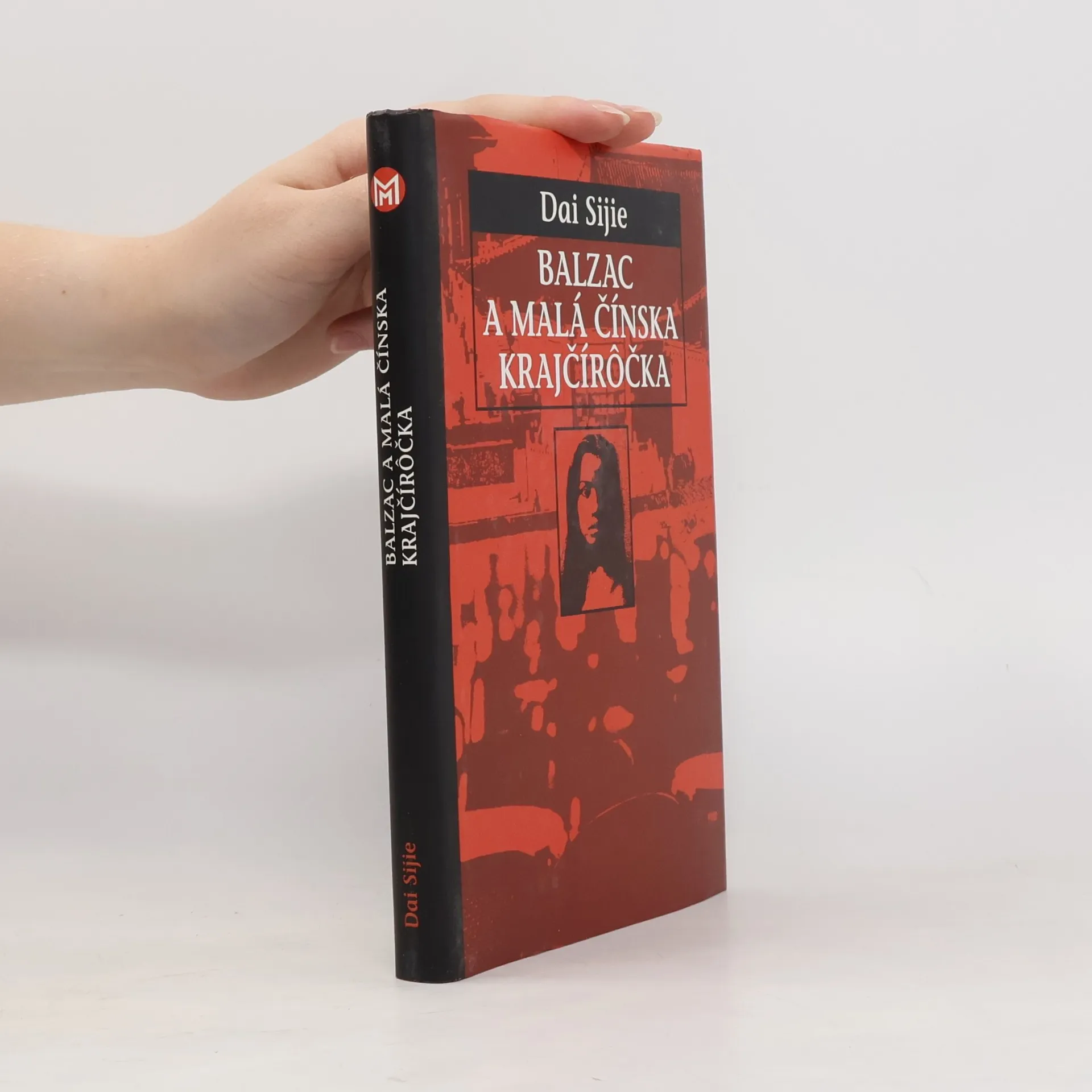
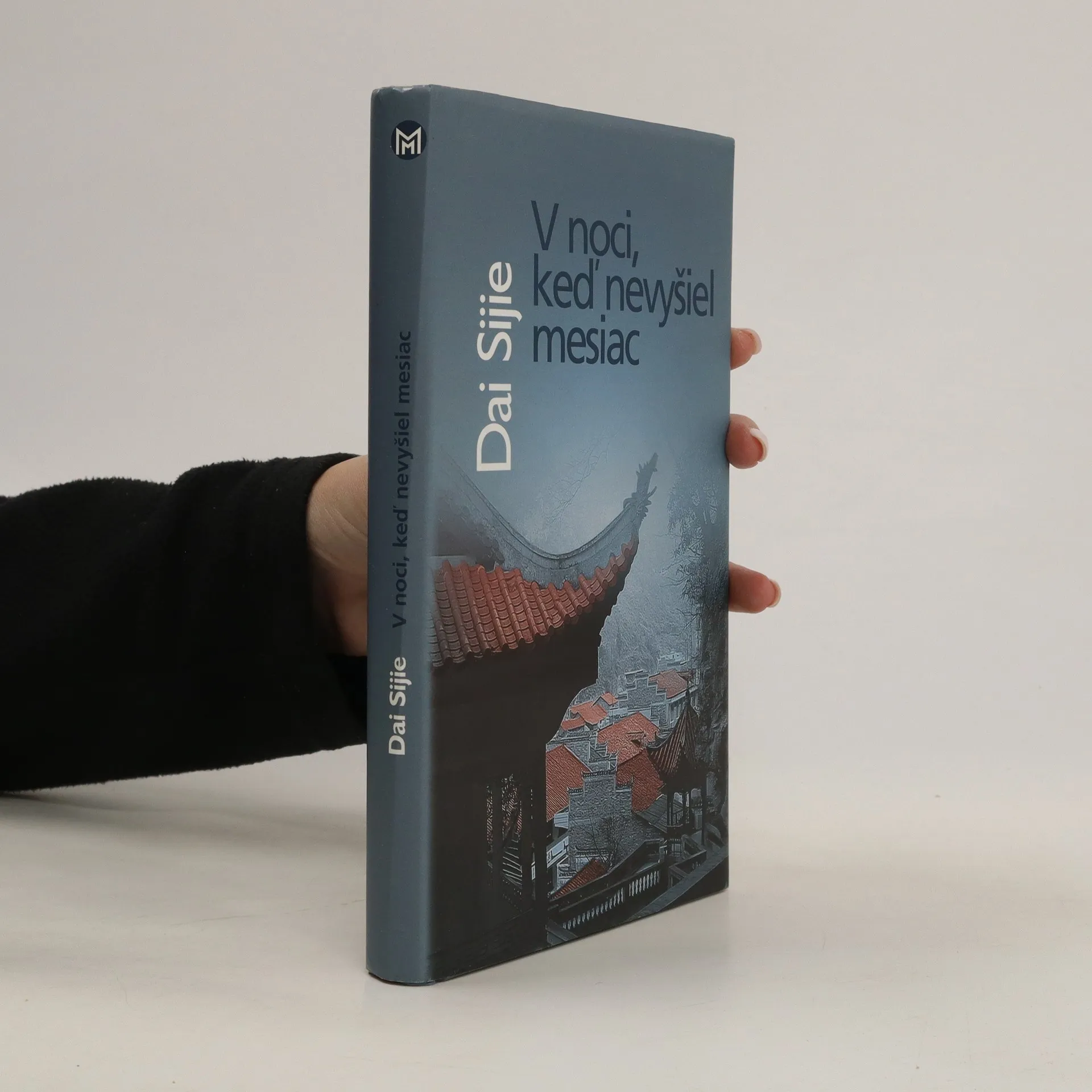
V noci, keď nevyšiel mesiac je príbeh hľadania: hľadania strateného starovekého rukopisu, ktorý čínsky cisár Pchu-i v záchvate šialenstva roztrhal a vyhodil z lietadla, hľadania stratenej lásky, hľadania identity, pravdy, zmyslu života. Ústredným motívom je stretnutie francúzskej študentky s čínskou kultúrou a tajomná buddhistická sútra. Napísaná je v neznámom mŕtvom jazyku na hodvábnych útržkoch, ktoré majú pre niektorých takú nesmiernu cenu, že sa pre ňu dopustia zločinu, iní dokonca obetujú život, ale len málokto je povolaný hľadať a nájsť jej naozajstný zmysel. Autorovi Dai Sijie vyšiel u nás svetoznámy román Balzac a malá čínska krajčírôčka.
Neobyčajne farbisté rozprávanie o vážnych aj humorných príbehoch. Odohráva sa za vrcholiacej čínskej kultúrnej revolúcie, na začiatku 70. rokov. Dvaja mladí chlapci sú len preto, že pochádzajú z „buržoáznych rodín“, poslaní ako „nepriatelia ľudu“ na „prevýchovu“ do vzdialenej provincie, do osady stratenej v horách. Nie je tu elektrina, škola, lekár, zato je tu všadeprítomný kontrolný dohľad a tvrdá prevýchovná ruka malých komunistických funkcionárov
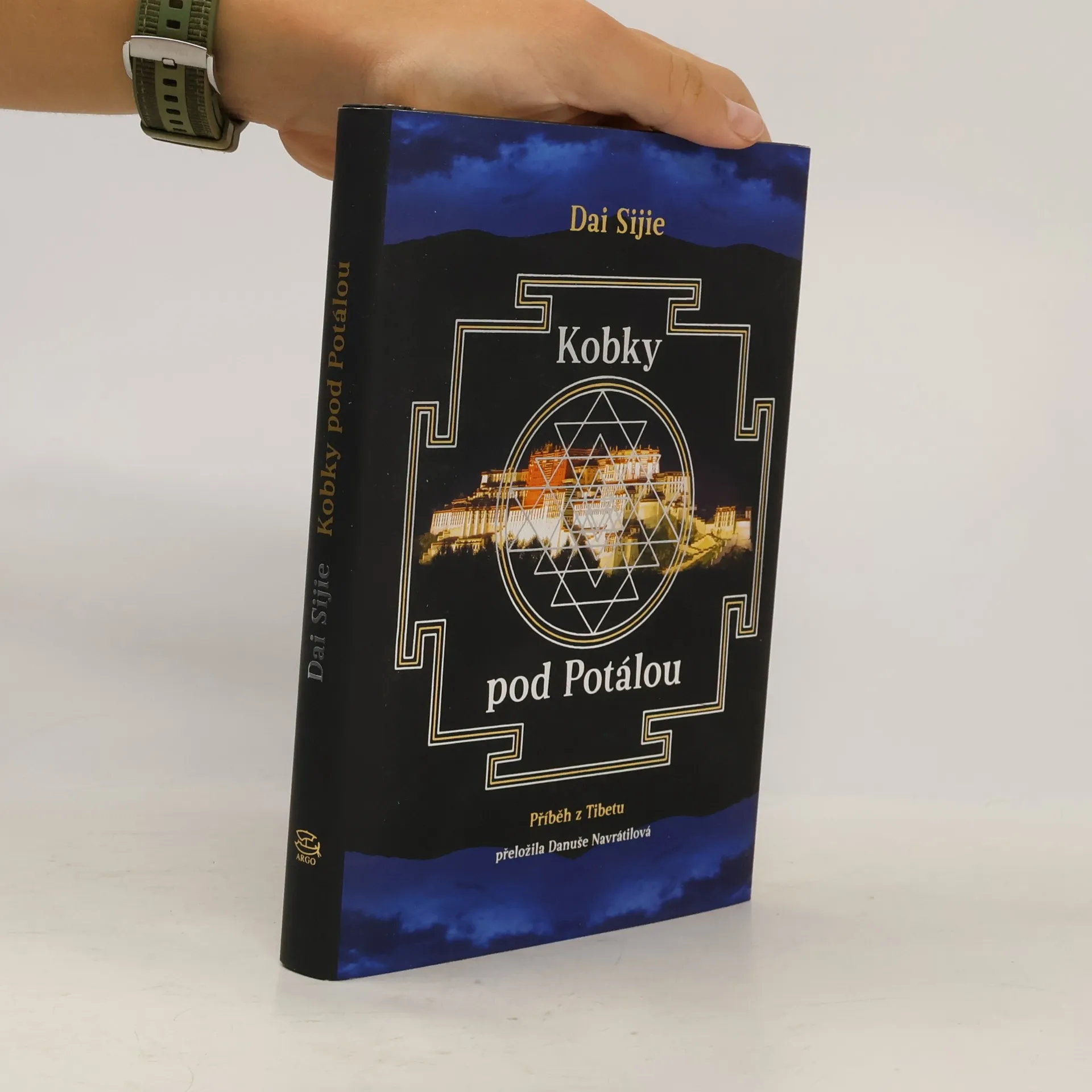
Rok 1968, palác Potála, Tibet. Skupina fanatizovaných členů rudých gard, vedená mladíkem přezdívaným Vlk, obsazuje bývalé sídlo dalajlamy a ničí vše, co symbolizuje Tibet. Kláštery, umělecká díla, archivy a posvátné knihy se stávají terčem jejich útoků. Vlk se zaměřuje na tibetského malíře Tänpu, který se snaží uniknout kruté realitě skrze vzpomínky na učení od svého mistra a na hledání tulkua, převtělení zesnulého dalajlamy. S rostoucí brutalitou Vlka se Tänpovy vzpomínky stále více prohlubují.
Dai Sijie, filmař a spisovatel, zve čtenáře do světa harmonie a meditace, kde se prolínají smyslové a duchovní dimenze. V mládí byl během kulturní revoluce poslán na převýchovu na venkov, což inspirovalo jeho známý román Balzac a čínská švadlenka, který byl přeložen do více než 25 jazyků a podle nějž vznikl úspěšný film. Po smrti Mao Ce-tunga mohl studovat dějiny umění v Číně, poté odešel do Francie, kde navštěvoval Institut kinematografických studií. Po nějaké době se vrátil do Číny. Kobky pod Potálou jsou jeho poslední knihou, vydanou s podporou Francouzského institutu v Praze.
Beguiling and ambitious, this new novel by the author of Balzac and the Little Chinese Seamstress is a search for an ancient text and a love story. Beneath this premise lies a haunting exploration of language and identity, revealing the complex layers of history in Chinese life and politics, culminating in a Buddhist twist. Set in late 1970s Peking, a young French woman interprets for Chinese professors and Bertolucci during the filming of The Last Emperor. Following a disgruntled old professor, she learns about a text believed to be derived from Buddha's teachings, inscribed on silk centuries ago in a now-dead language called Tumchooq—coincidentally the name of a young Chinese man she has just met. The text's beauty makes accurate translation nearly impossible. Puyi, the last emperor and the last owner of this relic, allegedly tore the silk in two while being flown to Manchuria by the Japanese, discarding the fragments from the plane. Only half of the manuscript was recovered, and the reader, like the narrator, must wait until the end to uncover the rest. When the complete text is finally revealed, its message is devastatingly simple, made all the more poignant by the sacrifices required to decipher it. This brilliant novel weaves ancient texts, fables, and a young man's quest for his father's legacy, capturing nearly a century of China's history with the modernity and tenderness reminiscent of Lost in Translation.
Having enchanted readers on two continents with Balzac and the Little Chinese Seamstress, Dai Sijie now produces a rapturous and uproarious collision of East and West, a novel about the dream of love and the love of dreams. Fresh from 11 years in Paris studying Freud, bookish Mr. Muo returns to China to spread the gospel of psychoanalysis. His secret purpose is to free his college sweetheart from prison. To do so he has to get on the good side of the bloodthirsty Judge Di, and to accomplish that he must provide the judge with a virgin maiden.This may prove difficult in a China that has embraced western sexual mores along with capitalism–especially since Muo, while indisputably a romantic, is no ladies’ man. Tender, laugh-out-loud funny, and unexpectedly wise, Mr. Muo’s Travelling Couch introduces a hero as endearingly inept as Inspector Clouseau and as valiant as Don Quixote.
Zum ersten Mal seit dem Welterfolg von 'Balzac und die kleine chinesische Schneiderin' erzählt Dai Sijie gespenstisch gute Geschichten aus dem heutigen China. Seine Helden: ein Junge, der zum Zirkus will, die Tochter des Stauseewächters und der Sohn der Schmiedin – drei wahrhaft tragikomische Leben, geschildert mit bezaubernder Leichtigkeit.
"Chine, XXe siècle. Yong Sheng est le fils d'un charpentier réputé pour ses sifflets qui, une fois accrochés aux plumes des colombes, produisent de merveilleuses mélodies. Tout destinait le garçon à devenir artisan, jusqu'à ce qu'il rencontre Mary, une institutrice de l'école chrétienne. Dès lors, sa vocation éclot : il sera le premier pasteur chinois de la ville. Mais en 1949, la Révolution culturelle est en marche, et l'existence du jeune homme bascule. Armé de sa seule bonté, Yong Sheng devra affronter la cruauté d'un régime qui n'épargne personne. S'inspirant de la vie de son grand-père, l'auteur de Balzac et la Petite Tailleuse chinoise démontre ici encore son incroyable talent de conteur."--cover page 4
1968, palais du Potala au Tibet. L'ancienne demeure du dalaï-lama est occupée par une petite troupe de très jeunes gardes rouges fanatisés, étudiants à l'école des beaux-arts, menés par un garçon particulièrement cruel, "le Loup". Dans les anciennes écuries du palais, Bstan Pa, ancien peintre du dalaï-lama, est retenu prisonnier. Le Loup veut lui faire avouer sous la torture ses crimes contre-révolutionnaires. Alors que les jeunes gardes rouges profanent les plus hautes oeuvres d'art bouddhique, le vieux peintre se remémore une existence dédiée à la peinture sacrée. Il se souvient de son apprentissage auprès de son maître, des échelons gravis grâce à son talent exceptionnel jusqu'à approcher les plus hautes autorités religieuses et participer à la recherche du nouveau tulkou, l'enfant appelé à succéder au défunt dalaï-lama. Que peut la violence des hommes contre la beauté ?Dai Sijie nous fait pénétrer dans un univers d'harmonie et de méditation, nourri par l'évocation d'une tradition séculaire très raffinée que l'écrivain connaît à la perfection. Empreint d'une sensualité étonnante dans la description de l'art tibétain, ce nouveau roman de l'auteur de Balzac et la Petite Tailleuse chinoise procure un sentiment de dépaysement absolu dans l'espace et dans le temps.