Poviedka o prostom človeku, pastierovi a jeho dokonalom splynutí s prírodou. Obraz provensálského pastiera je oslavou vytrvalej činnosti, ktorá si nenárokuje nárok na odmenu, a predsa sa svojím výsledkom blíži k aktu stvorenia. Poviedka sa stala pre ochrancov prírody inšpiráciou k zalesňovaniu celých oblastí.
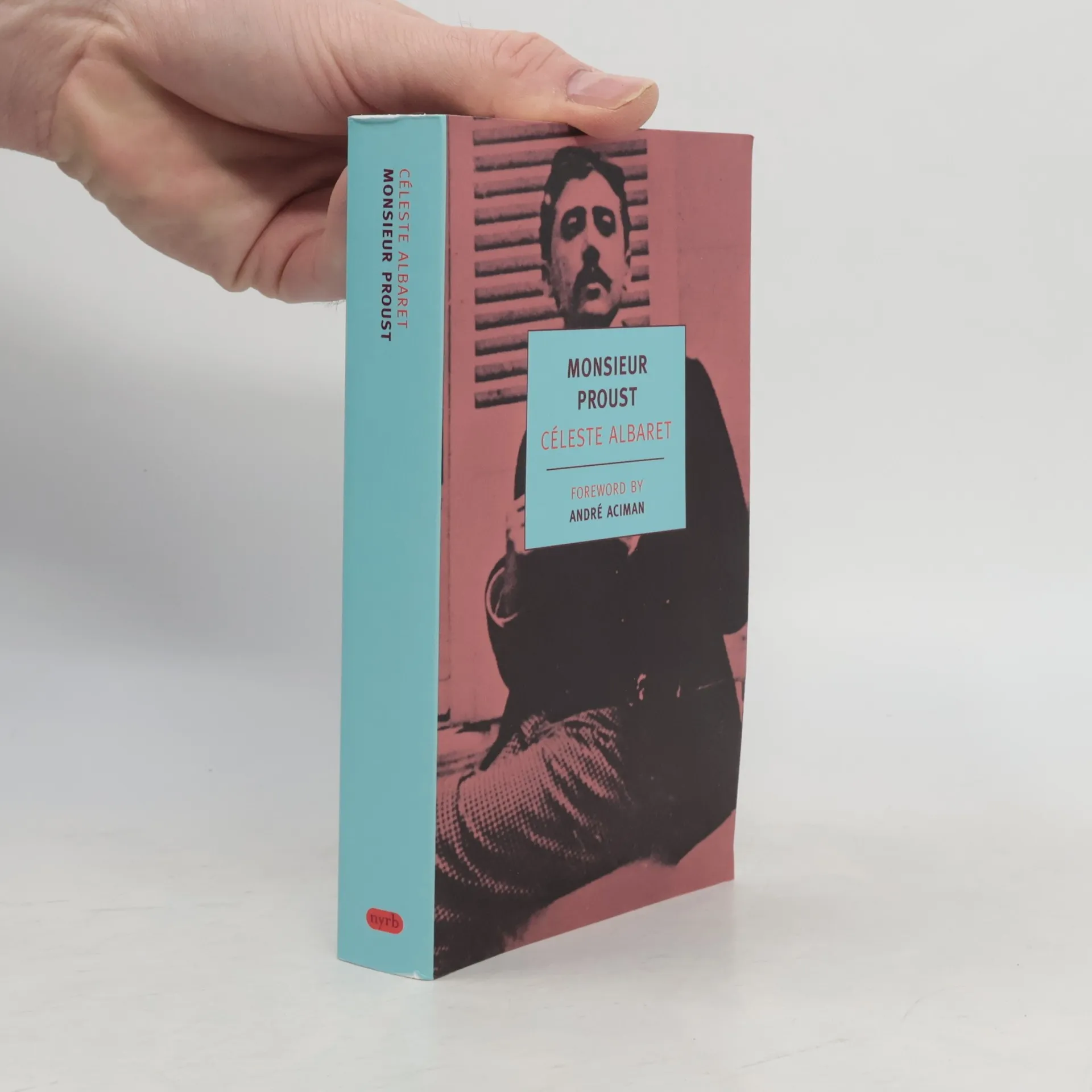
Céleste Albaret was Marcel Proust's housekeeper in his last years, when he retreated from the world to devote himself to In Search of Lost Time. She could imitate his voice to perfection, and Proust himself said to her, "You know everything about me." Her reminiscences of her employer present an intimate picture of the daily life of a great writer who was also a deeply peculiar man, while Madame Albaret herself proves to be a shrewd and engaging companion.
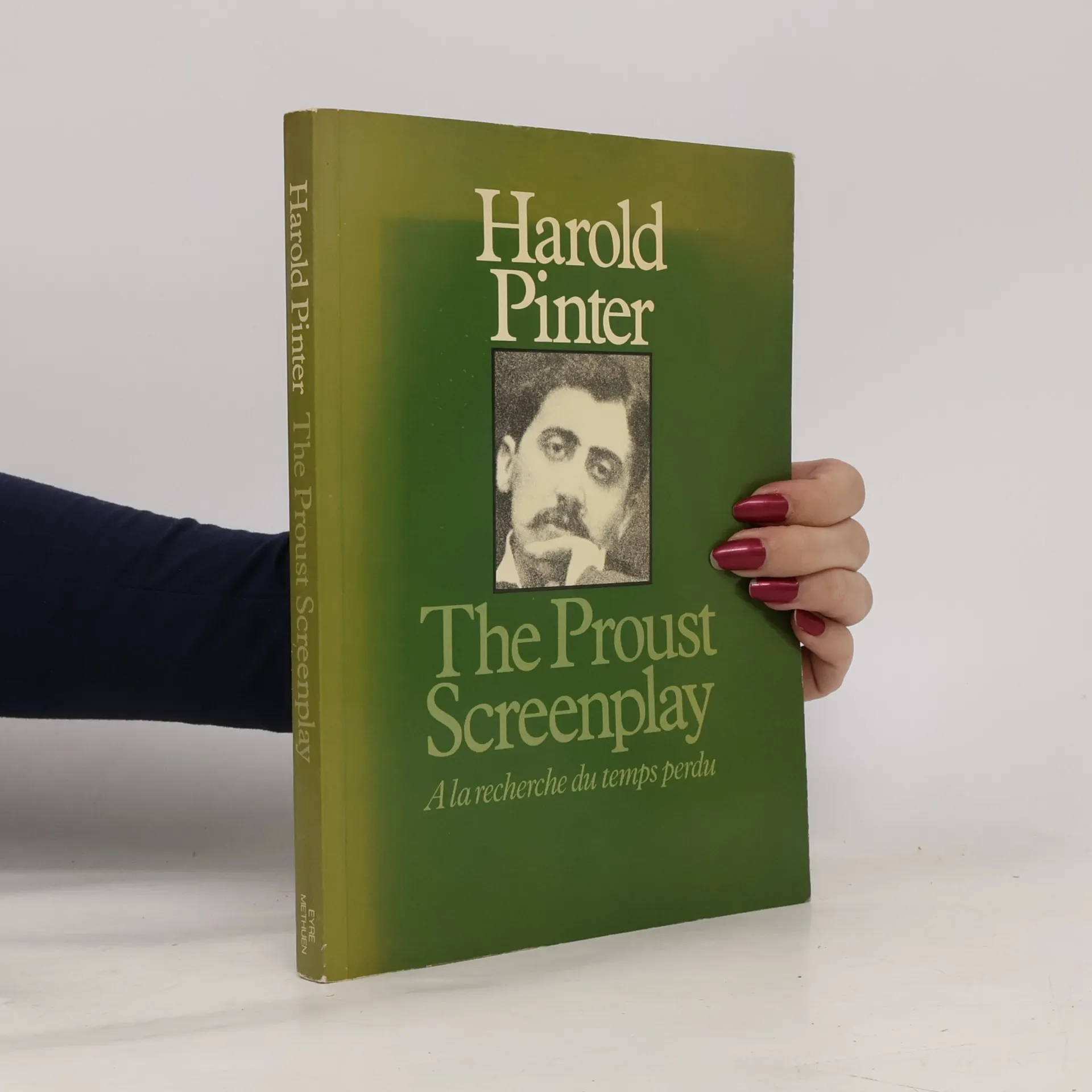
Recognized as one of the major literary works of the twentieth-century, Marcel Proust's monumental seven-volume novel brings together memories of childhood and Parisian society before and during the First World War. This new adaptation is based on Harold Pinter's screenplay, written at the request of the film director Joseph Losey in 1972. Remembrance of Things Past premi�red at the Royal National Theatre in November 2000.
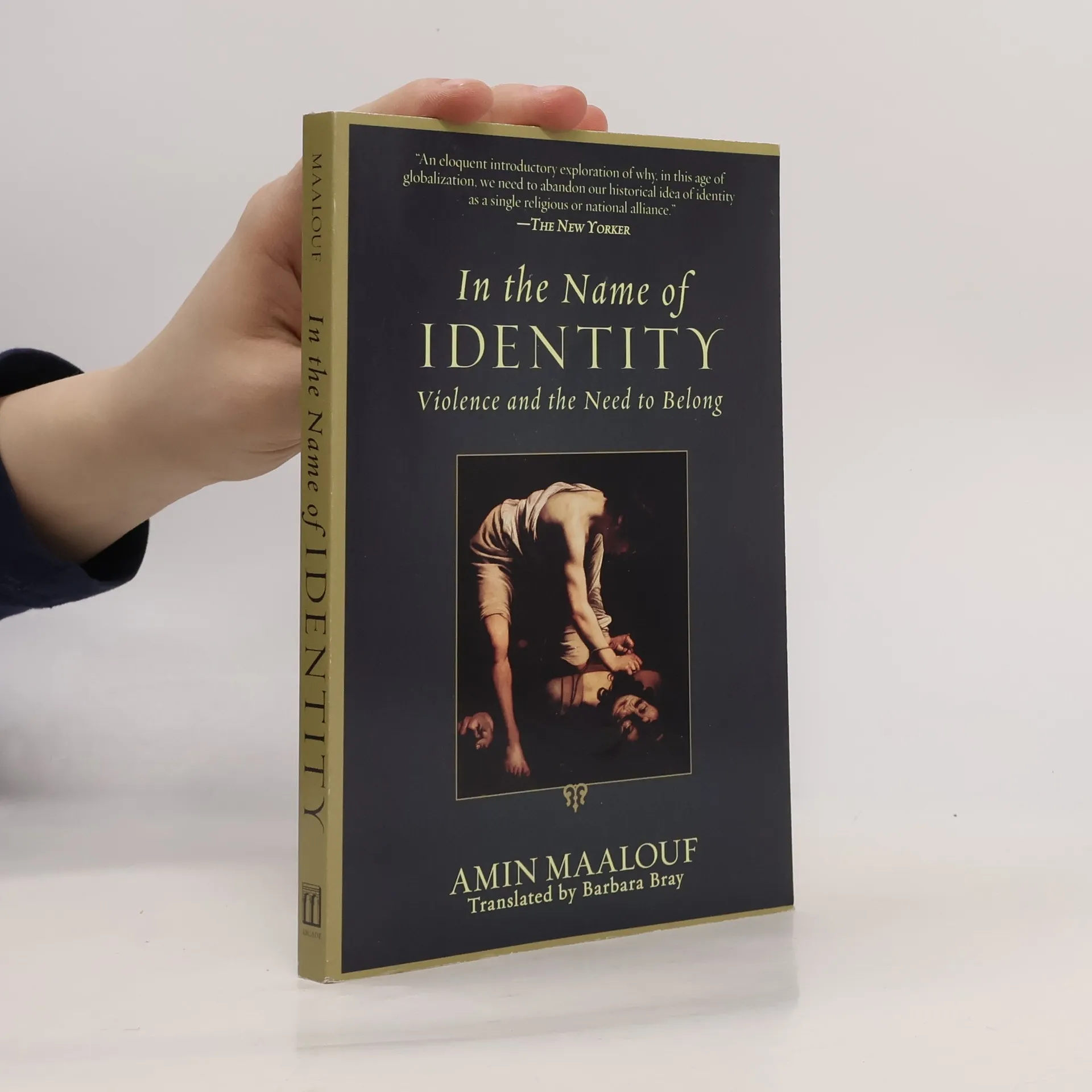
An award-winning author explores why so many people commit crimes in the name of identity. "Makes for compelling reading in America today."--"The New York Times."
Recounts the conflicts surrounding Lacan's break with the institutional framework of Freudian orthodoxy, the popularity of Lacanianism in the 1960s and 1970s, and its encounters with the women's movement
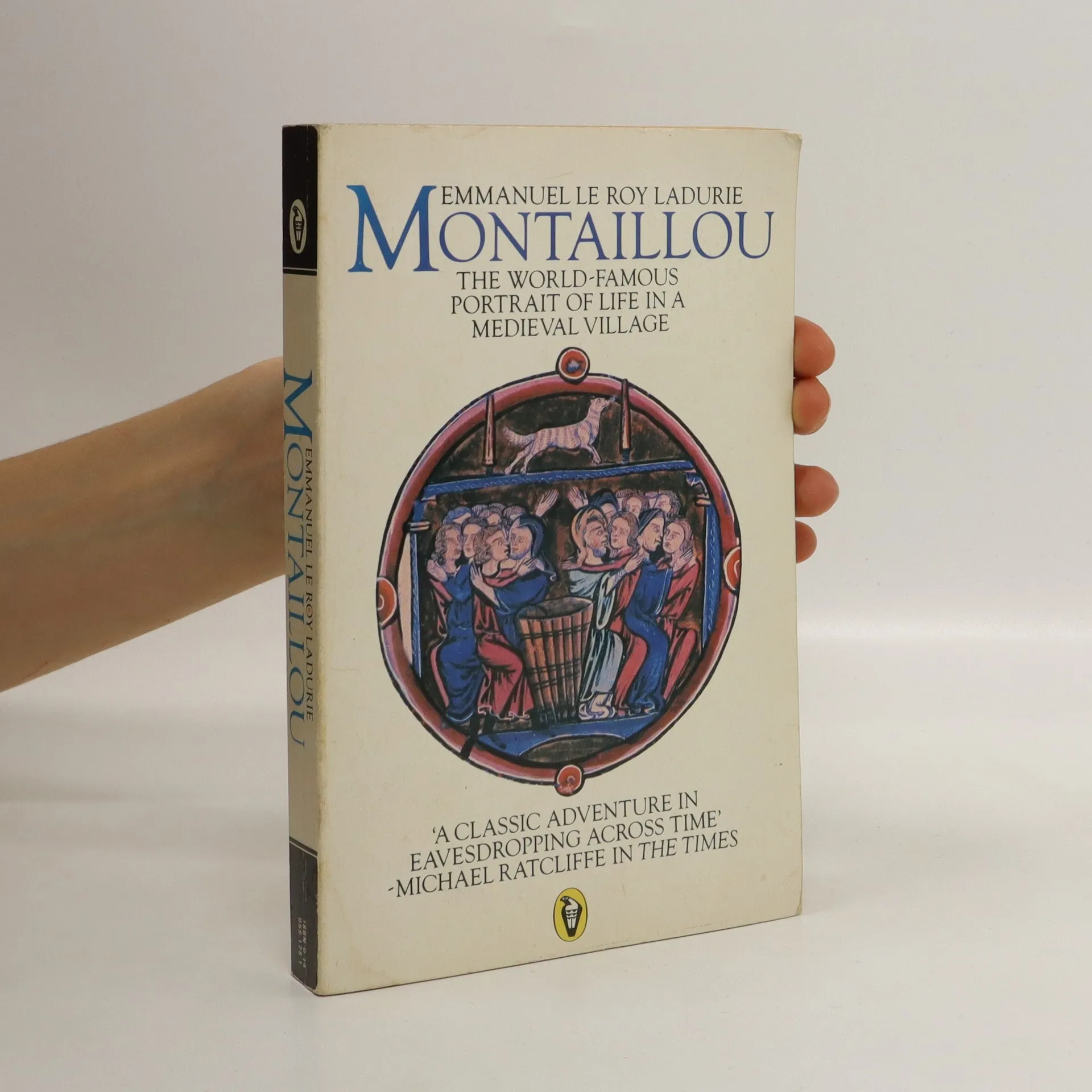
Presents an account of day-to-day life in a medieval French village. Using
records gathered by the Catholic Church in its pursuit of heretics, this book
shows the lives of a cast of village characters.
Marguerite Durasová (nar. 1914), popredná francúzska prozaička, dramatička, filmová scenáristka i režisérka, sa až ako sedemdesiatročná konečne dočkala Goncourtovej ceny. Bola ňou poctená jej najnovšia próza Milenec (ĽAmant, 1984). Durasová sa v Milencovi znova vracia do čias mladosti, ktorúaž do osemnástich rokov prežila v Indočíne, vtedajšej francúzskej kolónii, kde sa aj narodila. Postava mladučkej Francúzky, ktorá navzdory všetkým konvenciám prežije ľúbostný príbeh s domorodcom, mužom žltej pleti, je silne autobiografická. Otvorenosť výpovede, krutá analýza vzťahov v rodinnom prostredí, odkiaľ sa mladá hrdinka usiluje čím skôr uniknúť, robia z tohto krátkeho románu jedno z autorkiných kľúčových diel. Durasová v ňom obnažuje svoje najpôvodnejšie inšpiračné zdroje. Strohosť a koncíznosť, osobité umenie ilúzie a skratky, prelínanie časových rovín a iné postupy dovoľujú Durasovej preniknúť až do samého jadra príbehu, a pritom ponechať mnohé nedopovedané.
A semi-autobiographical novel exploring the anarchic nature of passion, the traumas of childhood and the legacy of the Holocaust. Threatened with allusions to her life's work, this melancholic and dreamlike novel is typical of the novelist.
Professor Ilya Zbarski mummified Lenin two months after his death to maintain the Soviet founder's body in perpetuity. Between 1924 and the fall of communism in 1991, hundreds of millions of visitors paid their respects to the embalmed bodies of Lenin and later, Stalin. This text reveals the story of Zbarski, his family and of those who worked in the mausoleum laboratory. Lenin's body was plunged into a secret solution based on glycerine and potassium acetate. This story, unthinkable except in a totalitarian regime, is also that of the burgeoning Soviet Union and those who, disregarding Stalin and his growing antisemitic paranoia, believed that working in the shadows of the mausoleum would protect them forever. Abandoned by the State since 1991, the laboratory can only survive through the patronage of the "nouveaux riches" and the Russian mafia dynasties. The text includes both archival and contemporary photographs.