

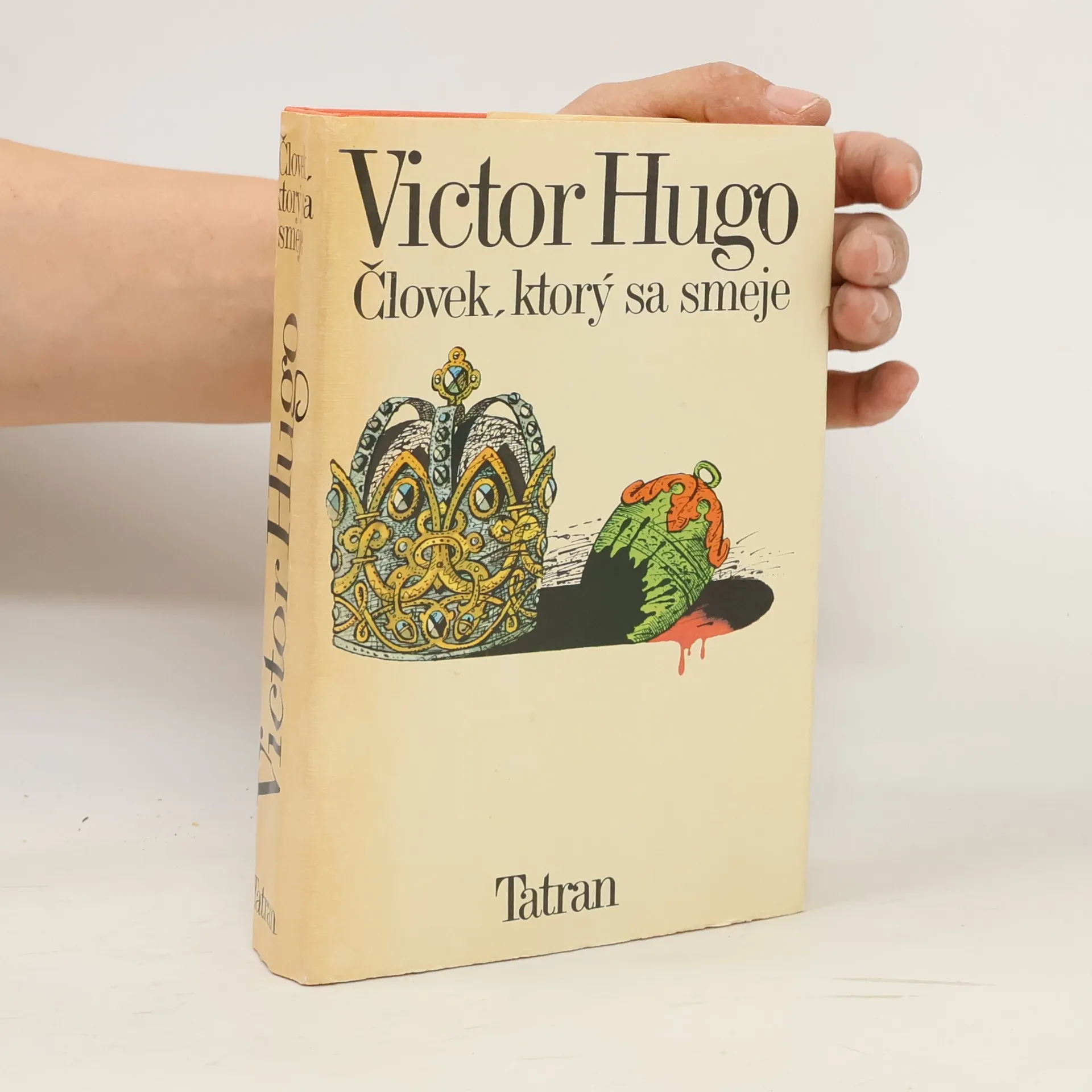
Dej románu sa odohráva v Anglicku na rozhraní 17. a 18. storočia. Na pozadí historických skutočností rozvinul Hugo romantický príbeh, ktorý je vďaka svojej dramatickosti i dnes čitateľsky veľmi príťažlivý. Hlavný hrdina Gwynplaine je mladý muž šľachtického pôvodu, ktorého v detstve predali obchodníkom s deťmi. Operáciou tváre mu na nej navždy vylúdili strašný a smiešny úškľabok, ktorý sa stal jarmočnou atrakciou a Gwynplainovým živobytím. Gwynplaine s hroznou tvárou a krásnym vnútrom žije v kočovníckej búde spolu s čudáckym starcom Ursom, jeho skroteným vlkom Homom a so slepou dievčinou, ktorej kedysi v detstve zachránil život. Sú šťastní obyčajným ľudským šťastím, pokiaľ zásah náhody či osudu nerozborí ich svet. 3. slovenské vydanie.
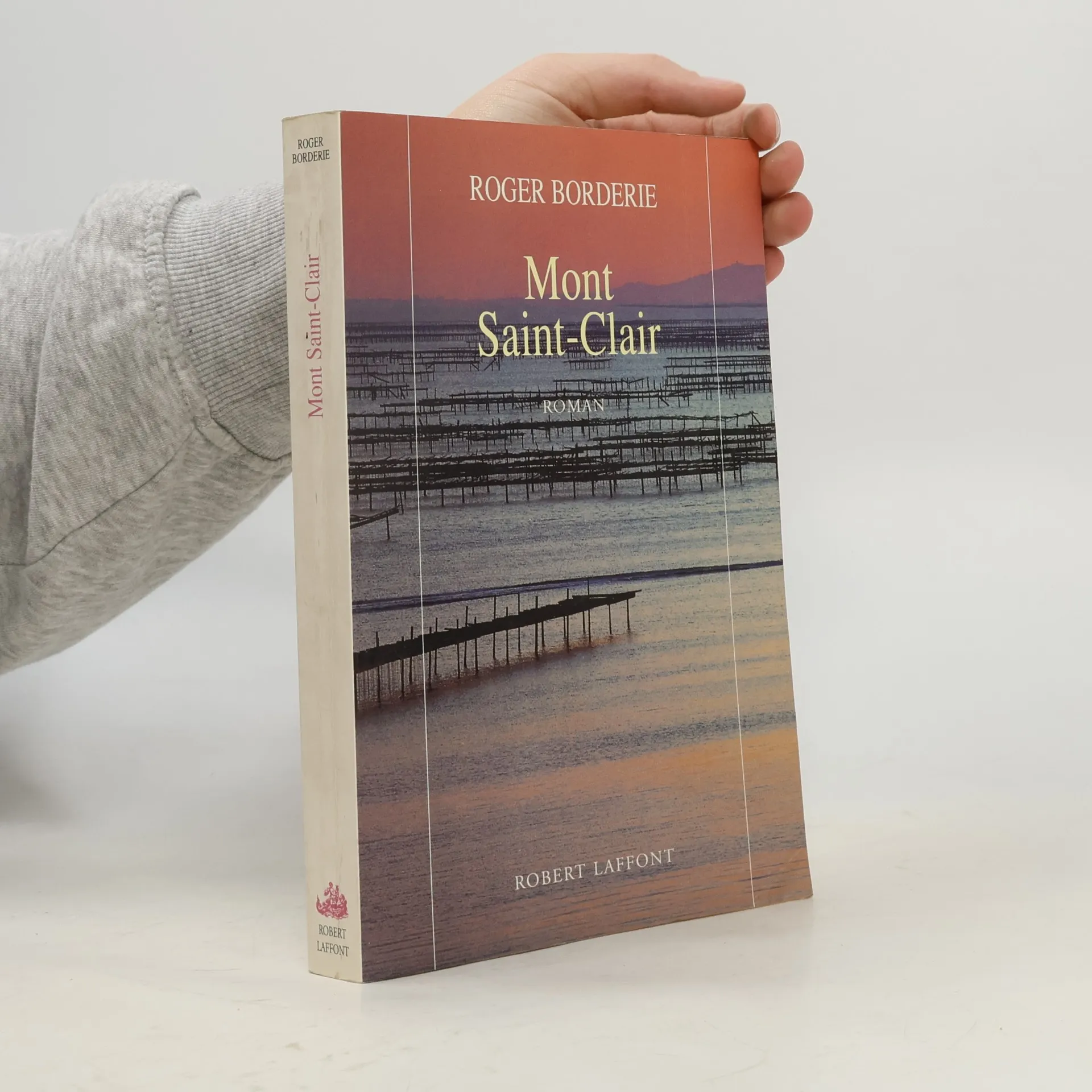
Roger Borderie Knihy


The Last Day of a Condemned Man
- 264 stránok
- 10 hodin čítania
Exploring the psychological turmoil of a man facing execution, the narrative delves into his introspection as he contemplates his life and impending death. Through poignant reflections and interactions with a priest and fellow inmates, the unnamed narrator confronts existential themes of humanity and justice. Victor Hugo's powerful prose challenges readers to empathize with the condemned, prompting a deeper examination of their own lives. This edition revitalizes a classic work, highlighting Hugo's enduring influence on literature and his stance against the death penalty.
Set in early 19th century Paris, the story follows Auguste de Maulincour, a young cavalry officer infatuated with Clemence, a married woman he observes in a disreputable district. As part of Balzac's broader work, La Comédie humaine, this novel delves into themes of love, desire, and societal constraints. It serves as the first installment of the Histoire des treize trilogy, exploring the complexities of relationships within the context of Parisian life. The narrative intricately weaves personal ambition with the darker elements of urban existence.