Die 27ste Stadt: Roman | »Jonathan Franzens imponierendes Frühwerk." Wolfgang Schneider, FAZ
- 672 stránok
- 24 hodin čítania


Jonathan Franzen je autorom románov, ktoré sa zaoberajú zložitosťou moderného života. Jeho diela často skúmajú rodinné vzťahy, spoločenské trendy a hľadanie zmyslu v súčasnom svete. Franzenov štýl je známy svojou prenikavosťou a schopnosťou zachytiť psychologickú hĺbku postáv. Píše o tom, čo znamená byť človekom v dnešnej dobe, a jeho knihy často vyvolávajú silné emócie a podnecujú k zamysleniu.


Je 23. december 1971 a predpoveď počasia v Chicagu hlási snehové zrážky. Russ Hildebrandt, pastor prvej reformovanej cirkvi, stojí na pokraji konca manželstva, ktoré sa preňho stalo bremenom, až kým mu manželka Marion nezasadí dobre mierený úder vlastnými tajomstvami.Ich najstarší syn Clem sa vracia z vysokej školy a od svojej osudovej lásky. Niekdajší pacifizmus uňho nahradil morálny absolutizmus po tom, ako sa otec stal v jeho očiach slabochom. Clemova sestra Becky, kapitánka roztlieskavačiek, sa snaží vymaniť z obrazu kráľovnej strednej školy a prechádza duchovnou obrodou, kým ich mladší brat Perry, ktorý užíva aj predáva drogy, sa rozhodne stať lepším človekom. Každý člen rodiny Hildebrandtovcov sa vlastným spôsobom vyrovnáva s vierou v Boha a snaží sa nájsť svoju životnú cestu, čo si vzájomne nesmierne komplikujú. Romány Jonathana Franzena oceňujú čitatelia aj kritici, pretože sú mnohovrstevné, no pútavé a plné živých postáv, ku ktorým si rýchlo vytvoríte vzťah. Franzen má mimoriadny pozorovací talent a schopnosť spájať malé príbehy bežných amerických rodín s veľkými historickými a spoločenskými udalosťami. Podobne ako jeho predošlé romány, aj Križovatky sú rodinnou ságou a príbehom dvoch generácií Američanov strednej triedy, ktorí sa snažia nájsť si svoje miesto na pozadí morálnych kríz v prudko sa meniacom 20. storočí.
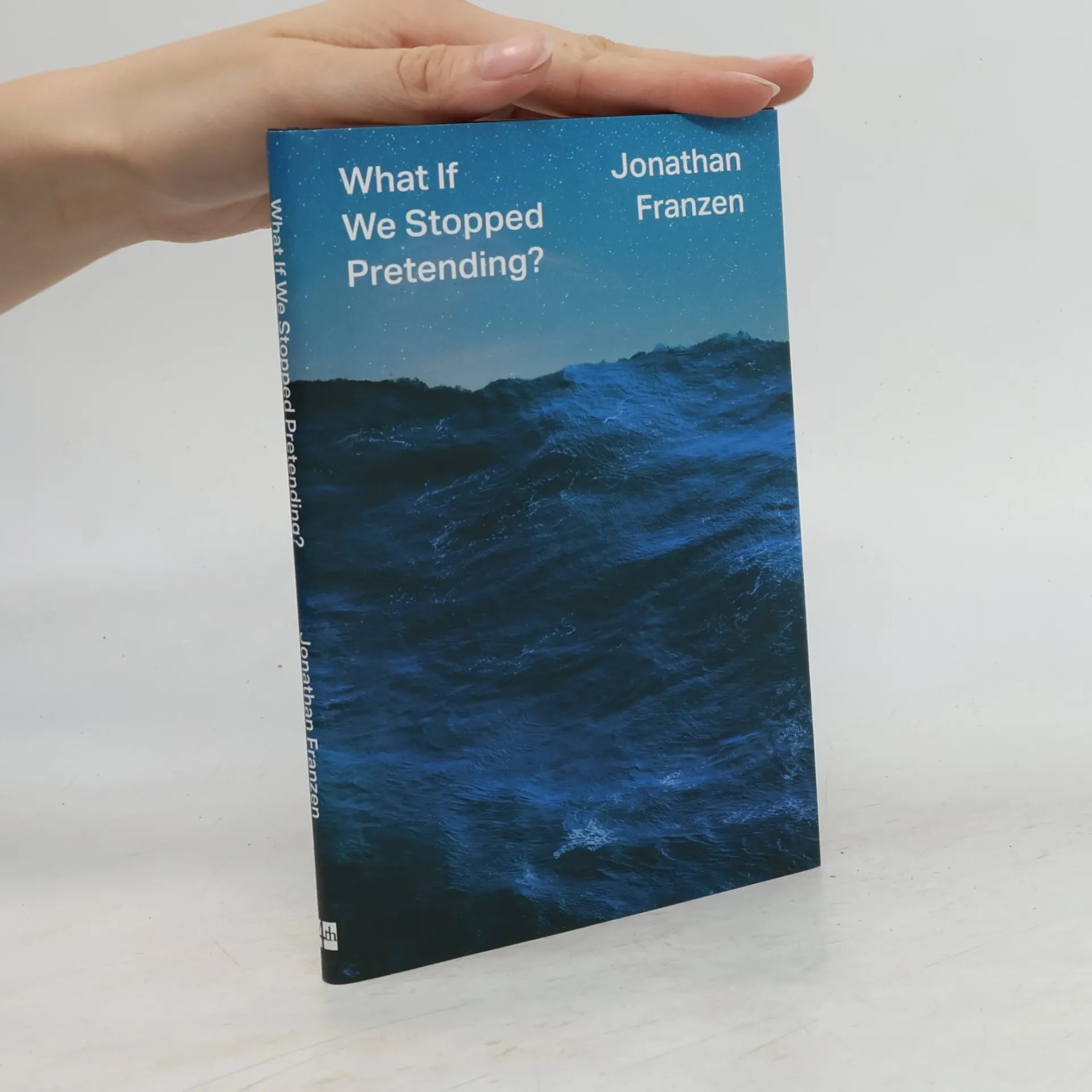
The climate crisis is here. Our chance to stop it has come and gone, but this doesn't have to mean the world is ending.
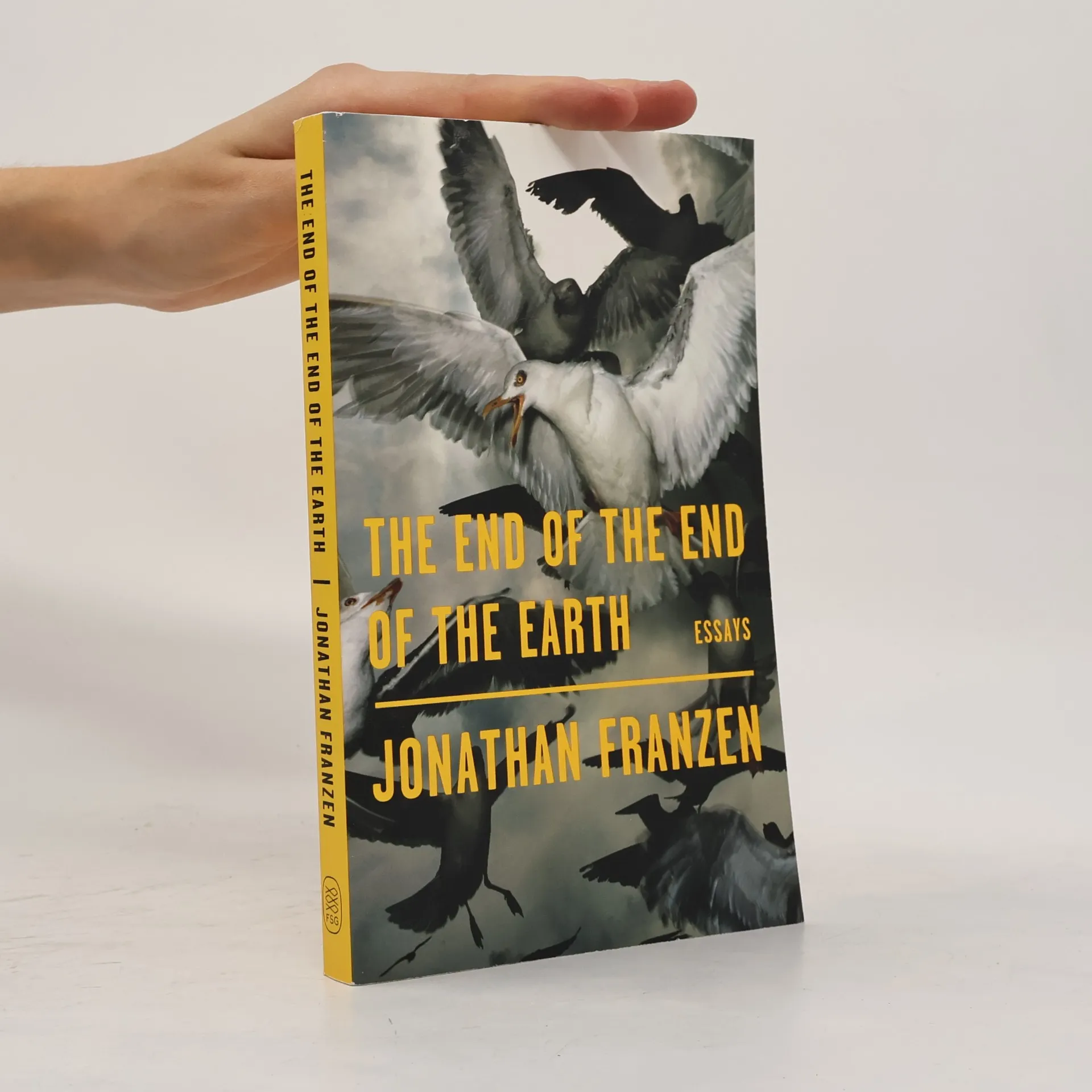
A sharp and provocative new essay collection from the award-winning author of Freedom and The Corrections In The End of the End of the Earth, which gathers essays and speeches written mostly in the past five years, Jonathan Franzen returns with renewed vigor to the themes--both human and literary--that have long preoccupied him. Whether exploring his complex relationship with his uncle, recounting his young adulthood in New York, or offering an illuminating look at the global seabird crisis, these pieces contain all the wit and disabused realism that we've come to expect from Franzen. Taken together, these essays trace the progress of a unique and mature mind wrestling with itself, with literature, and with some of the most important issues of our day, made more pressing by the current political milieu. The End of the End of the Earth is remarkable, provocative, and necessary.
"Young Pip Tyler doesn't know who she is. She knows that her real name is Purity, that she's saddled with $130,000 in student debt, that she's squatting with anarchists in Oakland, and that her relationship with her mother -- her only family -- is hazardous. But she doesn't have a clue who her father is, why her mother chose to live as a recluse with an invented name, or how she'll ever have a normal life. Enter the Germans. A glancing encounter with a German peace activist leads Pip to an internship in South America with The Sunlight Project, an organization that traffics in all the secrets of the world -- including, Pip hopes, the secret of her origins. TSP is the brainchild of Andreas Wolf, a charismatic provocateur who rose to fame in the chaos following the fall of the Berlin Wall. Now on the lam in Bolivia, Andreas is drawn to Pip for reasons she doesn't understand, and the intensity of her response to him upends her conventional ideas of right and wrong."--Book jacket (hardcover edition).
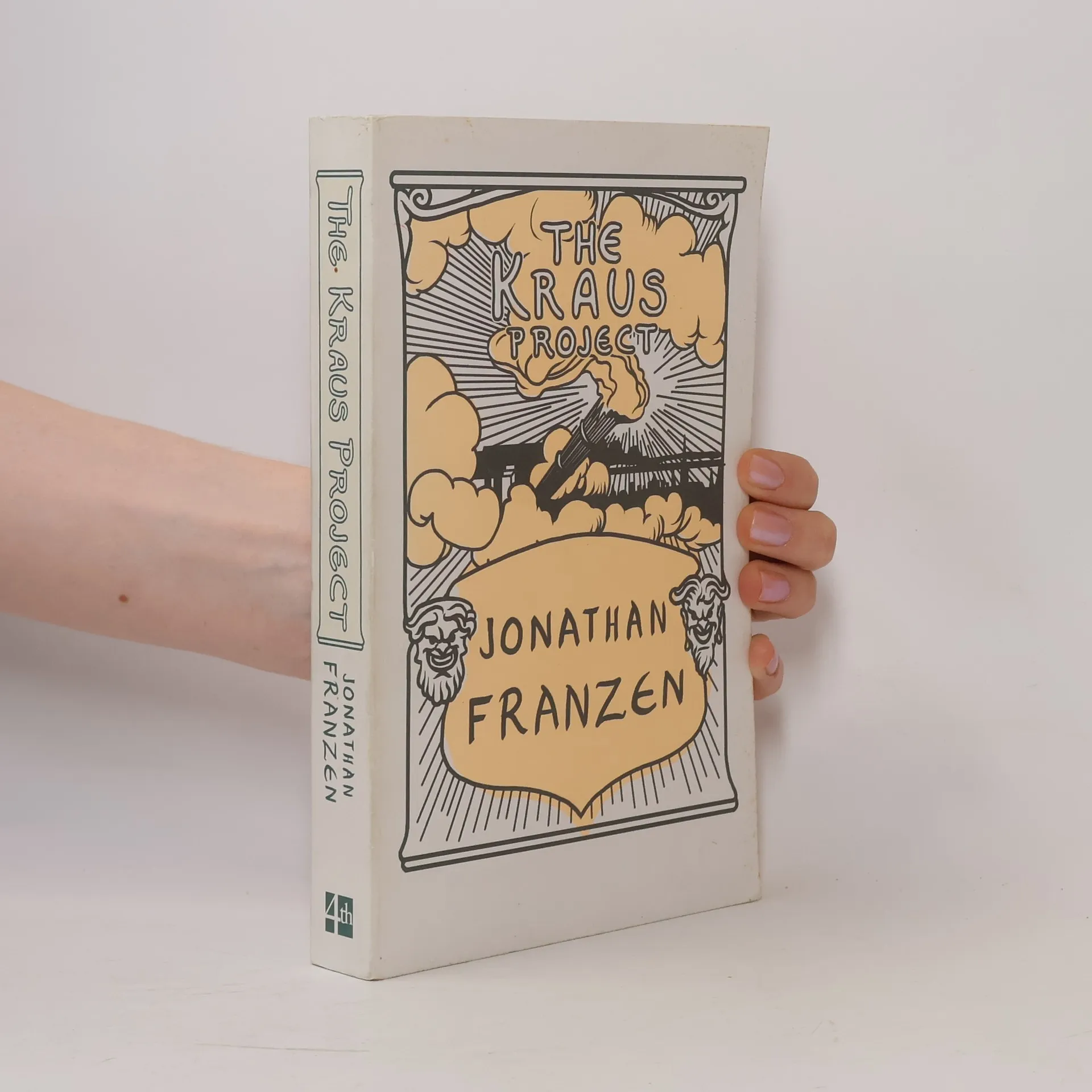
100 years ago, the Viennese satirist Karl Kraus was among the most penetrating and prophetic writers in Europe: a relentless critic of the popular media's manipulation of reality, the dehumanizing machinery of technology and consumerism, and the jingoistic rhetoric of a fading empire. But even though his followers included Franz Kafka and Walter Benjamin, he remained something of a lonely prophet, and few people today are familiar with his work. Thankfully, Jonathan Franzen is one of them. In 'The Kraus Project', Franzen not only presents and annotates his definitive new translations of Kraus, with supplementary notes from the Kraus scholar Paul Reitter and the Austrian writer Daniel Kehlmann. In Franzen Kraus has found his match: a novelist unafraid to voice unpopular opinions strongly, a critic capable of untangling Kraus's often dense arguments.
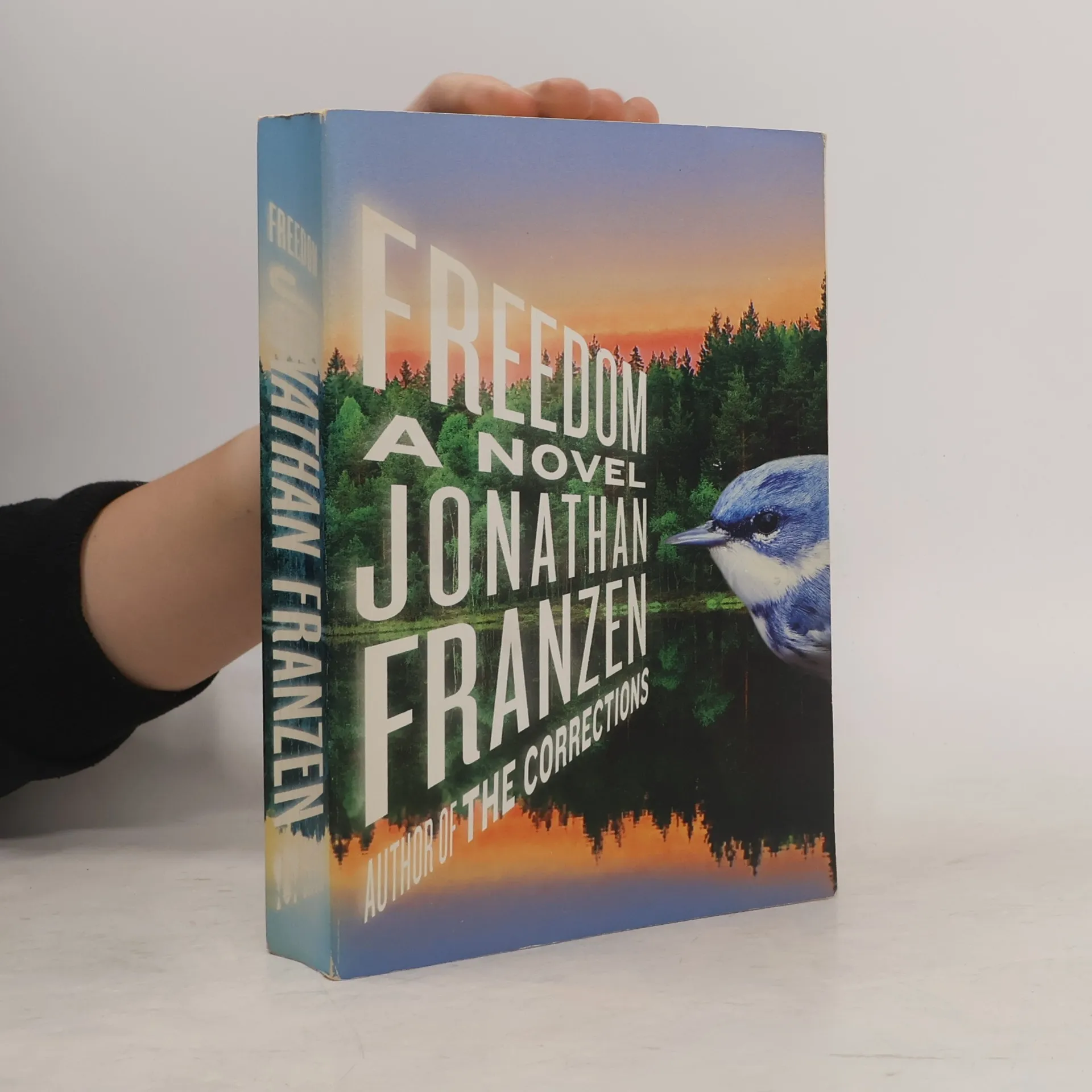
Jonathan Franzen's Freedom was the runaway most-discussed novel of 2010, an ambitious and searching engagement with life in America in the twenty-first century. In The New York Times Book Review, Sam Tanenhaus proclaimed it "a masterpiece of American fiction" and lauded its illumination, "through the steady radiance of its author's profound moral intelligence, [of] the world we thought we knew." In Farther Away , which gathers together essays and speeches written mostly in the past five years, Franzen returns with renewed vigor to the themes, both human and literary, that have long preoccupied him. Whether recounting his violent encounter with bird poachers in Cyprus, examining his mixed feelings about the suicide of his friend and rival David Foster Wallace, or offering a moving and witty take on the ways that technology has changed how people express their love, these pieces deliver on Franzen's implicit promise to conceal nothing. On a trip to China to see first-hand the environmental devastation there, he doesn't omit mention of his excitement and awe at the pace of China's economic development; the trip becomes a journey out of his own prejudice and moral condemnation. Taken together, these essays trace the progress of unique and mature mind wrestling with itself, with literature, and with some of the most important issues of our day. Farther Away is remarkable, provocative, and necessary.
In diesem Band der Tübinger Poetik-Vorlesungen 2009 untersuchen Jonathan Franzen und Adam Haslett das Wechselspiel zwischen Leben und Schreiben. Poetikvorlesungen bieten Wissen, das aus Erfahrung und persönlichen Erlebnissen stammt, und sollen keine bloßen Wiederholungen bereits veröffentlichter Texte sein. Stattdessen wird eine biografisch gesättigte Reflexion über das eigene Schreiben und Lesen angestrebt. Diese Vorlesungen thematisieren die Funktion, Wirkung und Rolle des Autors, wobei nicht nur die Rolle im Text, sondern auch die Person des Autors, seine Stimme, Geschichte und Präsenz im Mittelpunkt stehen. Die Frage nach dem Autobiografischen im Roman ist für den Autor von Bedeutung und geht über literaturwissenschaftliche Überlegungen hinaus. Franzen sieht einen Roman als persönlichen Kampf an, während Haslett betont, dass Schriftsteller die Bücher schreiben, die sie selbst lesen möchten. Beide Autoren reflektieren über die Herausforderungen, die das Schreiben mit sich bringt, und die Sehnsucht nach Anerkennung der inneren Konflikte. Franzen, geboren 1959, ist bekannt für Werke wie „Die Korrekturen“, während Haslett, Jahrgang 1970, mit „Union Atlantic“ über die Finanzkrise des 21. Jahrhunderts schrieb.
The idyllic lives of civic-minded environmentalists Patty and Walter Berglund come into question when their son moves in with aggressive Republican neighbors, green lawyer Walter takes a job in the coal industry, and go-getter Patty becomes increasingly unstable and enraged.
« Aurait-il pu y avoir pire maladie pour lui que l’Alzheimer ? Dans ses premiers stades, elle a dissous les liens personnels qui l’avaient préservé des pires effets de son isolement dépressif. Dans ses derniers stades, elle l’a dépouillé des protections de l’âge adulte, du moyen de cacher l’enfant en lui. J’aurais préféré qu’il ait plutôt une crise cardiaque. »Jonathan Franzen a vu son père s’éteindre peu à peu. À partir d’une autopsie de son cerveau que celui-ci avait gagné de son vivant, il revient sur le fléau qui a rongé petit à petit sa famille : la découverte de la maladie, une épouse qui doit devenir mère, ne plus être reconnu… jusqu’au dernier souffle.
Jonathan Franzen arrived late, and last, in a family of boys in Webster Groves, Missouri. This is his memoir of his growth from a 'small and fundamentally ridiculous person, ' through an adolescence both excruciating and strangely happy, into an adult with embarrassing and unexpected passions
Otto a Sophie Bentwoodovci žijú v meniacej sa štvrti newyorského Brooklynu. Práve si zariadili nerezovú kuchyňu a na chodníku pred domom parkuje ich Mercedes. Potom čo Sophie uhryzne pravdepodobne besná túlavá mačka, ktorú kŕmi, manželov začnú stretať malé zlovestné nešťastia, odhaľujúce praskliny v ich vzťahu a v rozpadávajúcej sa spoločnosti. Novela Zúfalé postavy vyšla prvýkrát v sedemdesiatych rokoch a kritika ju označila za jedno z najvýraznejších diel povojnovej americkej literatúry a prirovnala ju k románom ako Fitzgeraldov Veľký Gatsby či Ani deň! od Saula Bellowa.
Passionate, strong-minded nonfiction from the National Book Award-winning author of "The Corrections." Jonathan Franzen's acclaimed novel was widely discussed, particularly regarding "The Harper's Essay," his controversial 1996 exploration of the American novel's fate. This essay appears for the first time in How to be Alone, alongside personal essays and insightful reportage that garnered Franzen a broad readership prior to his novel's success. His subjects, ranging from the sex-advice industry to the workings of a supermax prison, delve into recurring themes: the erosion of civic life, private dignity, and the persistent loneliness in postmodern America. Recent essays include a poignant piece on his father's struggle with Alzheimer's and a candid account of his brief experience as an Oprah Winfrey author. Collectively, these essays illustrate Franzen's journey "away from an angry and frightened isolation toward an acceptance— even a celebration—of being a reader and a writer." They reflect his skepticism toward technology and psychology, a complex relationship with consumerism, and a belief in the tragic nature of individual lives, establishing Franzen as one of our most incisive and entertaining social critics.
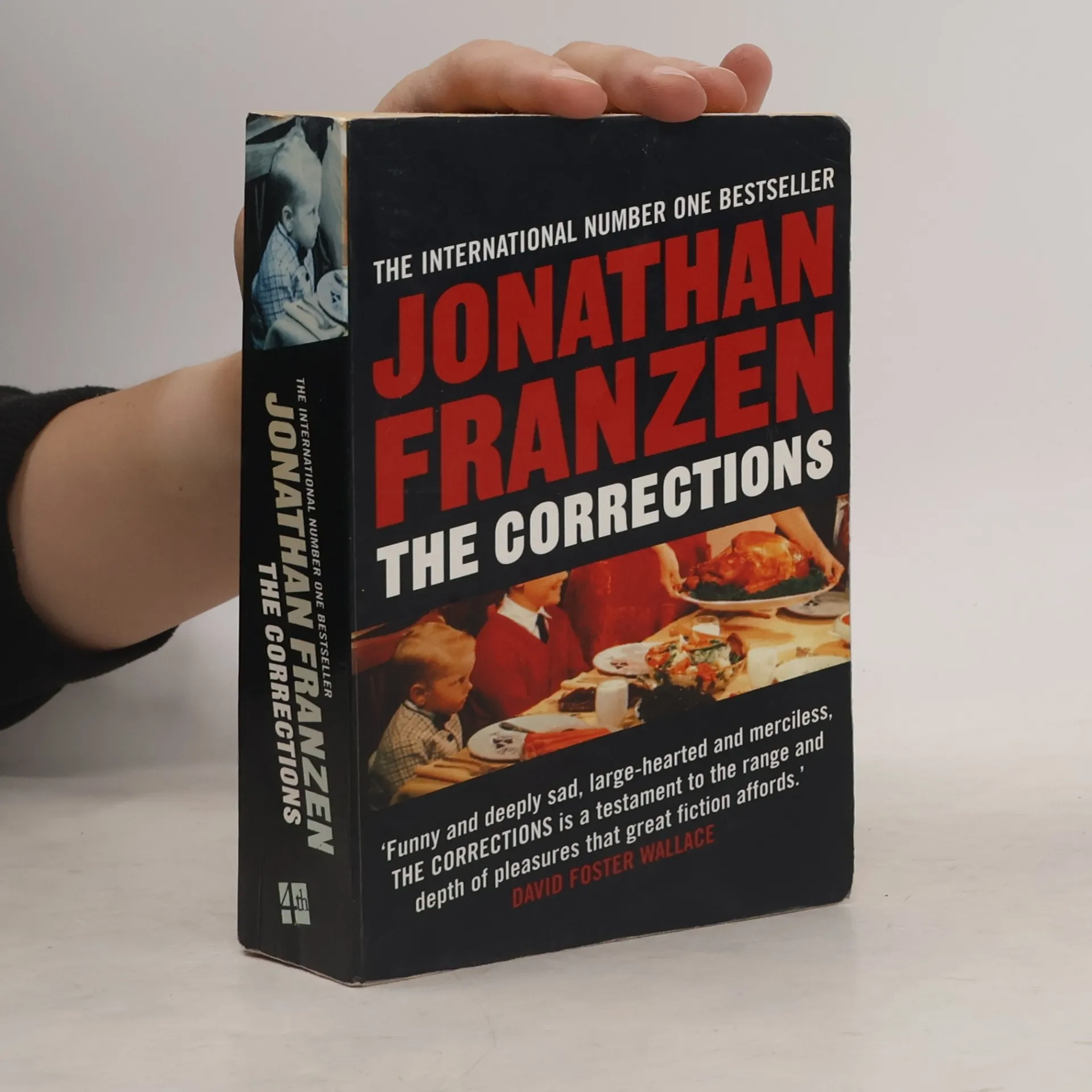
The winner of THE NATIONAL BOOK AWARD, the New York Times No.1 Bestseller and the worldwide literary sensation, The Corrections has established itself as a truly great American novel. After almost fifty years as a wife and mother, Enid Lambert is ready to have some fun. Unfortunately, her husband, Alfred, is losing his sanity to Parkinson's disease, and their children have long since flown the family nest to the catastrophes of their own lives. The oldest, Gary, a once-stable portfolio manager and family man, is trying to convince his wife and himself, despite clear signs to the contrary, that he is not clinically depressed. The middle child, Chip, has lost his seemingly secure academic job and is failing spectacularly at his new line of work. And Denise, the youngest, has escaped a disastrous marriage only to pour her youth and beauty down the drain of an affair with a married man -- or so her mother fears. Desperate for some pleasure to look forward to, Enid has set her heart on an elusive goal; bringing her family together for one last Christmas at home. Stretching from the Midwest at midcentury to the Wall Street and Eastern Europe of today, The Corrections brings an old-fashio
Louis Holland arrives in Boston in a spring of ecological upheaval (a rash of earthquakes on the North Shore) and odd luck: the first one kills his grandmother. Louis tries to maintain his independence, but falls in love with a Harvard seismologist whose discoveries about the earthquakes' cause complicate everything.
Dying St. Louis is turned inside-out by the appointment of a charismatic young woman from Bombay as police chief, an act which launches the city's prominent citizens into political conspiracy. Franzen's first novel is already a classic of contemporary fiction.