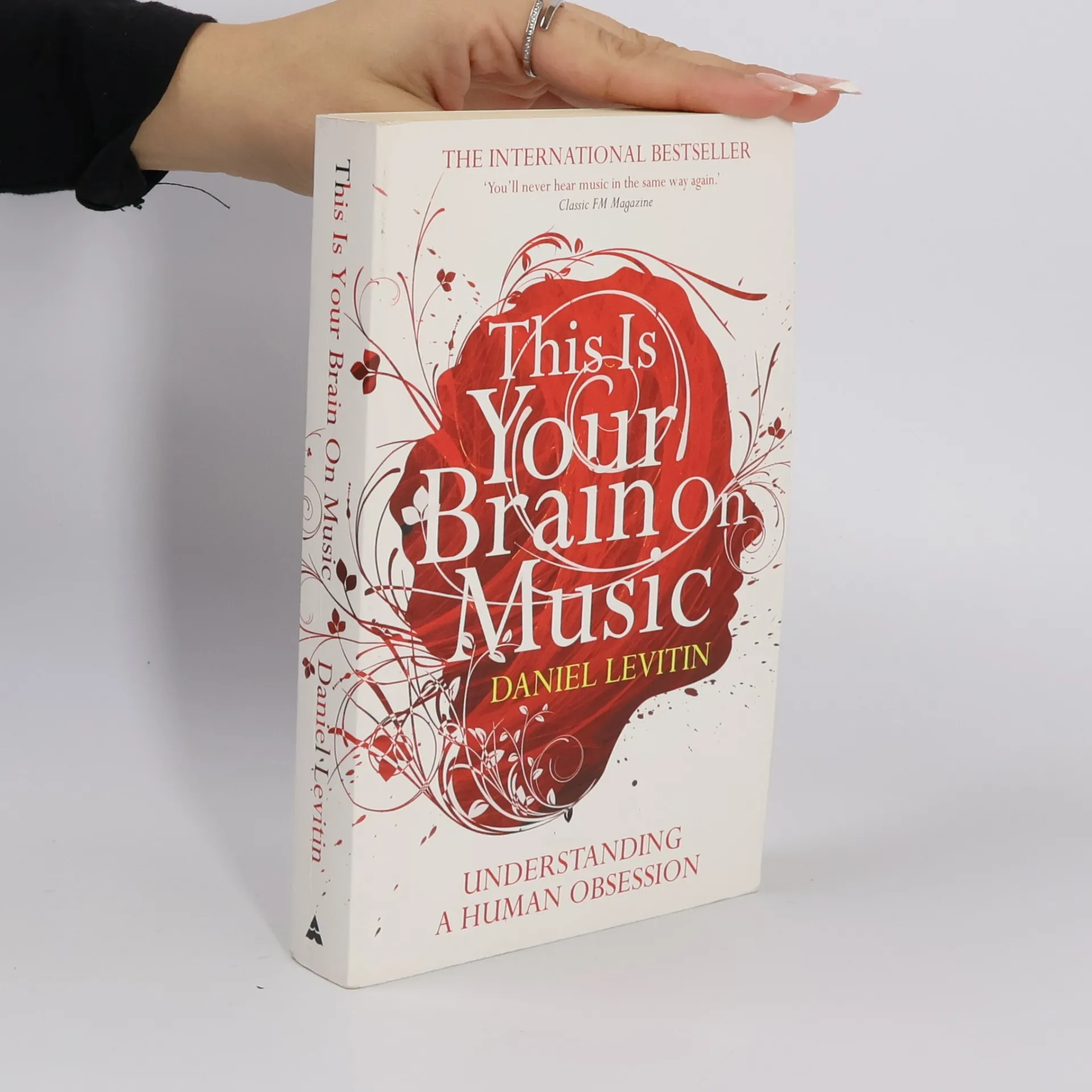
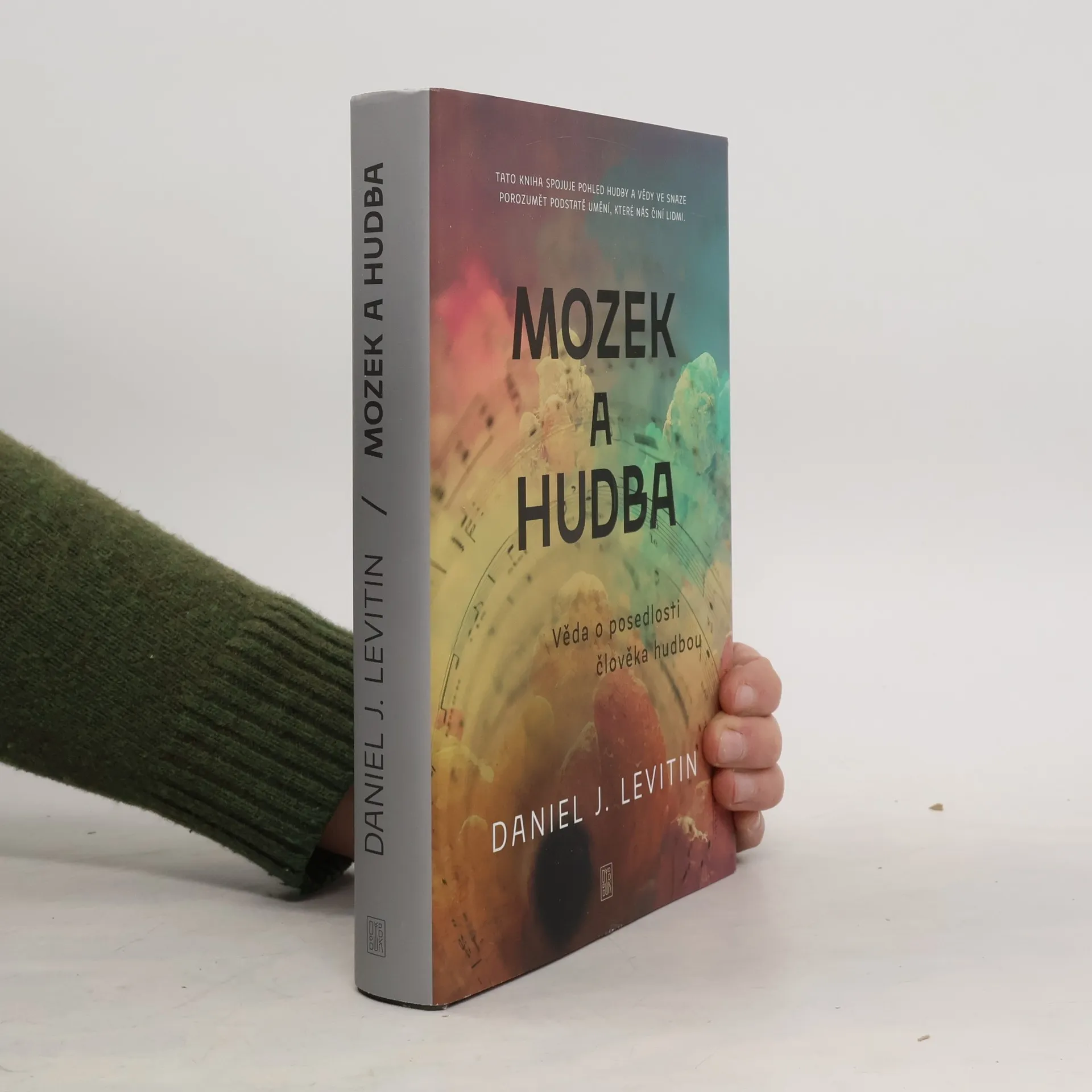
Mozek a hudba. věda o posedlosti člověka hudbou
- 296 stránok
- 11 hodin čítania


Daniel J. Levitin je neurovedec a hudobný vedec, ktorého práca skúma zložité prepojenie medzi hudbou, mozgom a ľudským vnímaním. S rozsiahlym zázemím hudobníka a zvukového inžiniera prináša do svojho výskumu jedinečnú perspektívu, ktorá spája umeleckú prax s vedeckým skúmaním. Levitin sa ponára do toho, ako mozog spracúva a reaguje na hudbu, pričom odhaľuje hlboké kognitívne a emocionálne procesy, ktoré hudba spúšťa. Jeho písanie o psychológii hudby a poznávaní je prístupné a pútavé, ponúka čitateľom hlbšie pochopenie úlohy, ktorú hudba zohráva v našich životoch.
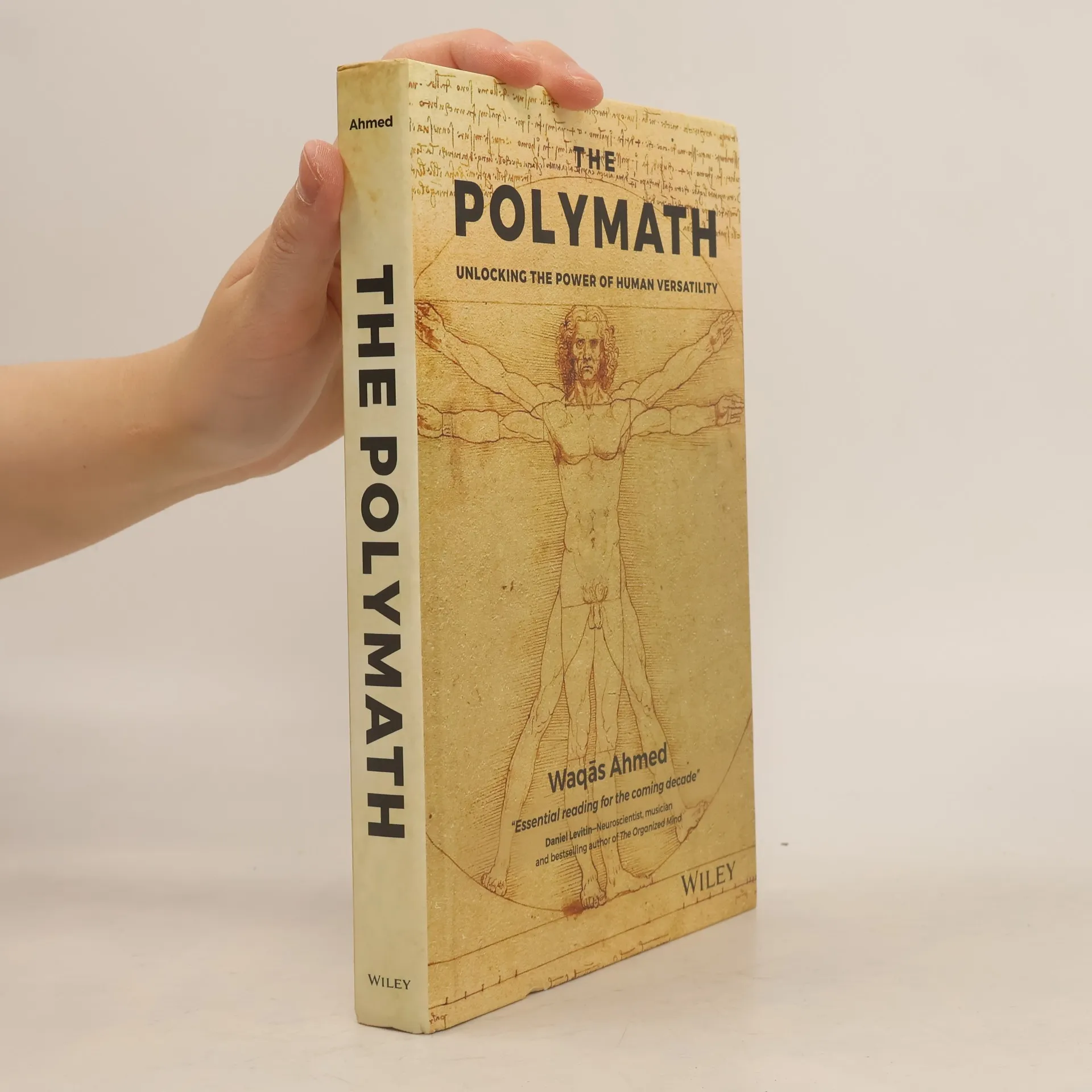
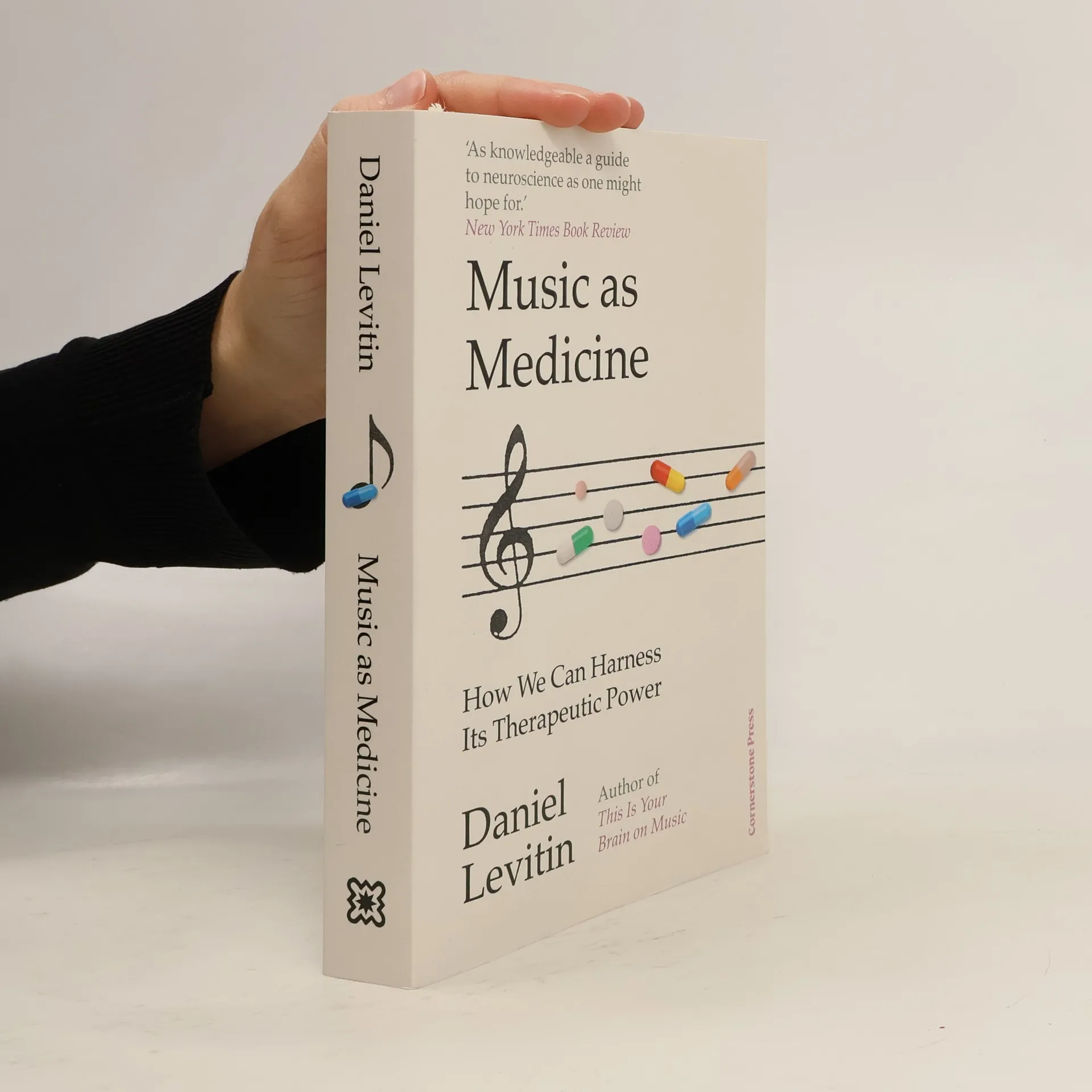
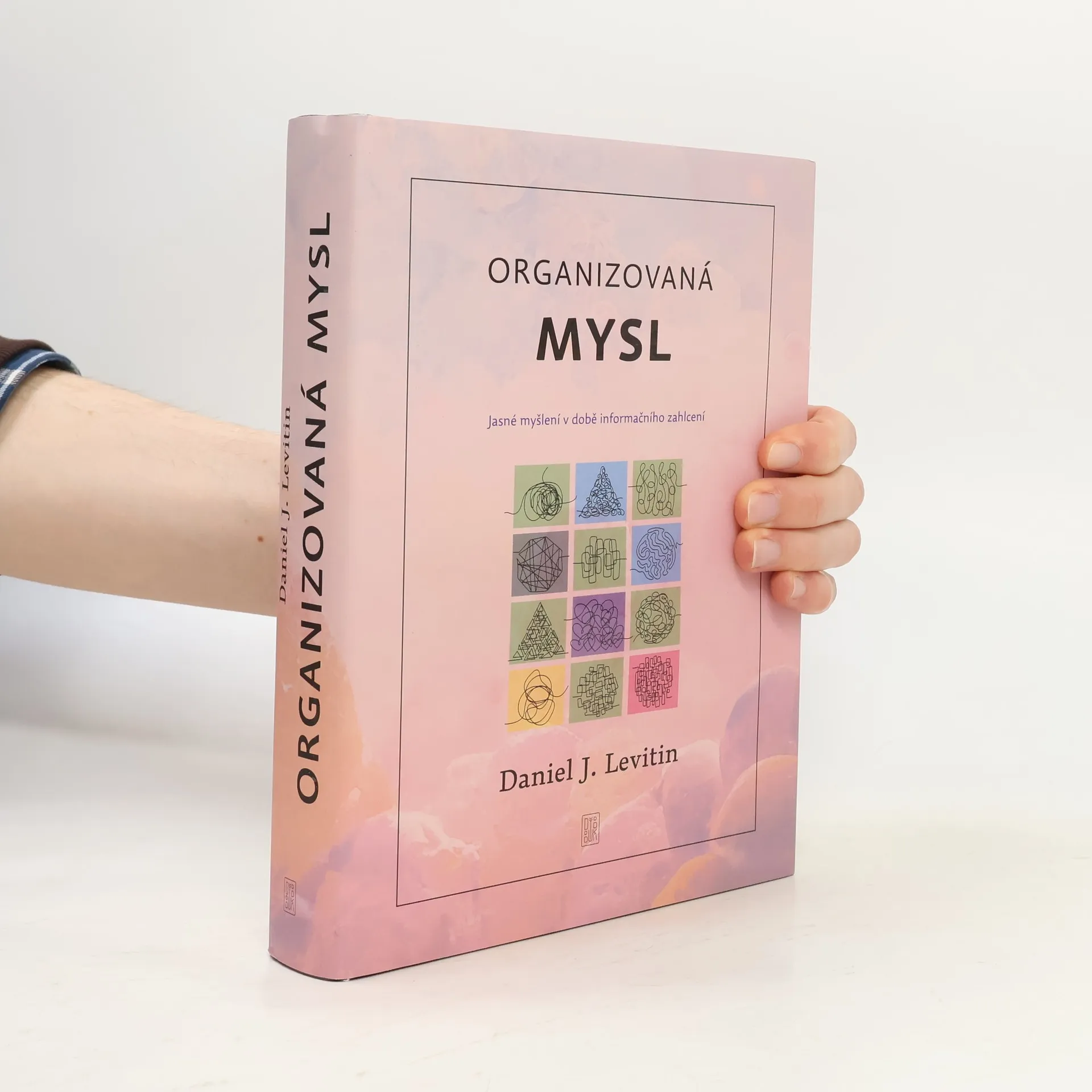
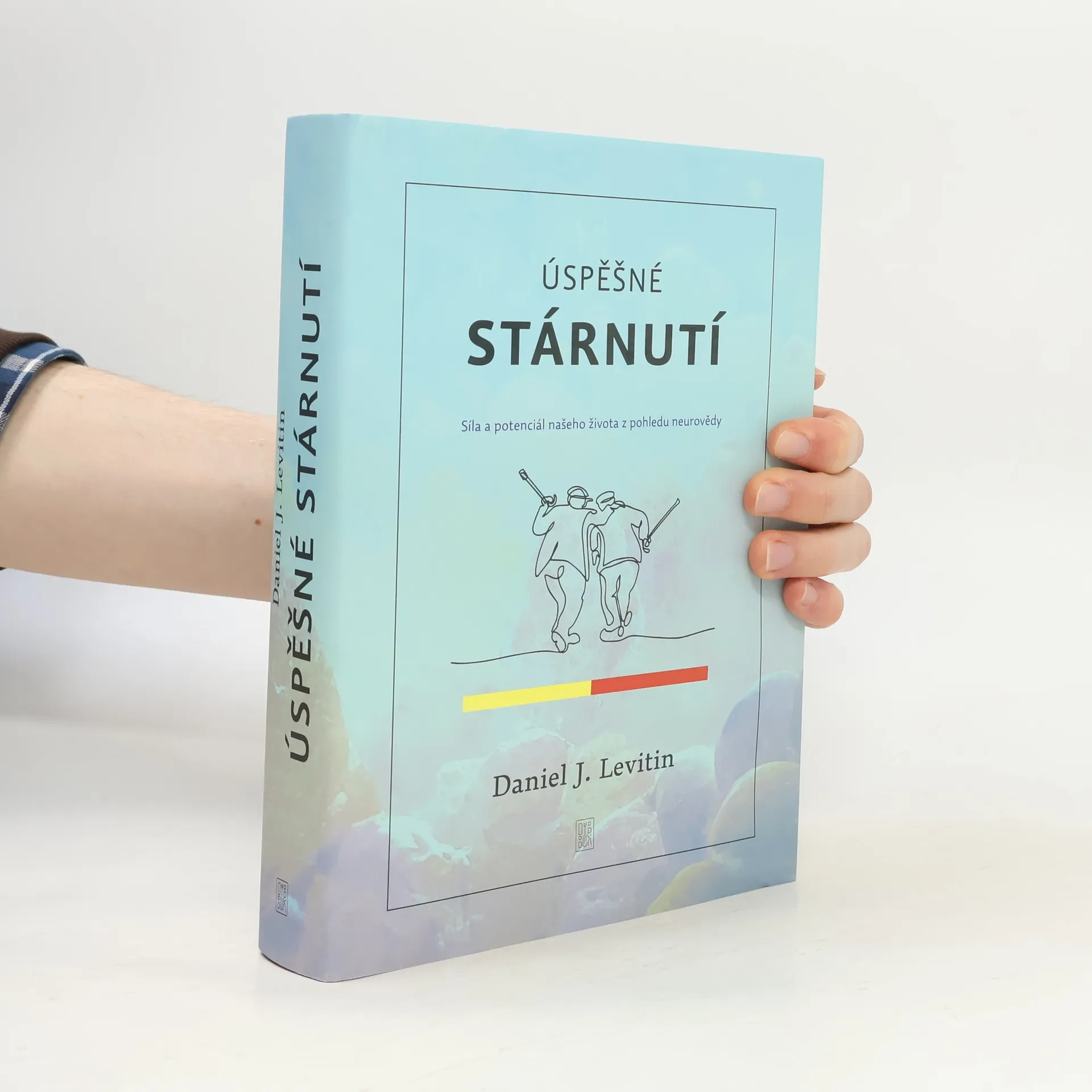
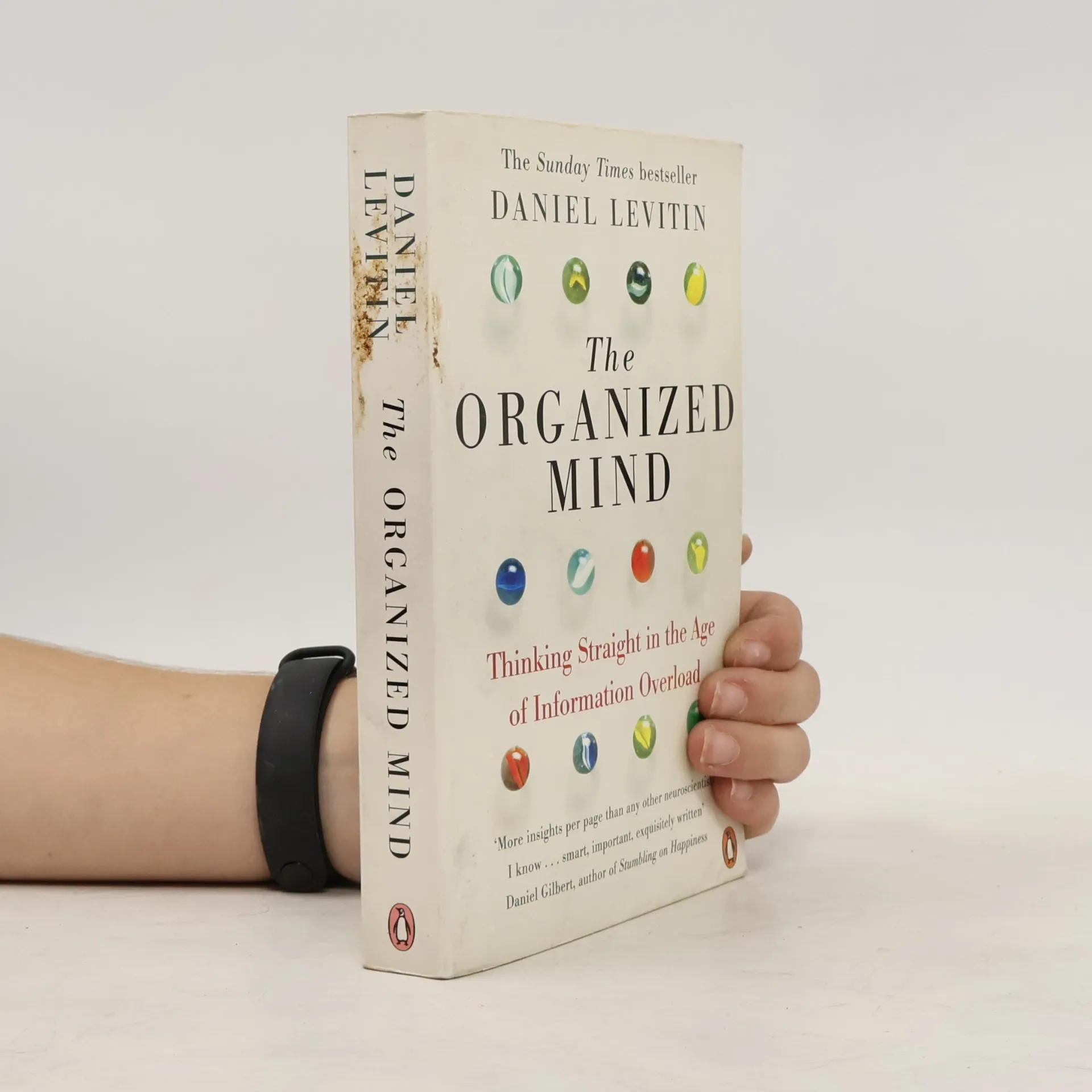
Analysing how and why our brains are struggling to keep up with the demands of the digital age, this book takes you through every aspect of modern life, from healthcare to online dating to raising kids, showing that the secret to success is always organization.
Exploring the transformative effects of music, this book delves into its profound healing capabilities, supported by recent scientific research. It reveals how music can reduce stress, enhance cognitive functions, and even combat neurodegenerative diseases. The author, a neuroscientist and musician, presents innovative concepts like 'rhythmic auditory stimulation' for treating conditions such as PTSD and multiple sclerosis. Through insights on how music can aid in emotional healing and memory repair, the book celebrates humanity's deep connection to music and its potential as a therapeutic tool.
Every human is born with multifarious potential. Why, then, do parents, schools and employers insist that we restrict our many talents and interests; that we 'specialise' in just one? We've been sold a myth, that to 'specialise' is the only way to pursue truth, identity, or even a livelihood. Yet specialisation is nothing but an outdated system that fosters ignorance, exploitation and disillusionment and thwarts creativity, opportunity and progress. Following a series of exchanges with the world’s greatest historians, futurists, philosophers and scientists, Waqas Ahmed has weaved together a narrative of history and a vision for the future that seeks to disrupt this prevailing system of unwarranted ‘hyper-specialisation.’ In The Polymath, Waqas shows us that there is another way of thinking and being. Through an approach that is both philosophical and practical, he sets out a cognitive journey towards reclaiming your innate polymathic state. Going further, he proposes nothing less than a cultural revolution in our education and professional structures, whereby everyone is encouraged to express themselves in multiple ways and fulfil their many-sided potential. Not only does this enhance individual fulfilment, but in doing so, facilitates a conscious and creative society that is both highly motivated and well equipped to address the complexity of 21st century challenges.
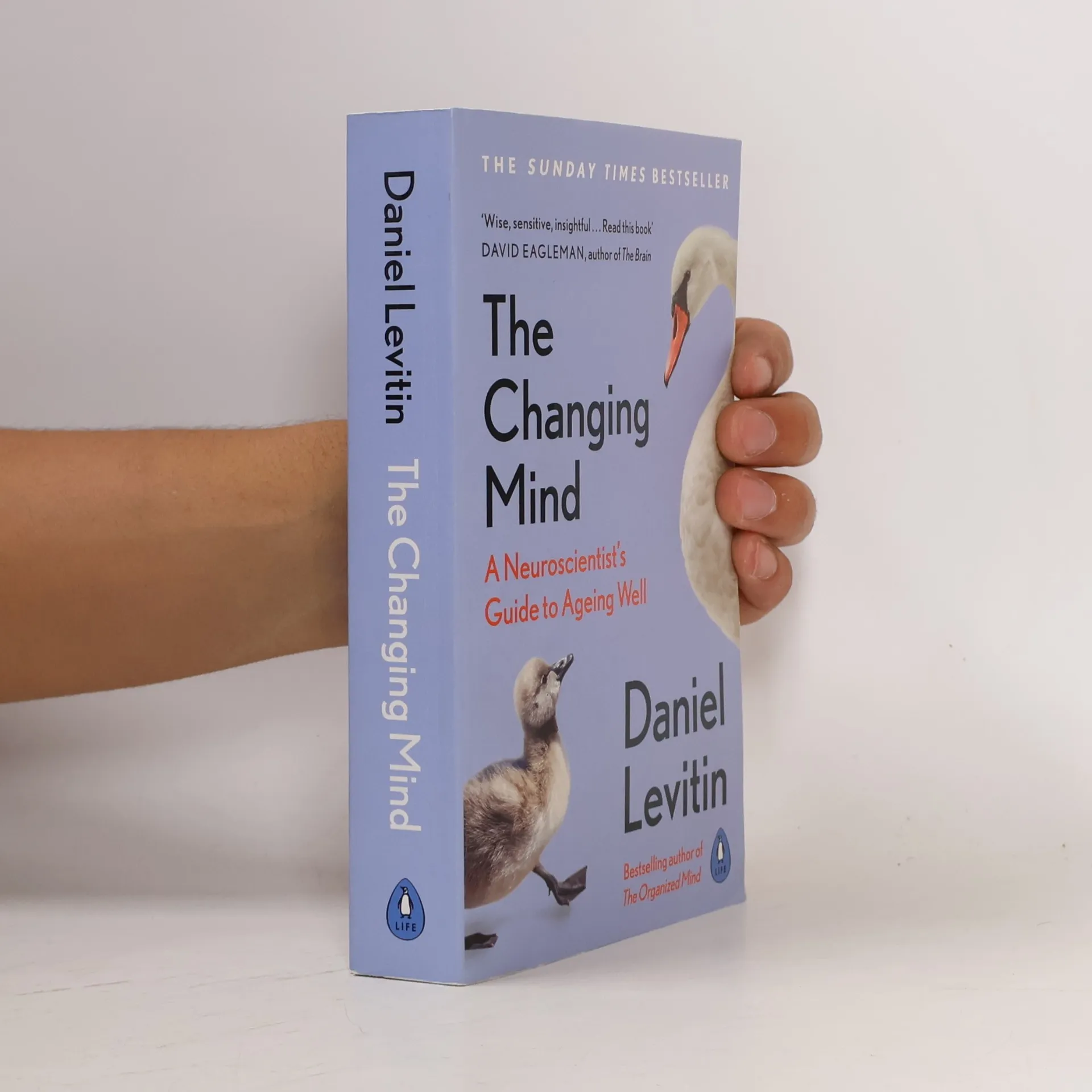
In this ground-breaking book, Dr Daniel Levitin uses cutting-edge research from neuroscience and psychology to demonstrate the importance of the stage that follows the middle-age. Packed with engaging interviews with successful, creative individuals far beyond the conventional age of 'retirement', this book also reflects on challenges many…
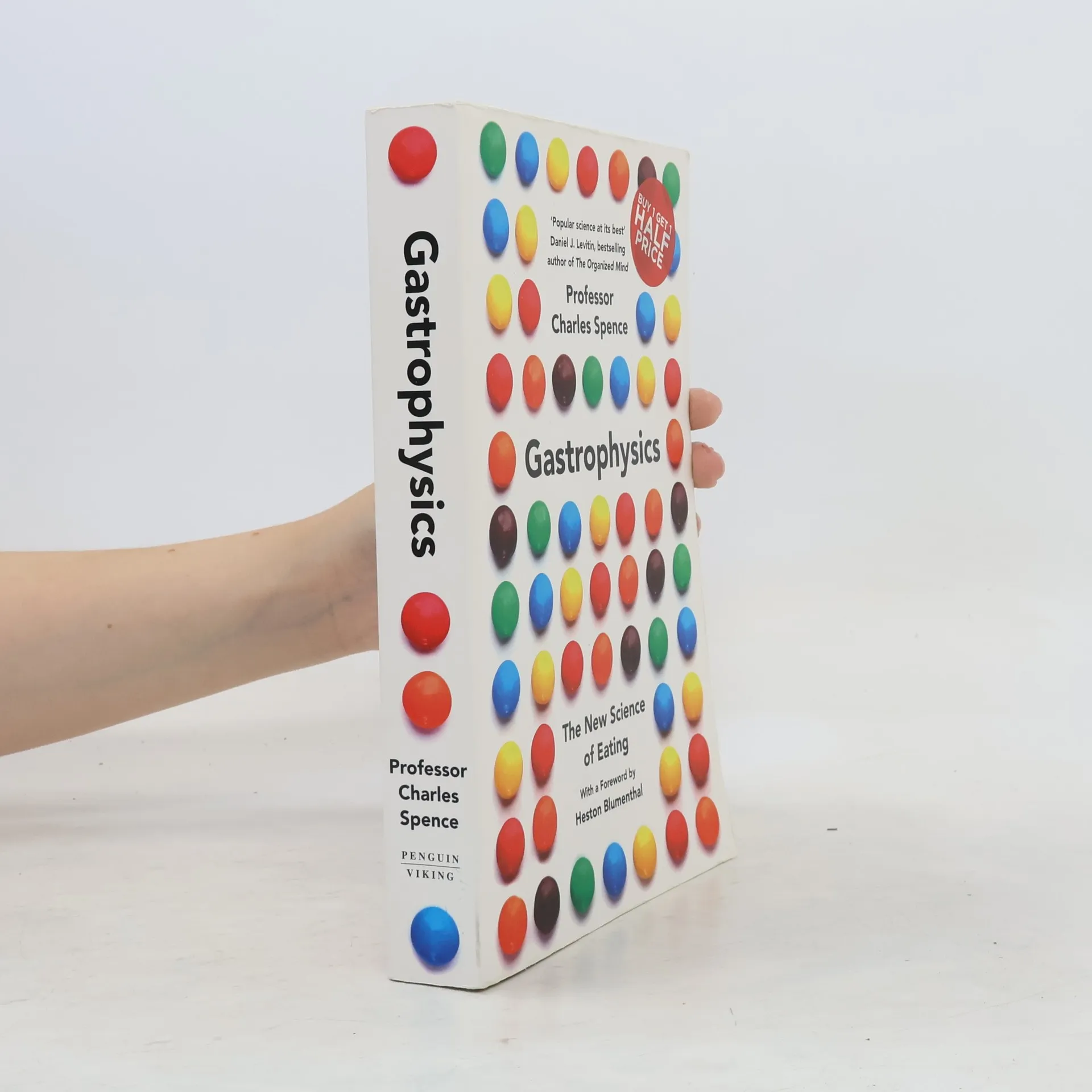
Truly accessible, entertaining and informative. On every page there are ideas to set you thinking and widen your horizons Heston Blumenthal, OBE
Analyzes six evolutionary musical forms while identifying neural impulses that reflect the brain's development in accordance with music, illuminating the sophisticated biological process that accompanies the musical experience.
This is the first book to offer a comprehensive explanation of how humans experience music and to unravel the mystery of our perennial love affair with it. Using musical examples from Bach to the Beatles, Levitin reveals the role of music in human evolution, shows how our musical preferences begin to form even before we are born and explains why music can offer such an emotional experience. Music is an obsession at the heart of human nature, even more fundamental to our species than language. In This Is Your Brain On Music Levitin offers nothing less than a new way to understand it, and its role in human life.
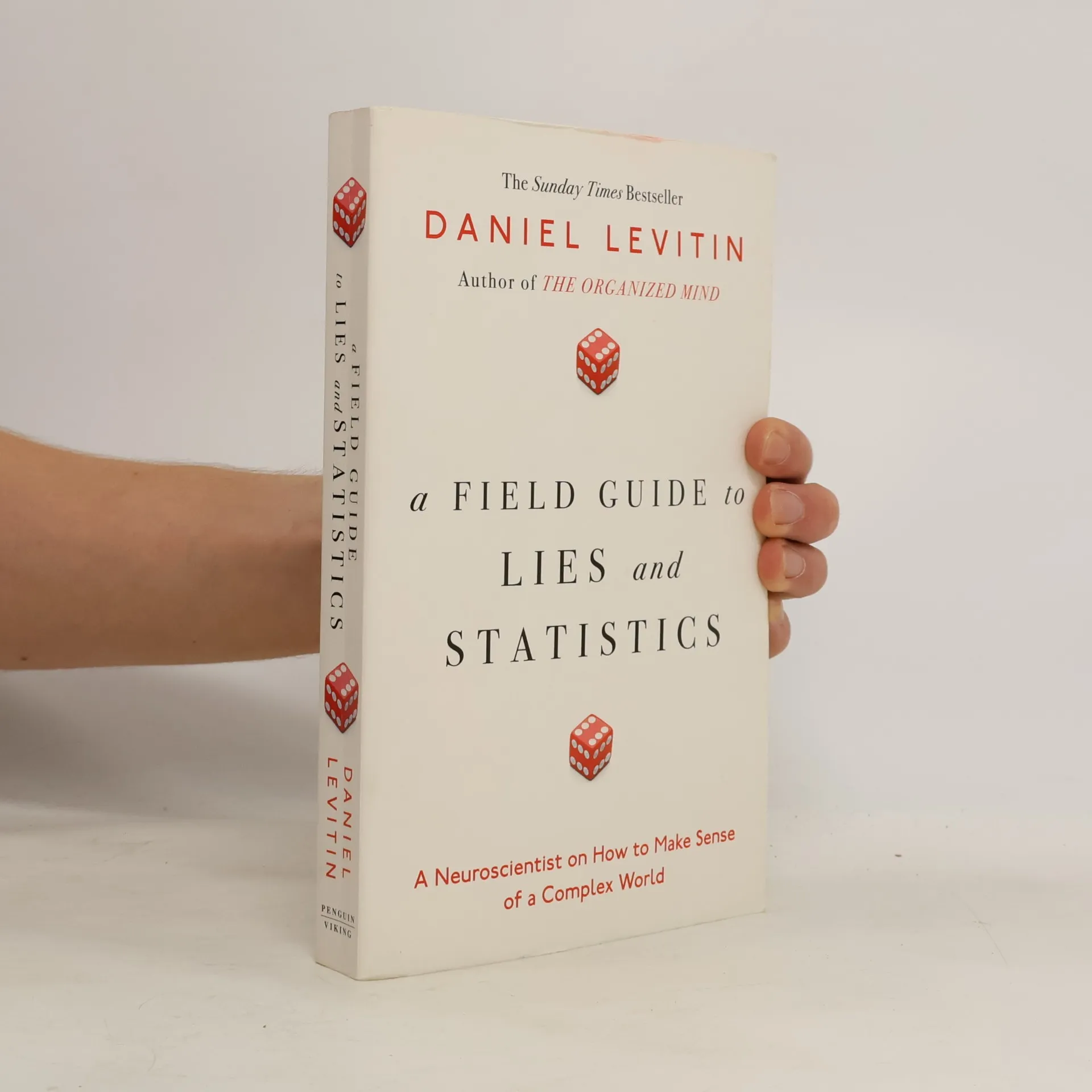
We are bombarded with more information each day than our brains can process, especially in election season. It's raining bad data, half-truths, and even outright lies. Daniel J. Levitin shows how to recognize misleading announcements, statistics, graphs, and written reports revealing the ways lying weasels can use them. This book outlines recommendations for critical thinking practices that meet the challenges of the digital age's misinformation, demonstrating the role of science in information literacy while explaining the importance of skeptical reasoning in making decisions based on online information