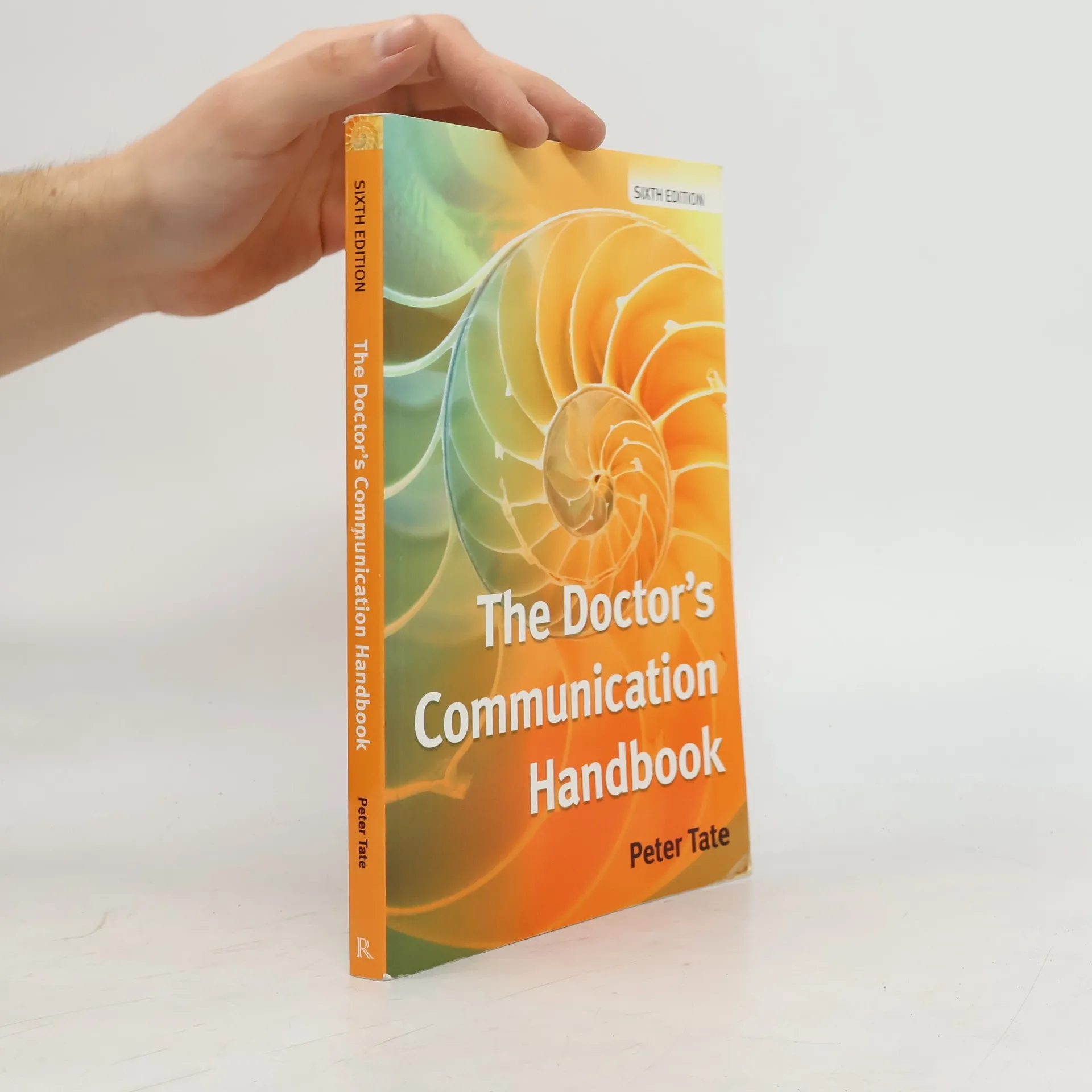
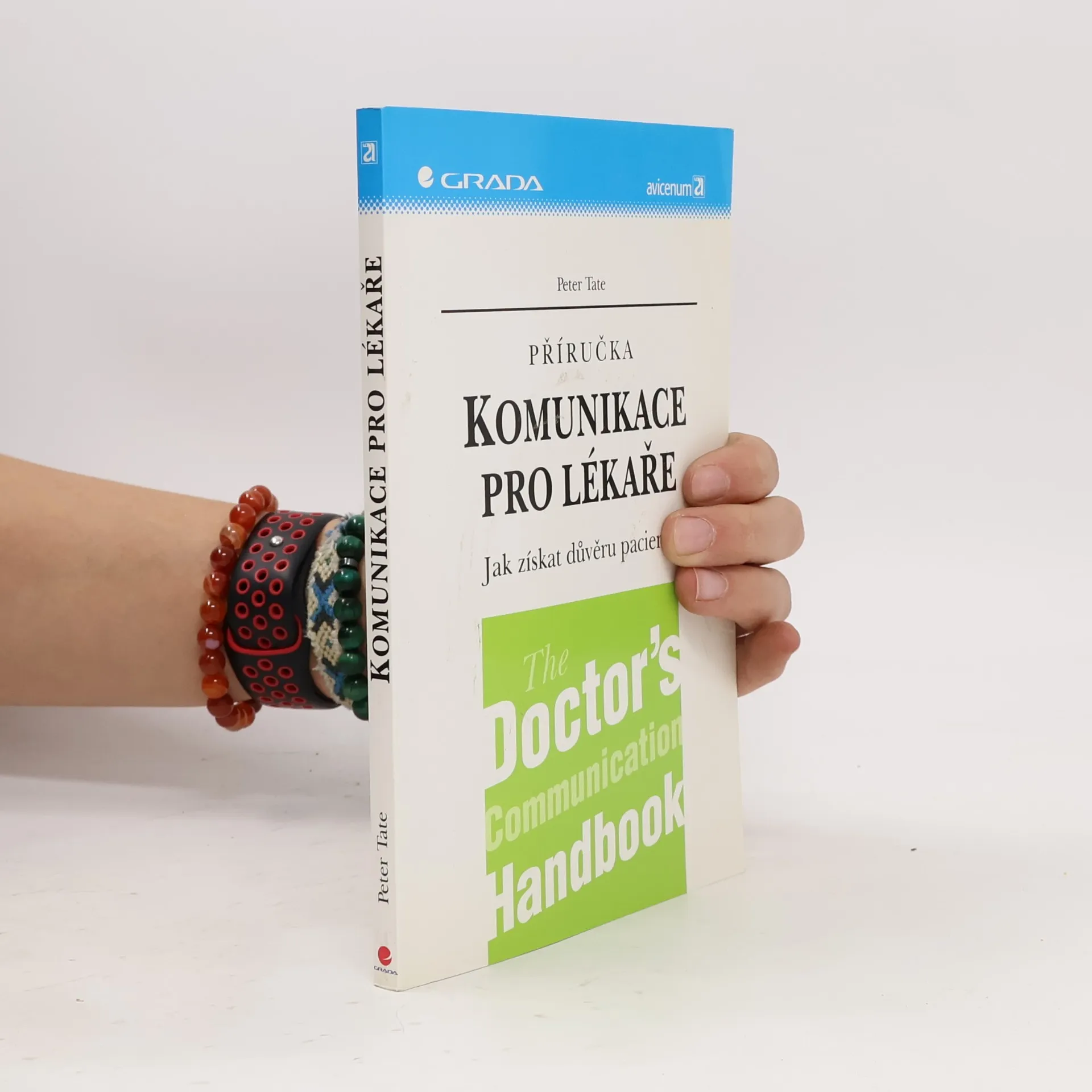
Kniha osvědčeného autora, která je citována v mnoha zahraničních časopisech, se zabývá způsoby komunikace v lékařské ordinaci, různými typy pacientů i pocity lékařů. Nedílnou součástí knihy jsou praktické návody, užitečné strategie i dovednosti, které lékař potřebuje k tomu, aby si udržel pacienty.
This book has established itself as a key text for all doctors, whatever their experience and wherever they practice. The role of doctors is changing: where doctors were once seen as a repository of knowledge and experience, the internet now gives many patients immediate access to a vast amount of detailed information - more than any doctor could expect to hold in their head. As patients become participants, doctors are increasingly adjusting to new roles and forms of communication - from tellers and controllers to listeners, sharers and interpreters. This new edition of The Doctor's Communication Handbook takes these latest developments into account, with an entirely new chapter on the essentials of good doctoring. Conversational in tone and spiced as ever with lighthearted but informative cartoons, it remains a key text for doctors at all levels and in all settings. It will be of particular value to candidates sitting the new Membership of the Royal College of General Practitioners (nMRCGP) examination, particularly the Clinical Skills Examination (CSE), and to undergraduate medical students.
Die Lage in Wales ist ähnlich instabil wie in Nordirland, wenn auch weniger explosiv. Als merkwürdige Nachrichten durchsickern, geraten patriotische Gemüter in Aufruhr. Reporter, Freiheitskämpfer und Idealisten sind entschlossen, der Wahrheit auf den Grund zu gehen, ohne zu ahnen, wie schrecklich und gefährlich ihre Nachforschungen sind. Berichte besagen, dass die Amerikaner planen, chemische Kampfstoffe aus der NATO-Deponie in Caewent nach Cardiff zu transportieren, um sie dann in einem Hafen in West-Wales ins Meer zu kippen. Es wird gemunkelt, dass das Nervengas Sarin in kleinen Kunststoffkapseln, getarnt als Kaffeebohnen, in roten Papiersäcken transportiert werden soll, um den Verdacht der British Railway zu vermeiden. Zudem wird berichtet, dass das Nervengas in einen abgelegenen Bunker in den Brecon Beacons verlagert werden soll, da die NATO-Deponie zu nah an dicht besiedelten Gebieten liegt. Sarin blockiert ein Enzym, das die Muskelbewegungen steuert, was zu Lähmungserscheinungen führt. Der Betroffene kann sich nicht mehr bewegen, und lebenswichtige Funktionen werden beeinträchtigt. Nur eine der vier Informationen ist wahrheitsgetreu – die vierte.