

Richard Newman sa špecializuje na štúdium amerických reformátorov naprieč tromi storočiami, vrátane skorých černošských vodcov, abolicionistov a moderných environmentalistov. Jeho práca sa zaoberá hlbokými zmenami, ktoré títo jednotlivci priniesli americkej spoločnosti, a skúma ich motivácie, stratégie a trvalý dopad na historický vývoj. Newmanov výskum ponúka vhľad do dynamiky sociálnych hnutí a vývoja občianskych práv.
When you were a kid, you naturally knew how to communicate by using body language and words in combination. Somehow, over time, bad habits and fear buried that knowledge. Speech expert Richard Newman shows you how to utilize your body language so it supports rather than undercuts your message. If you're looking for presentation advice, this is a good place to start
Alma Rosé entstammt dem musikalischen Adel Wiens und wurde zur Geigenvirtuosin, die mit ihren „Wiener-Walzermädeln“ durch Europa tourte. Nach dem „Anschluss“ Österreichs emigrierte ihre jüdische Familie nach London. Alma trat in Holland auf, bis sie nicht mehr zurückkehren konnte. Im Dezember 1942 floh sie aus dem besetzten Holland, wurde von der Gestapo in Dijon verhaftet und im Juli 1943 nach Auschwitz-Birkenau deportiert. Dort leitete sie bis zu ihrem Tod im April 1944 die Lagerkapelle, das Mädchenorchester. Der kanadische Musikkritiker Richard Newman zeichnet ein eindrückliches Bild dieser komplexen Persönlichkeit zwischen Glamour und Tragödie. Die Biographie basiert auf der Korrespondenz der Familien Mahler und Rosé sowie dem Nachlass von Almas Bruder Alfred, der nach Kanada emigrierte. Anita Lasker-Wallfisch, Cellistin im Frauenorchester von Auschwitz-Birkenau, beschreibt Alma als eine stolze Frau, die das Orchester mit ihrem Wahnsinn in den Bann zog und deren Einfluss den Überlebenden zu verdanken ist. Alma schrieb am 20. November 1941 an ihren Bruder Alfred und drückte ihre Sehnsucht nach einem Wiedersehen aus, was der letzte Brief war, der ihn erreichte.
"At Auschwitz, Alma led a women's orchestra - the only women's musical ensemble in the Nazi camps. With violin and baton, steely will and dauntless spirit, she molded a terrified collection of young musicians into an orchestra that became their sole hope of survival. The orchestra women maintained high standards and discipline to play music for the pleasure of their Nazi captors; in exchange they remained alive. Alma saved the lives of some four dozen members of the orchestra; not one was sent to the gas, though she herself died in the camp of sudden illness."--BOOK JACKET.
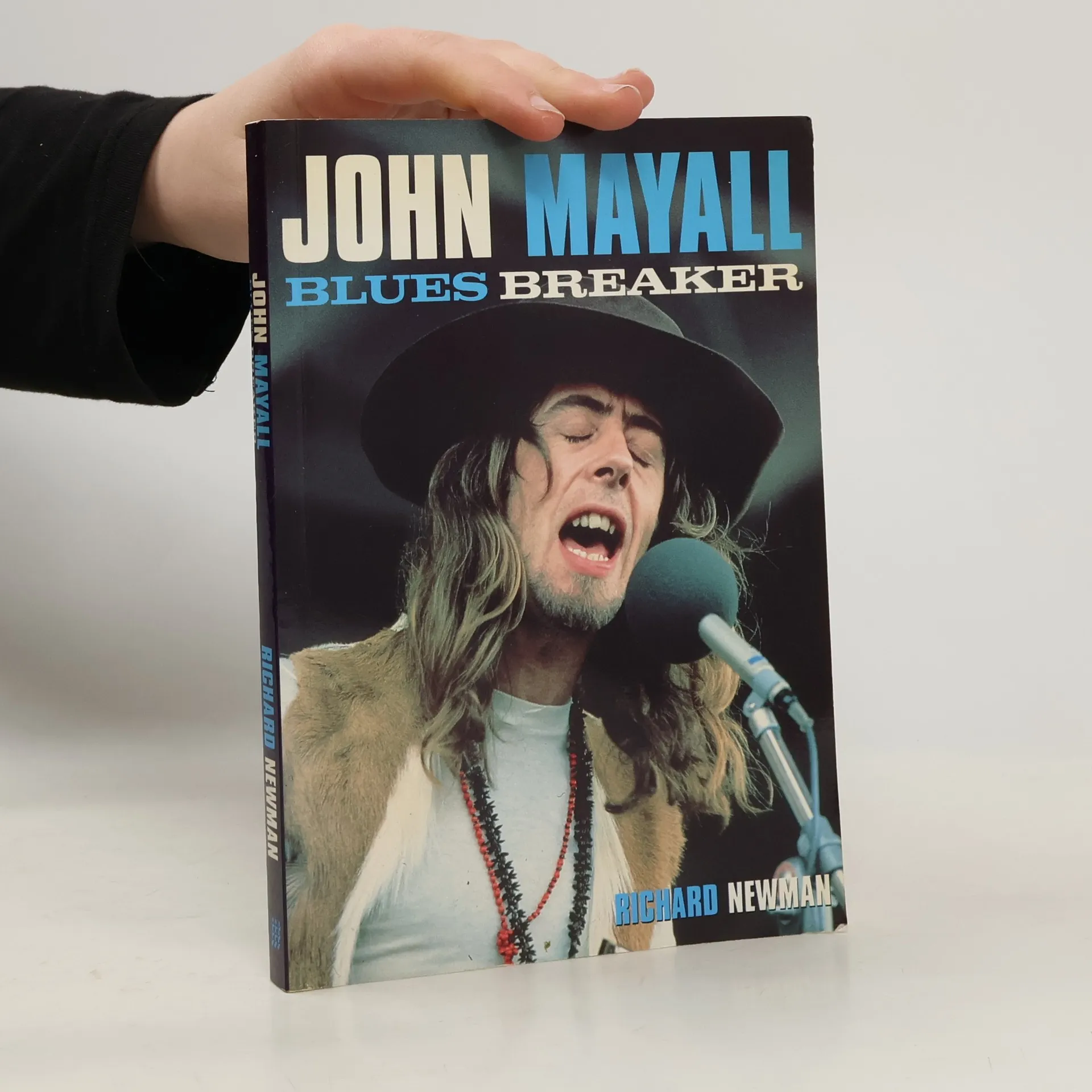
John Mayall will forever be associated with a moment in the history of British rock music that produced three of the finest guitarists of our time: Eric Clapton, Peter Green, and Mick Taylor. But while they may subsequently have eclipsed Mayall's fame, they have never surpassed his influence. A celebration of these achievements, John Mayall Blues Breaker offers a unique insight into the development of rock.