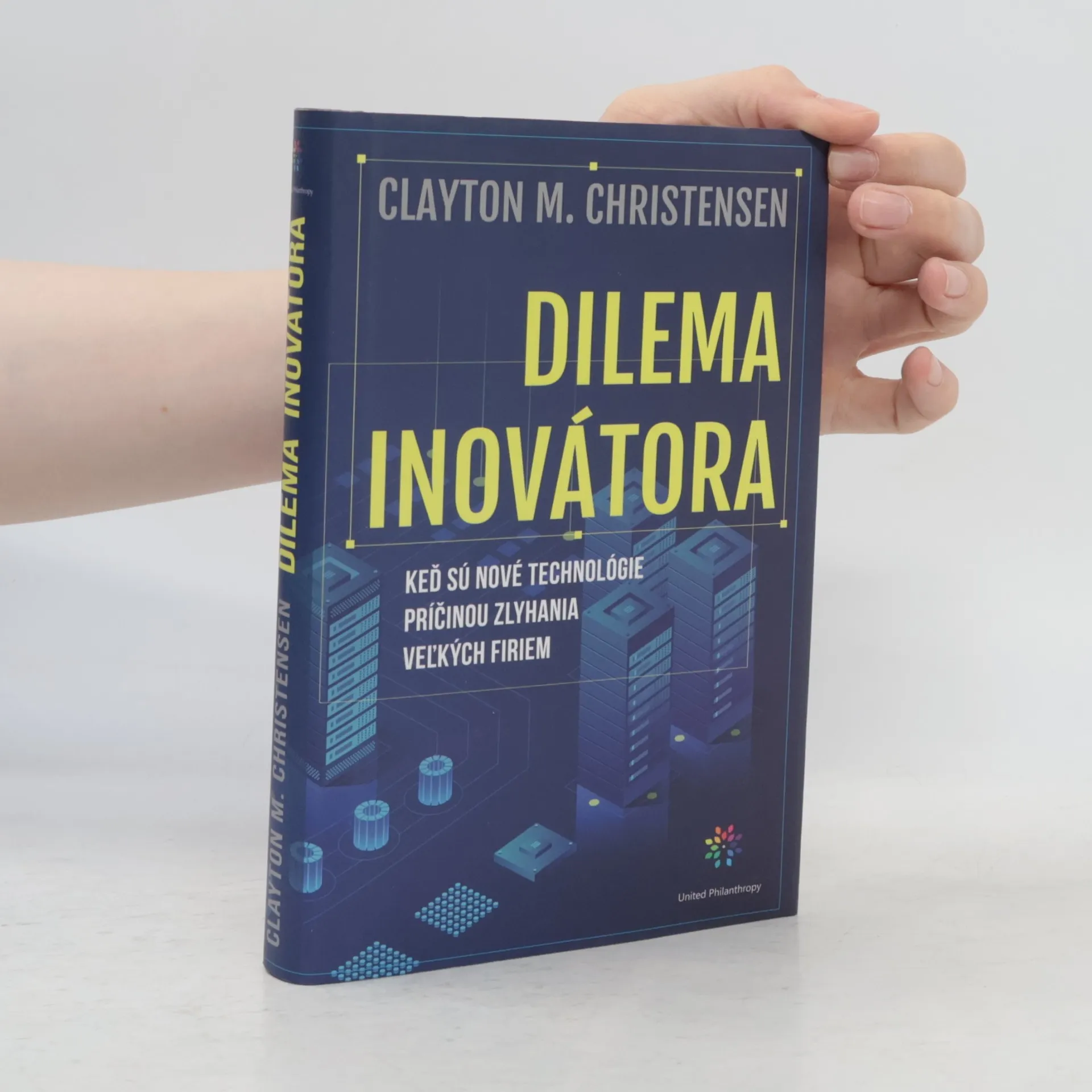
Dilema inovátora: Keď sú nové technológie príčinou zlyhania veľkých firiem
- 314 stránok
- 11 hodin čítania


Clayton M. Christensen bol profesorom obchodnej administratívy na Harvard Business School, známy svojim štúdiom inovácií v komerčných podnikoch. Jeho teória disruptívnych technológií bola prvýkrát formulovaná v jeho knihe The Innovator's Dilemma. Skúmal, ako sa firmy môžu prispôsobiť technologickým zmenám a ako môžu menší hráči s novými technológiami narušiť dominantné postavenie zavedených spoločností. Jeho práca ponúka cenné pohľady do stratégií na udržanie konkurencieschopnosti v dynamickom podnikateľskom prostredí.




Globálna chudoba patrí medzi najpálčivejšie problémy sveta. Dlhé roky sme sa spoliehali na inteligentných ľudí s dobrými úmyslami, ktorí mali zmeniť ekonomickú trajektóriu chudobných krajín. Riešenia sa často zakladajú na pokusoch a omyloch, pričom sa predpokladá, že identifikovanie oblastí potrebujúcich pomoc a ich zaplavenie zdrojmi prinesie zmenu. Avšak nádej nie je účinná stratégia. Clayton M. Christensen a jeho spoluautori odhaľujú paradox v našich prístupoch k chudobe; hoci sú naše úsilie ušľachtilé, výsledky sú nekonzistentné a v niektorých prípadoch problémy ešte zhoršili. Mnohé krajiny, ktoré dostali miliardovú pomoc, sú dnes chudobnejšie. Christensen navrhuje nový prístup k riešeniu globálnej chudoby založený na inováciách, ktoré môžu vybudovať celé krajiny. Kniha identifikuje limity tradičných modelov ekonomického rozvoja a ponúka nový rámec pre rast, zameraný na podnikanie a inováciu. Autori uvádzajú úspešné príklady z ekonomického rozvoja v USA a iných krajinách, ako Japonsko, Južná Kórea či Nigéria. Tieto myšlienky môžu pomôcť spoločnostiam a krajinám, ktoré túžia po skutočnom a dlhodobom raste. Kniha je výzvou na akciu pre každého, kto chce prispieť k lepšiemu a prosperujúcemu svetu.
The foremost authority on innovation and growth presents a path-breaking book every company needs to transform innovation from a game of chance to one in which they develop products and services customers not only want to buy, but are willing to pay premium prices for. How do companies know how to grow?
The foremost authority on innovation and growth presents a transformative guide for companies to shift from chance-driven innovation to creating products and services that customers are eager to buy at premium prices. How can businesses ensure growth and develop desirable products? Harvard Business School professor Clayton Christensen, known for his theory of disruptive innovation, provides answers through years of research. He challenges the long-held belief that understanding customers is key to innovation, asserting instead that customers "hire" products to fulfill specific jobs. Success in innovation stems from comprehending these customer jobs rather than merely understanding the customers themselves. This "Jobs to Be Done" approach is exemplified by leading companies and startups like Amazon, Intuit, Uber, Airbnb, and Chobani yogurt. However, the focus of this work is not on celebrating these successes but on predicting future ones. By grasping what drives customers to "hire" a product or service, businesses can enhance their innovation outcomes, crafting offerings that customers are willing to pay a premium for. This book outlines Christensen’s framework, detailing the theory's predictive nature, its real-world applications, and how to effectively leverage the insights it provides for sustainable growth.
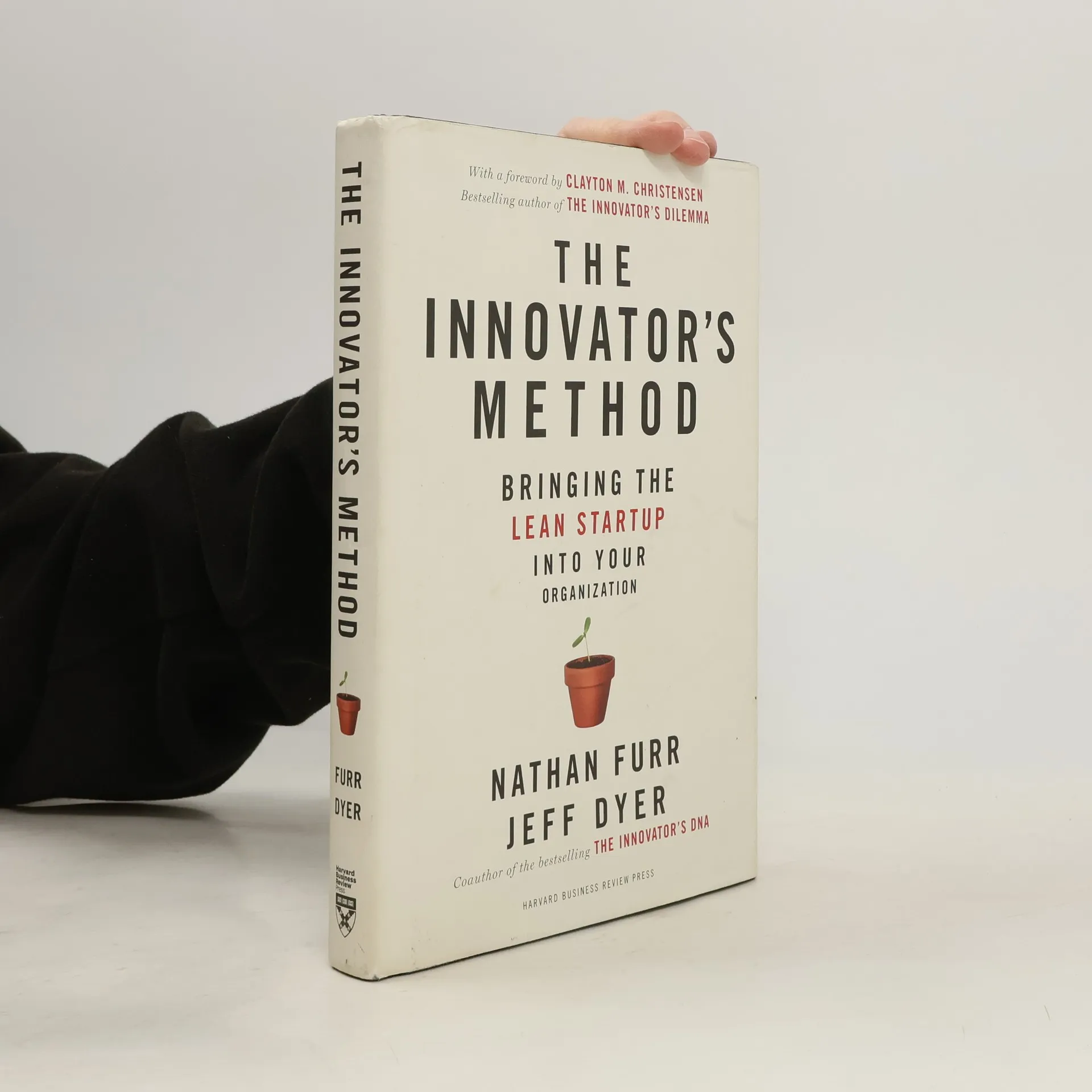
"Call it 'lean start-up, ' 'design thinking, ' or 'agile.' No matter the name, it's clear that a new method is revolutionizing how to successfully create, refine, and bring ideas to market without traditional business planning. But because these ideas and techniques run counter to conventional managerial thinking and practice, managers in established organizations have difficulty implementing them. No longer. Based on field work with thousands of managers and validated inside dozens of companies, innovation experts Nathan Furr and Jeff Dyer show when and how to apply a 'lean start-up' approach to innovation in established businesses"--
Describes what sets market-dominating companies apart and provides a framework you can leverage to surge to the lead in your own industry. This title examines the internal operations of dominant organizations across a wide spectrum of industries, from technology to design and from manufacturing to health care.
How can great companies do everything right - identify real customer needs, deliver excellent innovations, beat their competitors to market - and still fail? The sad truth is that many companies fail because they focus too intensely on their own innovations, and then neglect the innovation ecosystems on which their success depends. In our increasingly interdependent world, winning requires more than just delivering on your own promises. It means ensuring that a host of partners -some visible, some hidden- deliver on their promises, too. In "The Wide Lens," innovation expert Ron Adner draws on over a decade of research and field testing to take you on far ranging journeys from Kenya to California, from transport to telecommunications, to reveal the hidden structure of success in a world of interdependence. A riveting study that offers a new perspective on triumphs like Amazon's e-book strategy and Apple's path to market dominance; monumental failures like Michelin with run-flat tires and Pfizer with inhalable insulin; and still unresolved issues like electric cars and electronic health records, The Wide Lens offers a powerful new set of frameworks and tools that will multiply your odds of innovation success. "The Wide Lens" will change the way you see, the way you think - and the way you win.
Ako si môžem byť istý, že moje vzťahy s manželom/manželkou, deťmi, širšou rodinou a blízkymi priateľmi sa stanú trvalým zdrojom môjho šťastia? Ako si môžem byť istý, že budem vo svojej kariére úspešný a šťastný? Nesľubujeme, že vám táto kniha ponúkne jednoduché odpovede - nájsť ich si vyžaduje tvrdú prácu a môže to trvať desaťročia. Je to však jedna z tých vecí v živote, ktorá naozaj stojí za námahu. Veríme, že táto kniha vám pomôže pokračovať vo vašej ceste tak, aby ste si na konci vedeli dať jednoznačnú odpoveď na otázku, ako budete hodnotiť svoj život.
"Some people are just natural innovators, right? With no apparent effort, they discover ideas for new products, services, and entire businesses. It may look like innovators are born, not made. But according to Jeffrey Dyer and Hal Gregersen, anyone can become more innovative. How? Master the discovery skills that distinguish innovative entrepreneurs and executives from ordinary managers. In The Innovator's DNA, the authors identify five capabilities demonstrated by the best innovators: ʺ Associating: drawing connections between questions, problems, or ideas from unrelated fields ʺ Questioning: posing queries that challenge common wisdom ʺ Observing: scrutinizing the behavior of customers, suppliers, and competitors to identify new ways of doing things ʺ Experimenting: constructing interactive experiences and provoking unorthodox responses to see what insights emerge ʺ Networking: meeting people with different ideas and perspectives The authors explain how to generate ideas with these skills, collaborate with "delivery-driven" colleagues to implement ideas, and build innovation skills throughout your organization to sharpen its competitive edge. They also provide a self-assessment for rating your own innovator's DNA. Practical and provocative, this book is an essential resource for all teams seeking to strengthen their innovative prowess"--Provided by publisher
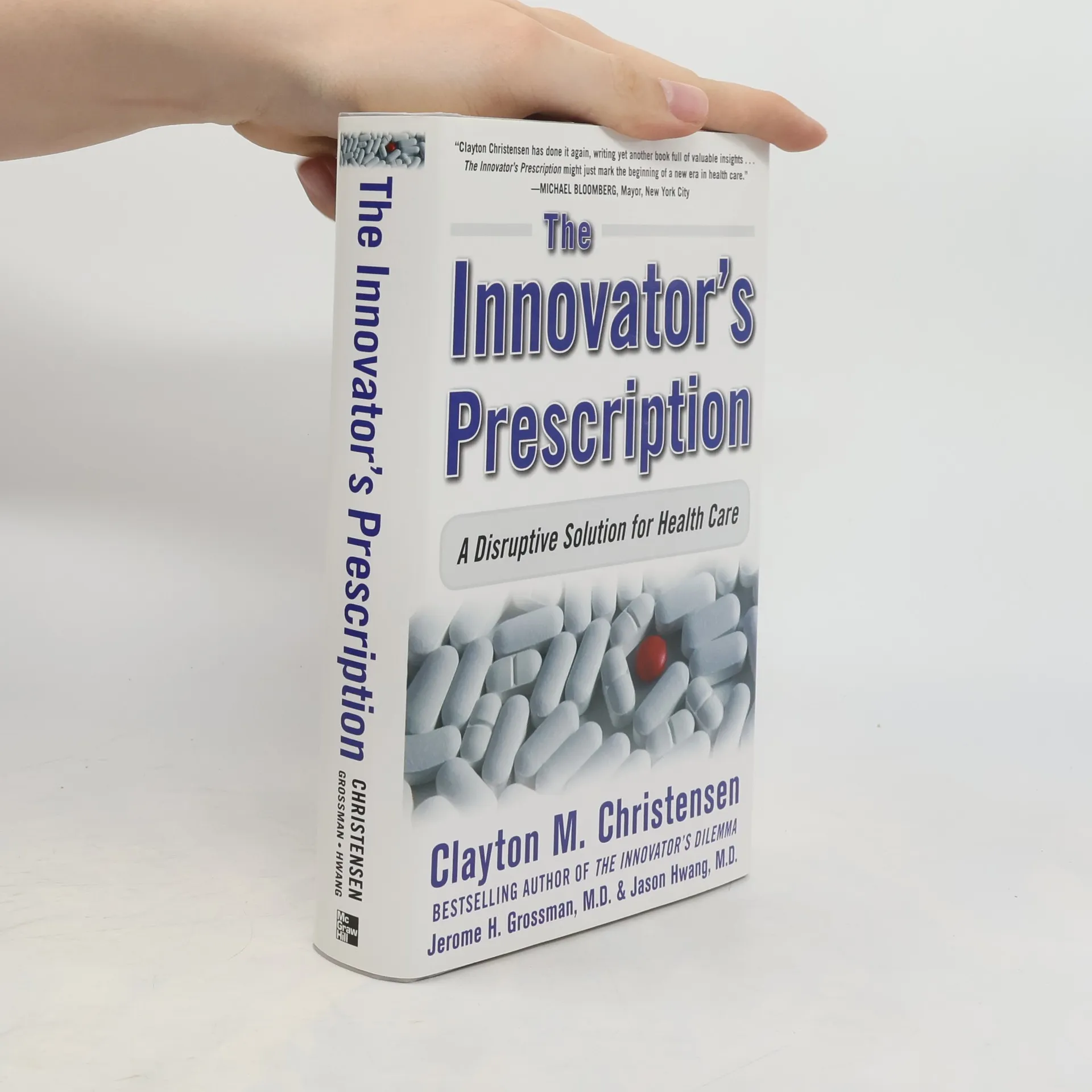
A groundbreaking prescription for health care reform--from a legendary leader in innovation . . . Our health care system is in critical condition. Each year, fewer Americans can afford it, fewer businesses can provide it, and fewer government programs can promise it for future generations. We need a cure, and we need it now. Harvard Business School’s Clayton M. Christensen—whose bestselling The Innovator’s Dilemma revolutionized the business world—presents The Innovator’s Prescription, a comprehensive analysis of the strategies that will improve health care and make it affordable. Christensen applies the principles of disruptive innovation to the broken health care system with two pioneers in the field—Dr. Jerome Grossman and Dr. Jason Hwang. Together, they examine a range of symptoms and offer proven solutions. YOU’LL DISCOVER HOW “Precision medicine” reduces costs and makes good on the promise of personalized care Disruptive business models improve quality, accessibility, and affordability by changing the way hospitals and doctors work Patient networks enable better treatment of chronic diseases Employers can change the roles they play in health care to compete effectively in the era of globalization Insurance and regulatory reforms stimulate disruption in health care
Innowacje stanowią o przewadze konkurencyjnej firmy oraz realnie przekładają się na jej zysk. Z tego względu prowadzenie badań nad jakimś rozwiązaniem czy też odkrycie czegoś nowego, nie stanowi o innowacyjności przedsiębiorstwa. Dopiero pomyślne wzdrożenie rozwiązań do własnego modelu biznesowego może świadczyć o innowacyjności firmy - jej potencjale do wypracowania, ale i zastosowania nowego rozwiązania w praktyce.
Every day, individuals take action based on how they believe innovation will change industries. Yet these beliefs are largely based on guesswork and incomplete data and lead to costly errors in judgment. Now, internationally renowned innovation expert Clayton M. Christensen and his research partners Scott D. Anthony and Erik A. Roth present a groundbreaking framework for predicting outcomes in the evolution of any industry. Based on proven theories outlined in Christensen's landmark books The Innovator's Dilemma and The Innovator's Solution, Seeing What's Next offers a practical, three-part model that helps decision-makers spot the signals of industry change, determine the outcome of competitive battles, and assess whether a firm's actions will ensure or threaten future success. Through in-depth case studies of industries from aviation to health care, the authors illustrate the predictive power of innovation theory in action.
Creating and Sustaining Successful Growth
"In his worldwide bestseller The Innovator's Dilemma, Christensen explained how industry leaders get blindsided by disruptive innovations precisely because they focus too closely on their most profitable customers and businesses. The Innovator's Solution shows how companies get to the side of this dilemma, creating disruptions rather than being destroyed by them." "Drawing on years of in-depth research and illustrated by company examples across many industries, Christensen and Raynor argue that innovation can be a predictable process that delivers sustainable, profitable growth. They identify the forces that cause managers to make bad decisions as they package and shape new ideas - and offer new frameworks to help managers create the right conditions, at the right time, for a disruption to succeed." "Revealing counterintuitive insights that will change your perspective on innovation forever, this landmark book shows how to create a disruptive growth engine that fuels ongoing success."--Jacket.
Of organizations that seek strategic change, 70% fail. In Leading Strategic Change,now in paperback, leading consultants J. Stewart Black and Hal B. Gregersen examine the core organizations fail to change because individuals fail to change. Black and Gregersen identify the "brain barriers" that keep strategic change from success--failure to see, failure to move, and failure to finish--and offer a start-to-finish strategy for helping others change how they view their goals and the steps they must take to achieve them. This book systematically shows you how to implement the single change that makes all the others redirecting individuals' ideas and expectations to be aligned with the new direction of the company.
Examines how companies can create a balance between marketing cutting-edge technology and anticipating customer demand.