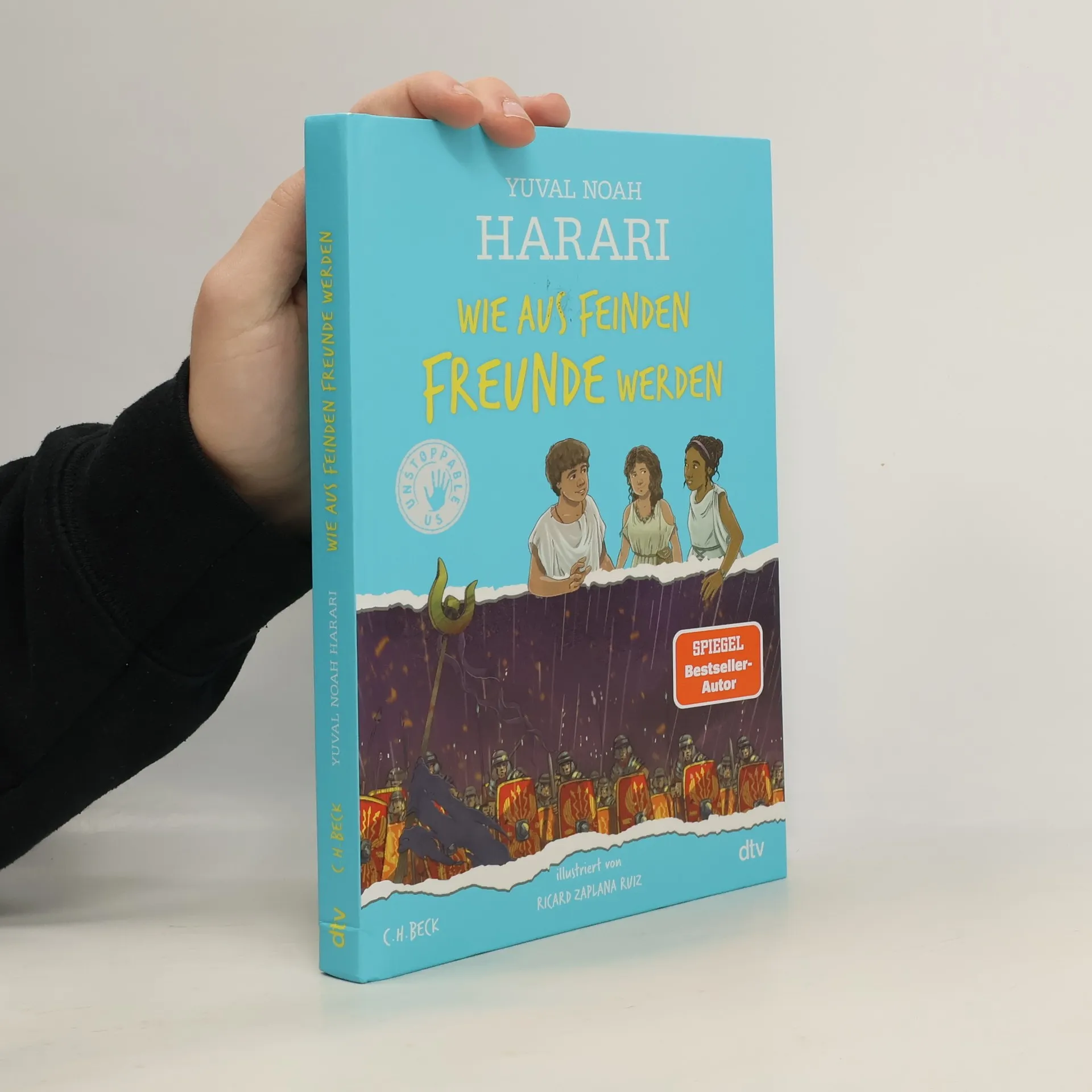
Wie wir die Macht des Wissens entdeckten und wie wir es zu unserem Wohl einsetzen können Kaum etwas hat das Leben der Menschen so stark verändert wie die wissenschaftliche Revolution. Durch sie entdeckten wir unbekannte Territorien, bekämpften Hunger und Krankheiten und erlangten einen nie gekannten Wohlstand. Doch der Fortschritt hat auch negative Seiten: Völker wurden bekämpft, die Umwelt zerstört und die Atombombe bedroht die Menschheit. Mit der künstlichen Intelligenz kommt ein neuer Player ins Spiel, der der Vorherrschaft der Menschen auf der Erde ein Ende bereiten könnte. Wie kann es uns Menschen gelingen, diese Entwicklungen in die richtigen Bahnen zu lenken? Wie können wir dank unseres Wissens unseren Planeten und die Lebewesen darauf retten? Dieser Frage widmet sich Harari lebendig, klug und unterhaltsam.
Yuval Harari Poradie kníh (chronologicky)
Tento autor sa zaoberá veľkými historickými otázkami a skúma vzťah medzi históriou a biológiou. Skúma jedinečnosť ľudského druhu a to, či sa ľudia v priebehu dejín stali šťastnejšími. Jeho diela často spochybňujú naše chápanie pokroku a skúmajú, či dejiny smerujú k nejakému cieľu. Čitatelia oceňujú jeho schopnosť spojiť rozsiahle historické poznatky s hlbokým zamyslením nad ľudskou kondíciou.

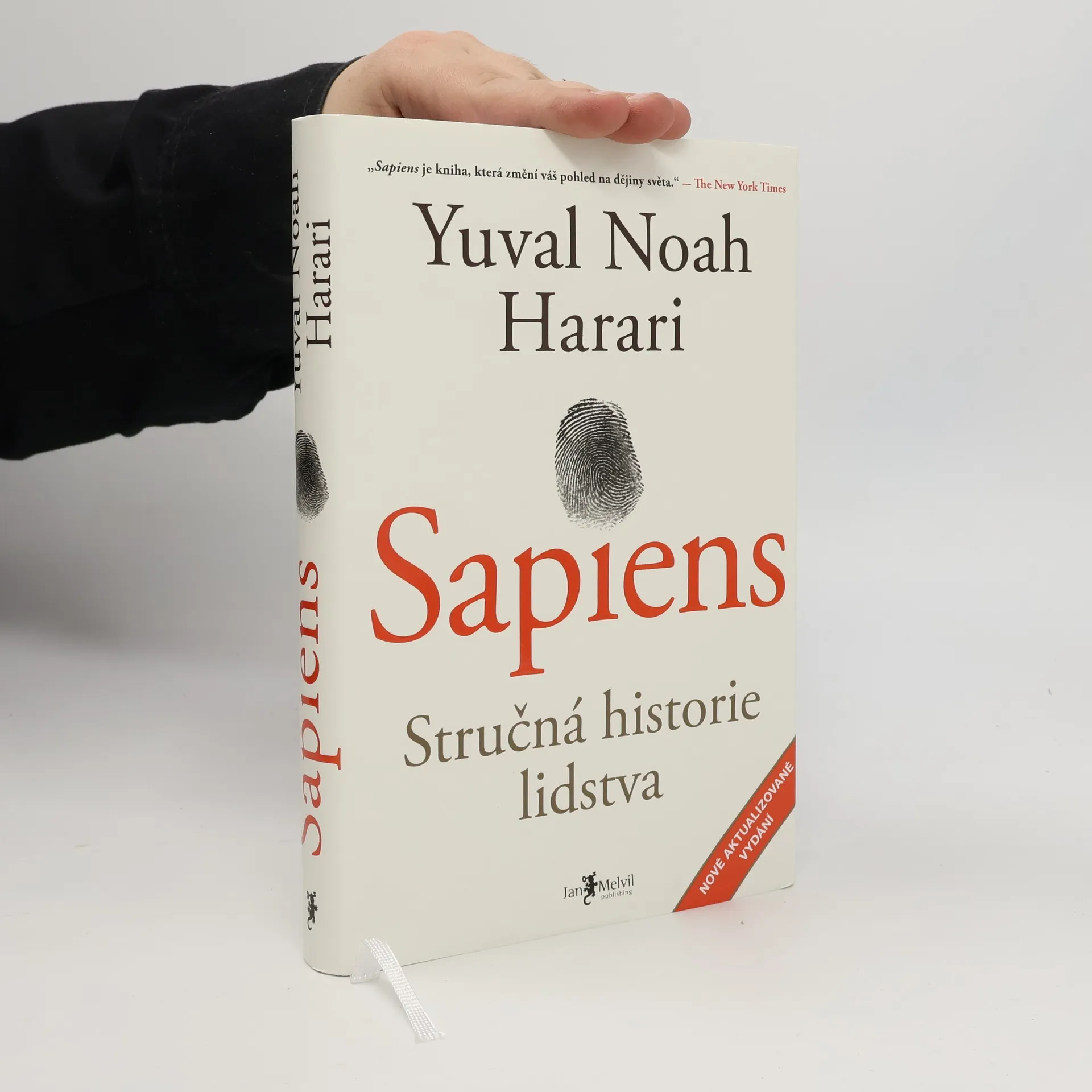
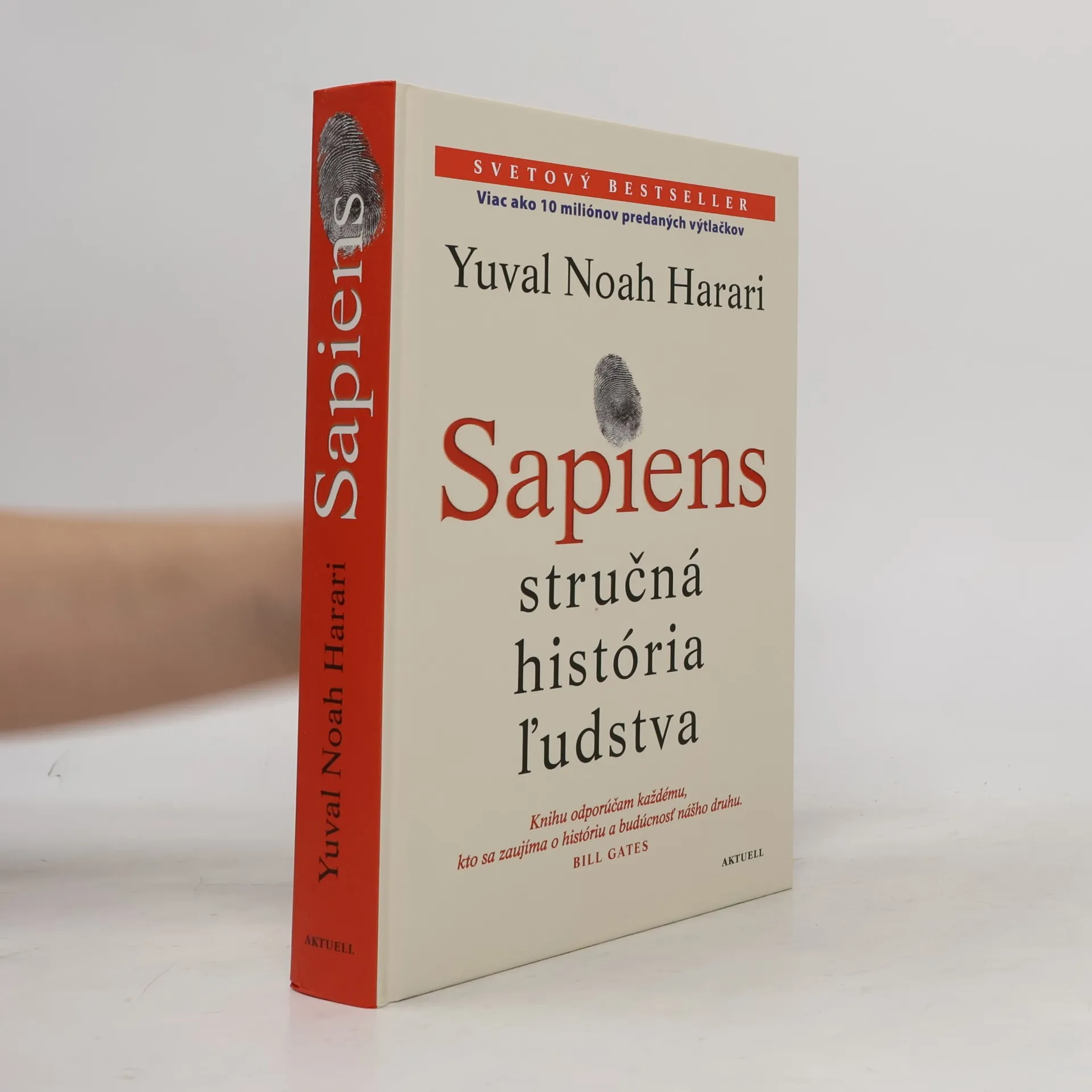
Sapiens
Stručná historie lidstva
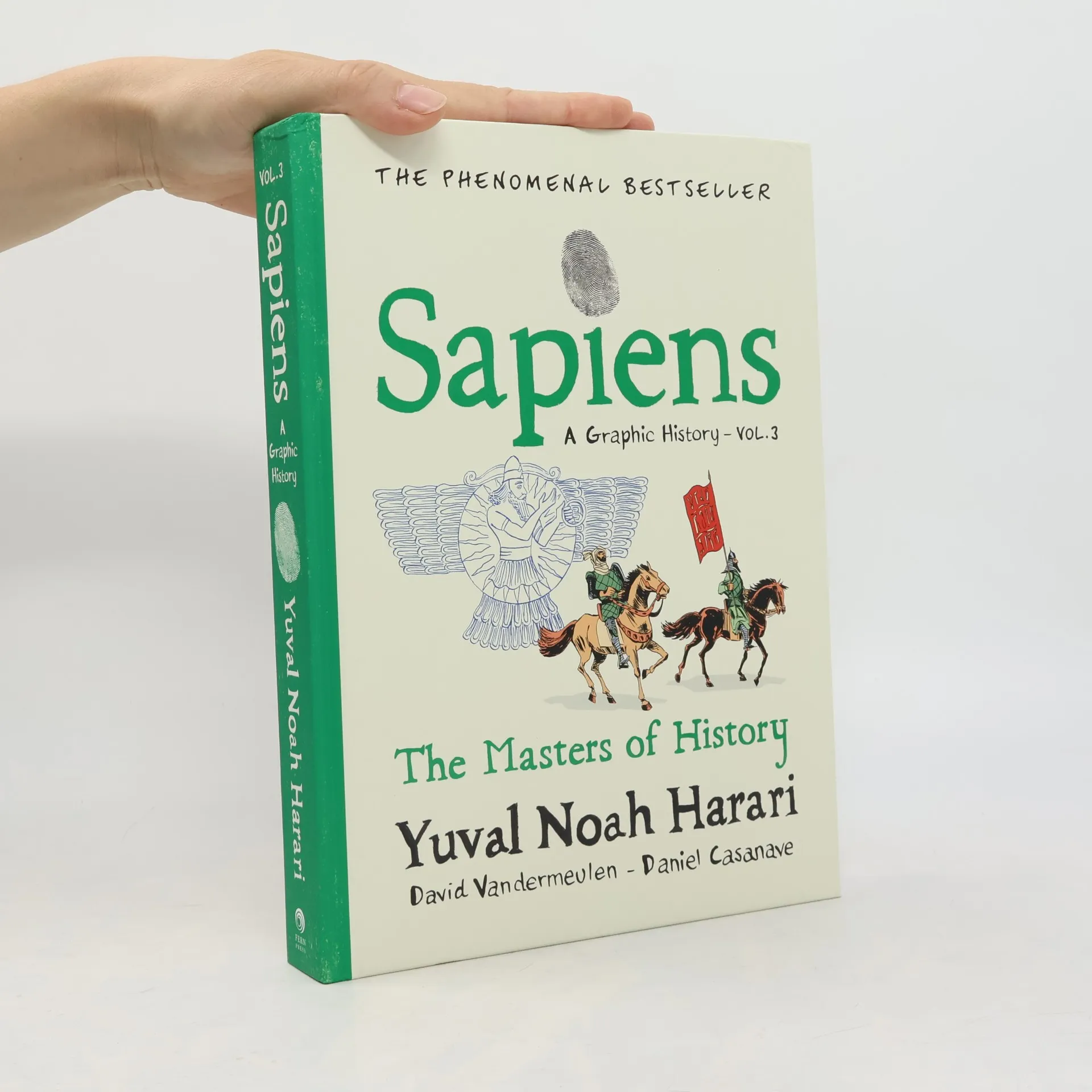
Exploring the dynamics of history, this graphic installment delves into the forces that shape civilizations, including money, religion, and empire. With a humorous guide, Heroda Tush, readers encounter a colorful cast of characters, each representing different historical influences, from luck to conquest. This engaging narrative invites reflection on humanity's turbulent journey and the recurring conflicts that challenge our unity. Ideal for readers of all ages, it can be enjoyed independently or as part of the ongoing series.
Wie aus Feinden Freunde werden
- 192 stránok
- 7 hodin čítania
In seinem neuen Buch untersucht Yuval Noah Harari, warum die Welt nicht friedlich ist und wie Menschen aus verschiedenen Gesellschaften miteinander umgehen. Er beleuchtet historische Begegnungen, Konflikte und friedliche Koexistenz von der Antike bis zum Mittelalter und thematisiert die Herausforderungen des Zusammenlebens verschiedener Kulturen und Religionen.
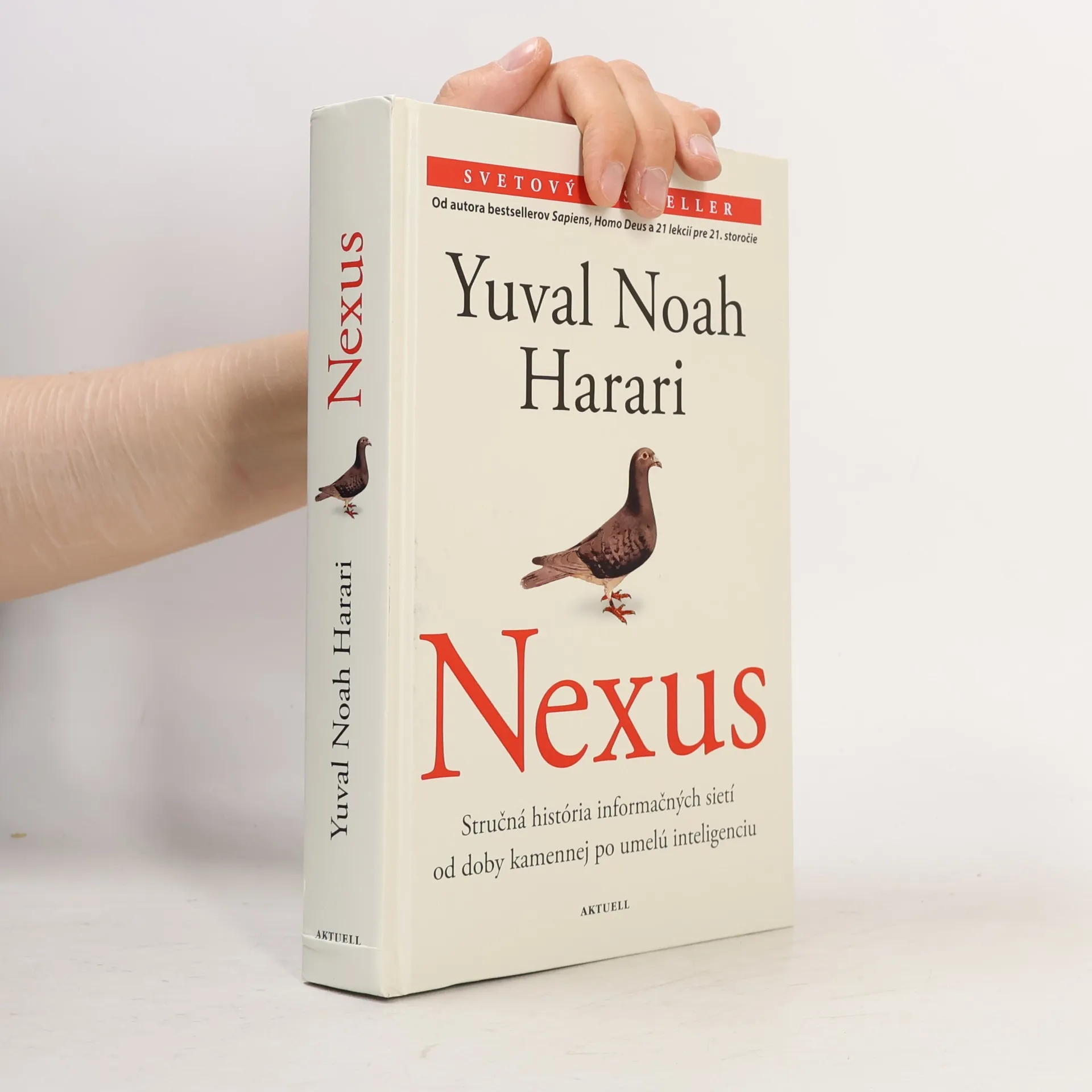
Nexus
Stručná história informačných sietí od doby kamennej po umelú inteligenciu
- 440 stránok
- 16 hodin čítania
Príbeh o tom, ako informačné siete formovali a deštruovali náš svet. Počas posledných 100 000 rokov si ľudia nahromadili obrovskú moc. Napriek všetkým našim objavom, vynálezom a dobytiam sa však nachádzame v existenciálnej kríze. Svet je na pokraji ekologického kolapsu. Dezinformácie sú na vzostupe a rýchlo sa blížime k ére umelej inteligencie – novej informačnej sieti, ktorá nám hrozí vyhladením. Ak sme takí múdri, prečo sme takí sebaubíjajúci? NEXUS skúma, ako tok informácií formoval nás a náš svet. Od doby kamennej cez Bibliu, rané moderné čarodejnícke procesy, stalinizmus, nacizmus až po oživenie populizmu dnes, Yuval Noah Harari nás vyzýva, aby sme zvážili zložitý vzťah medzi informáciami a pravdou, byrokraciou a mytológiou, múdrosťou a mocou. Skúma, ako rôzne spoločnosti a politické systémy využívali informácie na dosiahnutie svojich cieľov, dobrých aj zlých. A zaoberá sa naliehavými voľbami, ktorým čelíme, keď nehumánna inteligencia ohrozuje našu existenciu. Informácie nie sú surovým materiálom pravdy, ani len zbraňou. NEXUS skúma nádejnú strednú cestu medzi týmito extrémami a znovuobjavovanie našej spoločnej humanity.
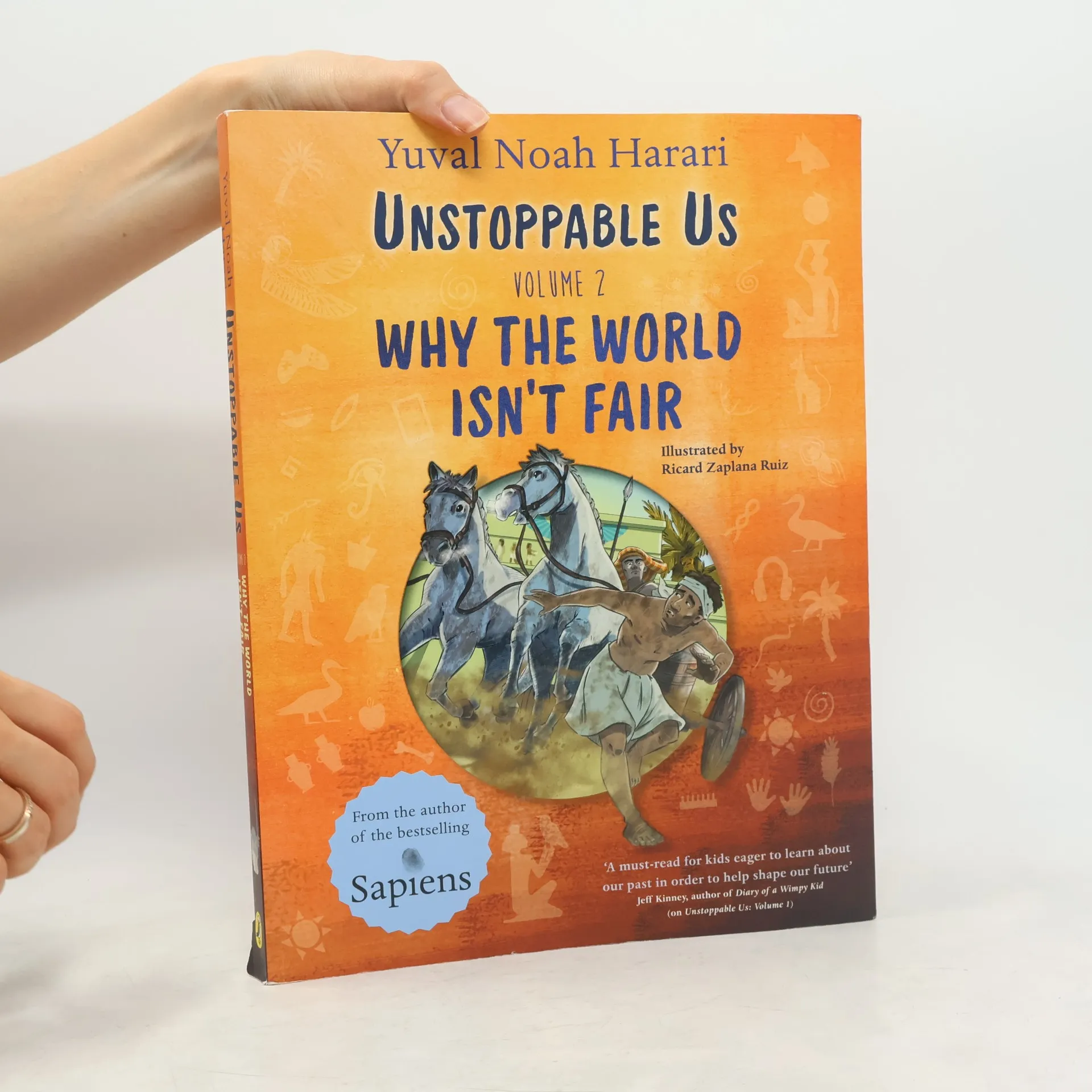
Something really strange happened 10,000 years ago, and it changed everything. Why did millions of people agree to obey a few leaders? Where did kings and kingdoms come from? The answer to that is one of the strangest tales you'll ever hear. And it's a true story. Have you ever wondered how we got here? From gathering berries and hunting mammoths, to shopping at supermarkets and letting people tell us what to do? You might hear a lot of people say 'the world isn't fair'. But why isn't it? And how did it become so? In Unstoppable Us- Volume 1, we learned how humans told stories to become rulers of the world - for good and bad. Now, in this next chapter of the incredible true tale of the Unstoppables, find out how humans learned to control animals like dogs, chicken and cows . . . And how a handful of humans learned to control everyone else. With full-colour illustrations showing the relentless rise and rise of the human race, this is history like you've never experienced it before.
Unstoppable Us, Volume 1
- 208 stránok
- 8 hodin čítania
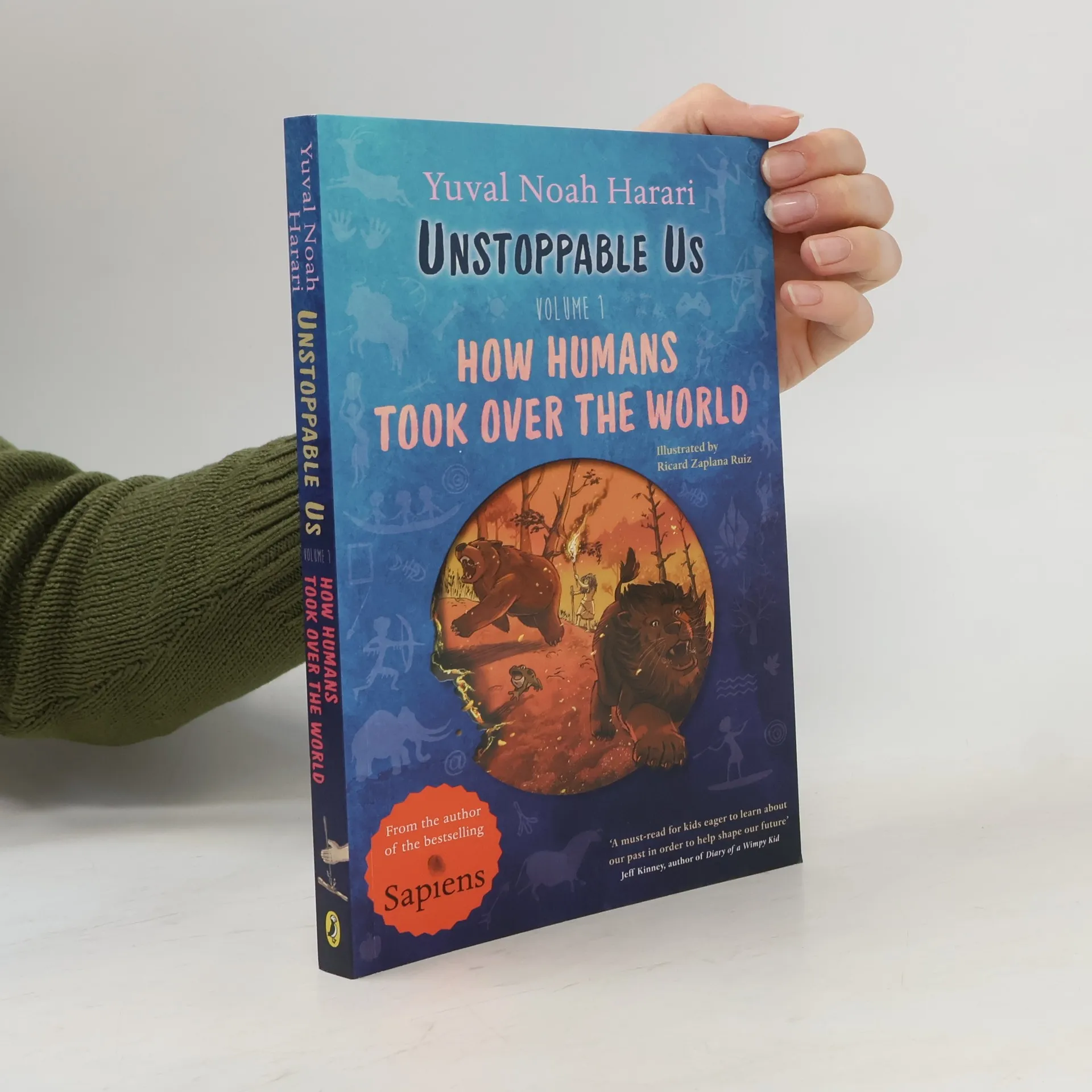
*From the author of the multi-million bestselling Sapiens comes an incredible new story of the human race, for younger readers.* We humans aren't strong like lions, we don't swim as well as dolphins, and we definitely don't have wings! So how did we end up ruling the world? The answer to that is one of the strangest tales you'll ever hear. And it's a true story . . . Have you ever wondered how we got here? From hunting mammoths, to flying to the moon? It is because we are unstoppable. But what made us so? Well, we have the most amazing superpower: the ability to tell stories. Fairy tales have led us from imagining ghosts and spirits to being able to create money (yes, really!). And this has made us very powerful . . . but very deadly. Nothing stands in our way, and we always want more. So get ready for the most amazing story there ever was - the incredible true tale of the Unstoppables. Find out how fire shrank our stomachs, how our ancestors spoke to animals, what football can tell us about being human, how we used our superpower for good and bad . . . and how YOU have the superpower to change the world. With full-colour illustrations showing the relentless rise and rise of the human race, this is history like you've never experienced it before.
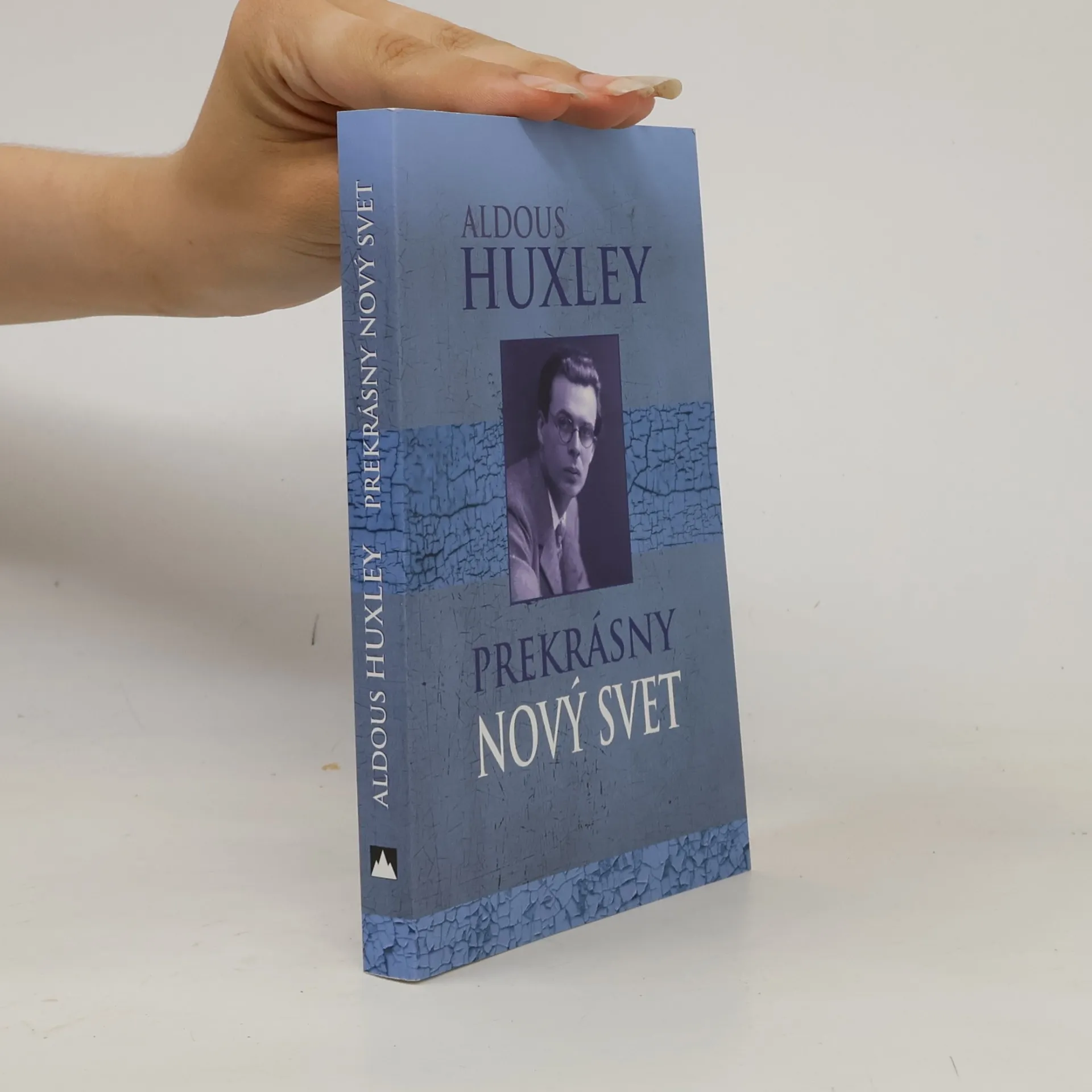
Prekrásny nový svet
- 280 stránok
- 10 hodin čítania
Aldous Huxley, jeden z najvýznamnejších spisovateľských zjavov anglickej a svetovej literatúry minulého storočia, posunul časový rámec hroziacej technizácie a odľudštenia spoločnosti do vzdialenej budúcnosti, ale jeho kritika nestráca adresnosť, hovorí k súčasnosti, hoci od vzniku diela (roku 1932) uplynulo už vyše osemdesiat rokov. Sex ako samozrejmá kategória dosahovania pôžitku, potláčanie identity, rozpad rodiny, snaha mocných uniformizovať myslenie a konanie ľudí roztriedených na kasty, to je niekoľko tém, ktoré Huxley v románe Prekrásny nový svet rozvíja. A na osudoch človeka vrhnutého do tejto supercivilizácie dotykových filmov, narkotických tabletiek a citovej púšte rozohráva autor humanistické posolstvo o potrebe citov, lásky, o hrôze z cynizmu mocných tohto sveta. Huxley skĺbil pútavý dej so závažnou etickou a filozofickou výpoveďou. Pôsobivosť románu sa s plynúcim časom len znásobuje. Lebo súčasný človek, podobne ako Huxleyho „Divoch“, pán Savage, sa nechce zmieriť s ošiaľom síce nového, ale vôbec nie prekrásneho sveta. Nový preklad je prvý kompletný a necenzurovaný.
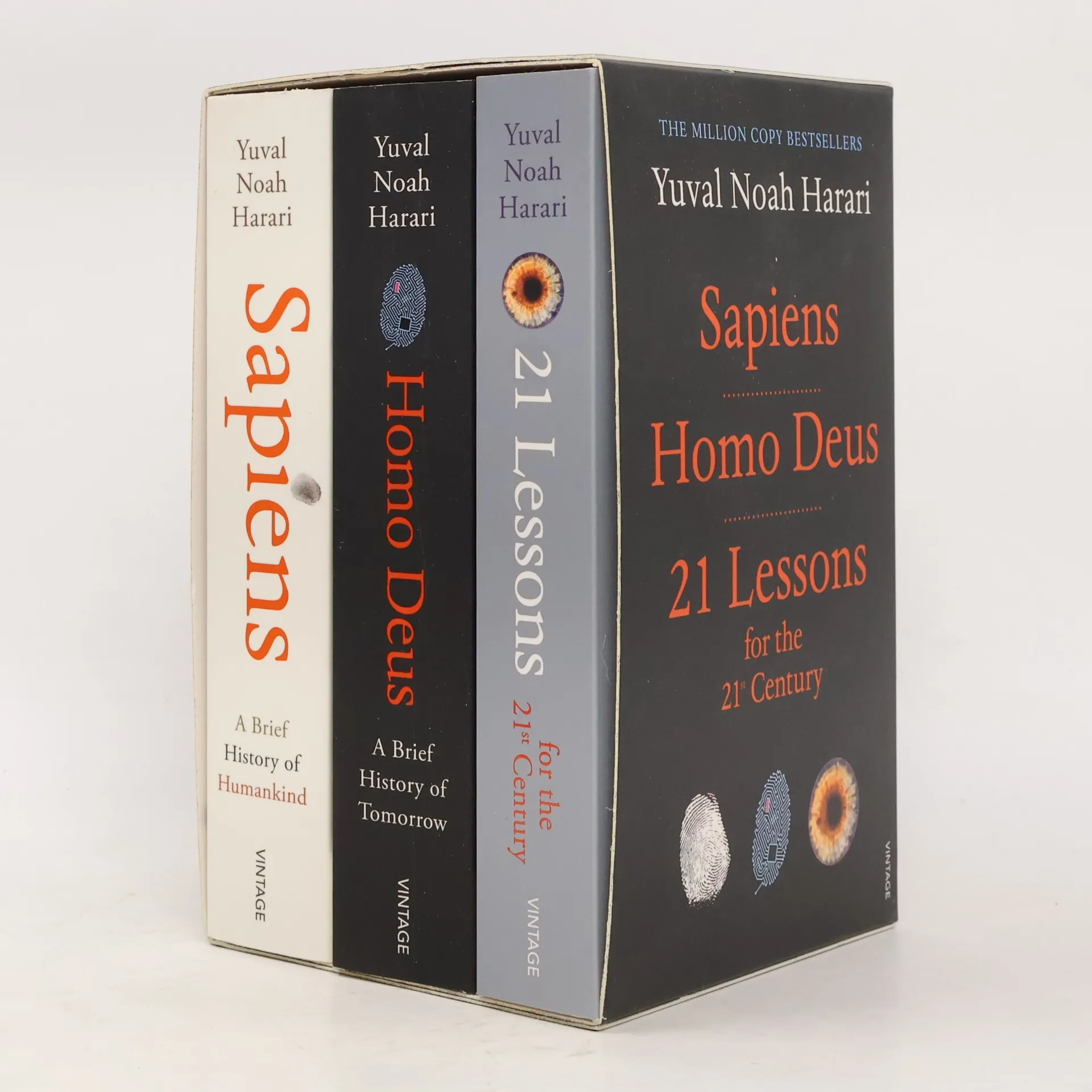
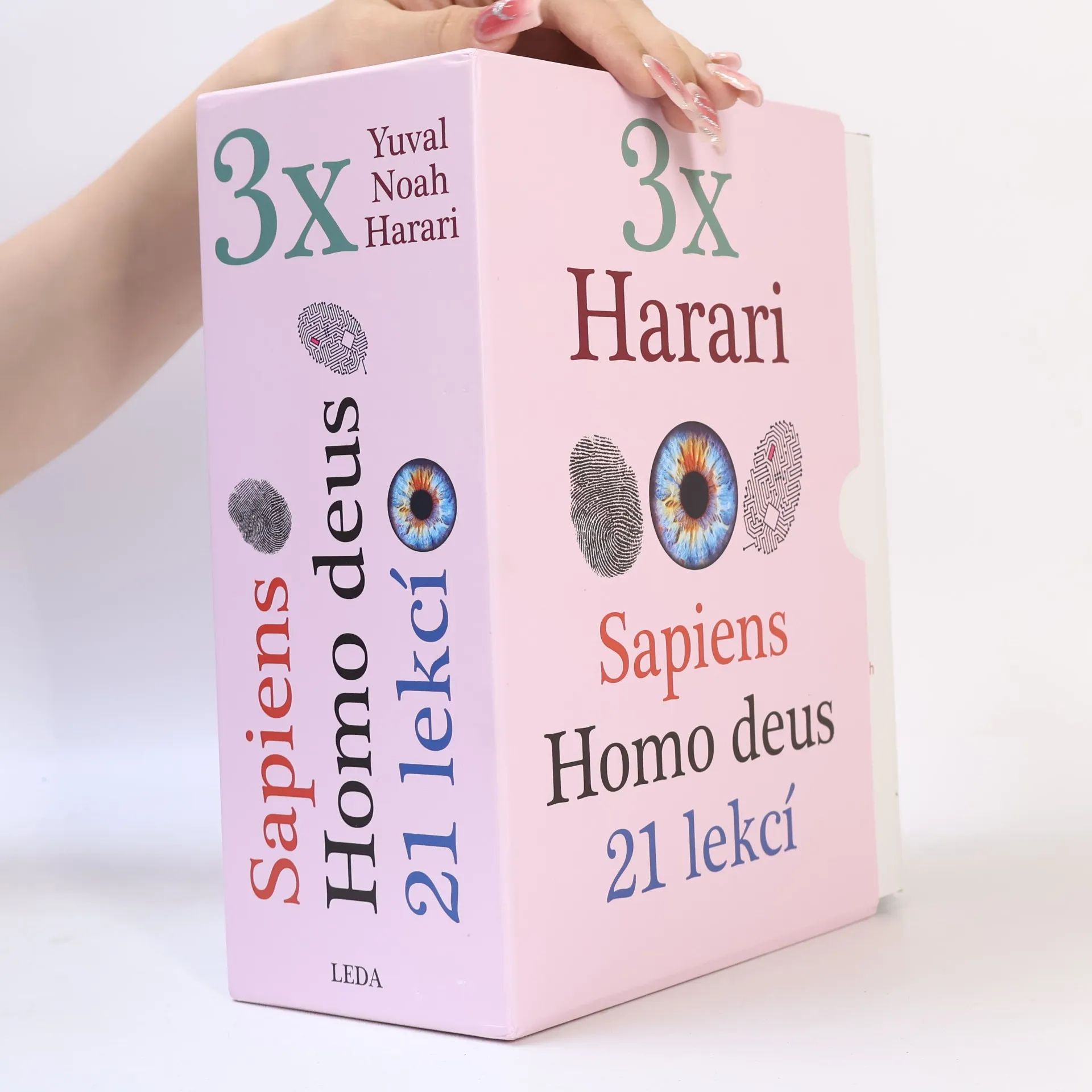
This box set offers the trilogy by Harari, a global phenomenon that has captivated millions of readers. Sapiens is a journey through our past, Homo Deus provides a look at our future, and 21 Lessons for the 21st Century explores our present. The overwhelming success of his trilogy has established Harari as a definitive voice in essayistic literature. This collection condenses his monumental work, projecting the history of humanity from the dawn of man and venturing into our coming days, alongside a lucid analysis of our current reality. An unprecedented approach to the human adventure.
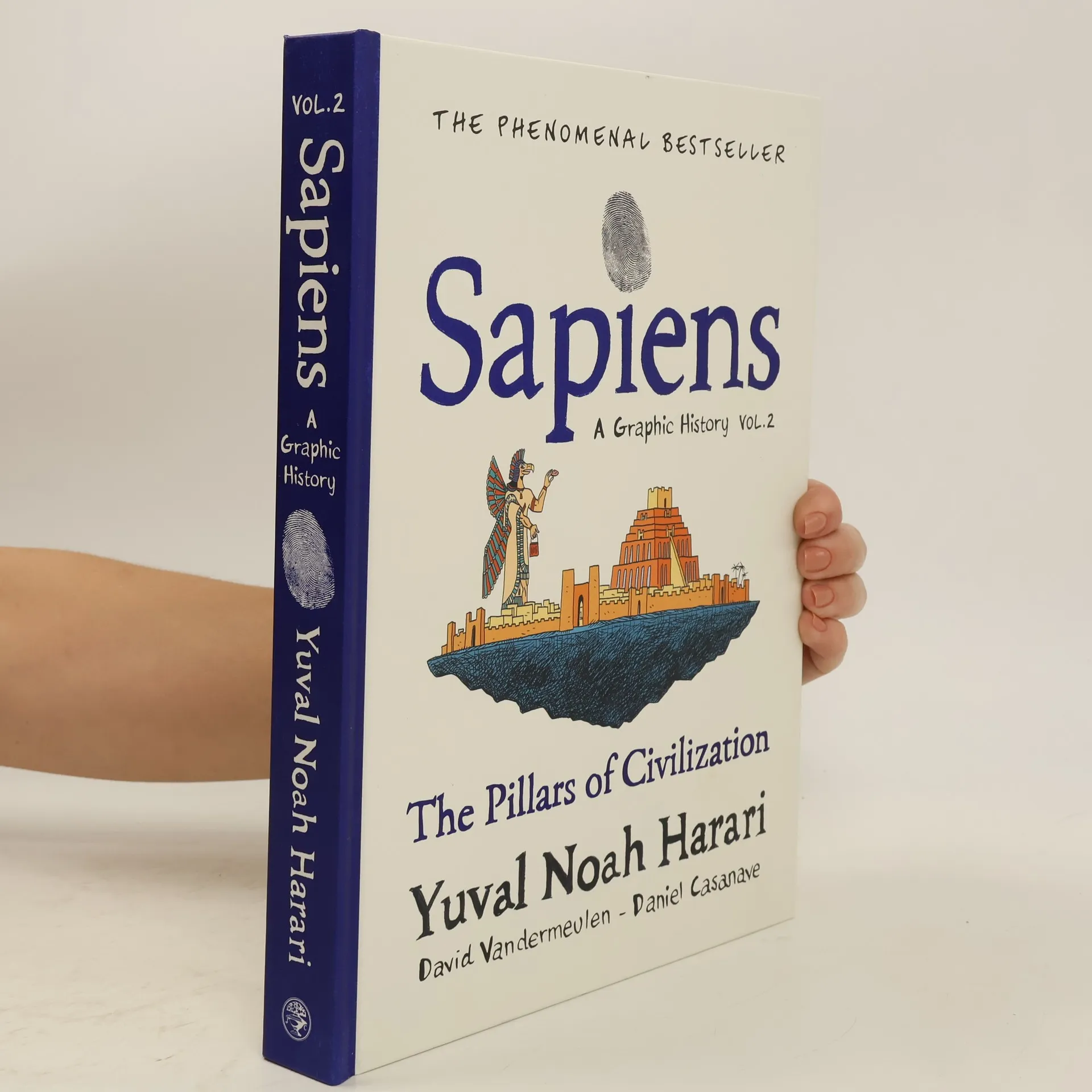
In the second "Sapiens" volume, Yuval Noah Harari tells the story of how we took over the world; how an unlikely marriage between a god and a bureaucrat created the first empires; and how war, famine, disease, and inequality became a part of the human condition. The origins of modern farming are introduced through Elizabethan tragedy, the changing fortunes of domesticated plants and animals are tracked in the columns of the Daily Business News, and the story of urbanization is told as a travel brochure offering discount journeys to ancient Babylon and China.
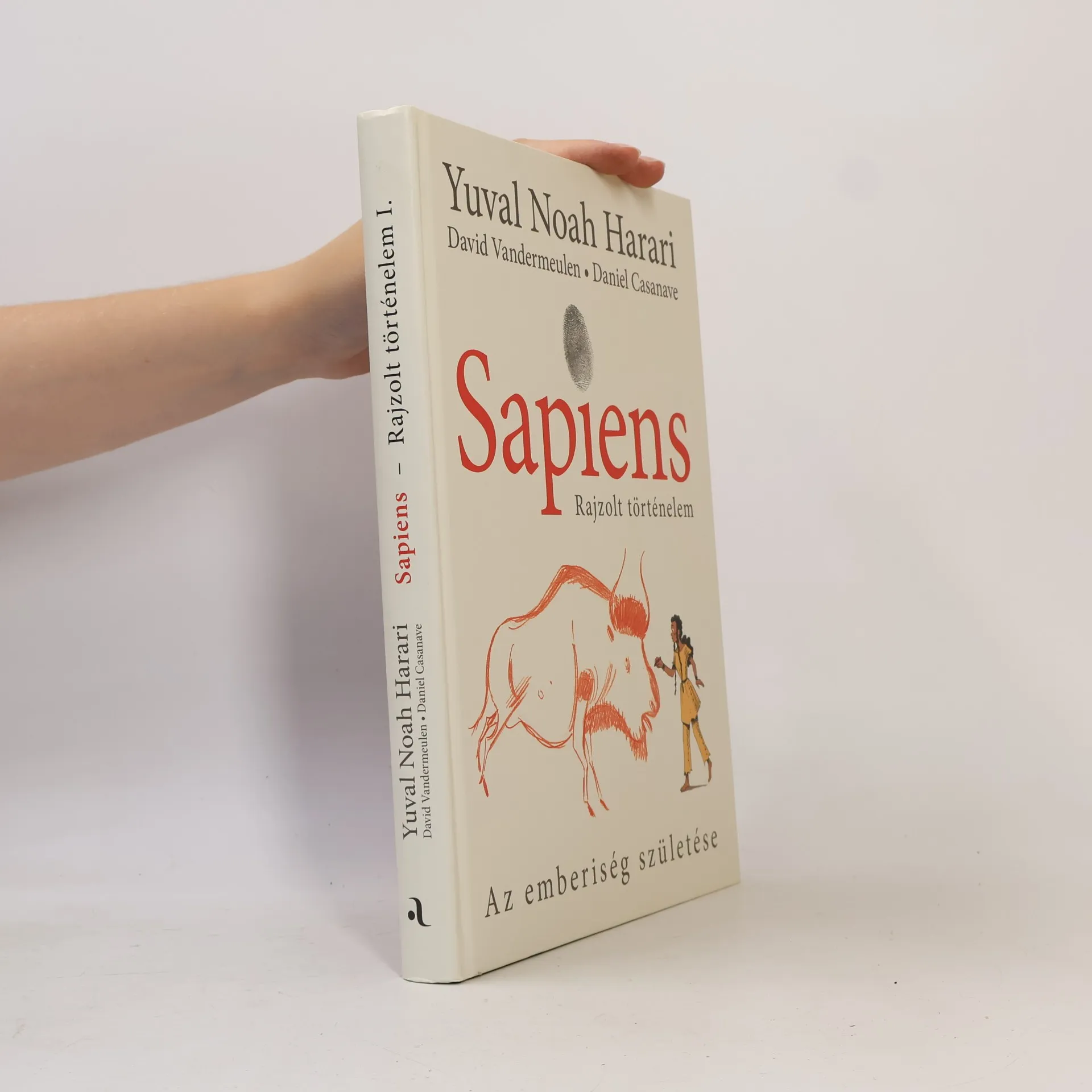
A tisztánlátás hatalom. De hogyan láthatjuk át a világban zajló eseményeket anélkül, hogy elvesznénk az apró részletekben? Például úgy, hogy hátrébb lépünk, és megszemléljük a teljesebb képet: az emberi faj történetét. A Sapiens - Rajzolt történelem című képregénysorozat azt meséli el, hogyan lett egy jelentéktelen majom a Föld nevű bolygó ura, és hogyan jutott el odáig, hogy képes széthasítani az atomot, elrepülni a Holdra, vagy módosítani más fajok genetikai kódját. Yuval Noah Harari, a könyv mesélője és társai - Prehisztorikus Bill, Doktor Fikció, Lopez nyomozó és sokan mások - a történelem meghatározó és sorsfordító eseményeibe avatnak be minket. A képregény viccesen és szórakoztatóan tárja elénk az emberiség történetét a Sapiens - Az emberiség rövid története című nemzetközi sikerkönyv alapján, amelyet 60 nyelvre fordítottak le, és több mint 16 millió példányban kelt el világszerte. Szellemessége, humora és érdekes karakterei azokat is magukkal ragadják, akiket egyébként nemigen köt le a tudomány és a történelem. Az emberiség születése a négyrészes képregénysorozat első kötete.
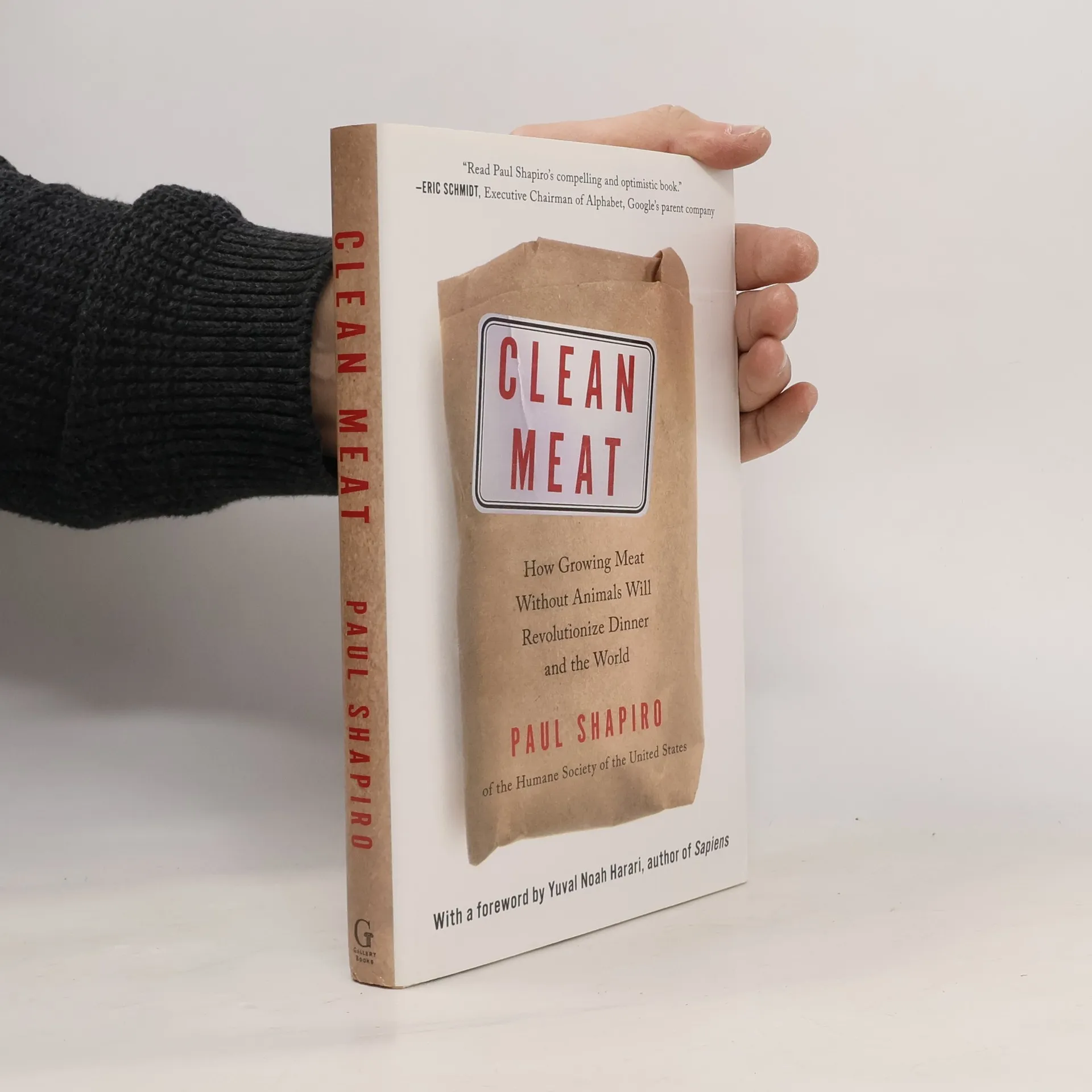
Clean Meat
How Growing Meat Without Animals Will Revolutionize Dinner and the World
- 256 stránok
- 9 hodin čítania
A Gallery Book. Gallery Books has a great book for every reader.
The book includes two exclusive essays by Yuval Noah Harari that delve into pressing contemporary issues. "The Crisis of Liberalism" explores the challenges facing liberal democracies today, while "The Theater of Terror" examines the impact of fear and spectacle in modern society. Harari's insights provide a thought-provoking analysis of political and social dynamics, encouraging readers to reflect on the future of governance and the influence of terror in shaping public perception and policy.
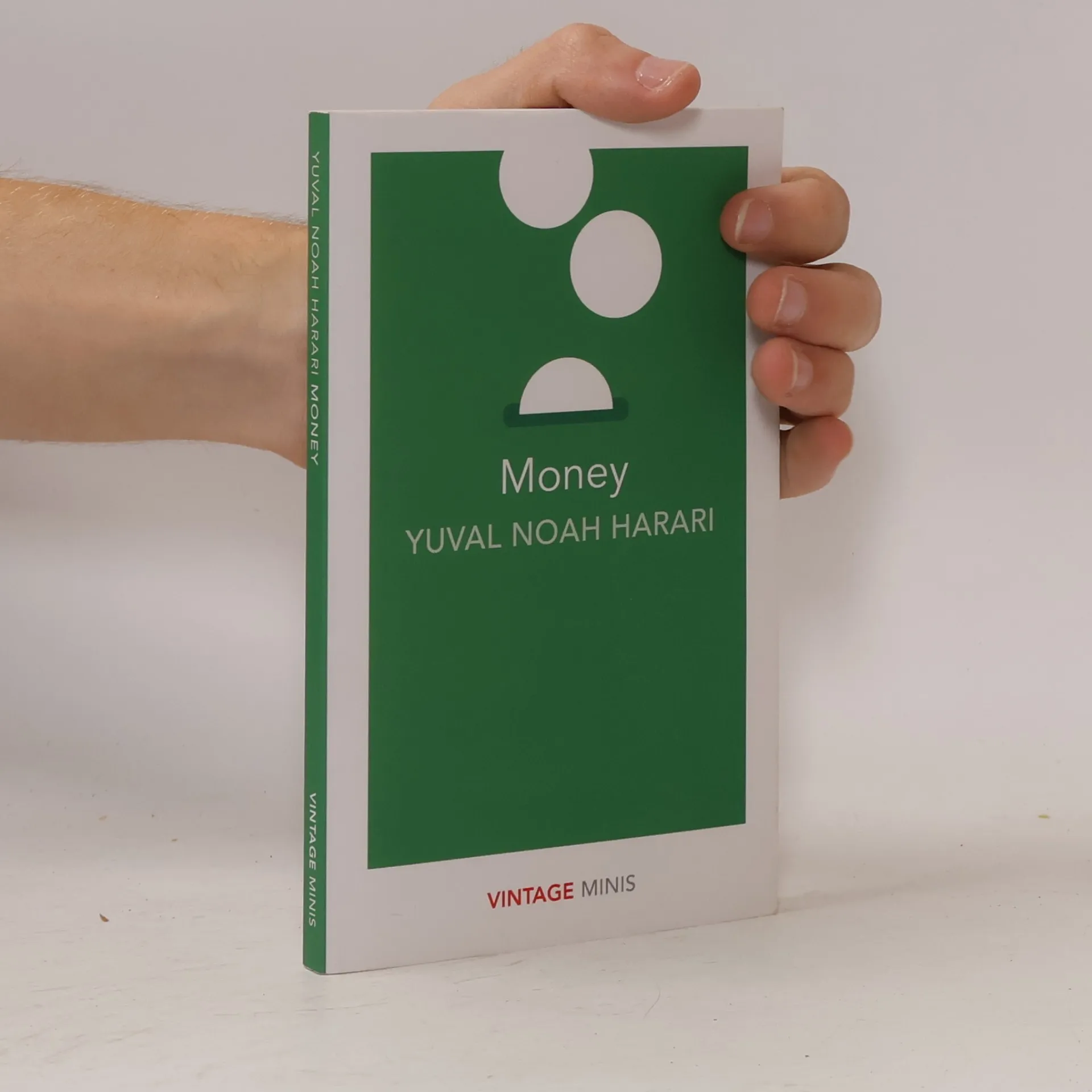
Money
- 144 stránok
- 6 hodin čítania
Selected from the books Sapiens and Homo Deus by Yuval Noah Harari How did money come to be invented? Why does it now have such significance in our lives? Does it make us happier or unhappier? And what does the future hold for it? With brilliant clarity and insight, Yuval Noah Harari takes the reader on a journey from the very first coins through to 21st century economics and shows us how we are all on the brink of a revolution, whether we like it or not. VINTAGE MINIS- GREAT MINDS. BIG IDEAS. LITTLE BOOKS. A series of short books by the world's greatest writers on the experiences that make us human Also in the Vintage Minis series- Home by Salman Rushdie Babies by Anne Enright Eating by Nigella Lawson Drinking by John Cheever
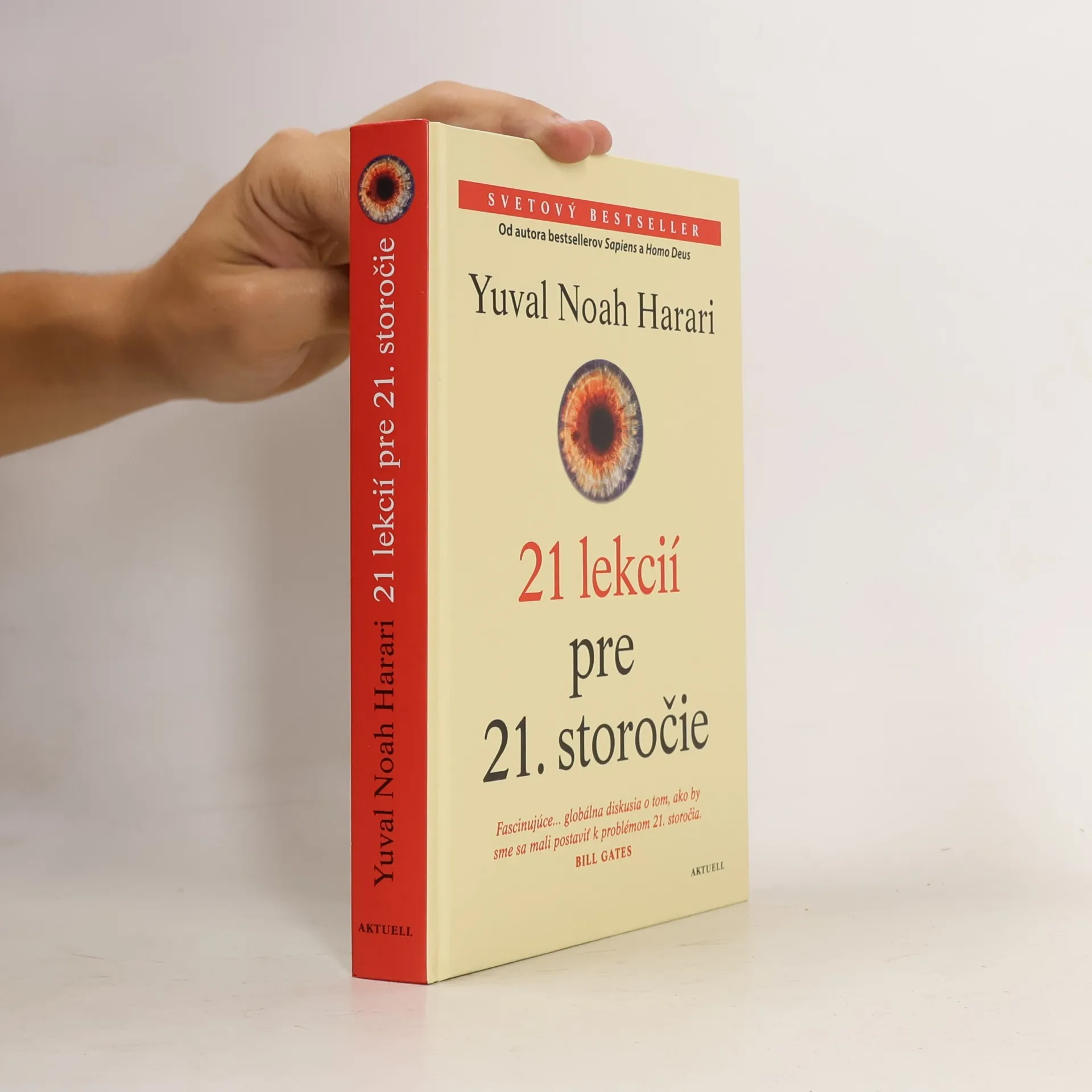
21 lekcií pre 21. storočie
- 344 stránok
- 13 hodin čítania
Kniha Sapiens skúmala minulosť. Kniha Homo Deus skúmala budúcnosť. Kniha 21 lekcií pre 21. storočie skúma súčasnosť. Ako sa môžeme ochrániť pred jadrovou vojnou, ekologickými katastrofami a technologickými narušeniami? Čo môžeme urobiť s epidémiou falošných správ alebo s hrozbou terorizmu? Čo by sme mali učiť svoje deti? Yuval Noah Harari nás opäť pozýva na napínavú cestu tými najnaliehavejšími otázkami súčasnej doby. Zlatou niťou, ktorá sa vinie jeho novou vzrušujúcou knihou, je výzva, aby sme venovali kolektívnu aj individuálnu pozornosť neustálej a dezorientujúcej zmene. Sme ešte schopní rozumieť svetu, ktorý sme si sami vytvorili? 21 lekcií pre 21. storočie skúma, čo znamená byť človekom v ére zmätku.
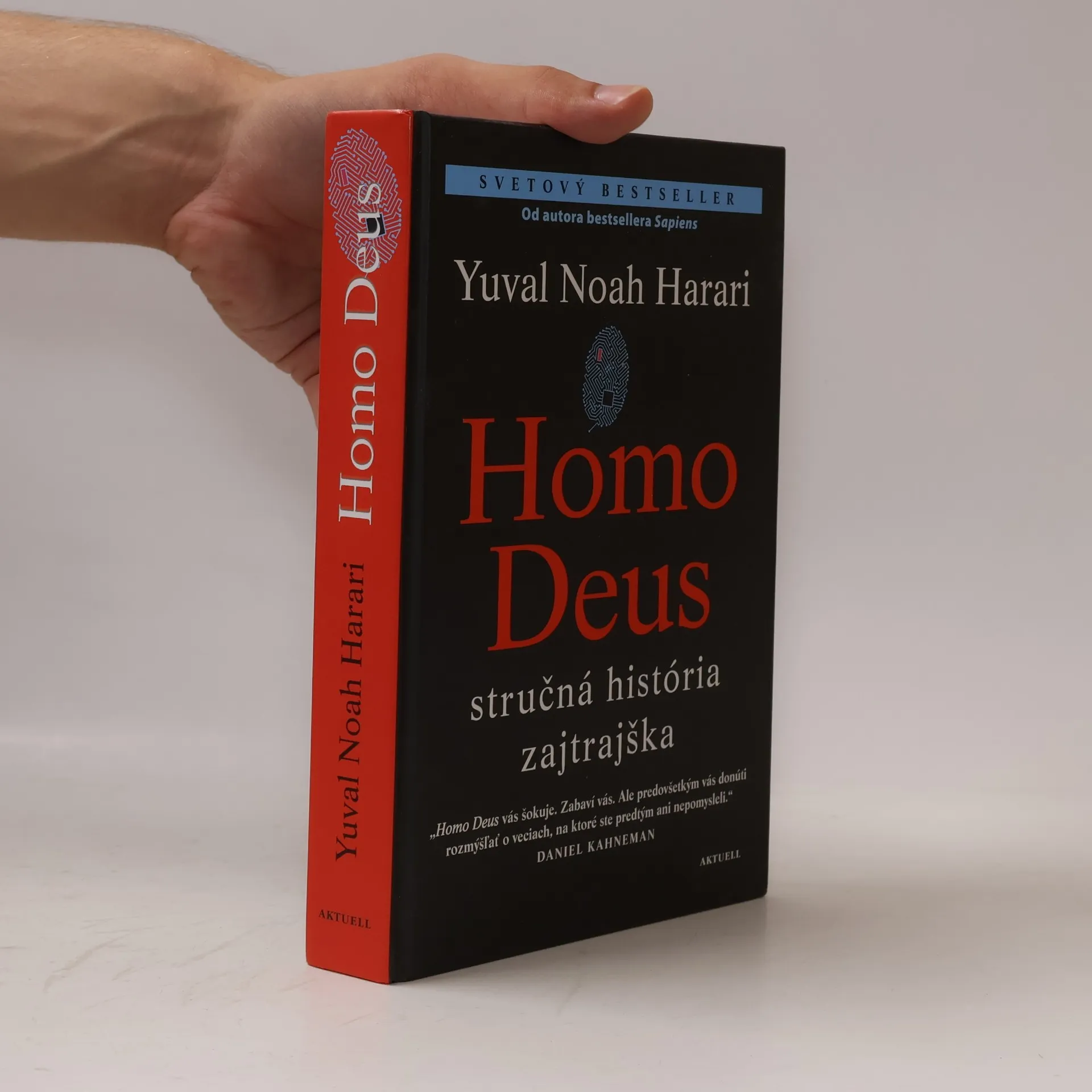
Homo Deus - Stručná história zajtrajška
- 400 stránok
- 14 hodin čítania
V medzinárodne uznávanom bestsellere autor skúma budúcnosť ľudstva a predpokladá, že sa stratí nielen jeho dominancia, ale aj zmysel. Počas posledného storočia sme premenili nezvládnuteľné sily prírody na ovládateľné výzvy. Dnes zomiera viac ľudí na prejedanie než na hladomor a samovražda prevyšuje úmrtia spôsobené vojnami a terorizmom. Sme jediným druhom, ktorý zmenil celú planétu a prestali sme očakávať, že naše osudy ovplyvní vyššia moc. Kniha sa pýta, čo nahradí tradičné hrozby a aké ciele si stanovíme. Skúma projekty a sny, ktoré formujú 21. storočie, od prekonania smrti po umelý život, pričom varuje, že dosiahnutie týchto cieľov môže viesť k strate zmyslu pre väčšinu ľudí. Ako ochránime tento krehký svet pred vlastnými silami? Predpoklady o budúcnosti, že zajtrajšok bude podobný dnešku, sú spochybnené. Hlavné produkty ekonomiky budú telá, mozgy a mysle, pričom vznikne zbytočná trieda. Naša interakcia so zvieratami naznačuje, ako budú superľudia zaobchádzať s nami. Demokracia a voľný trh sa môžu zrútiť, keď nás technológie budú poznať lepšie než my sami. Ľudia sa skôr spoja so strojmi, než aby s nimi bojovali. Nový svet prinesie hlboké rozdiely medzi tými, ktorí sa prispôsobia, a tými, ktorí nie. Toto je ďalšia fáza evolúcie.
Das Streben nach Langlebigkeit ist das Ziel jeder Existenz: in der Natur, der Politik, bei Unternehmen und uns Menschen. Oft handeln wir jedoch kurzfristig. In einer sich schnell verändernden Welt ist die Fähigkeit, sofort zu reagieren oder Angebote anzupassen, entscheidend. Gleichzeitig müssen langfristige Strategien für die Zukunft entwickelt und Bewahrenswertes geschützt werden. Die Strategien zur Langlebigkeit sind vielfältig und paradox. Das Abstreifen des Alten und die Erneuerung können ebenso wichtig sein wie das Festhalten an Bestehendem, um kleinere Turbulenzen zu überstehen. Die zentrale Frage bleibt: Wann sollten wir bewahren, wann loslassen? Wo sind robuste Strukturen notwendig, um Langlebigkeit zu sichern, und wo ist kurzfristiges Denken gefragt? Diese Suche nach Antworten zur Kunst der Langlebigkeit wird durch Beiträge von Persönlichkeiten wie Yuval Harari, Sven Regener und Steven Chu bereichert. Sie bringen unterschiedliche Perspektiven ein und reflektieren über die Herausforderungen und Möglichkeiten, die mit dem Streben nach Dauerhaftigkeit verbunden sind. Die Diskussion wird durch visuelle Beiträge von Julie Petter und Thomas Walsh ergänzt.
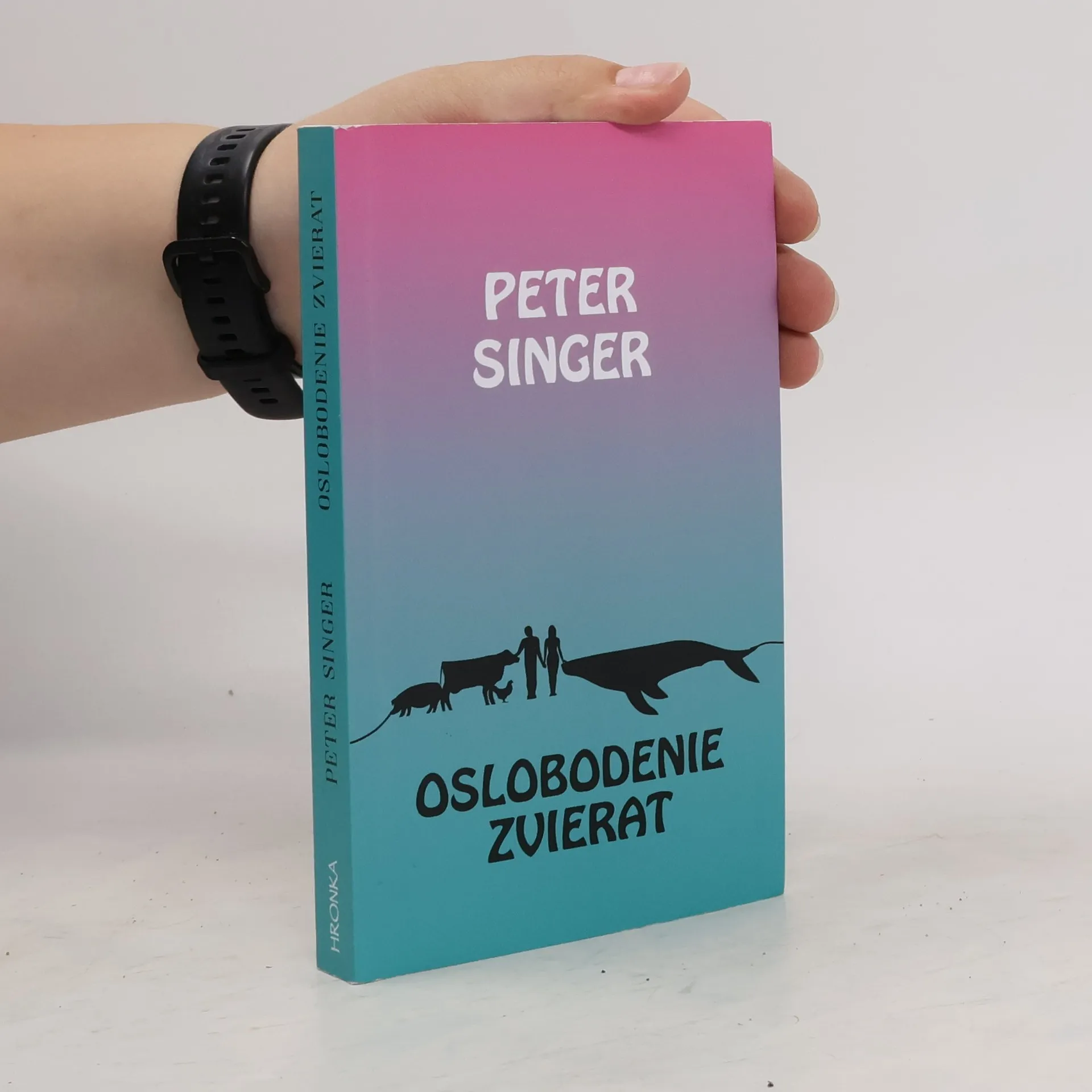
Oslobodenie zvierat
- 356 stránok
- 13 hodin čítania
Témou knihy je nadvláda ľudských bytostí nad bytosťami ne-ľudskými. Táto nadvláda spôsobuje stále obrovské množstvo utrpenia a bolesti zvierat. Boj proti nej je pre autora práve tak dôležitý, ako bol boj za mravné a sociálne otázky v minulých rokoch. Kniha inšpirovala široké celosvetové hnutie, ktoré má teraz stovky organizácií a milióny členov. Oslobodenie zvierat bolo prvou modernou prácou, ktorá obhajovala názor, že ľudia, brániaci utrpeniu spôsobovanému zvieratám, nie sú iba skupinky preháňajúcich a precitlivelých histerikov. PetermSinger pri obhajobe svojho názoru detailne popisuje neospravedlniteľné bolesti, ktorými trpiamzvieratá pri vedeckom, vojenskom či obchodnom výskume, a nehumánne procesy pri zaobstarávaní mäsa pre spotrebiteľov – pre tých ľudí, ktorí sa sami postavili do pozície ignorantstva reality výroby mäsa. Tá je nielen eticky neobhájiteľná, ale aj nehanebne márnotratná.
Pred 100 000 rokmi žilo na Zemi najmenej šesť ľudských druhov, dnes je tu len Homo sapiens. Autor, Dr. Yuval Noah Harari, známy vizionársky historik, skúma históriu človeka od jeho počiatkov až po súčasnosť, pričom sa zameriava na tri kľúčové revolúcie: kognitívnu, poľnohospodársku a vedeckú. Kniha sa pýta, ako sme sa stali dominantným druhom, prečo sa naši predkovia usadili a začali budovať mestá a ríše, a aký vplyv má na nás viera v bohov, národy či ľudské práva. Harari čerpá z rôznych disciplín, ako sú história, biológia a ekonómia, aby preskúmal, ako formovali naše spoločnosti a vzťahy s prírodou. Klade otázky o našej šťastnej existencii, o tom, či môžeme oslobodiť naše správanie od dedičstva predkov, a čo môžeme urobiť pre ovplyvnenie budúcnosti. Kniha provokuje zamyslenie nad našou históriou a budúcnosťou, pričom skúma vplyv ľudského správania a vedeckého pokroku na zákony prírody. Tento vzrušujúci prehľad našej histórie, od bezvýznamných opíc po pánov sveta, spochybňuje naše presvedčenia a činy. Harari ponúka čitateľom možnosť prehodnotiť všetko, čo sme o ľudstve vedeli. Kniha sa stala medzinárodným bestsellerom, je písaná živým jazykom a doplnená o fotografie, mapy a ilustrácie, čo zvyšuje jej atraktivitu.
Special Operations in the Age of Chivalry, 1100-1550
- 248 stránok
- 9 hodin čítania
The author of the international bestseller Sapiens: A Brief History of Humankind looks at covert operations and assassination plots in the medieval period, matching anything to be found in our own era.