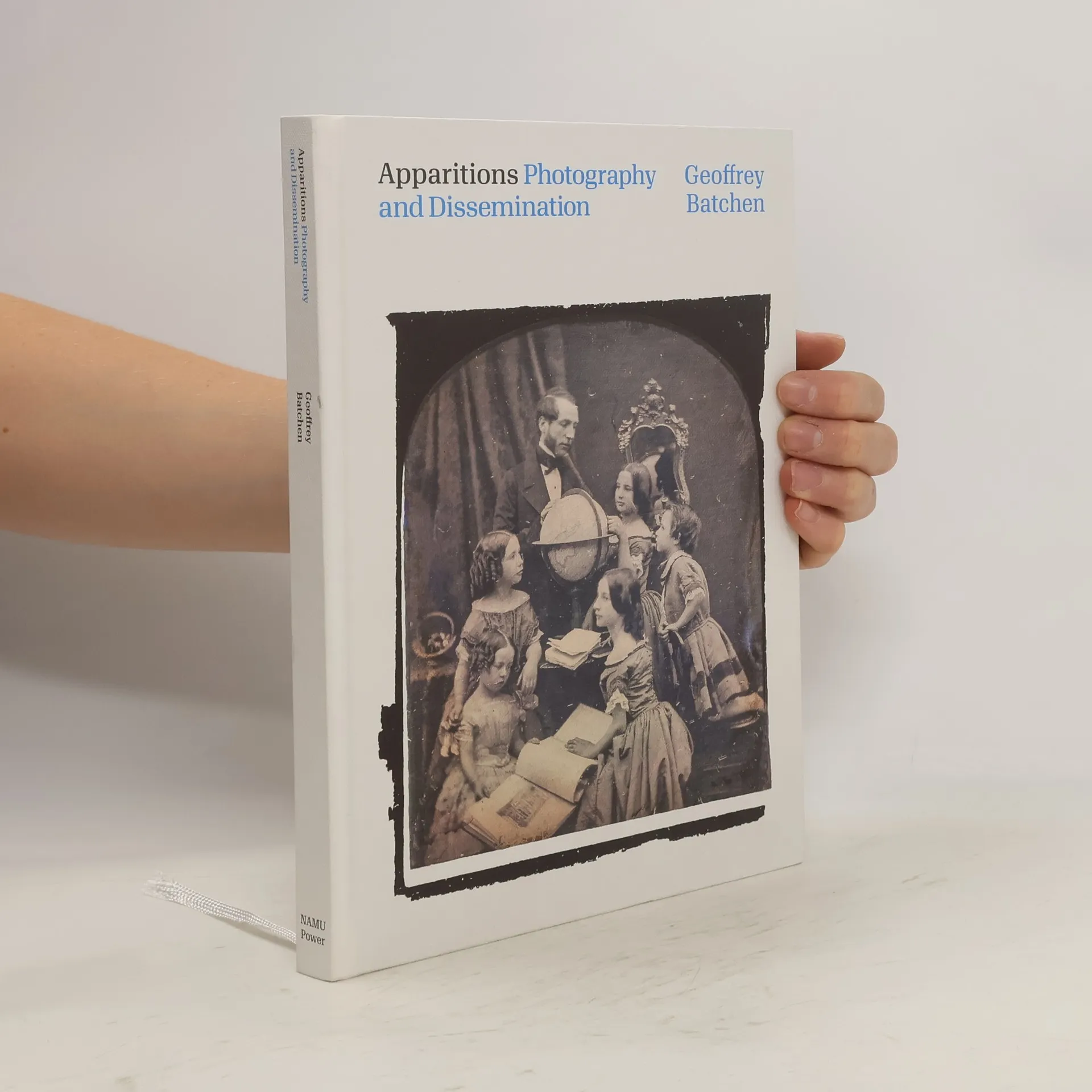
An engaging and provocative account of photography's first commercial applications in England and their global implications. This book addresses a persistent gap in the study of photography's history, moving beyond an appreciation of single breakthrough works to consider the photographic image's newfound reproducibility and capacity for circulation through newsprint and other media in the nineteenth century.
The book delves into the life and innovations of William Henry Fox Talbot, the English pioneer of photography, highlighting his early experiments in the 1830s and significant contributions throughout the 1840s and 1850s. Utilizing archival materials from the Bodleian Library, it features eighty full-page plates that showcase Talbot's diverse interests and travels. An illustrated introduction contextualizes his work within a modernizing Britain and his intellectual environment, emphasizing how competition with the daguerreotype spurred his continuous quest for photographic advancement.
Focusing on the often-overlooked negative aspect of analog photography, this book presents a representative history of the medium. By exploring the foundational role of negatives, it offers insights into the evolution of photography, highlighting key moments and influences without claiming to cover every detail. Through this unique lens, readers gain a deeper appreciation for the art form and its development over time.
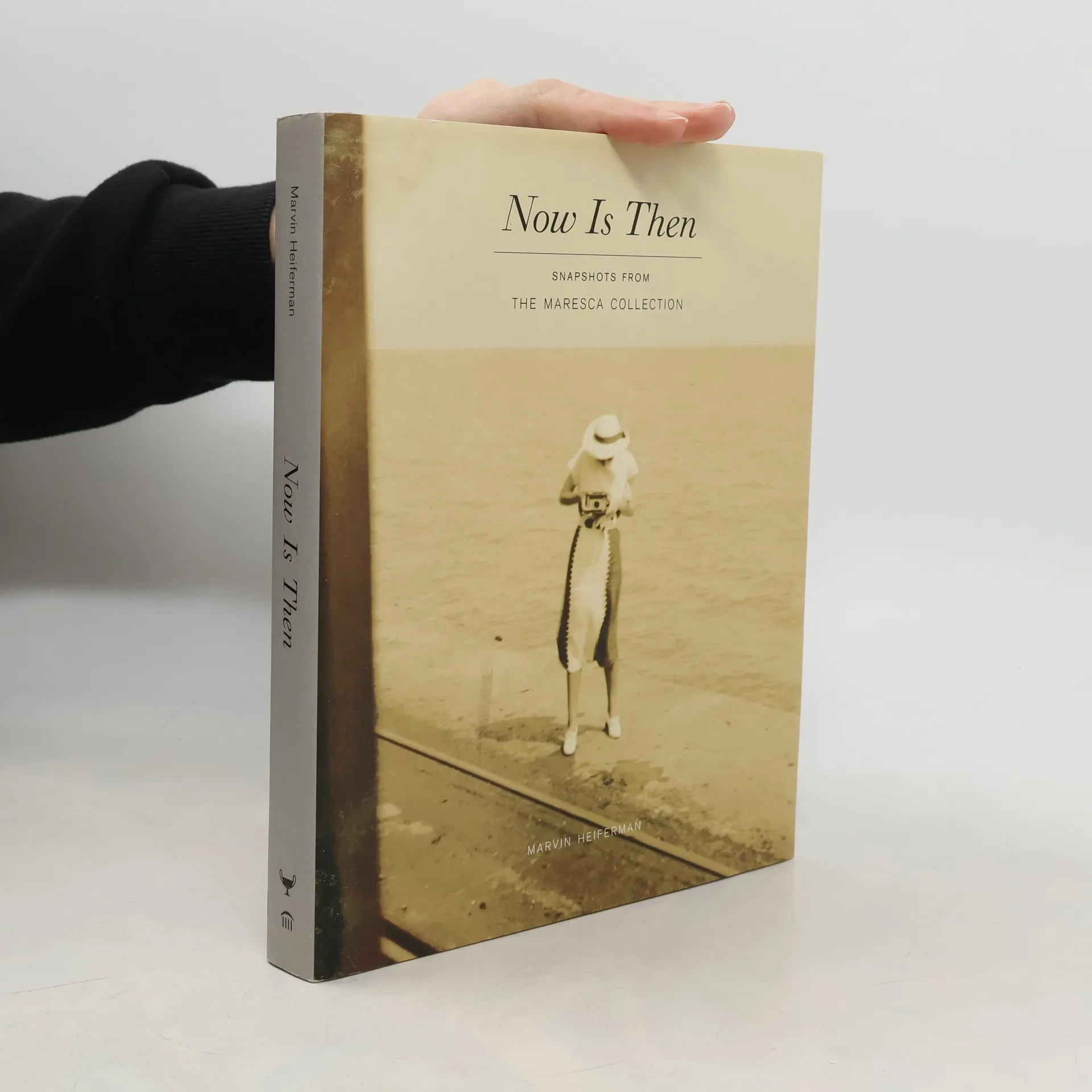
Deceptive in the ease of their creation, diminutive size, and sheer abundance, snapshots are often thought of as the mostinnocent type of photography. But snapshots are complex and willful picturespremeditated, fussed over, and oftenpredetermined. The postures we adopt, the gestures we pantomime, the exaggerated facial expressions we compose and try to hold for a split second are all meant to express the emotional weight of a certain moment. In a time when digital cameras make photography all too easy, it is fascinating to look back on a day when image making was more deliberate.Now Is Then features images from the 1920s through the 1960s, the golden age of snapshot photography. The photosquirky, elegant, heartbreaking, and heart-warmingboth celebrate and question the conventions of snapshot photography. Texts by well-known visual culture critics offer fresh perspectives on the snapshots and their power over us. Unlike previous explorations of vernacular photography, Now Is Then takes a step forward to look at the broader cultural impact of snapshotswhy we make them, how we use them, why they become relics, and, most importantly, what they reveal about us.
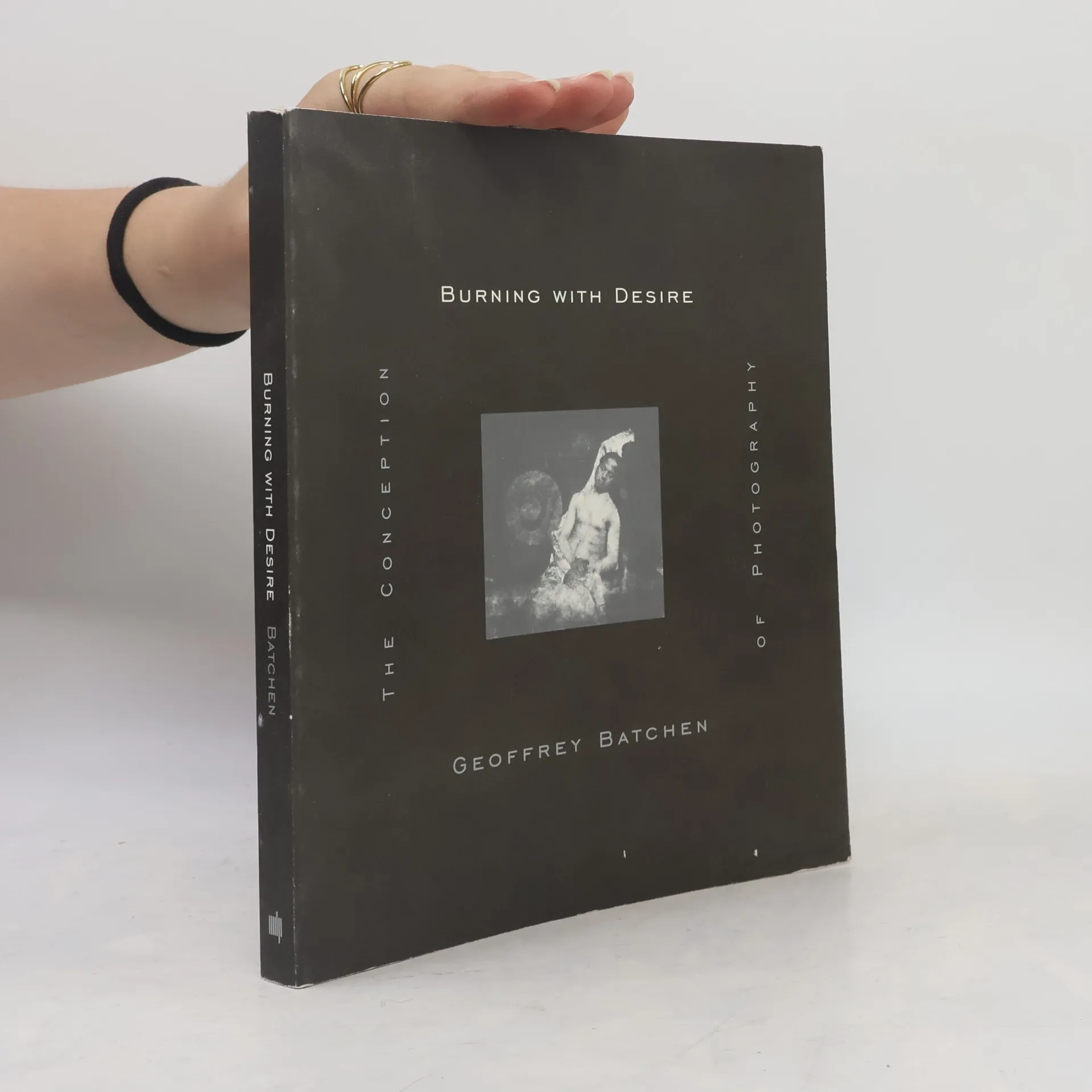
In this book, Geoffrey Batchen analyzes the desire to photograph as it emerged
within the philosophical and scientific milieus that preceded the actual
invention of photography.
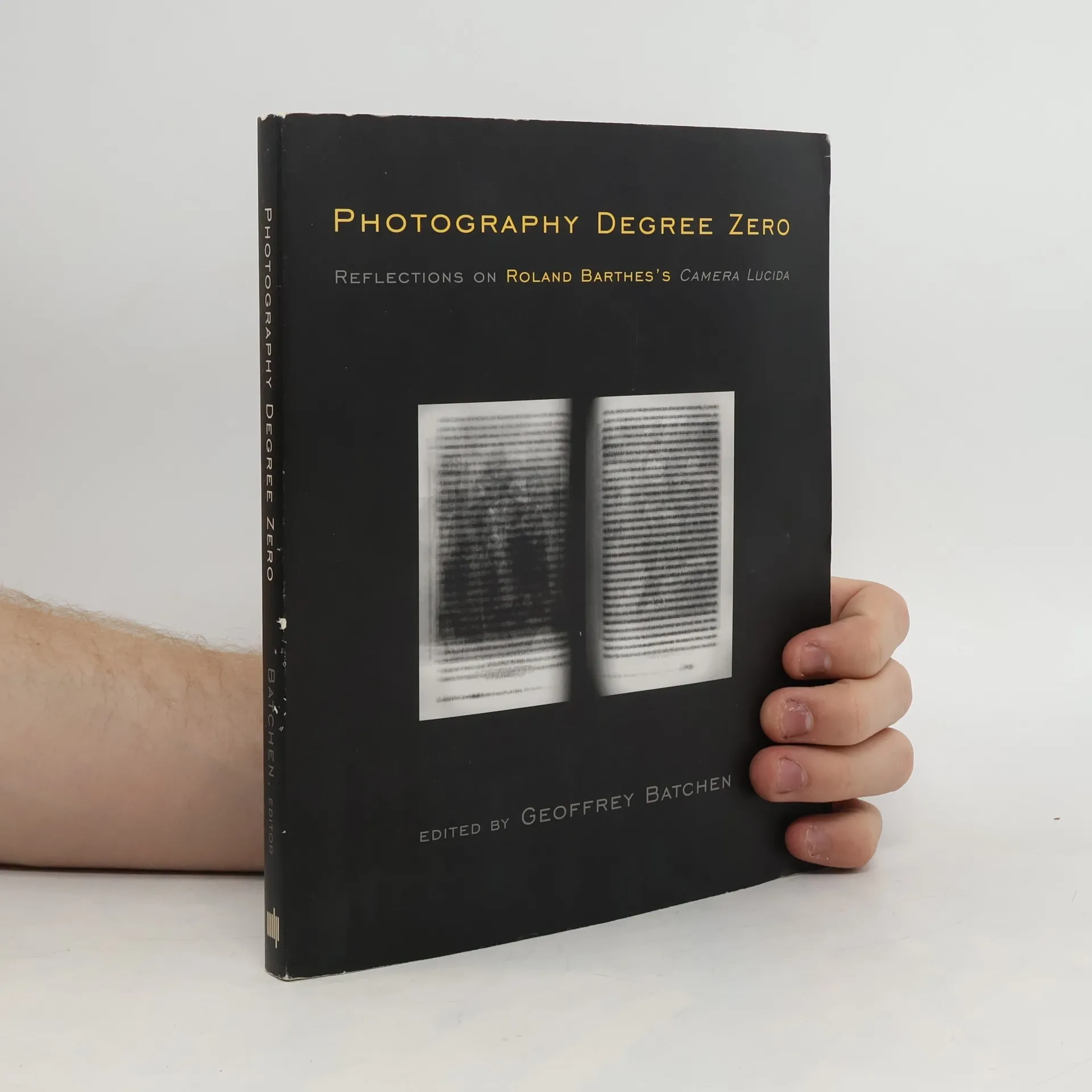
Roland Barthes's 1980 work is a seminal text on photography, introducing the concepts of studium and punctum, which have become essential in photographic discourse. His insights into photographic time and the connection between photography and death have influenced discussions extensively. The anthology, Photography Degree Zero, expands on Barthes's legacy by presenting diverse perspectives on his influential book. The title connects Barthes's earlier work, Writing Degree Zero, with his final exploration of photography. This collection features essays written shortly after the original publication, alongside more recent interpretations, some of which are previously unpublished. Contributors employ various approaches, including psychoanalysis, drawing on Lacan, and Buddhist perspectives, likening the photographic flash to a mystic's revelation. The anthology also offers a historical overview of Barthes's writings on photography and examines the reception of his work. Additionally, it includes analyses of Camera Lucida through the lens of race and presents a thought-provoking essay by Michael Fried, along with two responses to his arguments.
Essays on photography and the medium's history and evolving identity. In Each Wild Idea , Geoffrey Batchen explores a wide range of photographic subjects, from the timing of the medium's invention to the various implications of cyberculture. Along the way, he reflects on contemporary art photography, the role of the vernacular in photography's history, and the Australianness of Australian photography. The essays all focus on a consideration of specific photographs—from a humble combination of baby photos and bronzed booties to a masterwork by Alfred Stieglitz. Although Batchen views each photograph within the context of broader social and political forces, he also engages its own distinctive formal attributes. In short, he sees photography as something that is simultaneously material and cultural. In an effort to evoke the lived experience of history, he frequently relies on sheer description as the mode of analysis, insisting that we look right at—rather than beyond—the photograph being discussed. A constant theme throughout the book is the question of photography's past, present, and future identity.
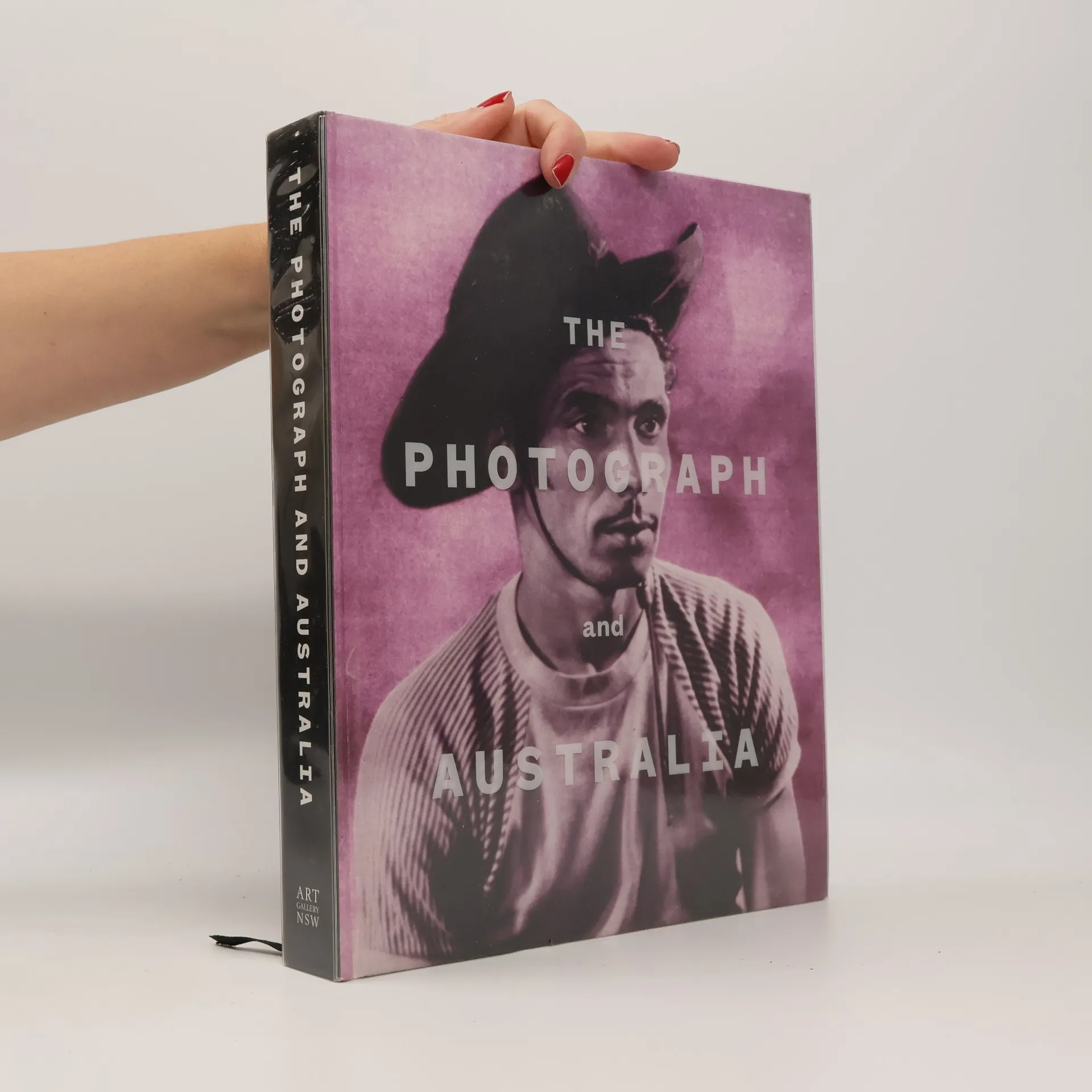
This catalog documents an exhibition that took place at the Art Gallery of New South Wales and the Queensland Art Gallery in 2015. It showcases a collection of artworks featured in the exhibition, providing insights into the themes and artistic expressions presented. The catalog serves as a valuable resource for understanding the context and significance of the works displayed, highlighting the contributions of various artists to the art scene during this period.
Piotr Uklanski (*1968 in Warschau) hat seit Mitte der 1990er-Jahre ein vielfältiges und provozierendes Werk geschaffen, das sich herkömmlichen Klassifizierungen zwar entzieht, zugleich aber sämtliche künstlerische Ausdrucksformen nutzt – etwa Installation, Fotografie und Performance. Insbesondere mit seinen großformatigen Papierarbeiten, geknüpften Gemälden, stoffbasierten Skulpturen und Plastiken aus Kunstharz sowie nicht zuletzt der Filmarbeit Summer Love wurde Uklanski bekannt. Nun erscheint erstmals eine ausführliche Würdigung seiner Arbeit, die dem Duktus des Bildersturms zu folgen scheint. In einer Art reich illustriertem Lesebuch mit fundierten Essays wird das schillernde Œuvre des Künstlers greifbar gemacht und in den historischen sowie kunsttheoretischen Kontext eingeordnet. Einige außergewöhnliche und humorvolle Interpretationen seines Schaffens runden den Band auf unterhaltsame Weise ab. Ausstellung: Bass Museum of Art, Miami Beach 5.12.2013–16.2.2014
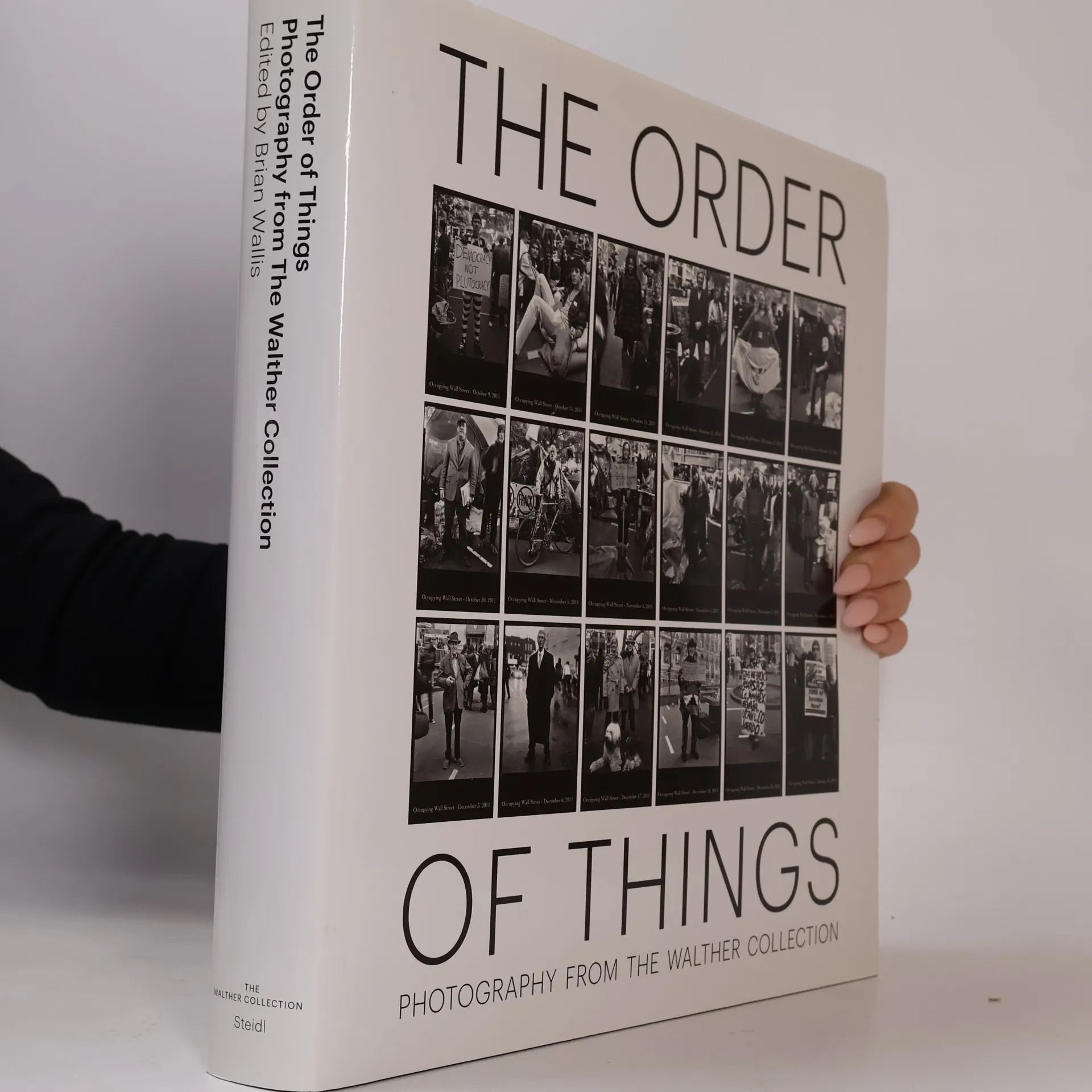
Throughout the modern era, photography has been enlisted to classify the world and its people. Driven by a belief in the scientific objectivity of photographic evidence, the systems utilized to classify photographs have shaped modern visual culture. Accompanying the exhibition “The Order of Things: Photography from The Walther Collection,” this book investigates the production and uses of serial portraiture, vernacular imagery, architectural surveys and time-based performance in photography from the 1880s to the present, bringing together works by artists from Europe, Africa, Asia and North America. Setting early modernist photographers Karl Blossfeldt and August Sander in dialogue with contemporary artists such as Ai Weiwei, Nobuyoshi Araki, Richard Avedon, Zanele Muholi, Stephen Shore and Zhang Huan, The Order of Things illustrates how typological methods in photography have developed globally.
Seit ihren Anfängen in der ersten Hälfte des 19. Jahrhunderts bietet die Fotografie neuartige Möglichkeiten der Kunstinterpretation. Mittels der Wahl von Bildausschnitt, Tiefenschärfe, Aufnahmewinkel, Motivabstand und Beleuchtung sowie durch die Nachbearbeitung in der Dunkelkammer, Bildmontage, Collage- oder Assemblagetechniken haben Fotografen Kunstwerke nicht nur dokumentiert, sondern selbst beeindruckende Bildfindungen erschaffen. Die Publikation untersucht die Überschneidungen zwischen den beiden künstlerischen Genres Fotografie und Skulptur und inwieweit Abbildungen unverzichtbar für unser Verständnis von Plastik wurden. Anhand von über 300 herausragenden Fotos von über 100 Künstlern vom Beginn der Moderne bis heute beleuchtet der Band auf welche Weise die Fotografie unsere Vorstellung von Skulptur prägt und gleichzeitig in Frage stellt. Mit Arbeiten von (Auswahl): Eugène Atget, Herbert Bayer, Hans Bellmer, Constantin Brancusi, Brassaï, Manuel Alvarez Bravo, Claude Cahun, Marcel Duchamp, Fischli & Weiss, Robert Frank, Lee Friedlander, David Goldblatt, Rachel Harrison, Hannah Höch, André Kertész, Man Ray, Bruce Nauman, Charles Nègre, Gillian Wearing, Hannah Wilke, Iwao Yamawaki Ausstellungen: MoMA, New York 1.8.–1.11.2010 Kunsthaus Zürich 25.2.–15.5.2011
Eine kleine Geschichte fotografischer Verwandlungen Reihe Fotokritik
200 stránok
7 hodin čítania
Der Autor untersucht, wie Fotogeschichten über die Grenzen der Fotografie hinaus erzählt werden können. Geoffrey Batchhen fordert eine neue Mediengeschichte der frühen Moderne, die sich mit der Migration und Verbreitung fotografischer Bilder in verschiedenen Medien auseinandersetzt. Seine Studie verfolgt die Wanderungen dieser Bilder und beschreibt eine dynamische visuelle Kultur, die die intermedialen Aspekte der Fotografie betont. Batchhen argumentiert, dass die Geschichte der Fotografie stets eine Geschichte von medialen Transformationen war.