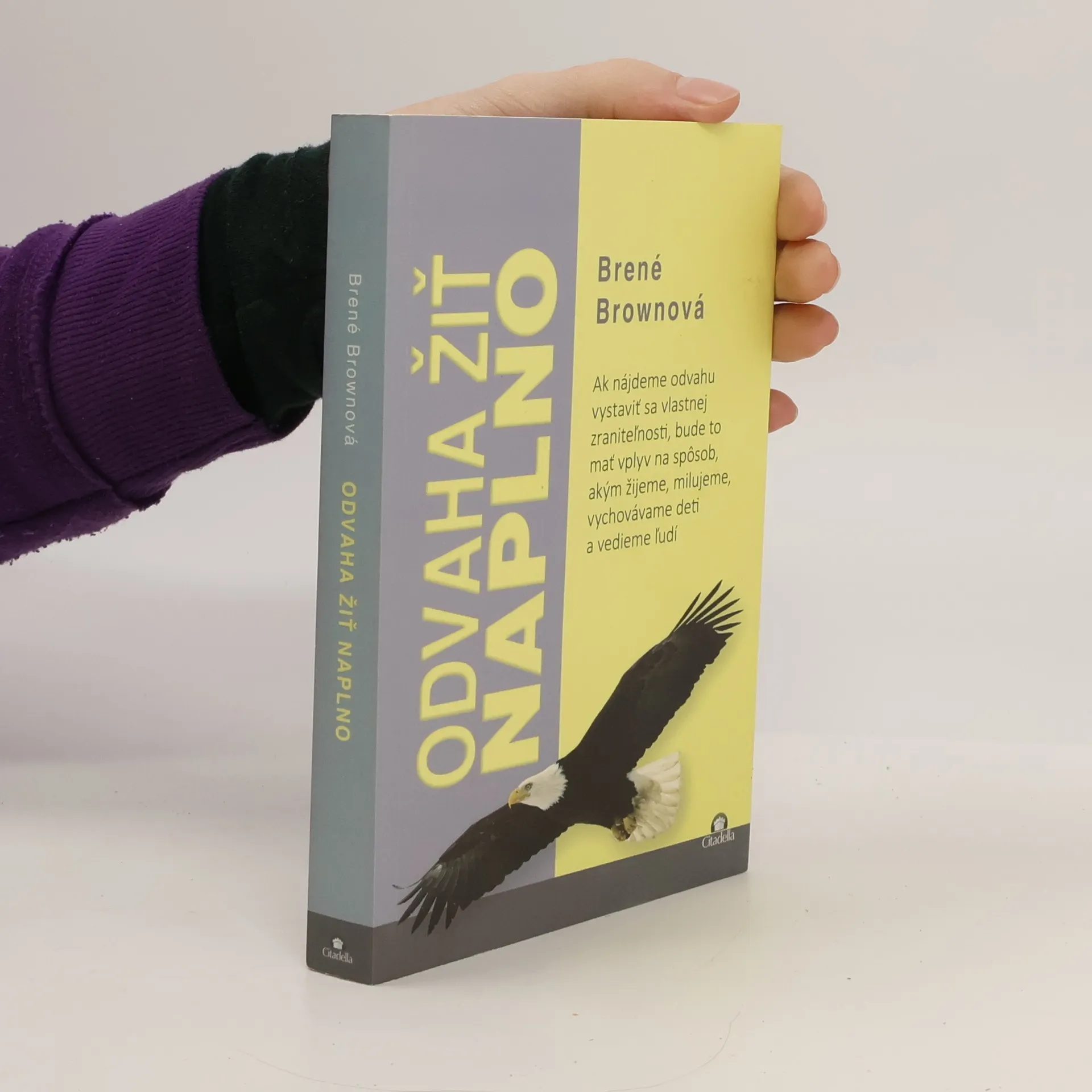
Brené Brown je profesorkou, ktorá sa dve desaťročia venuje výskumu odvahy, zraniteľnosti, hanby a empatie. Jej práca skúma hlboké ľudské emócie a ich vplyv na naše životy a vzťahy. Brown sa zameriava na to, ako môžeme prostredníctvom pochopenia a prijatia našej zraniteľnosti pestovať väčšiu odvahu a autentickosť v každodennom živote. Jej prístup ponúka čitateľom praktické poznatky a inšpiráciu na budovanie odolnosti a zmysluplnejších spojení.
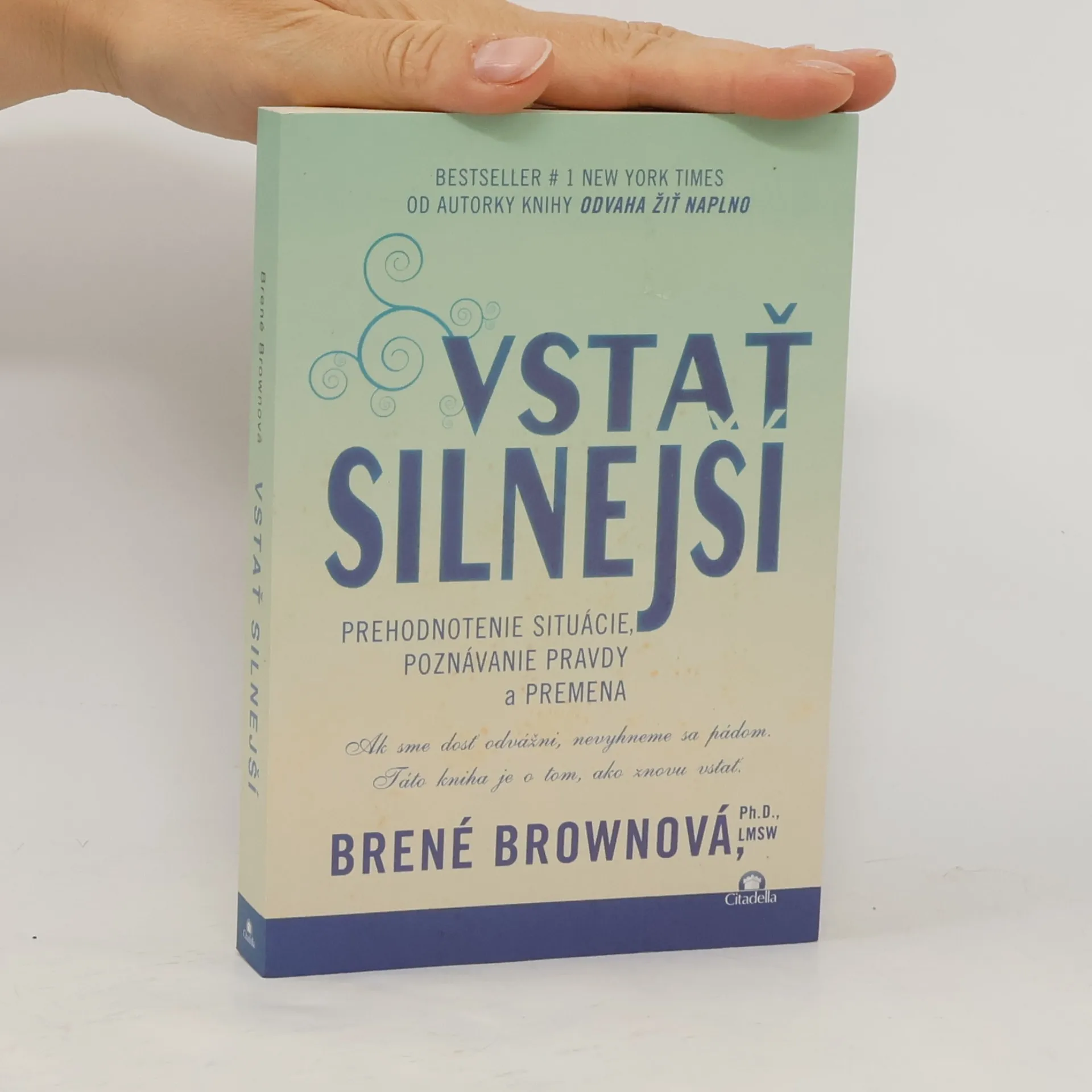
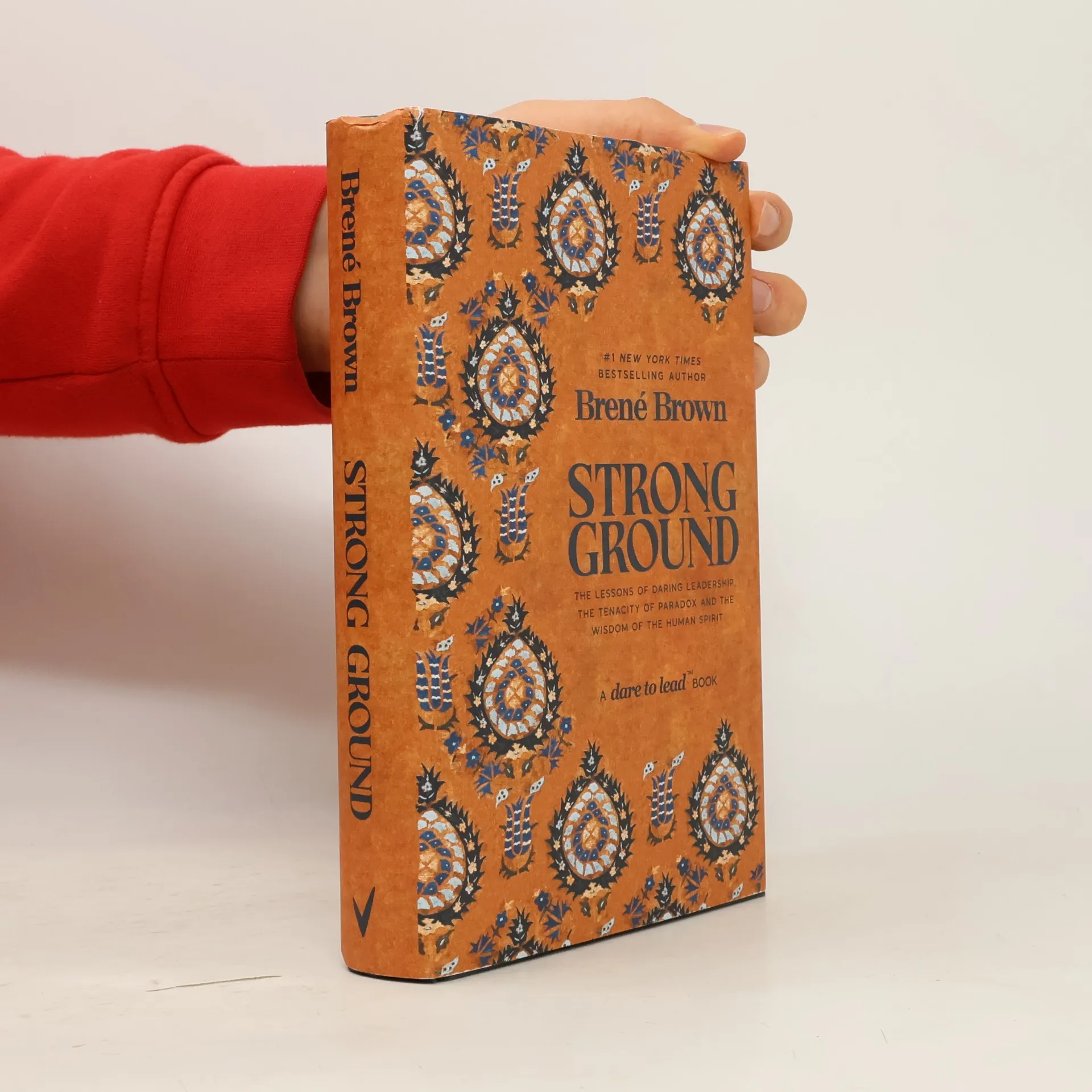
Fyzika zraniteľnosti je jednoduchá: Ak sme dosť odvážni, pádom sa nevyhneme. Kniha Vstať silnejší je o procese, počas ktorého sa snažíme po páde znova vstať a o spôsobe, akým nám uchopenie príbehov o našich zápasoch do vlastných rúk pomôže vytvárať ich nové odvážne konce. Zápasy, ktorými v živote prechádzame, môžu byť našou najväčšou výzvou k odvahe, a proces, počas ktorého sa snažíme po páde vstať silnejší, tou najjasnejšou cestou k úprimnému životu.
Keď som prvýkrát čítala tento citát, uvedomila som si, že zraniteľnosť nie je o víťazstve či porážke, ale o zapojení sa do života. Zraniteľnosť nepredstavuje slabosť, ale riziko a emocionálne vystavenie, ktorým čelíme každý deň. Naša ochota spolupracovať so svojou zraniteľnosťou určuje hĺbku našej odvahy a jasnosť nášho účelu. Ak sa chránime pred zraniteľnosťou, meria to náš strach a odpojenie. Čakaním na dokonalosť obetujeme vzťahy a príležitosti, ktoré už nemusia byť dostupné, a premárnime cenný čas. Dokonalosť neexistuje, a preto musíme vojsť do arény – nech už to znamená akýkoľvek nový vzťah, dôležité stretnutie či kreatívny proces – s odvahou a ochotou byť súčasťou. Namiesto kritizovania a rad, musíme mať odvahu prejaviť sa a dovoliť, aby nás videli. Toto je zraniteľnosť a odvaha žiť naplno. Spoločne hľadajme odpovede na otázky ako: Čo spôsobuje náš strach zo zraniteľnosti? Ako sa chránime pred ňou? Akú cenu platíme za odpojenie? A ako môžeme zraniteľnosť využiť na zmenu spôsobu, akým žijeme, milujeme a vedeme?
Keď narovinu priznáme ako sa veci v našom živote skutočne majú a prostredníctvom toho sa naučíme milovať sami seba, je to tá najstatočnejšia vec, akú kedy urobíme.
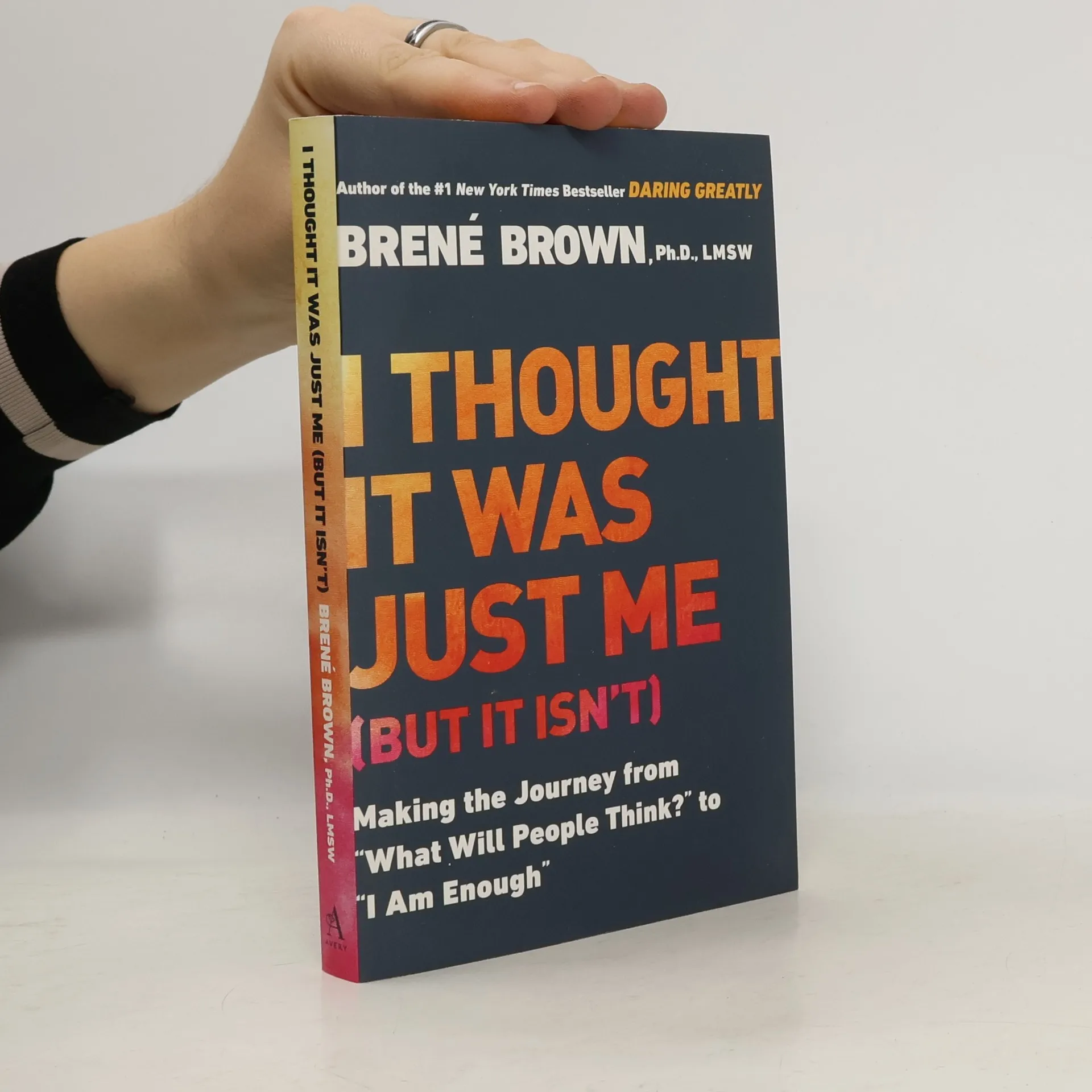
Čo je väčšie riziko? Prestať riešiť, čo si myslia druhí ľudia alebo neriešiť to, ako sa cítite, v čo veríte a kto ste vy? Žiť plnohodnotne znamená, že žijete v stave, kedy si uvedomujete svoju cenu. Je o pestovaní odvahy, súcitu a medziľudského spojenia, aby ste sa ráno zobudili a povedali si: „Bez ohľadu na to, čo dnes vykonám a čo všetko nevykonám, som dostatočne dobrý.“ Znamená to, že v noci idete spať s myšlienkou: „Áno, som nedokonalý a zraniteľný a niekedy mám strach, ale to nič nemení na skutočnosti, že som statočný a hodný lásky a spolupatričnosti.“
Vynikajúca a trefná analýza súčasného rozpolteného sveta, v ktorom sa jedinec márne snaží zorientovať.
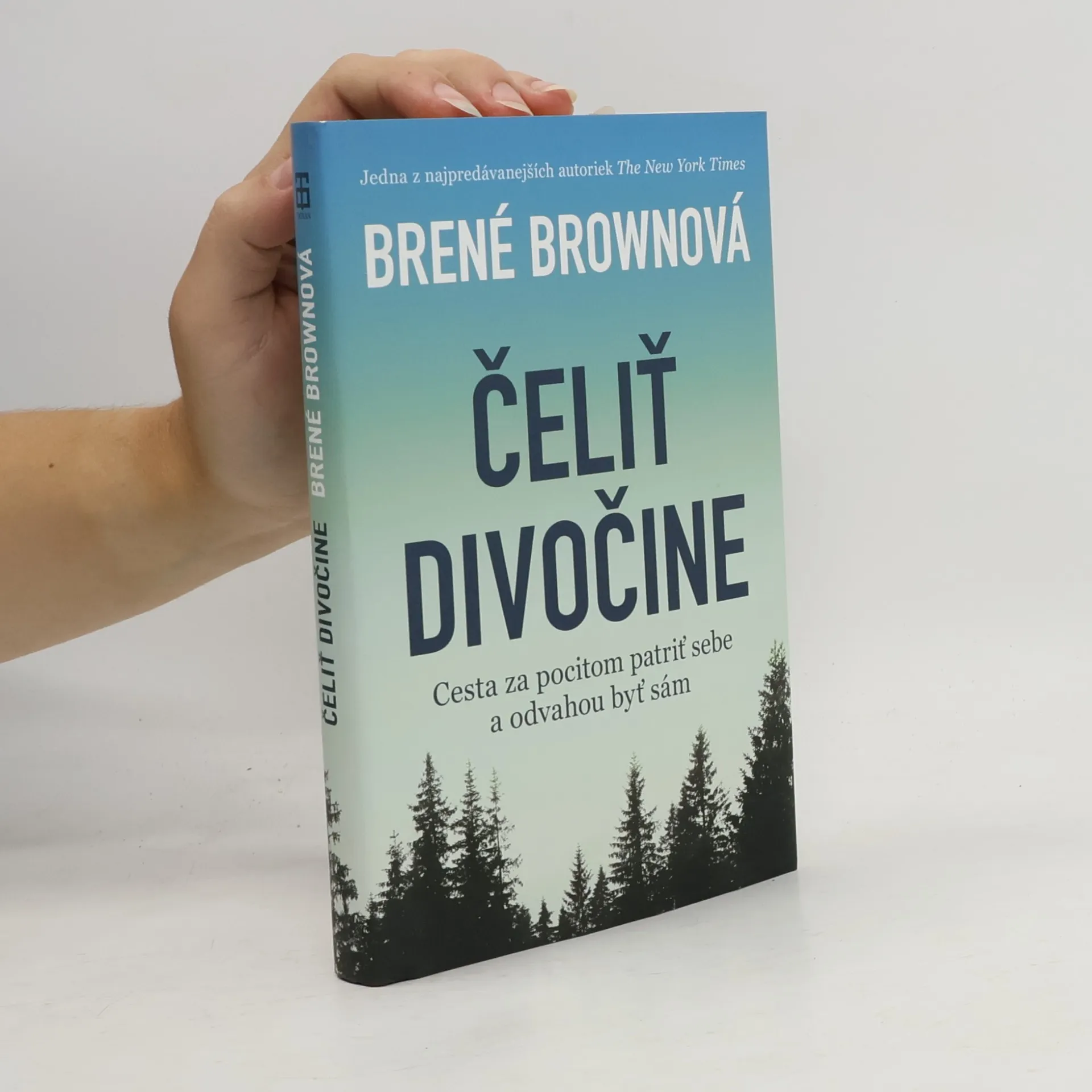
Narušené rodinné vzťahy, nenávisť voči politickým odporcom, módne trendy, ktoré nezmyselne napodobňujeme, tisíce správ, čo nás bombardujú z každej strany, a neschopnosť načúvať. Táto divočina sa na nás valí zo všetkých strán a my jej musíme statočne čeliť. Pre psychologičku Brené Brownovú pracujú celé tímy, zhromažďujú cenné skúsenosti a poznatky jedincov o dnešnom svete a autorka ich vie pretlmočiť takým spôsobom, že každá jej nová kniha sa ocitne v rebríčku bestsellerov.
V jedinečnej divočine nabáda čitateľov, aby strhli múry, opustili ideologické bunkre a žili život radšej z hĺbky divokého srdca ako v ustatej bolesti. Tento svet potrebuje, aby sme sa priznali k svojim presvedčeniam a postavili sa za ne. Keď degradujeme a ponižujeme svoju ľudskosť, strácame svoje divoké srdcia.
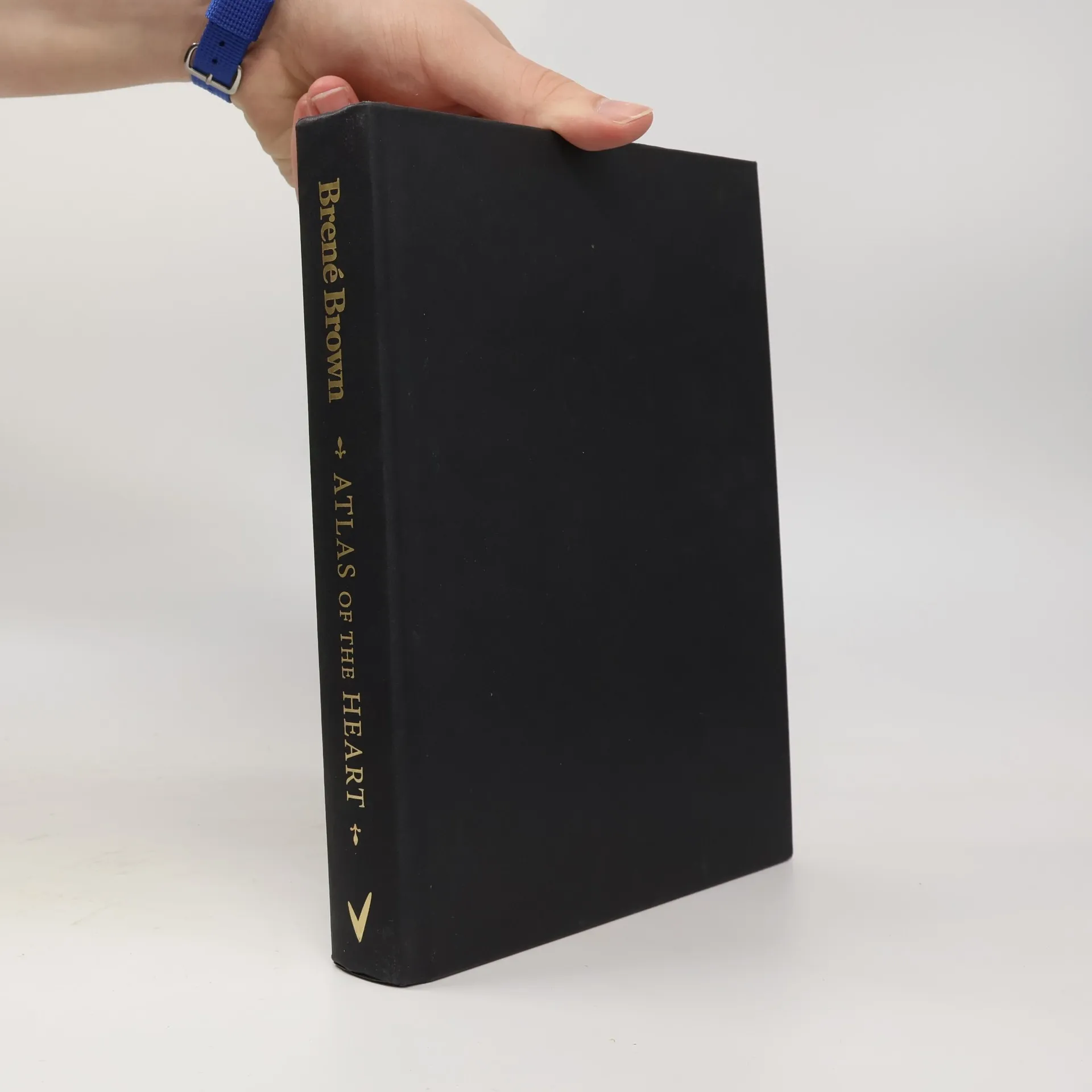
A journey through 87 of the emotions and experiences that define what it means to be human. As she maps the necessary skills and lays out an actionable framework for meaningful connection, Brown gives us the language and tools to access a universe of new choices and second chances
Draws on research with hundreds of interviewees to identify the pervasive influence of cultural shame, discussing how women can recognize the ways in which shame influences their health and relationships and can be transformed into courage and connectivity
FOREWORD BY BRENE BROWN and POSTSCRIPT FROM BRAIN PICKINGS CREATOR MARIA POPOVA Rock star, crowdfunding pioneer, and TED speaker Amanda Palmer knows all about asking. Performing as a living statue in a wedding dress, she wordlessly asked thousands of passersby for their dollars. When she became a singer, songwriter, and musician, she was not afraid to ask her audience to support her as she surfed the crowd (and slept on their couches while touring). And when she left her record label to strike out on her own, she asked her fans to support her in making an album, leading to the world's most successful music Kickstarter. Even while Amanda is both celebrated and attacked for her fearlessness in asking for help, she finds that there are important things she cannot ask for-as a musician, as a friend, and as a wife. She learns that she isn't alone in this, that so many people are afraid to ask for help, and it paralyzes their lives and relationships. In this groundbreaking book, she explores these barriers in her own life and in the lives of those around her, and discovers the emotional, philosophical, and practical aspects of THE ART OF ASKING. Part manifesto, part revelation, this is the story of an artist struggling with the new rules of exchange in the twenty-first century, both on and off the Internet. THE ART OF ASKING will inspire readers to rethink their own ideas about asking, giving, art, and love.
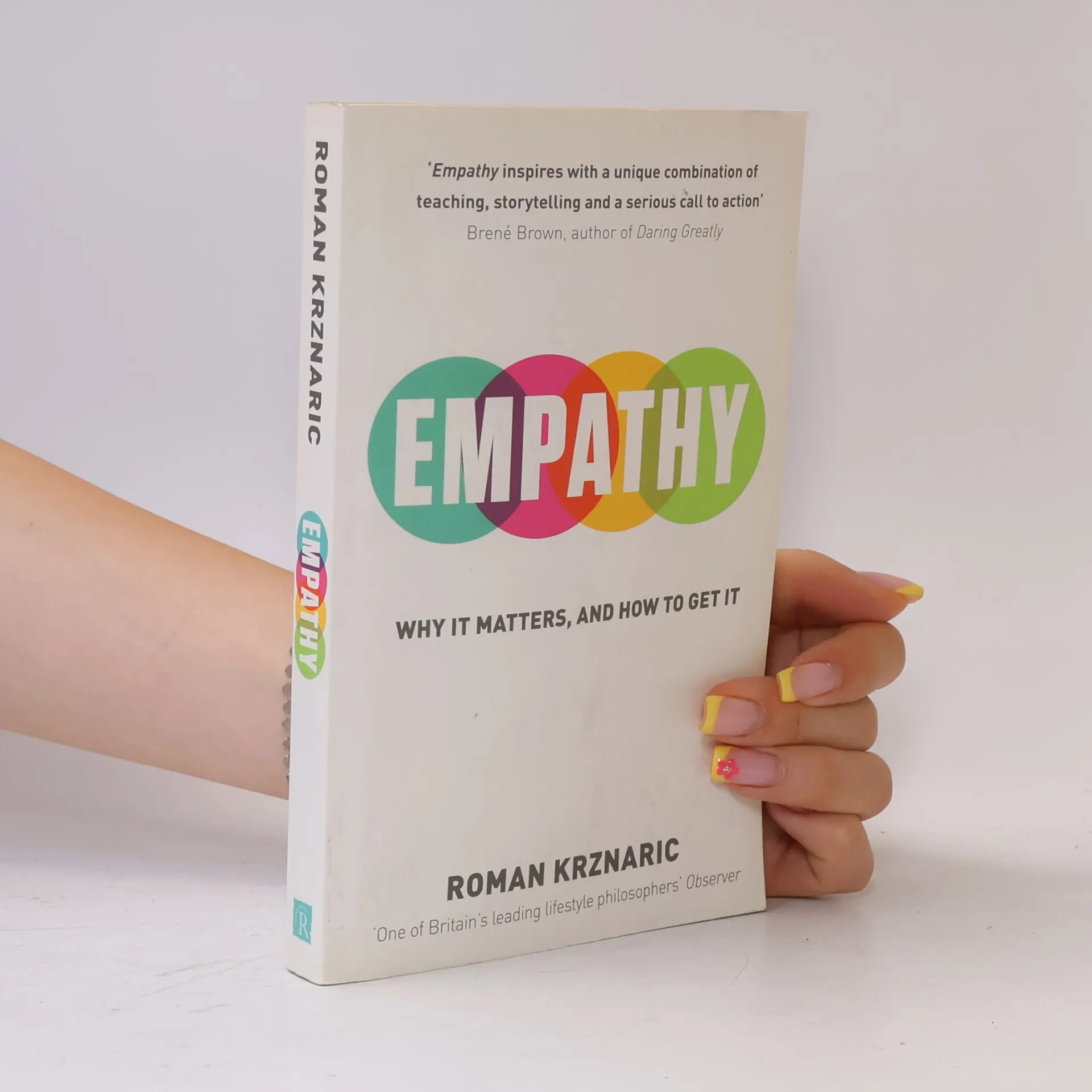
Influential popular philosopher Roman Krznaric argues our brains are wired for social connection: empathy is at the heart of who we are. It's an essential, transforming quality we must develop for the 21st Century. Through encounters with actors, activists, groundbreaking designers, undercover journalists, nurses, bankers and neuroscientists, Krznaric defines a new breed of adventurer. He sets out the six life-enhancing habits of highly empathic people, whose skills enable them to connect with others in extraordinary ways. Empathy has the power to transform relationships, from the personal to the political. Krznaric contends that, as we move on from an age of introspection, empathy will be key to fundamental social change - making this book a manifesto for revolution.
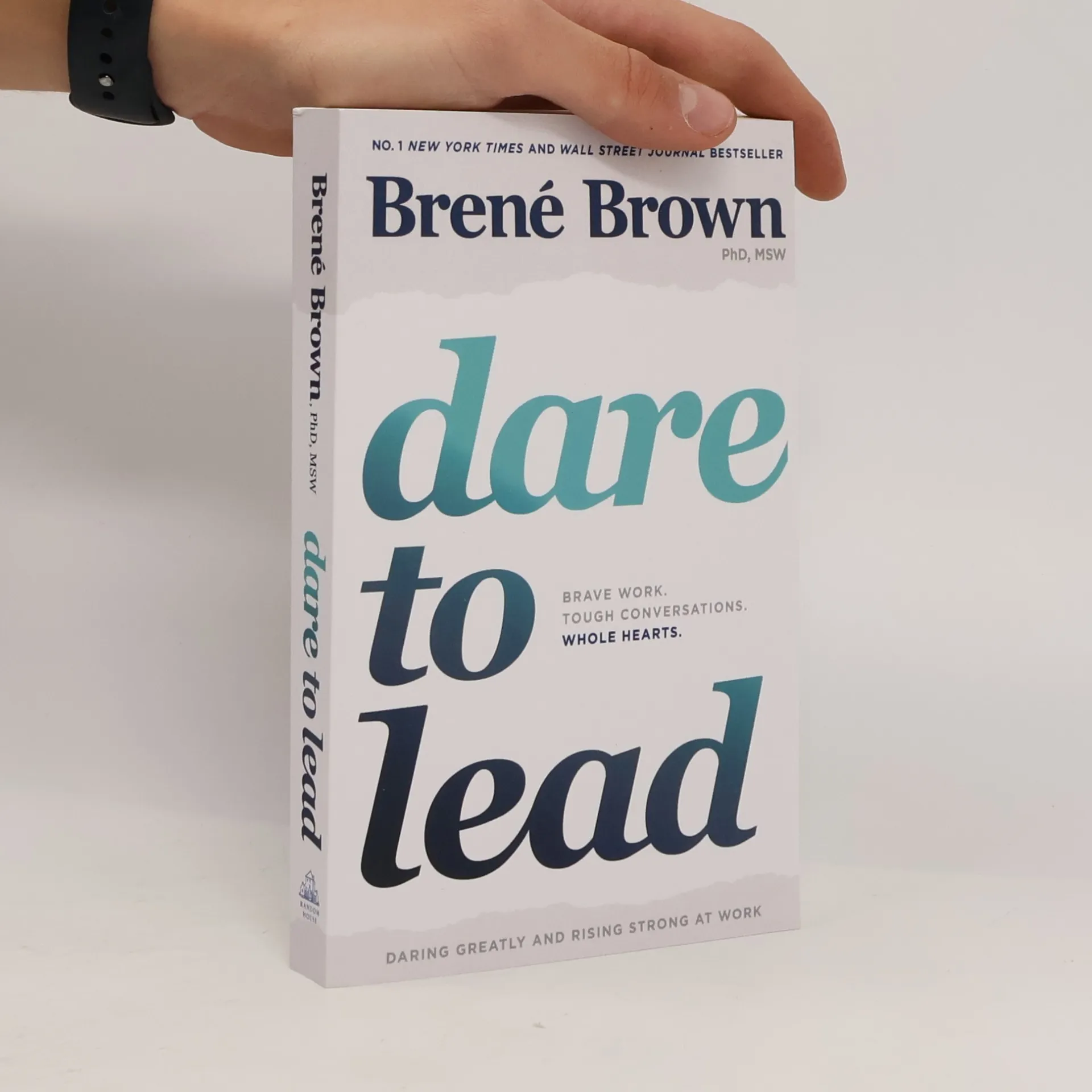
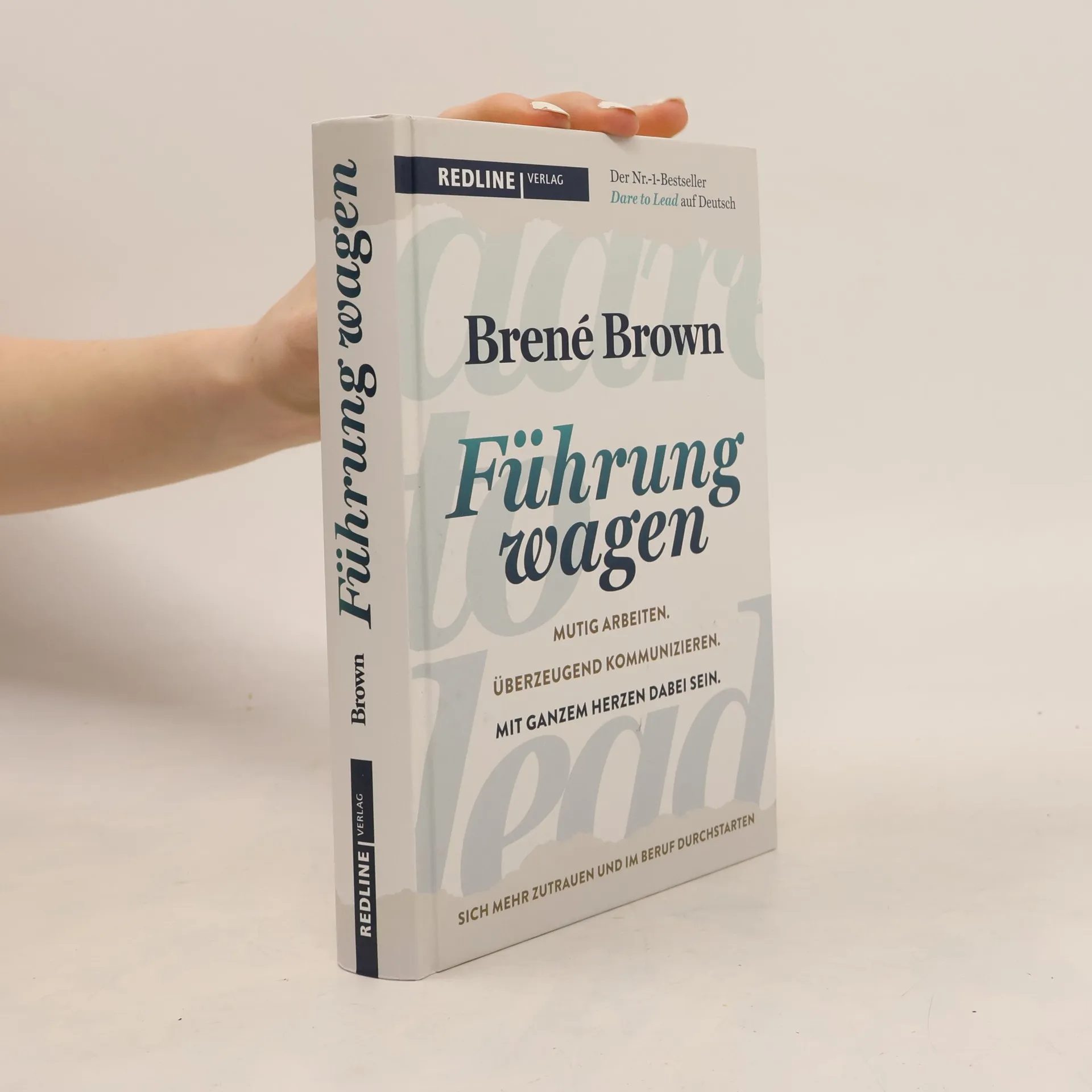
Was braucht es, um eine erfolgreiche Führungskraft zu sein? Bestsellerautorin Brené Brown weiß es: Gute Führung zieht ihre Kraft nicht aus Macht, Titeln oder Einfluss. Effektive Chefs haben zu ihrem Team vielmehr eine intensive Beziehung, die von Vertrauen und Authentizität geprägt ist. Ein solcher Führungsstil bedeutet auch, dass man sich traut, mit Emotionen zu führen und immer mit vollem Herzen dabei zu sein. »Dare to lead - Führung wagen« ist das Ergebnis einer langjährigen Studie, basierend auf Interviews mit hunderten globalen Führungskräften über den Mut und die Notwendigkeit, sich aus seiner Komfortzone rauszubewegen, um neue Ideen anzunehmen.
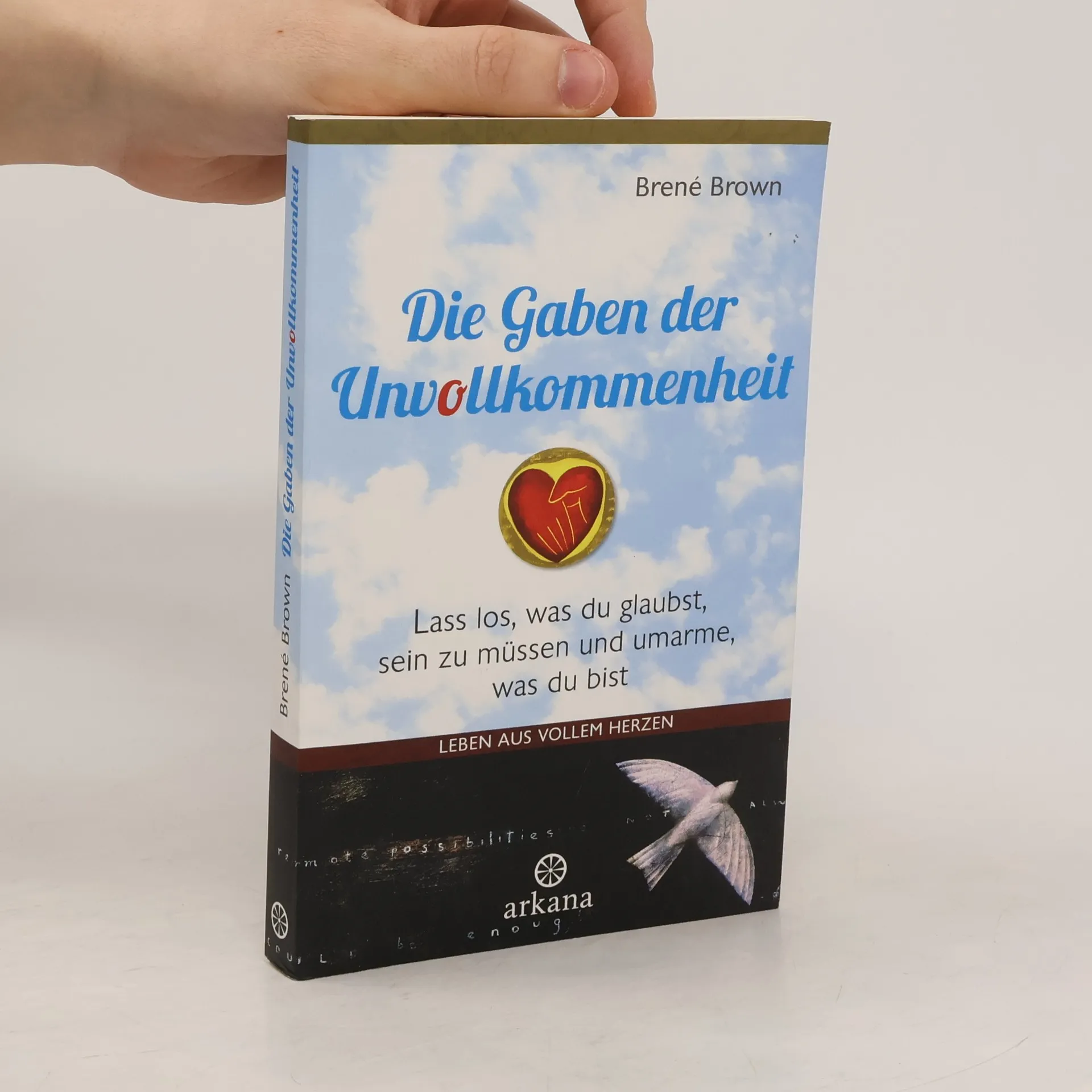
Leben aus vollem Herzen - Lass los, was du glaubst, sein zu müssen und umarme, was du bist
208 stránok
8 hodin čítania
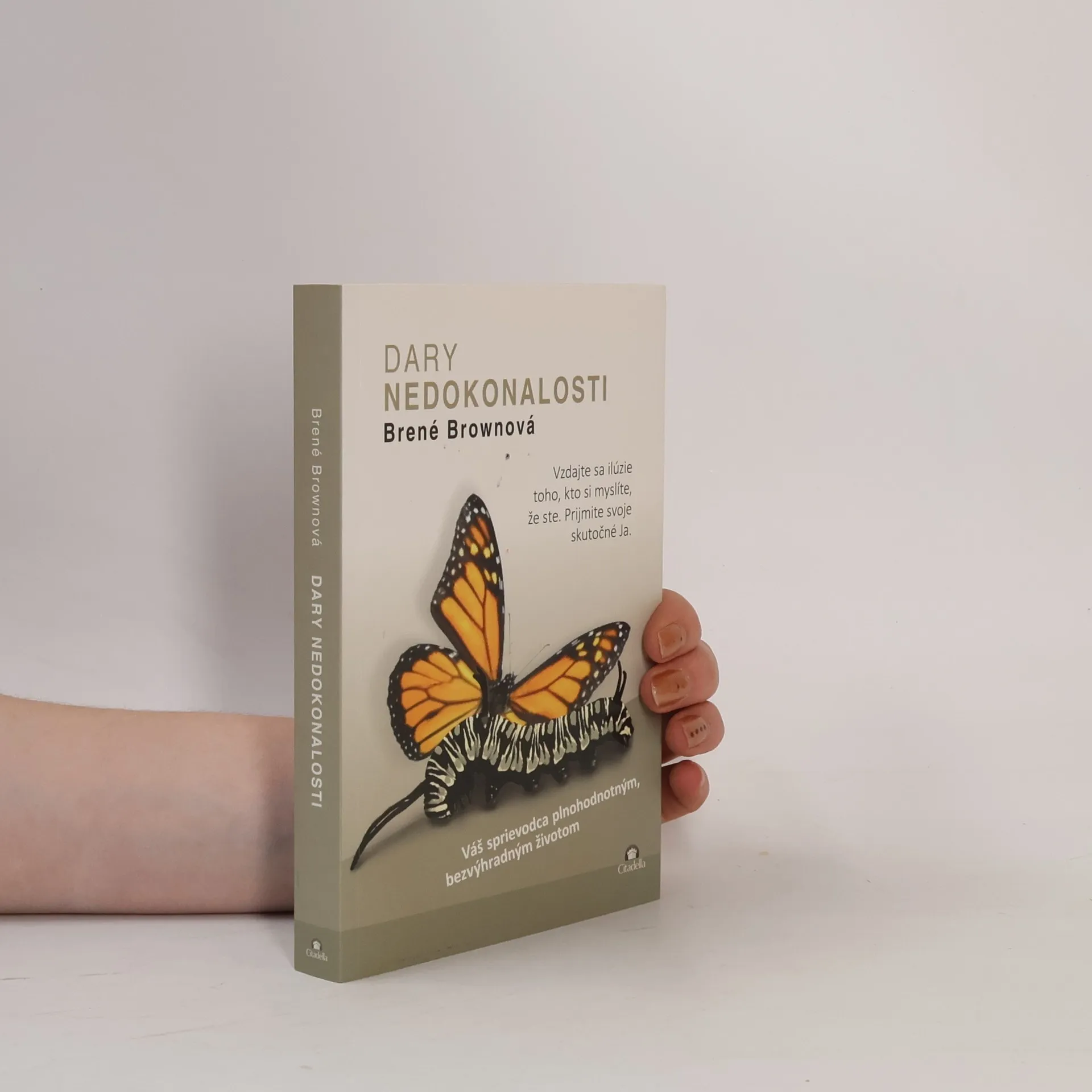
Brené Brown, erfolgreiche Powerfrau, erlebt einen Zusammenbruch, den sie ihr „spirituelles Erwachen“ nennt. Sie geht auf Spurensuche in Sachen Perfektionismus: Was treibt uns an, immer besser und effektiver werden zu wollen? Warum schämen wir uns so, wenn wir trotz größter Anstrengungen den an uns gestellten Anforderungen nie gerecht werden? Browns überraschende Erkenntnis: Perfektion entfremdet! Es ist unsere Unvollkommenheit, die uns mit uns selbst und anderen verbindet und das Leben vollkommen macht. Zehn Wegweiser helfen loszulassen; berührende Geschichten ermutigen, sich von Mr. oder Mrs. Perfect zu verabschieden und sich selbst öfter mal in den Arm zu nehmen. Dieses Buch sollte uns jeden Morgen erinnern: „Ganz egal, was ich heute schaffe und was unerledigt bleibt: Ich bin nicht perfekt, aber ich bin gut genug.“