

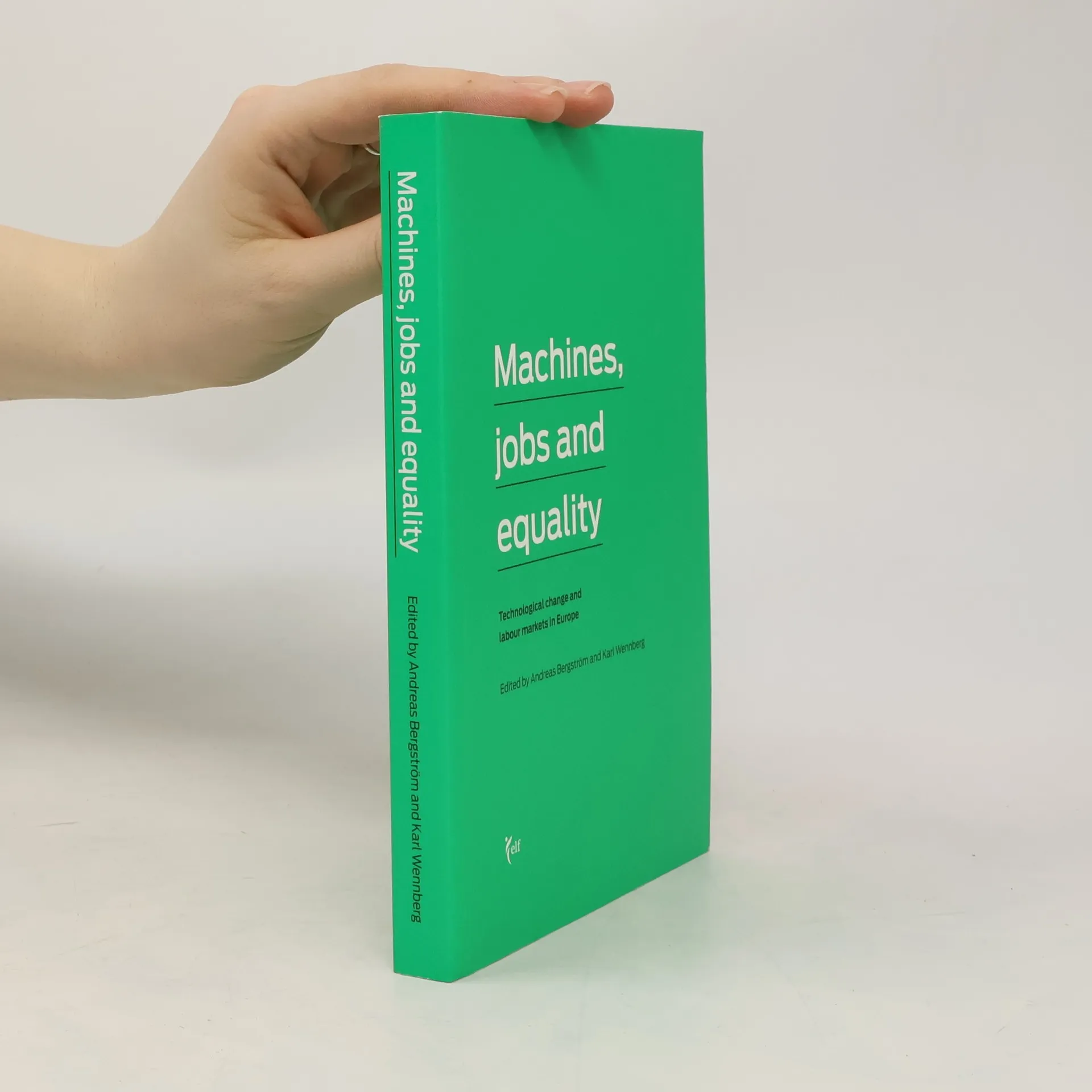

Machines, jobs and equality. Technological change and labour markets in Europe
- 186 stránok
- 7 hodin čítania
Rapid technological change in the form of digitalisation, robotisation, electronic payment systems and artificial intelligence, is transforming the production, distribution and consumption of goods and services in Europe. Labour markets are, in turn, radically affected. But how? ANd how much? Addressing the many economic and societal implications of rapid technological change requires an understanding of the conditions in which it takes place. This, in turn, is essential to the formulation of cogent future policy.In this volume, a range of experts develop their views on labour markets, productivity, unemployment, redistribution, means of payment and artificial intelligence. They discuss the implications for legislation and regulation. The subjects are of relevance for academics, experts, and political decision-makers alike. The book intends to instigate discussion around these specific issues and probe ideas on how to organise our societies in the face of such rapid technological change.