

The Second World War was a uniquely German conflict, initiated by the Nazi regime, which transformed it into one of the most horrific wars in European history, employing genocidal tactics long before the establishment of gas chambers. Throughout the war, the Third Reich depleted its moral and physical resources, culminating in total defeat in 1945. Despite extensive literature on the war's origins and atrocities, the understanding of what motivated Germans and how they coped with the war remains elusive. When the war began in September 1939, it was largely unpopular in Germany, yet the active involvement of the German populace was crucial for its nearly six-year duration. This raises questions about the nature of the war Germans believed they were fighting and how their perceptions evolved through various phases of the conflict, from early victories to devastating defeats and bombings. At what point did they recognize the genocidal nature of their struggle? Drawing on extensive first-hand accounts, this exploration offers a rare insight into the German experience of the war, revealing the beliefs, hopes, and fears of individuals—soldiers, civilians, and various social groups—who participated in a brutal campaign of conquest and genocide.
Nicholas Stargardt Knihy

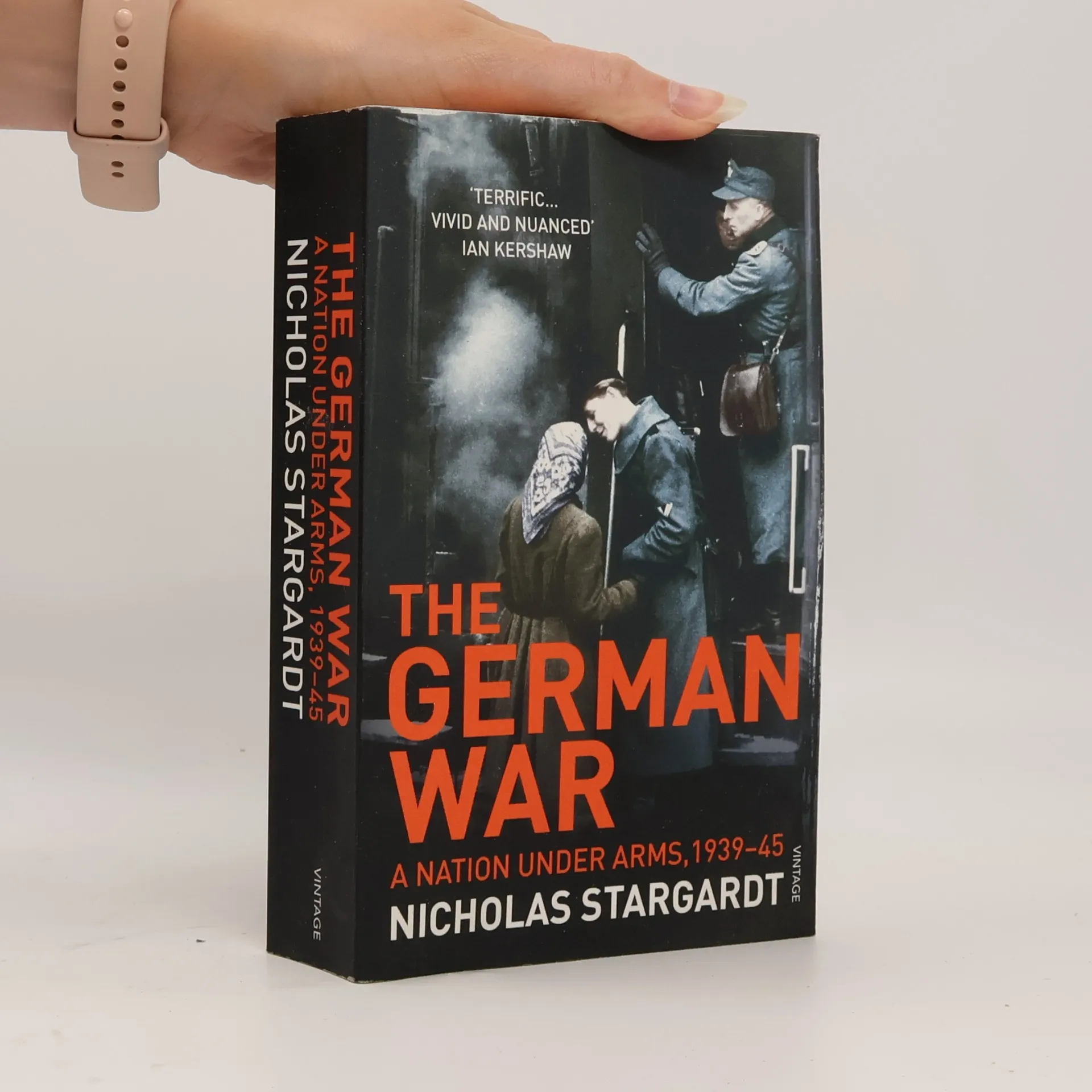
The German War - hardback
- 736 stránok
- 26 hodin čítania
SHORTLISTED FOR THE 2016 PEN HESSELL-TILTMAN PRIZE. The Second World War was uniquely a German war, initiated by the Nazi regime, which transformed it into a horrific conflict marked by genocidal actions long before the establishment of gas chambers. Over the course of the war, the Third Reich depleted its moral and physical resources, culminating in total defeat in 1945. Despite extensive literature on the war's origins, progression, and atrocities, we still lack insight into what motivated the German populace and how they endured the conflict until its conclusion. When the war began in September 1939, it faced significant unpopularity in Germany. However, the war persisted for nearly six years, supported by the active involvement of the German people. What did they believe they were fighting for? How did their perceptions shift with the war's changing dynamics— from early victories to devastating defeats and bombings? At what point did they recognize they were engaged in a genocidal war? Drawing on a wealth of firsthand accounts, this work explores the experiences of various individuals—soldiers, teachers, housewives, Nazis, Christians, and Jews—offering a compelling historical narrative that reveals the beliefs, hopes, and fears of a society that waged a brutal war of conquest and genocide.
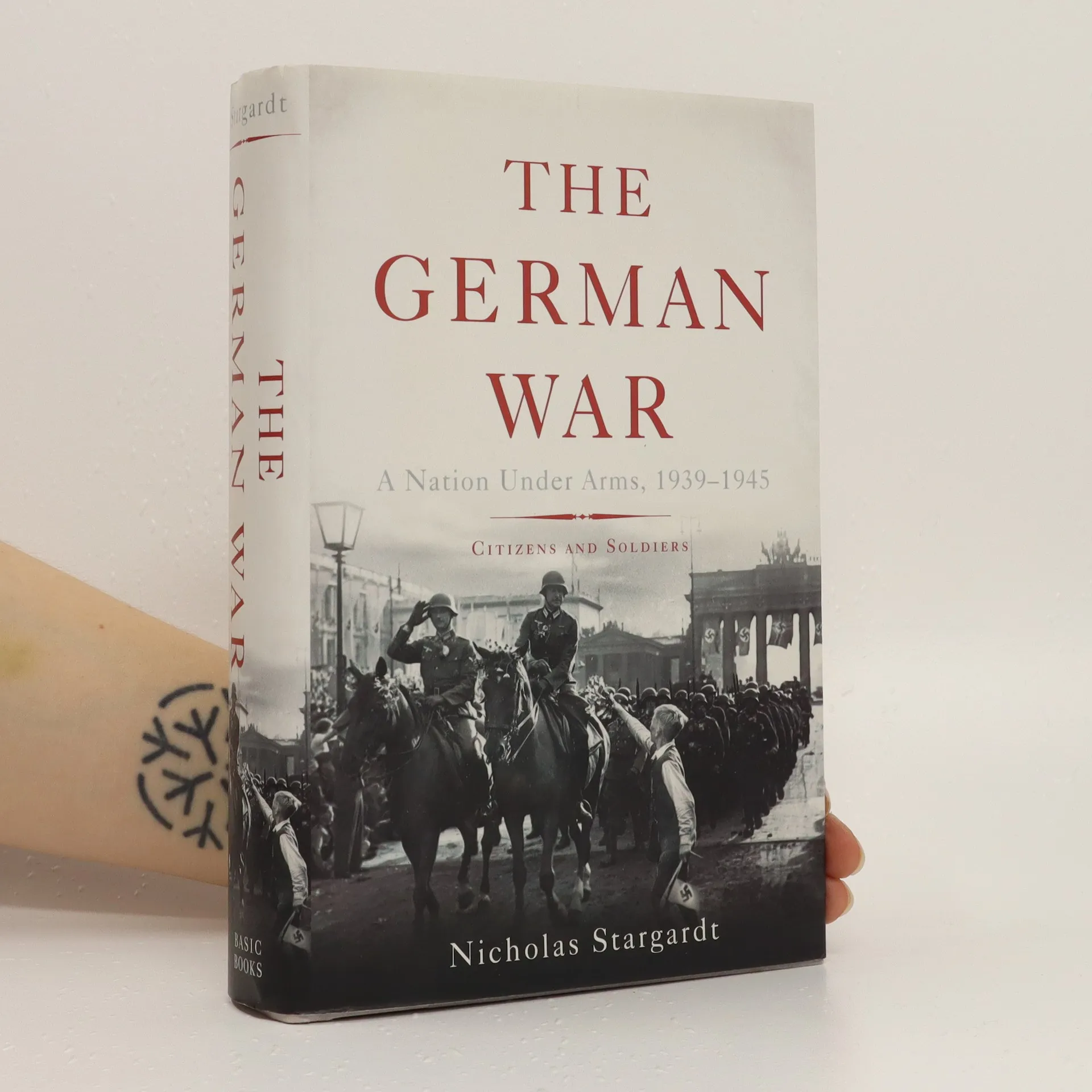
The German War. A Nation Under Arms, 1939-1945. Citizens and Soldiers
- 704 stránok
- 25 hodin čítania
"Drawing on a wealth of first-hand testimony, the German War is the first foray for many decades into how the German people experienced the Second World War. Told from the perspective of those who lived through it-- soldiers, school-teachers and housewives; Nazis, Christians and Jews-- its masterful historical narrative sheds fresh and disturbing light on the beliefs, hopes, and fears of people who embarked on, continued, and fought to the end, a brutal war of conquest and genocide"--
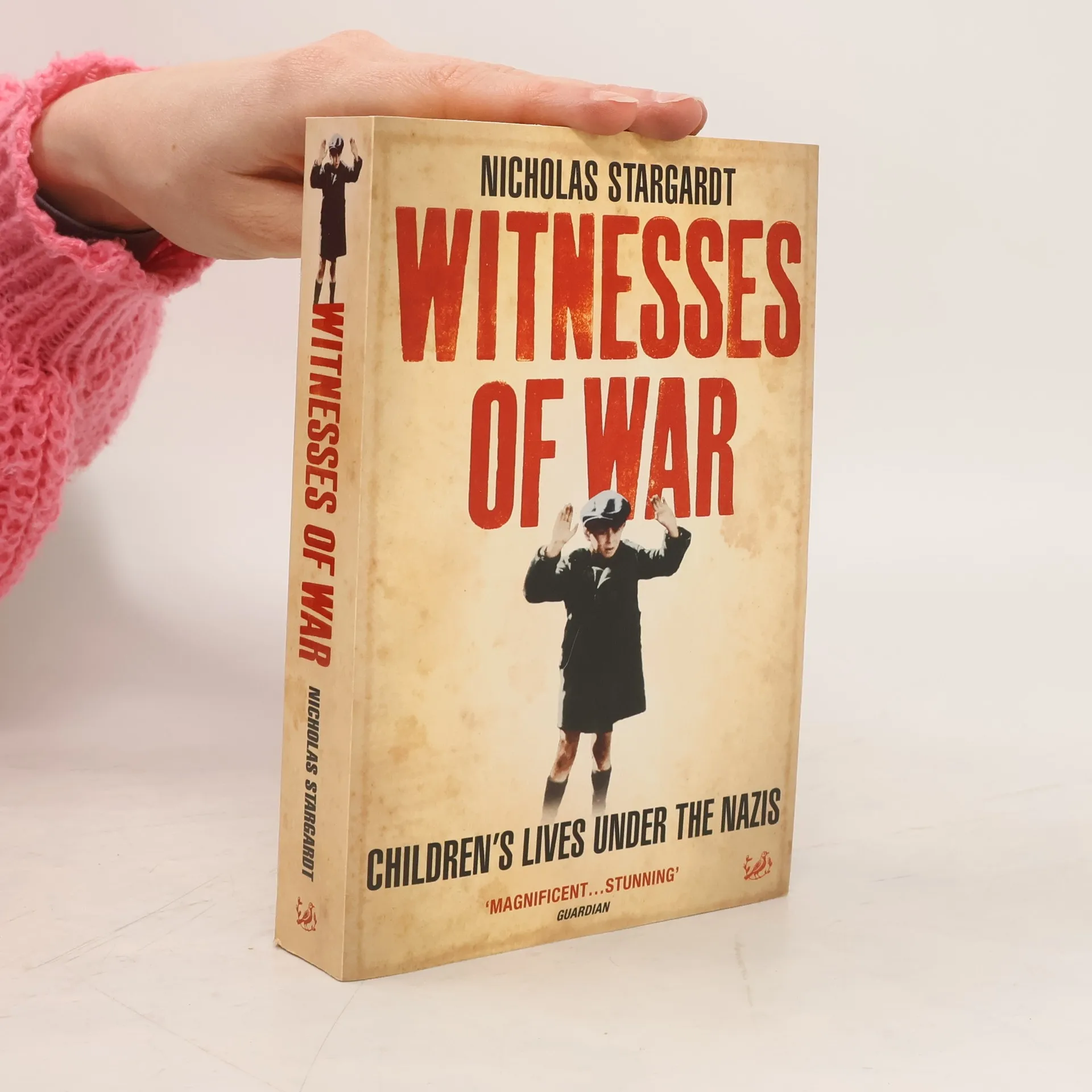
Witnesses Of War
- 544 stránok
- 20 hodin čítania
Witnesses of War is the first work to show how children experienced the Second World War under the Nazis. As they absorbed the brutal new realities of German occupation, Polish boys played at being Gestapo interrogators, and Jewish children at being ghetto guards or the SS.
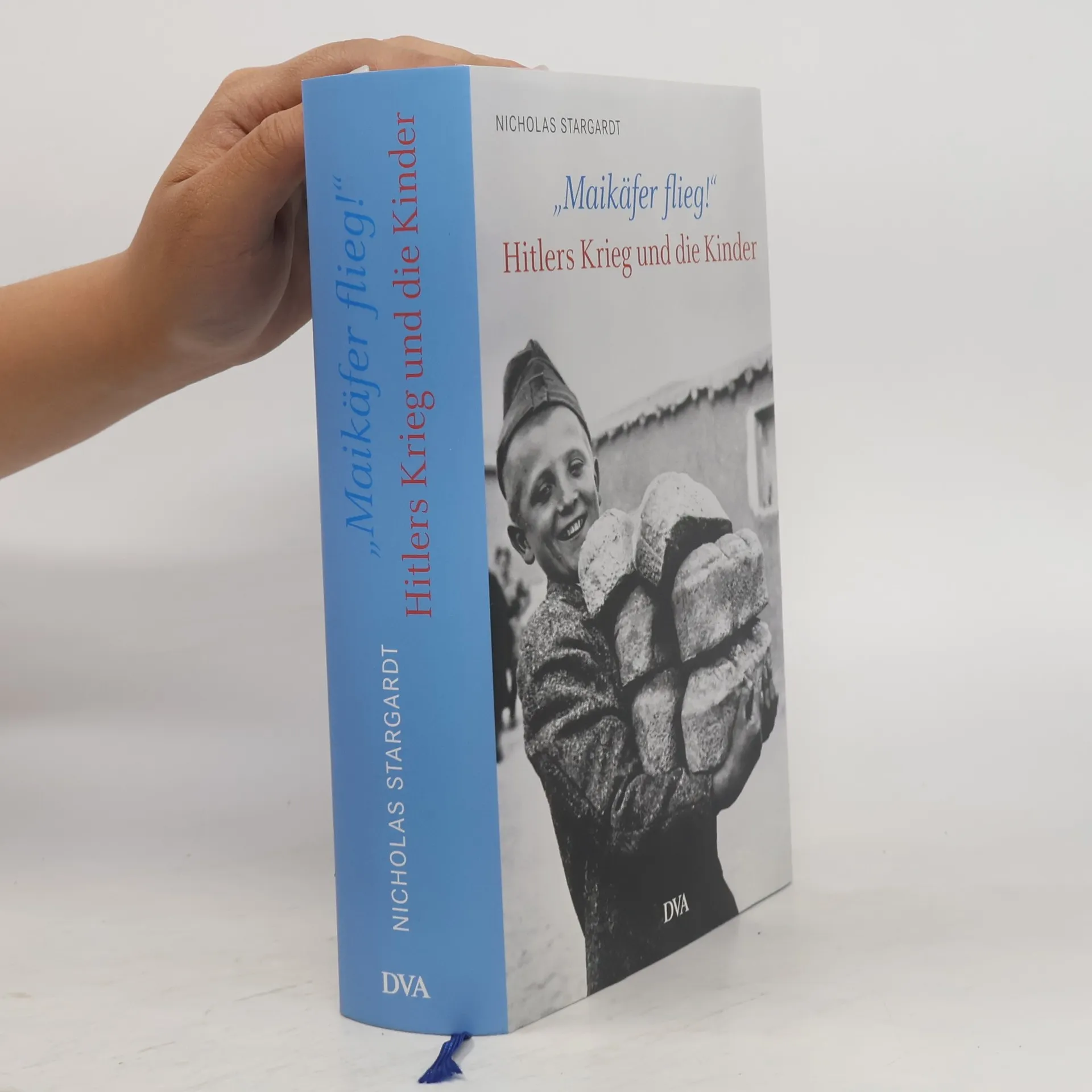
Maikäfer flieg!
- 581 stránok
- 21 hodin čítania
Ein breites Panorama von Kindheit und Jugend unter Naziherrschaft Als das erste Opfer eines Krieges gilt die Wahrheit, die Kinder sind sein letztes, denn sie tragen die Erinnerungen an Schrecken, Not und Tod viele Jahrzehnte lang mit sich. So vielfältig die Erlebnisse von Kindern und Jugendlichen unter den Nazis waren, so sehr sie sich durch die jeweiligen Lebensumstände unterschieden - im Dritten Reich und in den Konzentrationslagern, auf dem Land und in den vom Bombenkrieg zerstörten Städten, in Kriegsgefangenenlagern und in den großen Flüchtlingstrecks -, haben sie doch gemeinsam, daß der Zweite Weltkrieg sie tief geprägt hat. Nicholas Stargardt hat sich die gewaltige Aufgabe gestellt, die Erlebnisse und Erinnerungen dieser Generation in ihrer ganzen Vielschichtigkeit zu sammeln und als große Erzählung den Generationen der Kinder und Enkel zu vermitteln. Ein Buch, das vielen Familien Gesprächsstoff liefern wird.