An international sensation, Small Country is a beautiful but harrowing tale of
coming-of-age in the face of civil war. But dark clouds are gathering over
this small country, and soon their peaceful idyll will shatter when Burundi
and neighbouring Rwanda are brutally hit by war.
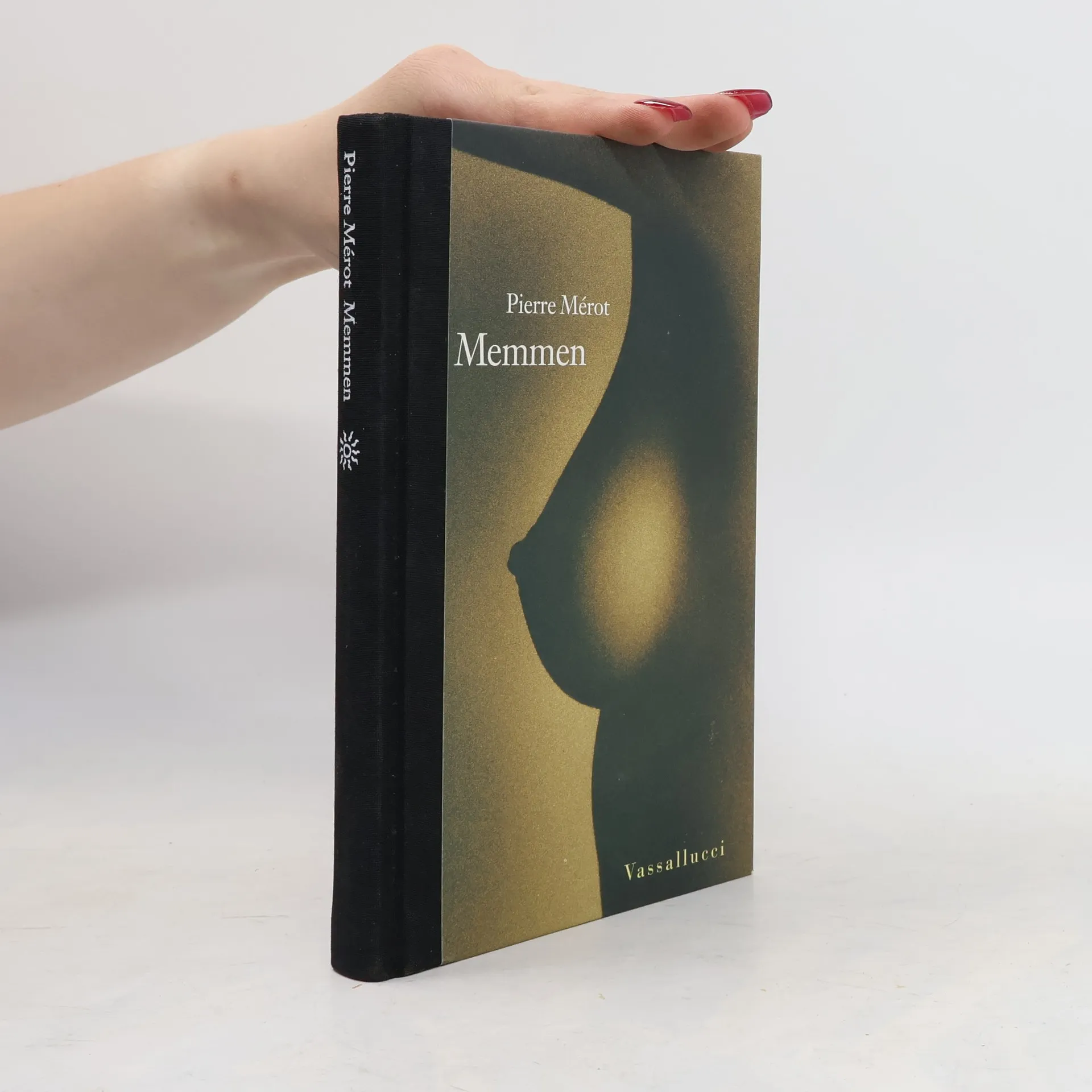
Caustic, comic, gleefully honest, Mammals tells the story of Uncle, one of life's glorious losers. Uncle is a particularly hapless forty-year-old bachelor, impeccably educated but seemingly unemployable, recently forced to move back into the family home. Uncle is a drunk; he is sarcastic; he fails at numerous relationships and professions. Still, he clings to the hope that, with a little help from booze, sex, and writing, life might at last offer him something meaningful. Riding a handbasket merrily to hell, Mammals delivers a witty and wry anatomization of modern life, and establishes Pierre Merot as an extraordinary and delightful voice of international stature. Translated from the French by Frank Wynne, joint winner of the prestigious IMPAC Award (with Michel Houellebecq, author of Atomized/The Elementary Particles .
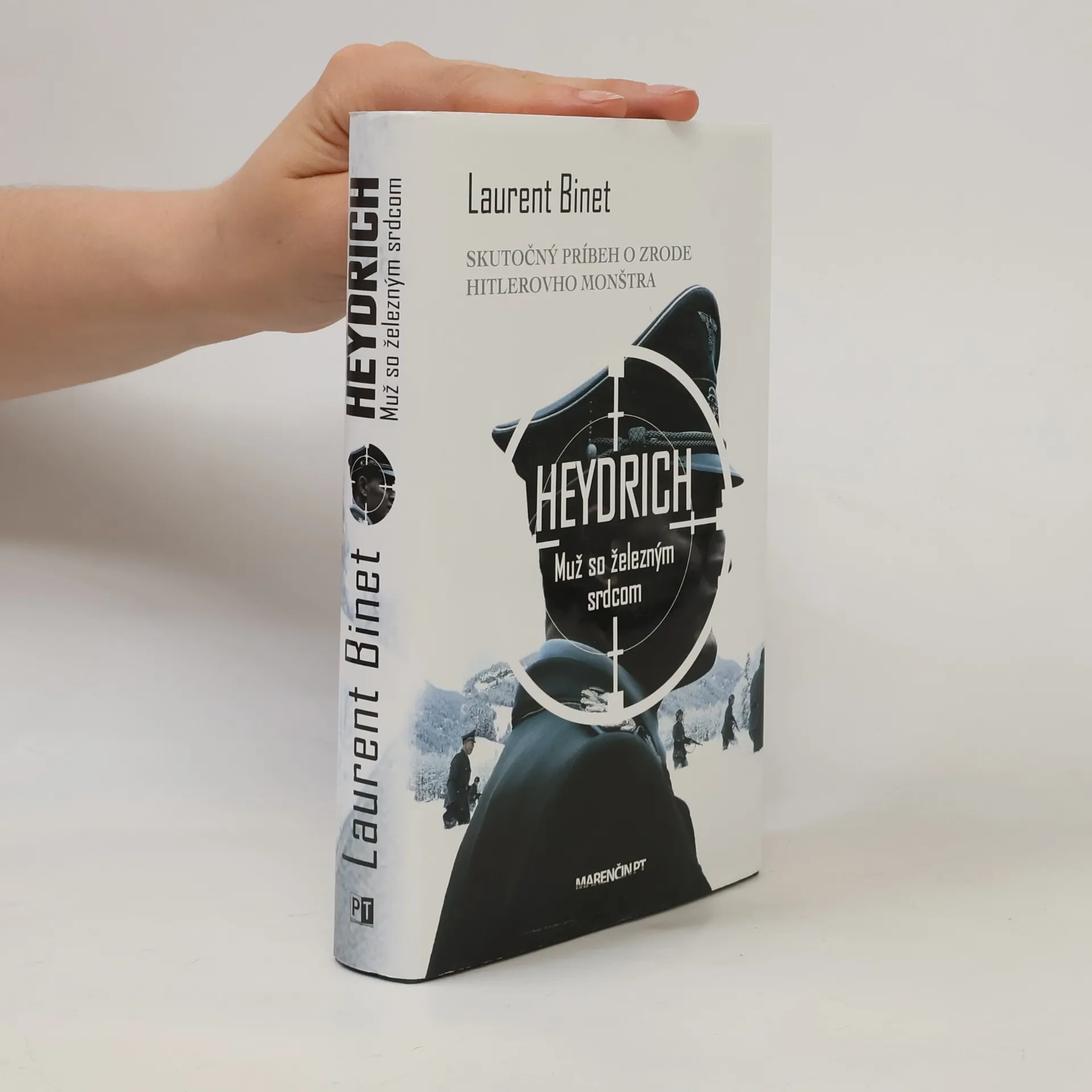
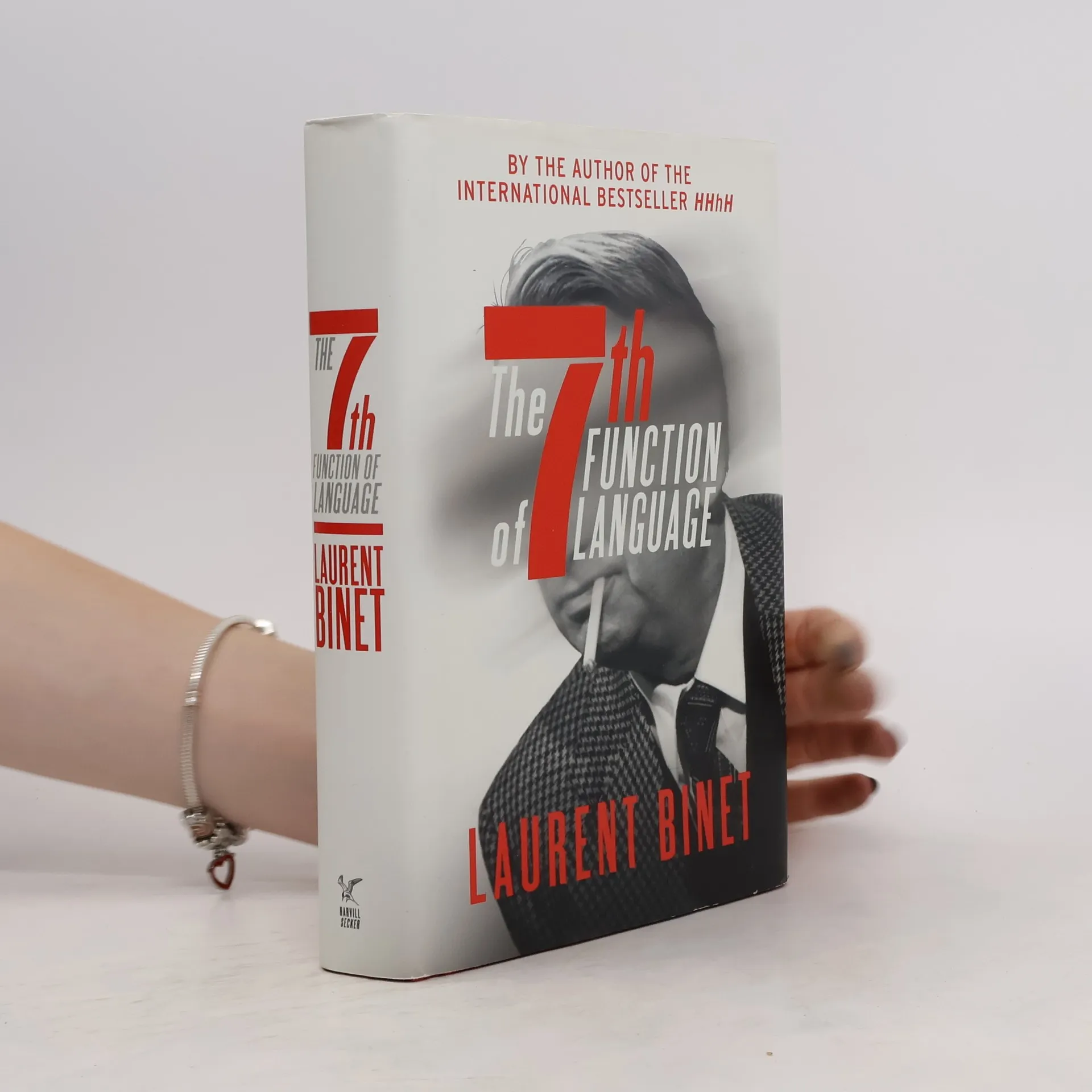
Prominentného nacistu Reinharda Heydricha prezývali pražský mäsiar a kat. Šéf gestapa, ktorý naplánoval holokaust a riadil tajnú službu, sa stal protektorom Čiech a Moravy. Po sérii podlých vrážd českých generálov a vlastencov dostal Slovák Jozef Gabčík a Čech Jan Kubiš z hnutia odporu poverenie Heydricha zabiť. Kniha opisuje kariéru nacistu až po smrteľné zranenie na pražskej zákrute v Kobylisiach – jediný úspešný atentát na vysokopostaveného esesáka počas vojny. Zrodil sa brilantný román o akcii Antropoid riadenej z Londýna. Filmové spracovanie knihy Laurenta Bineta HHhH (Marenčin PT, 2010) prichádza do slovenských kín 15. júna 2017 spolu s druhým vydaním knihy pod rovnomenným názvom Heydrich: Muž so železným srdcom.
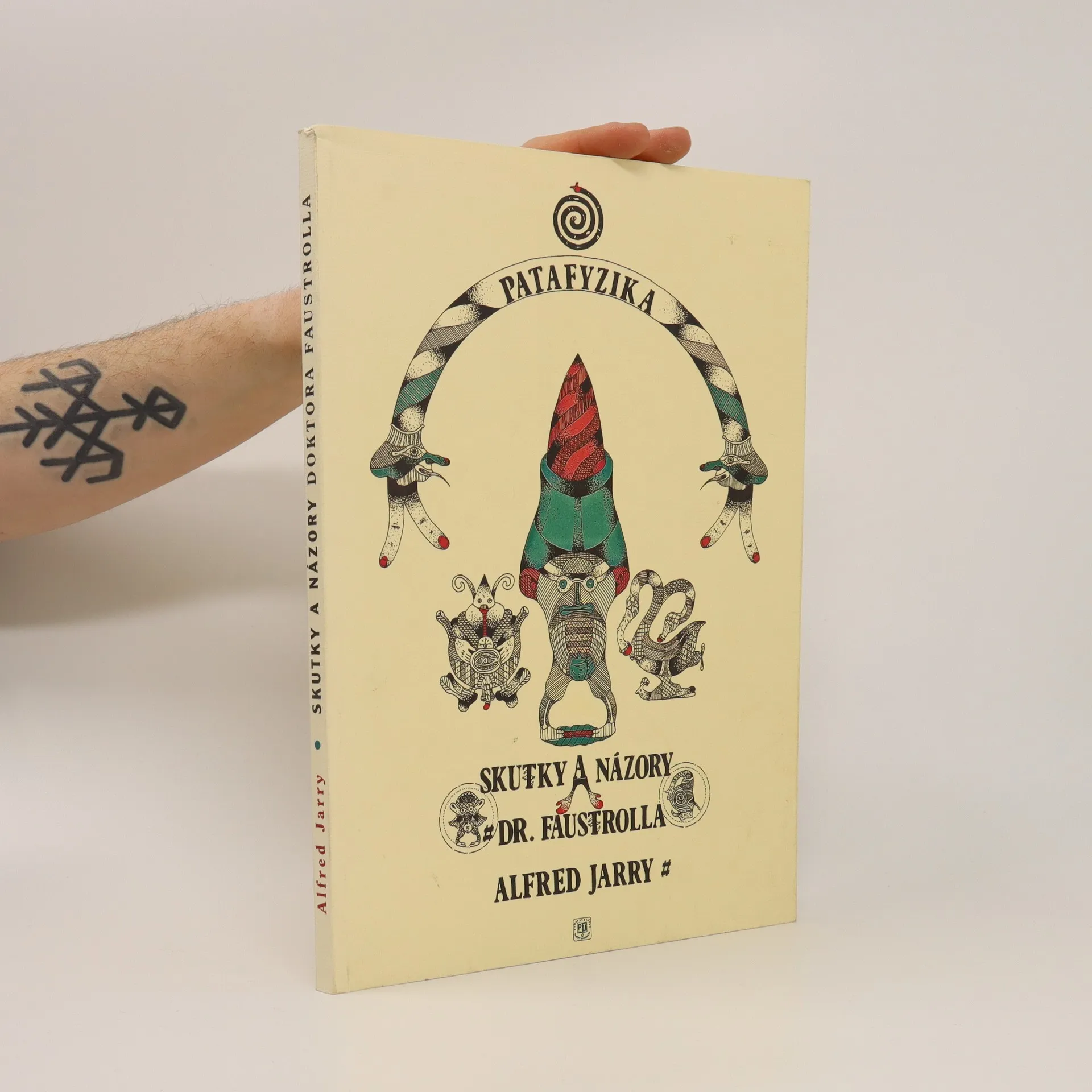
Bibliofilské vydanie slávneho diela — jedného zo základných prameňov patafyziky — dielo, ktoré je dodnes zdrojom inšpirácie umelcov najmä surrealistov. Ilustrácie Karol Barón. Preklad Albert Marenčin. Kniha vychádza v náklade 200 číslovaných kusov na papieri Conqueror.
Text Jarryho druhej najdôležitejšej zbierky bol Diela a názory Dr. Faustrolla, patafyzika, ktorý bol publikovaný posmrtne (na Jarryho žiadosť, aby kniha bola vydaná len v čase, ktorý by bol schopný pochopiť ju) a ktorý zobrazuje patafyziku ako "vedu imaginárnych výsledkov".
Jim Crace Andreas lives his whole life in the Austrian Alps, where he arrives as a young boy taken in by a farming family. He is a man of very few words and so, when he falls in love with Marie, he doesn't ask for her hand in marriage, but instead has some of his friends light her name at dusk across the mountain. When Marie dies in an avalanche, pregnant with their first child, Andreas' heart is broken. He leaves his valley just once more, to fight in WWII - where he is taken prisoner in the Caucasus - and returns to find that modernity has reached his remote haven ...
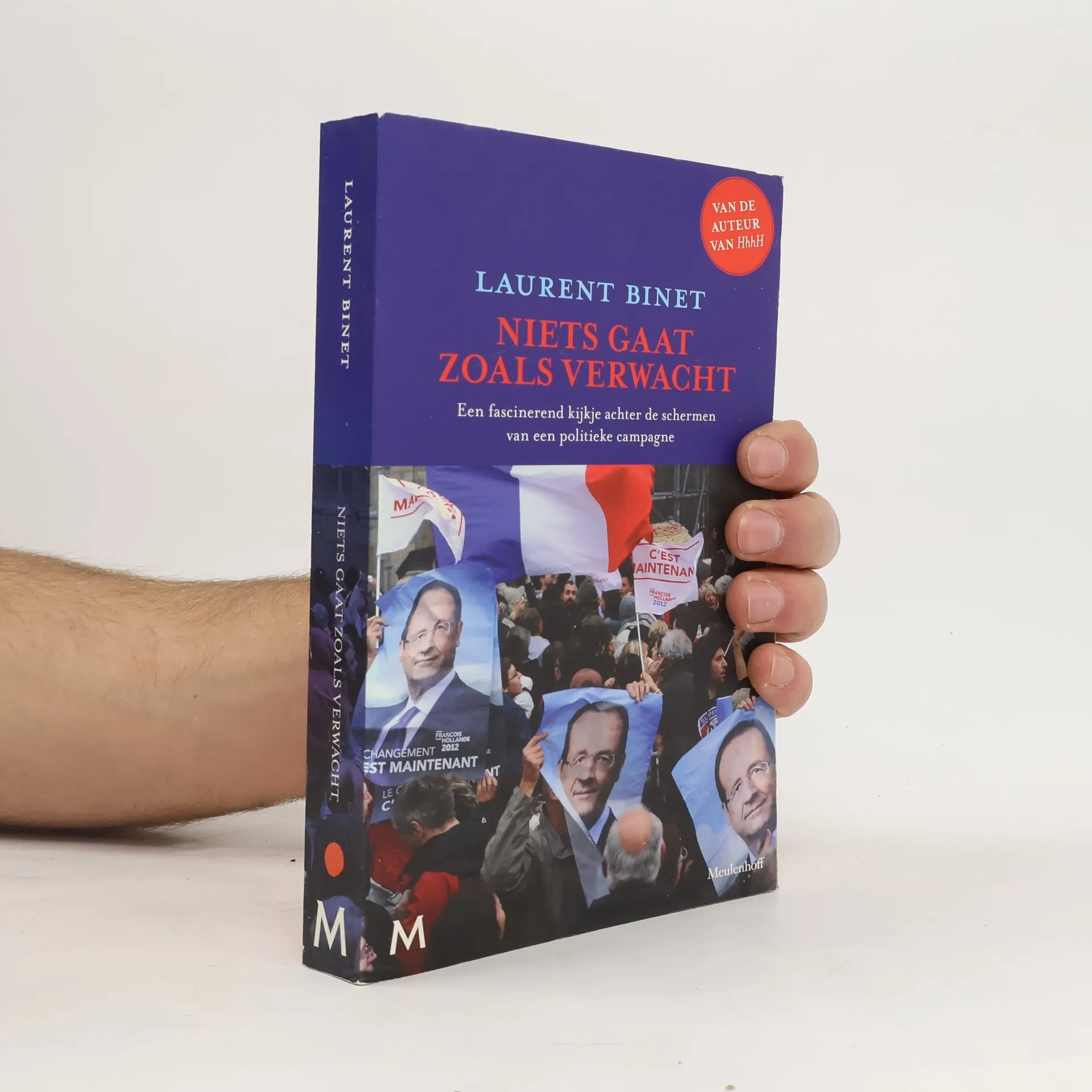
Hoeveel uren van speech schrijven, vergaderen, lobbyen, peilingen volgen en nagelbijten gaan er in een verkiezingscampagne zitten? Hoeveel fotoshoots, interviews, debatten en signeersessies? Laurent Binet legt genadeloos het verborgen mechanisme achter een presidentscampagne bloot. Net als in HhhH kiest hij voor een subjectief gezichtspunt, en neemt hij zijn onmogelijke wens om onafhankelijk en objectief te blijven onder de loep. Want je kunt nog zo van plan zijn om niet te veel betrokken te raken, het gaat niet altijd zoals verwacht...
'One of the funniest, most riotously inventive and enjoyable novels you'll
read this year' - Observer`The most outrageously entertaining novel of the
year... A joy' - Philip HensherRoland Barthes is knocked down in a Paris
street by a laundry van.
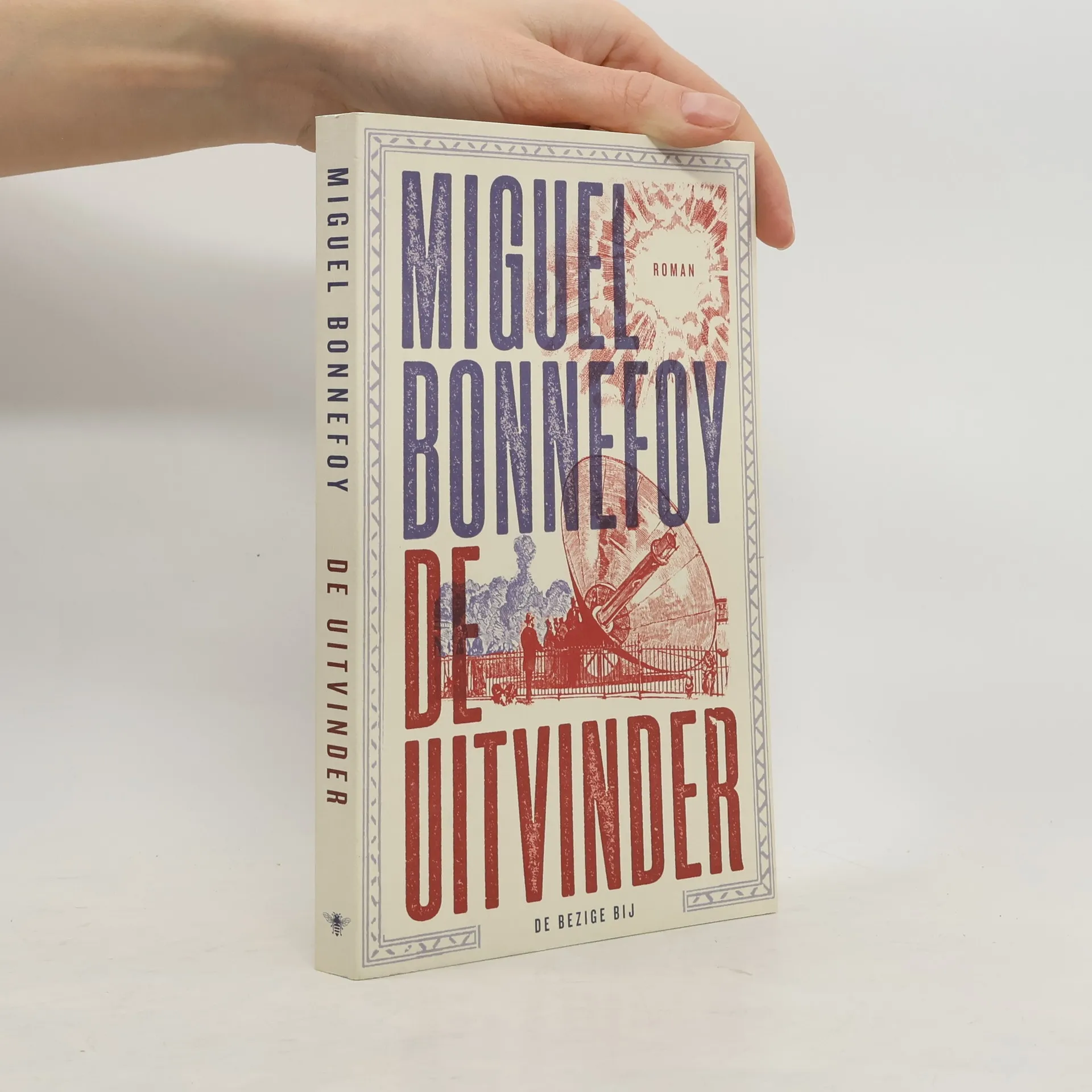
Augustin Mouchot, zoon van een slotenmaker, werkte als leraar wiskunde toen hij halverwege de negentiende eeuw als eerste ontdekte hoe zonne-energie omgezet kon worden in mechanische stoomkracht. Mouchot geloofde dat de wereldvoorraad steenkool ooit uitgeput zou raken, en in 1861 ontwikkelde hij een door de kracht van de zon aangedreven machine. Zijn uitvinding was haar tijd ver vooruit, werd tot aan het hof van Napoleon III bejubeld en onder grote belangstelling gepresenteerd op de Wereldtentoonstelling in Parijs. Mouchots machine slaagde erin pompen en drukpersen aan te drijven. En dat niet alleen: hij verbaasde vriend en vijand door met de kracht van zonlicht blokken ijs te maken. Op het toppunt van zijn roem en met een keizerlijke toelage vertrok Mouchot naar Algerije om daar 'de woestijn te laten bloeien'.
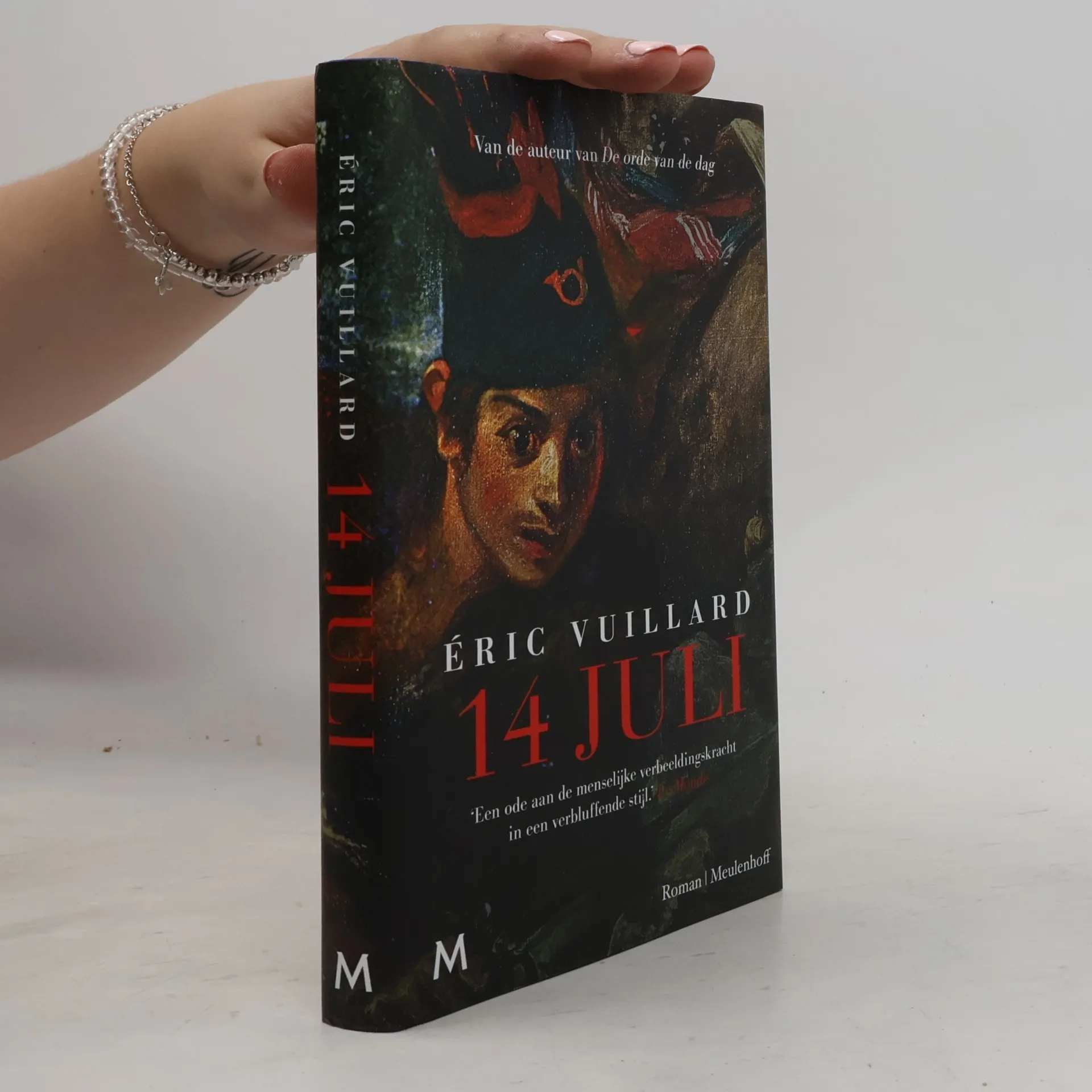
La prise de la Bastille est l’un des évènements les plus célèbres de tous les temps. On nous récite son histoire telle qu’elle fut écrite par les notables, depuis l’Hôtel de ville, du point de vue de ceux qui n’y étaient pas. 14 Juillet raconte l’histoire de ceux qui y étaient. Un livre ardent et épiphanique, où notre fête nationale retrouve sa grandeur tumultueuse.
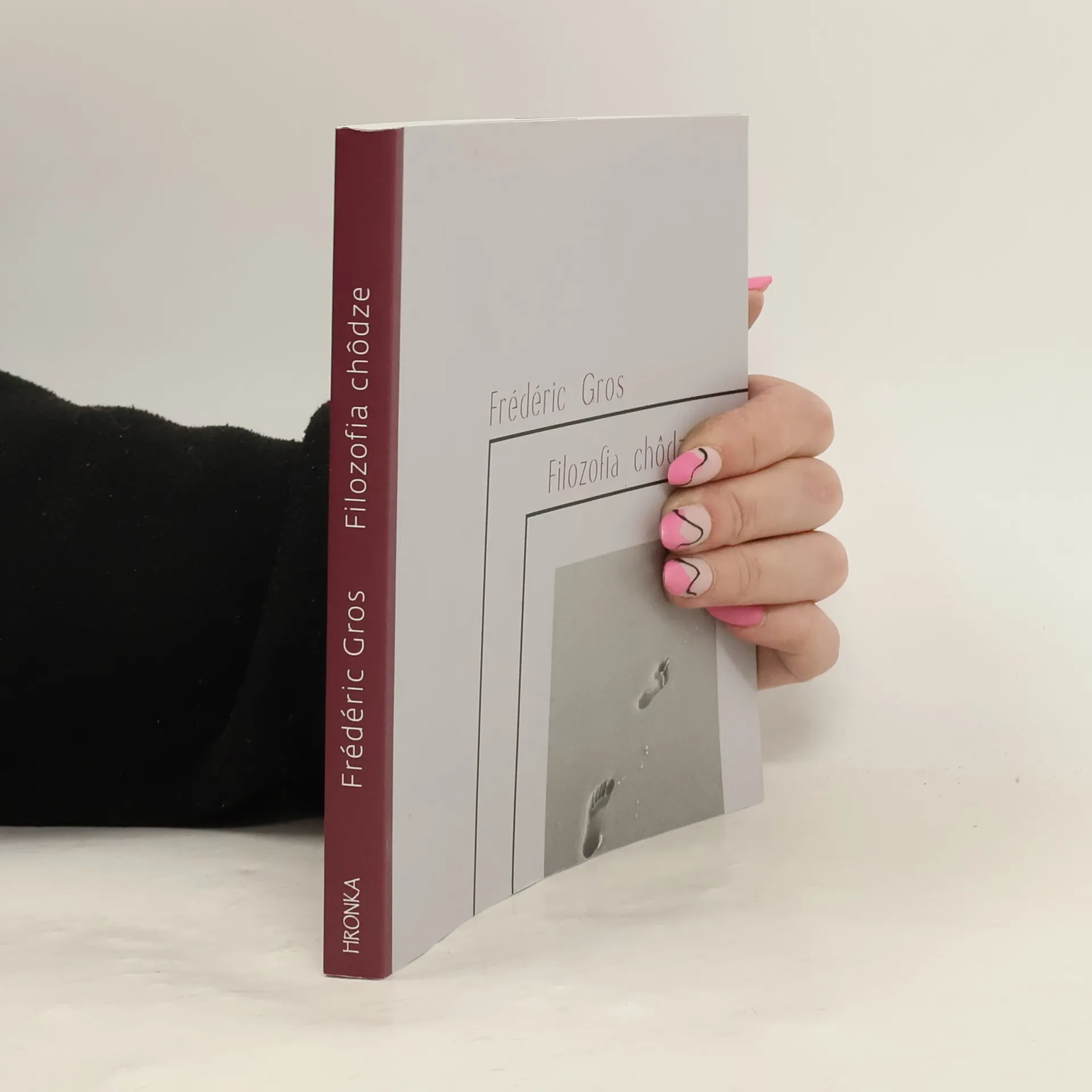
Kniha francúzskeho filozofa Frédérica Grosa, profesora politickej filozofie, sa stala bestsellerom a predajnosť vo Francúzsku presiahla 100 000 výtlačkov. Táto filozofická práca, písaná ľahkým esejistickým štýlom, je prístupná aj bežným čitateľom. Autor v 25 esejach skúma chôdzu, najobyčajnejšiu a najprirodzenejšiu ľudskú činnosť, z rôznych perspektív, ako sú prechádzanie, putovanie a túlanie. Chôdza nie je športom, nezameriava sa na techniku či súťaženie, ale skôr na slobodné a pomalé kráčanie bez vopred stanoveného cieľa. Autor porovnáva lesné vychádzky, horské putovania a mestské potulky, pričom zdôrazňuje výhody chôdze v moderných megapolis. Kniha sa zaoberá aj osobnosťami, ktoré sa chôdzou preslávili, ako sú kynici, Nietzsche, Rimbaud, Rousseau, Gándhí a Thoreau. Téma chôdze je blízka každému, je zadarmo a ponúka radosť, pričom jej význam nespočíva len v fyzickej aktivite; podporuje aj duchovnú tvorbu. Chôdza umožňuje regeneráciu telesných a duševných síl, pričom telo a myseľ vedú dialóg oslobodený od stresu a starostí, dodávajúc nám odvahu vykročiť správnym smerom.
Adolf Hitler sa jedného dňa prebudí v dnešnom Berlíne a neverí vlastným očiam. Nemecko nielenže naďalej existuje, ale aj prekvitá. Vodca Tretej ríše sa v nových pomeroch rýchlo zorientuje a začína kariéru – tentoraz v televízii a na Facebooku! Drsná satira, ktorá je mimoriadne zábavná, ale aj desivo reálna.
In Cambridge, Massachusetts, buiten de muren van de Harvard universiteit, ontmoeten twee mensen elkaar bij toeval: een jonge fysicus die vertrouwelijk onderzoek doet en een jonge vrouw die zich bezighoudt niet milieurecht. Van beslissende invloed op hun langzaam groeiende relatie zijn huil verleden, hun totaal verschillende wereldbeelden, hun verschillende doelen voor de toekomst ... en een verbazingwekkend besluit van de vrouw.
A tragic accident unfolds as a longboat plunges over the Great Falls, leading to the drowning of five passengers. The Lockmaster, tasked with ensuring safe river navigation, faces scrutiny when his son suspects foul play rather than an accident. Driven by the need for answers, the son, a hydraulic engineer knowledgeable about river dynamics, embarks on a quest to uncover the truth behind the disaster and locate his missing father, raising questions about responsibility and the nature of the tragedy.