

Doprava zadarmo od 24,99 €. Viac info.
Bookbot

Miloš Dvorský

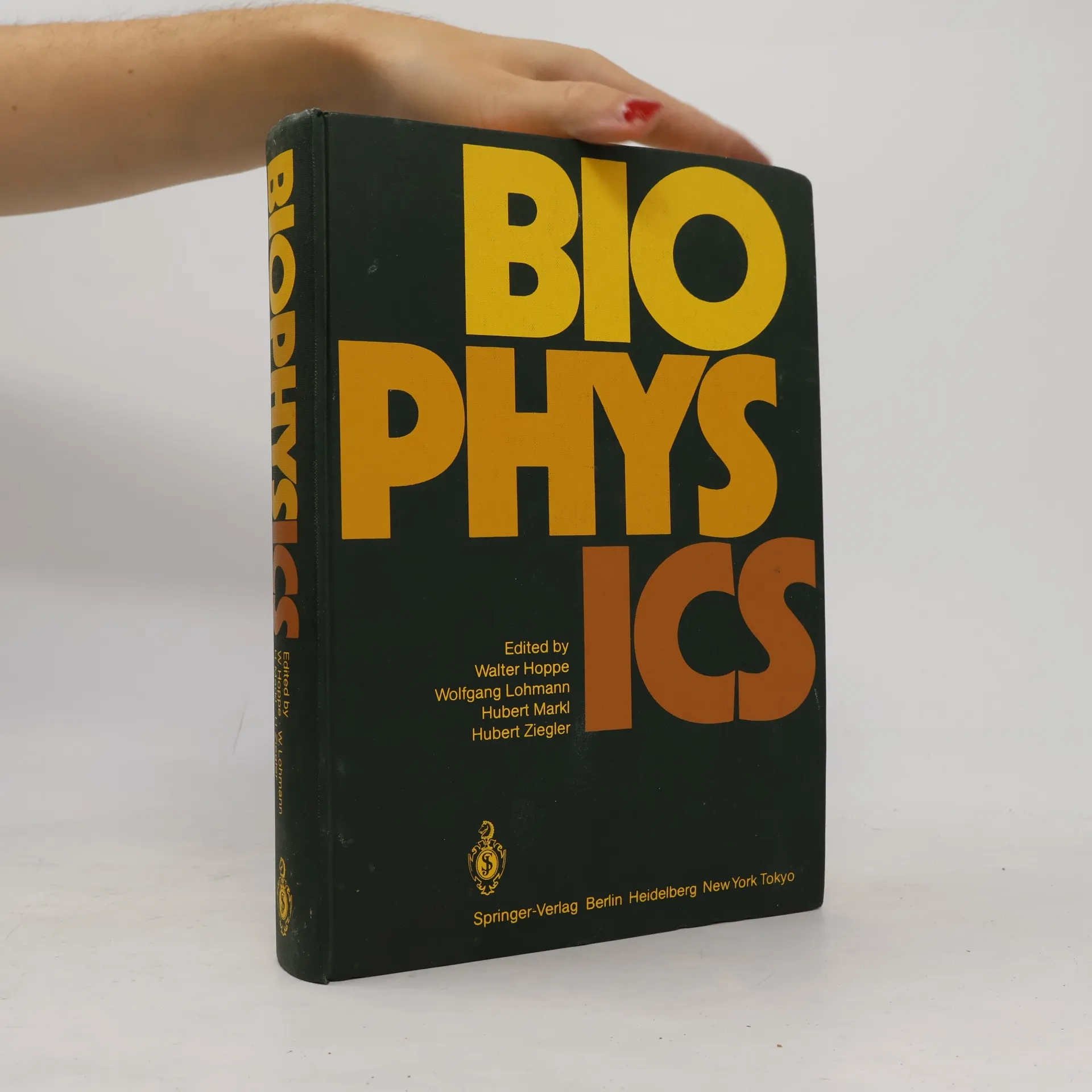
    Biophysics
    Mýtus zvaný Stínadla
    • Mýtus zvaný Stínadla

      • 211 stránok
      • 8 hodin čítania

      Rychlé šípy, Vontové a hlavolam – Realita versus fikce. Přesně sedmdesát let od vydání Foglarova prvního stínadelského románu nyní na knižní pulty přichází unikátní publikace, která živým, a přesto faktografickým způsobem odhaluje odpovědi na základní otázky, na něž se marně snažilo najít odpověď několik generací chlapců a děvčat: Kde jsou Stínadla? Existoval opravdu chlapecký klub Rychlé šípy? Kdo byl Jan Tleskač? A je opravdu možné sestrojit létající kolo? Nová kniha bezpochyby zaujme všechny příznivce tvorby Jaroslava Foglara. Unikátní informace, které kniha obsahuje, však budou zajímat i badatele specializované na národopis a dějiny každodennosti. 2. rozšířené vydání.

      Mýtus zvaný Stínadla
      3,9
    • Biophysics

      • 941 stránok
      • 33 hodin čítania

      What is biophysics? As with all subjects which straddle traditional boundaries between fields, it eludes a precise definition. Furthermore, it is impossible to do biophysics without having a certain foundation of knowledge in biology, physics, physical chemistry, chemistry and biochemistry. One approach to a biophysics textbook would be to refer the student to the literature of these neighboring fields, and to leave the selection of the appropriate supplementary material up to the student. The editors of this volume are of the opinion that it is more useful and less time-consuming to present a selection of the supplementary knowledge, in concentrated form, together with the subject matter specific to biophysics. The reader will thus find in this book introductions to such subjects as the structure and function of the cell, the chemical structure of biogenic macromolecules, and even theoretical chemistry. What, indeed, is biophysics? Must we consider it to include physiology, electromedicine, radiation medicine, etc. ? The field has evolved continuously in recent years. Molecular understanding oflife processes has come more and more to the fore. Just as the field of molecular physics has developed to describe structures and processes in the realm of non-living systems, there has been a corresponding development of molecular biophysics.

      Biophysics