

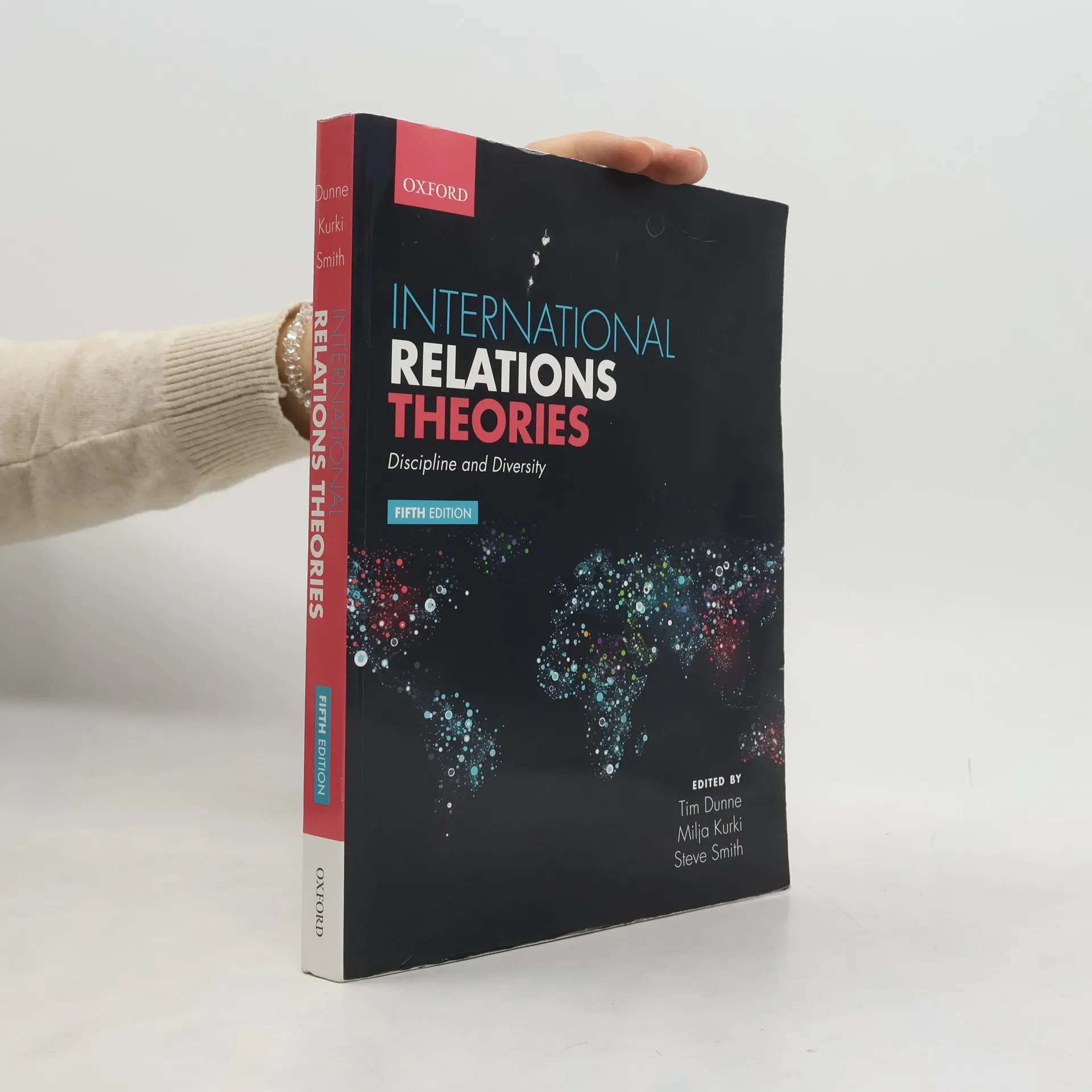
Unrivalled coverage of international relations theories from leading experts whose case studies show you how theory can be applied to address concrete political problems. In this best-selling text, contributors to Dunne, Kurki, and Smith explore the full spectrum of theoretical perspectives and debates, ranging from the historically dominant traditions of realism, liberalism, and Marxism to prominent critical approaches, from feminism and postcolonialism to green theory. Each chapter is dedicated to a particular theory and features a case study that shows how theory can be used to explain real-world political dilemmas. New To This Edition: A new chapter sixteen on global international relations encourages you to explore the context in which IR developed, and appreciate the importance of viewing international relations theories from diverse representative perspectives, Chapters have been fully revised to reflect recent events, including the Trump Presidency, developments in climate change politics, and the Covid-19 pandemic The case studies help you to apply theories to real-world issues, Revised introduction to each part provides an overarching narrative to the text, helping you to understand and interpret different approaches, Updated online resources include guidance on answering case study questions, encouraging you to reflect upon and critically evaluate what you have learnt Book jacket.
Milja Kurki Knihy
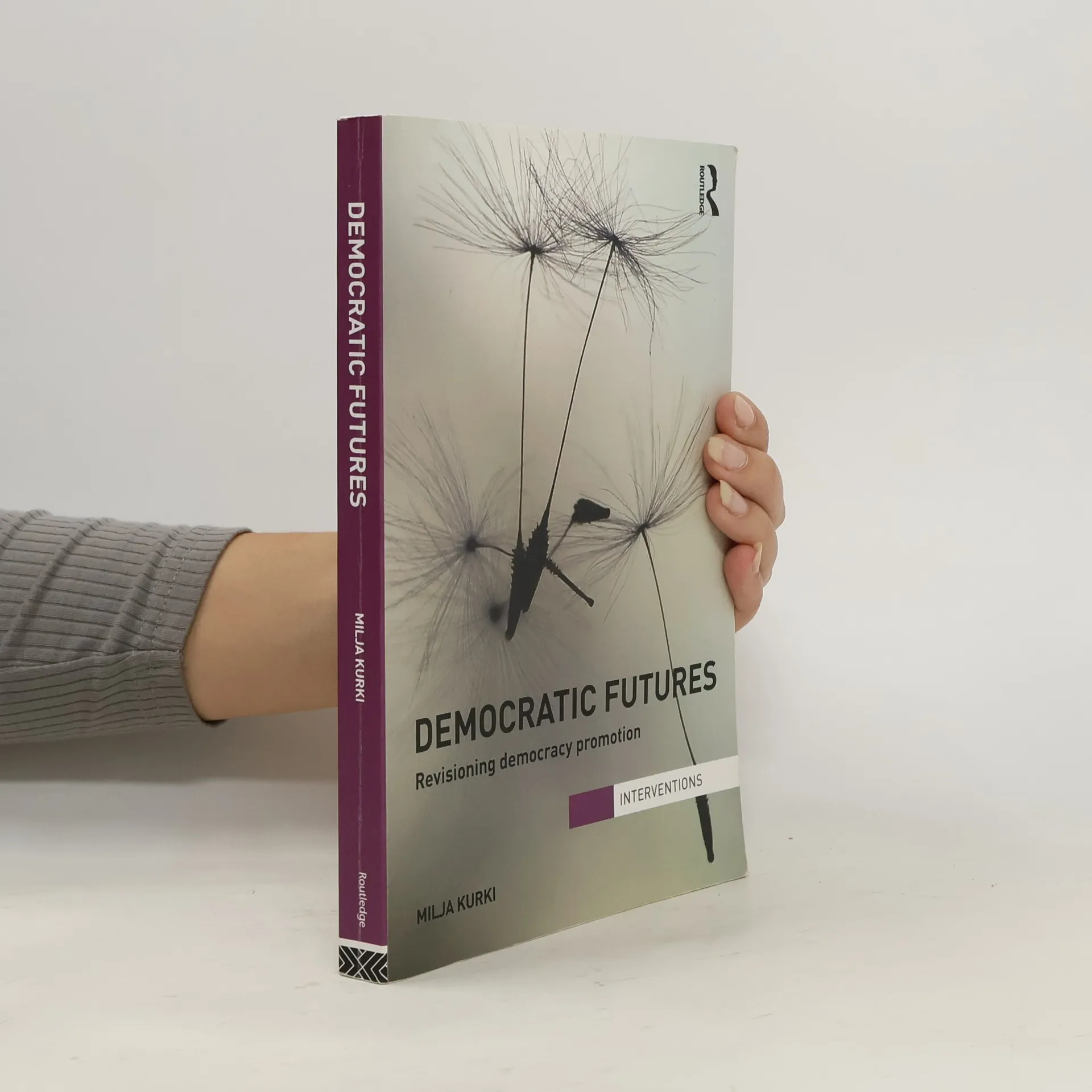
Democratic Futures
- 312 stránok
- 11 hodin čítania
Democracy promotion has been an influential policy agenda in many Western states and international organisations, and amongst many NGO actors. But what kinds of models of democracy do democracy promoters promote? This book examines in detail the conceptual orders that underpin democracy support activity, and the conceptions of democracy that democracy promoters, consciously or inadvertently, work with. Such an examination is not only timely but much-needed in today’s context of multiple democratic and financial crises. Contestation over democracy’s meaning is returning, but how is this contestation reflected, if at all, in democracy promotion policies and practices? Seeking to open up debate on multiple models of democracy, this text provides the reader not only with the outlines of various possible politico-economic models of democracy, but also with a close empirical engagement with democracy promoters’ discourses and practices. Drawing on a broad spectrum of examples, it exposes the challenges faced by Western governments in trying to reshape the political and economic landscape across the world and tentatively advances a set of concrete policy provocations which may enable a more pluralist and flexible democracy promotion practice to emerge. This innovative new work will be essential reading for all students of democratisation, democracy promotion and international relations.