

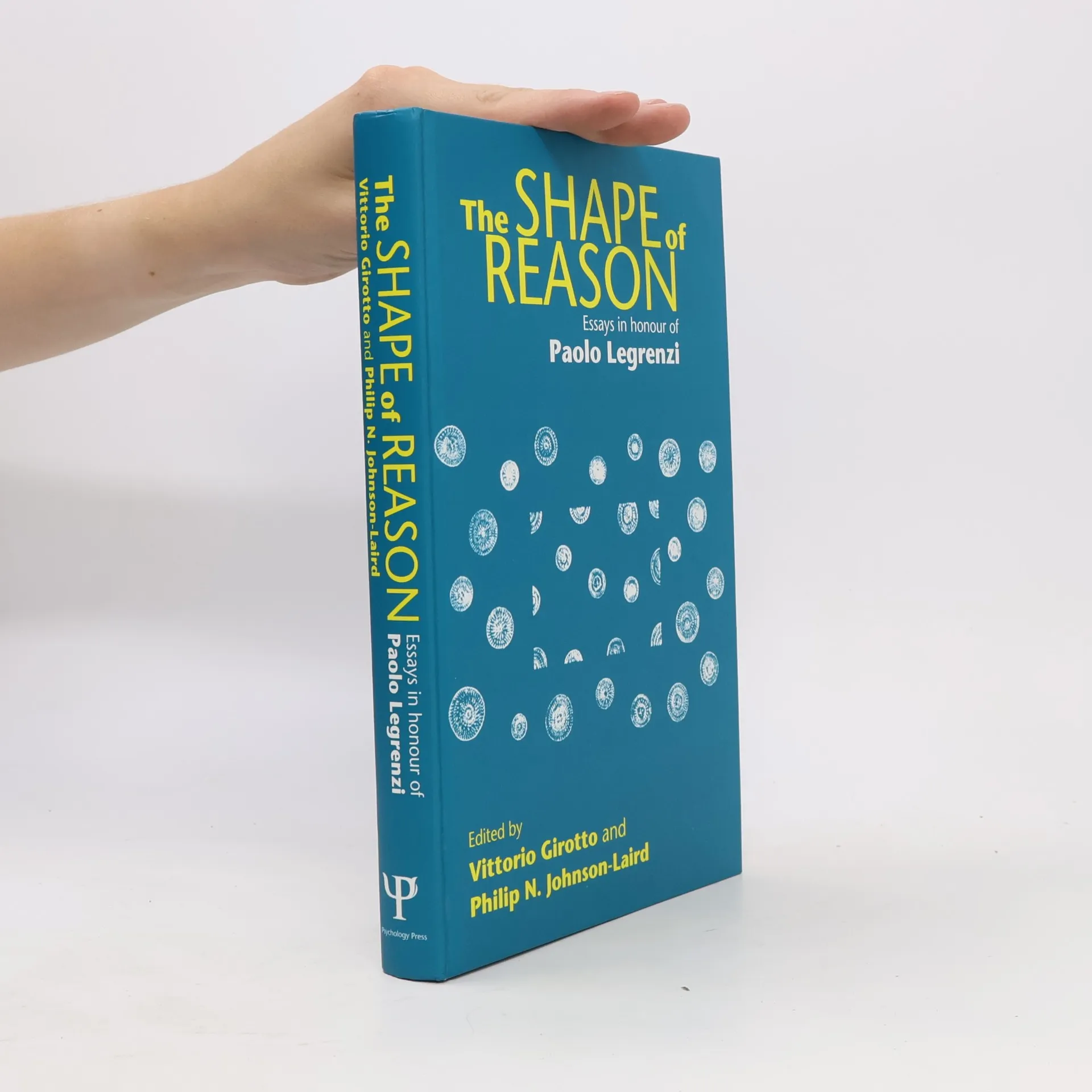
Over the past three decades, research on human thinking and reasoning has rapidly evolved. This volume offers a comprehensive review of the significant contributions made by Paolo Legrenzi, bridging Gestalt ideas with modern cognitive psychology. Distinguished scholars from Europe and the USA reflect on how Legrenzi has influenced their research and modern approaches to human inference. The text explores both traditional and contemporary topics, providing a wide-ranging survey of human thought. It addresses creativity, problem-solving, and the linguistic and social dimensions of reasoning and judgment, including the social and emotional factors in decision-making, illustrated by examples such as cognitive mechanisms behind consumers' attitudes toward herbal medicines. Key questions are posed, such as how individuals unfamiliar with logic reason and make choices without knowledge of probability calculus and decision theory. The discussions are situated within a broader research context, with contributors considering the implications of their findings for the field, making this volume an essential reference for those investigating the processes underlying thinking, reasoning, and decision-making in everyday life.
Vittorio Girotto Knihy
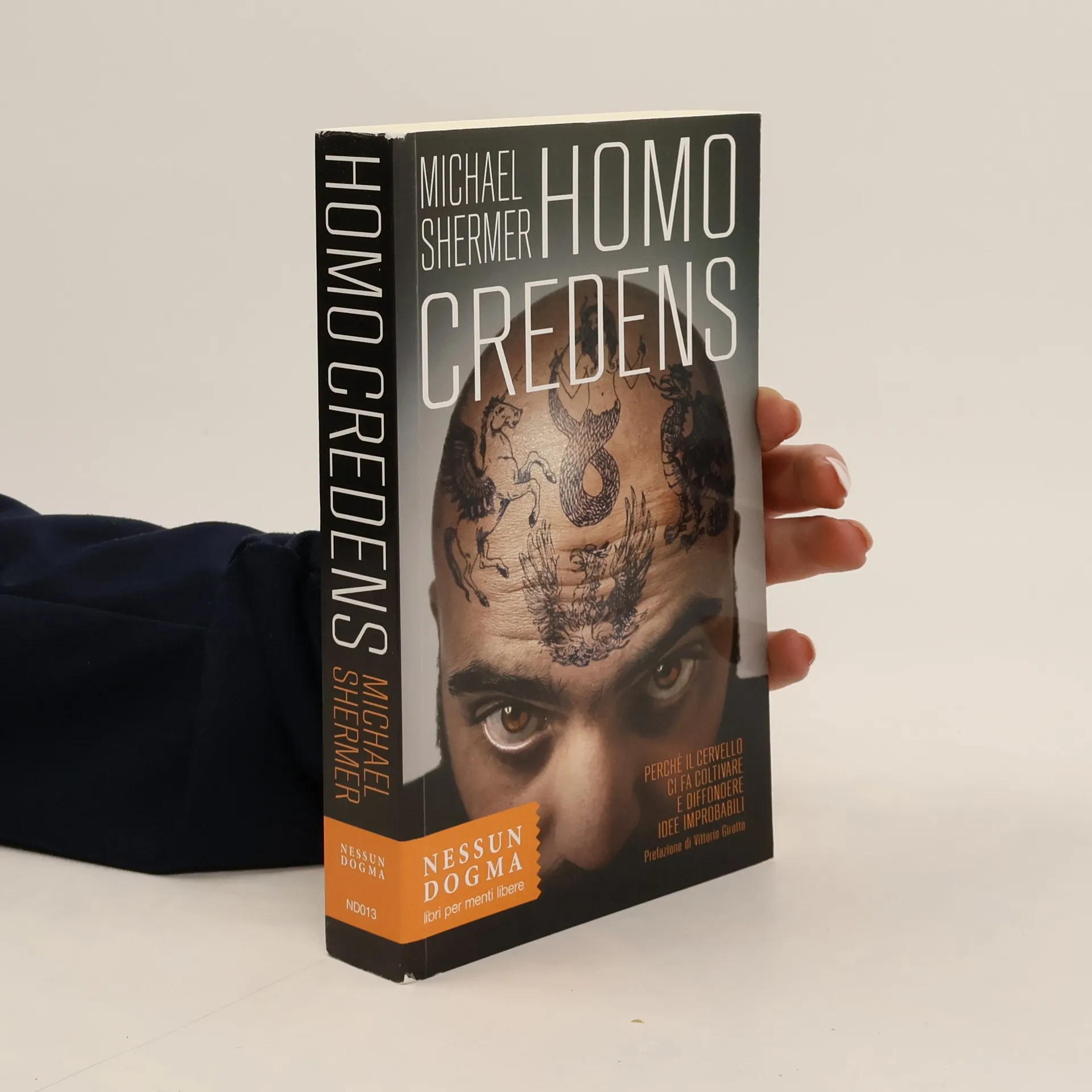
Homo credens. Perché il cervello ci fa coltivare e diffondere idee improbabili
- 455 stránok
- 16 hodin čítania
Perché crediamo in quello che crediamo? Perché il nostro cervello ci spinge a farlo. È infatti una sorta di motore di credenze: raccoglie informazioni dai sensi e con naturalezza genera convinzioni che si incanalano in schemi predefiniti e che ci sembrano perfettamente plausibili. Così plausibili che siamo pronti a difenderle a oltranza. Anche quando non lo sono, e anche quando tutti — a partire dagli scienziati — le ritengono estremamente improbabili. Credere in idee improbabili è estremamente probabile! Nessuno può considerarsi immune da questo rischio, che pervade ogni ambito della vita umana: religione, politica, economia… Michael Shermer ci spiega come possano formarsi nella nostra mente tante false credenze. Ma ci indica anche la strada per identificarle, e cercare così di arrivare a comprendere la realtà con cognizione di causa.