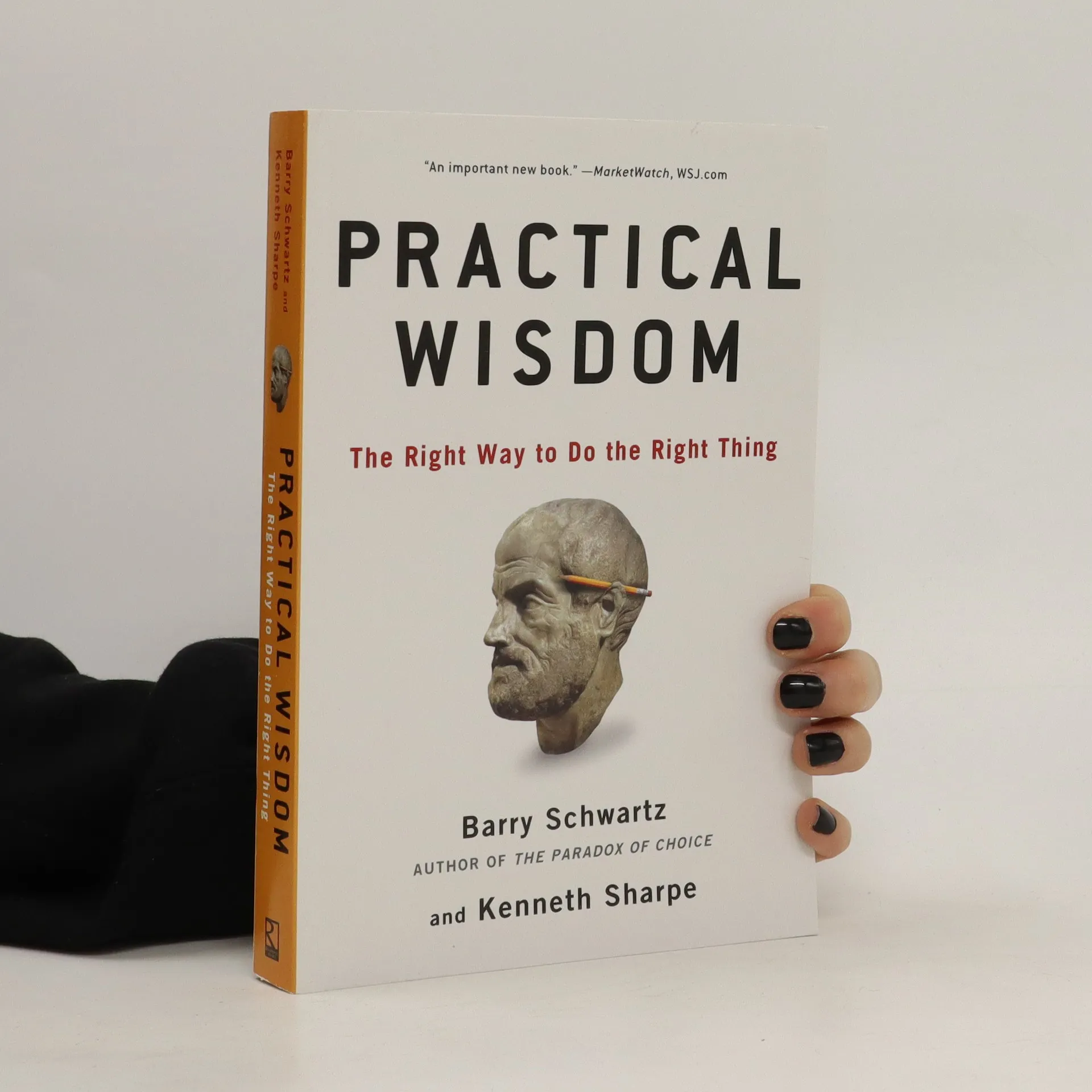
A reasoned and urgent call to embrace and protect the essential human quality that has been drummed out of our lives: wisdom. In their provocative new book, Barry Schwartz and Kenneth Sharpe explore the insights essential to leading satisfying lives. Encouraging individuals to focus on their own personal intelligence and integrity rather than simply navigating the rules and incentives established by others, Practical Wisdom outlines how to identify and cultivate our own innate wisdom in our daily lives.
In the spirit of Alvin Toffler’s Future Shock, this social critique examines our obsession with choice and its contribution to anxiety, dissatisfaction, and regret. The paperback includes a new P.S. section featuring author interviews, insights, and suggested readings. Everyday decisions, from buying jeans to selecting a doctor, have become increasingly complex due to the overwhelming abundance of options. While we often assume that more choices lead to better satisfaction, excessive choice can lead to decision-making paralysis, unrealistically high expectations, and self-blame for failures. This can result in anxiety and stress, and in a culture that demands perfection, it may even lead to clinical depression. Barry Schwartz explores how choice, which symbolizes individual freedom, can harm our psychological well-being. Through engaging prose, he illustrates how the explosion of choices—from mundane to profound—has paradoxically become a problem. Schwartz argues that our fixation on choice encourages us to pursue options that ultimately make us feel worse. By synthesizing social science research, he presents the counterintuitive idea that limiting choices can alleviate stress and busyness. He offers eleven practical steps to help manage choices, focus on what matters, and achieve greater satisfaction in decision-making.
An analysis of the purpose of work in people's lives demonstrates how work operates in American culture and how everyday people can find happiness in the workplace, explaining the importance of career goals.