Bookbot

Gina Cariño Poradie kníh (chronologicky)

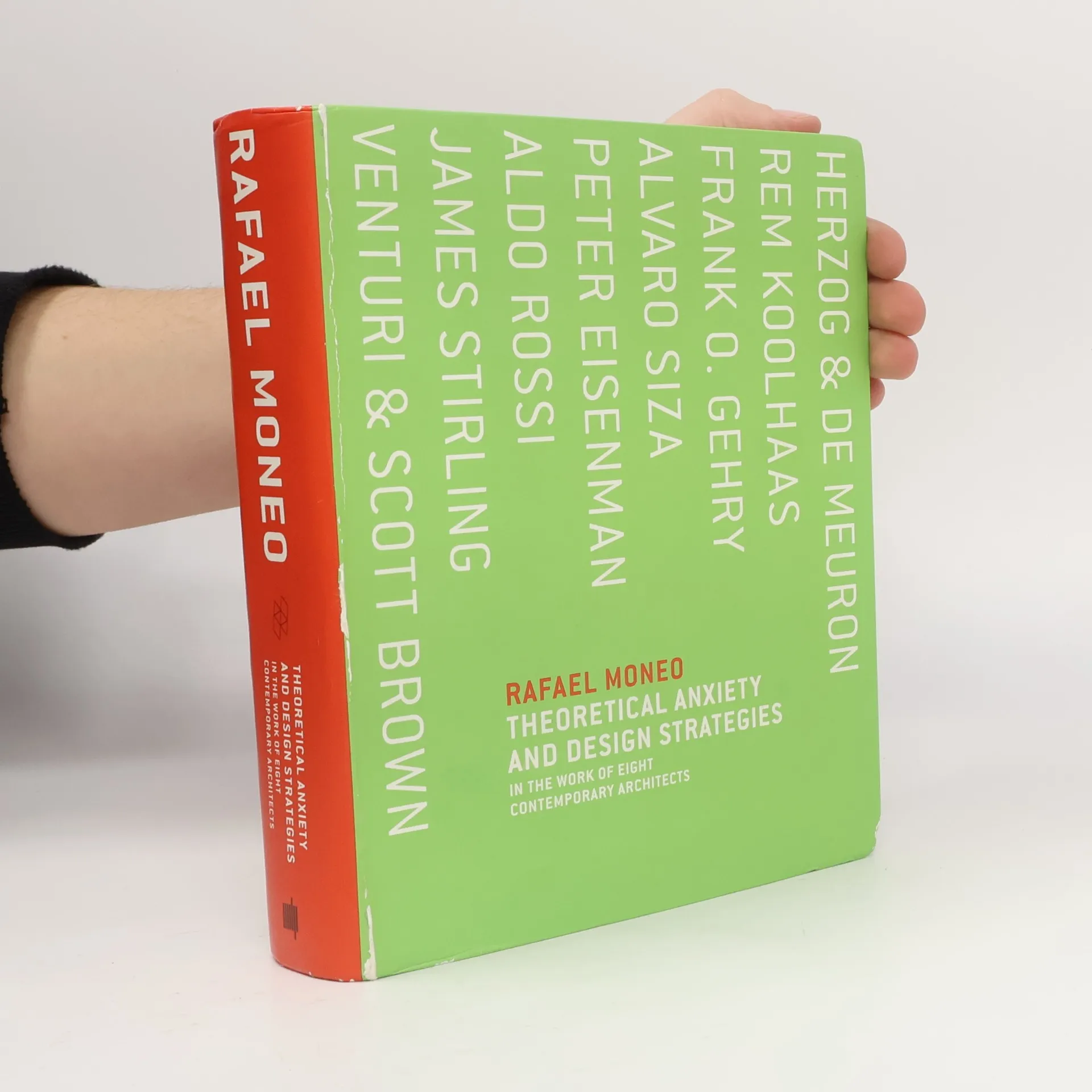
    Theoretical Anxiety and Design Strategies in the Work of Eight Contemporary Architects
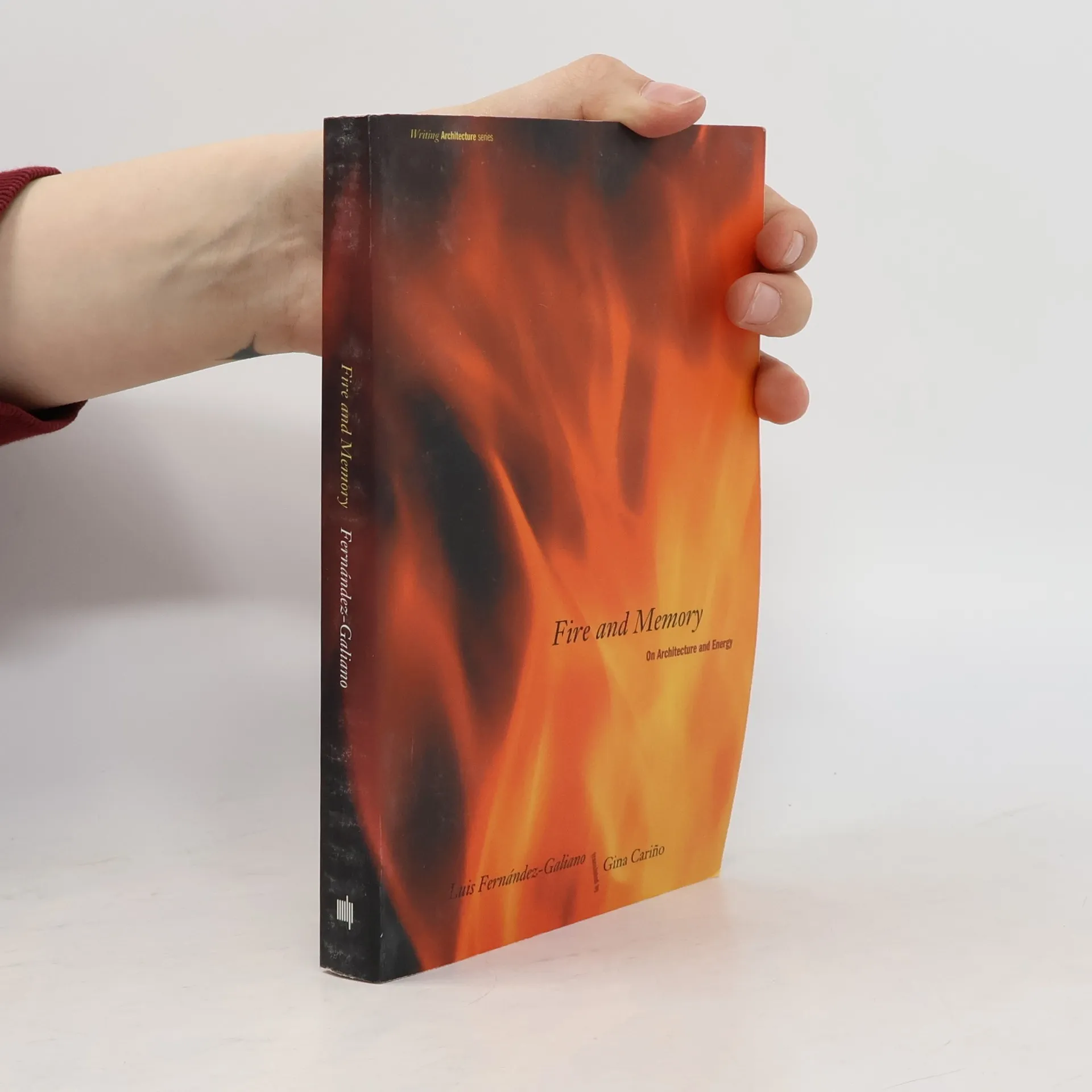
    Writing Architecture: Fire and Memory
    • A prominent architect explores his contemporaries—James Stirling, Robert Venturi, Aldo Rossi, Peter Eisenman, Alvaro Siza, Frank Gehry, Rem Koolhaas, and Herzog & De Meuron—in a richly illustrated series of profiles. Rafael Moneo, known for his courageous designs, including the Houston Museum of Fine Art and the Potzdammer Platz Hotel, also emerges as a daring critic. In this work, he examines the theoretical positions, technical innovations, and design contributions of these eight internationally renowned architects. Moneo's engaging, colloquial tone resembles a series of lectures on modern architecture, revealing his deeply held convictions rather than dispassionate academic analysis. Accompanied by over 500 illustrations, he provides introductory profiles that highlight each architect's intentions, theoretical concerns, and construction methods, followed by detailed critical analyses of their significant works. The images, akin to rapid-fire slides in a lecture, enhance his insights, presenting lively encounters among architectural equals rather than the "tacit treatises" typically found in academic settings. Moneo's unique perspective offers an informed understanding of contemporary architecture through these compelling profiles.
      Theoretical Anxiety and Design Strategies in the Work of Eight Contemporary Architects2004
    • Writing Architecture: Fire and Memory

      On Architecture and Energy

      • 325 stránok
      • 12 hodin čítania

      Architecture and fire, construction and combustion, meet in this poetic treatise on energy in building.In Fire and Memory, Luis Fernández-Galiano reconstructs the movement from cold to warm architecture, from building fire to building a building with and for fire, through what he calls a metaphorical plundering of disciplines as diverse as anthropology and economics, and in particular of ecology and thermodynamics. Beginning with the mythical fire in the origins of architecture and moving to its symbolic representation in the twentieth century, Galiano develops a theoretical dialogue between combustion and construction that ranges from Vitruvius to Le Corbusier, from the mechanical and organic to time and entropy. Galiano points out that energy, so important to the origin of architectural theory in Vitruvius's time, has been absent from architectural theory since the introduction of the dictatorship of the eye over that of the skin. With Fire and Memory, he reintroduces energy to the discussion of architecture and reminds us that the sense of touch is as necessary to an understanding of the environment as the sense of sight.

      Writing Architecture: Fire and Memory2000
      4,4