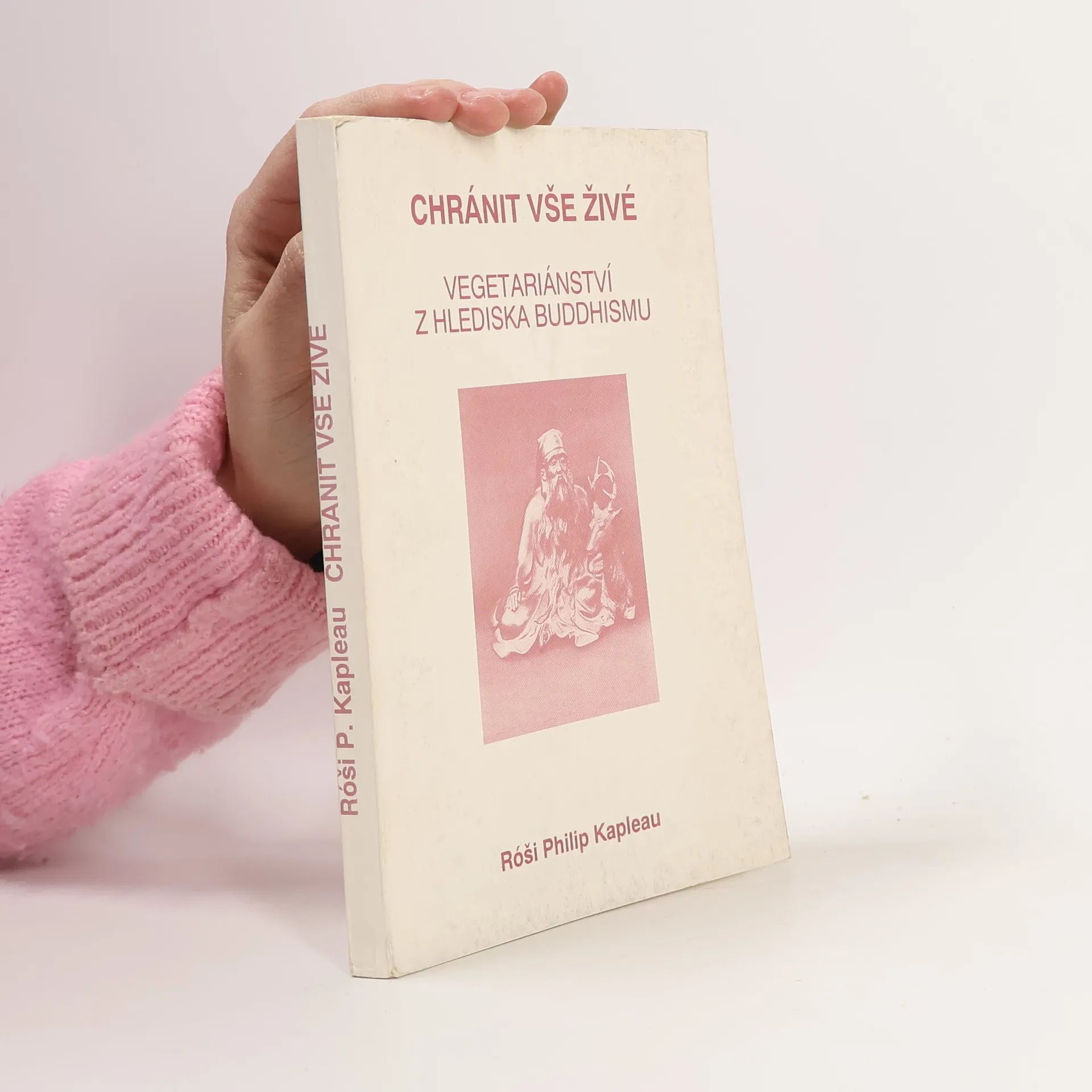
Pojednání o zabíjení zvířat a vegetariánství z hlediska buddhistického, všeobecně etického i exaktně racionálního. (vegetariánství z hlediska buddhismu)
Philip Kapleau Knihy
Učiteľ zenového budhizmu v tradícii Sanbo Kyodan, ktorá je zmesou japonských škôl Soto a Rinzai.




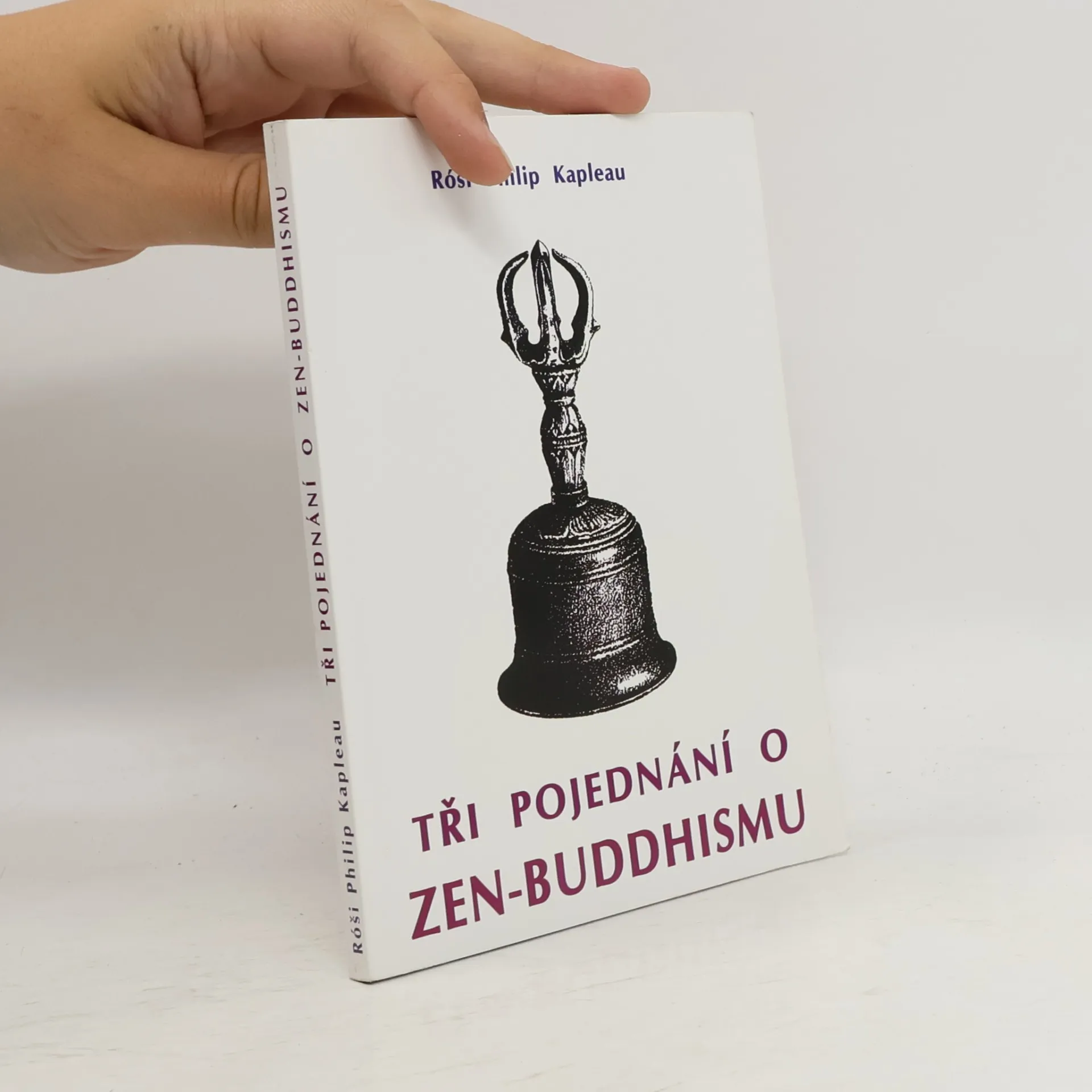
„Poznámky o Práci, Vědomí, Pomíjivosti, Ne-Já, Egu a Jazyku“, „Soukromý rozhovor s Róšim“ a „Putování k buddhistickým chrámům a jeskyním v Číně“.
The first Westerner fully and naturally at home with Zen, Roshi Kapleau has made it his life's work to translate Zen Buddhism into an American idiom, to take Zen's essence and plant it in American soil. Four decades later, the seeds of Zen that Roshi Kapleau planted have blossomed. Zen flourishes and Roshi Kapleau continues to help people find enlightenment and fulfillment within, not outside, their daily lives. Awakening to Zen extracts the vital threads of Roshi Kapleau's teachings and braids them into a strong yet supple cord that readers may follow toward a deeper understanding of the enlightened life. Roshi Kapleau's warm, sometimes humorous but always grounded lessons touch on every aspect of daily reality; they capture his power, too, to transform the lives of not just practicing Buddhists, but all people who seek to experience in a more authentic way the bond they share with the world around them.
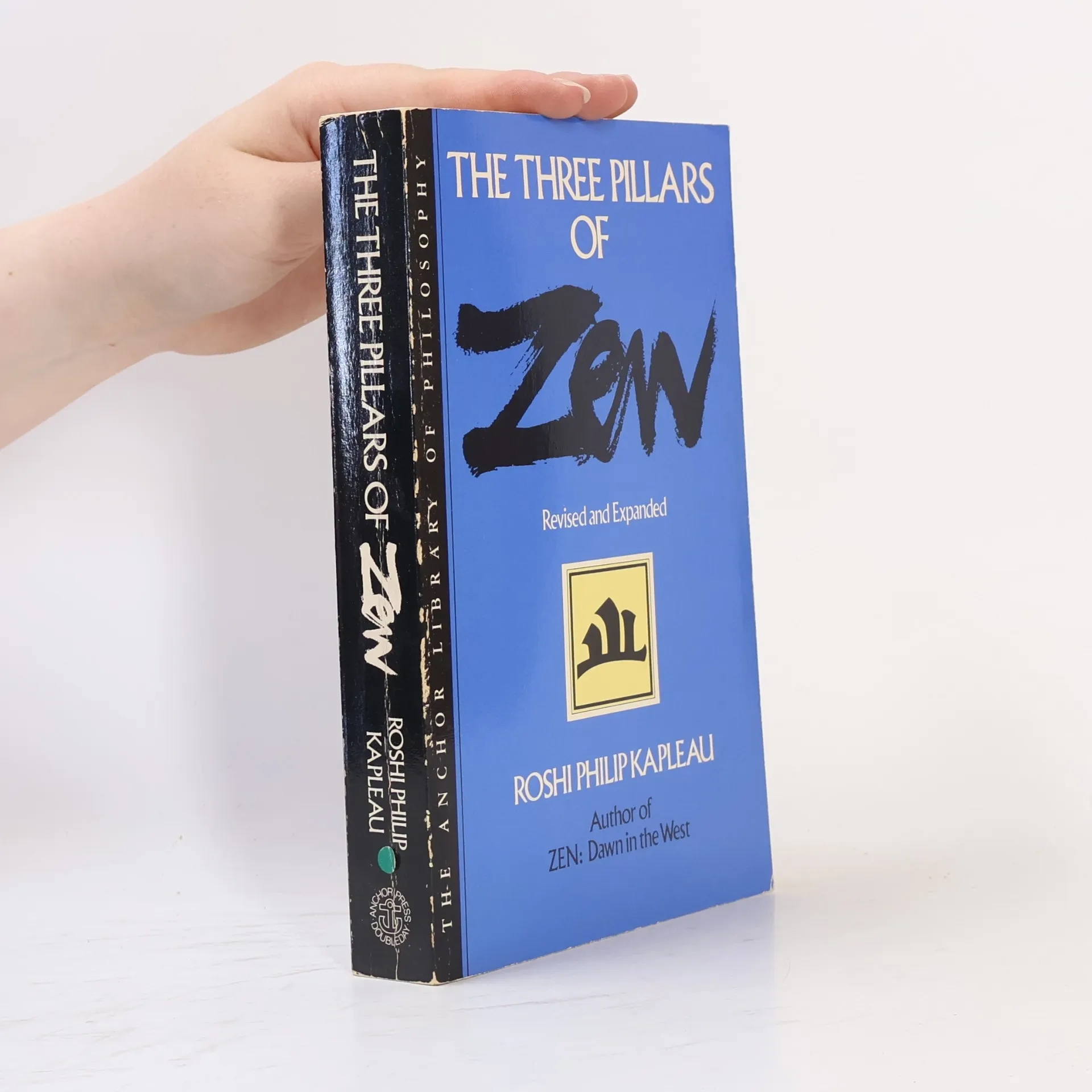
The Three Pillars of Zen: Revised and Expanded
- 400 stránok
- 14 hodin čítania
Through his exploration of the three pillars of Zen--teaching, practice, and enlightenment--Roshi Kapleau presents a comprehensive overview of this ancient oriental discipline, making it useful to both initiates and long-time disciples.
Combining the writings of Eastern and Western religious literature on death, Kapleau provides insights into meditation, living wills, funerals, and consoling the bereaved
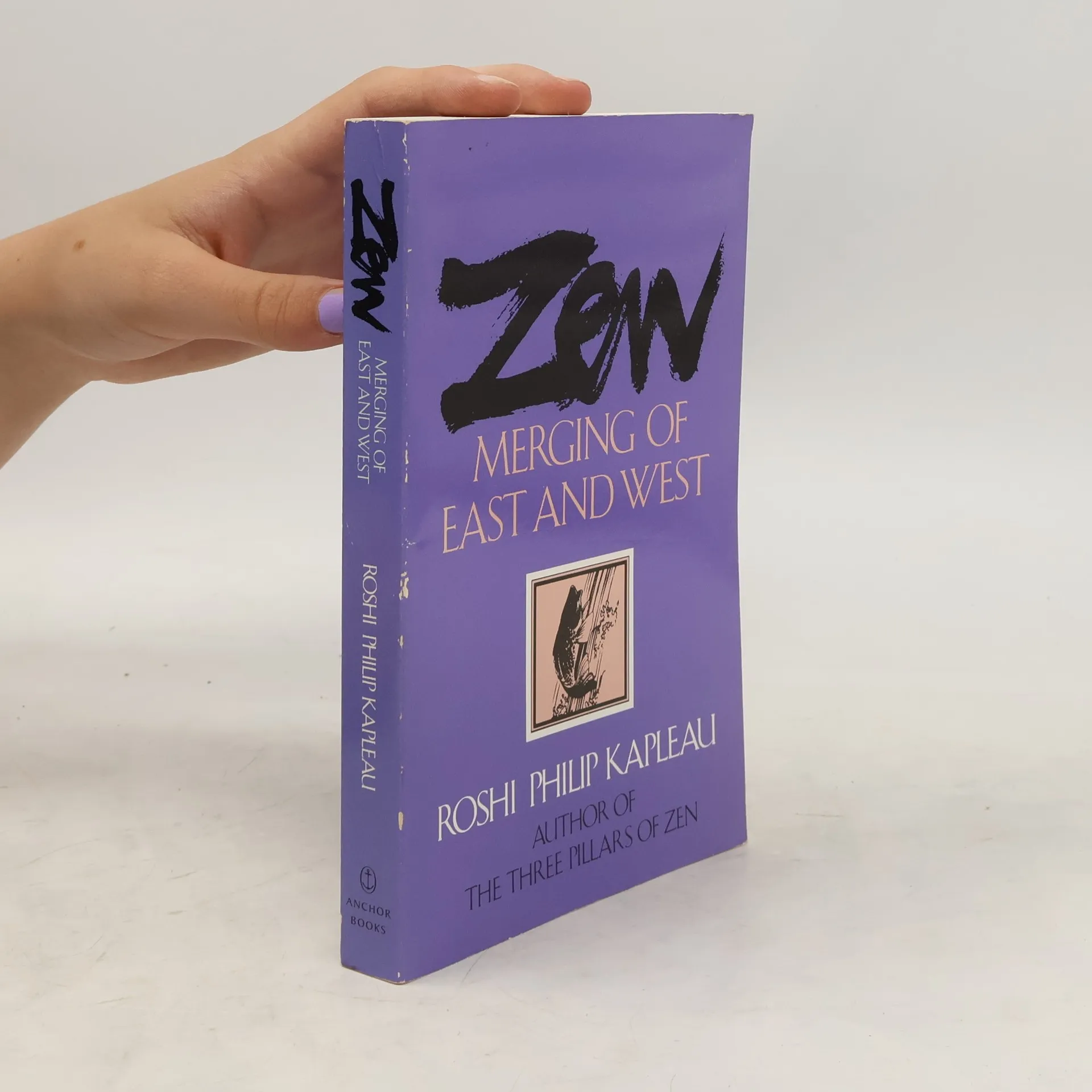
Believing the Buddhist teachings and traditional ceremonies should be adapted to twentieth-century life styles, Kapleau presents an introduction to the philosophy and practice of Zen written especially for American readers.
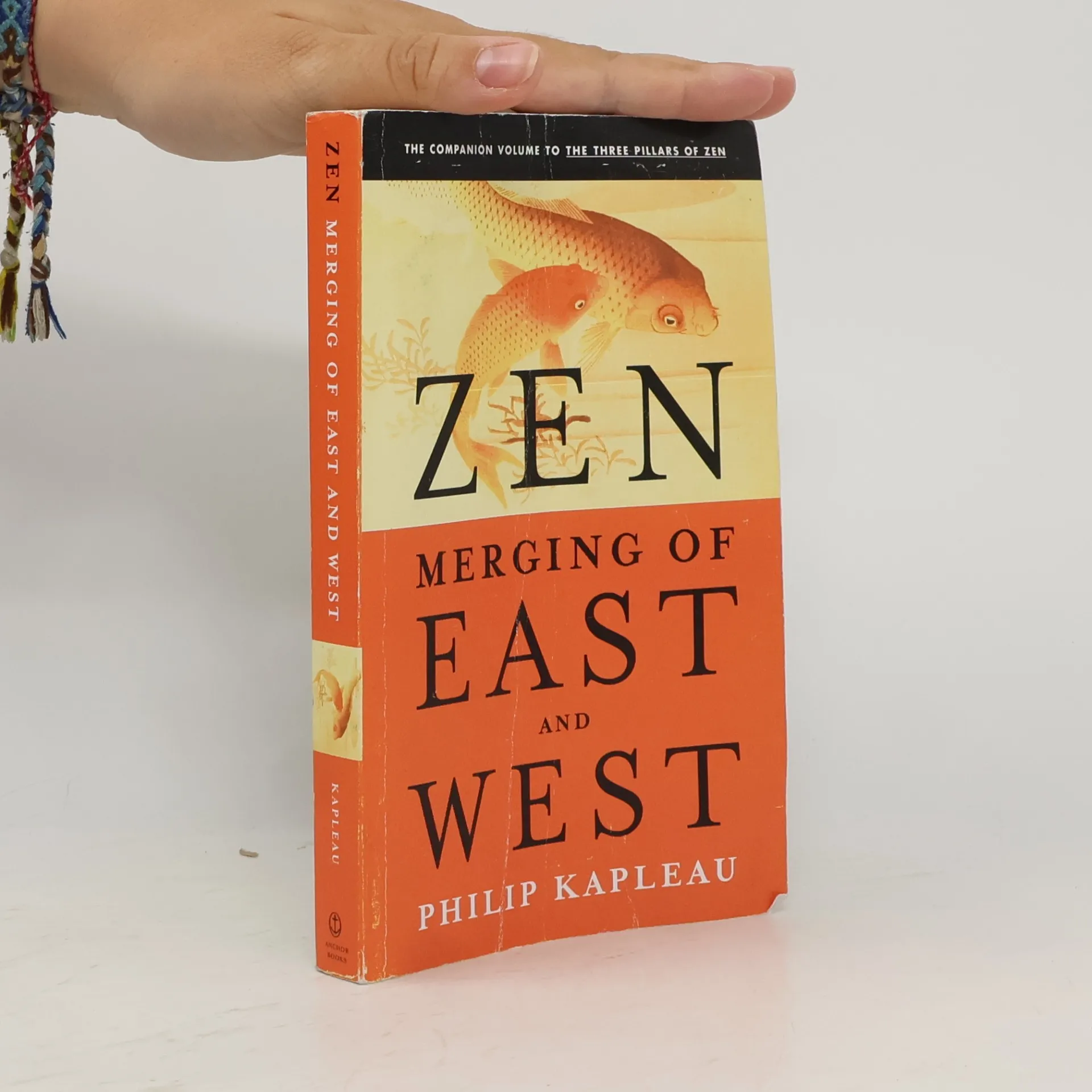
In this companion volume to The Three Pillars of Zen , Kapleau establishes guidelines for Western practitioners of Zen Buddhism, offering appealing, simple answers to the questions Westerners most often ask. Among the topics discussed in this informative, user-friendly "Transcendental Who Transcends What?", "Can I Practice Zen and Be a Good Jew (or Catholic)?", "Reading About Enlightenment Is Like Scratching an Itchy Foot Through Your Shoe," and "Meditation Is an Escape--What Are You Doing to Help Society?" Kapleau's eloquence, humor, and authority make this an indispensible handbook for understanding Zen in the Western world.
An explanation of the elements of Zen practice and a collection of 43 Koans translated into English.
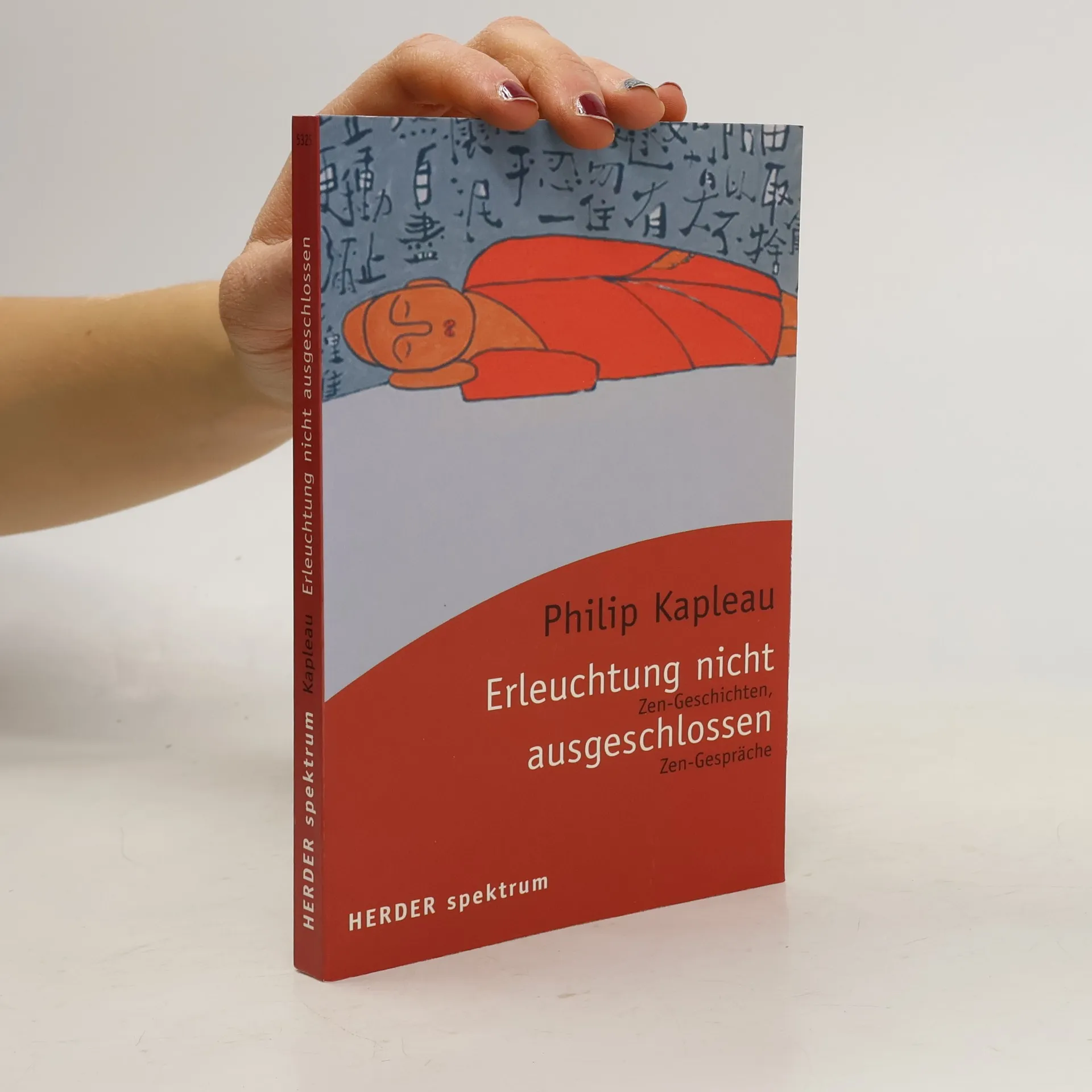
Erleuchtung nicht ausgeschlossen
- 188 stránok
- 7 hodin čítania
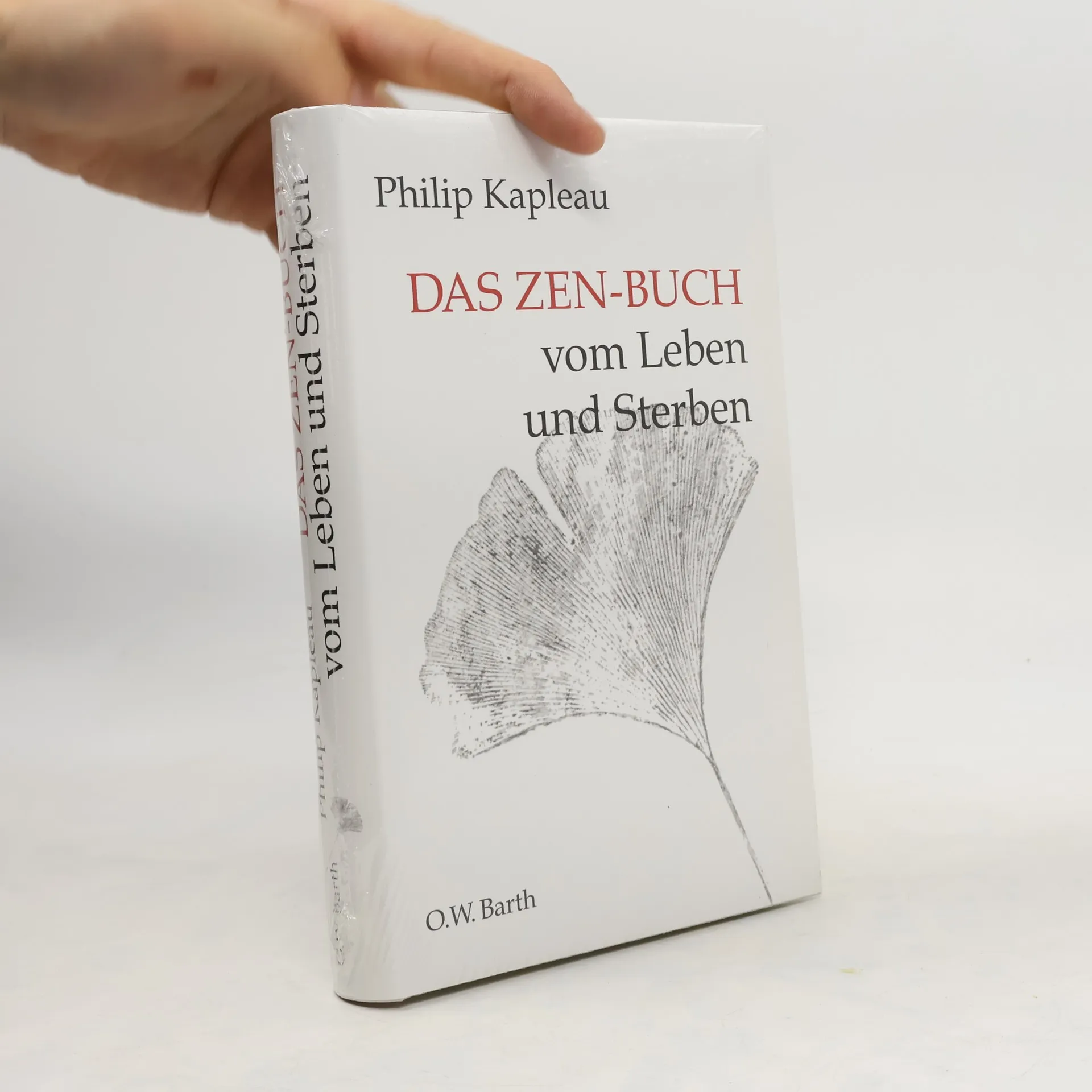
Das Zen-Buch vom Leben und Sterben
- 352 stránok
- 13 hodin čítania
Woher komme ich? Warum lebe ich? Wer bin ich? Warum muss ich sterben? Wohin gehe ich? Auf diese Fragen – so alt wie die Menschheit und doch für jeden Einzelnen immer wieder neu und drängend – gibt Philip Kapleau überzeugende und hilfreiche Antworten. Er schöpft dabei nicht nur aus der buddhistischen Überlieferung, sondern auch aus anderen religiösen Traditionen und nicht zuletzt aus der Erfahrung eines großen Meditationsmeisters. Dabei werden auch ausgesprochen praxisbezogene Themen behandelt, wie z. B. Probleme der Patienten-Autonomie oder Möglichkeiten der Sterbebegleitung in einem Hospiz, und Ratschläge gegeben, wie man selbst mit dem Verlust eines geliebten Menschen umgehen kann. Philip Kapleau, heute schon eine Legende des Zen-Buddhismus, legt mit diesem Buch die Summe seines Lehrens und Schaffens vor. Er zeigt uns, wie wir lernen können, jeden Augenblick des Lebens in seiner ganzen Fülle bewusst zu leben und dem Tod ohne Furcht zu begegnen.
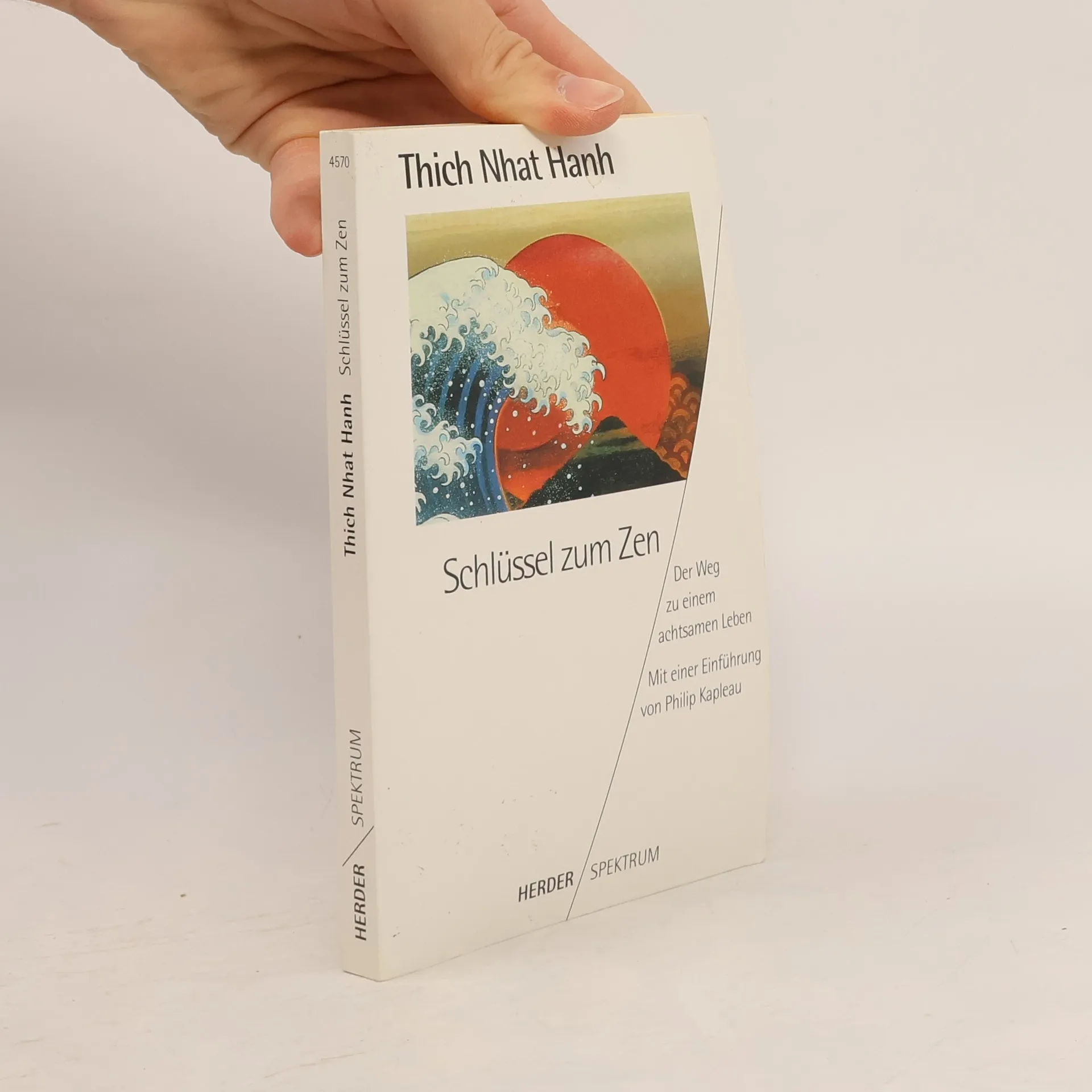
Schlüssel zum Zen
Der Weg zu einem achtsamen Leben - Mit einer Einführung von Philip Kapleau
- 189 stránok
- 7 hodin čítania