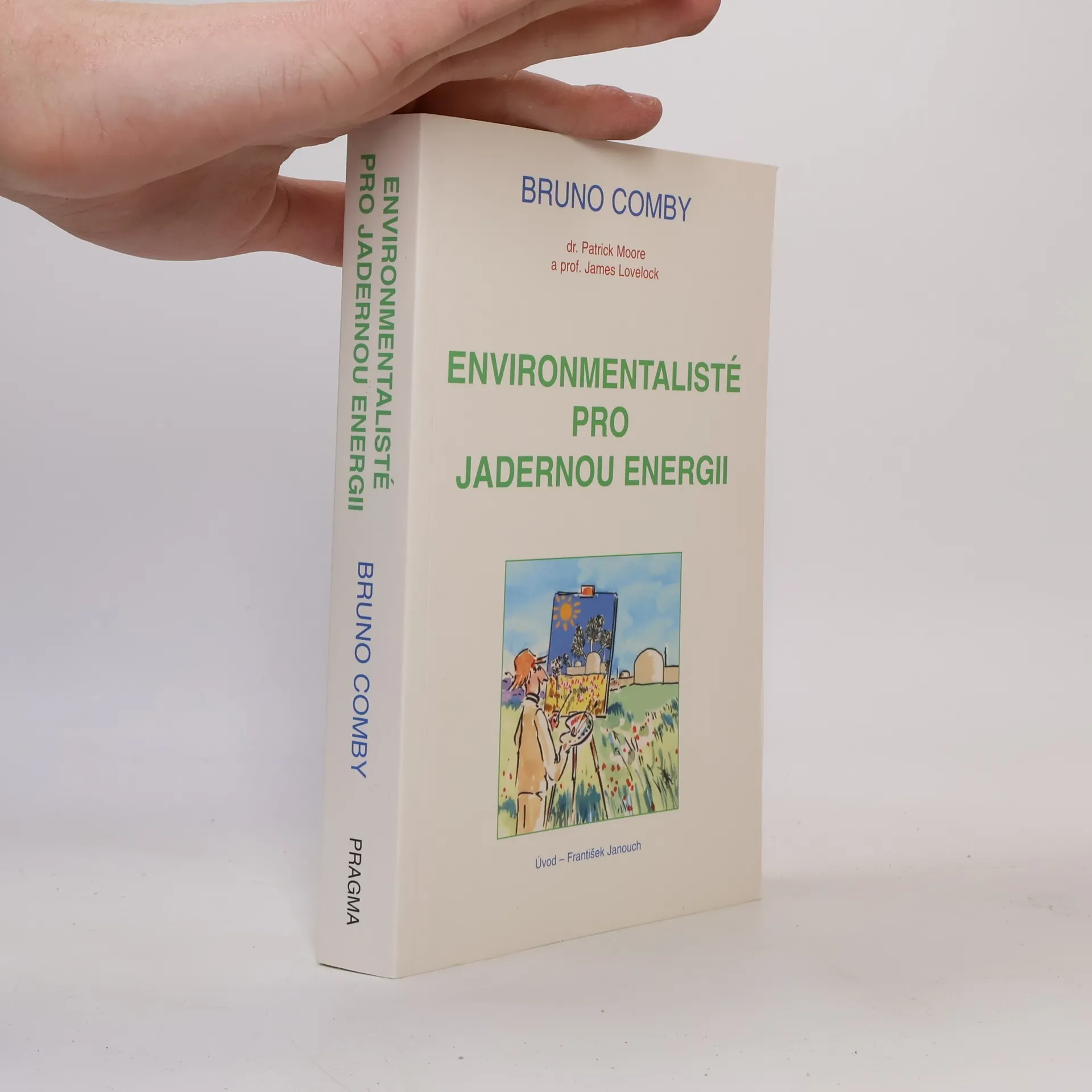
Dobře zdokumentovaná kniha, jejímž autorem je zakladatel EFN (Environmentalists For Nuclear Energy Ekologové pro jadernou energii), představuje nový přístup k energetickým potřebám planety a předkládá jednoduchá fakta odpovídající na vaše otázky: o existenci radioaktivity v přírodě, o relativním významu přírodní radiace, použití radioaktivního záření v medicíně, vojenství a průmyslu a jeho účincích na zdraví, o devastujícím znečištění našeho životního prostředí při razantním spalování fosilních paliv (nafta, plyn, uhlí) a jiných.
Lovelock first began thinking that the planet resembles a living entity in the 1960s, while working for a NASA project on how to detect life on Mars. While other scientists suggested elaborate tests involving space probes to check for microbes in Martian soil, Lovelock said to save the rocket fuel, we didn't even need to bother going there. Life, he theorized, would leave its telltale signature in a planet's atmosphere. There would be chemicals or elements that shouldn't be there but for the existence of something unusual, like living things. Anyone looking at the Earth from afar could tell right away that it had to harbour life because its atmosphere is loaded with oxygen, a gas so chemically reactive it shouldn't exist at all in any quantity. 17, 2015)
Why the Earth Is Fighting Back – And How We Can Still Save Humanity
177 stránok
7 hodin čítania
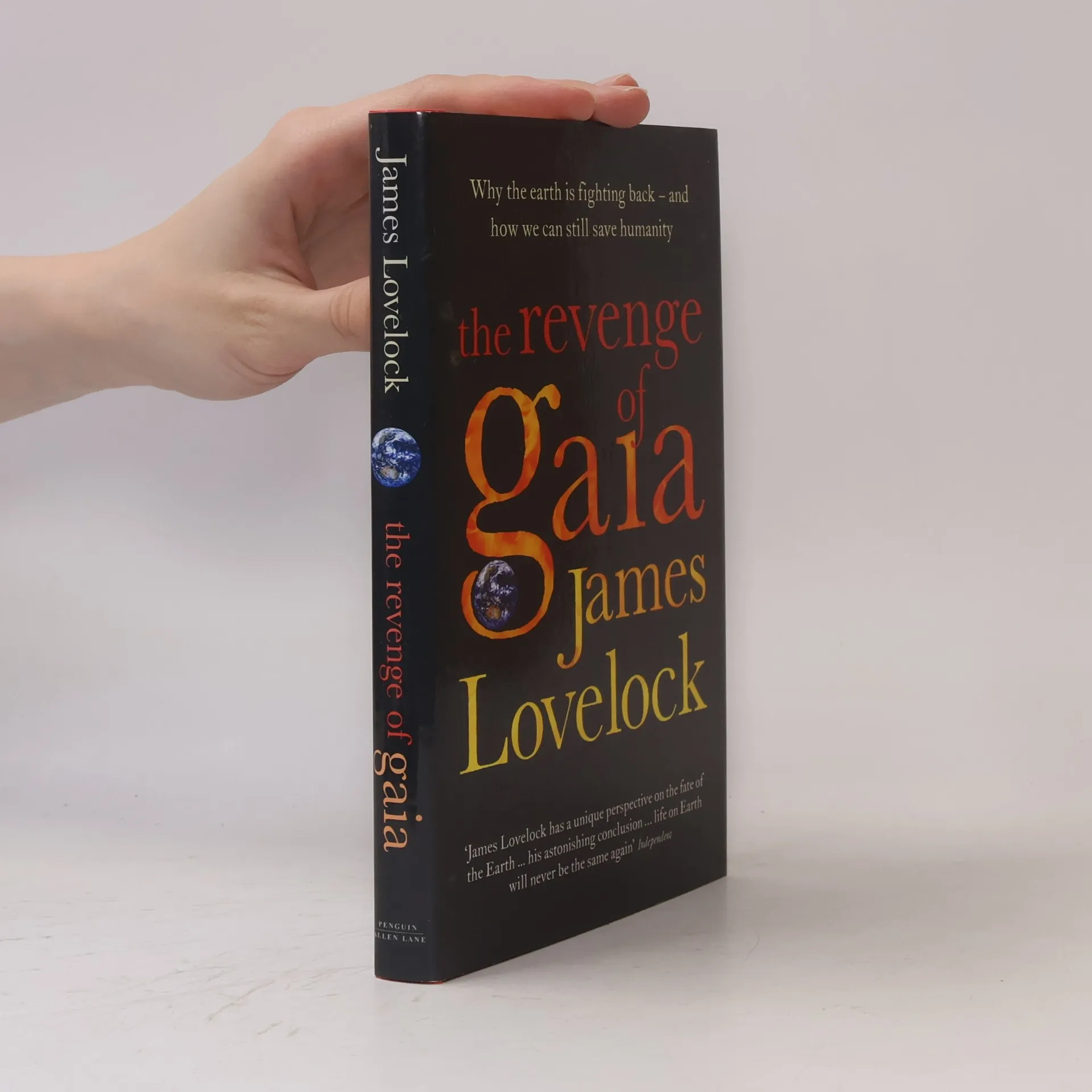
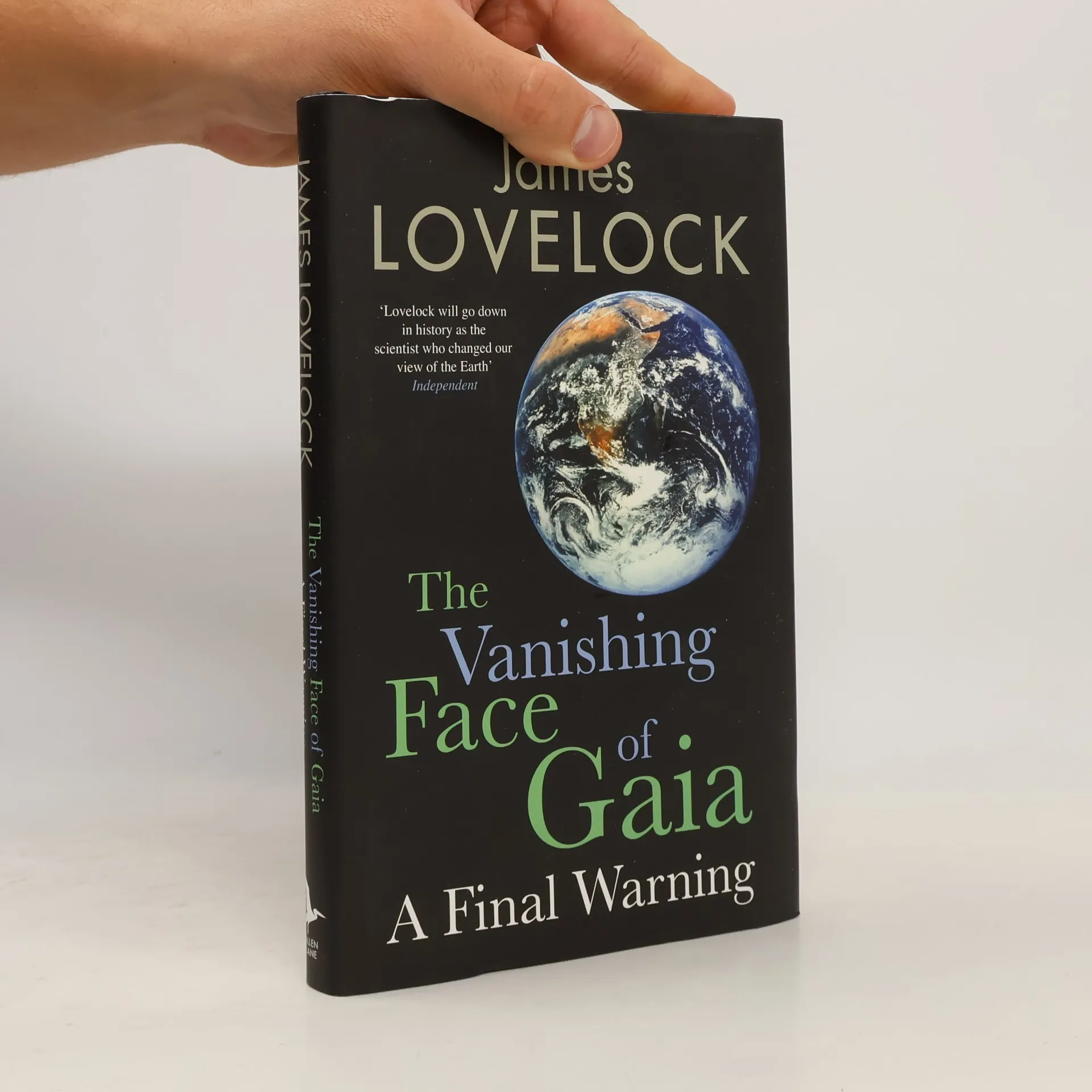
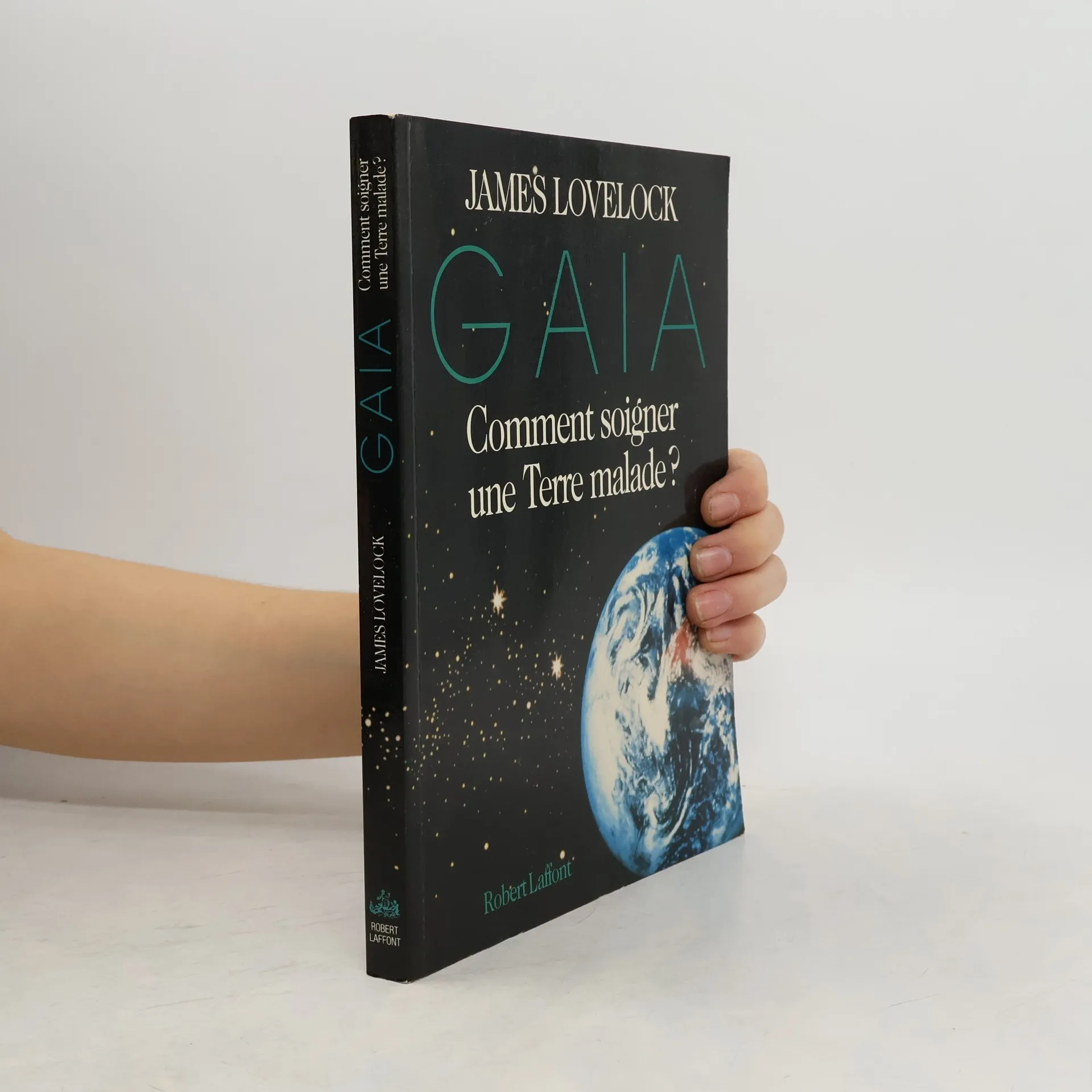
James Lovelock, originator of the idea of Gaia, makes an argued plea that we must change our way of life - before it is too late. Illustrated with examples drawn from his experiences around the world, he draws many radical conclusions, most controversially a passionate advocacy of nuclear energy.
The Gaia hypothesis was first put forward in the mid-1960s, and published in book form in 1975. It immediately had an effect on scientific views of evolution and the environment, maintaining that the Earth's living matter - air, ocean, and land surfaces, forms a complex system which has the capacity to keep Earth a fit place for life.
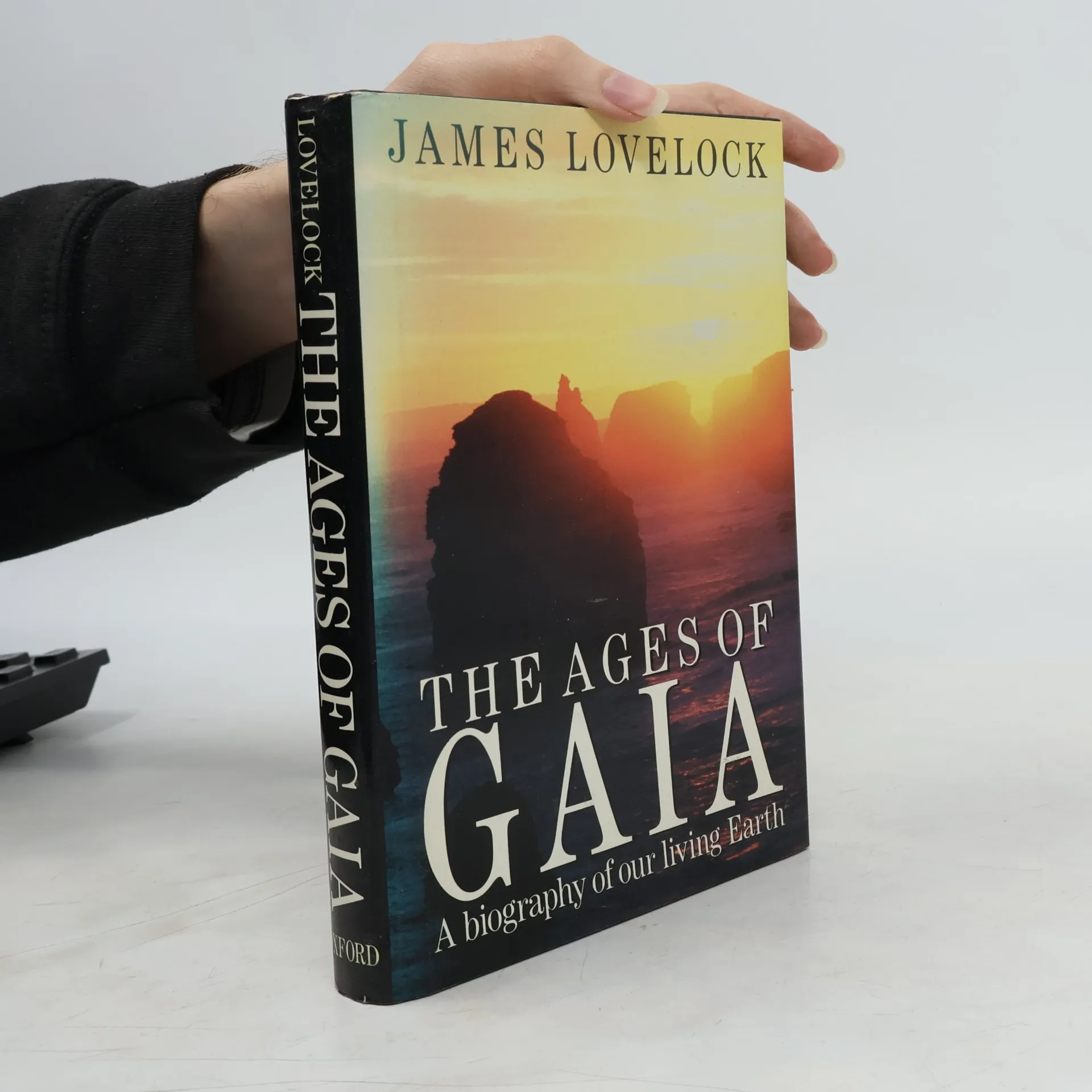
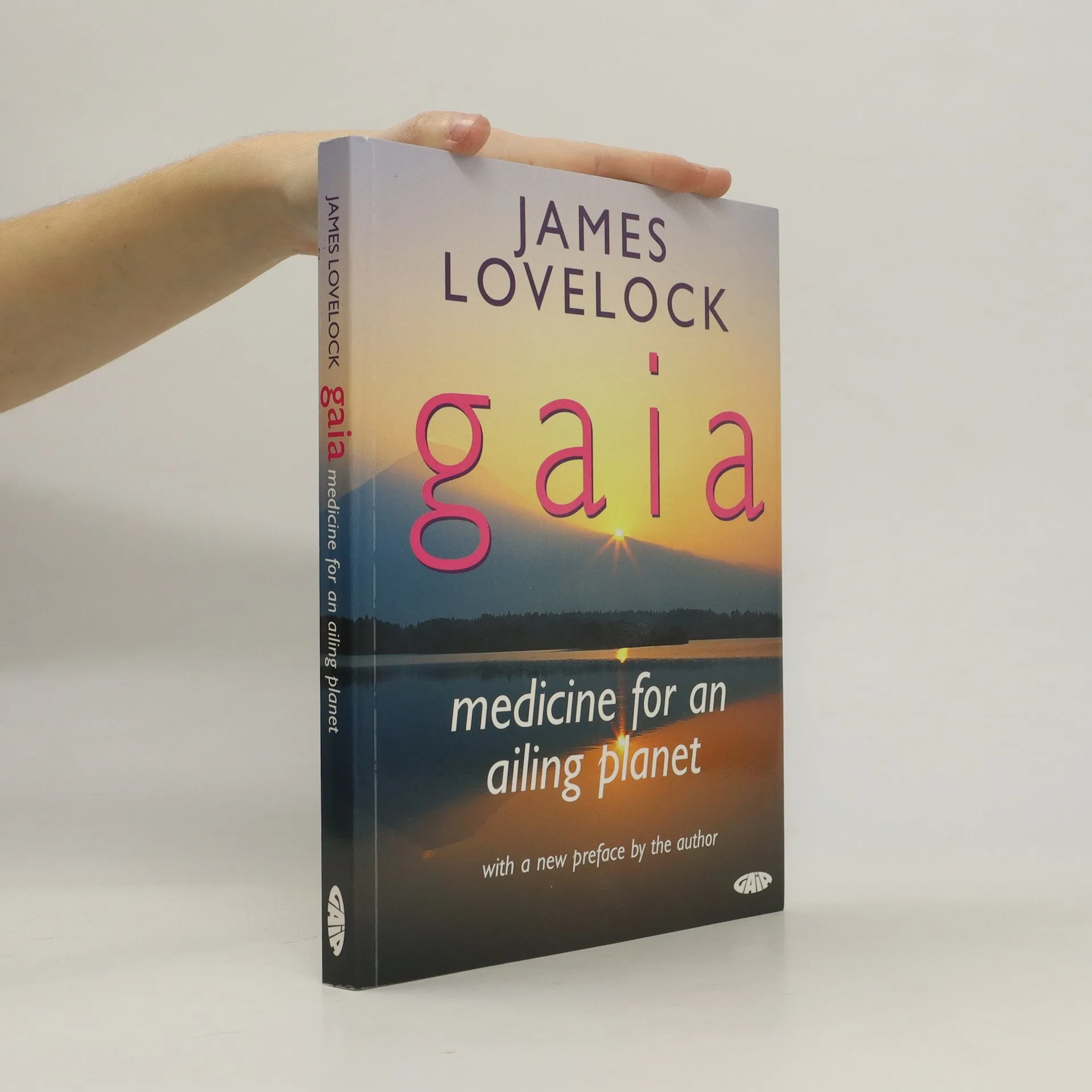
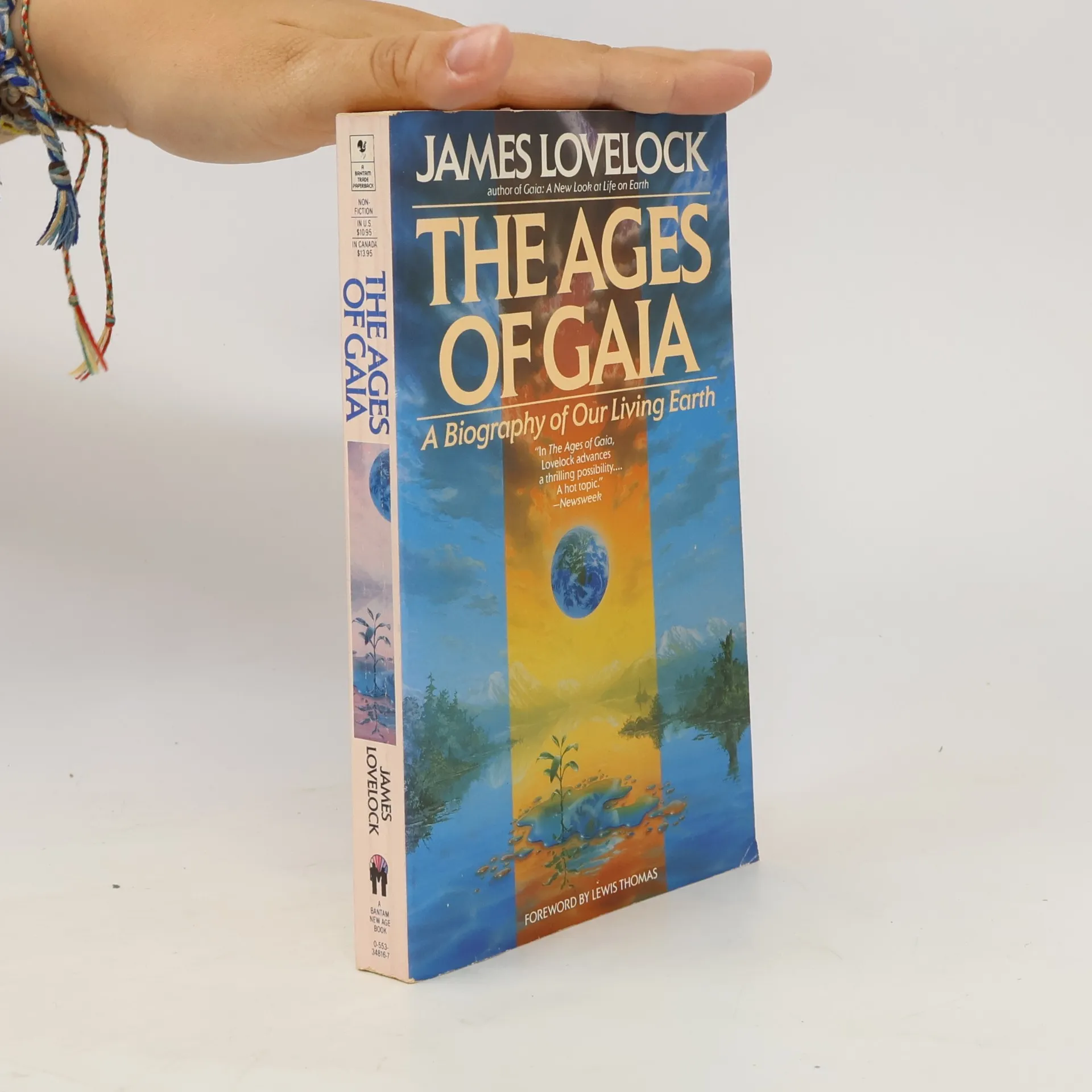
Open the cover and immerse yourself in the compelling argument that the Earth is alive. In his first book, James Lovelock introduced a groundbreaking theory of life, proposing that Earth, along with its rocks, oceans, and atmosphere, is part of a single, evolving organism. This theory, known as Gaia, has been supported by extensive scientific research. In this new work, Lovelock expands on a unified view of Earth and life sciences, addressing recent developments such as the greenhouse effect, acid rain, ozone layer depletion, and nuclear power. He illustrates the intricate geophysical interactions among the atmosphere, oceans, climate, and Earth's crust, all regulated by living organisms harnessing solar energy. However, Lovelock warns that Gaia is not merely a benevolent life force; the theory emphasizes the planet's overall health over that of individual species. This perspective diverges from environmental movements focused primarily on human well-being. Lovelock's hypothesis raises significant philosophical questions and challenges both conservationists and the scientific community to reconsider their approaches. Cover photograph by Steve Krongard/The Image Bank.
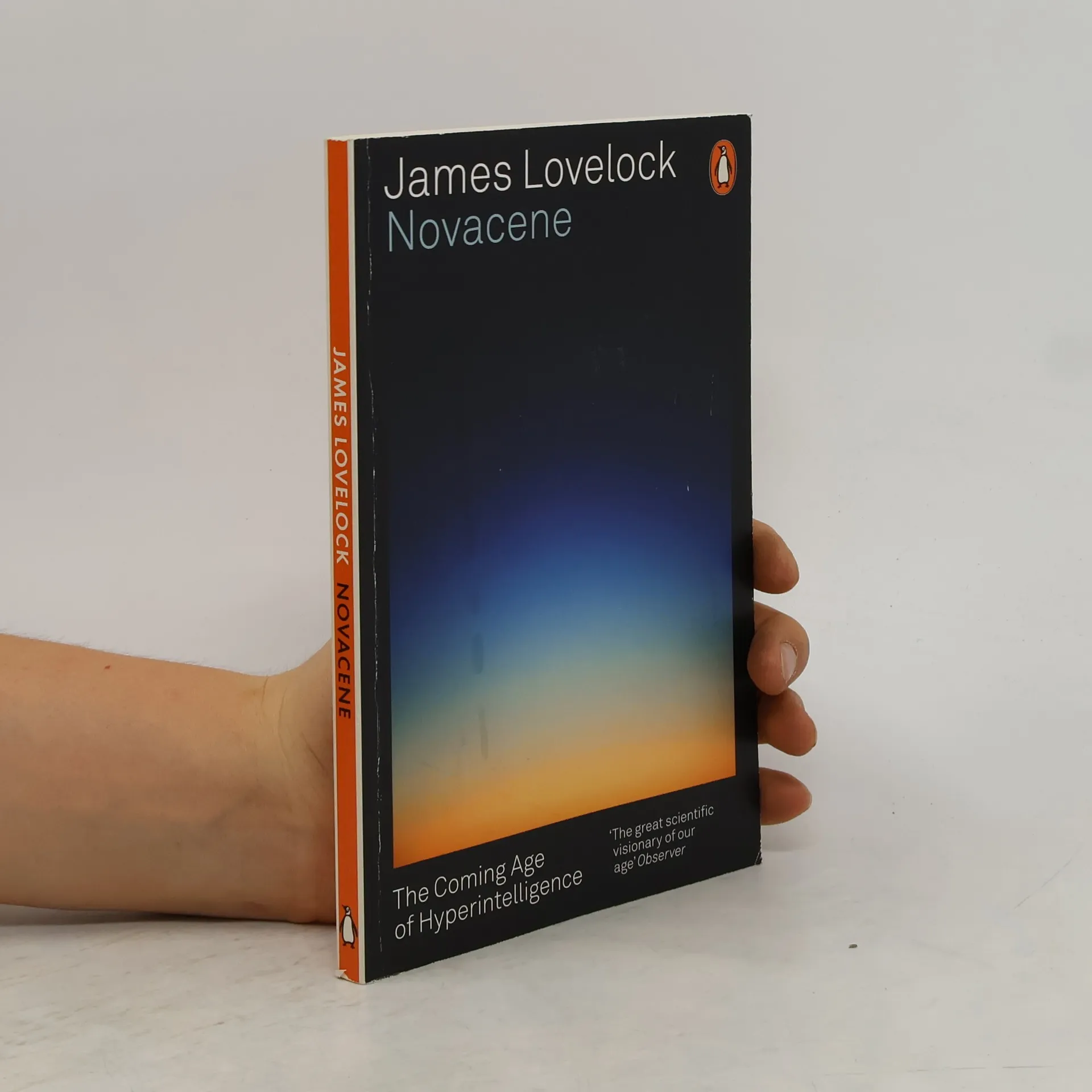
James Lovelock, creator of the Gaia hypothesis and the greatest environmental thinker of our time, has produced an astounding new theory about future of life on Earth. He argues that the anthropocene - the age in which humans acquired planetary-scale technologies - is, after 300 years, coming to an end. A new age - the novacene - has already begun. New beings will emerge from existing artificial intelligence systems. They will think 10,000 times faster than we do and they will regard us as we now regard plants - as desperately slow acting and thinking creatures. But this will not be the cruel, violent machine takeover of the planet imagined by sci-fi writers and film-makers. These hyper-intelligent beings will be as dependent on the health of the planet as we are. They will need the planetary cooling system of Gaia to defend them from the increasing heat of the sun as much as we do. And Gaia depends on organic life. We will be partners in this project. It is crucial, Lovelock argues, that the intelligence of Earth survives and prospers. He does not think there are intelligent aliens, so we are the only beings capable of understanding the cosmos. Maybe, he speculates, the novacene could even be the beginning of a process that will finally lead to intelligence suffusing the entire cosmos. At the age 100, James Lovelock has produced the most important and compelling work of his life.
Profesor James Lovelock se v 70. letech minulého století proslavil svou teorií, podle níž geosféra, atmosféra a biosféra na Zemi tvoří provázaný systém, na který můžeme pohlížet jako na jediný živý organismus. Tento organismus pojmenoval Gaia po řecké bohyni, stvořitelce Zemi. Kniha přináší propracovanou teorii obsahující mimo jiné i katastrofické vize dalšího možného vývoje planety.
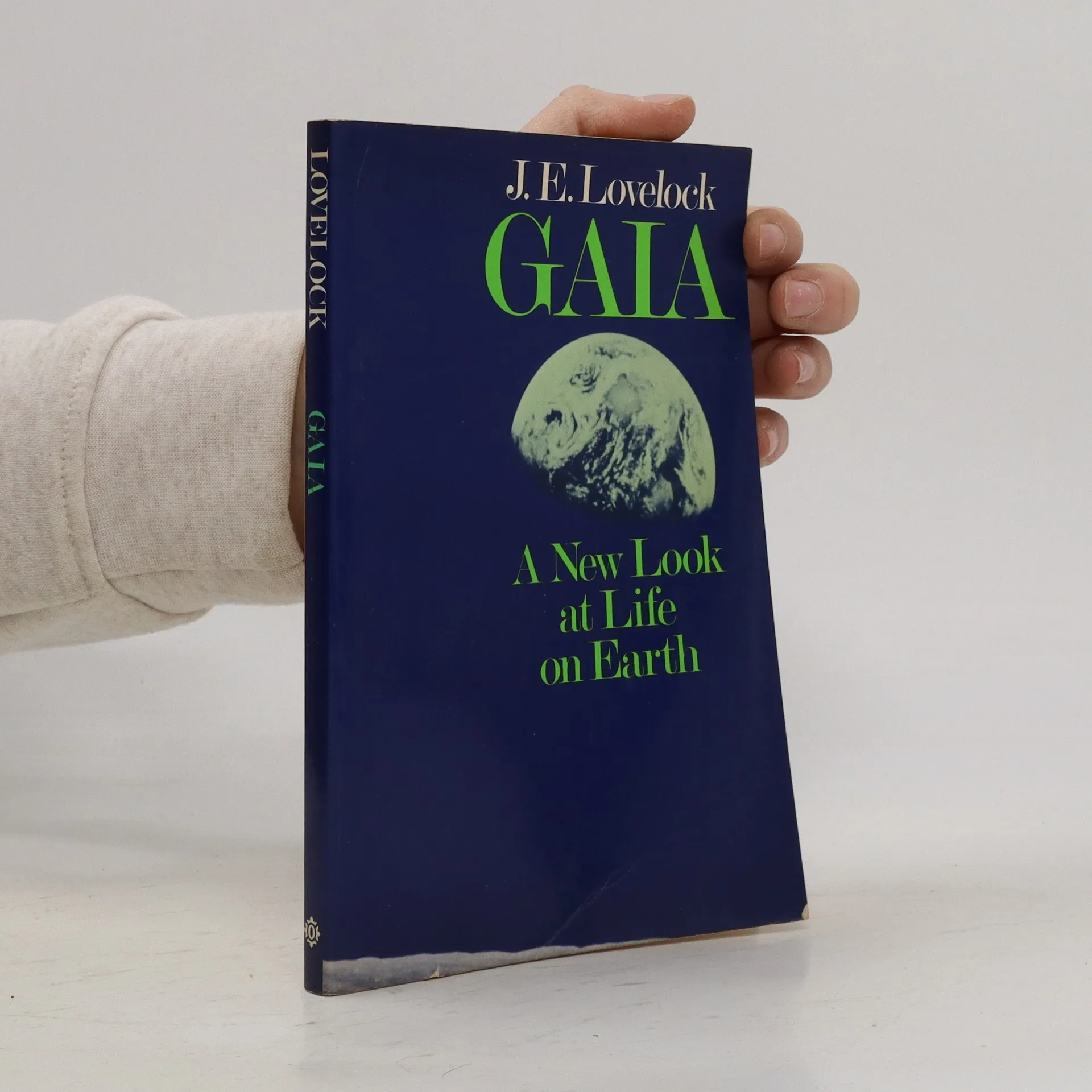
The Gaia hypothesis, first put forth in the mid-1960s, and published in book form in 1975, explores the idea that the life of earth functions as a single organism which actually defines and maintains conditions necessary for its survival. Disclaiming the conventional belief that living matter reacts passively in the face of threats to its existence, Lovelock argues that the earth's living matter - air, ocean, and land surfaces - forms a complex system which has the capacity to keep our planet a fit place for life. Now reissued with an updated preface which discusses how Lovelock's predictions have already begun to hold true, Gaia has dramatically altered the way scientists view evolution and the environment.
James Lovelock tells the fascinating story of his life as an independent scientist and how he came to develop his inventions and theories. He has filed more than 50 patents, including one for the electron capture detector that was important in the development of environmental awareness, inconnection with both the detection of pesticide residues in the environment and the discovery of the global distribution of CFCs. He also tells us about the work he has done for organizations such as NASA, the Ministry of Defence, The Marine Biological Association, and many companies such as Shell,and Hewlett Packard. From his childhood days in east London to a job as a lab assistant - his first crucial steps to becoming a scientist, from chemistry at Manchester University to the Medical Research Council during World War II, his voyage to the Arctic, taking his family to America, returning toEngland and fighting to save the ozone layer, his quest for gaia, then into the nineties and a stream of awards, including a CBE from the Queen. James Lovelock has lead a fulfilling life and has been widely recognised by the international scientific community.
In 'A Rough Ride to the Future', James Lovelock - the great scientific visionary of our age - presents a radical vision of humanity's future as the thinking brain of our Earth-system
In twenty short books, Penguin brings you the classics of the environmental movement. James Lovelock's We Belong to Gaia draws on decades of wisdom to lay out the history of our remarkable planet, to show that it is not ours to be exploited - and warns us that it is fighting back. Over the past 75 years, a new canon has emerged. As life on Earth has become irrevocably altered by humans, visionary thinkers around the world have raised their voices to defend the planet, and affirm our place at the heart of its restoration. Their words have endured through the decades, becoming the classics of a movement. Together, these books show the richness of environmental thought, and point the way to a fairer, saner, greener world.
This book describes a set of observations about the life of our planet which may, one day, be recognized as one of the major discontinuities in human thought. If Lovelock turns out to be as right in his view of things as I believe he is we will be viewing the Earth as a coherent system of life, self-regulating and self-changing, a sort of immense living organism.--Lewis Thomas
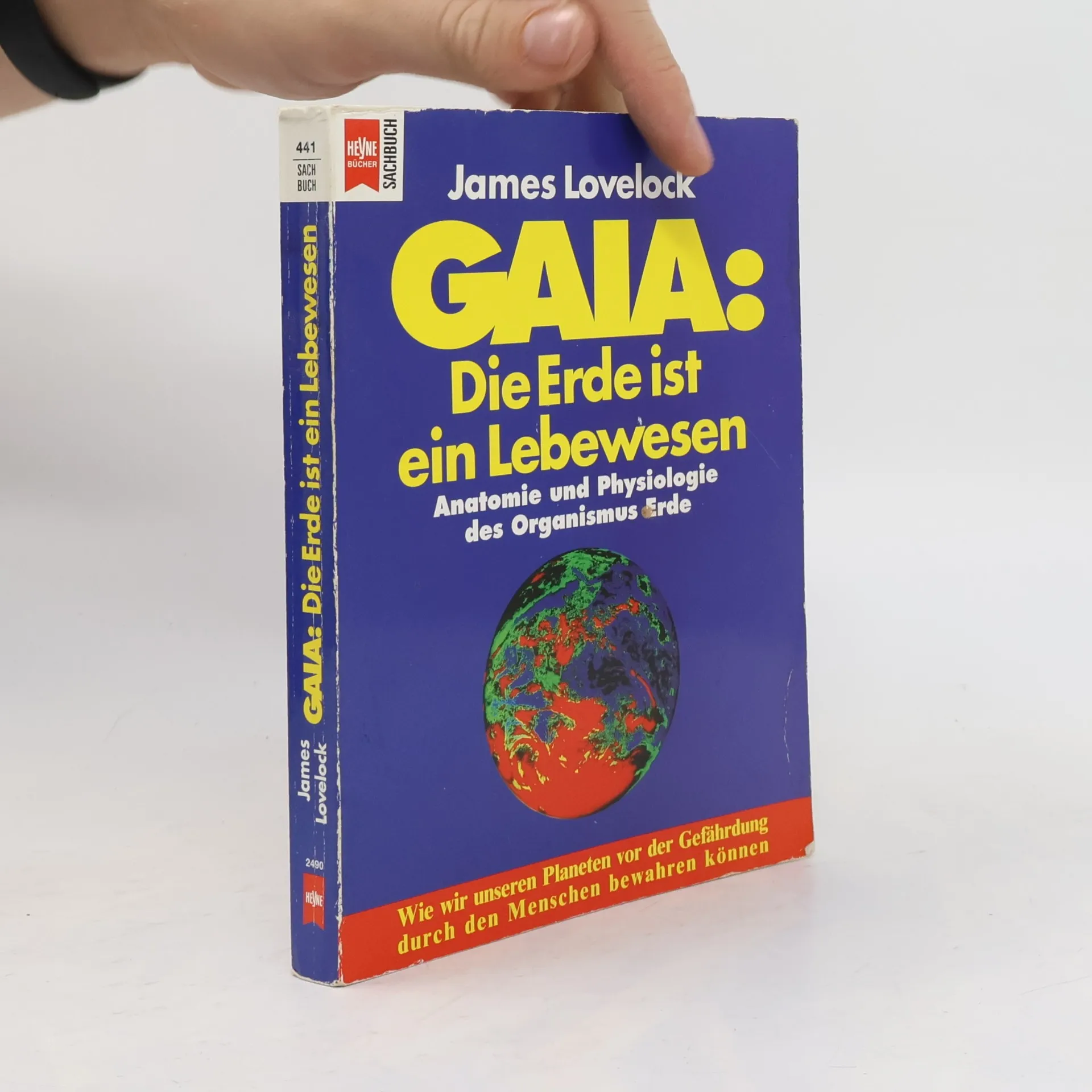
Gaia, Die Erde ist ein Lebewesen * Aufl. 1996, ungekürzte Ausgabe * Einband: leichte Gebrauchsspuren, kleine Macken/Kratzer * Schnitt: sauber * Buchrücken: geknickt * Seiten: sehr sauber, wie ungelesen * Versand innerhalb 24h, Rechnung mit ausgewiesener MwSt, zuverlässiger Service
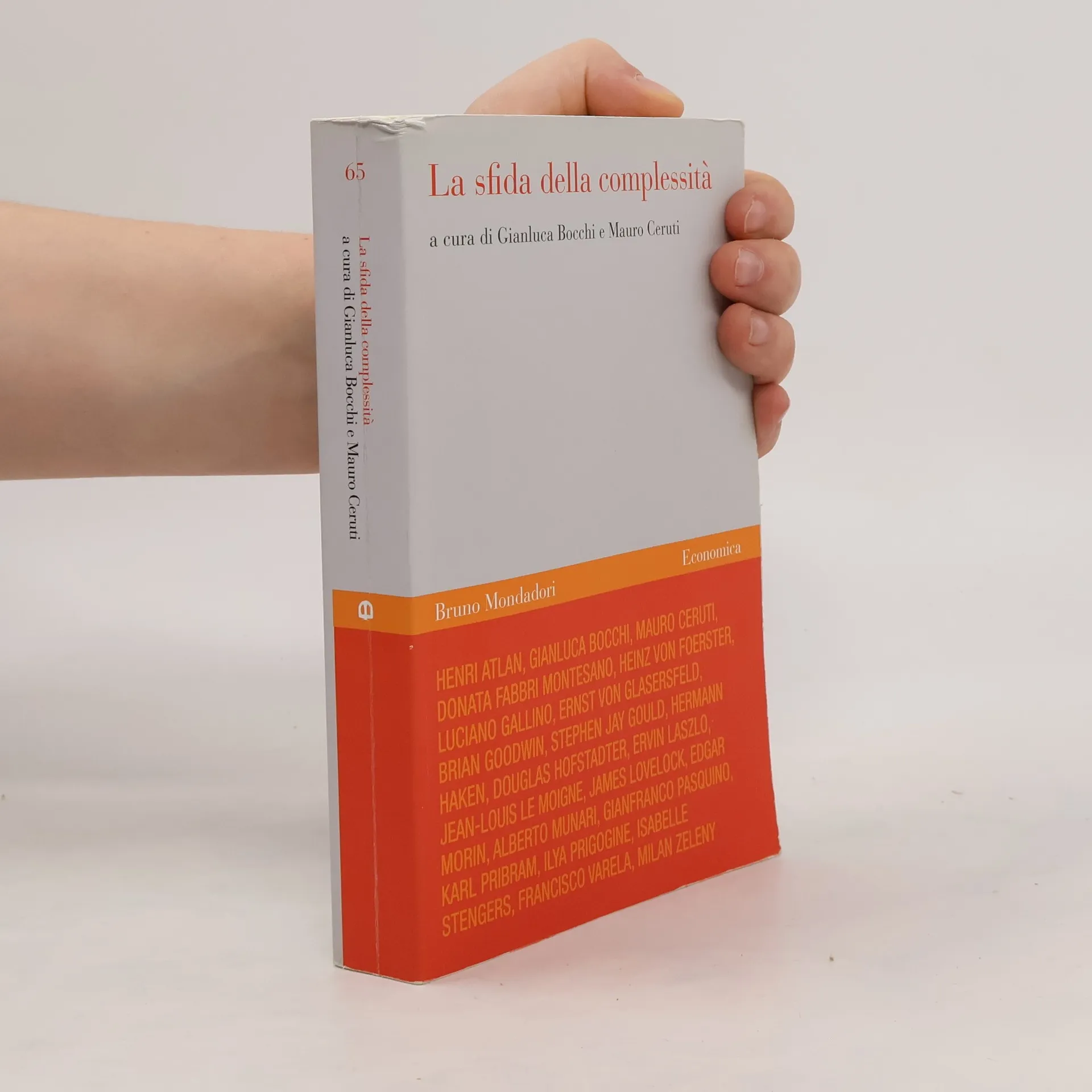
La sfida della complessità nasce dall'irruzione dell'incertezza nelle nostre conoscenze, dallo sgretolarsi dei miti che per secoli hanno regolato il cammino della scienza moderna. Ma d'altra parte la fine della certezza, della completezza, dell'esaustività e dell'onniscienza non segnala soltanto la fine di un ordine, ma rende ineludibile una trasformazione delle domande e delle risposte su cui è basato il nostro sapere. Chiamati a raccolta da Gianluca Bocchi e Mauro Ceruti a metà degli anni ottanta, scienziati e pensatori come Ilya Prigogine e Francisco Varela, Stephen Jay Gould e Heinz von Foerster presentano e confrontano i loro itinerari nella “nuova scienza”, in un'opera che ha mantenuto intatta la sua freschezza ed esemplarità.