Interkulturelle Zusammenarbeit und globales Management - 6. Auflage
557 stránok
20 hodin čítania
Wie unsere Herkunft das Denken, Fühlen und Handeln beeinflusst: Brandaktuell in Zeiten großer Migrationsbewegungen erhält der Leser auf gut verständliche und anregende Weise Einsichten darüber, wie der Ort, an dem wir aufgewachsen sind, unsere Art zu denken, zu fühlen und zu handeln formt.
The Science and Art of Comparing the World's Modern Societies and Their Cultures
504 stránok
18 hodin čítania
The sequel to Culture's Consequences delves deeper into the framework established by Geert Hofstede, focusing on the study of cultural differences through nation-level dimensions. This approach, characterized by complex variables defined by intercorrelated items, has been embraced by numerous scholars globally, leading to impactful research outcomes. The book builds on Hofstede's pioneering ideas, enhancing the understanding of cross-cultural analysis in management and organizational contexts.
Exploring the interplay between national culture and various societal outcomes, this book delves into how cultural factors influence economic growth, crime rates, and educational success. It also examines the disparities in suicide rates, road fatalities, gender inequality, and overall happiness across different nations. Through this analysis, the author highlights the significant impact of cultural values on a wide range of critical issues, offering insights into the complexities of societal behavior and development.
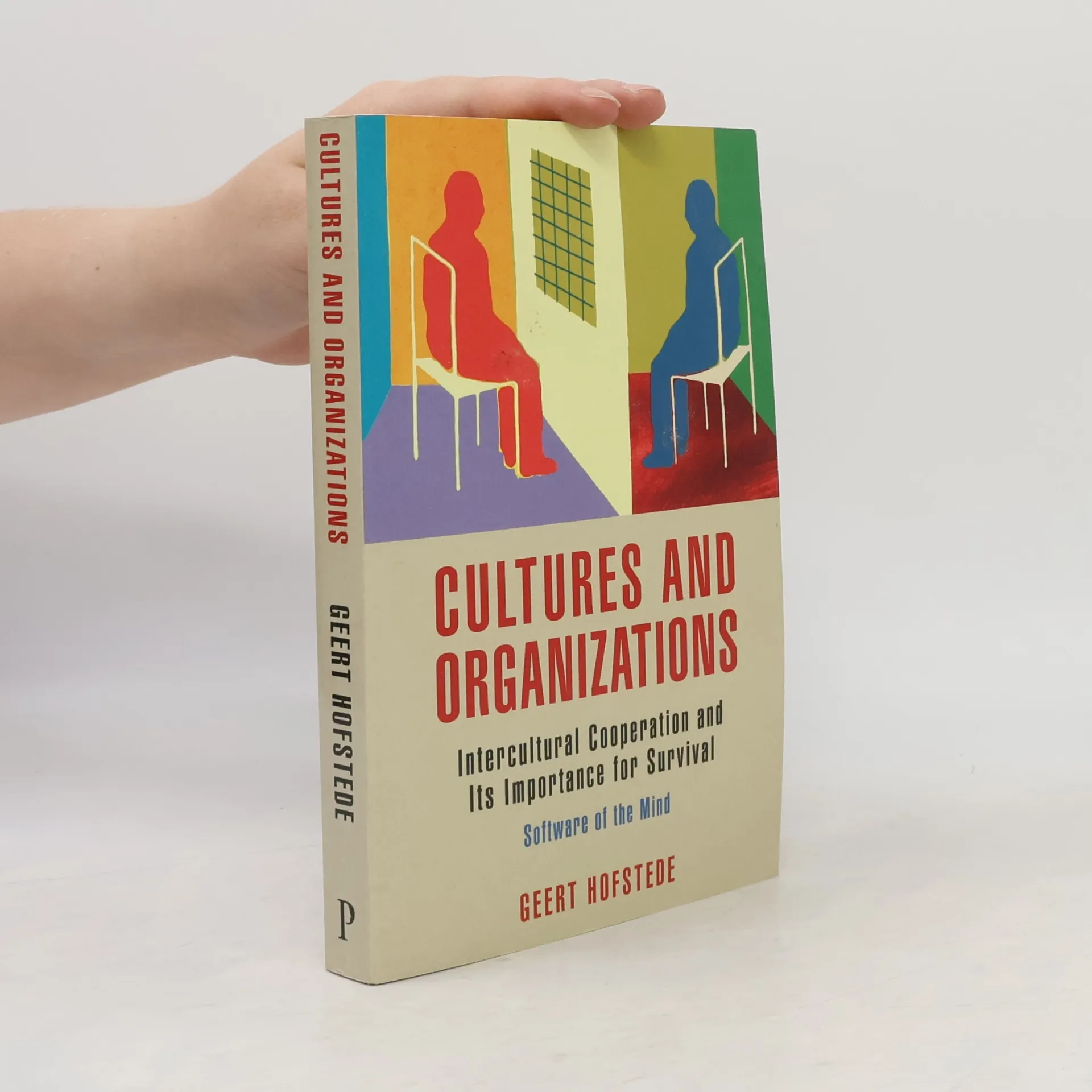
Intercultural cooperation and its importance for survival. People of other countries, of another generation, social class, job or organization, often think and act in ways that puzzle us. To these people, of course, we are the ones who behave in a surprising manner. What separates them from us is the culture in which we grew up. 'Culture' in this sense is not the same as 'civilization'; it encompasses much more. Deeply-rooted and, therefore, often unconscious values lead us to consider as normal what others think abnormal, as polite what to others is rude, and as rational what others find irrational. Organizational cultures are a different phenomenon; they do not follow the same dimensions, are more manageable, and in fact offer an opportunity to bridge national cultures. Following twenty-five years of research into multinational companies, Geert Hofstede and Bob Garrett reveal the circumstances in which organizational cultures can be managed effectively, and outline ways of learning intercultural communication which are essential more essential than ever.