

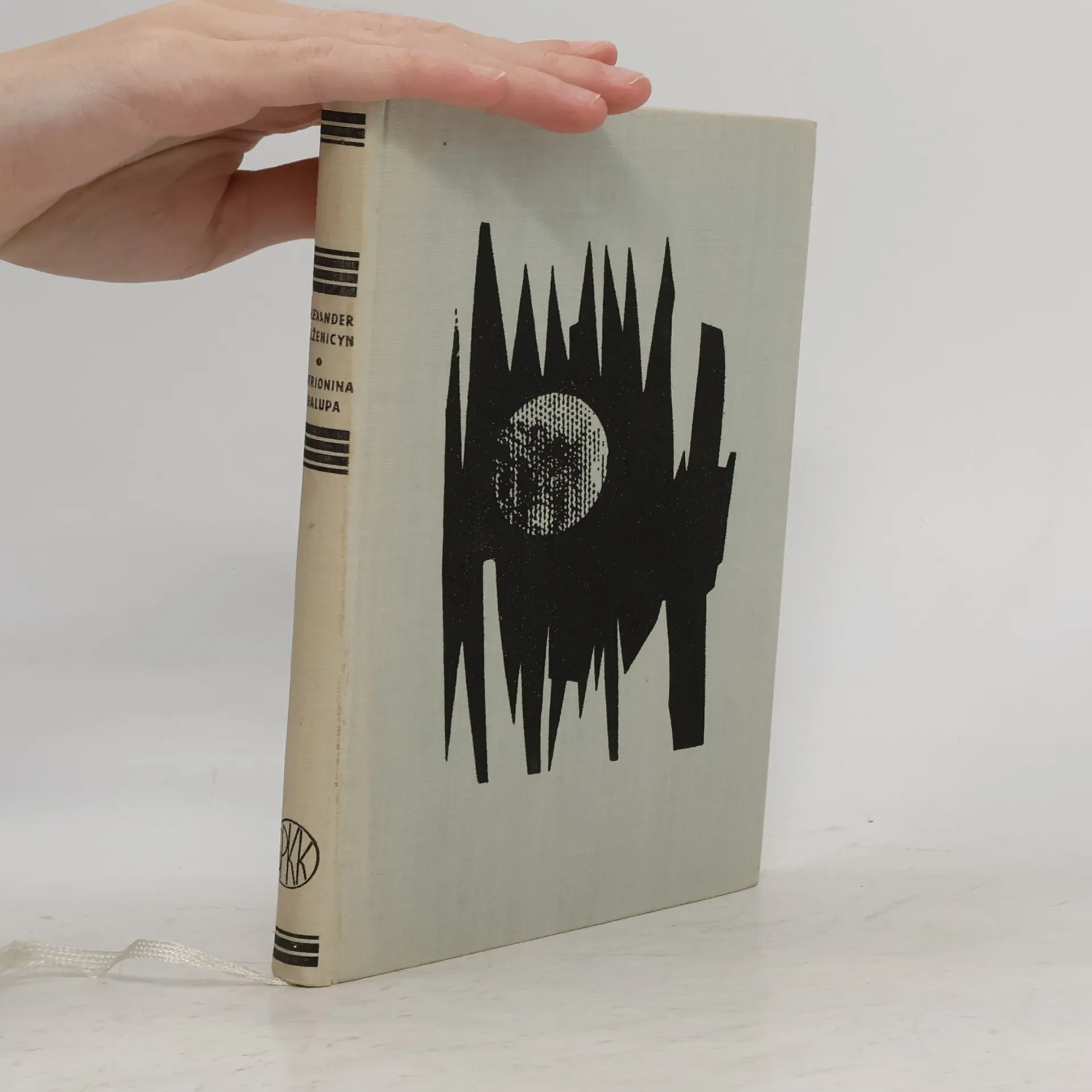
Matrionina chalupa je autobiografická novela o živote a smrti Matriony Zacharovovej. Kniha je napísaná podľa skutočných udalostí. Pravý názov dediny je Miľcevo, Vladimírska oblasť. Jej pôvodný názov znel Niet dediny bez spravodlivého, definitívny názov dal novele básnik A. T. Tvardovskij. Pri vydaní bol zmenený rok, v ktorom sa príbeh odohráva, a dej bol situovaný do predchruščovského obdobia. Autorovi sa vyčítalo, že obišiel skúsenosti prosperujúceho susedného kolchozu, na čele ktorého stál hrdina socialistickej práce.
Michael Glenny Poradie kníh (chronologicky)

Heart of a Dog
- 123 stránok
- 5 hodin čítania
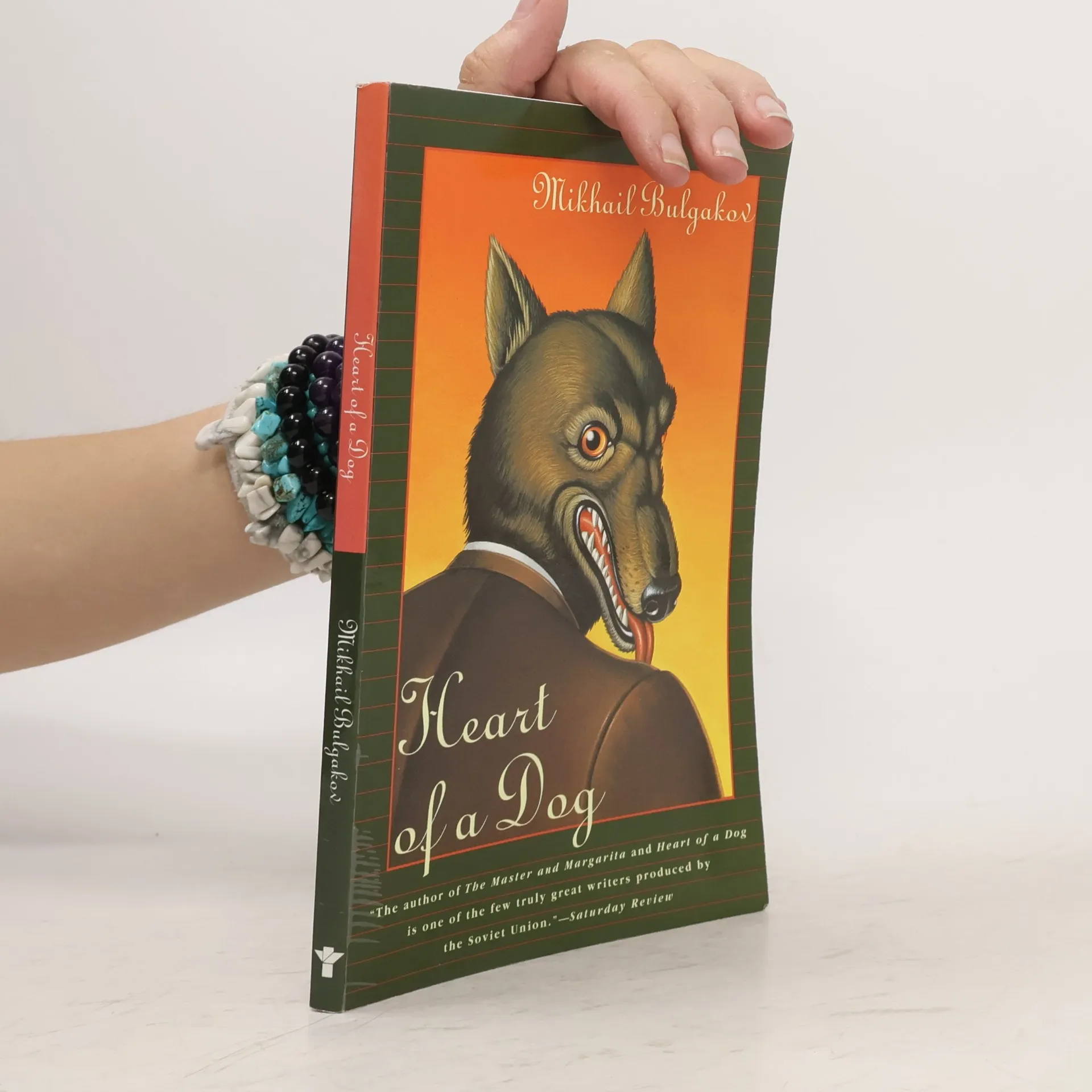
Mikhail Bulgakov's absurdist parable of the Russian Revolution. A world-famous Moscow professor -- rich, successful, and violently envied by his neighbors -- befriends a stray dog and resolves to achieve a daring scientific first by transplanting into it the testicles and pituitary gland of a dead man. But the results are wholly unexpected: a distinctly and worryingly human animal is on the loose, and the professor's hitherto respectable life becomes a nightmare beyond endurance. As in The Master and Margarita , the masterpiece he completed shortly before his death, Mikhail Bulgakov's early novel, written in 1925, combines outrageously grotesque ideas with a narrative of deadpan naturalism. The Heart of a Dog can be read as an absurd and wonderfully comic story; it can also be seen as a fierce parable of the Russian Revolution.
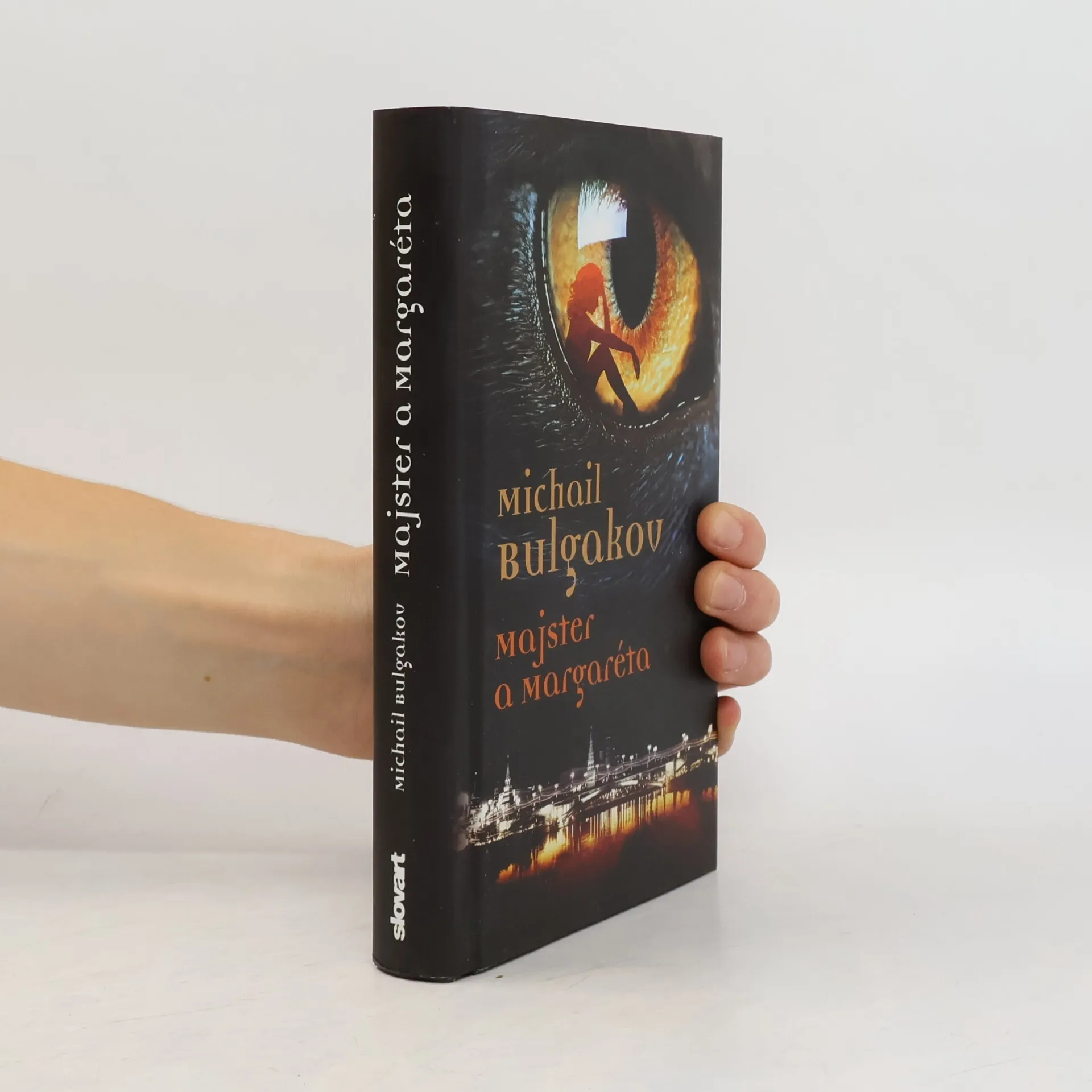
Bulgakovov román Majster a Margaréta nie je nášmu čitateľovi neznámy - v slovenskom preklade prvý raz vyšiel v roku 1968, no toto vydanie vychádzalo z jedinej vtedajšej dostupnej verzie textu, ktorý v ZSSR cenzurovali. Nový preklad Jána Štrassera prináša úplný text tohto najvýznamnejšieho diela ruskej literatúry 20. storočia. Moskvu navštívi diabol Woland so svojou suitou a život Moskovčanov sa prudko zmení: začnú sa diať nadprirodzené veci - neuveriteľné príbehy, fantazmagórie, mystifikácie. Medzitým muž, ktorý si hovorí majster, píše román o stretnutí Ježiša Krista s Pilátom Pontským. Keď majster zmizne, jeho družka Margaréta je ochotná zapredať dušu diablovi, aby sa dozvedela, čo je s majstrom. Woland jej vyhovie a dočasne ju vezme do svojich služieb.
Faithful Ruslan
- 224 stránok
- 8 hodin čítania
Unavailable for twenty years, this harrowing allegory of obedience to authority is esteemed as “one of the defining literary texts of the post-Stalin period.” (The Guardian) Set in a remote Siberian depot immediately following the demolition of one of the gulag’s notorious camps and the emancipation of its prisoners, Faithful Ruslan is an embittered cri de coeur from a writer whose circumstances obliged him to resist the violence of arbitrary power. “Every writer who writes anything in this country is made to feel he has committed a crime,” Georgi Vladimov said. Dissident, he said, is a word that “they force on you.” His mother, a victim of Stalin’s anti-Semitic policy, had been interred for two years in one of the camps from which Vladimov derived the wrenching detail of Faithful Ruslan. The novel circulated in samizdat for more than a decade, often attributed to Solzhenitsyn, before its publication in the West led to Vladimov’s harassment and exile. A starving stray, tortured and abandoned by the godlike “Master” whom he has unconditionally loved, Ruslan and his cadre of fellow guard dogs dutifully wait for the arrival of new prisoners—but the unexpected arrival of a work party provokes a climactic bloodletting. Fashioned from the perceptions of an uncomprehending animal, Vladimov’s insistently ironic indictment of the gulag spirals to encompass all of Man’s inexplicable cruelty.
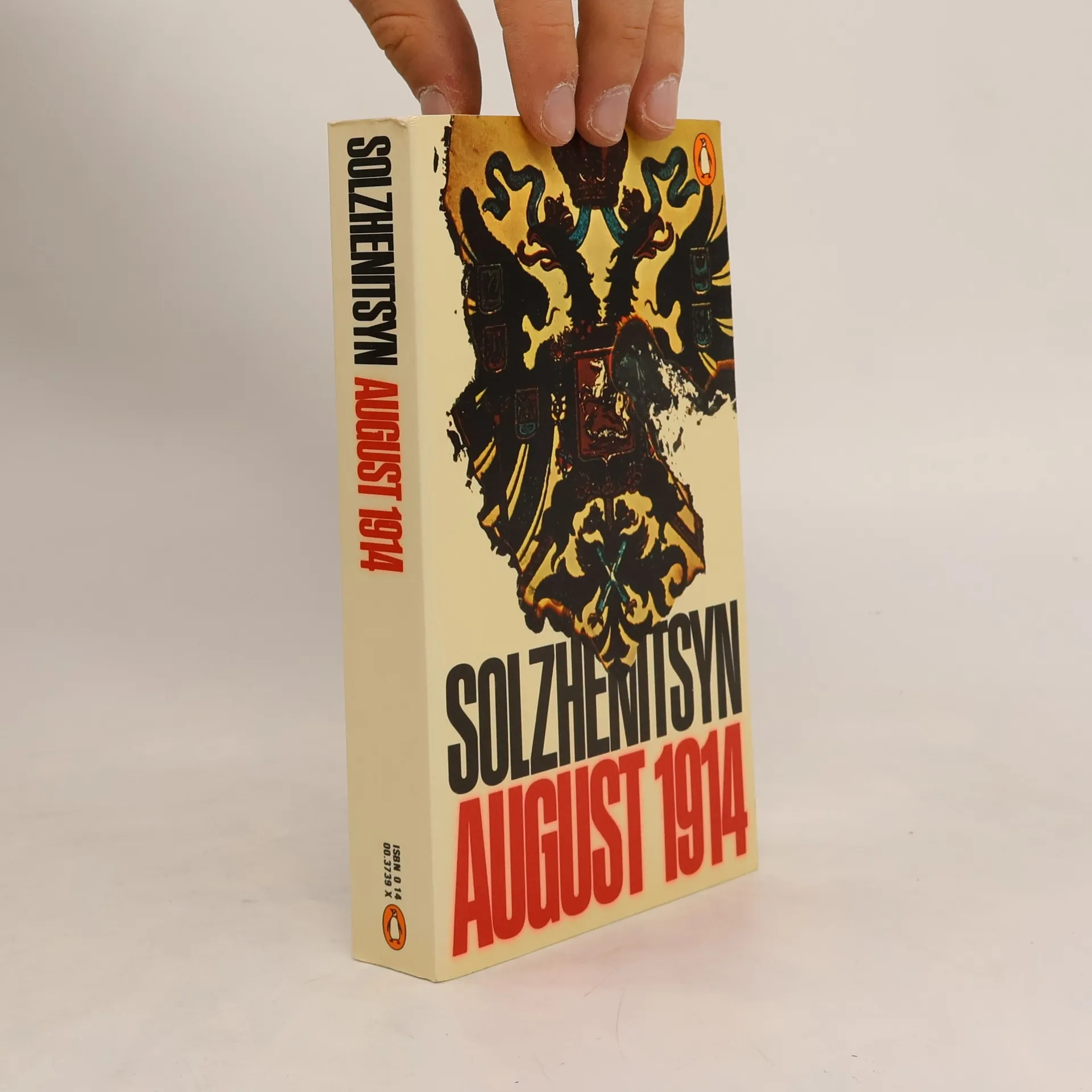
A historical novel about the defeat of the Imperial Russian Army at the Battle of Tannenberg in East Prussia.
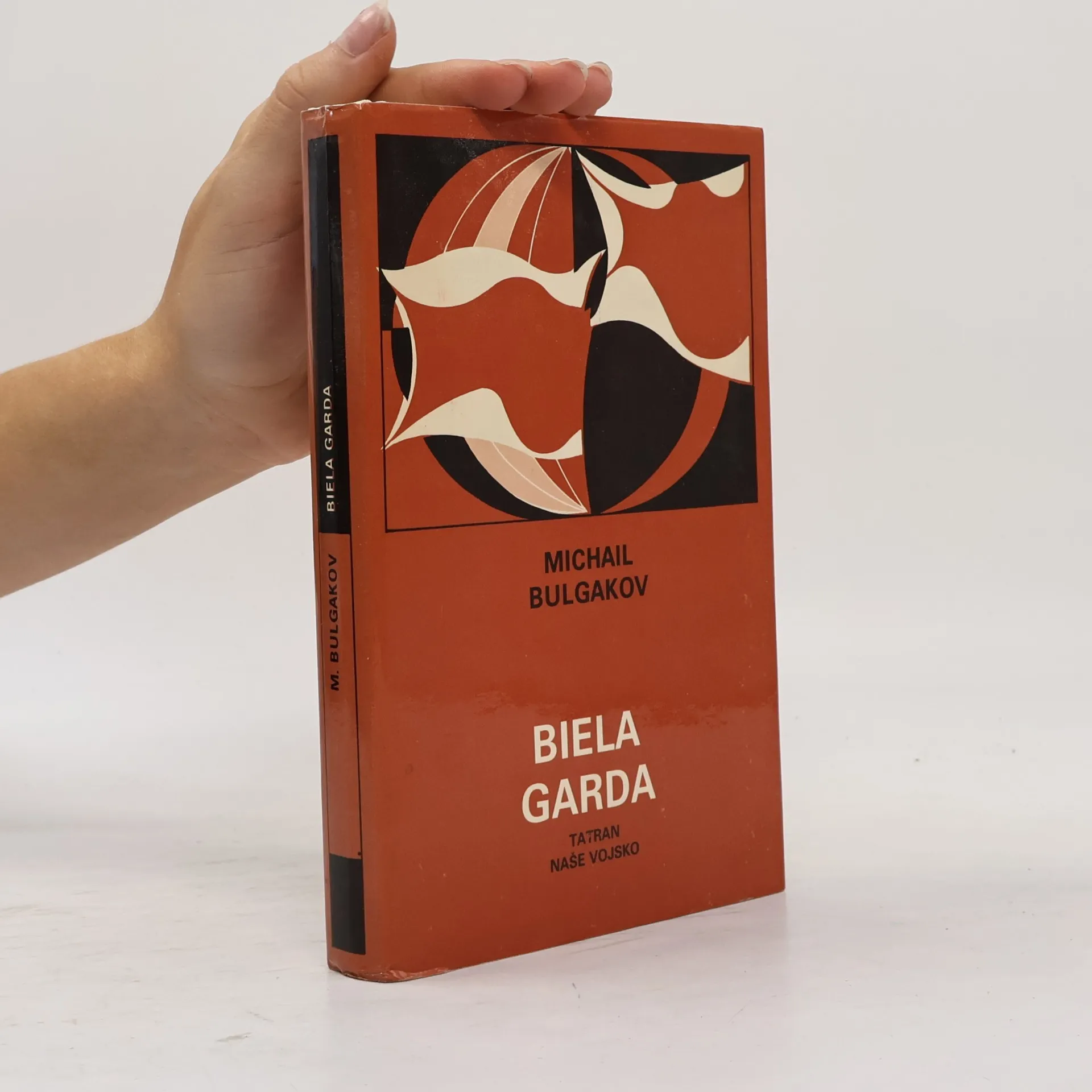
Trochu v tieni jeho slávneho románu Majster a Margaréta ostáva fascinujúca románová freska Biela garda. Toto veľkolepé dielo písal Bulgakov v čase, keď ľudský život nemal veľkú cenu – v čase občianskej vojny v Rusku po boľševickej revolúcii. V období, keď to zdanlivo nové a dobré vznikalo v močiaroch presýtených krvou tisícov nevinných obetí. Spisovateľova umelecká pamäť hľadala obrazy a postavy, ktoré by sa stali opornými bodmi vo všadeprítomnom chaose a smrti. Našiel ich v trochu nostalgických spomienkach na otcovu zelenú lampu v pracovni a kachlicovú pec – symboloch rodinného kozuba Turbinovcov. No spisovateľ postupne opúšťa múry domu, jeho pohľad sa stáva panoramatickým, výpoveď drsnejšou, ale o to úprimnejšou. Vtedy ešte mladý prozaik majstrovsky zachytil revolučné vrenie na Ukrajine a podal jeho neobyčajne plastický a autentický obraz. Vznikla tak veľkolepá freska, ktorá je porovnateľná azda iba so slávnym románom Borisa Pasternaka Doktor Živago. Udalosti vníma očitý svedok, kronikár a analyzátor, ale najmä citlivý umelec, ktorý cíti zodpovednosť za každé svoje slovo i svoju myšlienku. 1. slovenské vydanie.