Popírání smrti
- 344 stránok
- 13 hodin čítania


Ernest Becker bol uznávaný kultúrny antropológ a vedecký mysliteľ, ktorý sa zaoberal interdisciplinárnymi témami. Jeho dielo sa hlboko ponorilo do psychologických a filozofických aspektov ľudskej existencie, najmä do spôsobu, akým sa jednotlivci vyrovnávajú s vedomím vlastnej smrteľnosti. Becker tvrdil, že naše charakterové črty a dokonca aj civilizácia sú do značnej miery formované mechanizmami popierania smrti, ktoré nám umožňujú fungovať vo svete. Táto snaha o popretie smrti však podľa neho nevyhnutne vedie k zlu, pretože nás odcudzuje od skutočného sebapoznania a spôsobuje konflikty. Jeho myšlienky, ktoré čerpali z Kierkegaarda, Freuda a Ota Ranku, priniesli revolučný pohľad na ľudskú psychiku a spoločnosť.
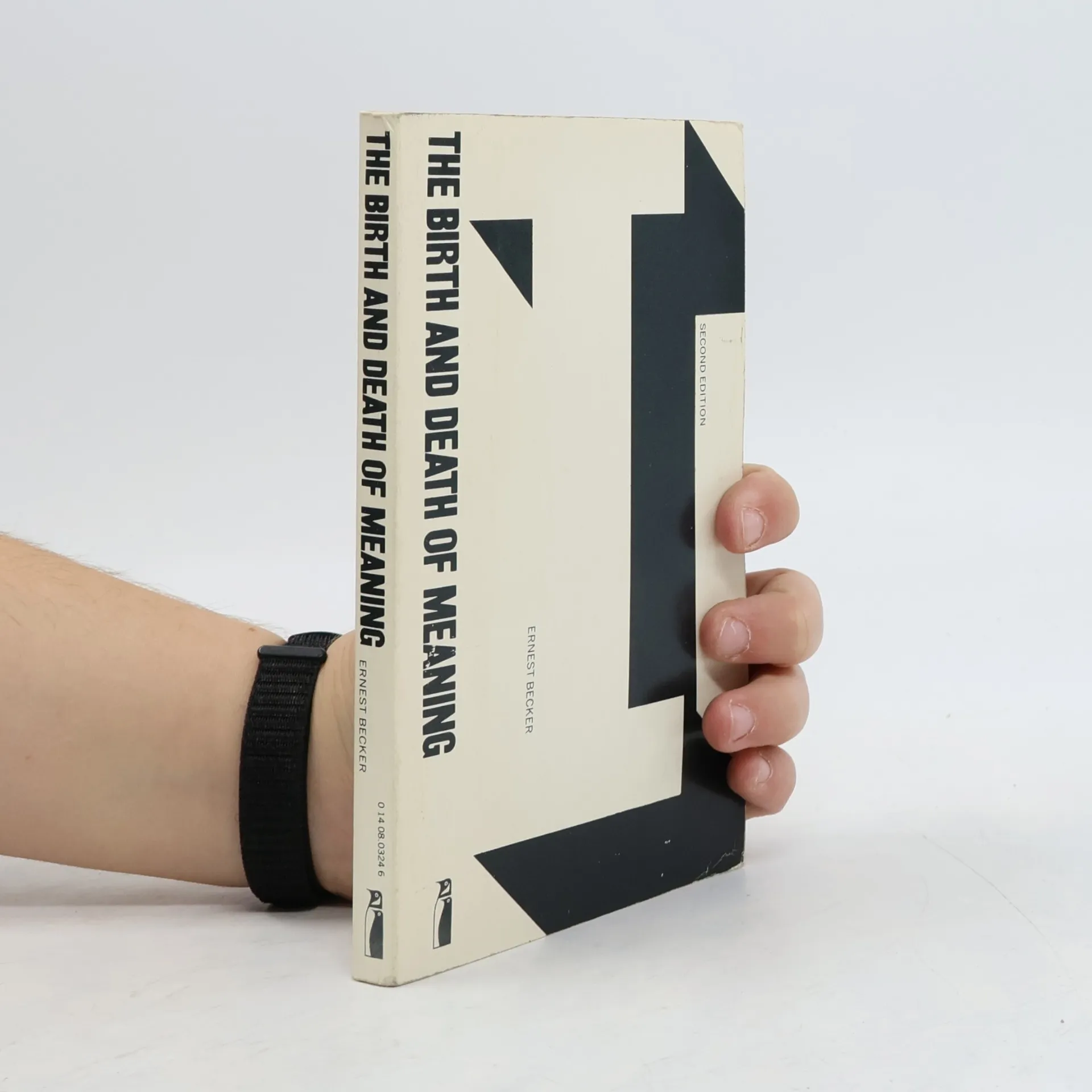
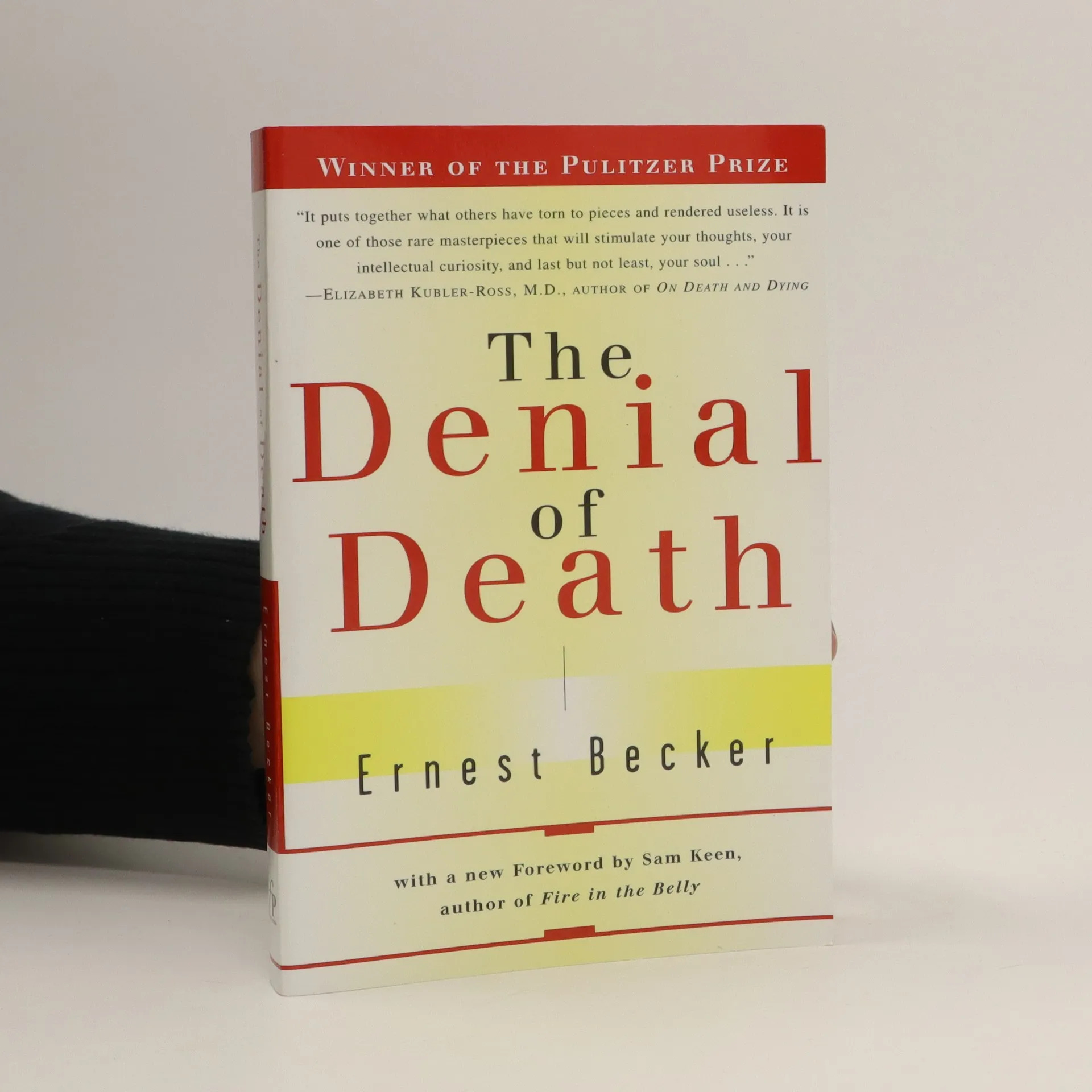


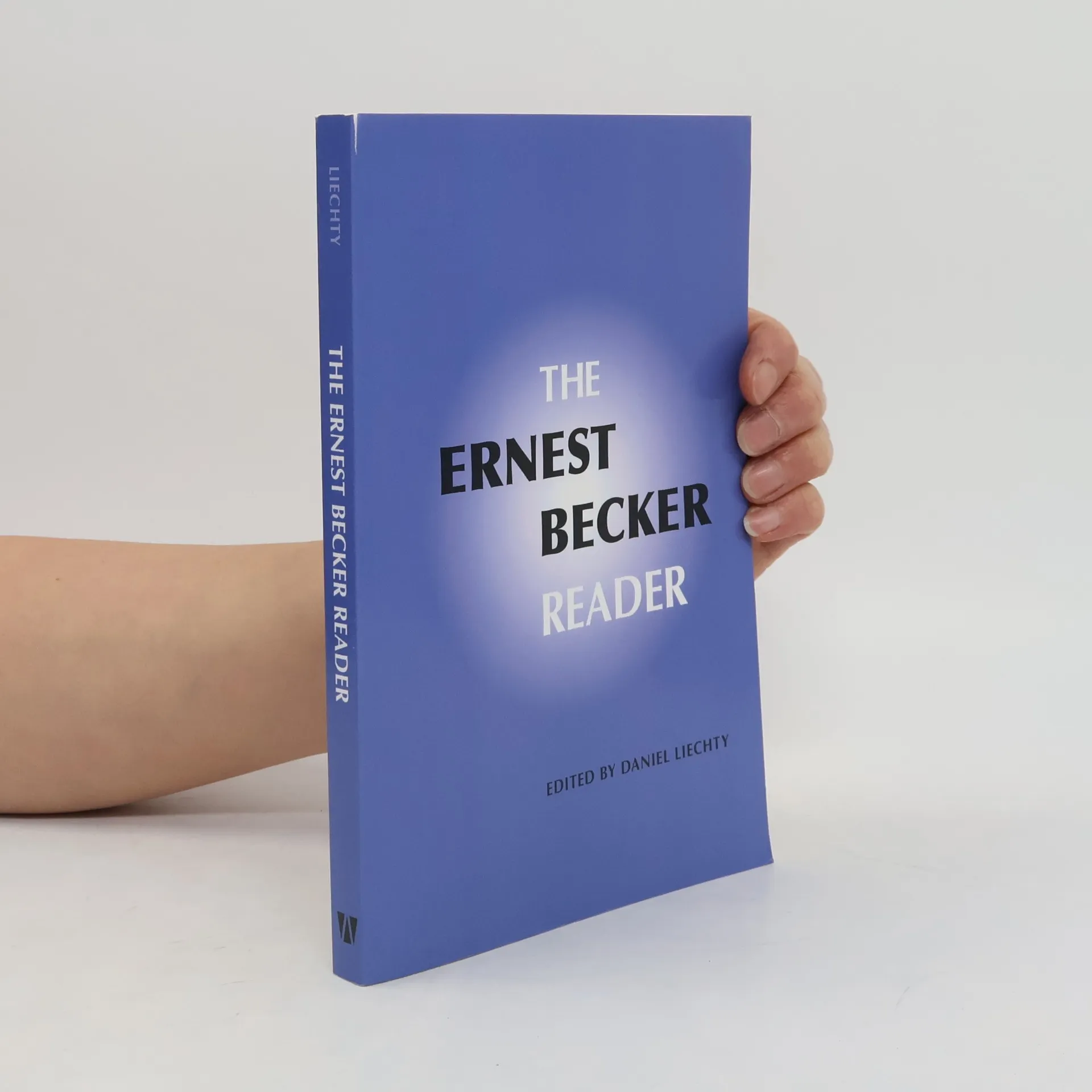
Ernest Becker (1924-1974) was a keen observer of society and human behavior during America's tumultuous 1960s and 1970s. With a background in social anthropology, he was driven by a deep curiosity about human motivations, persistently asking, "What makes people act the way they do?" Frustrated by the fragmented approaches of contemporary social sciences, Becker sought a comprehensive, empirical understanding of humanity. He developed an interdisciplinary vision where each discipline is rooted in a fundamental truth about the human condition, creating a broad perspective on human motivations that spans biological, psychological, and social sciences, as well as the humanities and various studies. Best known for his later works, including the Pulitzer Prize-winning "The Denial of Death" (1974) and "Escape from Evil" (1975), Becker's influential ideas were built upon a distinguished foundation of earlier writings. His early works, rich in insight, provide context for his later contributions and illuminate the evolution of his thoughts. Despite his life being cut short, Becker’s writings remain in print, engaging new generations of readers. The Ernest Becker Reader compiles much of his early work, placing his later achievements in context and significantly contributing to the enduring interest in his ideas.
From the Pulitzer Prize-winning author of The Denial of Death, a penetrating and insightful perspective on the source of evil in our world."A profound, nourishing book…absolutely essential to the understanding of our troubled times." —Anais Nin"An urgent essay that bears all the marks of a final philosophical raging against the dying of the light." —Newsweek
De-confusing and Re-constructing the Postmodern World
Includes essays and excerpts from the works of prominent modern thinkers such as Umberto Eco, Jacques Derrida, and Isaiah Berlin among others.
Addresses the issue of mortality discussing how humans universally share a fear of death and examines the theories of leading thinkers on this subject including Freud, Rank, and Kierkegaard
An Interdisciplinary Perspective on the Problem of Man