Javier Marías bol španielsky prozaik, prekladateľ a publicista, ktorého diela boli preložené do 42 jazykov. Jeho písanie sa vyznačovalo hlbokým skúmaním pamäte, času a povahy písaného a hovoreného slova. Marías sa často zaoberal témami straty, zabudnutia a zložitou povahou ľudských vzťahov, pričom prepletal filozofické úvahy s pútavými príbehmi. Jeho jedinečný a rozpoznateľný štýl, charakterizovaný dlhými, vlniacimi sa vetami a starostlivým výberom slov, vtiahol čitateľov do zložitých vnútorných svetov jeho postáv.
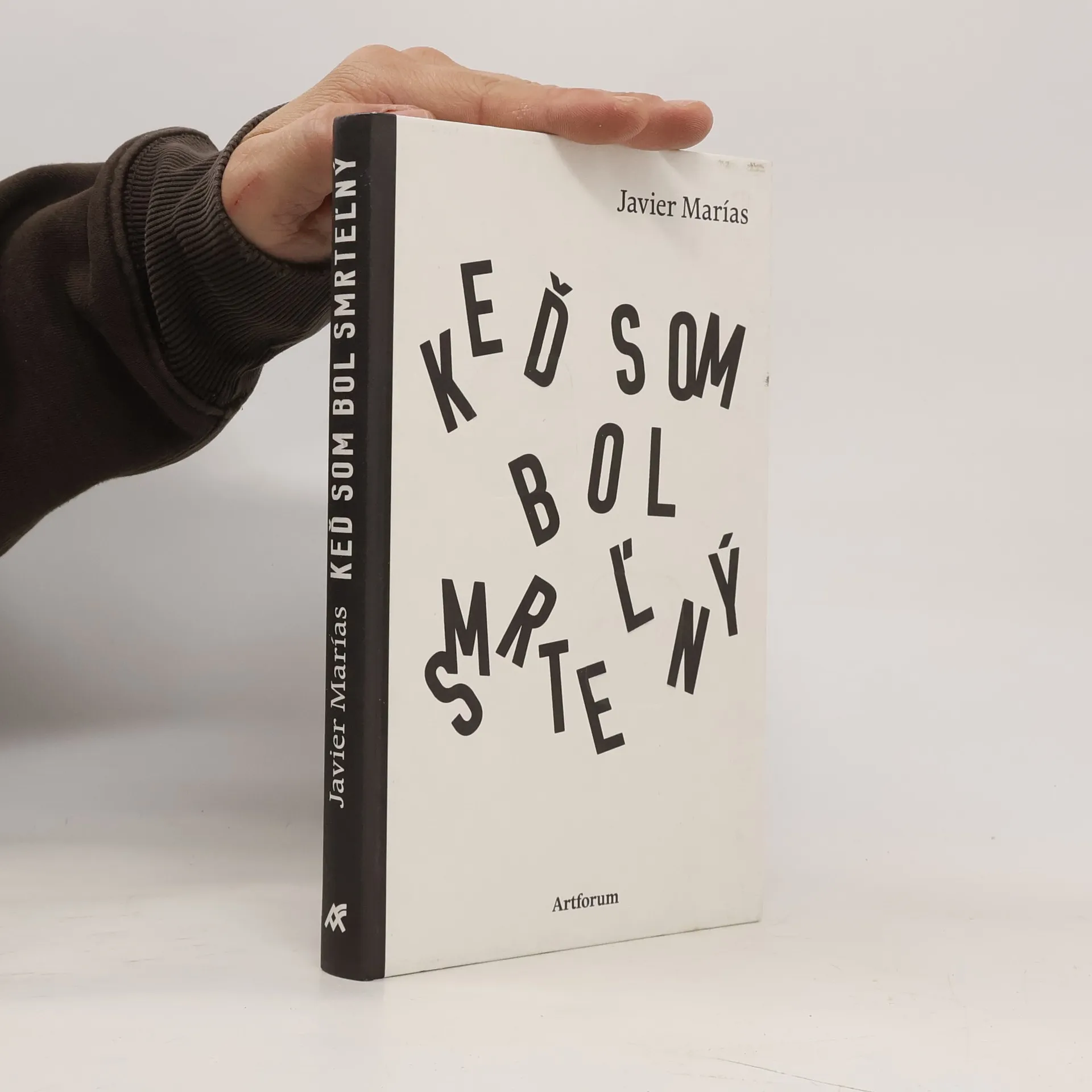
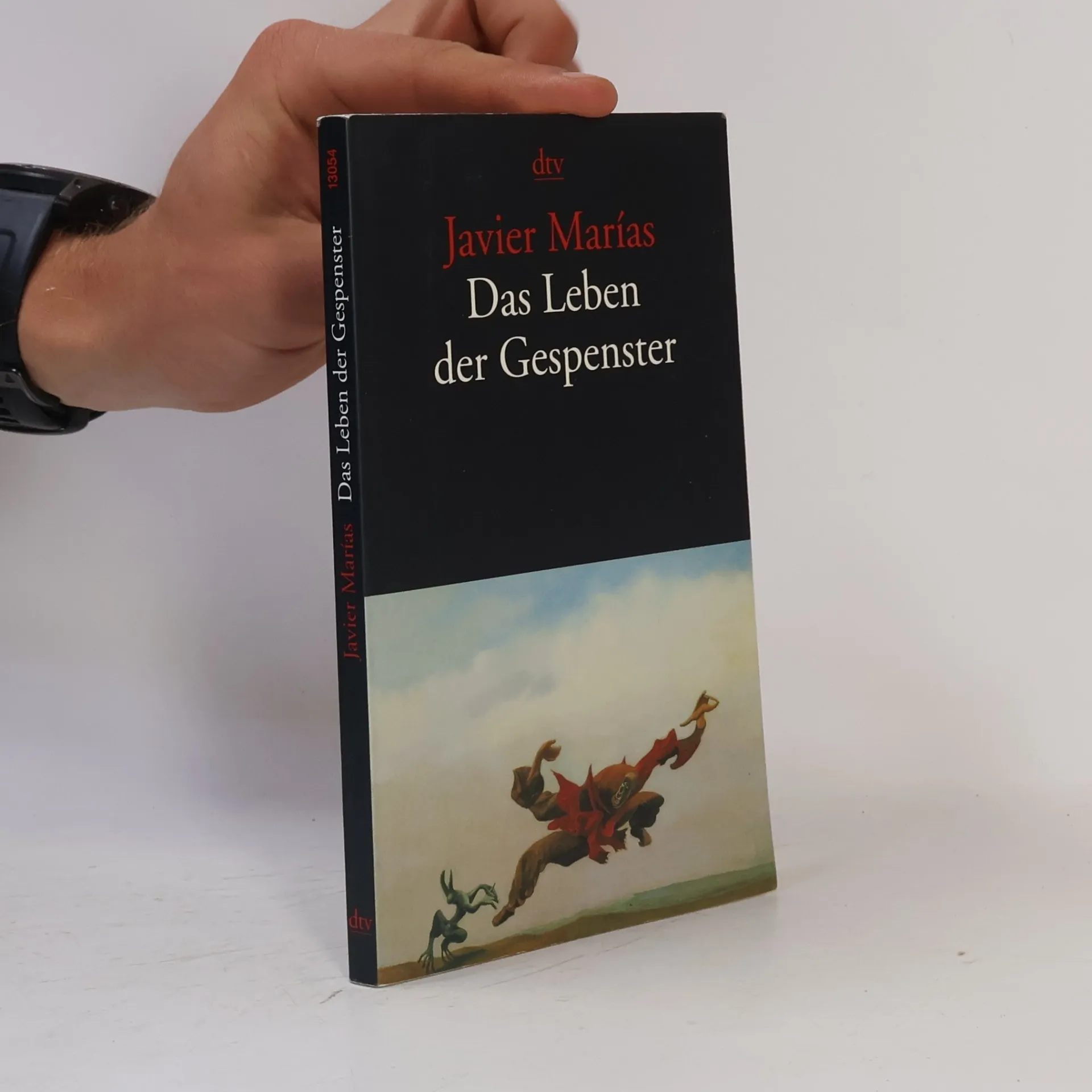
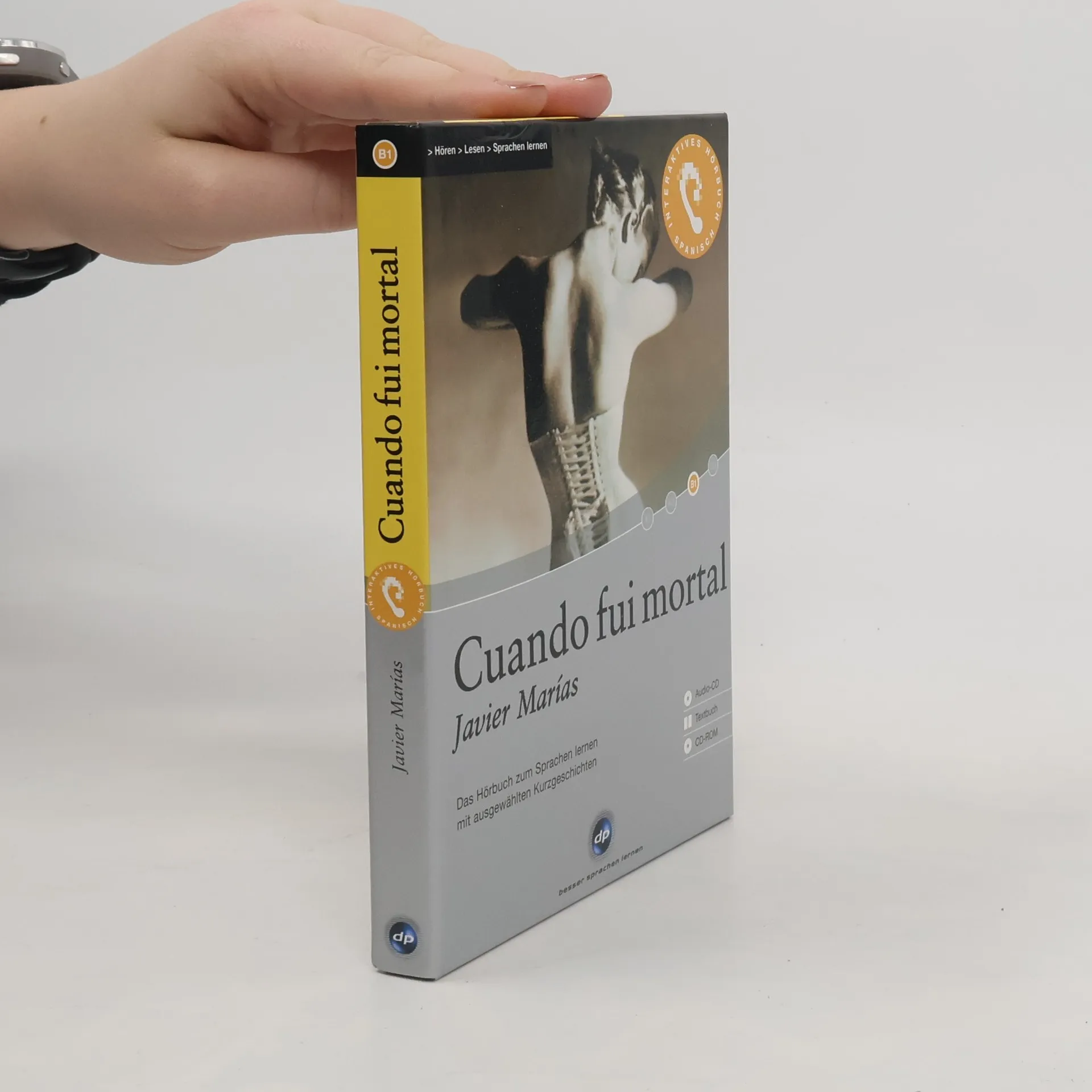
Dvanásť poviedok zbierky Keď som bol smrteľný ponúka čitateľovi možnosť nazrieť do tajných zákutí ľudskej mysle, odhaľovať jemné, no pritom hrôzostrašné nitky zločinov a pozrieť sa na náš svet "z druhého sveta", keď máme možnosť vidieť všetko inak, kompletne. Javier Marías je dôsledný štylista, v jeho textoch je napätie, irónia, čierny humor a veľmi šikovne dávkovaný prídel hrôzy a strachu nielen z toho, čo nevieme, ale aj z toho, čo sme sa nechtiac dozvedeli.
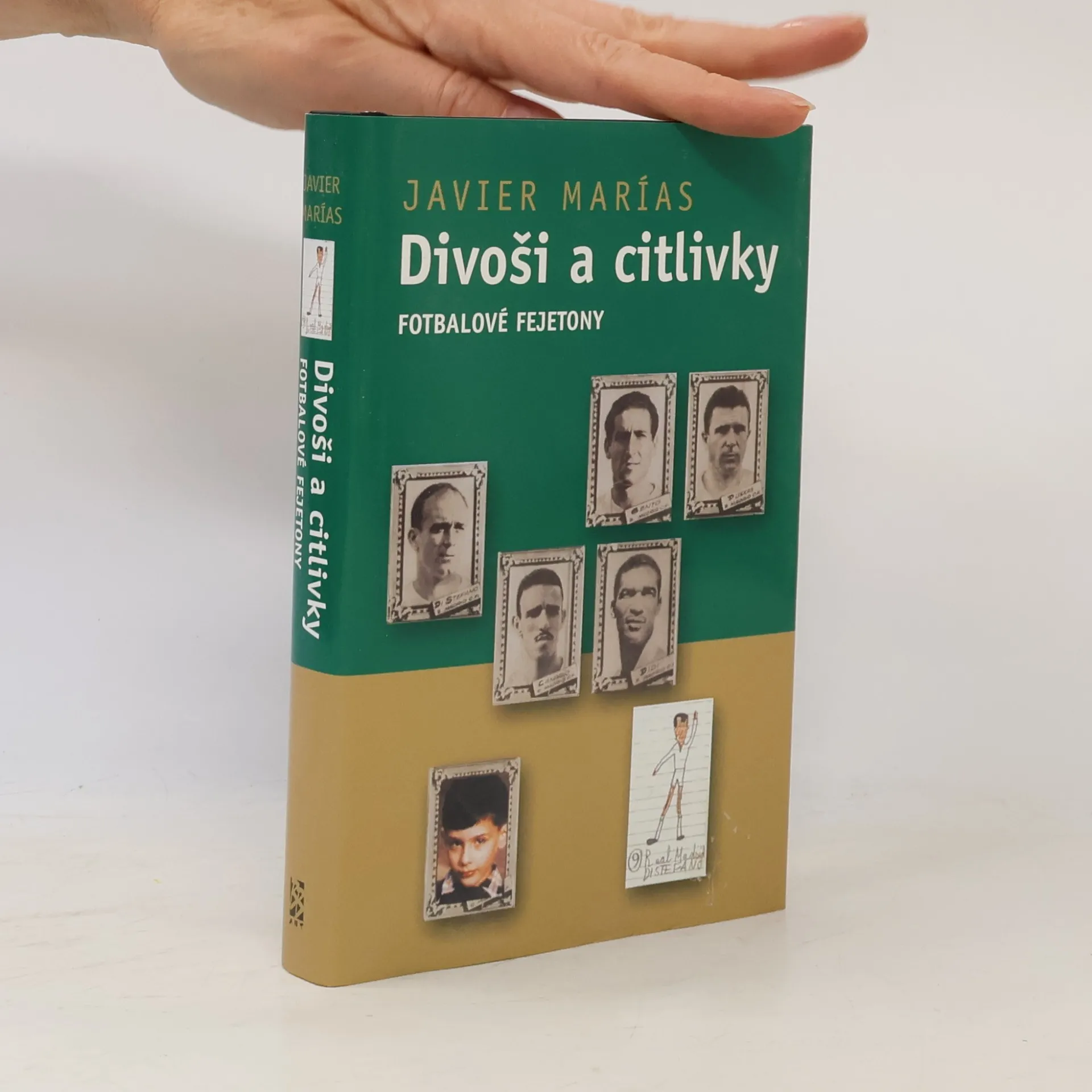
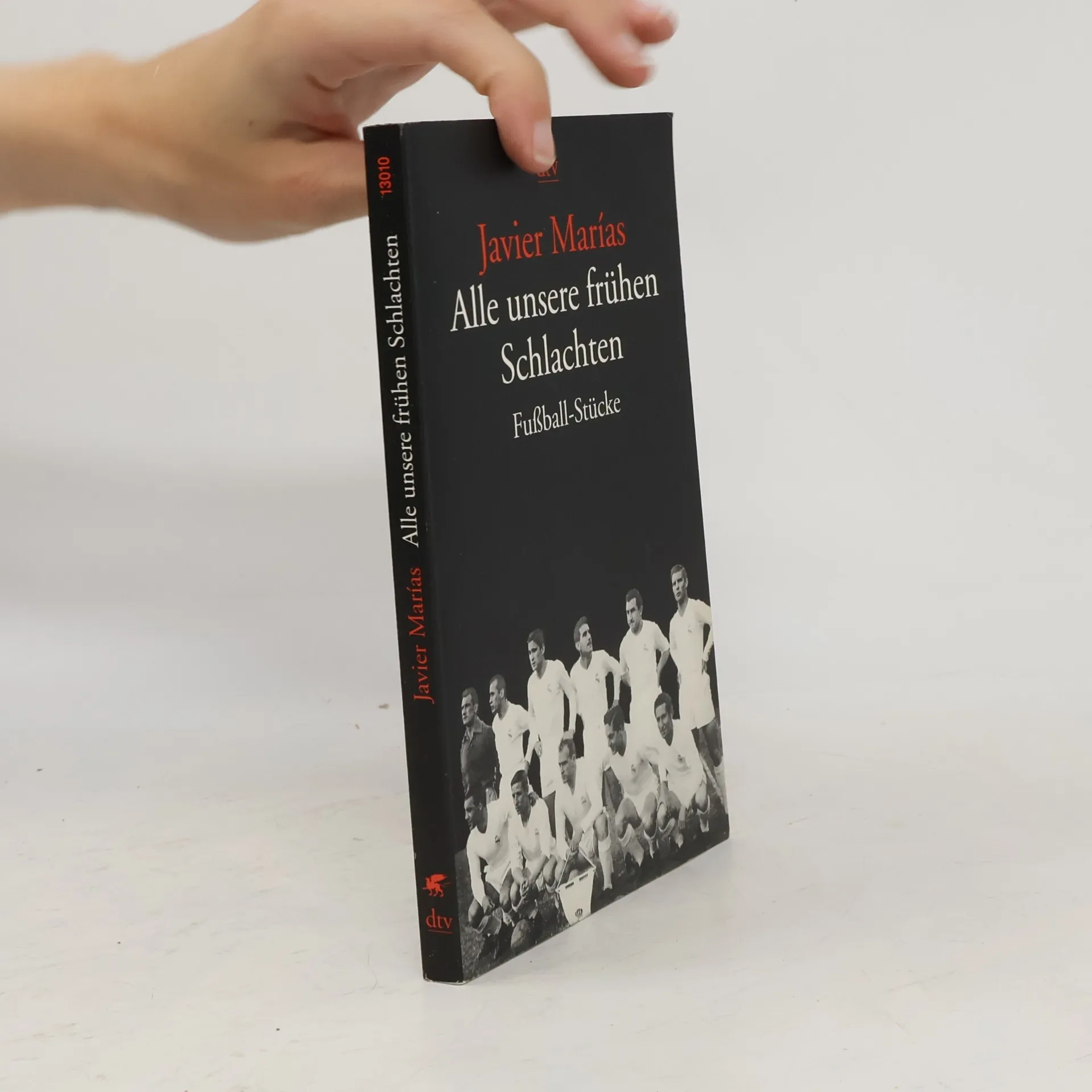
Slavný španělský romanopisec Javier Marías píše o fotbale doma i ve světě a prostřednictvím fotbalových výher, proher a různých trapasů vtipně uvažuje o vlastenectví a vlastenčení, fandění, vznešenosti a statečnosti i ubohosti a simulantství hráčů, ale i o módách účesů a dresů. Marías fotbal vidí jako nekonečný průvod hrdinů, padouchů a statistů, jako velkolepou podívanou.
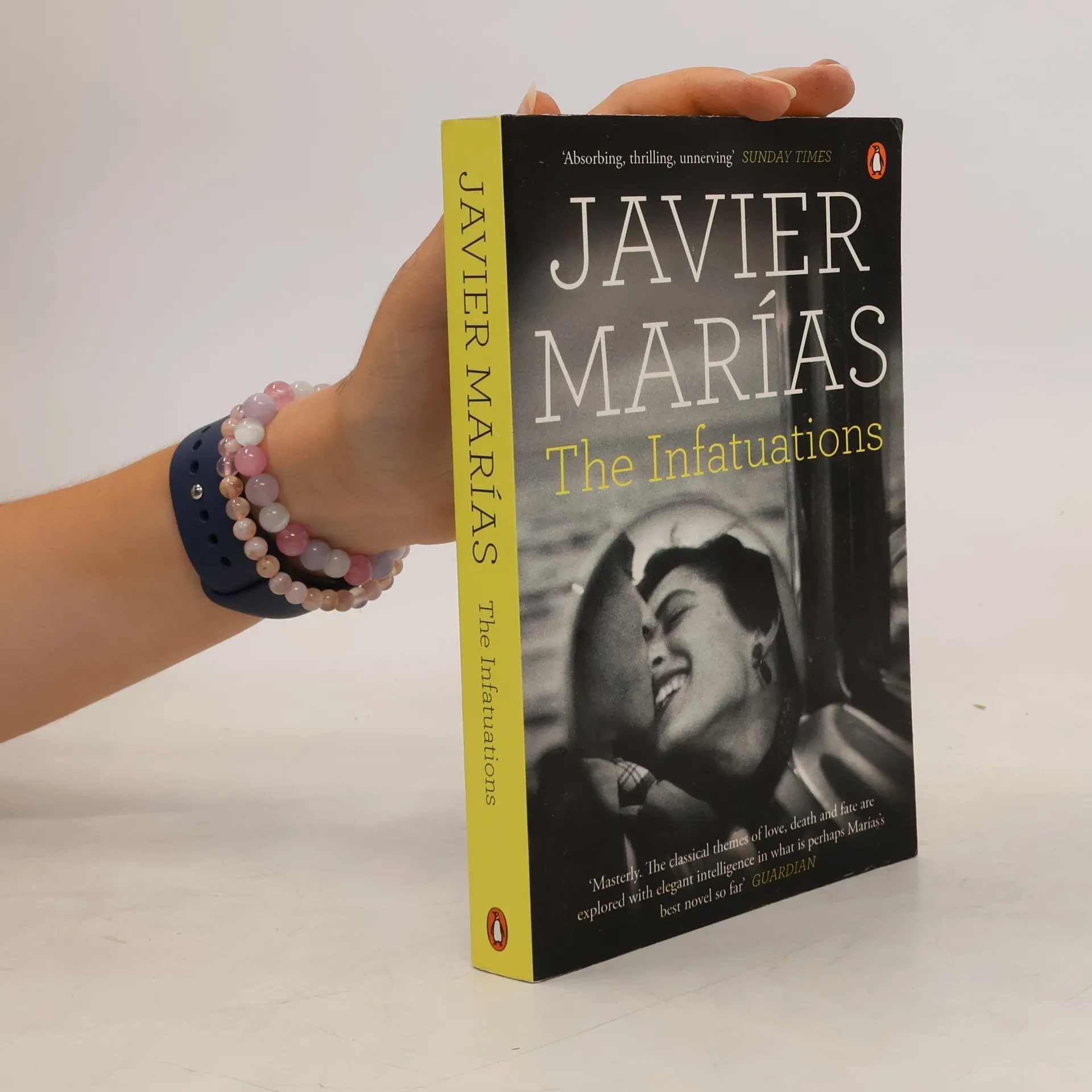
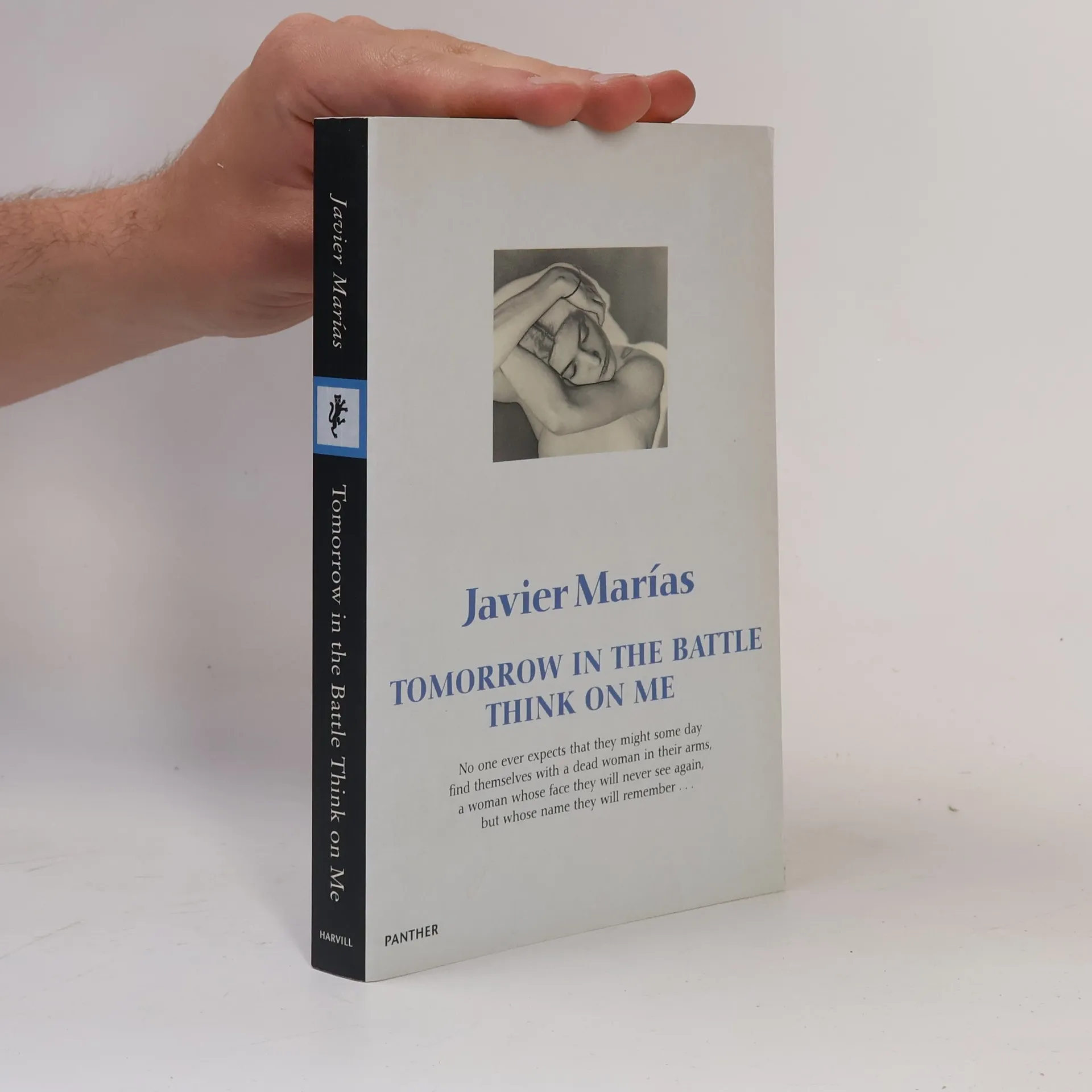
Juan knows little about his widowed father Ranz, a man with a troubled past. He does know, however, that before marrying Juan's mother, Ranz was married to her elder sister, who had committed suicide. The unspoken dialogue between father and son soon becomes a spelling out of the horrifying truth once Juan marries Luisa, who turns discreet confessor to the burdened old man. What gradually emerges into the cold light of day is a repetition of scenes already witnessed by Juan in the course of his travels: a married man blackmailed by his mistress in a Havana hotel, a woman in New York pursuing a sequence of shabby lovers through the lonely-hearts columns. Produced with remarkable skill and delicacy, this is a startling picture of two generations, two marriages, and the secret commerce between spouses that rests on the gossamer-thin threads of an unspoken accord.
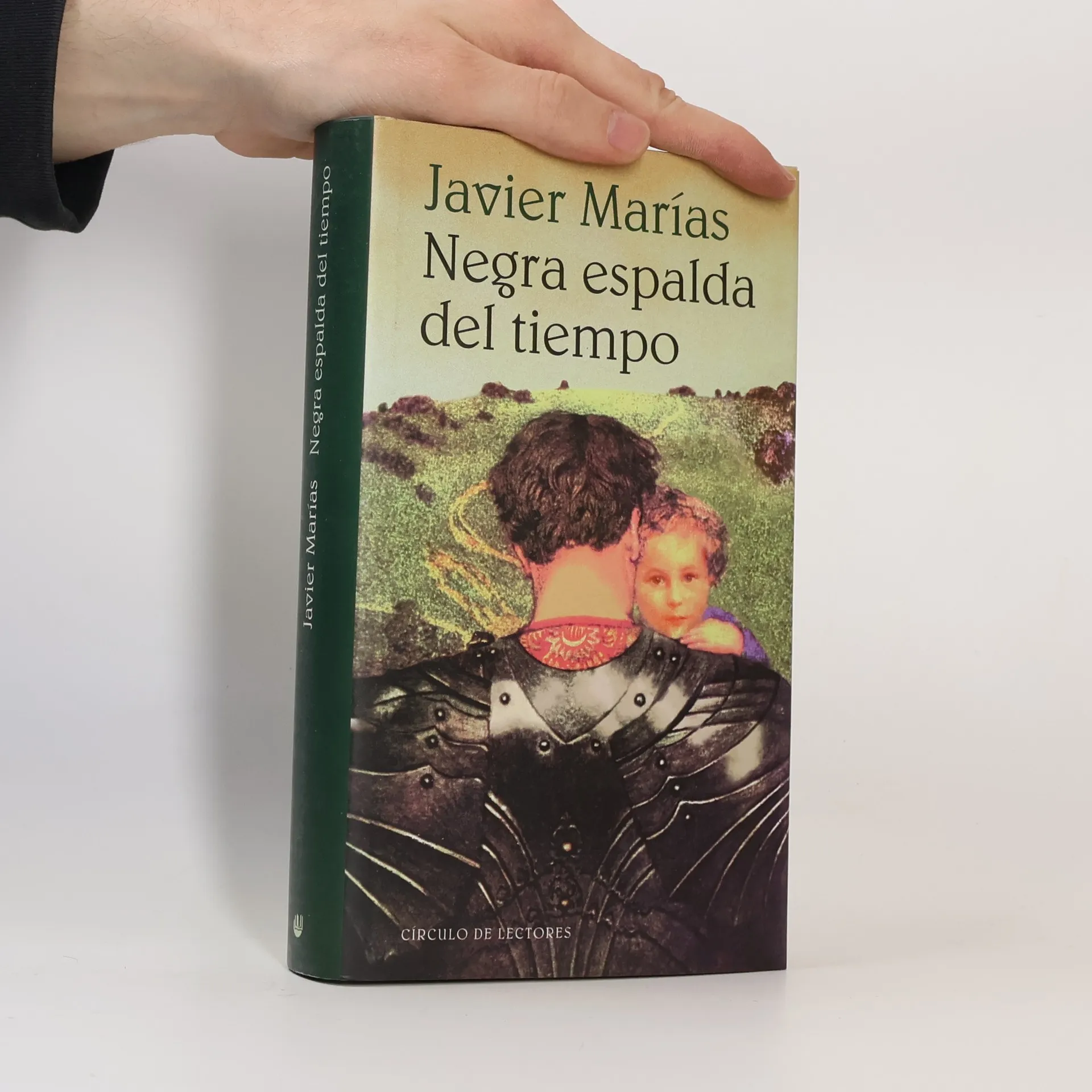
Barcelona. 23 cm. 404 p. Encuadernación en tapa dura de editorial con sobrecubierta. Marías, Javier 1951- .. Este libro es de segunda mano y tiene o puede tener marcas y señales de su anterior propietario. ISBN: 8422674505
Every day, Maria Dolz stops at the same cafe. And every day she watches a couple following the same routine. Then one day they aren't there. She comes across a photograph of the man, lying stabbed in the street. When the woman returns with her children, who are then collected by a different man, a new light is shed on the death."
Marias casts a knowing eye on the secrets that bring couples together and break them apart - the admissions that conceal, the lies that reveal - and the infinite capacity for self-deception in pursuit of love.
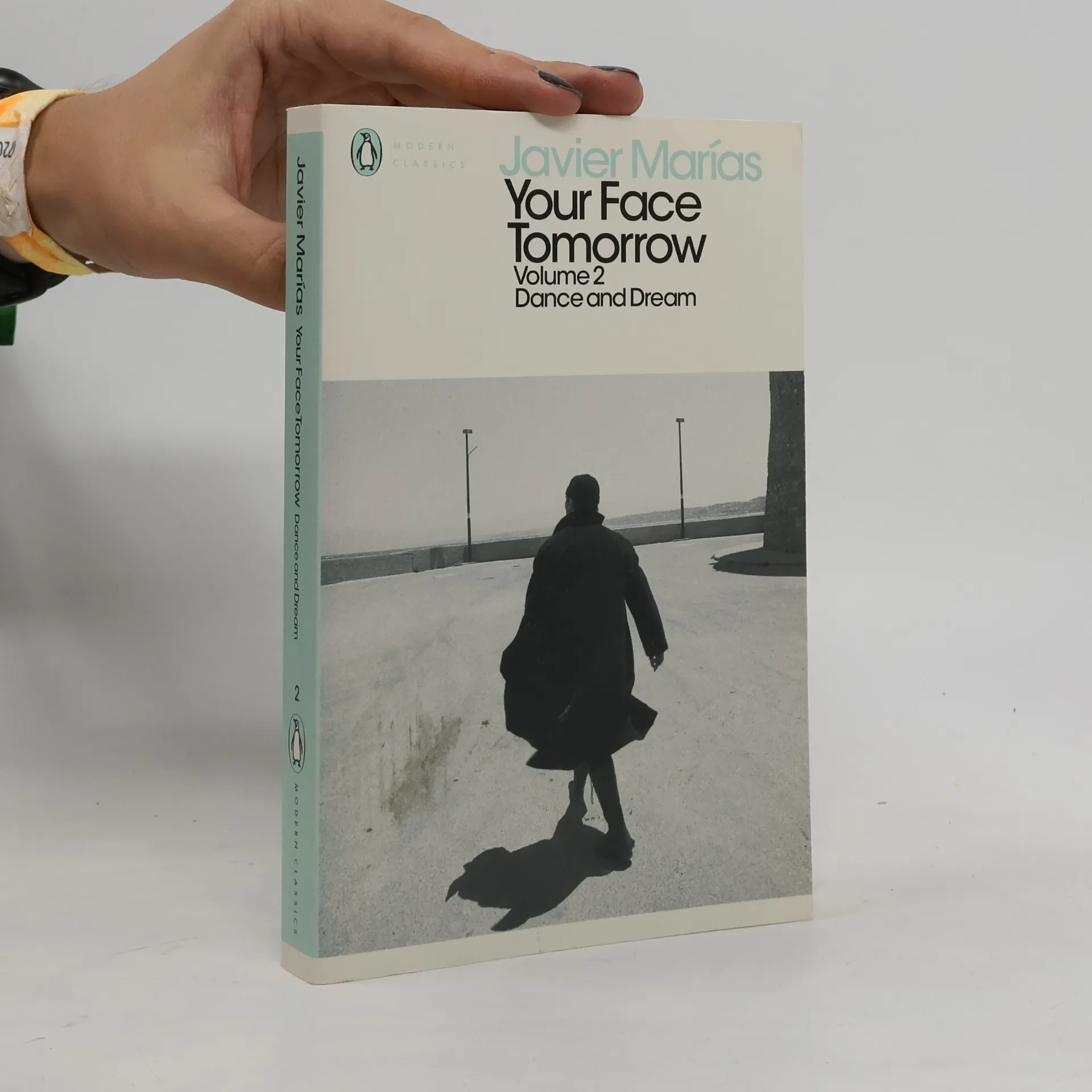
Jacques Deza has been recruited into an undercover spy network by the inscrutable Bertram Tupra. But when he is forced to witness an act of horrifying brutality in a night-club, he finds himself falling apart, haunted by his own memories of the bloodshed of the Spanish Civil War
The new book of articles by Javier Marías offers an uncomfortable, yet accurate, and brilliant look at today's society. This volume compiles the ninety-five articles published by Javier Marías in the Sunday supplement El País Semanal between February 3, 2019, and January 24, 2021. “Those times when people took seriously any promise they made, or when they gave their word, which in my childhood we called 'word of honor,' are long gone. We are a 'carefree' society, and we love to put it on display (well, in everything else we are very rigid),” says Javier Marías in one of the articles. At a time when reality is demanding, repetitive, and stubborn, the author invites his readers, in each of these articles, to stop and reflect freely, without paying attention to demagoguery or manipulations, on the most diverse aspects of these current times. He does this bravely, without compromise, with impeccable style, and with an enviable sense of humor. Today's society, forgetful and supposedly righteous, deals with a public opinion that stands as an unyielding and unfair judge of everything and everyone who deviates from the rules of conduct imposed in recent years. For this reason, the author defends that it is more important than ever to uphold and sustain critical thinking. "Perhaps the bad thing isn’t so much what happens to us, as what they make us believe happens to us," he recalls that his father, Julián Marías, once wrote.
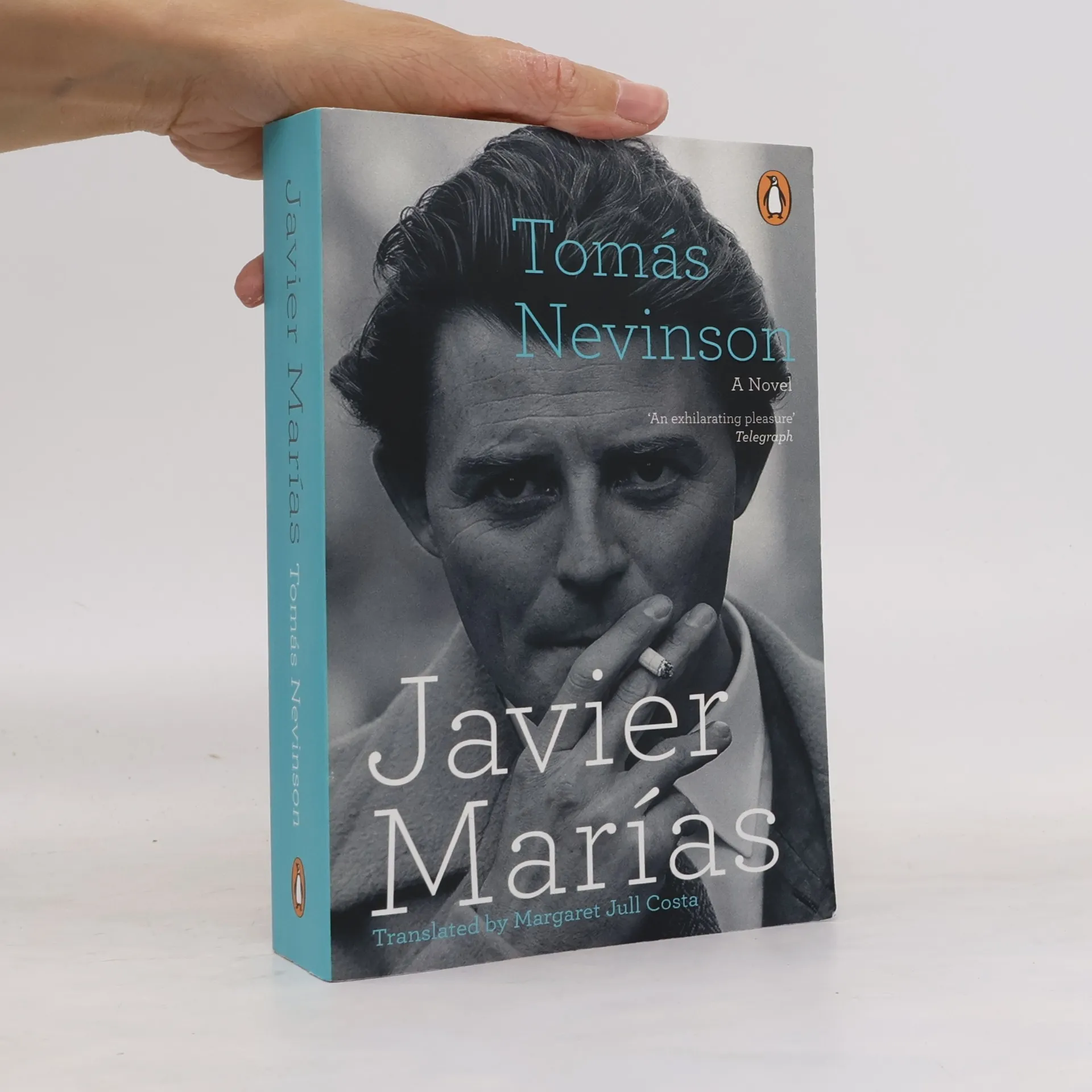
BOOK OF THE YEAR 2023 ACCORDING TO GUARDIAN AND THE SPECTATOR The final novel
from one of the greatest writers of the past half century'No-one nowadays
writes prose like Javier Marias . . . If you're already a fan, you'll know
what to expect and rejoice. If you're not, what a treat you have in store' The
HeraldTomas Nevinson, a retired MI6 agent, is working for the British Embassy
in Madrid when his former handler, the sinister Bertram Tupra, offers to bring
him back inside for one last assignment. His mission: to catch and, if
necessary, kill a terrorist gone to ground in Northern Spain after bombings in
Barcelona and Zaragoza. The trouble is there are three suspects - all women -
and it may not actually be any of them. To find out, Nevinson must move
incognito to the small town where the three women separately live, and become
an intimate friend to each, in the hope of uncovering a clue . . .A
philosophical thriller with a climate of suspense to rival le Carre and a
psychological depth that is purely Marias's own, this is a novel that explores
the deepest of human questions: in what circumstances can killing be called
just?Translated by Margaret Jull Costa'The last word from a master . . . once
you've been inside Marias' world, to spend too long outside is unbearable' The
Sunday Times'A twisting espionage tale shot through with slantwise humour . .
. seductive and inescapably poignant' Observer
Publisher's description. From one of Spain's most acclaimed literary voices comes a rich and complex portrait of mutual deception, toxic love and cruel, lingering guilt. A youth caught in the middle of someone else's bitter marriage; a beautiful woman scorned; a man torn between conscience and will. Step into the melancholic, unforgiving world of Javier Marías. Penguin
'For a while, she wasn't sure that her husband was her husband. Sometimes she thought he was, and sometimes not.' Berta and Tomas meet in Madrid and, though both young, they decide to spend their lives together. Eighteen and betrothed, Tomas leaves to study at Oxford. His talent for languages quickly catches the interest of a certain government agency, but Tomas resists their offers - until one day he makes a mistake that will affect the rest of his life, and that of his beloved Berta. After university he returns to marry her, knowing he won't be able to stay for long . . . Gripping and intricate, Berta Isla is about a relationship built on secrets and lies - and the counter forces of resentment and loyalty at its core.
Javier Marias revisits the lives of some of the world's most eminent writers, looking at them through some peculiar detail in their lives and provides a lively and illuminating insight into personalities we thought we knew everything about." Mini-bographies/profiles of major writer by an incredibly talented novelist and prose technician. Spare, undaunted,wry and with an incredibly matire and human understanding.
Jaime Deza, separated from his wife in Madrid, is at loose ends in London when his old friend Sir Peter Wheeler, a retired Oxford don, introduces him to the head of a secret government bureau of elite analysts with the ability to see past people's facades and predict their future behavior. A cocktail party test proves Deza to be one of the elect, and he goes to work clandestinely observing all sorts of people, from South American generals to pop stars. Deza also brings his finely tuned mind to bear on Wheeler's mysterious past and on his own family history, both of which are shadowed by the Spanish Civil War.
She was bored and fought against her boredom, which only bored her still more.' Five sparkling, irreverent brief portraits of famous literary figures (including libertines, eccentrics and rogues) from Spain's greatest living writer.
A boiled-down gem of a Marías story about how Elvis (in Acapulco to film a movie) and his hard-drinking entourage abandon their interpreter in a seedy cantina full of enraged criminals after insults start to fly. When the local kingpin demands to be told what the Americans are saying, Elvis himself delivers an even more stinging parting shot – and who has to translate that?
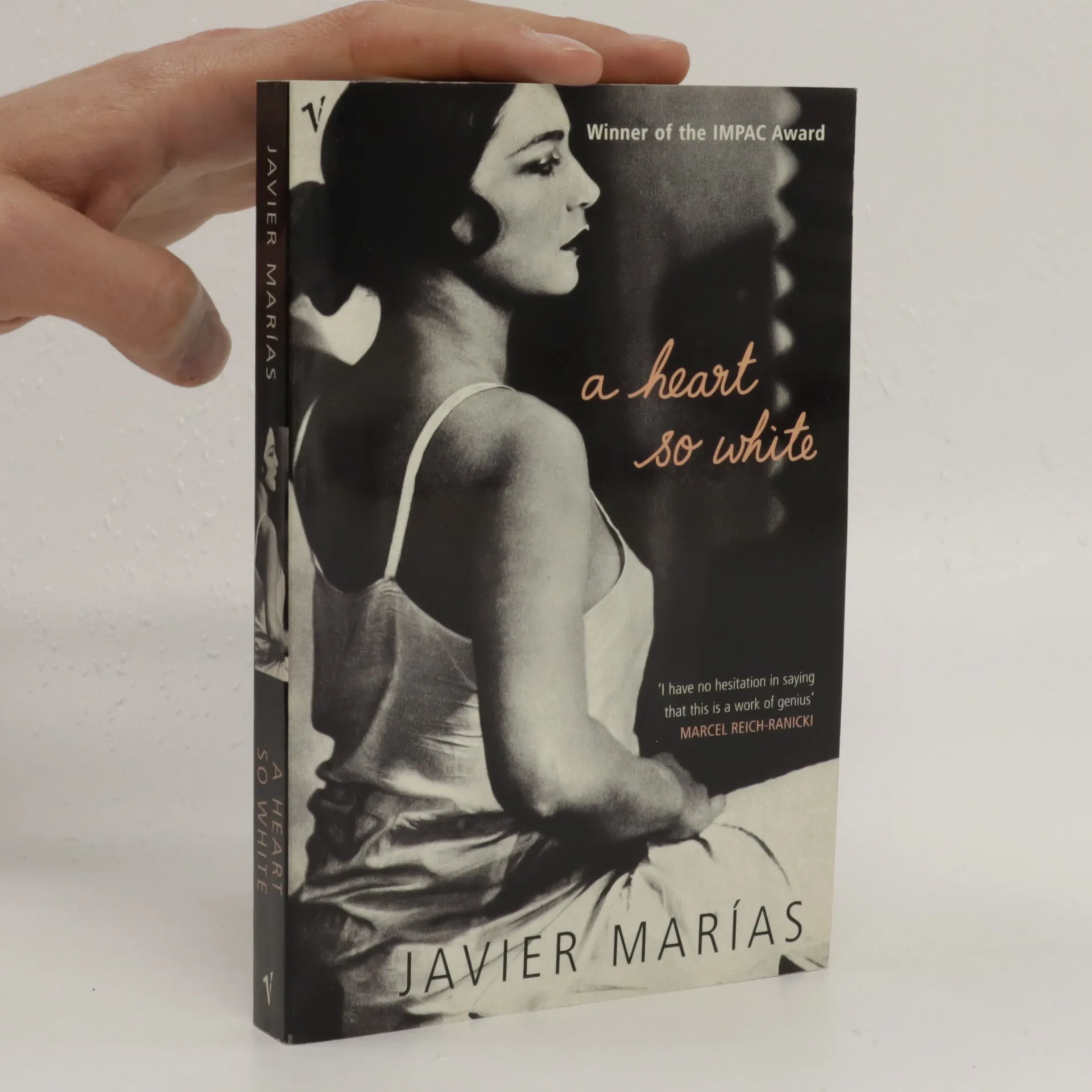
Set in Madrid, passion and power frame this sophisticated, and at times perverse, comedy of manners. “Javier Mariás is in my opinion one of the bet contemporary writers.” —J.M. Coetzee. Mariás is winner of the Dublin IMPAC award forA Heart So White.
In his first short story collection for 15 years, Javier Marias brings together tales which span his entire writing career. His characters are slippery, and they live on the edges of society: a tramp, a butler, a bodyguard, a ghost. They threaten the normal, rational world, and are driven to perverse acts of obsession."
This book is presented as a Vintage Books original edition, suggesting a curated selection known for its quality and literary significance. The title page verso indicates an authentic publication, adding to its collectible nature.
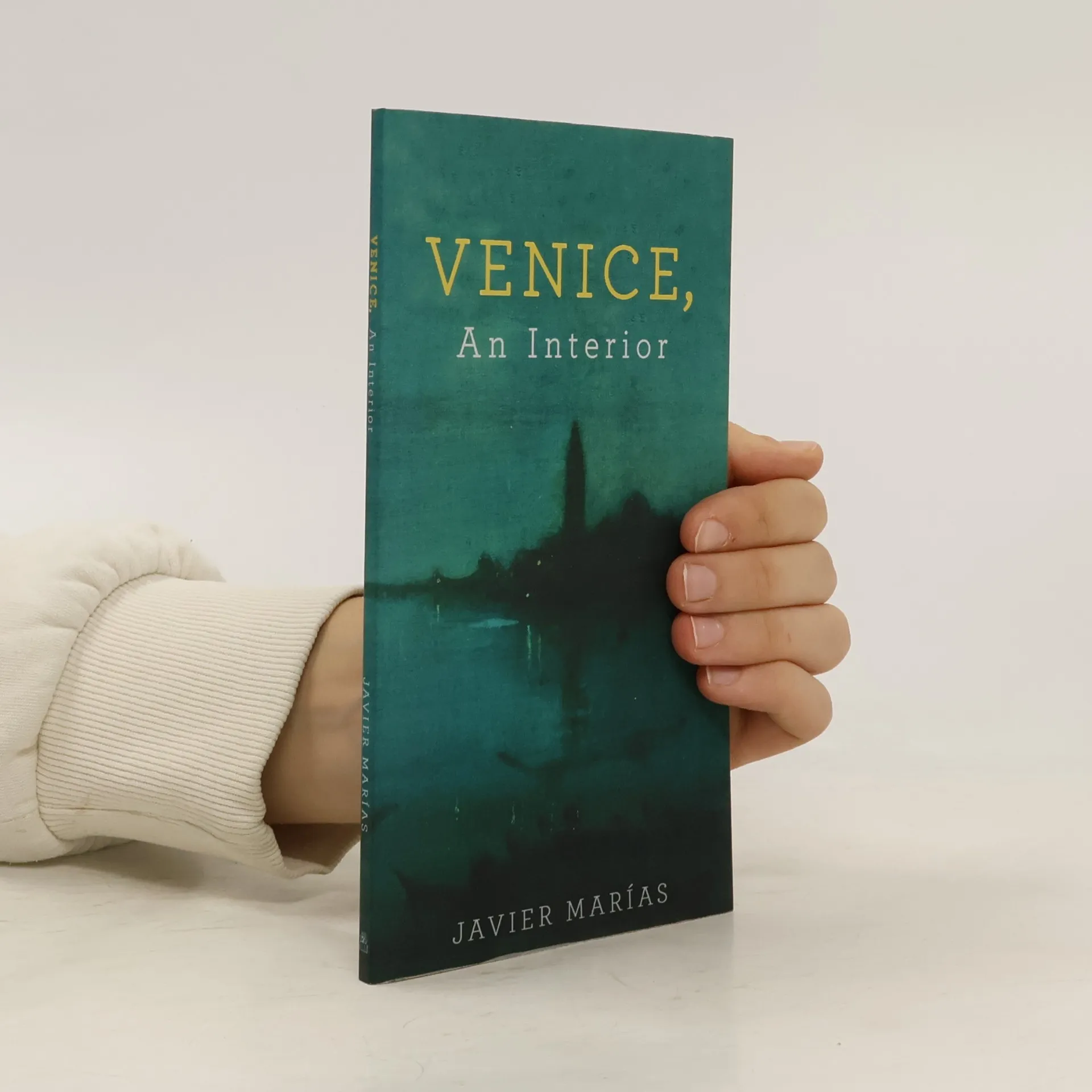
Century after century, the essence of Venice is unchanging. It is a place of contradictions, equal parts glamour and chaos. As a young man, Javier Marías made the city his home; since then he has left and returned many times, drawn back to its labyrinth of blind alleys, its pearly green canals, its imagined spaces. His love affair with the city has lasted over thirty years - he has traced every inch of its endless interior, has lived among the Venetians and lived apart from them. In Venice, An Interior, Marías sets out to uncover the heart of this strange and enchanting place
Or Twelve Stories Appearing in Up to Six Versions Each - Eighteen Languages: English, French, Czech, Dutch, German, Hungarian, Icelandic, Italian, Korean, Latin, Polish, Portuguese, Russian, Spanish, Swedish, Turkish
300 stránok
11 hodin čítania
With the help of guest editor Adam Thirlwell (author of Kapow!, Visual Editions), Issue 42 is a monumental experiment in translated literature—twelve stories taken through six translators apiece, weaving into English and then back out again, gaining new twists and textures each time, just as you'd expect a Kierkegaard story brought into English by Clancy Martin and then sent into Dutch by Cees Nooteboom before being made into English again by J. M. Coetzee to do. With original texts by Kafka and Kharms and Kenji Miyazawa, and translations by Lydia Davis and David Mitchell and Zadie Smith (along with others by John Banville and Tom McCarthy and Javier Marías, and even more by Shteyngart and Eugenides and A. S. Byatt), this will be an issue unlike anything you've seen before—altered, echoing narratives in the hands of the finest writers of our time, brought to you in a book that looks like nothing else we’ve ever done.
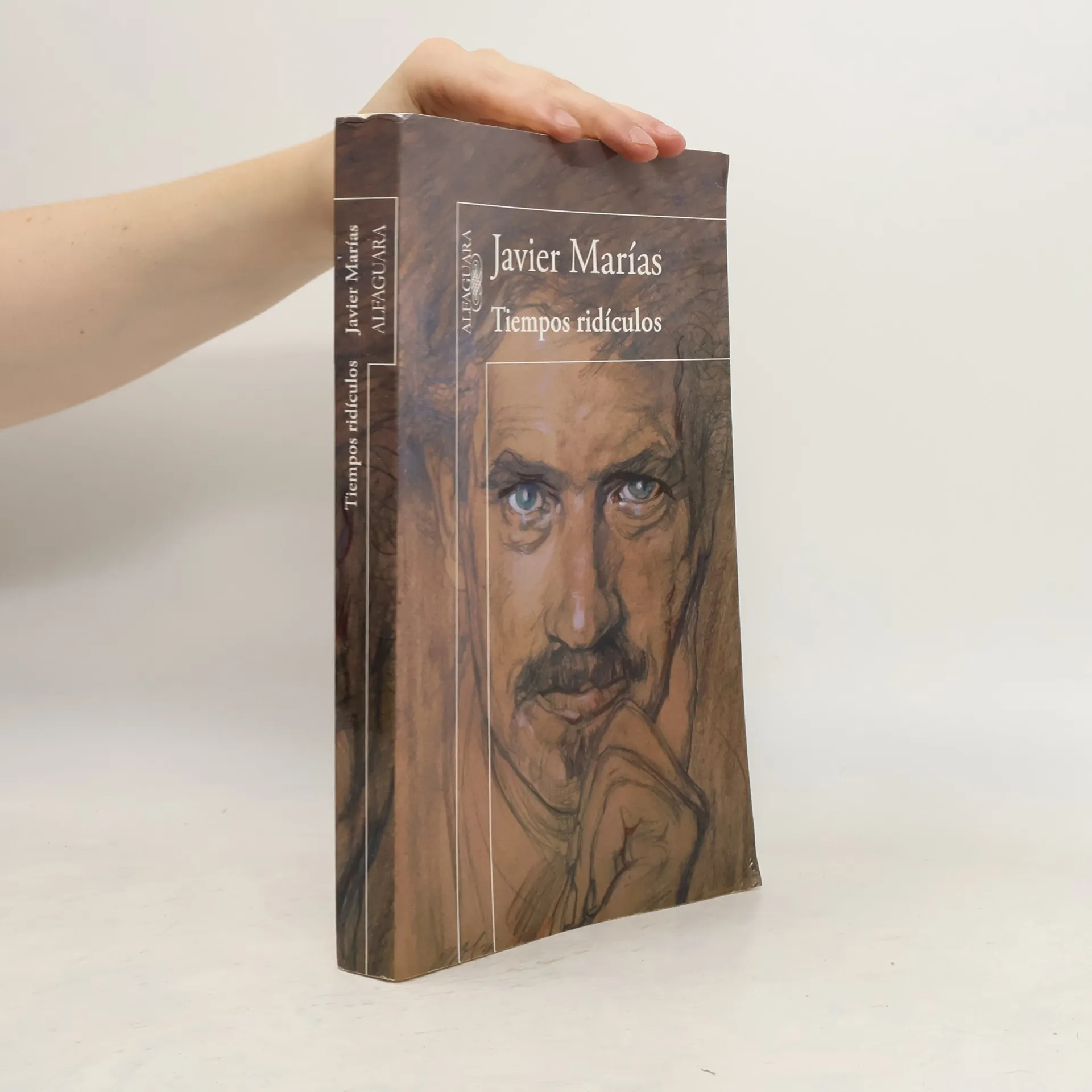
Con las noventa y seis columnas de este volumen, aparecidas en El País Semanal entre febrero de 2011 y febrero de 2013, Javier Marías cumple diez años de colaboración dominical en este medio. Durante este tiempo se ha convertido en alguien fundamental para infinidad de lectores, que aguardan con impaciencia su dosis semanal de valentía, originalidad, argumentaciones sólidas, sentido del humor y excelente prosa. El periodo aquí cubierto es el de la actual crisis económica y política, por lo que su tono es quizá más amargo que en otras ocasiones. Pero en sus artículos también hay lo que el autor llama «treguas», de modo que el lector encontrará piezas emotivas o divertidas y siempre agudas: sobre la muerte de su tío, el músico Odón Alonso, o el caso Strauss-Kahn, o la nueva Ortografía de la RAE, sobre cómo Mourinho lo ha llevado a ser menos madridista que nunca, o los premios literarios, o sus peripecias en una adusta librería de Viena, o los héroes de los tebeos de su infancia, o la conmovedora carta de un lector… Sin duda Tiempos ridículos enviará a la papelera muchos recortes, porque eso es lo que muchos lectores hacen con las columnas de Javier Marías: las recortan y las guardan, para darse ánimos al releerlas y renovar el placer.
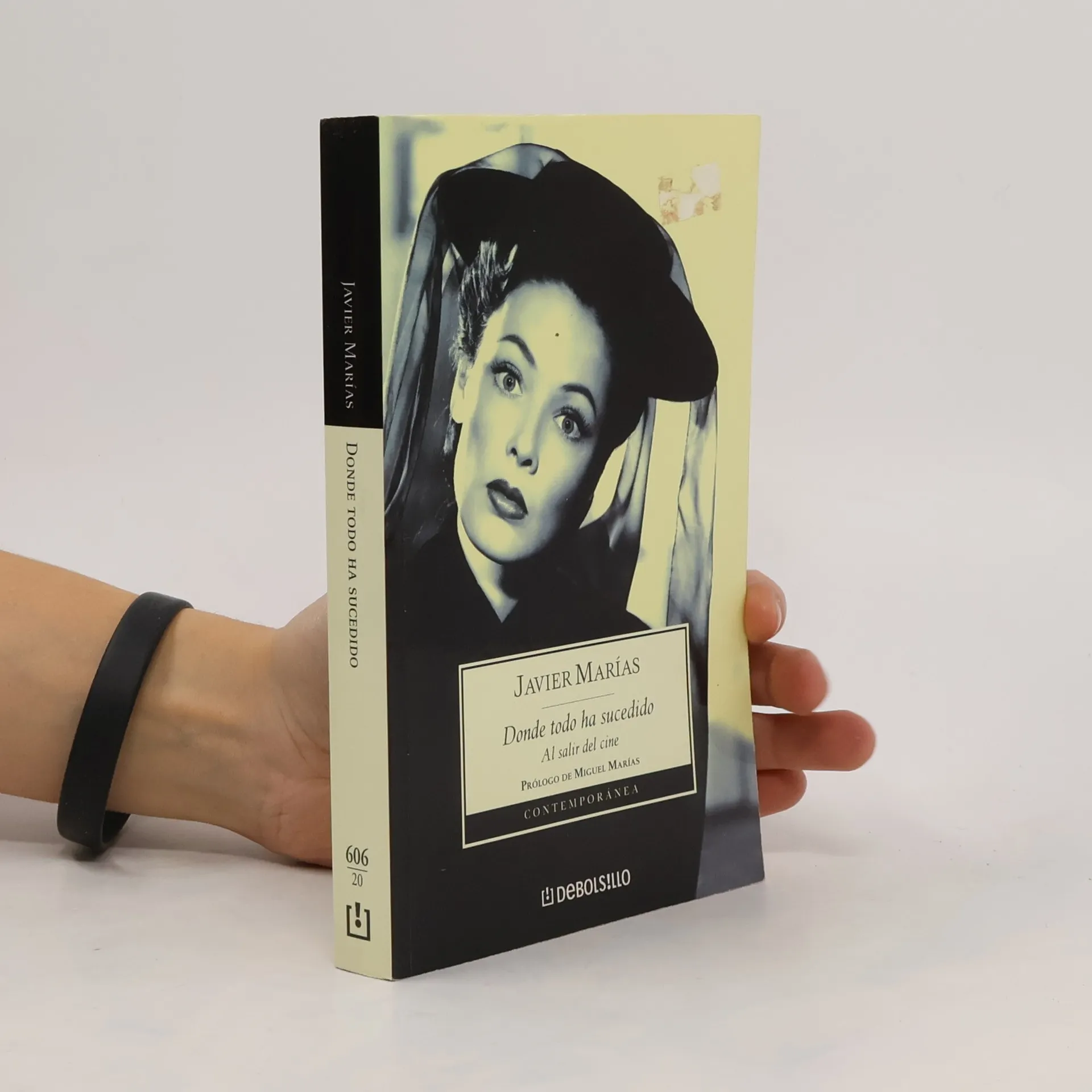
En las páginas de Donde todo ha sucedido. Al salir del cine , Javier Marías plasma sus opiniones más personales, sus filias y fobias, en torno al séptimo arte. Se recuperan aquí los artículos que el autor escribió sobre cine entre 1992 y 2004 para revistas como Nosferatu o Nickel Odeon , además de las columnas que publicó en El País o El Semanal . Siempre arrojando luz y juzgando con hondura, huyendo de la crítica cinematográfica más dogmática e inflexible, y sin renunciar jamás a la ironía de un estilo que lo ha encumbrado entre nuestros escritores más afamados, Javier Marías ofrece nuevas visiones de clásicos del cine como Campanadas a medianoche , de Orson Welles, o El fantasma y la señora Muir , de Joseph L. Mankiewicz, una de sus películas favoritas.
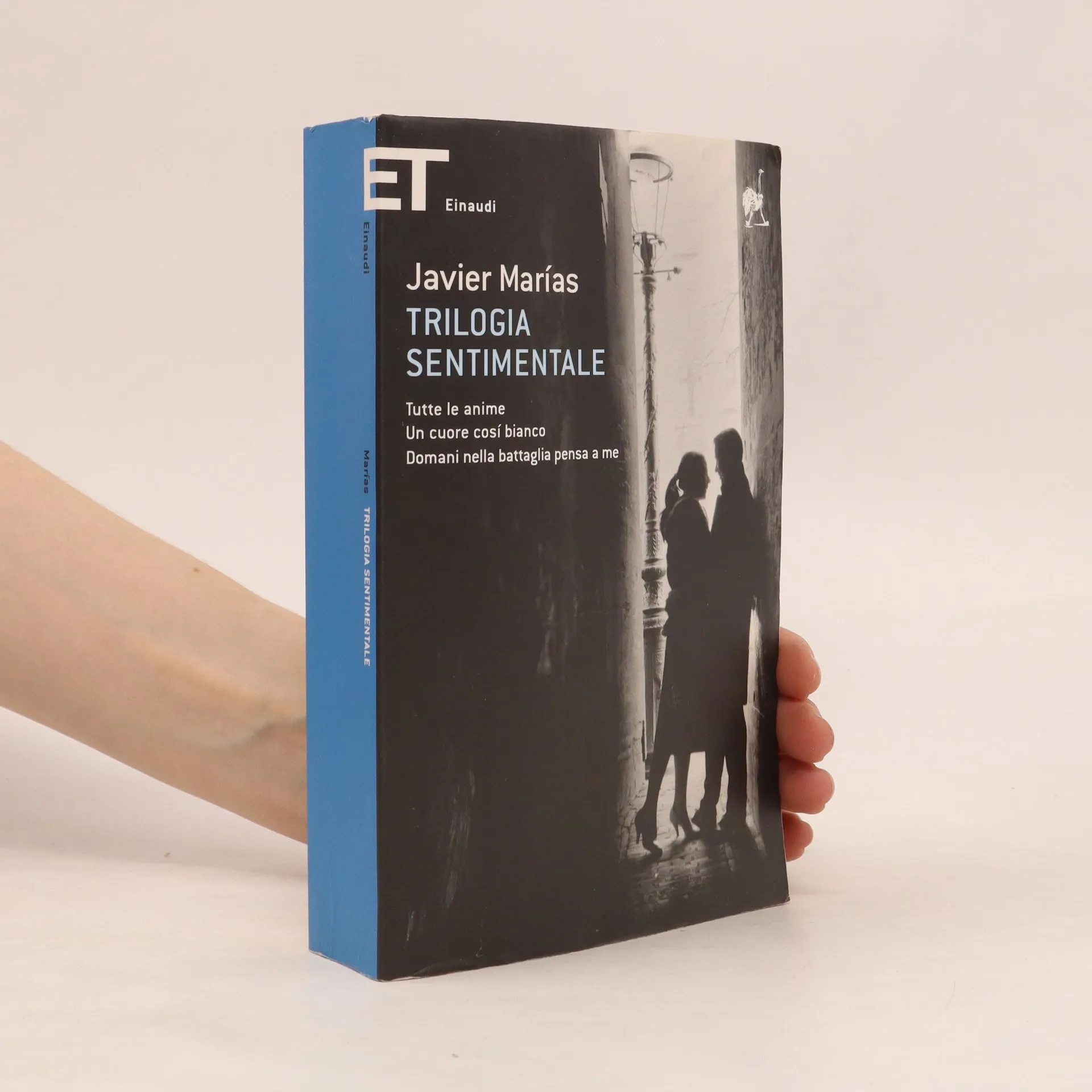
Per Javier Marias l'amore è il sentimento che richiede le maggior dosi di immaginazione, non soltanto quando chi lo ha sperimentato e lo ha perduto ha bisogno di spiegarselo, ma anche mentre l'amore si sviluppa e ha pieno vigore. In altre parole, per Marias l'amore ha sempre una proiezione immaginaria, per quanto possiamo crederlo tangibile o reale in un determinato momento. Ed è sulla proprio sulla base di queste riflessioni personali che Marias ha costruito, seppure con declinazioni diverse, i romanzi qui riuniti - usciti singolarmente tra il 1998 e il 1999 -, tutti accomunati dal filo rosso e imperioso della passione amorosa. In Tutte le anime Marias racconta la storia di un turbamento, un penetrante diario pubblico dell'intimità dove ogni dettaglio viene indagato con l'acribia minuziosa dell'entomologo, nella convinzione che anche il gesto e l'incontro apparentemente più insignificanti possano aprire la strada a vertigini metafisiche. Un cuore così bianco, invece, parla della persuasione e dell'istigazione, del matrimonio, della possibilità di sapere e dell'impossibilità d'ignorare, del sospetto, del parlare e del tacere. Infine in Domani nella battaglia pensa a me, raccontandoci l'inganno e svelandone la macchina che esso mette inevitabilmente in moto, Marias racconta l'illusoria realtà in cui tutti noi siamo sprofondati.
Javier Marías, ein faszinierter Autor von Gespenstern, teilt in seinen Essays persönliche Erfahrungen als Leser, Anekdoten aus Antiquariaten und Einblicke in die Literatur. Er reflektiert über seine Kollegen und die Eitelkeiten des Schriftstellerlebens, nennt Gründe gegen das Romanschreiben und einen, der dafür spricht.
Faszinosum Fußball: Vieles, so Marías, wechselt man heutzutage, den Beruf, die Frau oder den Mann, die Automarke - aber nicht den Fußballverein. Javier Marías begeistert sich für Fußball, und Real Madrid ist sein Verein. Seit vielen Jahren schreibt der renommierte Schriftsteller für verschiedene Zeitungen Glossen und Essays zum Geschehen rund um den Ball. Nicht nur über die kickende Gesellschaft läßt er sich darin aus, vielmehr handeln sie von allem, was die menschliche Seele berührt: von Liebe und Leidenschaft, von Edelmut und Gerechtigkeit, von Neid, Mißgunst und euphorischer Siegeslaune. Der Marías-Leser erfährt hier womöglich mehr über die Leidenschaften des Autors als in jedem seiner Romane. 'Selbst wenn man kein tieferes Interesse für Fußball hegt, hat dieses Buch schon fast Offenbarungscharakter. Auch Nichtfußballfreunde verstehen plötzlich, warum das Geschehen auf dem Spielfeld und davor und danach und drum herum solche Gefühle freisetzt.' (Katharina Döbler in der ›Zeit‹) Für die erweiterte Taschenbuchausgabe wurden vier der Texte erstmals ins Deut-sche übersetzt, einer davon erscheint damit überhaupt zum ersten Mal in Buch-form. Illustriert ist der Band mit Fußballsammelbildchen aus dem Privatbesitz des Autors.
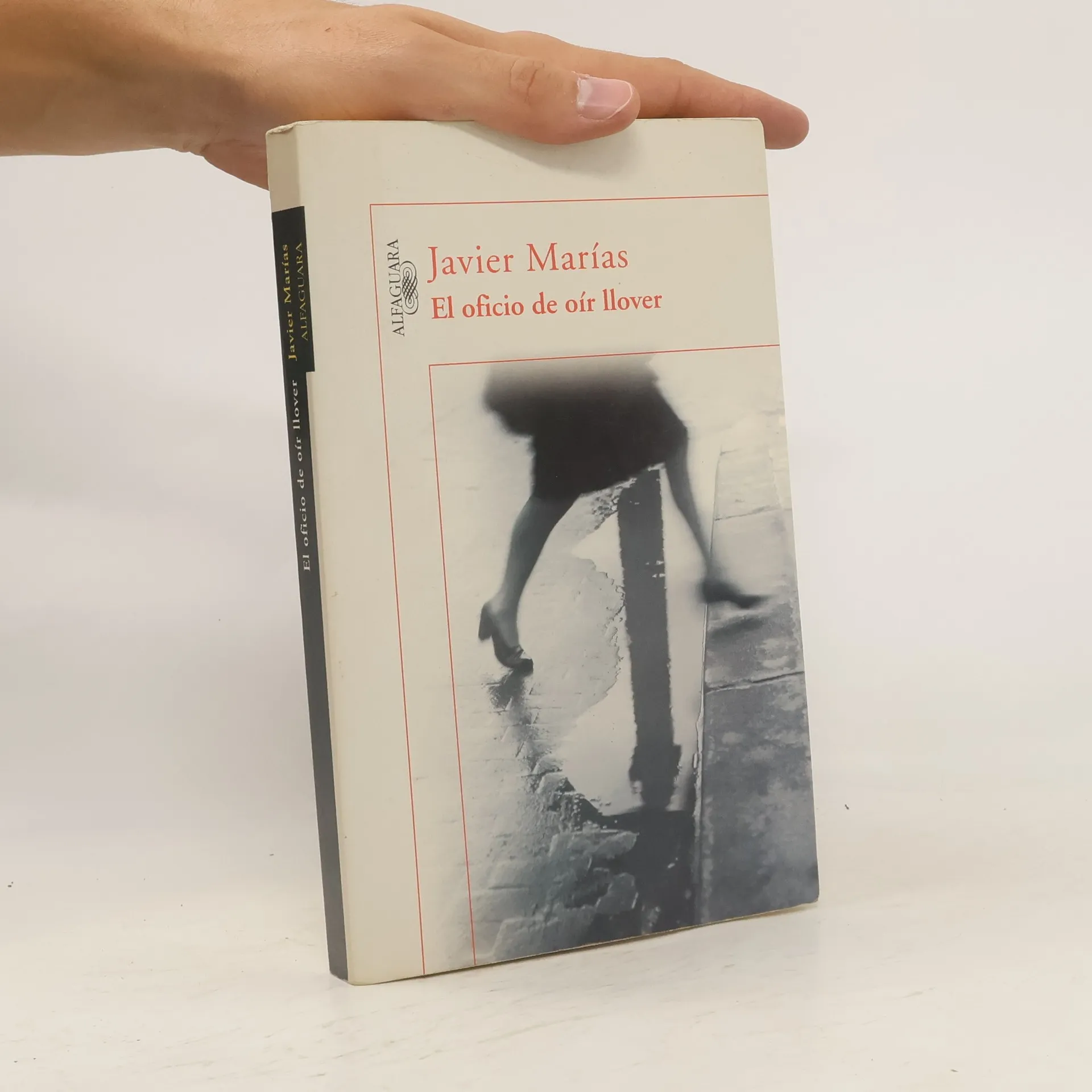
Este volumen recoge noventa y nueve artículos publicados entre febrero de 2003 y febrero de 2005, es decir, los dos primeros años de colaboración de Javier Marías en El País Semanal. En este casi centenar de piezas, Marías se muestra tan combativo e irreverente como de costumbre, y lo hace cuando era más oportuno: durante una etapa de nuestra historia algo sombría, que tuvo su máxima expresión trágica en los atentados madrileños del 11 de marzo de 2004. A los columnistas, dice Marías, «hay temporadas en que la realidad se nos impone en exceso, y hasta nos parece inmoral no referirnos a los acontecimientos graves en que nos hallamos inmersos todos». Sin embargo, la variedad de asuntos tratados, casi siempre con leve nostalgia o con aguda ironía, es considerable: desde evocaciones de su madre muerta y de su padre anciano, del amigo de infancia o de las viejas colecciones de cromos de futbolistas, hasta las creencias y costumbres más necias de nuestro tiempo, la búsqueda de tumbas legendarias durante algunos viajes o la cada vez menos importancia de lo dicho y de las palabras, que lleva a demasiadas personas, sobre todo a los políticos, a ejercer constantemente «el oficio de oír llover». Por suerte, existen aún escritores que, como Javier Marías, no se limitan a eso, sino que, con sus palabras, «intentan distinguir algo en medio del rumor manso o del ruido atronador de los acontecimientos».
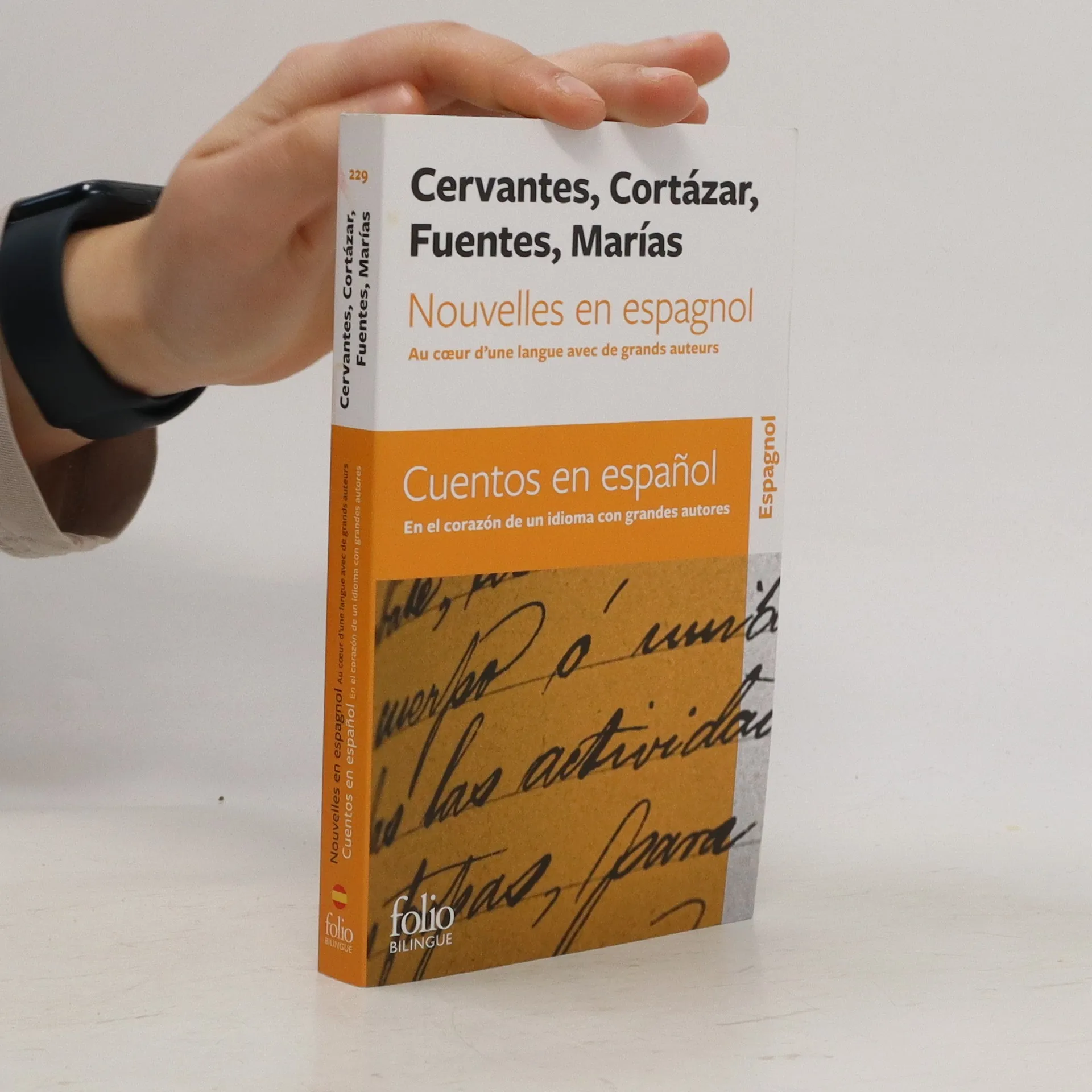
Quatre nouvelles. Quatre histoires captivantes qui plongent le lecteur dans des univers riches et dépaysants. À Tolède, un drame va bouleverser la vie d'une jeune femme. À Paris, un traducteur arpente les rues de la Ville Lumière muni de son appareil photo dans l'espoir de réaliser un cliché extraordinaire. À Chicago, une octogénaire acariâtre embauche avec réticence une femme de ménage mexicaine. Sur une plage des îles Baléares, un homme épie un couple magnétique et tente de percer le mystère qui l'entoure. Ce recueil est une invitation à découvrir la plume de quatre auteurs emblématiques de la littérature espagnole et sud-américaine, dévoilant ainsi toute la richesse de leur langue. L'ouvrage se compose de "La force du sang" de Miguel de Cervantes, "Les fils de la vierge" de Julio Cortázar, "Les amies" de Carlos Fuentes et "Tandis qu'elles dorment" de Javier Marías.
It collects the articles published by the author in El País Semanal between
February 2015 and February 2017, and constitute a kind of political, cultural
and social chronicle of the period.
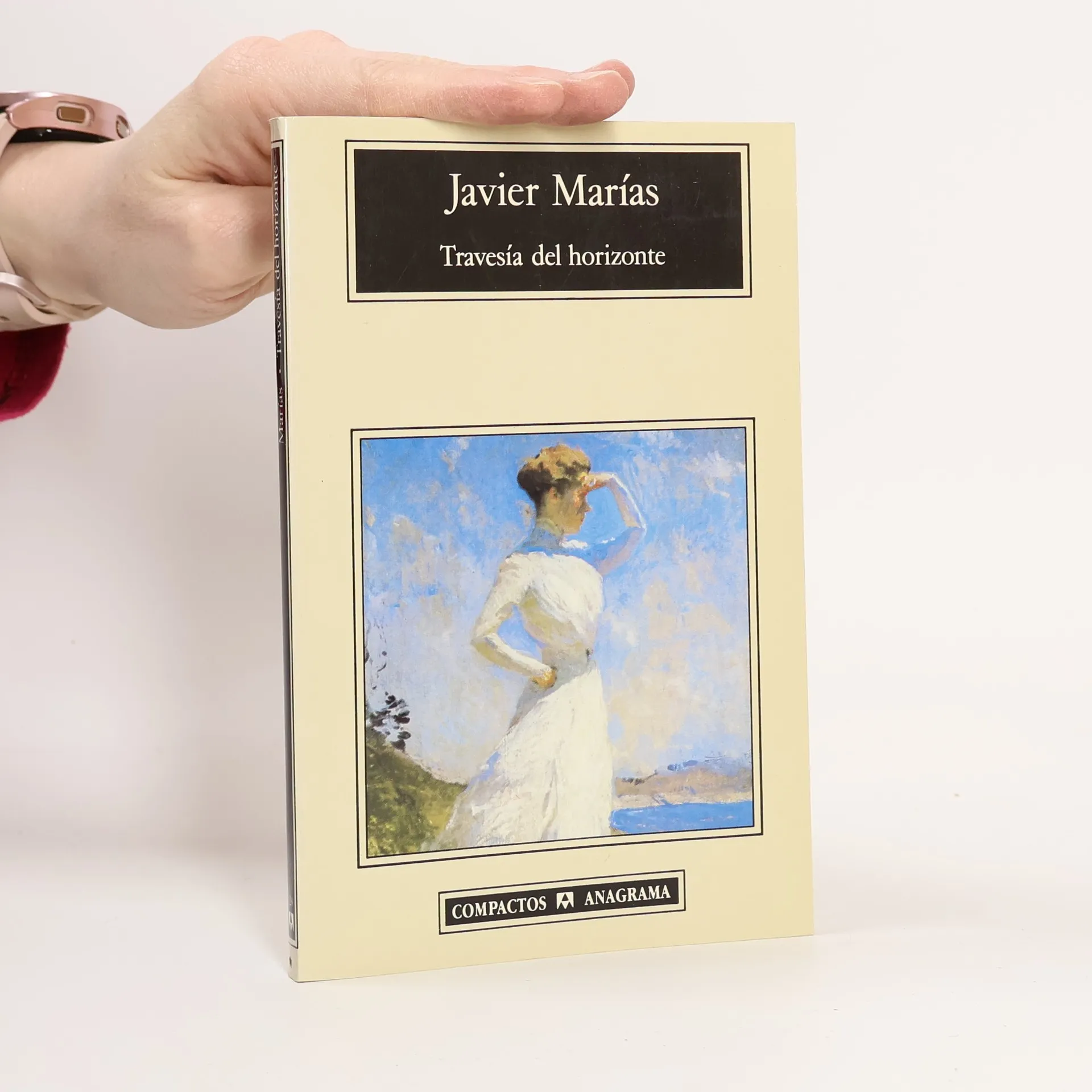
El excéntrico y millonario capitán Kerrigan emplea parte de su fortuna en financiar una curiosa y atrevida expedición a la Antártida en la que han de convivir artistas y científicos. Pero la convivencia termina complicándose cuando salen a flote los conflictos pasados de algunos de los tripulantes. Construida según el modelo del relato-dentro-del-relato, Travesía del horizonte añade a la aventura marítima de Kerrigan otras historias y personajes no menos novelescos, en, a un mismo tiempo, deliberado homenaje y parodia, de modelos decimonónicos tales como Joseph Conrad, Henry James o Conan Doyle. Entre pintorescos secuestros y manuscritos misteriosos, señoritas eduardianas y paisajes de navegación, se va desplegando un torbellino narrativo servido por un estilo paradójicamente pausado.
I Taeger vivono a Pittsburgh, Pennsylvania, una famiglia di spicco che ospita eventi di alta società. I quattro figli sembrano destinati a brillanti carriere, ma nel novembre del 1922, la morte inspiegabile di zia Mansfield segna l'inizio della loro disgregazione. Elaine si suicida per un amore infelice, nonno Rudolph commette un omicidio, la signora Taeger fugge con un altro uomo e Davison si trasferisce a Saint Louis. Solo Milton, Edward e Arthur, i tre figli maschi, continuano a essere noti a Pittsburgh, ognuno di loro raggiungendo una certa notorietà. La rapida caduta della famiglia Taeger dà vita a una serie di avventure che si estendono dagli anni Venti e Trenta fino alla seconda metà del XX secolo, tornando indietro fino alla Guerra di Secessione. Le storie si svolgono in diverse città americane, con personaggi e trame che emergono e svaniscono. Tra di loro ci sono i tre fratelli: un gangster, un uxoricida disperato e un divo di Hollywood, tutti famosi ma intrappolati dalla maledizione scatenata dalla morte di zia Mansfield. Questo romanzo, opera prima di un autore diciassettenne, esplora una varietà di generi letterari, rivelando influenze da culture considerate minori, come il cinema e la musica di intrattenimento, in un'epoca di grande fermento.
Ein Stück Weltliteratur: »Dein Gesicht morgen« von Javier Marías Jaime Deza hat die Begabung, hinter den Gesichtern von Menschen ungeahnte Seiten zu erkennen, auch bei sich selbst. Der Spanier wird für den britischen Geheimdienst rekrutiert. Beim Entschlüsseln von Gesprächen und Gesten entdeckt er, dass unter der scheinbar friedlichen Oberfläche unserer Welt stets die Verführung zu Lüge und Gewalt droht, wie ein Gift, das uns langsam eingeflößt wird. Die Abgründe menschlicher Leidenschaft verbinden sich aufs Unheimlichste mit den gewaltsamen Katastrophen des 20. Jahrhunderts. Ursprünglich in drei Teilen erschienen, gilt dieser in jeder Hinsicht monumentale Roman als Gipfelwerk des Weltautors Javier Marías. »Ein großer Roman.« Denis Scheck, Druckfrisch
Seleccion de Jacinto Leon Ignacio, edicion 1990, cubierta de Ripoll Arias, 190 Anonimos La princesa Amany e Historia del carretero que tenia una mujer astuta - Longo, el Dafnis y Cloe - Geoffrey La confesion de una viuda - François Una aventura amorosa de Panurgo- Miguel de La tia fingida- Bonaventure des Historia de tres hermanas, cada una de las cuales tuvo una frase ingeniosa la noche de su boda- Pierre de Bourdelle, señor de Sobre lo que mas satisface en los el tacto, la vista o la palabra - Paul de La pizarra- Honore de Aforismos y asiomas- Theodore de Los maridos- Guy de Canto un gallo, 190 paginas
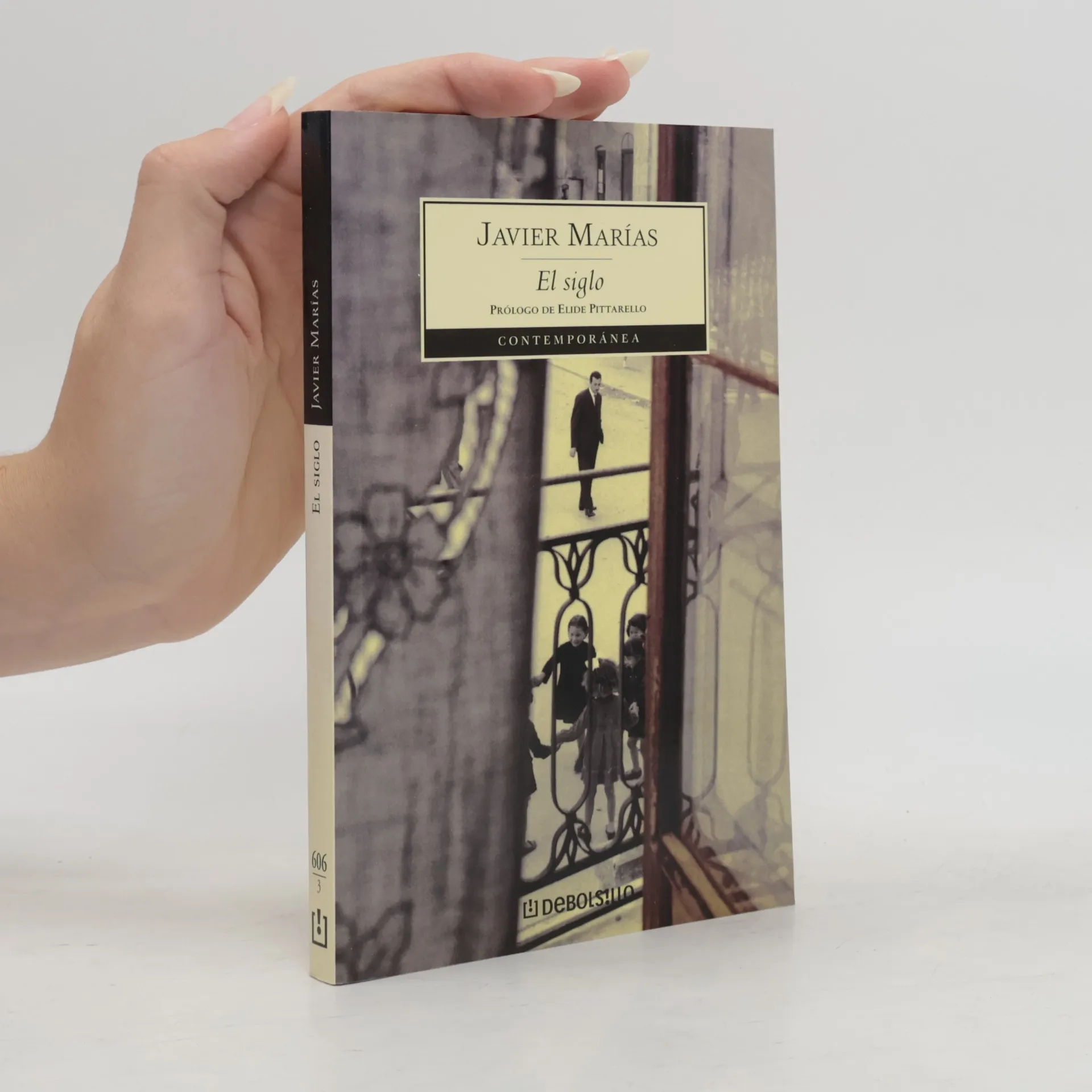
"Durante años creí que esta novela era la mejor de cuantas había escrito y que seguiría siéndolo durante bastante tiempo..." Así comienza el prólogo de Javier Marías, que sin duda ha mejorado la presente con sus novelas posteriores.Y sin embargo, El siglo no sólo prefigura sus mayores logros, sino que además resulta ser la más nacional de sus obras. Cuenta la historia de un hombre, Casaldáliga, nacido en 1900 y juez ya retirado, que en su juventud buscó un destino nítido e inconfundible, intentando ser primero mártir por amor y luego héroe de guerra, para finalmente convertirse, a los treinta y nueve años, en delator.
Cuatro de los relatos más elogiados del autor. Cuentos brillantes que mezclan la realidad con el misterio, historias excepcionales y protagonistas insólitos
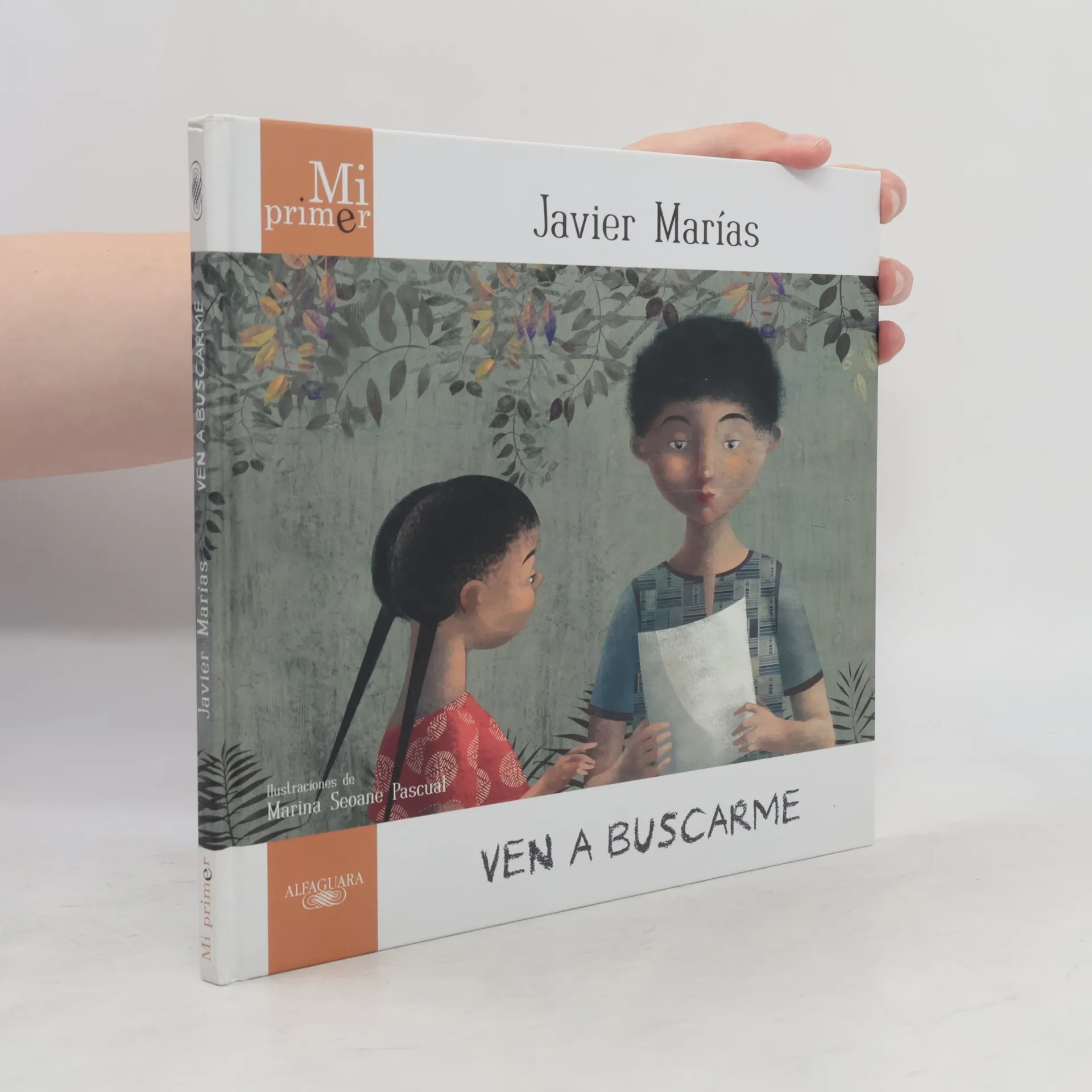
En Mi primer Javier Marías encontrarás un misterio enterrado en el bosque, que tal vez conduzca hasta el primer amor. Una historia donde el amor y la generosidad salvan las barreras del tiempo.