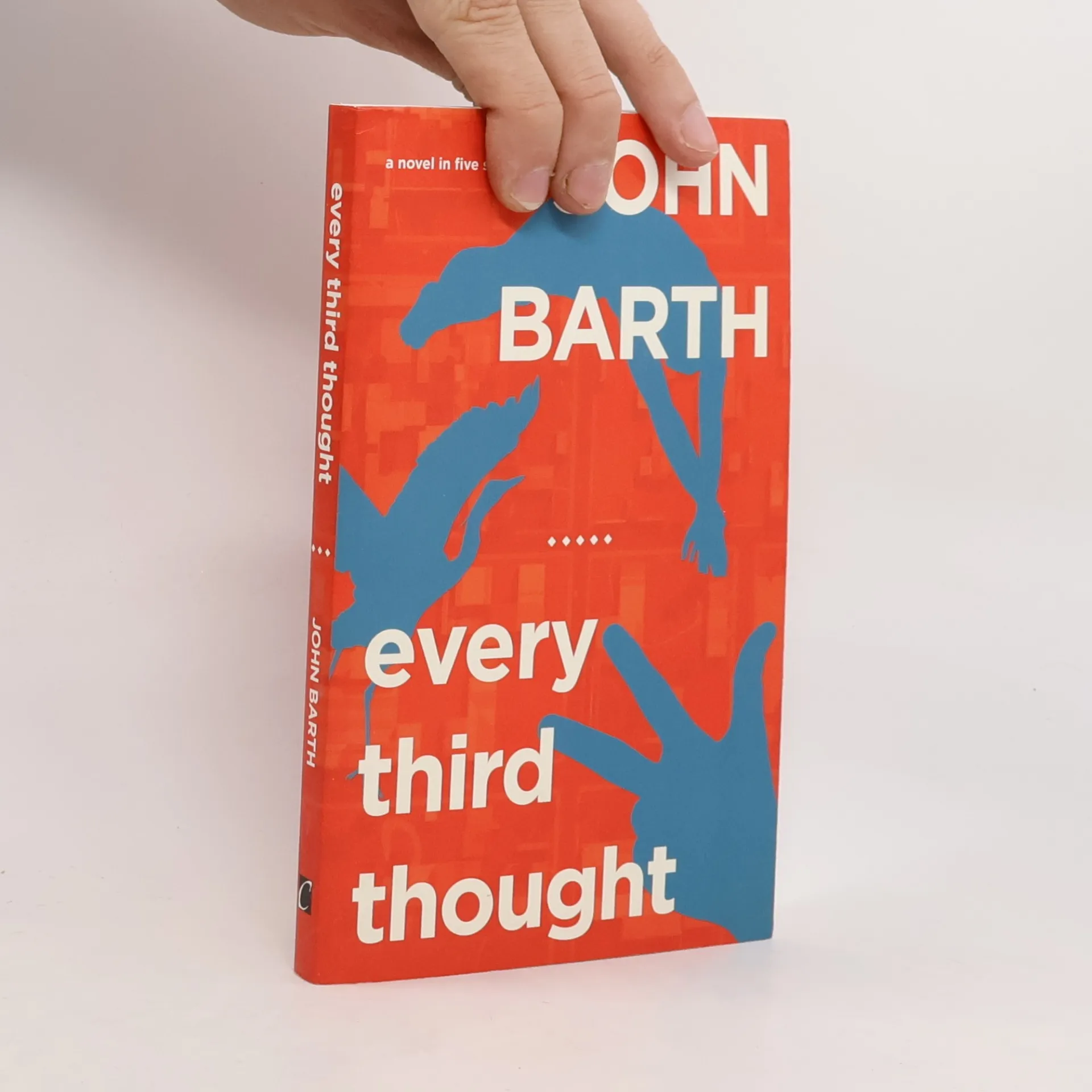
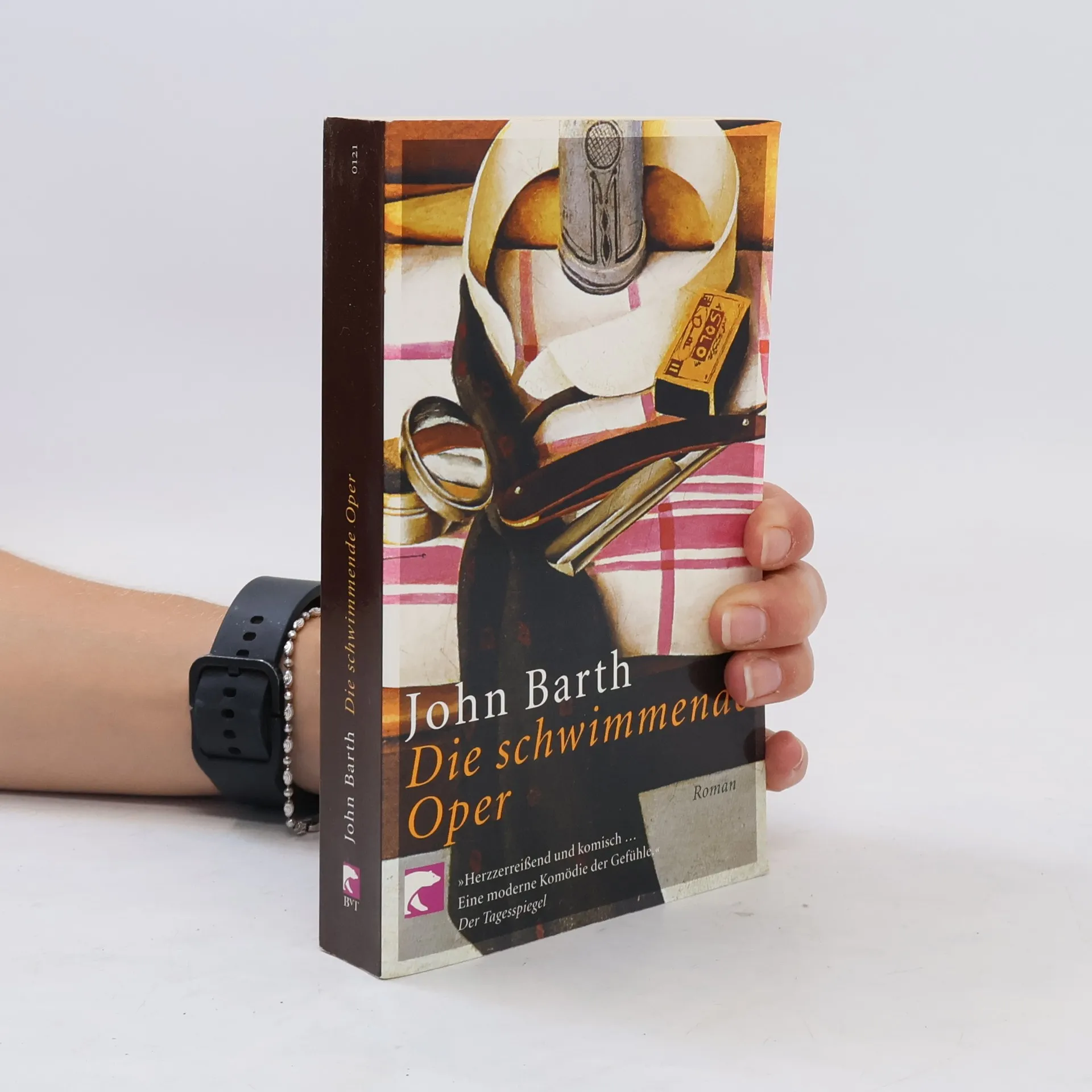
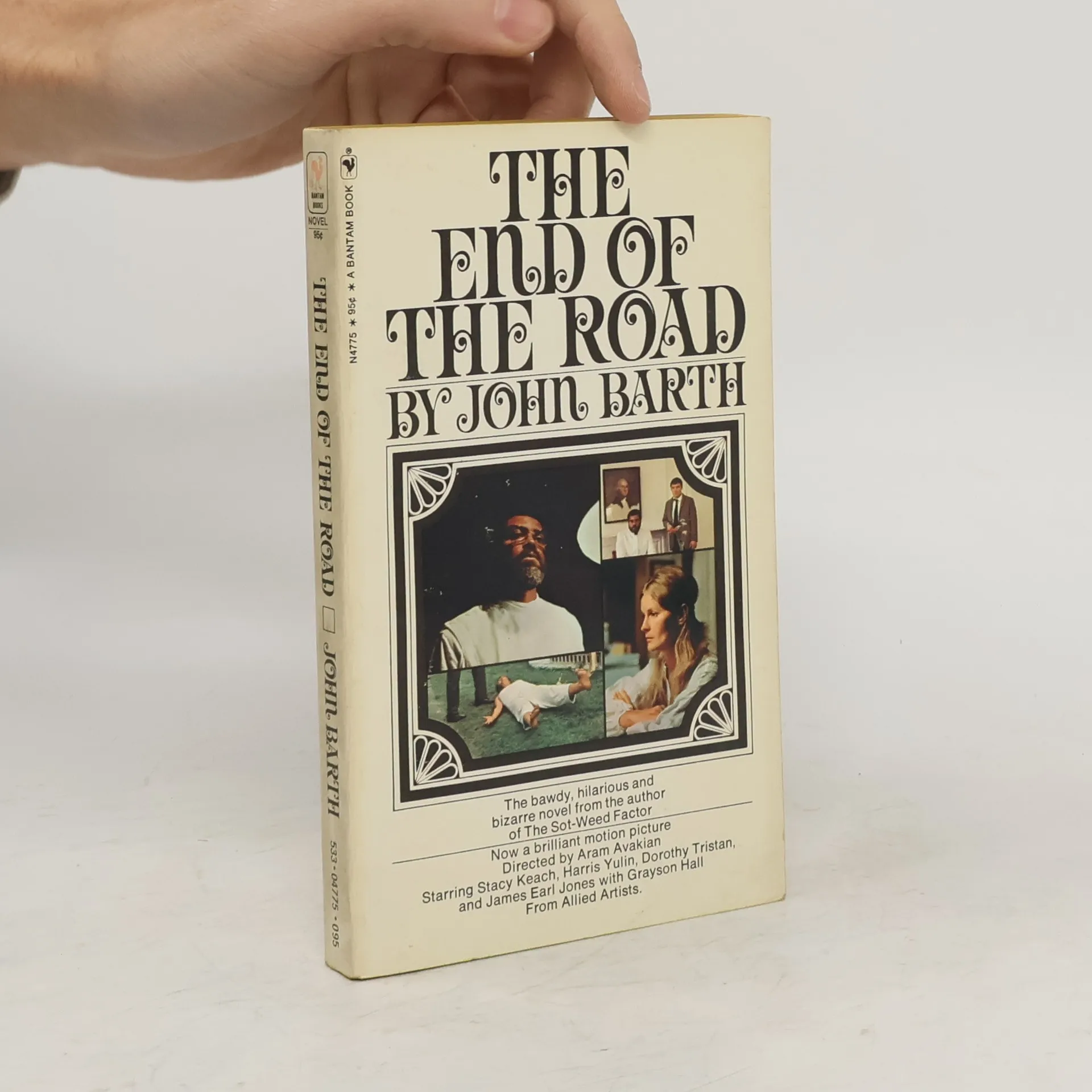
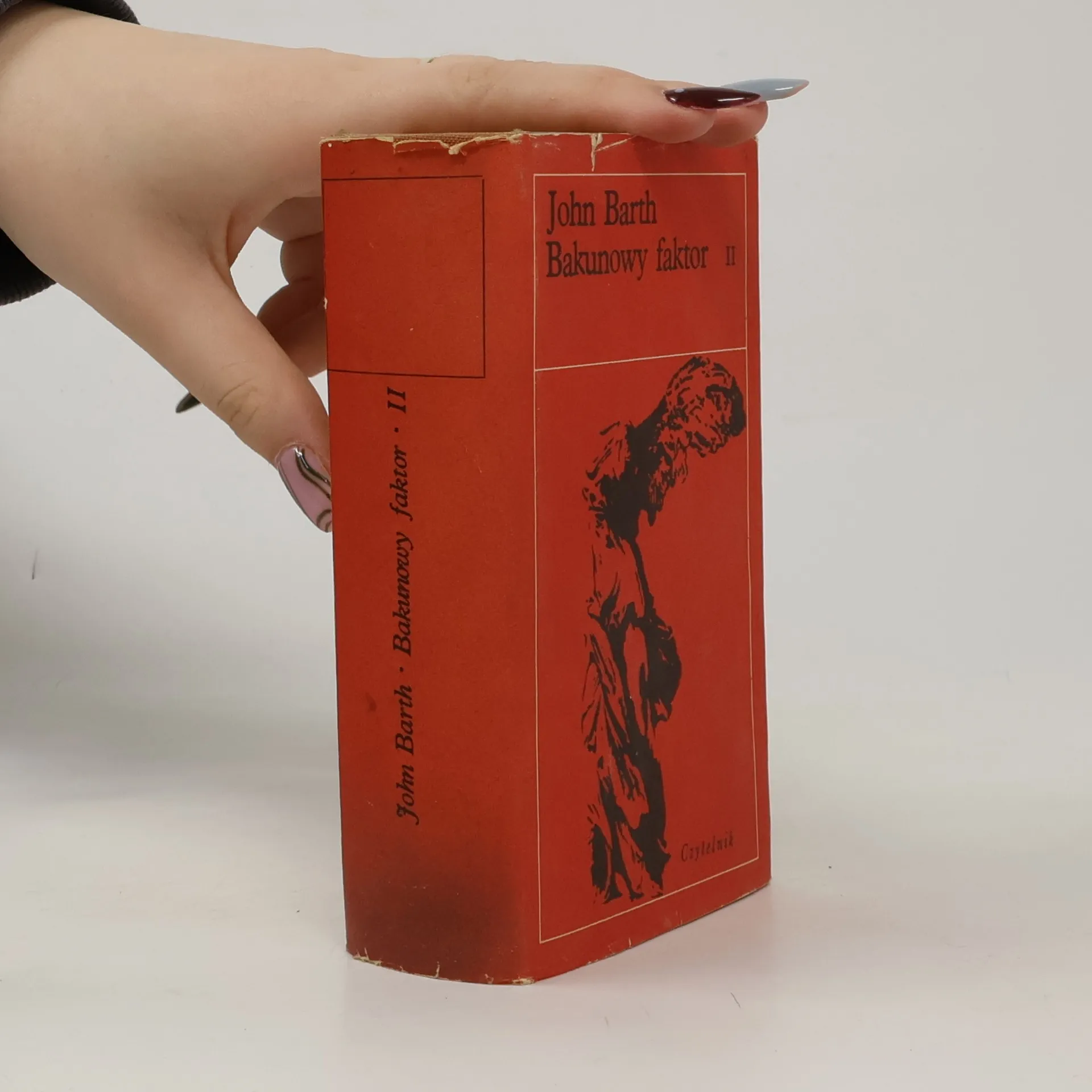
Auf Anraten seines Nervenarztes nimmt Jacob Horner eine Stelle als Grammatiklehrer an einem kleinen College an der Ostküste an, um seinem labilen Gesundheitszustand entgegenzuwirken. Dort freundet er sich mit Joe Morgan und dessen Frau Rennie an. Ihre scheinbar harmonische Beziehung, die auf strikten Regeln und gnadenloser Offenheit basiert, wird durch Horner, einen Einzelgänger ohne feste Überzeugungen, gestört. Als Horner eine Affäre mit Rennie beginnt und sie schwanger wird, entsteht ein Verwirrspiel, dessen Ausgang ungewiss ist. Der Roman ist eine absurde Komödie über das universelle Drama des Lebens, meisterhaft geschrieben und zugleich traurig und komisch. John Barth, 1930 in Cambridge geboren, gilt als einer der einflussreichsten Erzähler der zeitgenössischen amerikanischen Literatur und wurde mit dem National Book Award und dem PEN/Malamud Award ausgezeichnet. Er lehrte viele Jahre Literatur an der Johns Hopkins Universität in Baltimore. Zu seinen bekanntesten Werken zählen „Der Tabakhändler“ und „Ambrose im Juxhaus“. Bei Liebeskind erschien „Die schwimmende Oper“ (2001). Der Übersetzer Matthias Müller, 1950 in Bremen geboren, lebt in Rotterdam und hat u. a. Werke von Don DeLillo und John Cheever ins Deutsche übersetzt.
John Barth Knihy
John Simmons Barth bol americký prozaik a autor poviedok, známy pre postmodernú a metafikčnú kvalitu svojej tvorby. Jeho diela často skúmajú hranice rozprávania, narúšajú konvencie a zapájajú čitateľa do hry s formou a obsahom. Barth skúmal témy ako sebauvedomenie autora, povaha fikcie a vyčerpanie literárnych tradícií. Jeho inovatívny prístup k písaniu, ktorý majstrovsky kombinuje intelektuálnu hravosť s pútavým rozprávaním, zanechal trvalú stopu v modernej literatúre.



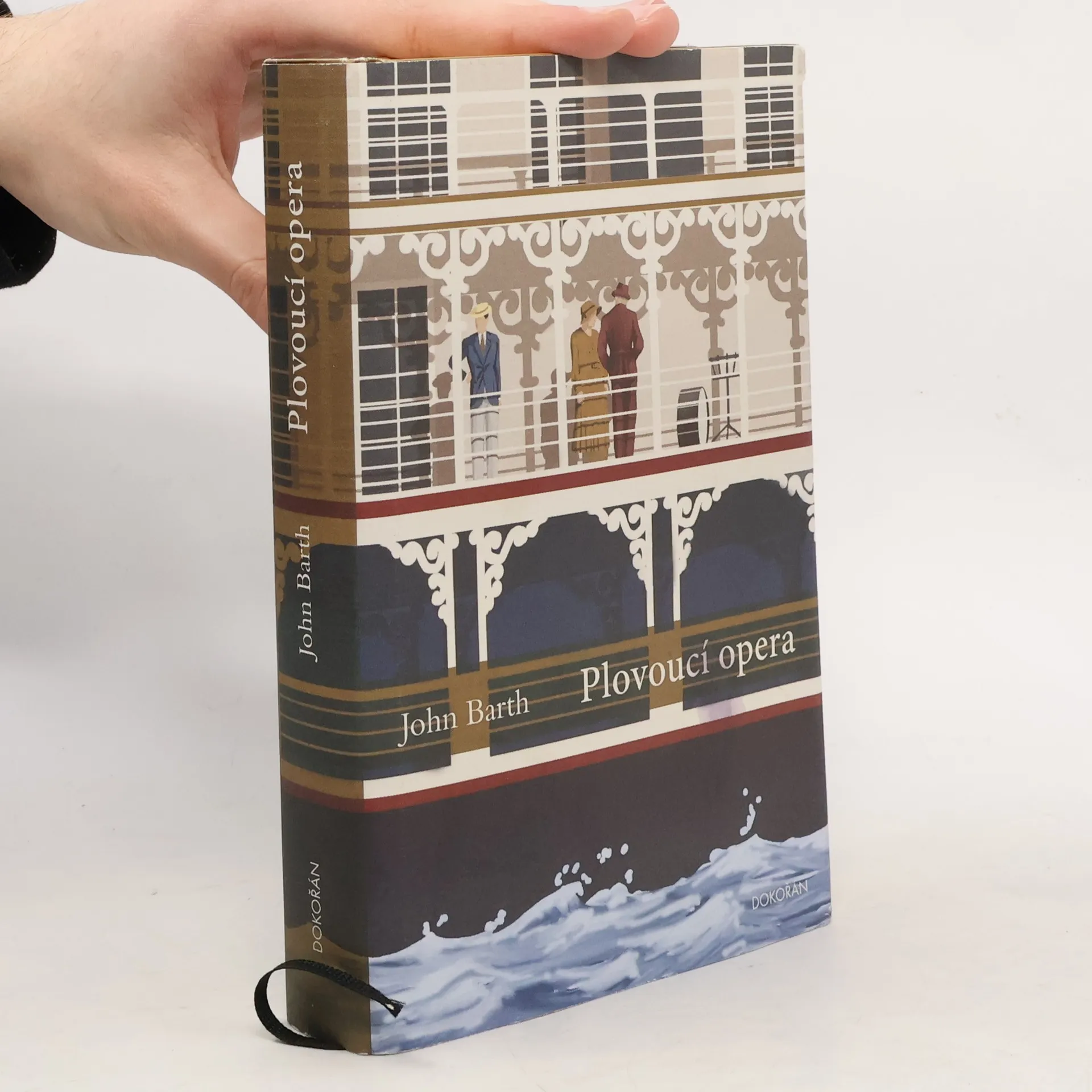

Plovoucí opera
- 288 stránok
- 11 hodin čítania
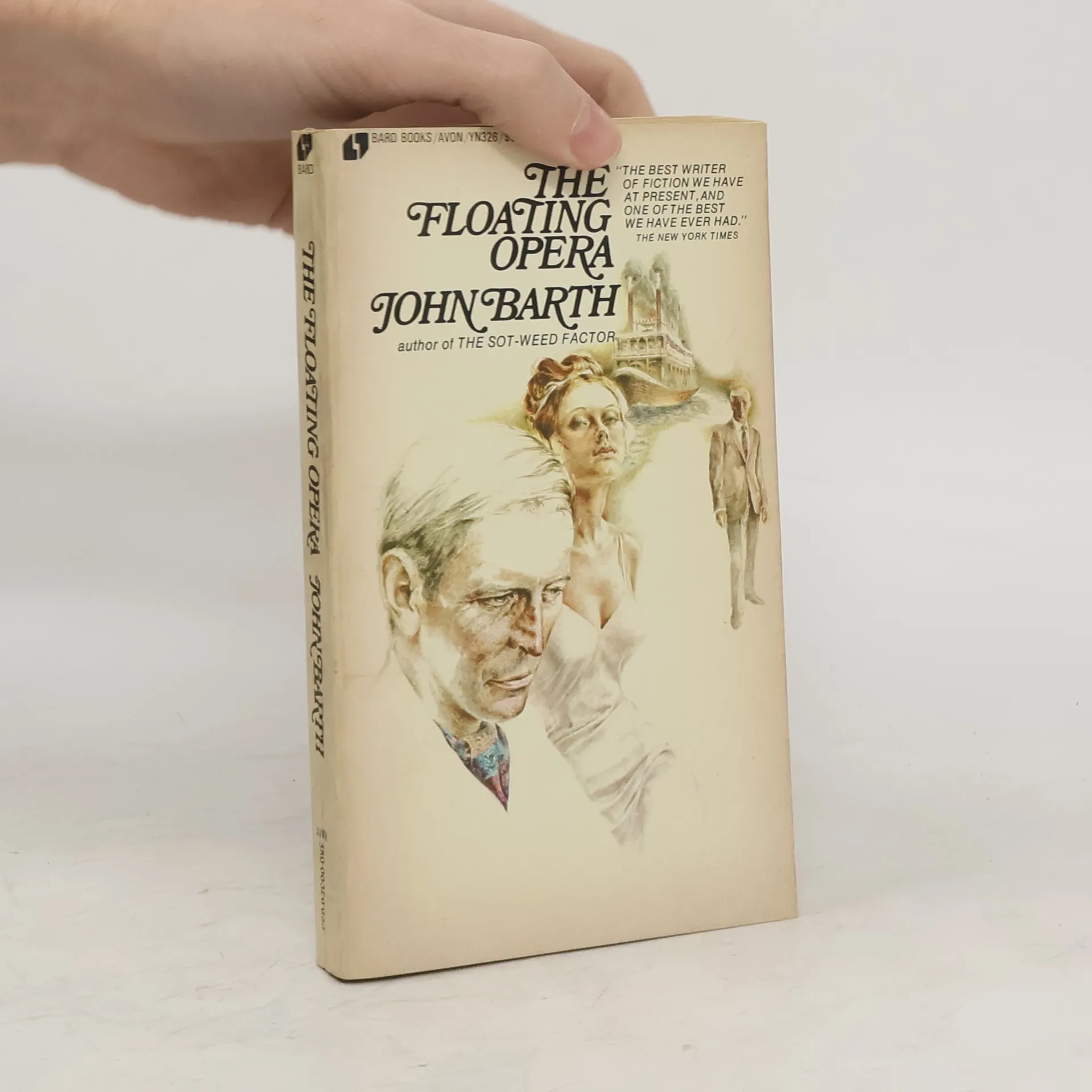
Nihilistická komedie Plovoucí opera, debut slavného amerického romanopisce Johna Bartha, se zabývá neobvyklým milostným trojúhelníkem a destruktivním účinkem abnormálně aktivního intelektu na vlastní život i okolí. Právník Todd Andrews žije sám v hotelu, potrpí si na drahé obleky a whisky, kouří doutníky a užívá si intimní přátelství s manželkou svého nejlepšího kamaráda. Tvrdí o sobě, že není filozof, přesto své excentrické názory rád aplikuje na vlastní život a životy druhých lidí, a to často s neradostnými následky. Důkladným zkoumáním klíčových událostí svého života ve snaze dobrat se důvodů, jež k nim vedly, dochází k přesvědčení, že neexistují žádné absolutní hodnoty ani racionální příčiny a život je řízen jen sledem nahodilých incidentů. V důsledku toho se jednoho červnového rána roku 1937 rozhodne spáchat sebevraždu, protože život a smrt jsou rovnocenně nemotivovány, a důvody žít jsou tedy stejně neobhajitelné jako důvody zemřít.
The Last Voyage of Somebody the Sailor
- 573 stránok
- 21 hodin čítania
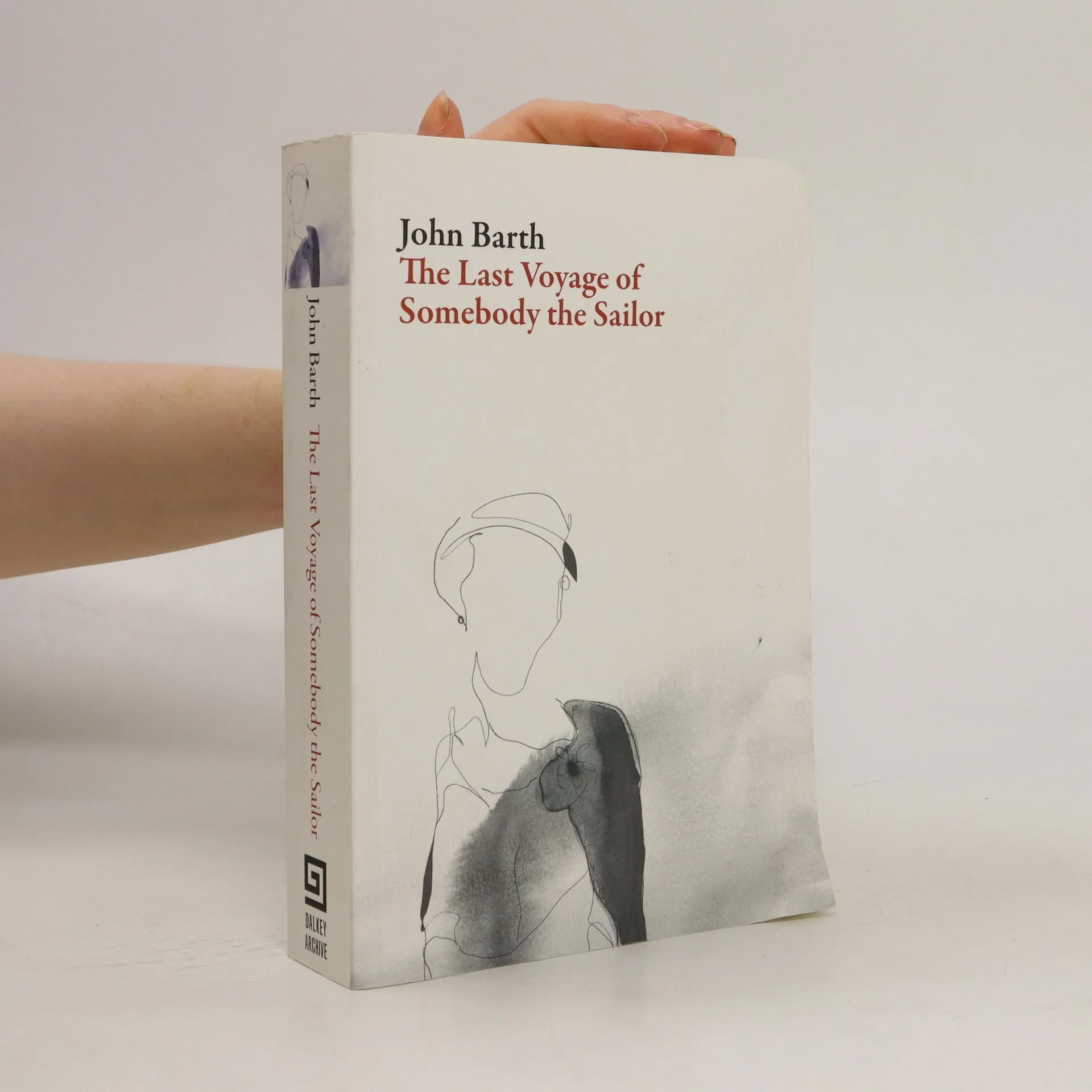
A National Book Award winner offers his most inventive novel to date. Journalist Simon Behler finds himself in the house of Sinbad the Sailor after being washed ashore during a sea-going adventure. Over the course of six evenings, the two take turns recounting their voyages in a brilliantly entertaining weave of stories within stories. "Filled with white nights and golden days . . . lyrical, fresh and sprightly."--Washington Post.
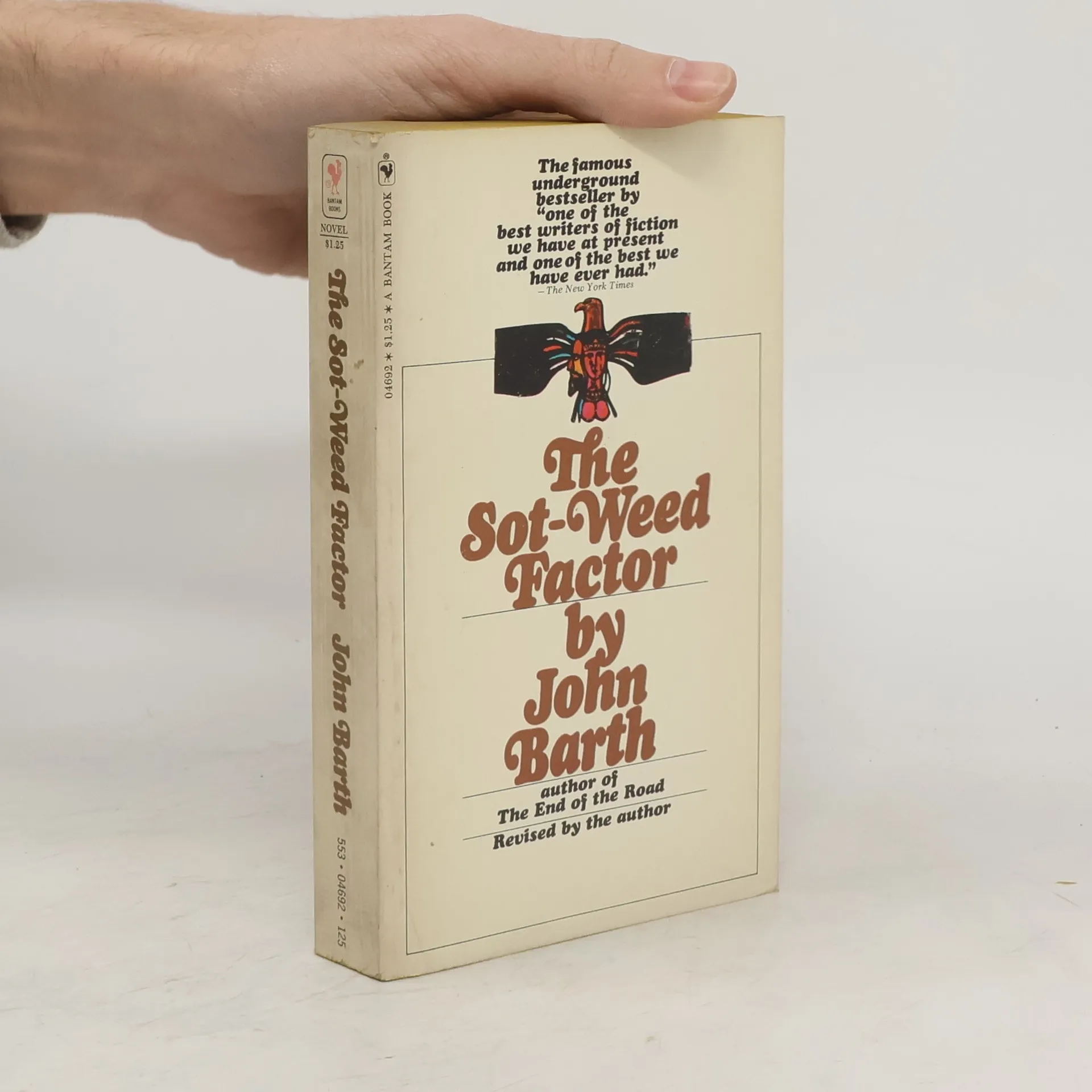
Considered by critics to be Barth's masterpiece, The Sot-Weed Factor has acquired the status of a modern classic. Set in the late 1600s, it recounts the wildly chaotic odyssey of hapless, ungainly Ebenezer Cooke, sent to the New World to look after his father's tobacco business & to record the struggles of the Maryland colony in an epic poem. On his mission, Cooke experiences capture by pirates & Indians; the loss of his father's estate to roguish impostors; love for a farmer prostitute; stealthy efforts to rob him of his virginity, which he's almost determined to protect; & an extraordinary gallery of treacherous characters who continually switch identities. A hilarious, bawdy tribute to all the most insidious human vices, The Sot-Weed Factor has lasting relevance for all readers.
"Here are tales of aging, time, possibility, and relationships. And in typically Barthian fashion, they are framed by the narration of a veteran writer, Graybard, and his flirtatious, insouciant muse, WYSIWIG (What You See Is What You Get). During the eleven days that follow September 11, 2001, Graybard and WYSIWYG debate the meaning and relevance of writing and storytelling in the wake of disaster, or TEOTWAW(A)KI - The End Of The World As We (Americans) Knew it."--Jacket
The Floating Opera and The End of the Road
- 188 stránok
- 7 hodin čítania
The Floating Opera and The End Of The Road are John Barth's first two novels. Their relationship to each other is evident not only in their ribald subject matter but in the eccentric characters and bitterly humorous tone of the narratives. Both concern strange, consuming love triangles and the destructive effect of an overactive intellect on the emotions. Separately they give two very different views of a universal human drama. Together they illustrate the beginnings of an illustrious career.
Postscripts
- 154 stránok
- 6 hodin čítania
Proving himself yet again a master of every form, Barth conquers in his latest the ruminative short essay—“jeux d’esprits,” as Barth describes them. These mostly one-page tidbits pay homage to Barth’s literary influences while retaining his trademark self-consciousness and willingness to play.
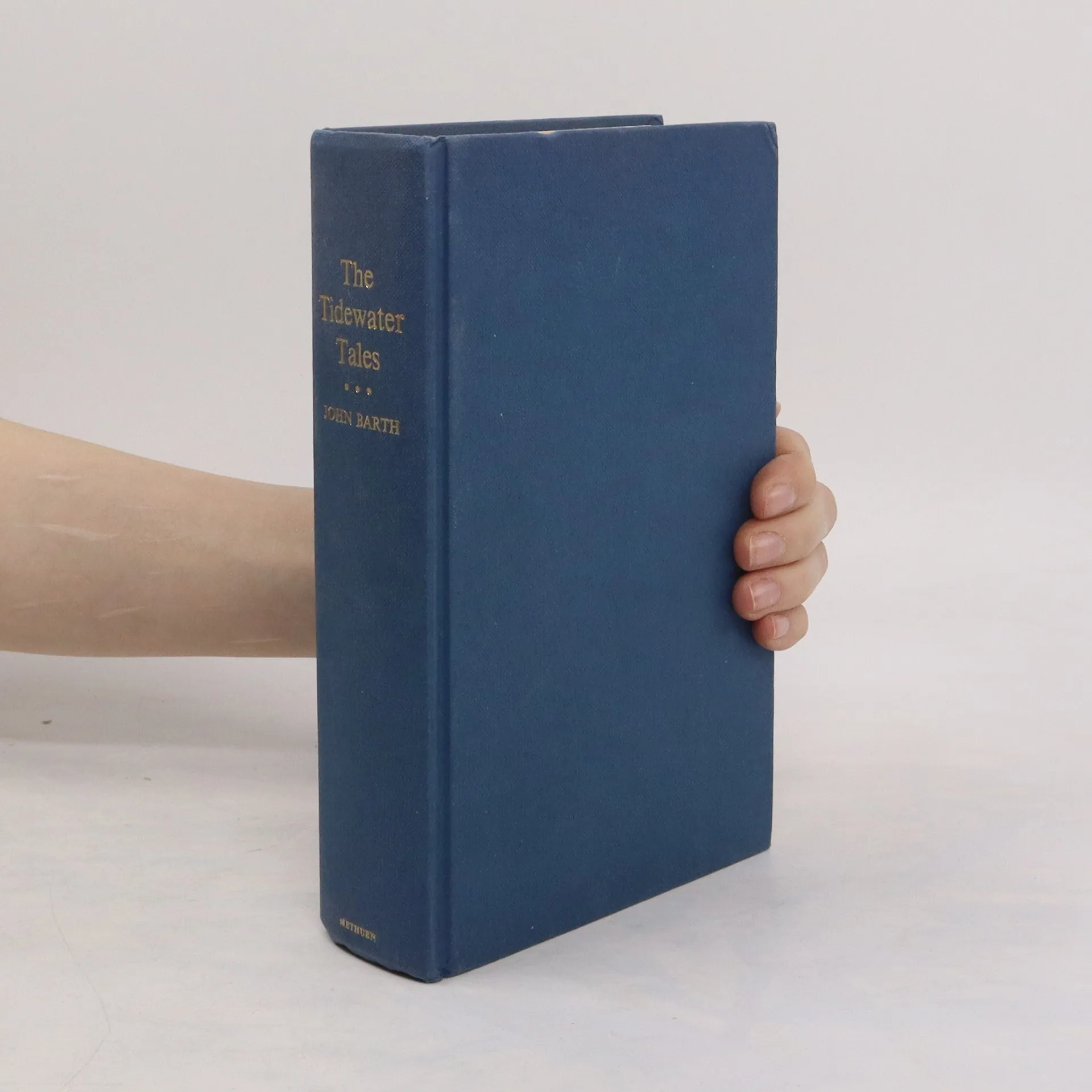
The Tidewater Tales
- 655 stránok
- 23 hodin čítania
As they cruise around Chesapeake Bay aboard their sailboat, Peter Sagamore and his very pregnant wife, Katherine, reveal the stories of their past and present.
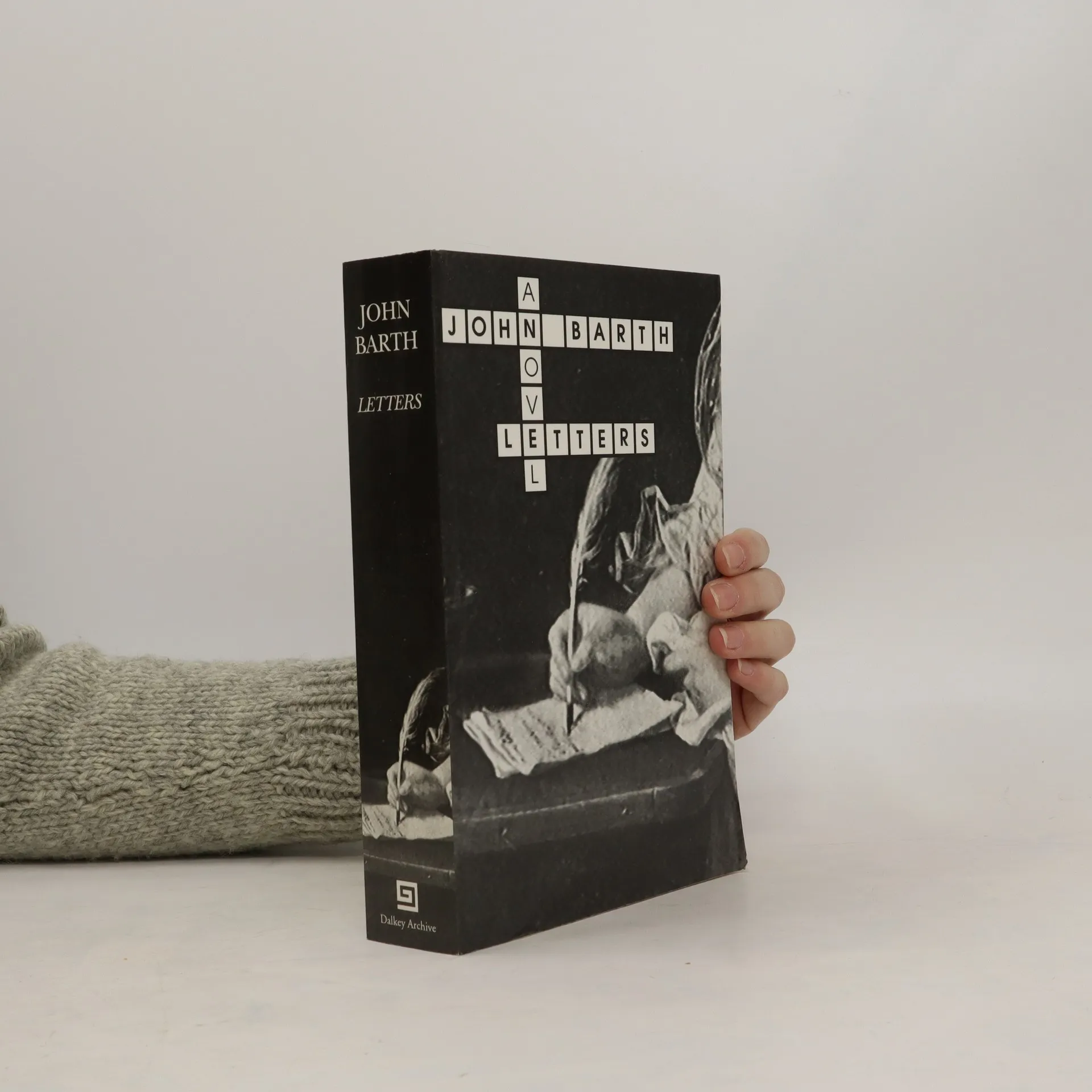
Letters
- 772 stránok
- 28 hodin čítania
A landmark of postmodern American fiction, Letters is (as the subtitle genially informs us) "an old time epistolary novel by seven fictitious drolls & dreamers each of which imagines himself factual." Seven characters (including the Author himself) exchange a novel's worth of letters during a 7-month period in 1969, a time of revolution that recalls the U.S.'s first revolution in the 18th century - the heyday of the epistolary novel. Recapitulating American history as well as the plots of his first six novels, Barth's seventh novel is a witty and profound exploration of the nature of revolution and renewal, rebellion and reenactment, at both the private and public levels. It is also an ingenious meditation on the genre of the novel itself, recycling an older form to explore new directions, new possibilities for the novel.
Chimera
- 320 stránok
- 12 hodin čítania
In CHIMERAJohn Barth injects his signature wit into the tales of Scheherezade of the Thousand and One Nights, Perseus, the slayer of Medusa, and Bellerophon, who tamed the winged horse Pegasus. In a book that the Washington Post called "stylishly maned, tragically songful, and serpentinely elegant, " Barth retells these tales from varying perspectives, examining the myths' relationship to reality and their resonance with the contemporary world. A winner of the National Book Award, this feisty, witty, sometimes bawdy book provoked Playboy to comment, "There's every chance in the world that John Barth is a genius."
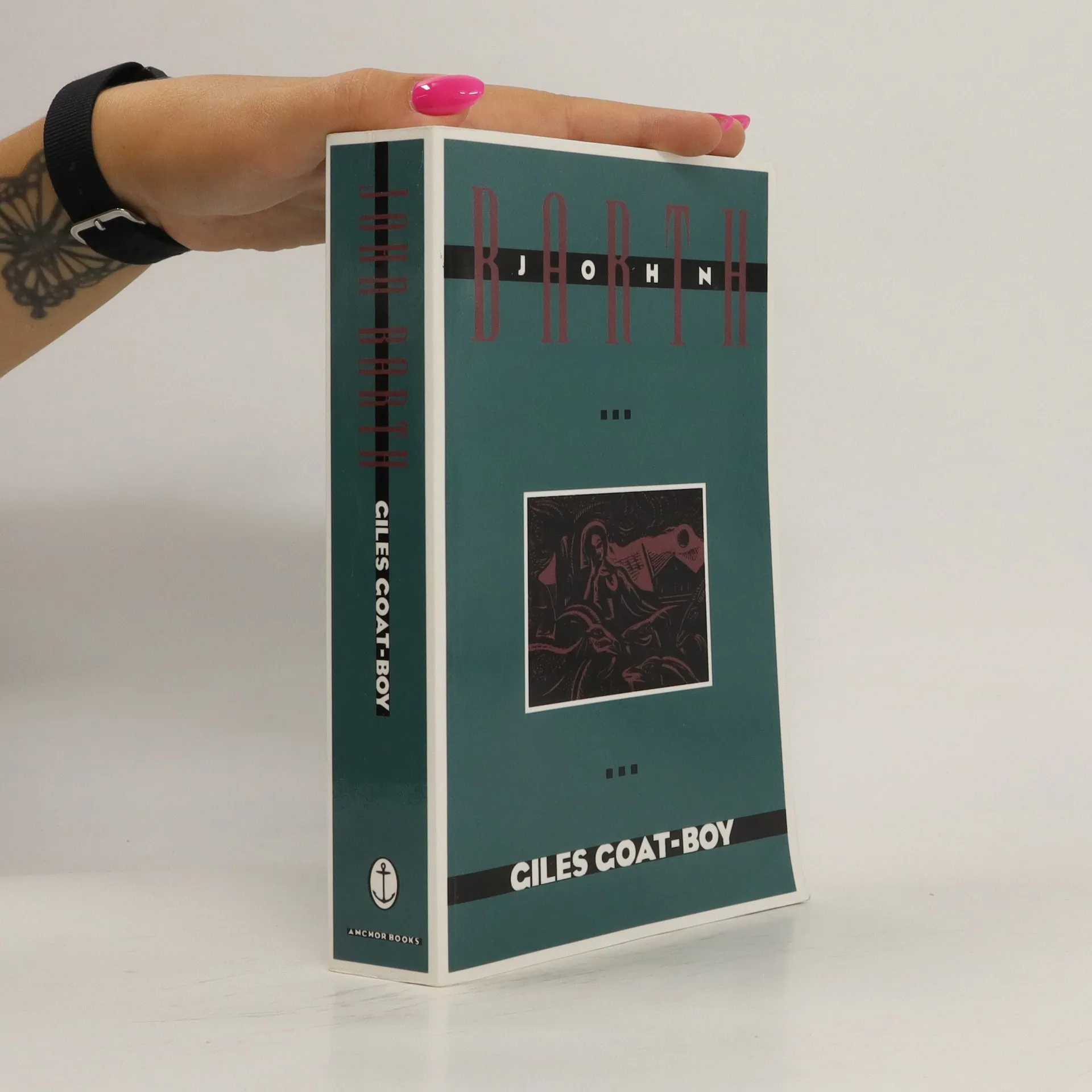
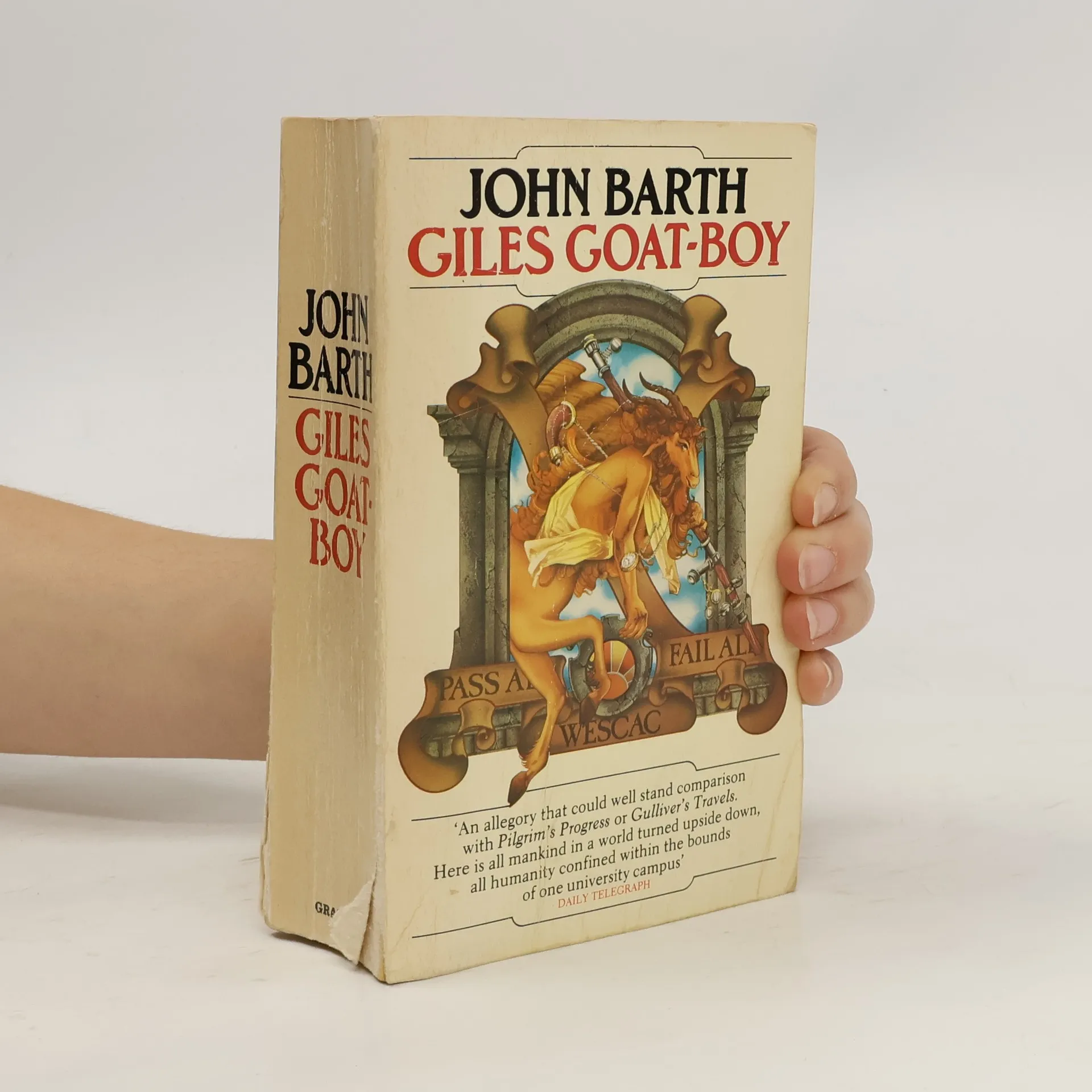
In this outrageously farcical adventure, hero George Giles sets out to conquer the terrible Wescac computer system that threatens to destroy his community in this brilliant "fantasy of theology, sociology, and sex" (Time).
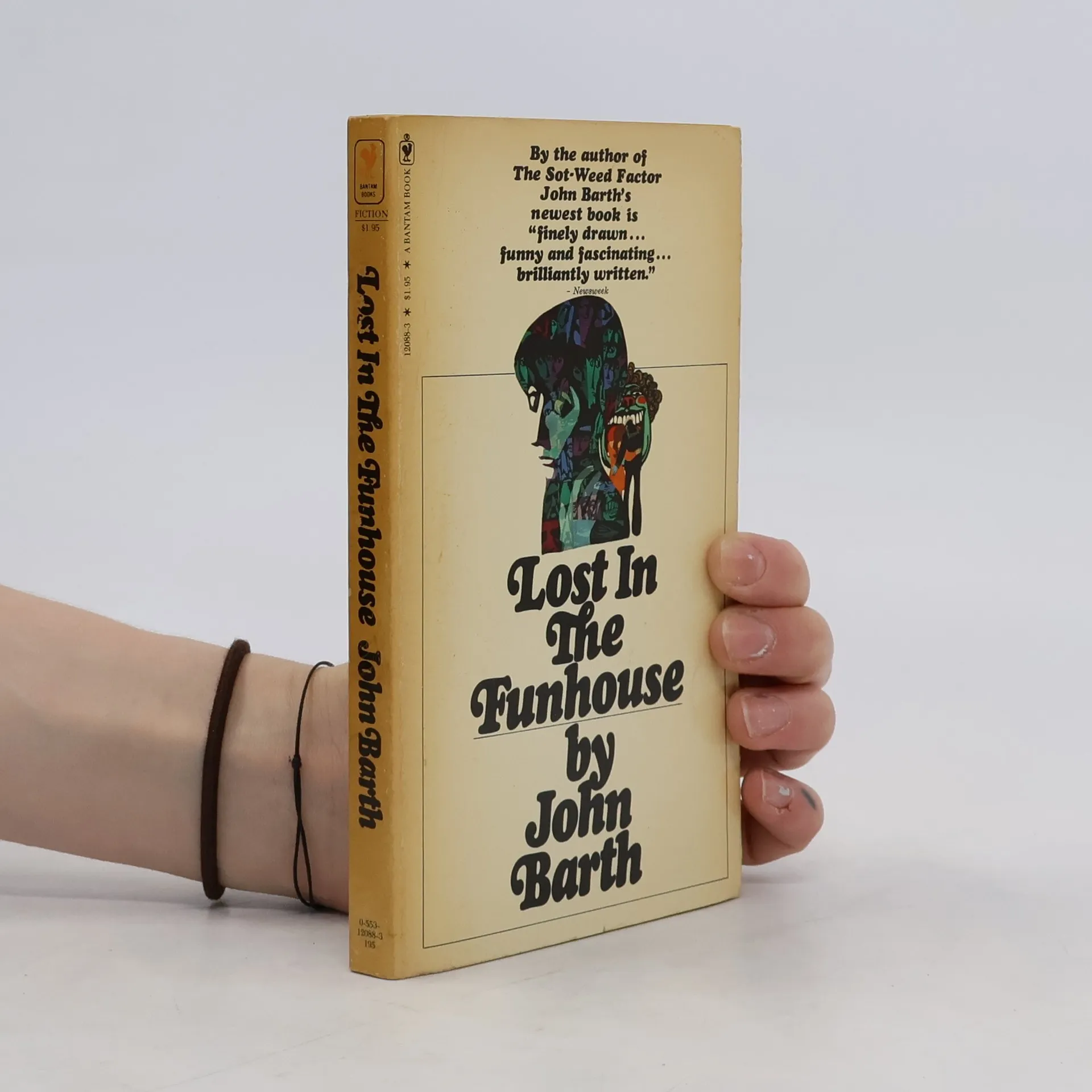
Lost in the Funhouse
- 194 stránok
- 7 hodin čítania
Barth's lively, highly original collection of short pieces is a major landmark of experimental fiction. Though many of the stories gathered here were published separately, there are several themes common to them all, giving them new meaning in the context of this collection.
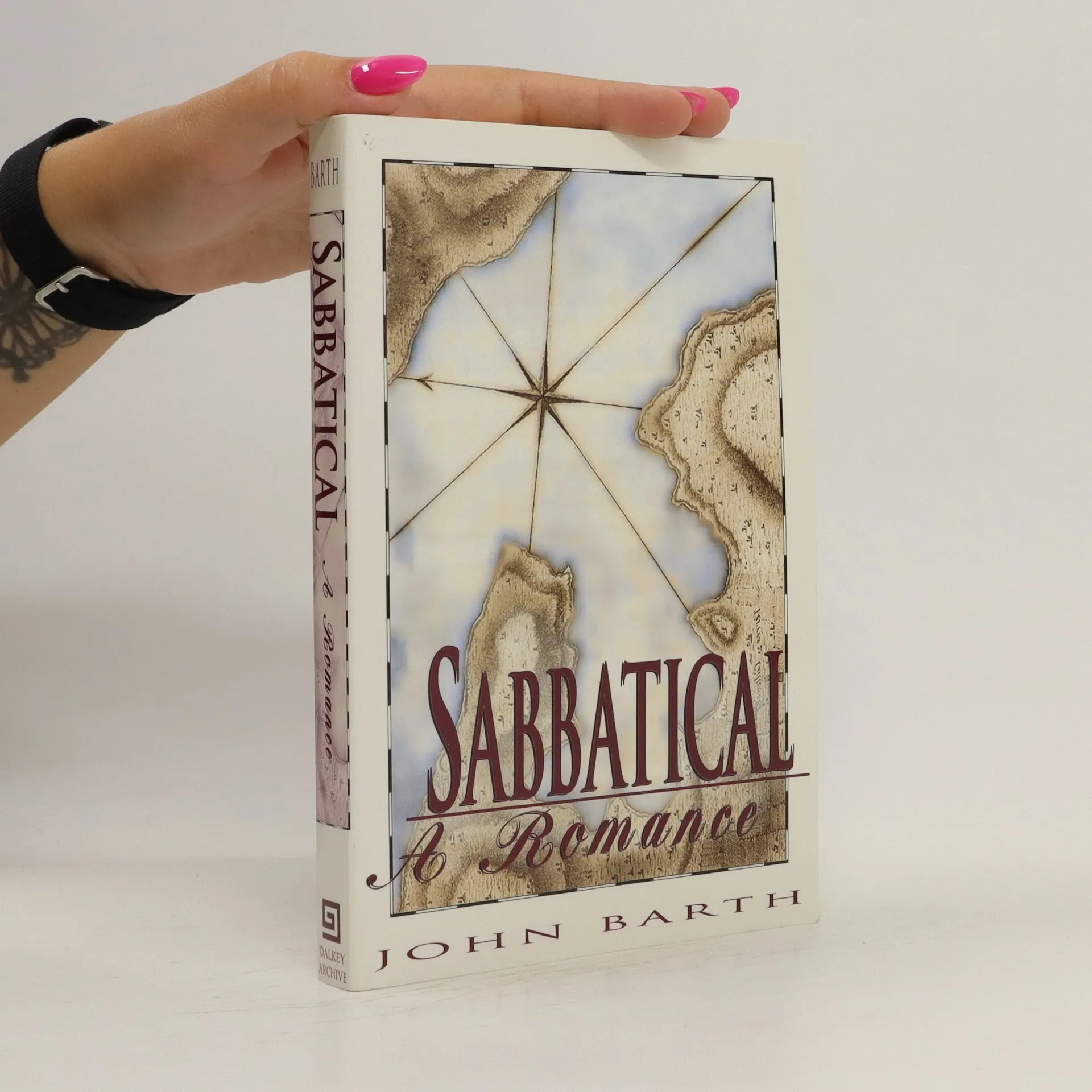
Subtitled "a romance", Sabbatical is the story of Susan Rachel Allan Seckler, a sharp young associate professor of early American literature - part Jewish, part Gypsy, and possibly descended from Edgar Allan Poe - and her husband Fenwick Scott Key Turner, a 50-year-old ex-CIA officer currently between careers, a direct descendant of the author of "The Star Spangled Banner" and himself the author of a troublemaking book about his former employer. Seven years into their marriage, they decide to take a sabbatical, a sailboat journey on which they sum up their years together and try to make important decisions about the years ahead.
Exploring the rivalry between an older novelist and a young hypertext writer, this novel delves into the evolving landscape of literature. The older author, preparing his final work, faces off against his ambitious protégé, who seeks to challenge the established norms. Their interactions highlight the cultural shifts between print and electronic fiction, as well as the dynamics of mentorship amidst the backdrop of modernism and postmodernism. With humor and insight, Barth critiques his own legacy in contemporary fiction.
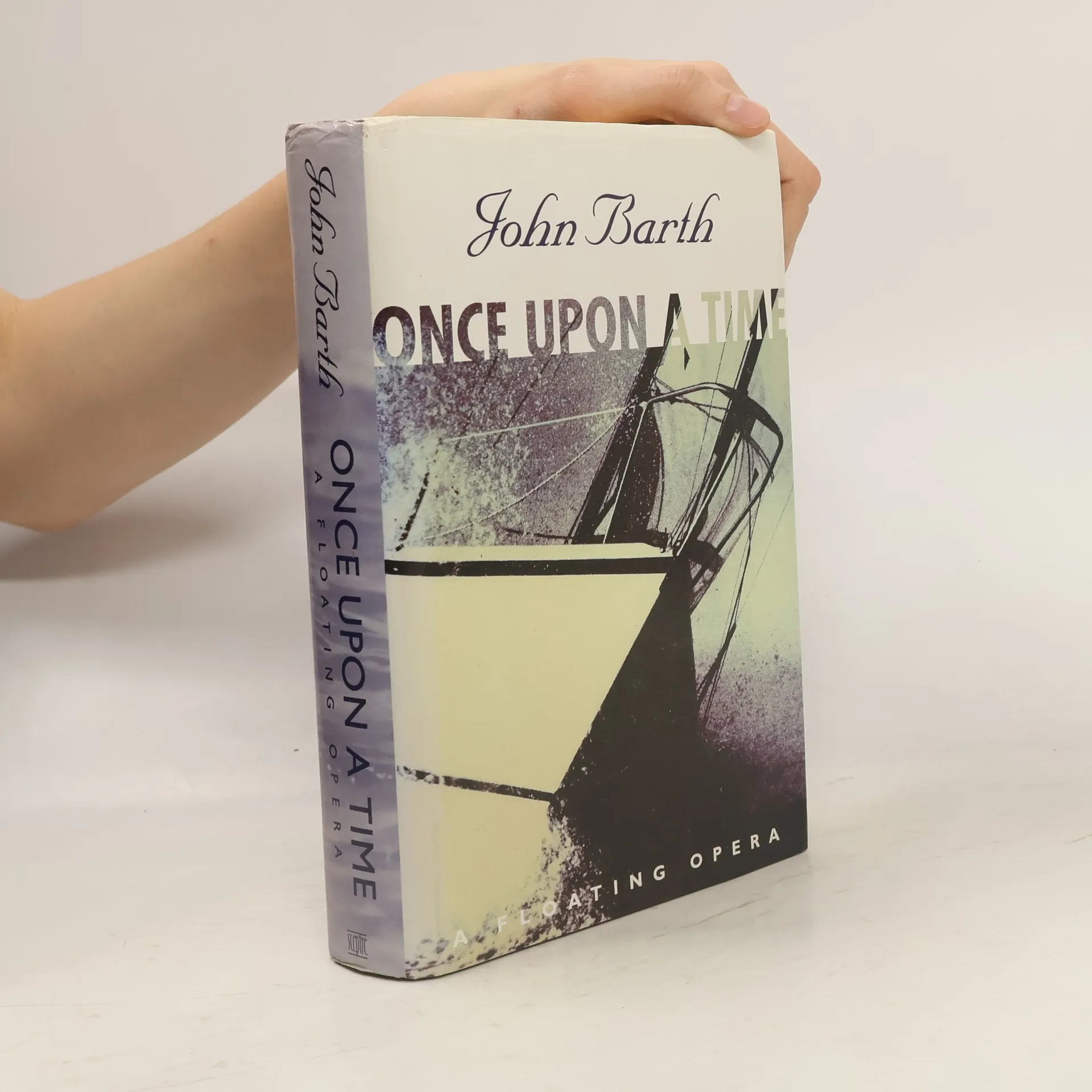
The cutter-rigged sloop's captain spins the "Story of His Life" - an operatic saga. Criss-crossing the past, mixing memory with desire, he navigates an erratic course across the waypoints of his life, with beguiling tales of love and marriage, selves and counterselves, adventure and despair.
Exploring themes of existentialism and the nature of thought, the narrative follows a character reintroduced from Barth's earlier work, delving into the intricacies of life, memory, and the passage of time. The story weaves a rich tapestry of introspection and philosophical musings, characteristic of Barth's unique style, while offering new insights and connections to his broader literary universe.
Am Morgen des 21. Juni 1937 beschließt Todd Andrews, bester Anwalt an der Küste von Maryland und exzentrischster Bürger seiner Heimatstadt Cambridge, sich das Leben zu nehmen. Aus ethischen Gründen möchte er seinen letzten Tag so normal wie möglich verbringen, zum Beispiel noch eben den Millionenprozess zu einem guten Abschluss bringen. Doch als Andrews sein Leben Revue passieren lässt, wird deutlich, dass sein Leben alles andere als normal war. Schließlich kommt es zu einem überraschenden Showdown auf einem Schiff im Hafen von Cambridge, der Name des Showboots: 'Die schwimmende Oper'.
Ambrose im Juxhaus. Fiktionen für den Druck, das Tonband und die menschliche Stimme.
- 205 stránok
- 8 hodin čítania
"Bakunowy faktor", którego akcja rozgrywa się w Ameryce na przełomie XVII i XVIII w., jest satyrą na ówczesne stosunki panujące w prowincji Maryland, a jednocześnie pastiszem literackim i kluczem do zrozumienia ważnego nurtu we współczesnej literaturze i sztuce amerykańskiej. John Barth został uznany przez krytykę światową za jednego z najwybitniejszych prozaików amerykańskich.