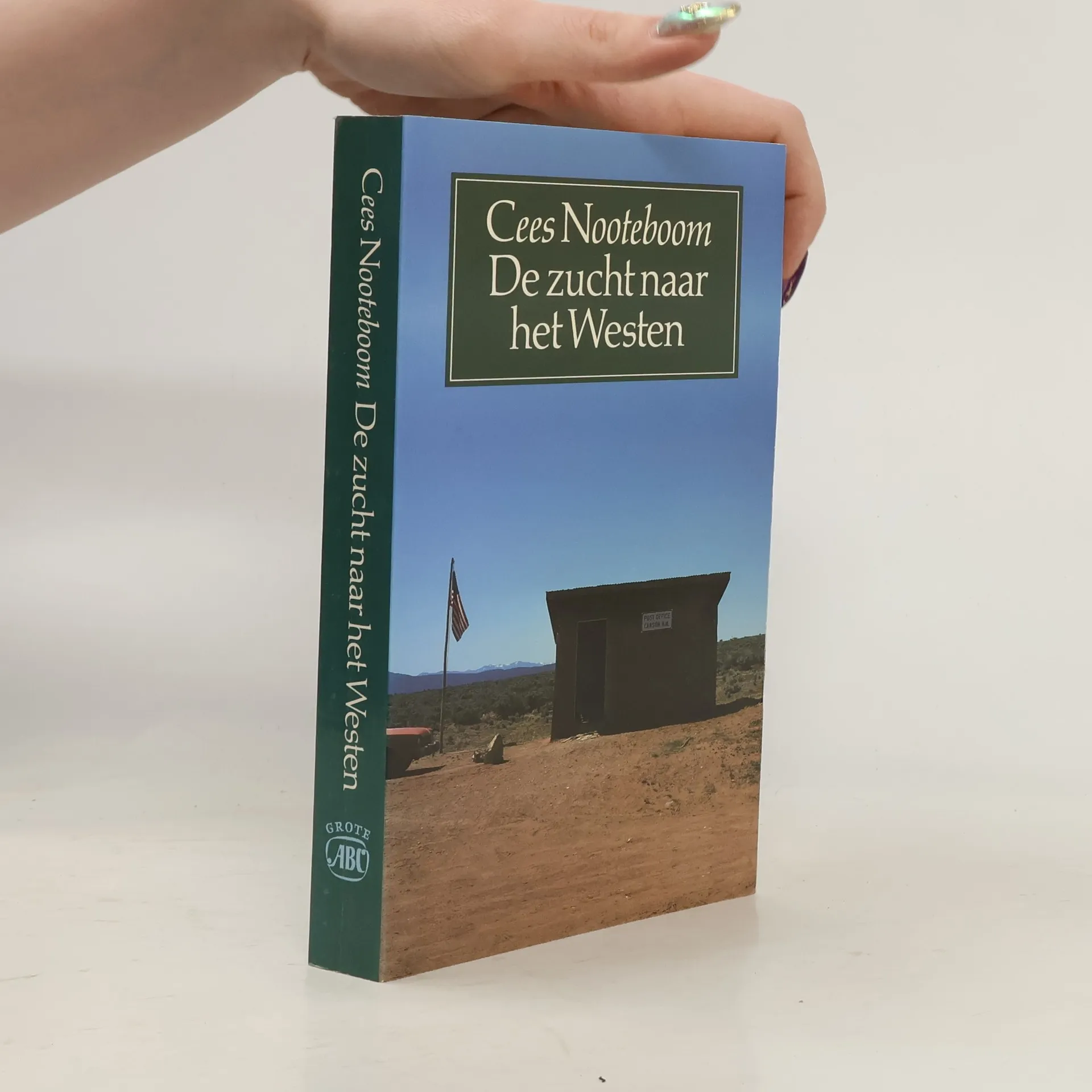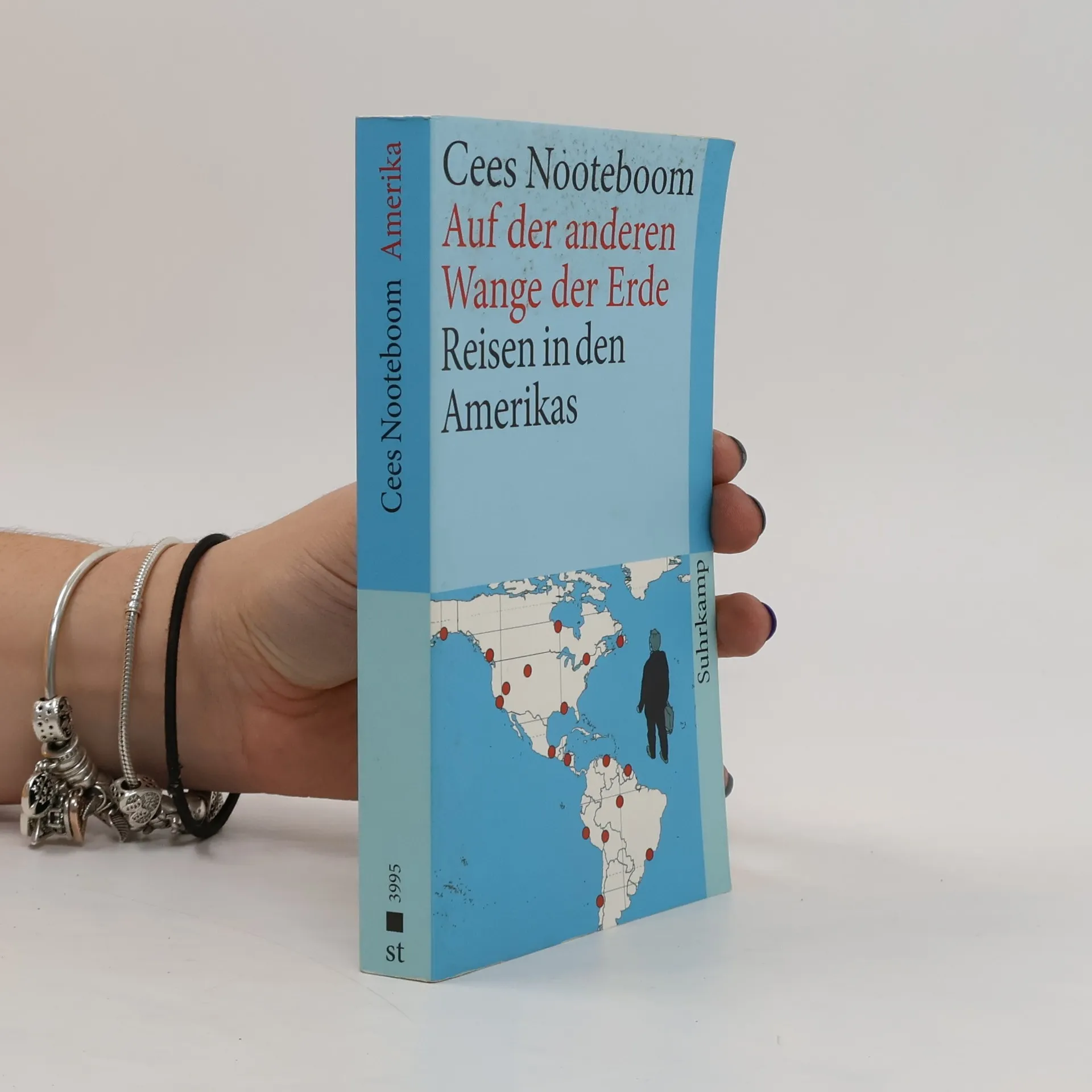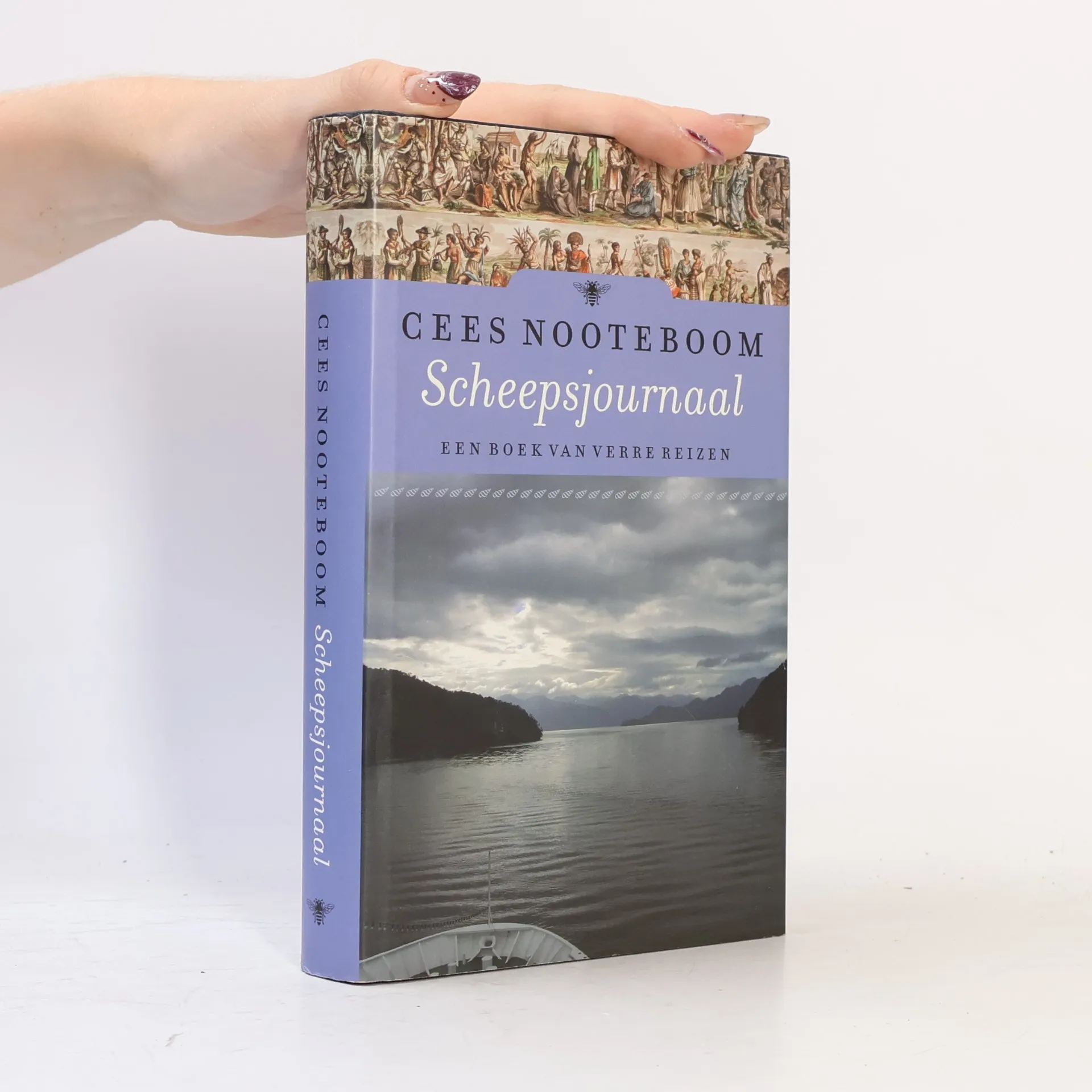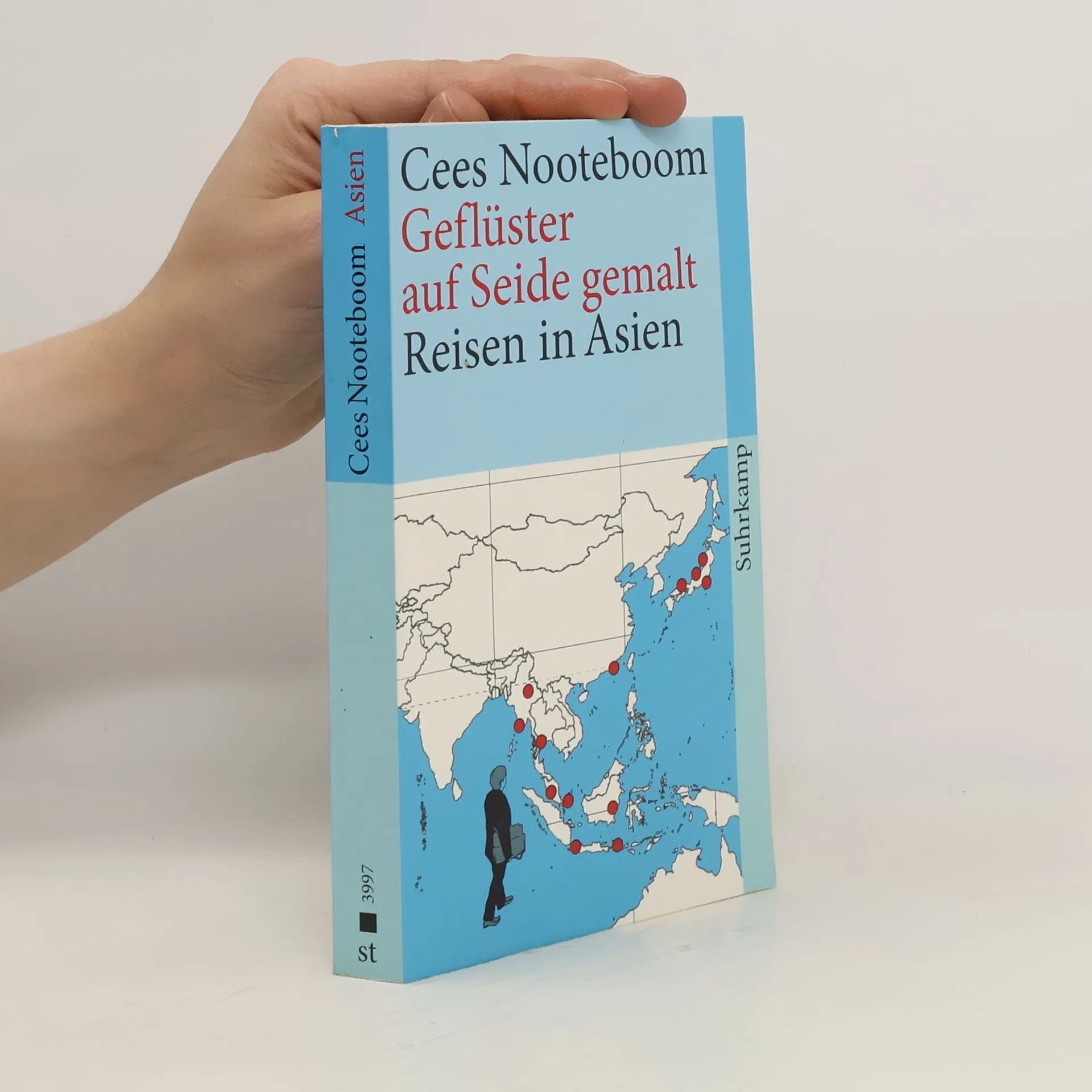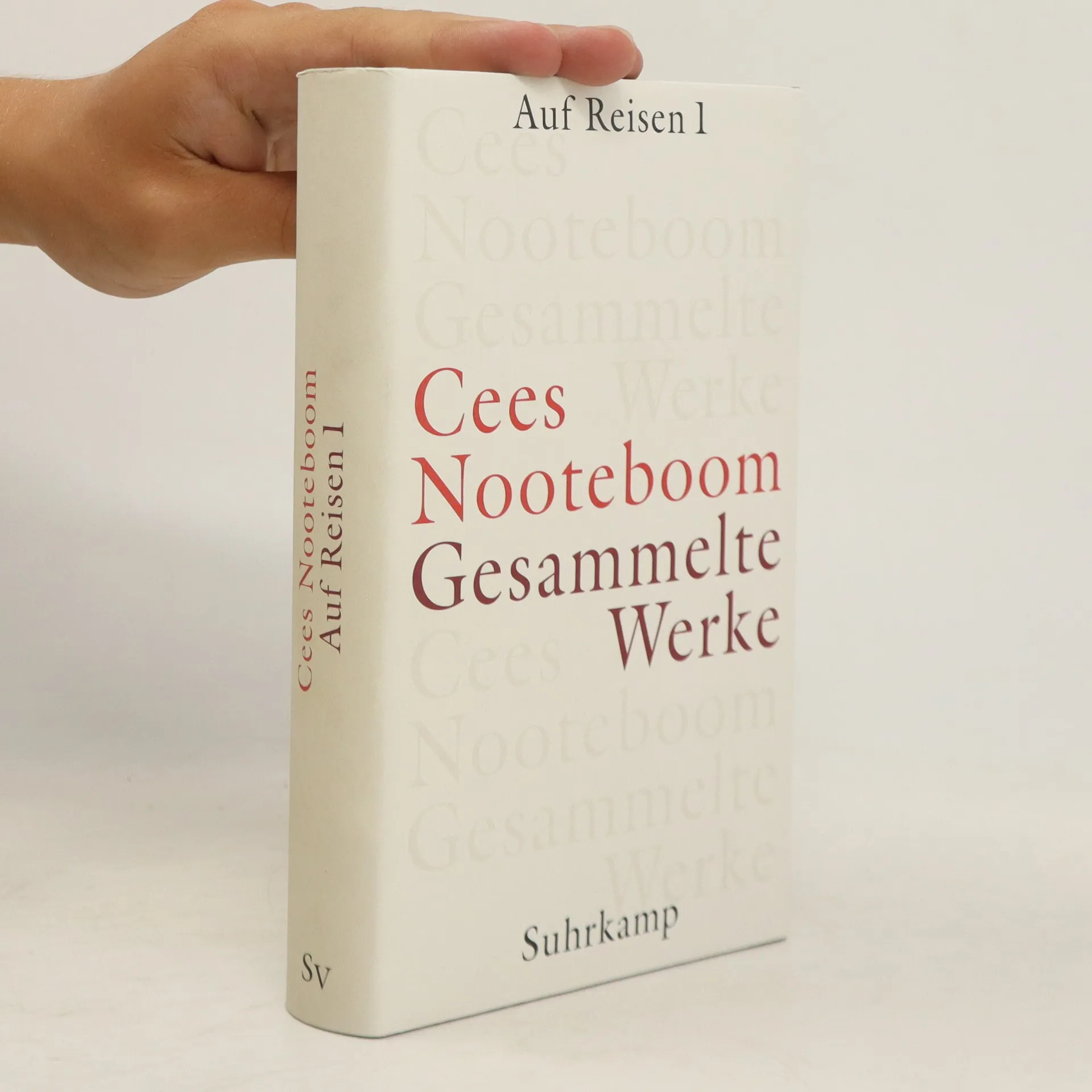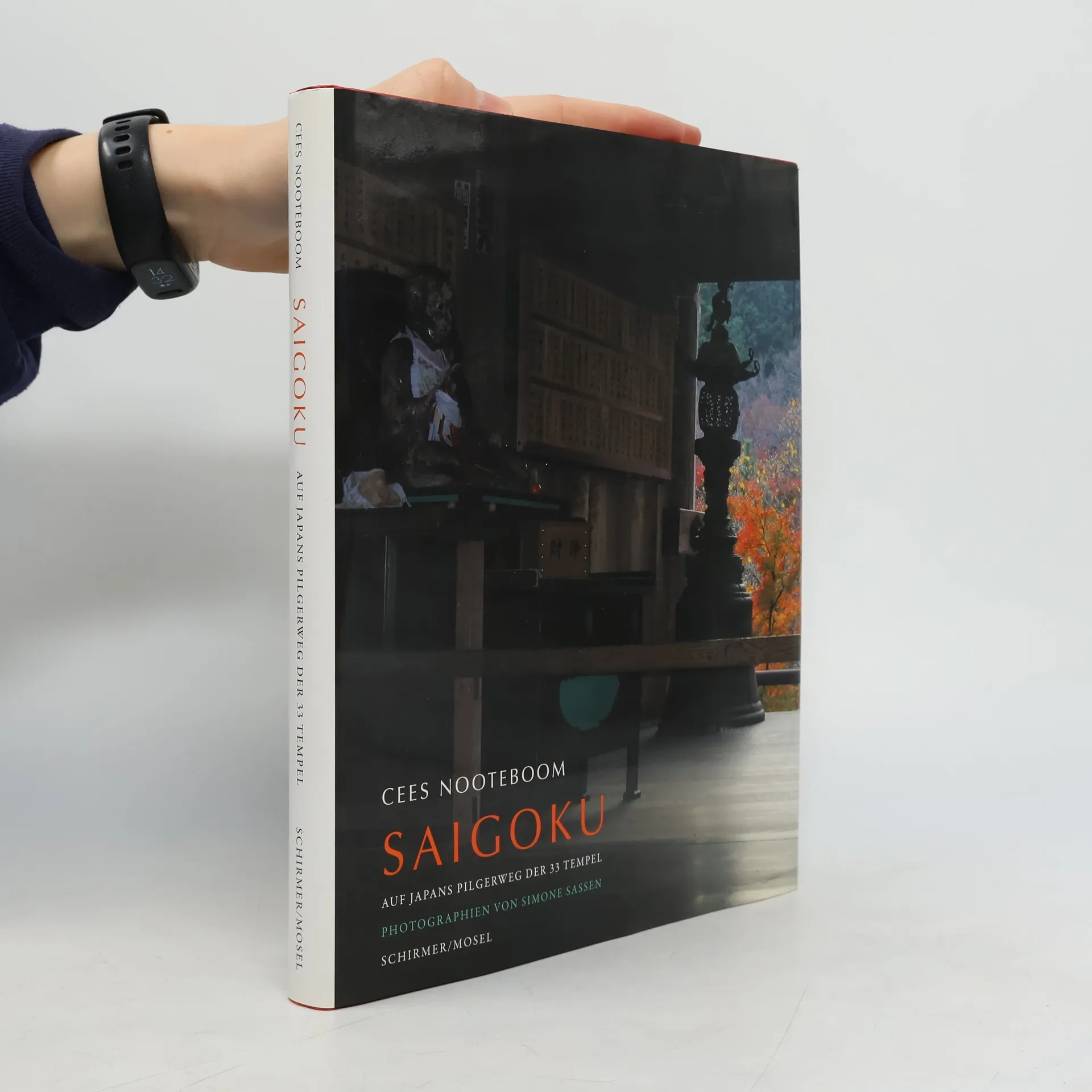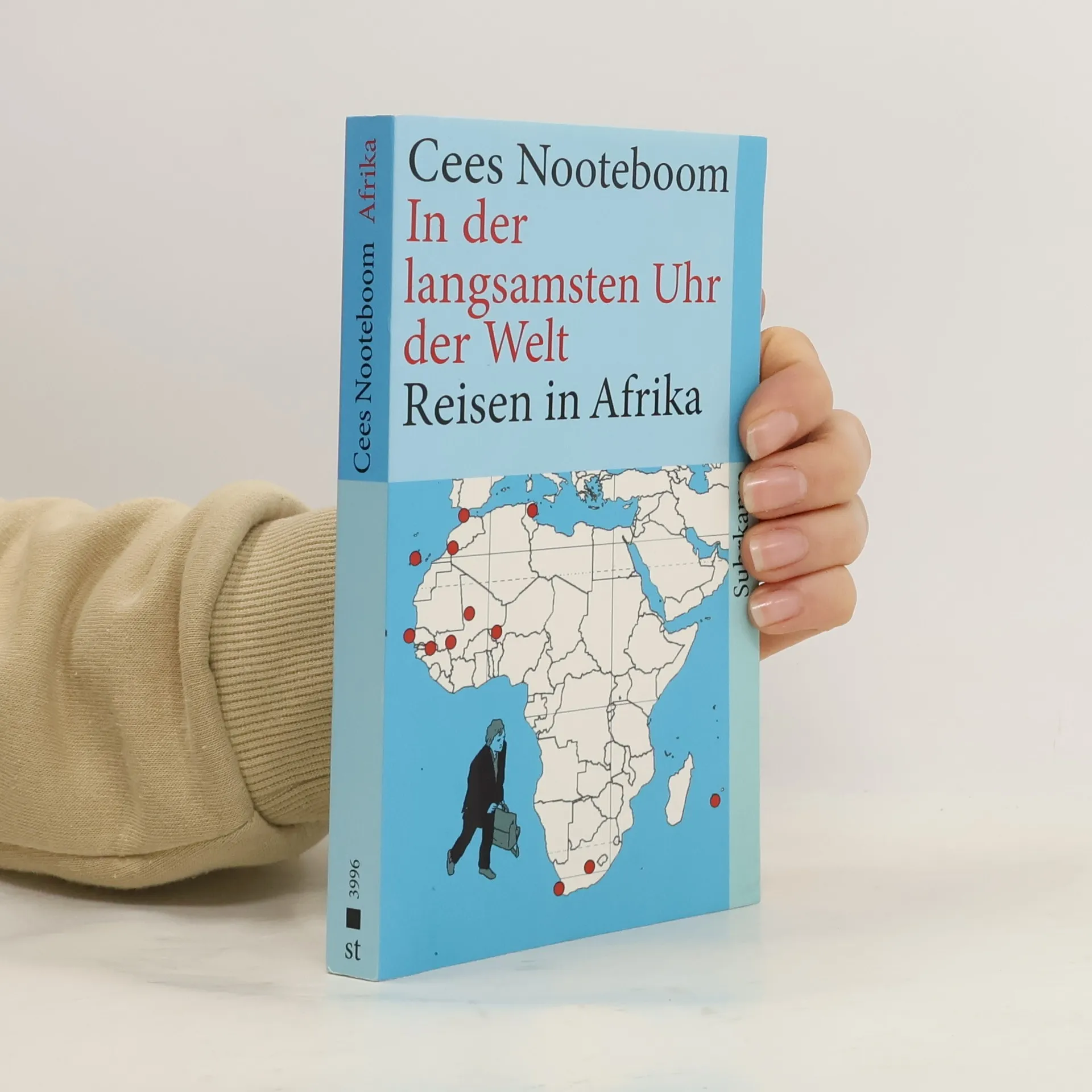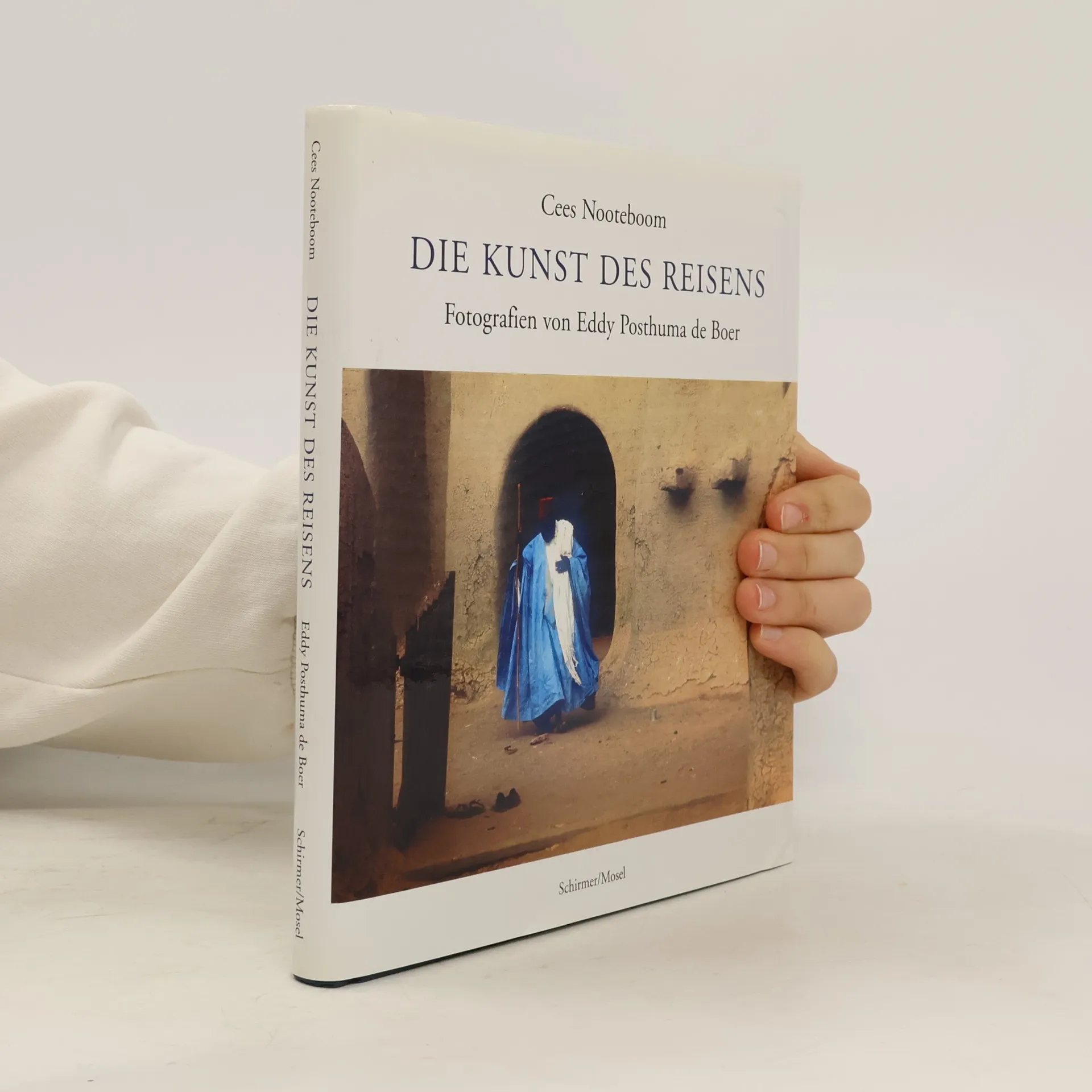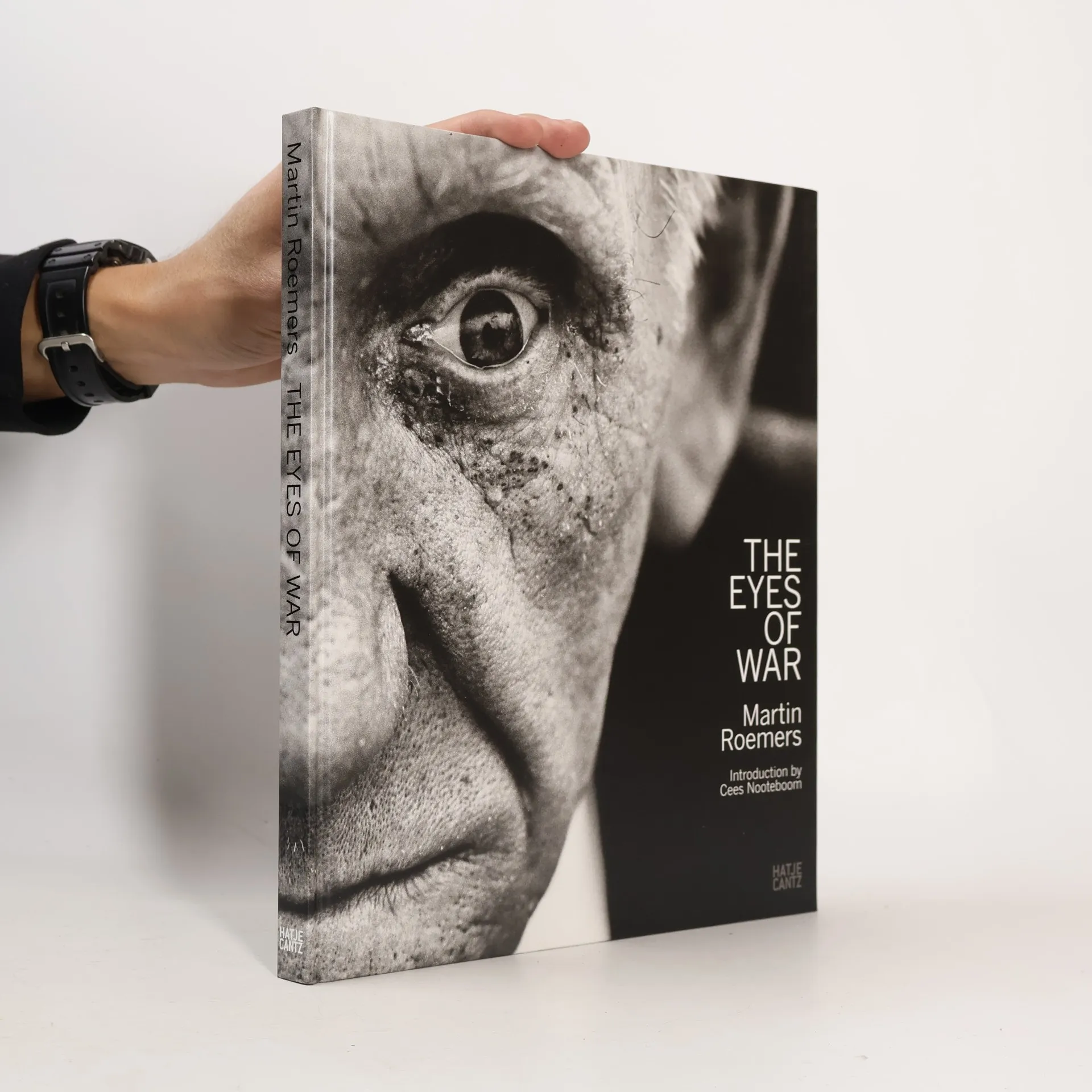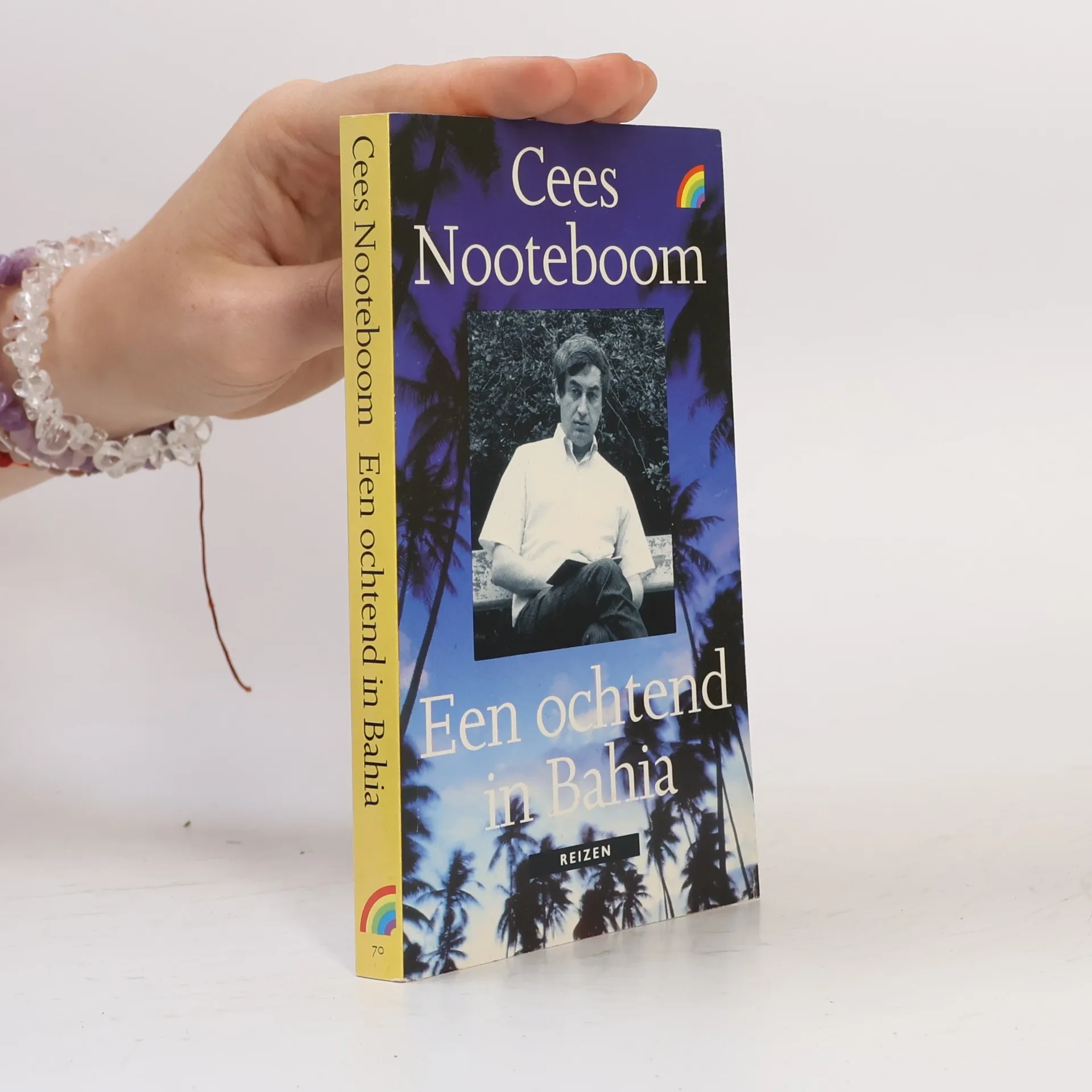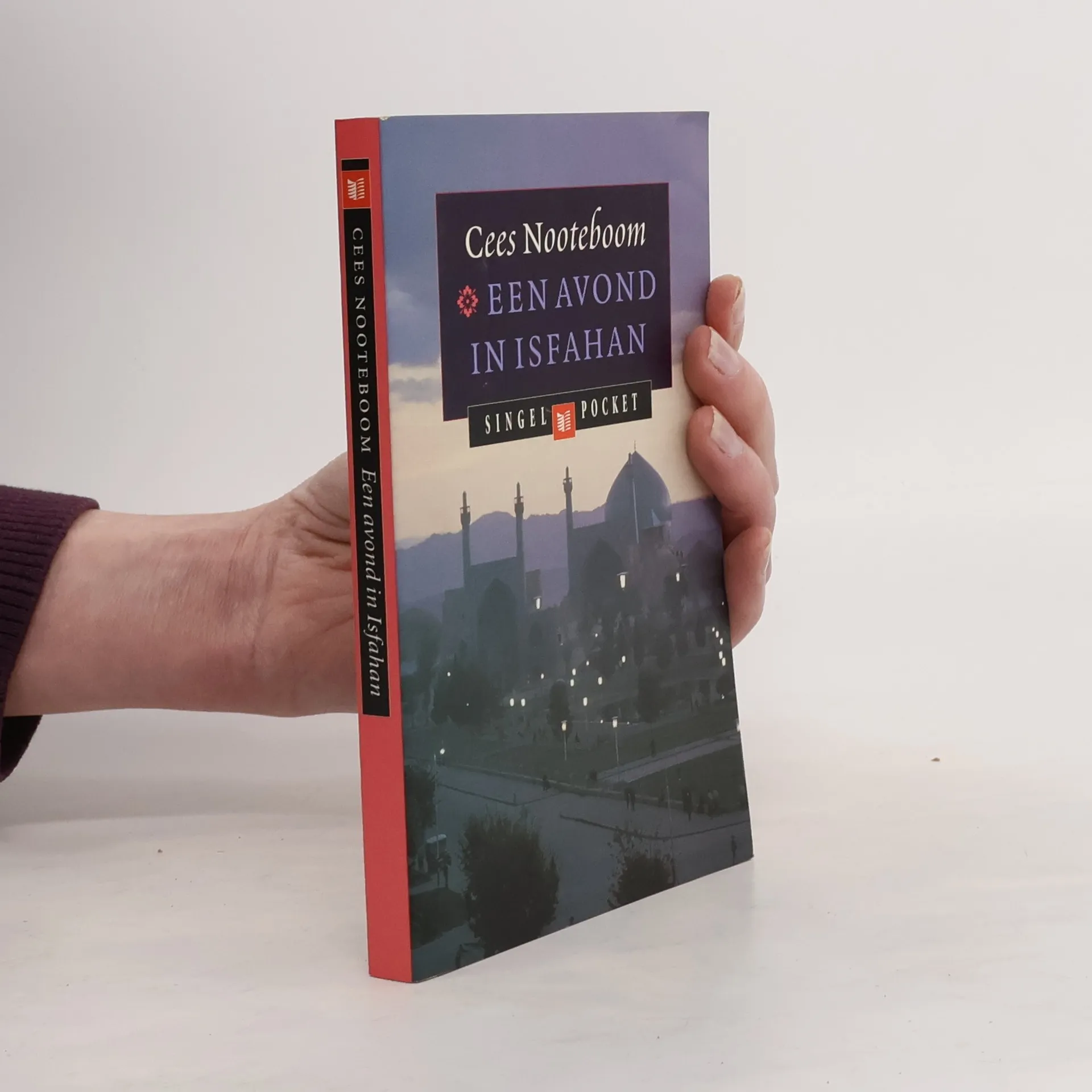
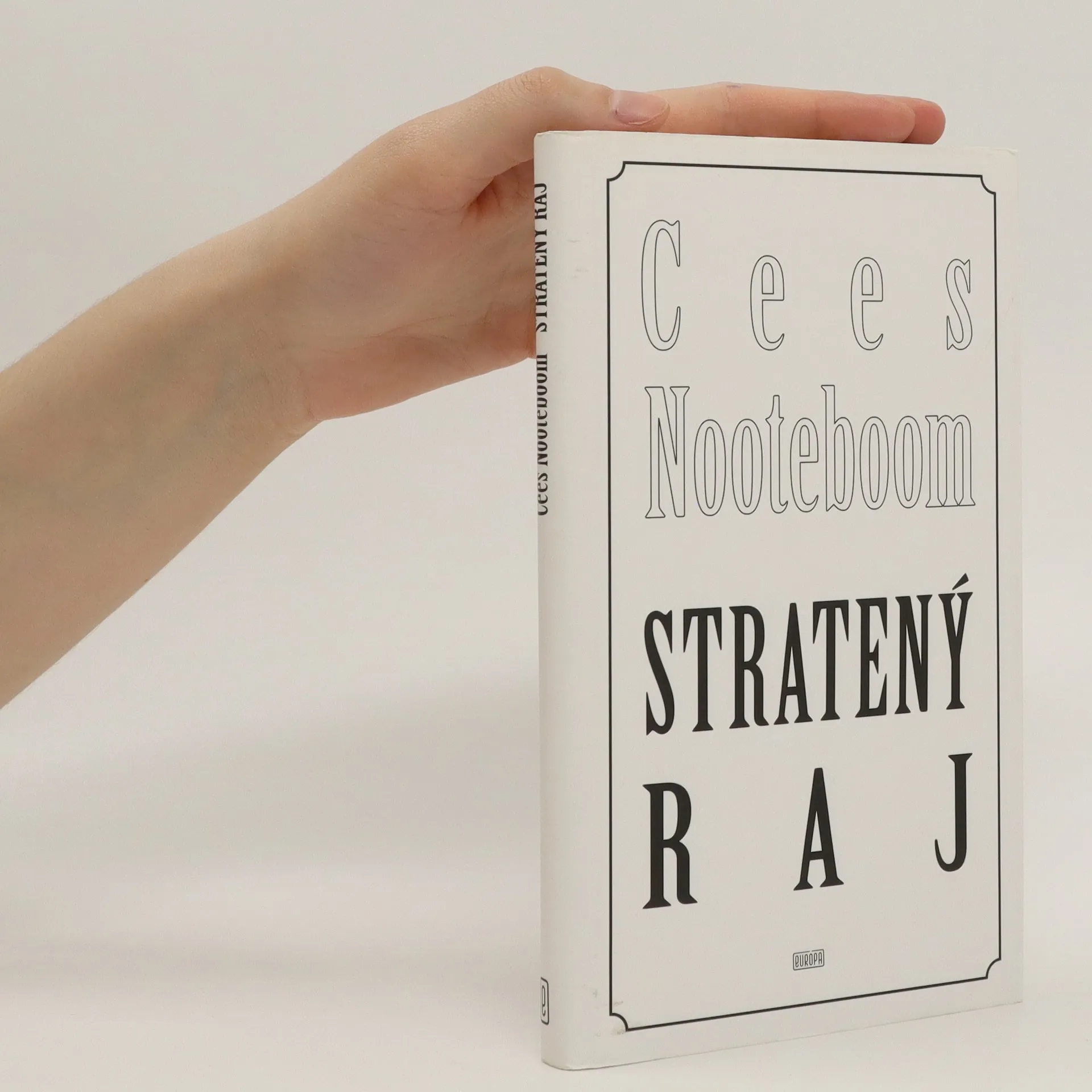
Nooteboomovo dielo je hlbokým skúmaním existencie, ktoré sa často zaoberá témami pamäte, času a identity. Jeho próza sa vyznačuje poetickým jazykom a filozofickou hĺbkou, ktorá pozýva čitateľa k zamysleniu nad zložitosťou ľudskej skúsenosti. Autor majstrovsky prepája realitu so snami a mytológiou, čím vytvára jedinečné literárne svety. Jeho písanie je pozvaním k preskúmaniu neustále sa meniacej podstaty skutočnosti a nášho miesta v nej.
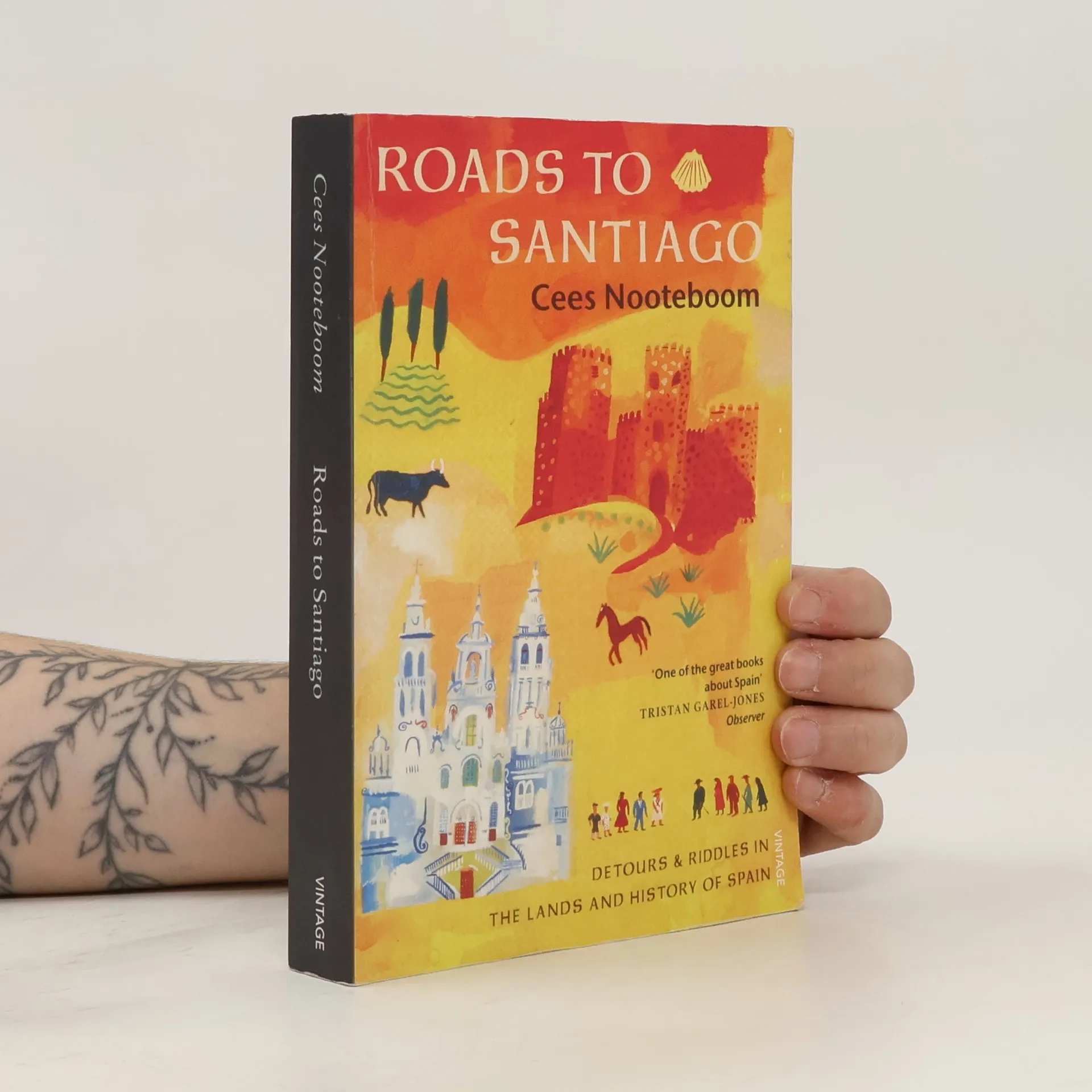
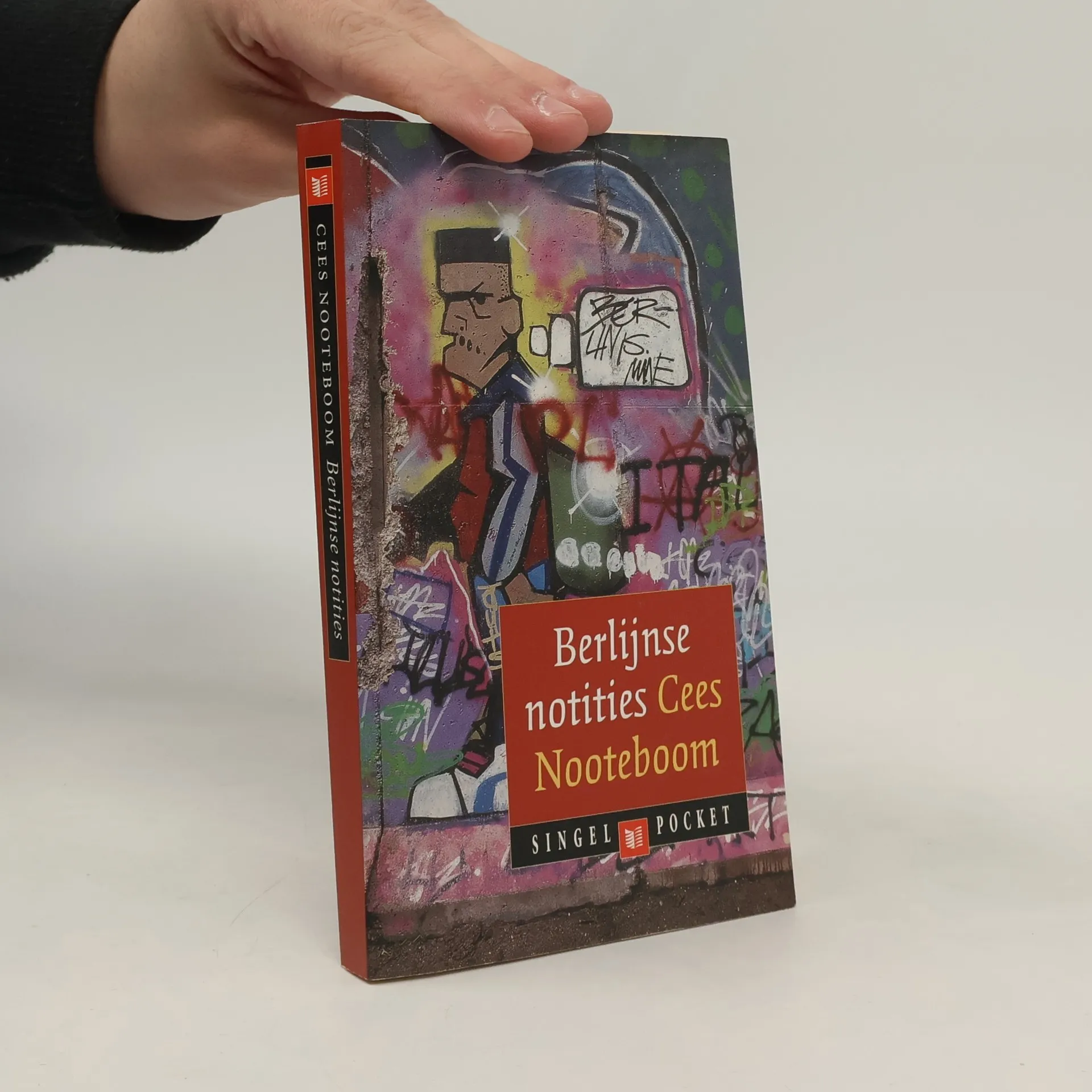
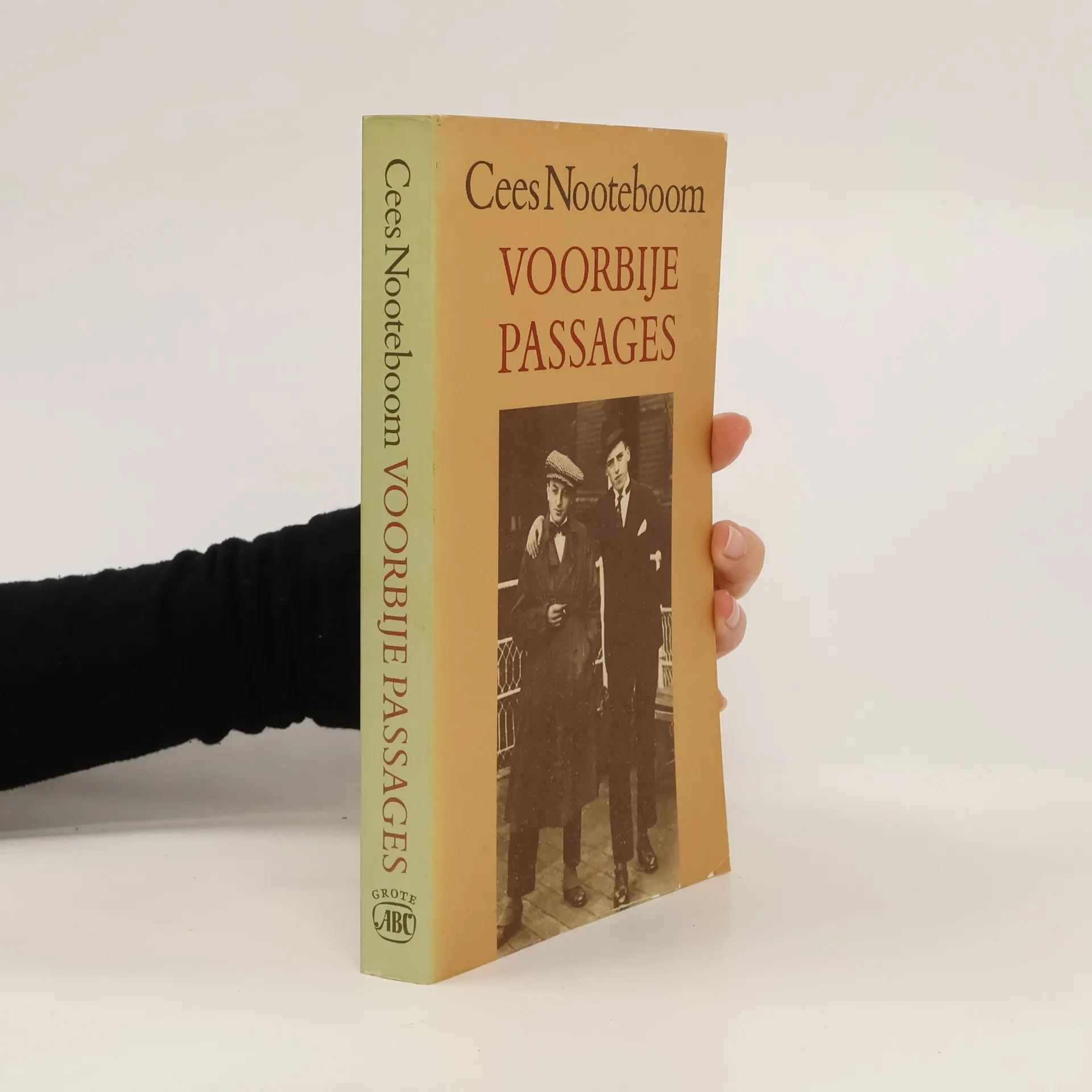
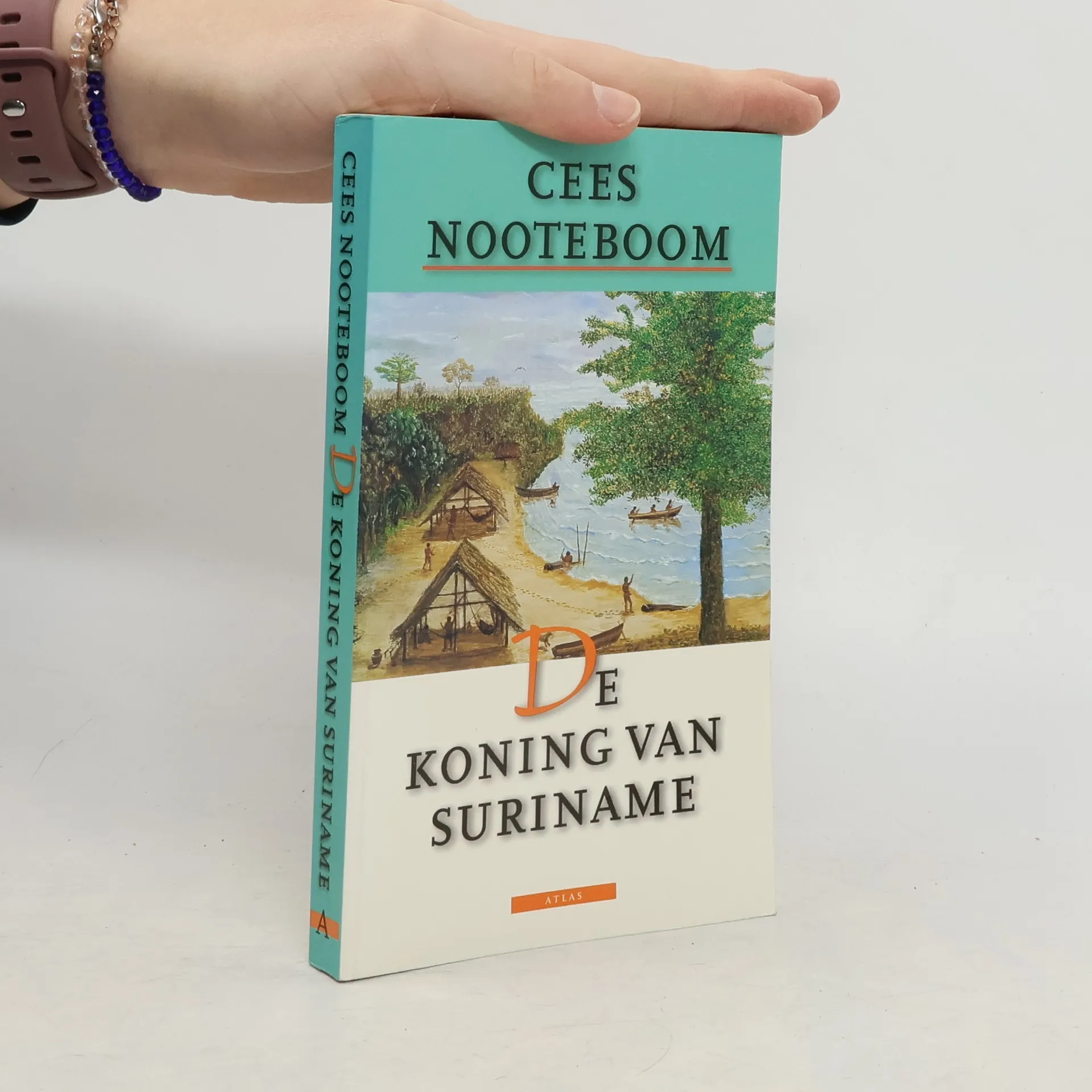
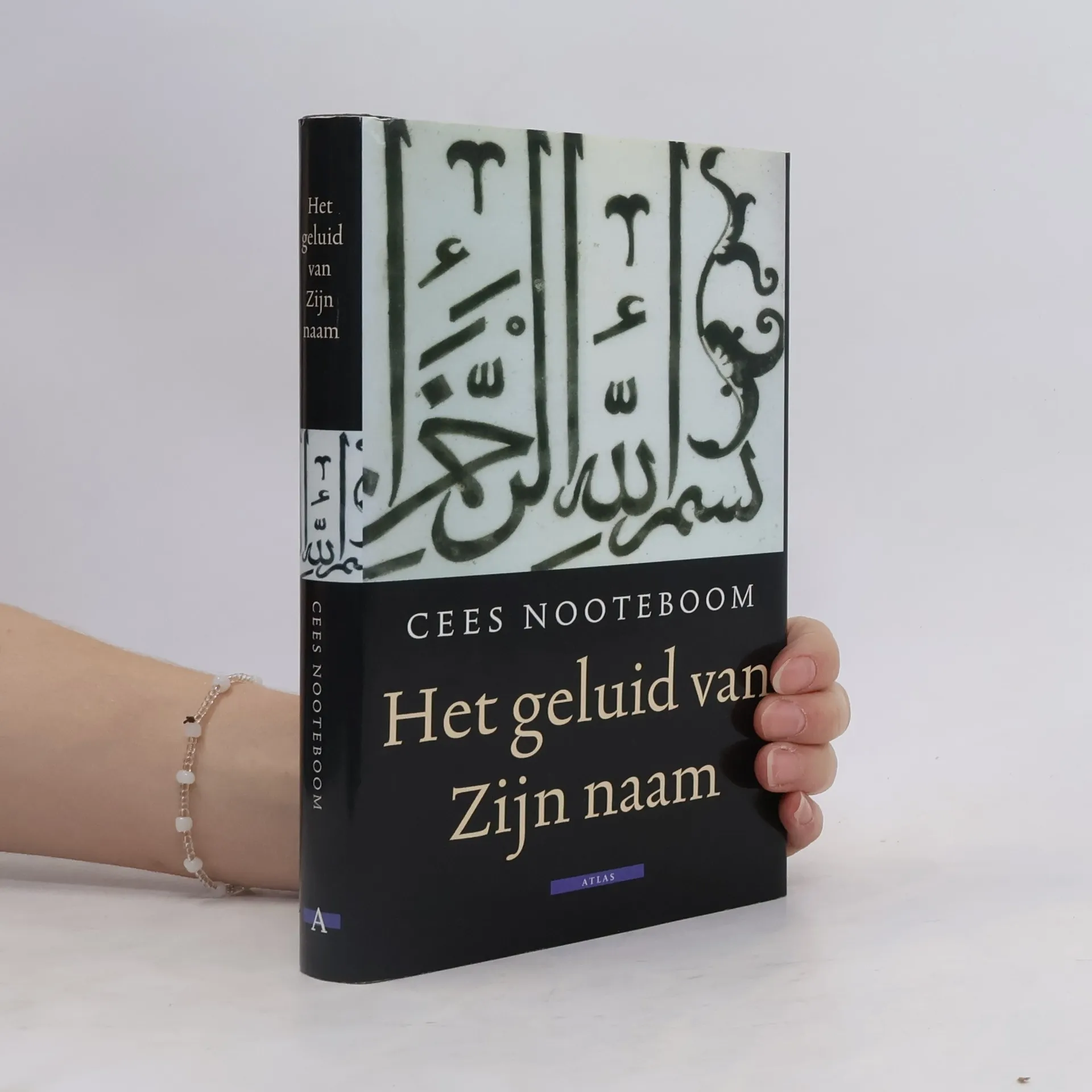
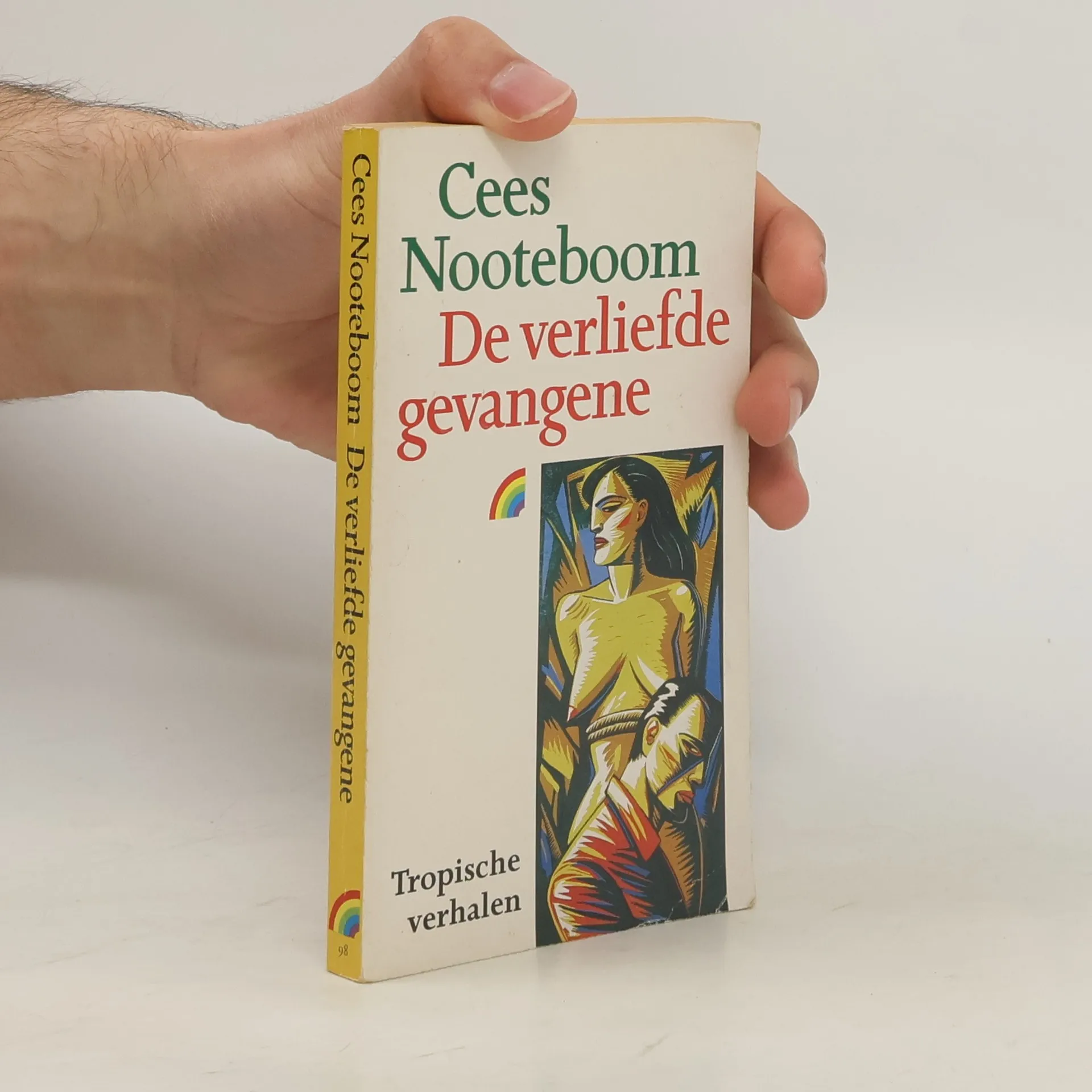
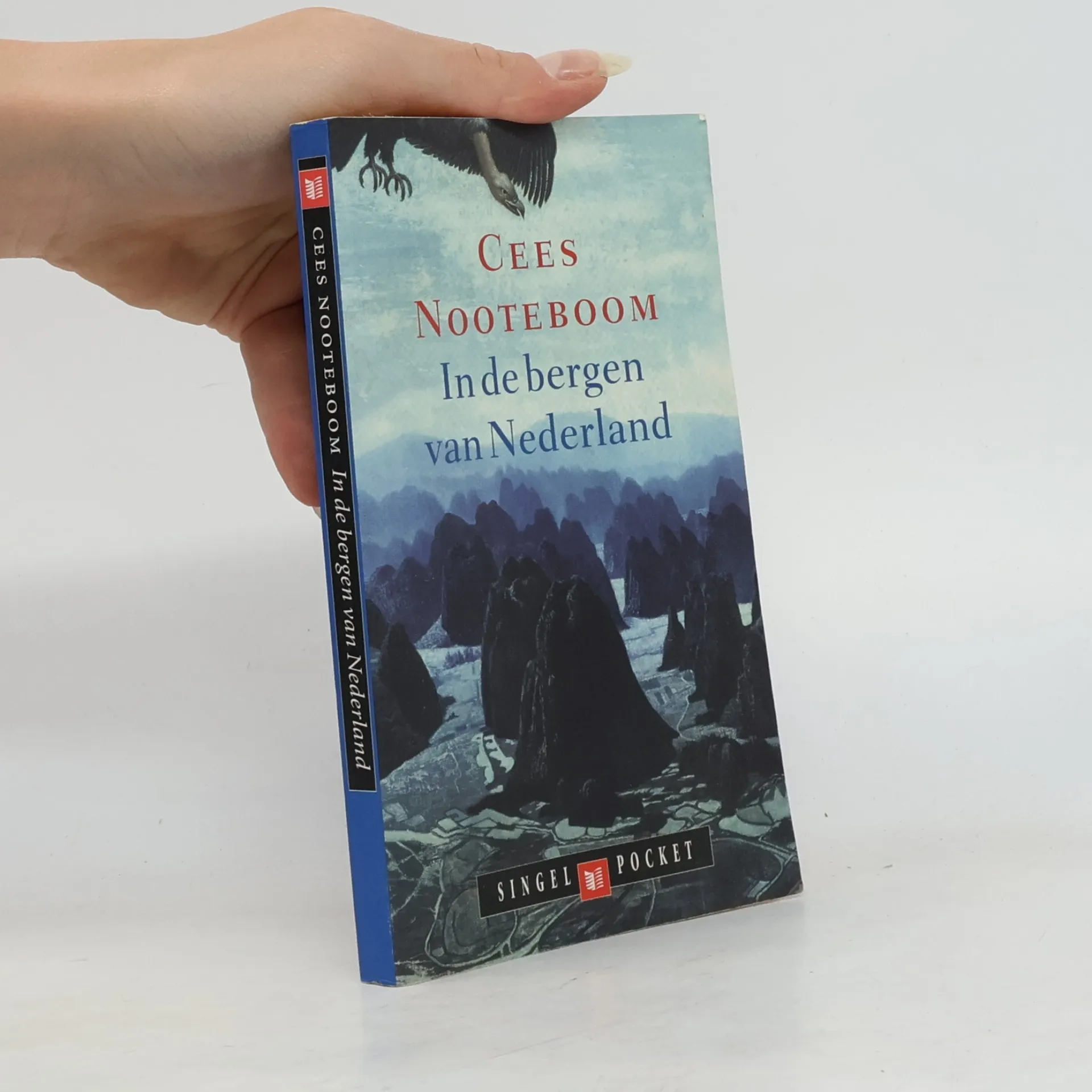
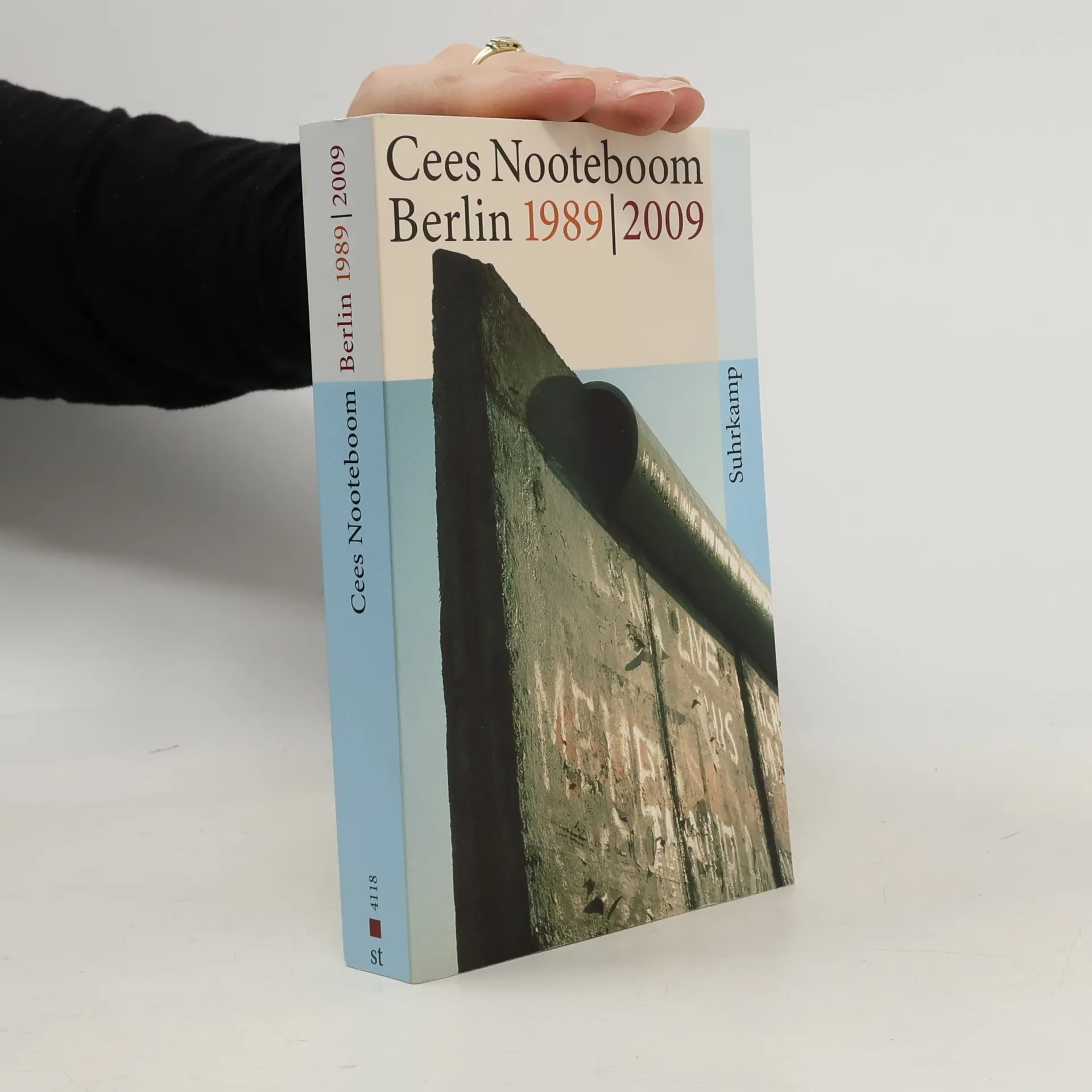
Súčasný nizozemský prozaik, básnik, dramatik a esejista Cees Nooteboom (1933) patrí k autorom, ktorí začiatkom deväťdesiatych rokov 20. storočia najvýraznejšie prispeli k otvoreniu nizozemskej literatúry medzinárodnému publiku. Doma i v zahraničí sa preslávil najmä románmi Nasledujúci príbeh, V holandských horách (oba boli preložené aj do slovenčiny), Dušičky a Rituály, rád sa venuje mytologickým témam a pestuje aj žáner intelektuálneho cestopisu (Berlínske zápisky, Bývalé pasáže, Okľuka do Santiaga a i.). Vo svojom diele často spája zážitky z exotických prostredí s existenciálnymi skúsenosťami Európana na konci 20. storočia.
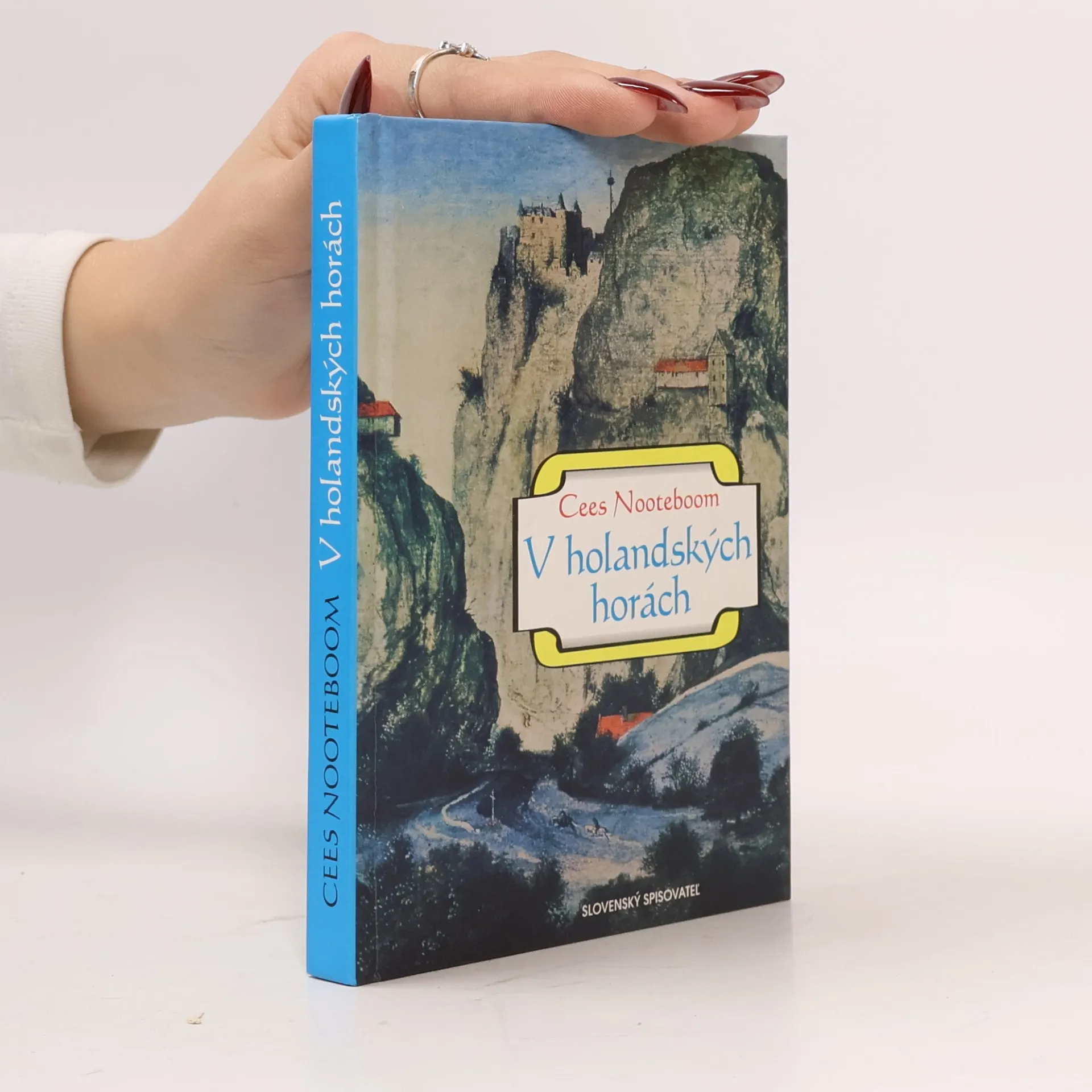
Novela V holandských horách je útla knižka, ktorá neodradí ani nenáročného čitateľa. Autor opisuje Holanďanov z pohľadu španielskeho cestného inšpektora v Zaragoze Alfonsa Tiburóna de Mendozu. Rozdeľuje Holandsko na severnú a južnú časť, a aj keď obyvateľov neidealizuje, jeho opis ich ani neuráža.....
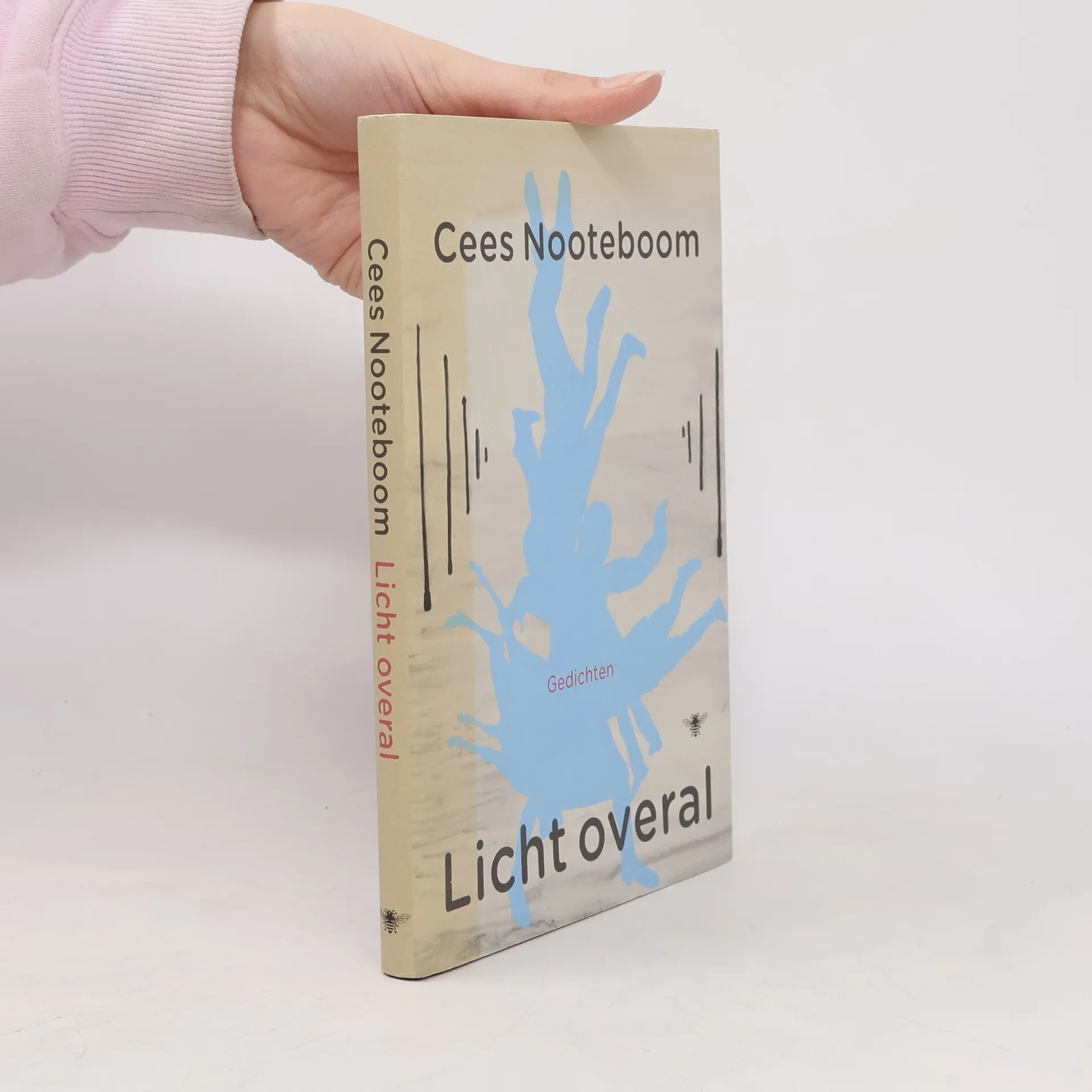
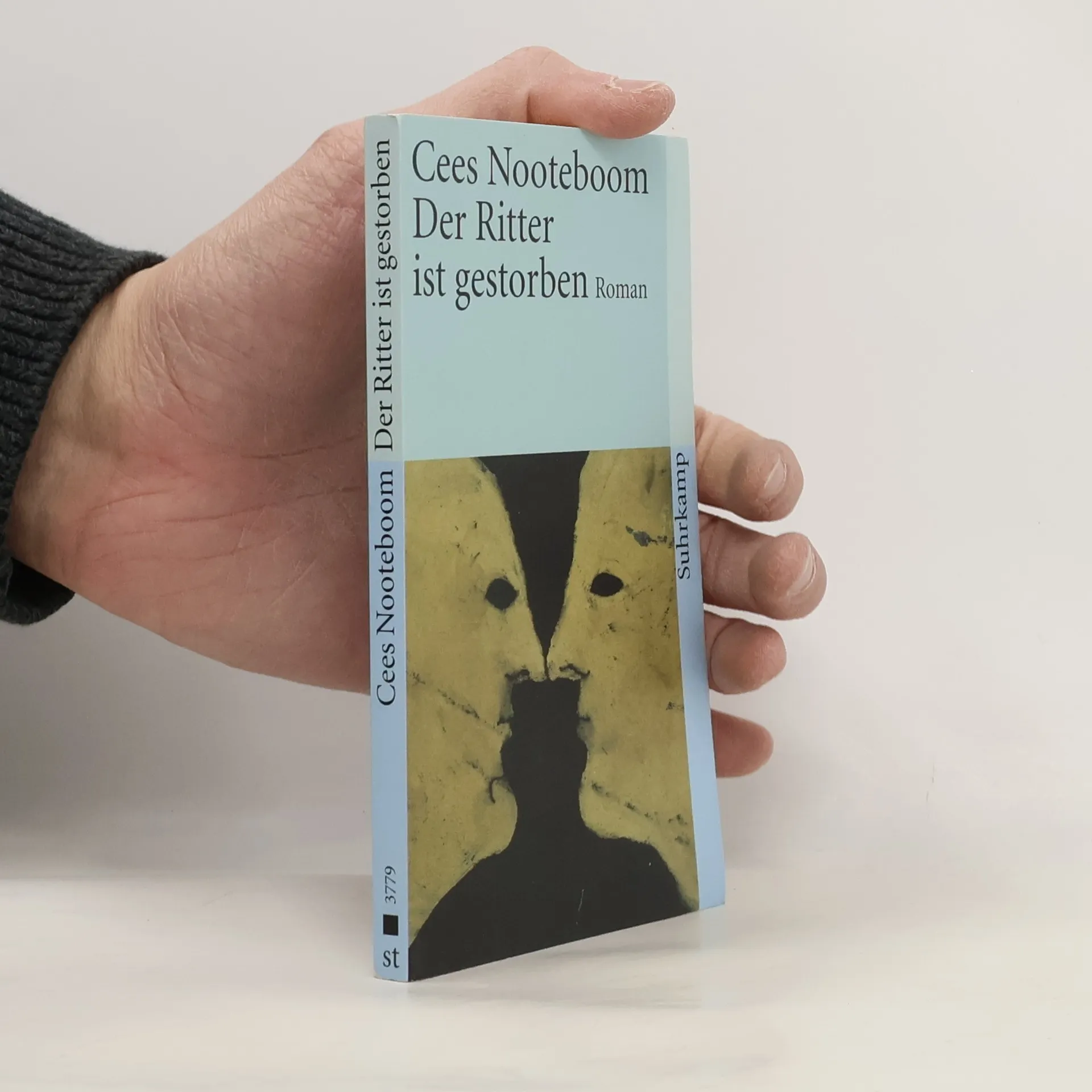
Príbeh bývalého stredoškolského latinčinára a starého mládenca Hermanna Musserta prezývaného Sokrates, ktorého jedinou vášňou je štúdium klasických jazykov a diel. Jedného dňa sa prebudí v Lisabone ako autor cestopisných príručiek a v príbehu se dozvedáme, čo tomu predchádzalo.
Amsterdam of the 50s, 60s and 70s is viewed from the perspective of Inni Wintrop, a man who leads a capricious life, floating comfortably on open possibilities.
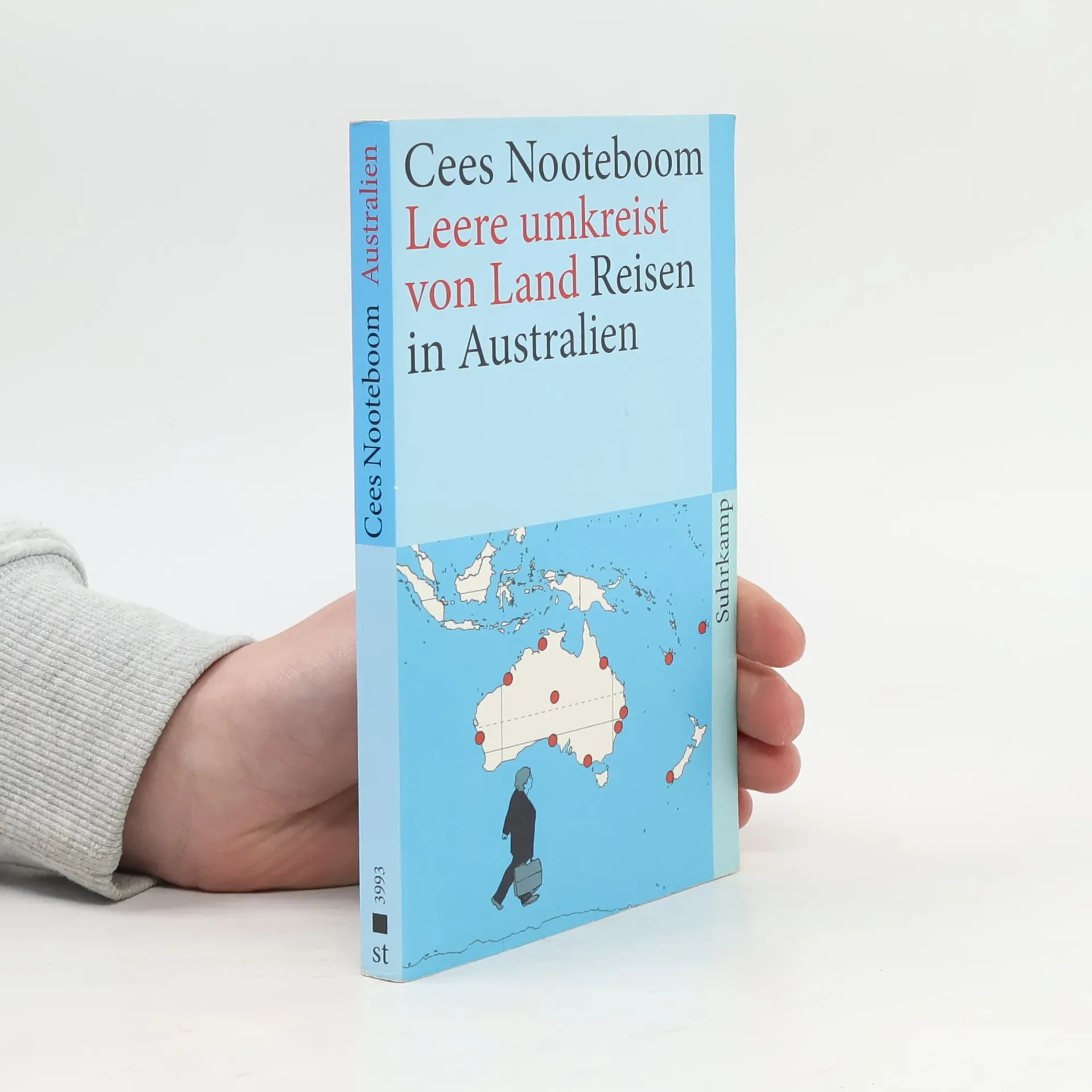
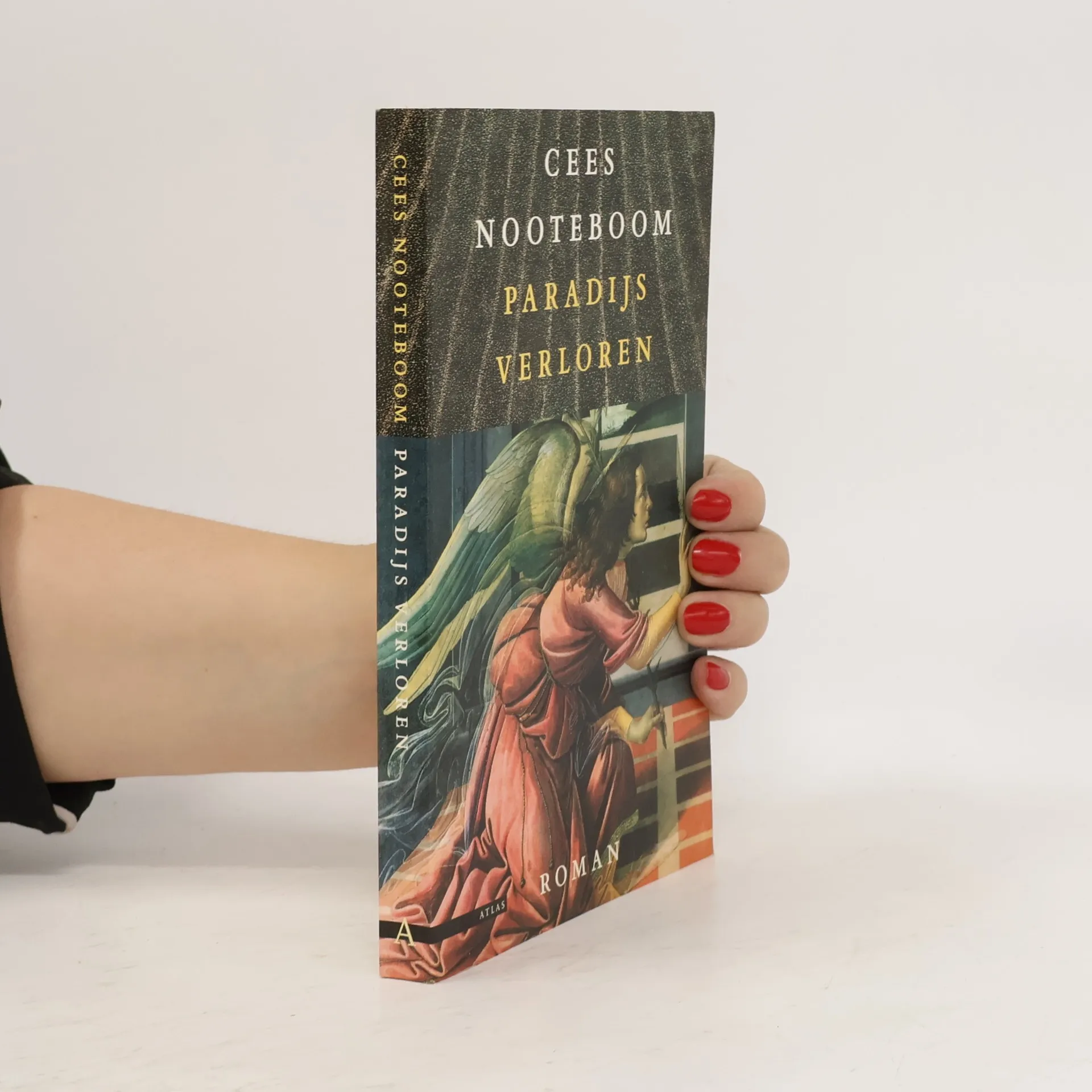
Wer hat bloß die Engel aus der Welt verbannt, obwohl ich sie noch immer um mich spüre?« Ein überraschender Gedanke für eine junge Frau, die am eigenen Leibe erfahren mußte, daß unsere Welt »mehr mit der Hölle zu tun hat als mit dem Paradies«. Alma ist eines Abends auf einer ziellosen Fahrt durch São Paulo in die Favela Paraisópolis geraten und vergewaltigt worden. Um den Schatten zu bannen, reist sie mit ihrer Freundin Almut in das Land ihrer gemeinsamen Kindheitsträume, Australien, und begegnet in der Leere der Wüste einer Stille, die sie versöhnt. Doch die Traumzeit ist längst vergangen, die mythische Welt der Aborigines versunken: »Mein Australien war eine Fiktion.« Alma nimmt Abschied von den Reservaten des Garten Eden und macht die Welt zu ihrer Wüste – nicht ohne darin ihre Spuren zu hinterlassen. Ob von Füßen oder Flügeln: dem alternden Literaturkritiker, dessen Weg sie kreuzt, ist sie eine Offenbarung des Himmels. In seinem neuen Roman erbringt Cees Nooteboom den poetischen Beweis dafür, daß Phantasie Flügel verleiht und daß die Verstoßung aus dem Paradies das Beste war, das Gott für die Literatur hatte tun können. Denn Geschichten sind wie Engel, sie verkehren zwischen dem Irdischen und dem Imaginären, mit einer entscheidenden Einschränkung: die Passage verläuft nicht ohne Störungen, das ist ihr Ursprung. Der Irrfahrt Almas erwächst eine der schönsten Geschichten seit Miltons Dichtung über Adam und Eva.
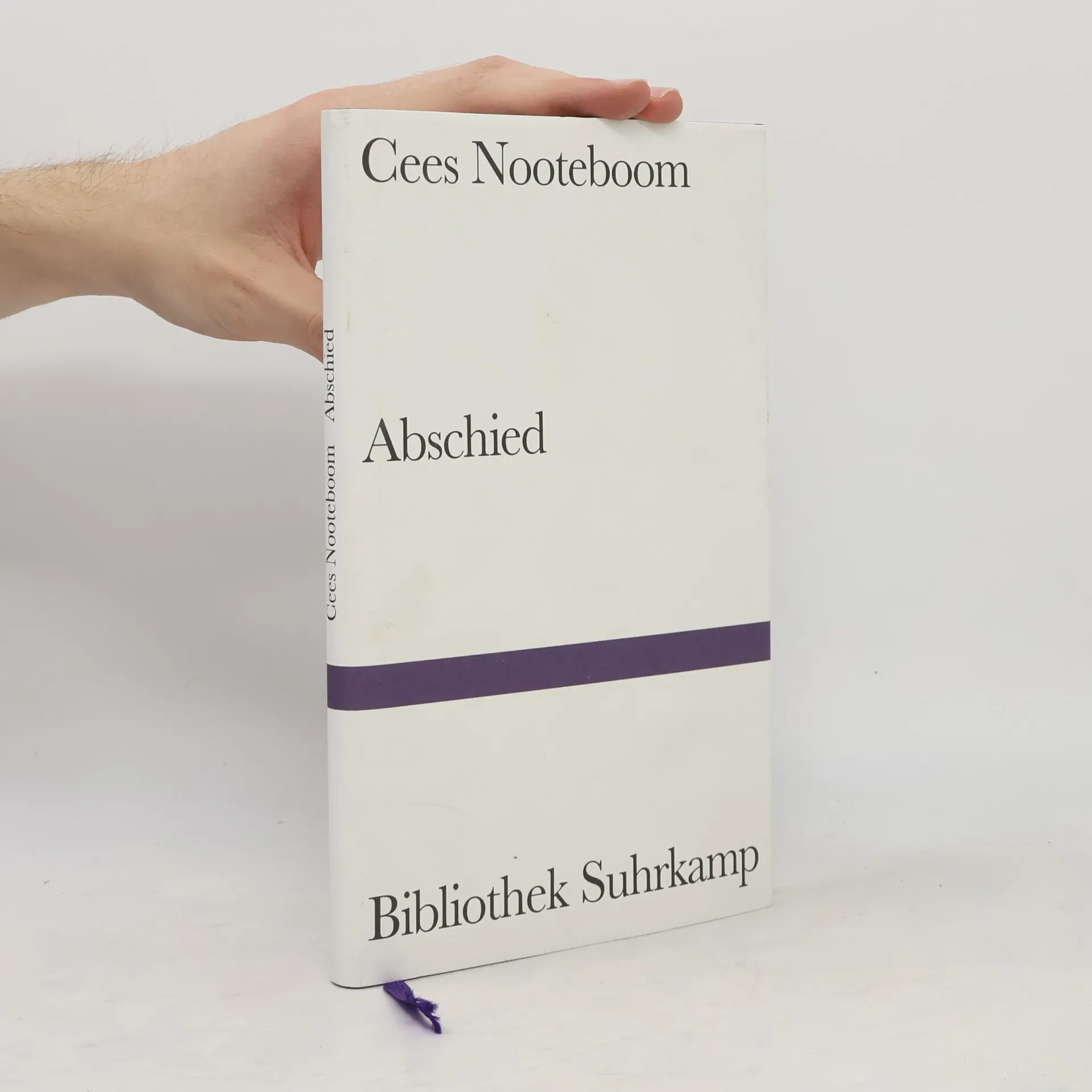
An exceptionally current volume of poems from one of Europe's greatest poets that dwell on the most pressing reality of our times: the coronavirus pandemic. One of the leading living European writers, Cees Nooteboom never shies away from contemporary issues. His latest collection of poems, Leaving, begins in a garden with descriptions of Mediterranean plants, but what emerges are memories of the war--images of a distant past that have never disappeared. The poems take another turn when, unexpectedly, a mysterious virus takes control of the world and turns life upside down. A collection that can be read as a single poem, in which desolation and beauty, past and future, nostalgia and mortality all merge to represent the most mature work of a great poet. German artist Max Neumann's haunting images that accompany the poems work as complex visual metaphors that further underline the beauty and the gravity of the poems. Together, they make for a delicate and thoughtful read.
Originally published in 2019, this work delves into the intricate relationship between Venice, its iconic lion symbol, and the surrounding waters. It explores the city's rich history, cultural significance, and the unique interplay between its architecture and the aquatic environment. The narrative offers insights into Venice's evolution, capturing the essence of a city that has captivated artists, historians, and travelers for centuries.
Exploring the life of the mind, Cees Nooteboom delves into the interconnectedness of literature, music, art, travel, and gardening. His reflections offer a rich tapestry of insights that celebrate creativity and the human experience, inviting readers to consider the profound impact of these elements on personal growth and understanding. Through his unique perspective, Nooteboom emphasizes the importance of cultural and artistic engagement in shaping one's worldview.
The great Dutch author and traveller Cees Nooteboom (author of Roads to
Santiago and The Following Story) sheds new light on the city, its history and
its treasures
533 days in the life of a great writer, reflecting on his immediate
surroundings on the island of Menorca, on literature, global affairs and his
place in the universe.