Robert Irwin Knihy
Robert Irwin je autor, ktorého diela sa ponárajú do bohatej tapisérie Blízkeho východu, pričom čerpá zo svojich rozsiahlych akademických skúseností v oblasti histórie a arabskej literatúry. Jeho fikcia často prenáša čitateľov do exotických miest, skúmajúc témy kultúrnych stretov a zložitosti identity. S výrazným štýlom písania Irwin vytvára naratívy, ktoré sú intelektuálne podnetné a nápadito pútavé, pričom ponúka jedinečný pohľad na historické a súčasné otázky.


Satan Wants Me
- 320 stránok
- 12 hodin čítania
It is the summer of 1967. There is acid on t he streets and darker things are on the move. Peter is an ap prentice sorcerer with an occult sect. His diary follows his quest for a virgin to seduce and sacrifice. '
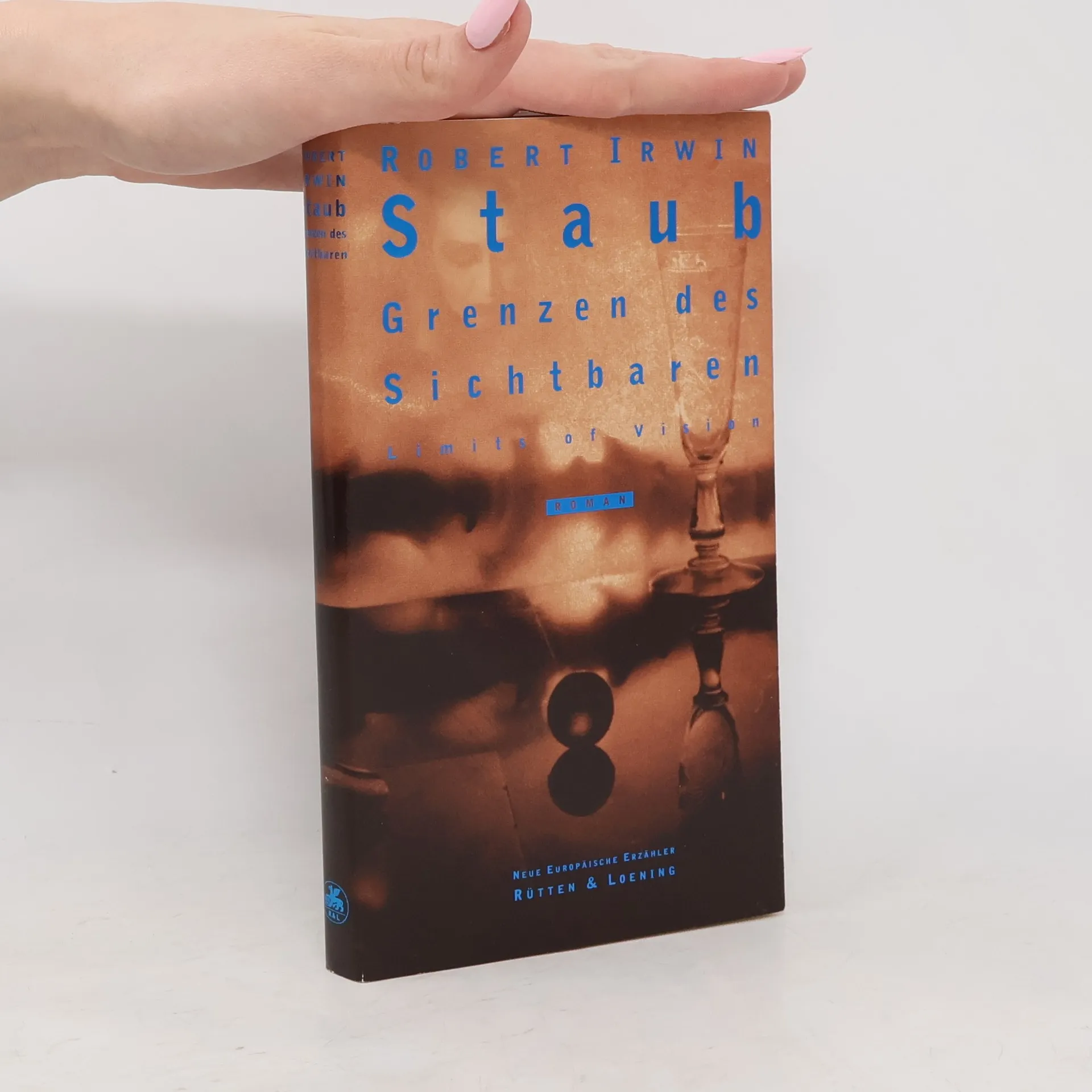
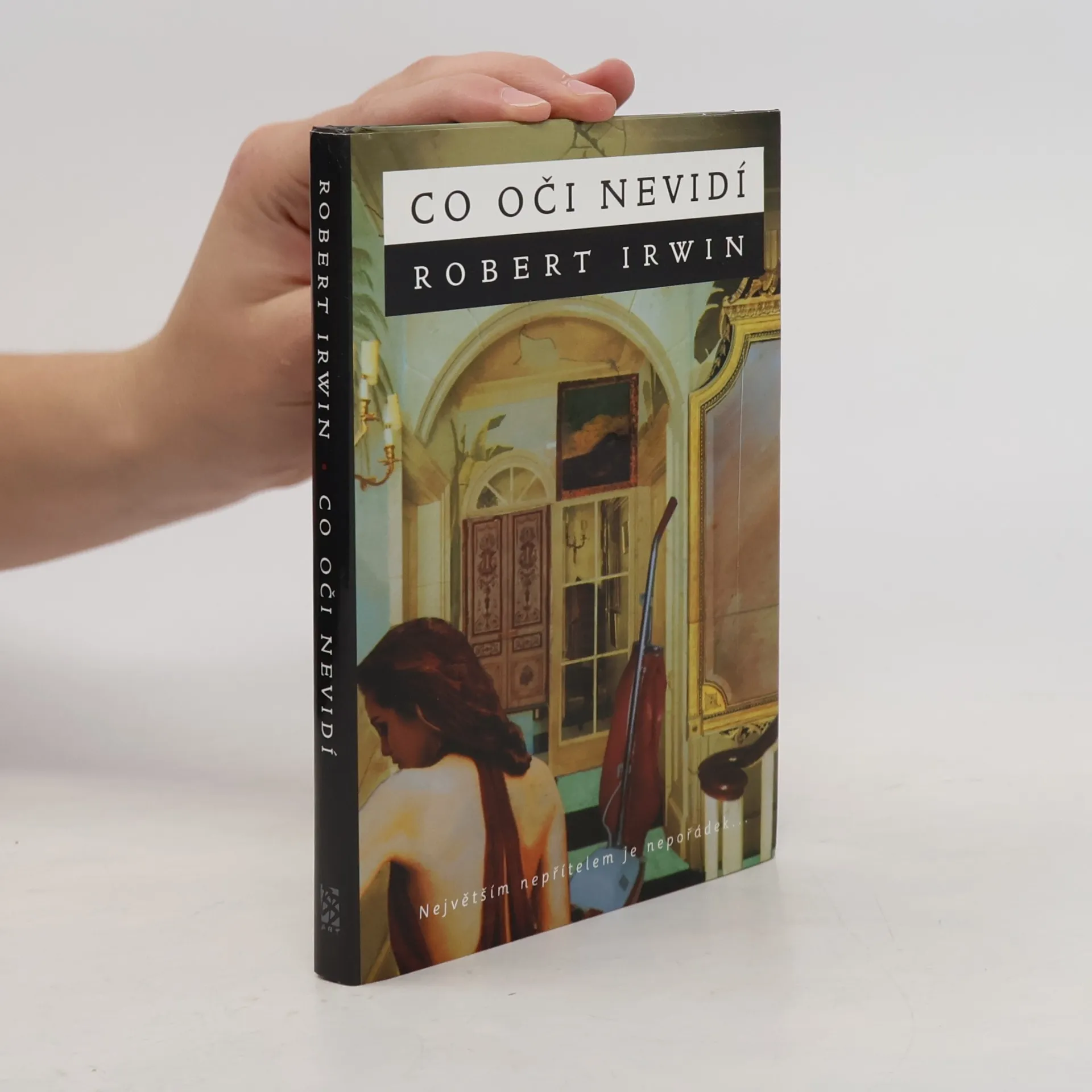
Co oči nevidí
- 184 stránok
- 7 hodin čítania
Hrdinou této filosofické grotesky je žena v domácnosti Marcia, jejímž největším nepřítelem je nepořádek. Irwin opět prokázuje jak živou a originální má představivost – jednak volbou neobvyklého námětu, jednak bizarním zpracováním. Marcia je žena v domácnosti a jejím největším nepřítelem je nepořádek. Denně bojuje s prachem, špínou, rzí, prostě vším tím, co vniká do našich životů a působí rušivě. Zosobněním špíny a hnusu je duch jménem Mucor, který ji při jejím ranním úklidu navštíví – proti němu bojuje Marcia s pomocí takových velikánů západního myšlení a umění, jako jsou Darwin, Teilhard de Chardin, Leonardo da Vinci, Blake, Dostojevskij a dokonce i Ježíš Kristus. Jak je tomu u Irwina vždy, i v tomto románu hraje klíčovou roli neotřelý humor vycházející z juxtapozice vysokého, vzletného myšlení a drobných „prkotin“ každodenního života.
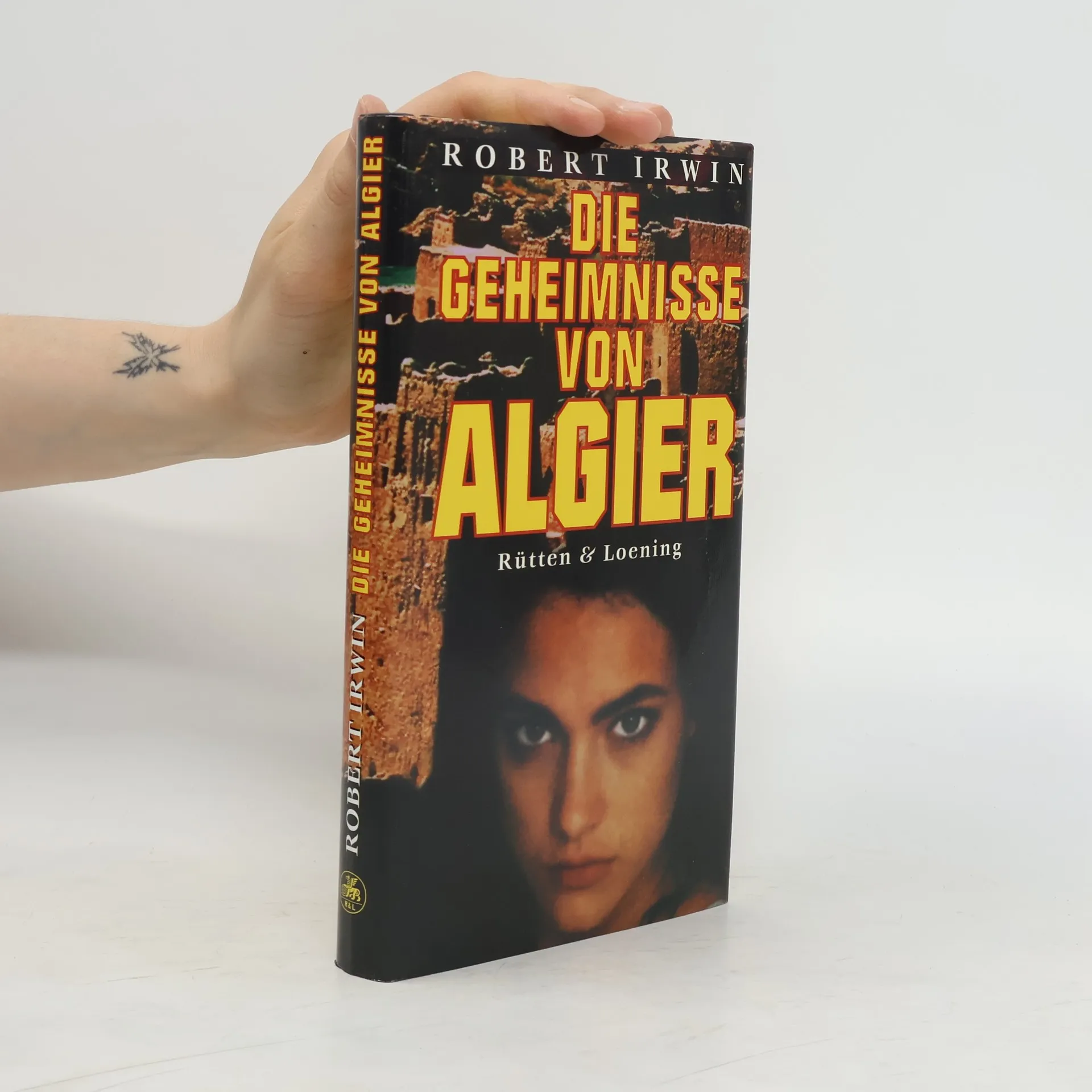
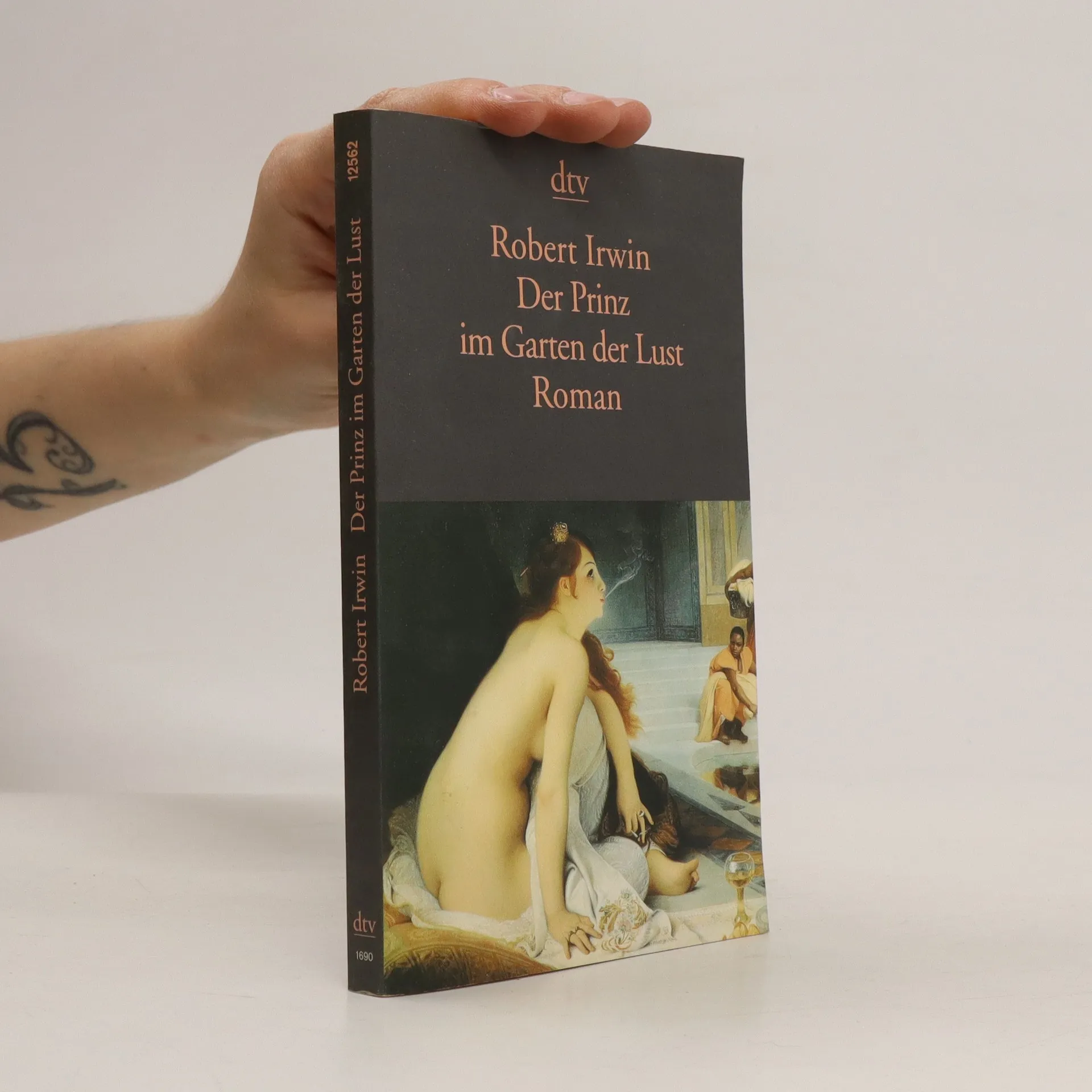
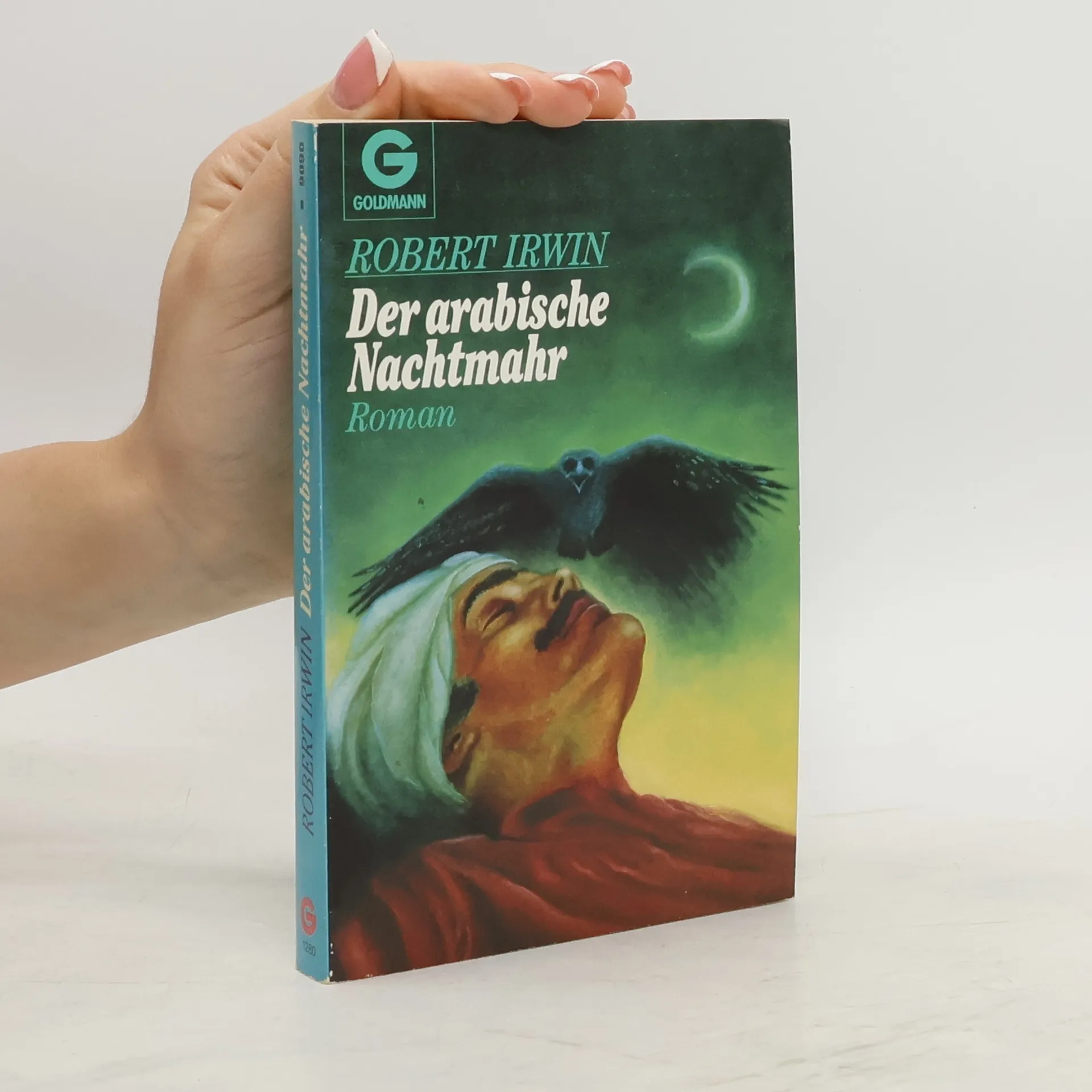
Jahrelang hat der junge Prinz Orkhan im »Käfig« des kaiserlichen Harems gelebt, jederzeit eines plötzlichen Todes gewärtig. Dann öffnen sich eines Tages die Tore, und Dutzende von Eunuchen und Konkubinen begrüßen ihn voller Demut als den neuen Sultan des Ottomanischen Reiches. Aber bald zeigt sich, daß die intrigante Welt des Harems böse Blumen hervorgebracht hat, und während Orkhan noch ganz im Wahn lebt, tatsächlich der Gebieter über Dutzende schöner Leiber zu sein, gerät er immer tiefer ins Gefängnis der eigenen Lust »Eine elegante, ironische und erotische Erzählung im orientalischen Stil ... Der Autor trägt seine Kenntnisse der arabischen Welt mit leichter Hand und vermeidet jeden übertriebenen Ernst zugunsten einer ebenso komischen wie perversen Empfindsamkeit, wobei er einen äußerst übermütigen Erzählstil mit üppigen pornographischen Schwindeleien verbindet.« (Times Literary Supplement) Robert Irwin hat Arabistik studiert und gelehrt und bisher vier Romane und zwei Sachbücher geschrieben.
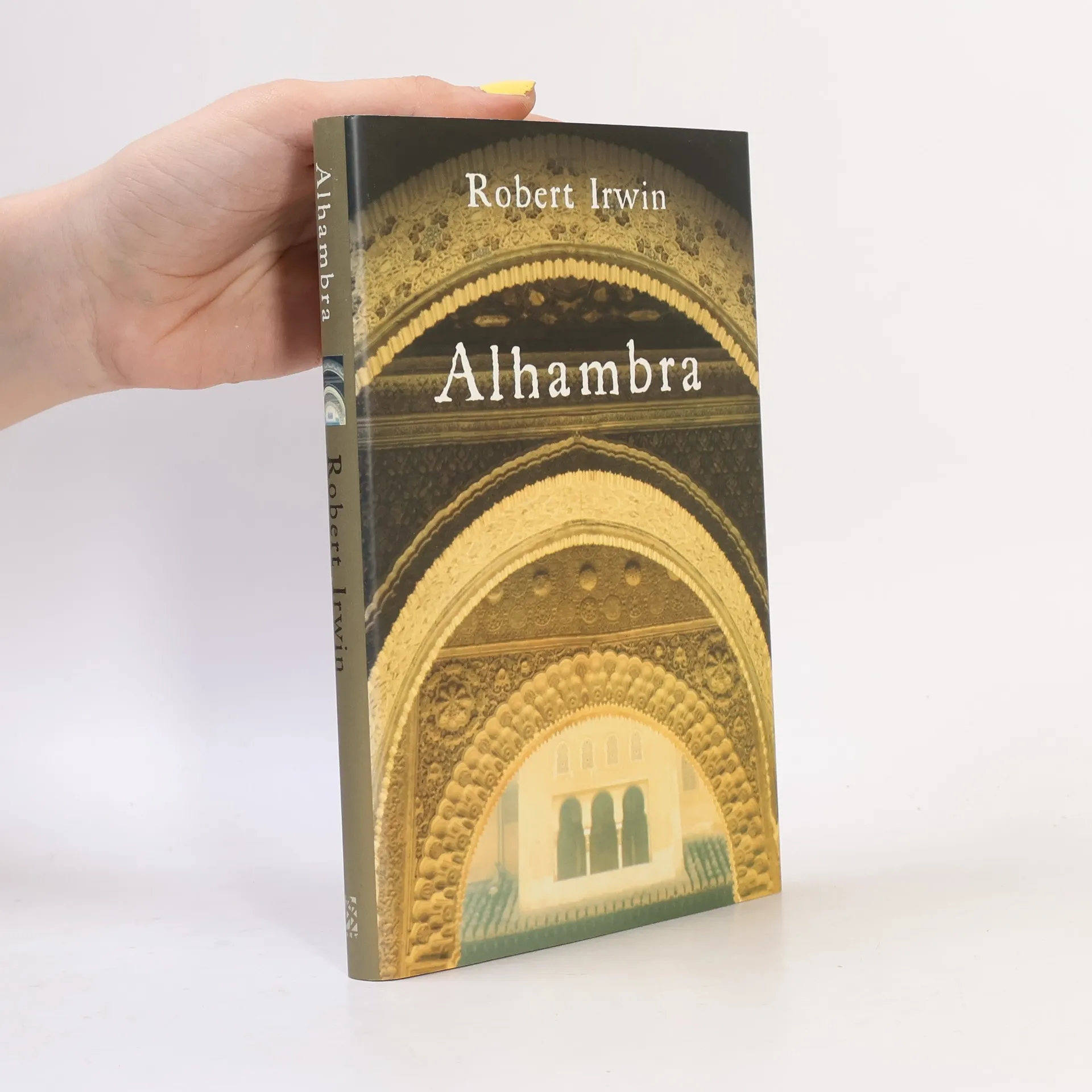
Maurská Alhambra, pomník civilizace, jež v 15. století ustoupila křesťanské reconquistě, fascinuje Evropu již celá staletí. I proto se kolem ní vytvořila neproniknutelná pavučina mýtů a legend, za níž se jen mlhavě rýsují reálné kontury paláců. Arabista a prozaik Robert Irwin se rozhodl nabídnout případným návštěvníkům Alhambry jiný příběh: pozorně odděluje mýty a fakta, ukazuje, jak interpretace islámského umění byly často politicky nebo ideologicky motivovány a zároveň kreslí přesvědčivý portrét středověkého života, který měl daleko k mytologizující idylce. Tato kniha nemá badatelské ambice: jakožto velice inteligentně a poučeně napsaný průvodce po Alhambře však potěší jak laiky, tak odborníky.
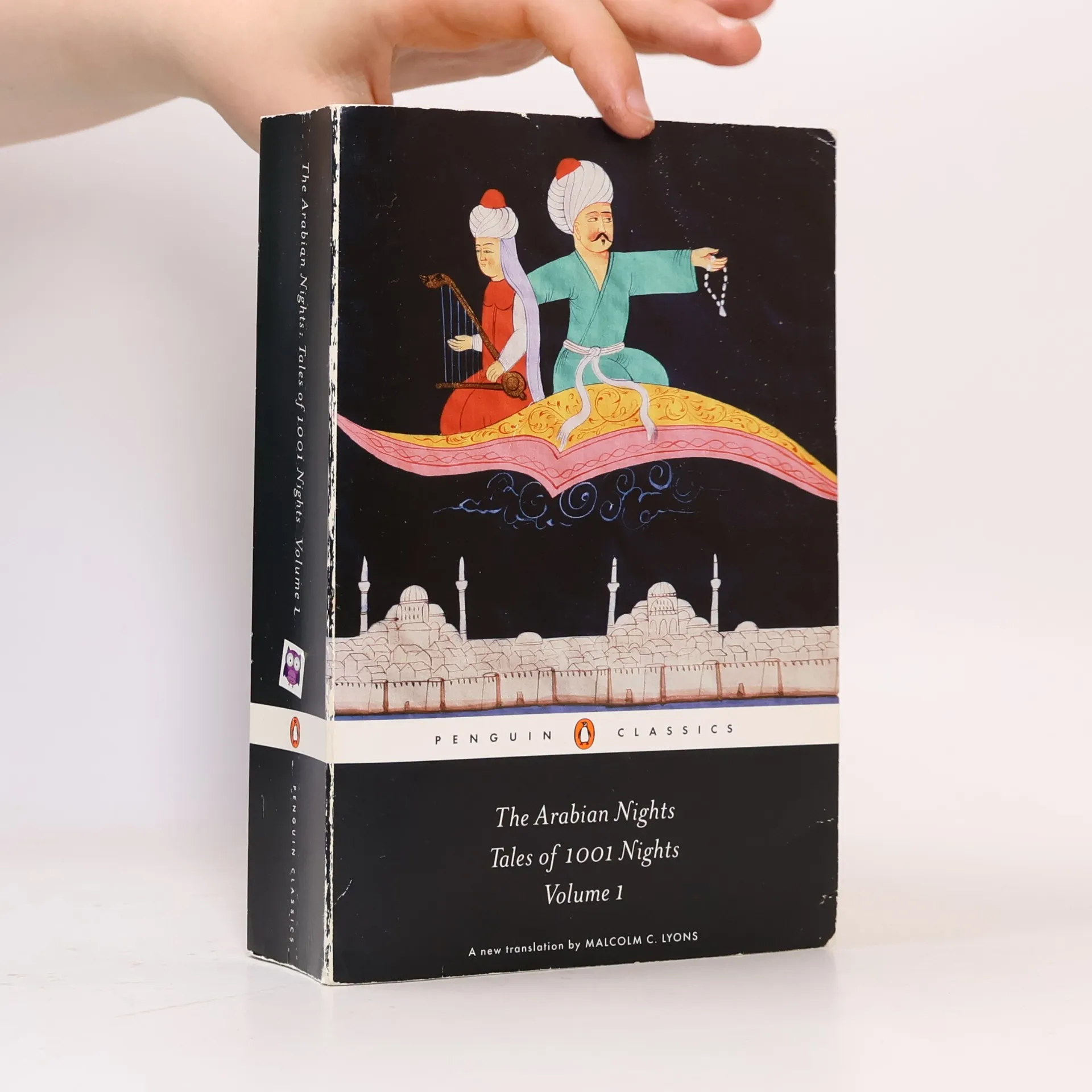
The Arabian Nights: Tales of 1001 Nights
- 992 stránok
- 35 hodin čítania
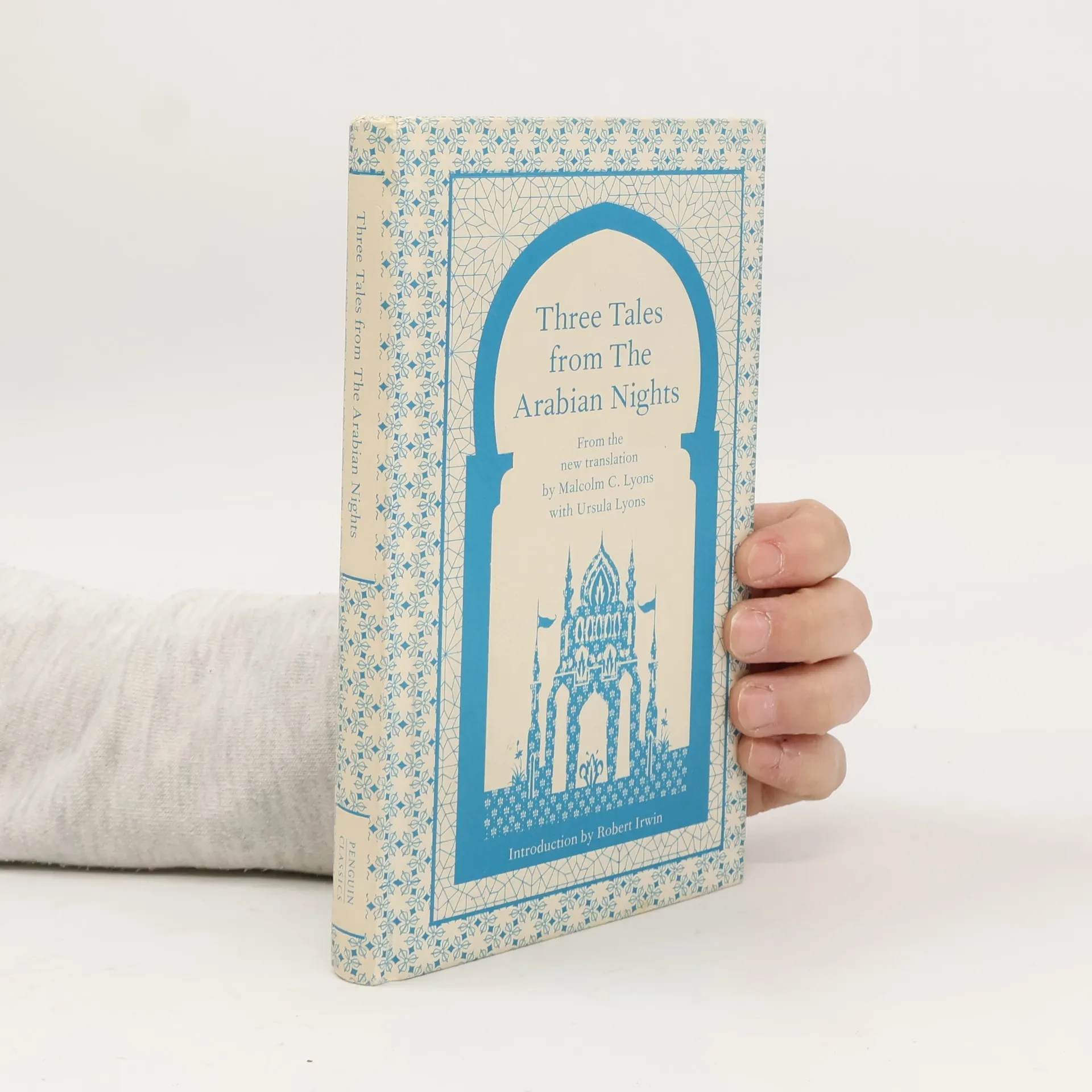
'The bride then came surrounded by her slave girls like the moon among stars or a matchless pearl set among others on a string.'When the beautiful Shahrazad gives herself to the bloody-handed King Shahriyar, she is not expected to survive beyond dawn. But using her wit and guile, she begins a sequence of stories that will last 1001 nights: stories of 'ifrits and money-changers, prices and slave girls, fishermen and queens, and magical gardens of paradise. This volume also includes the well-known tale of 'Ali Baba and the Forty Thieves'.Along with this landmark new translation, Robert Irwin's introduction discusses the many cultures The Arabian Nights has drawn on and the elaborate structure of the story-within-a-story that defines the collection, as well as the importance to the Nights of locked doors, sex, and the recurring themes of money, merchants and debts. This edition also contains suggestions for further reading, a glossary, maps and a chronology.
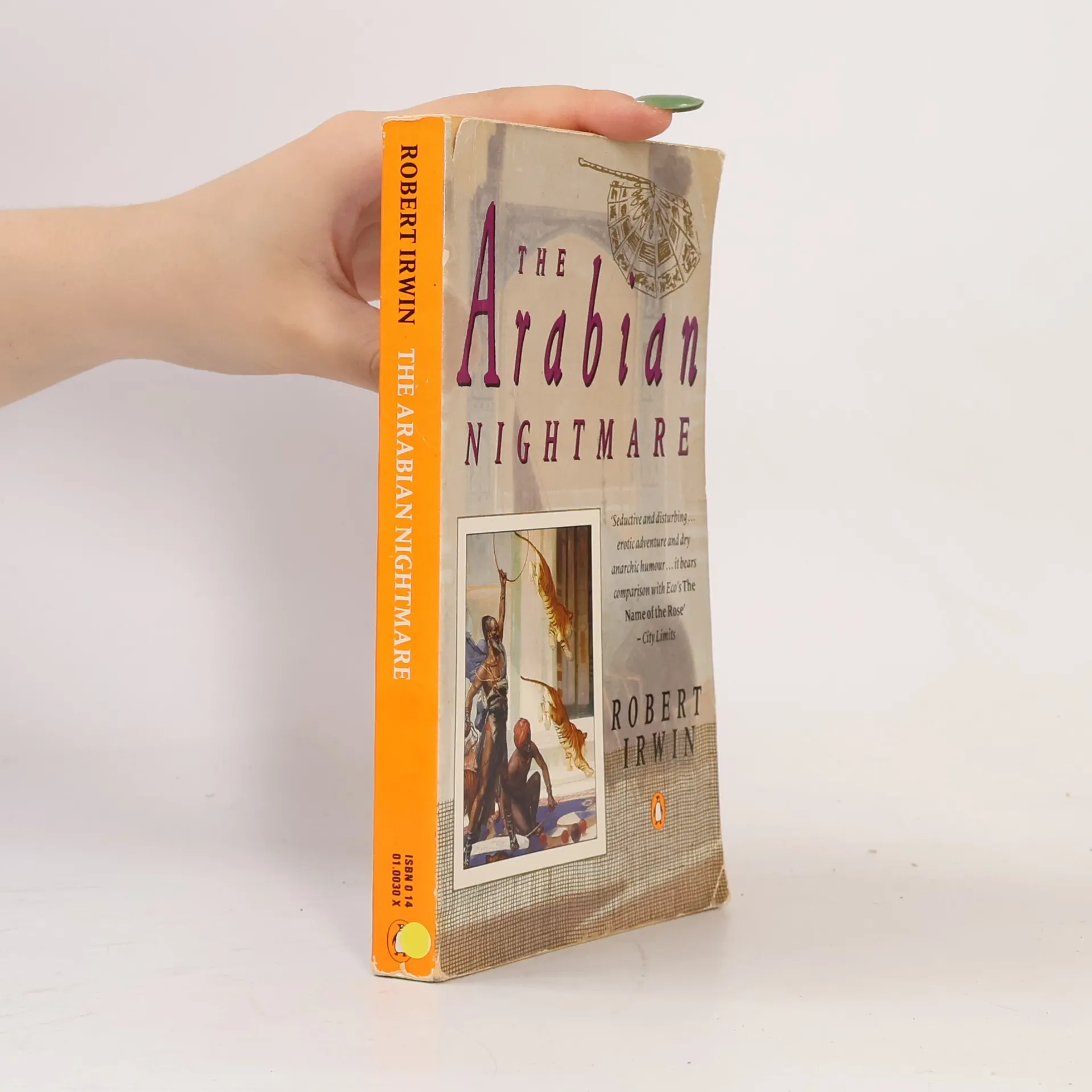
The hero and guiding force of this epic fantasy is an insomniac young man who, unable to sleep, guides the reader through the narrow streets of Cairo-a mysterious city full of deceit and trickery. He narrates a complex tangle of dreams and imaginings that describe an atmosphere constantly shifting between sumptuously learned orientalism, erotic adventure, and dry humor. The result is a thought-provoking puzzle box of sex, philosophy, and theology. Reminiscent of Italo Calvino, and Umberto Eco, this cult classic is finally back in print!
Camel
- 232 stránok
- 9 hodin čítania
A distinct symbol of the desert and the Middle East, the camel was once unkindly described as half snake, half folding bedstead. But in the eyes of many the camel is a creature of great beauty. This book explores why the camel has fascinated so many cultures, including those in places where camels are not indigenous.
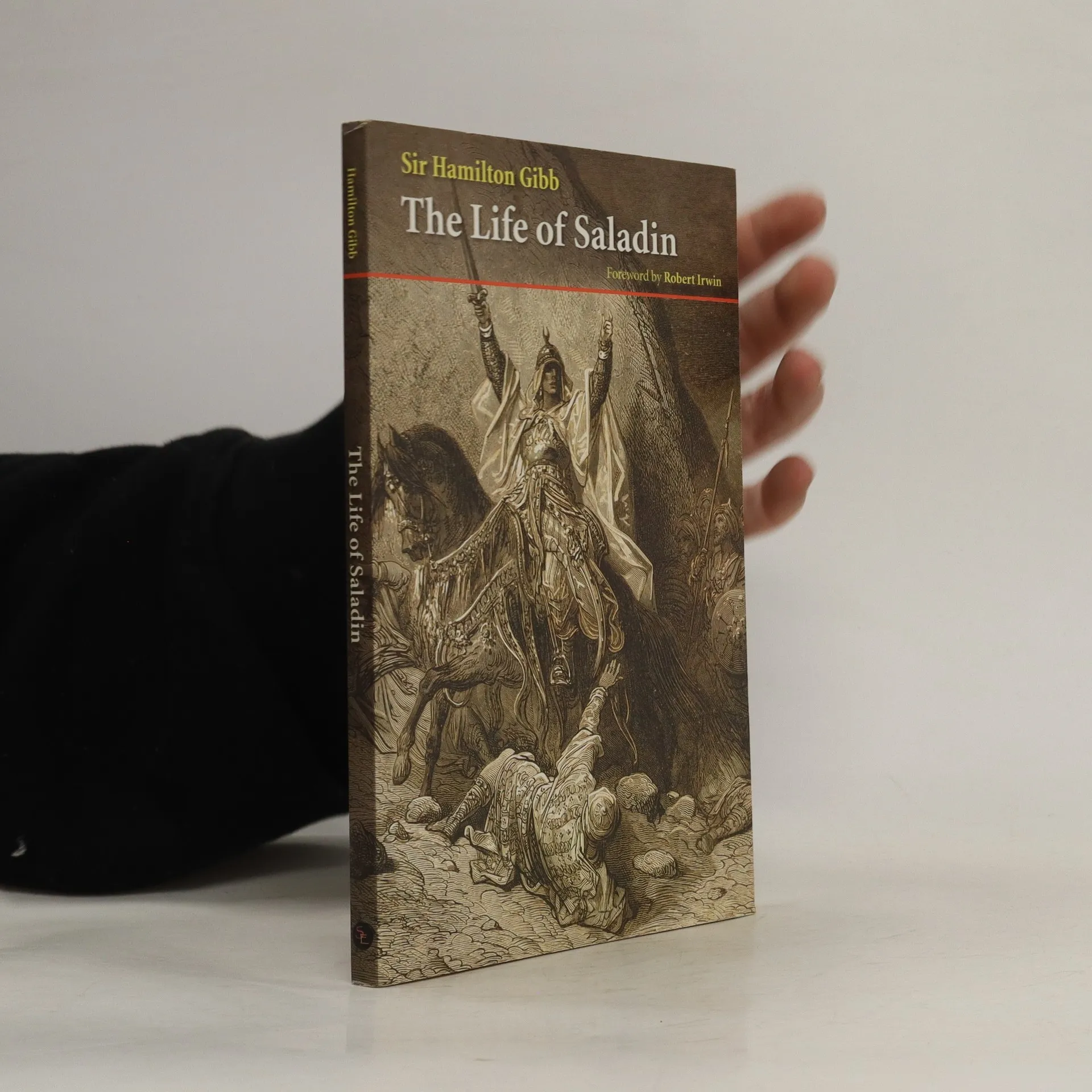
The Life of Saladin
- 96 stránok
- 4 hodiny čítania
Saladin, the Kurdish founder of the Ayyubid Dynasty, ruled Egypt and Syria, made enemies of the fabled Assyrians and conquered Jerusalem in 1187, repelling the Crusaders (and prompting their resurgence in the Third Crusade). His chivalry and impeccably honourable conduct became enshrined in European as well as Muslim lore, influencing a long line of poets and historians.Sir Hamilton Gibb’s seminal account of Saladin’s life calls upon the works of two men in particular – Baha’ ad-Din ibn Shaddad (d.1234), a military judge who served under Saladin and ‘Imad ad-Din al-Isfahani (d.1201), Saladin’s private secretary.Carefully researched and thoroughly annotated, Gibb’s classic remains an essential source for historians of the ruler, the region and the period, as well as an excellent introduction for readers whose image of Saladin remains rooted in legend.Sir Hamilton A.R. Gibb (1895–1971) was one of the most learned and passionate scholars of his era. He was Laudian Professor of Arabic at the University of Oxford (1937–55) and J.R. Jewett Professor of Arabic at Harvard University (1955–64). From 1957–66 he was Director of Harvard’s Center for Middle Eastern Studies. His other publications include Arabic Literature, The Legacy of Islam and Modern Trends in Islam.