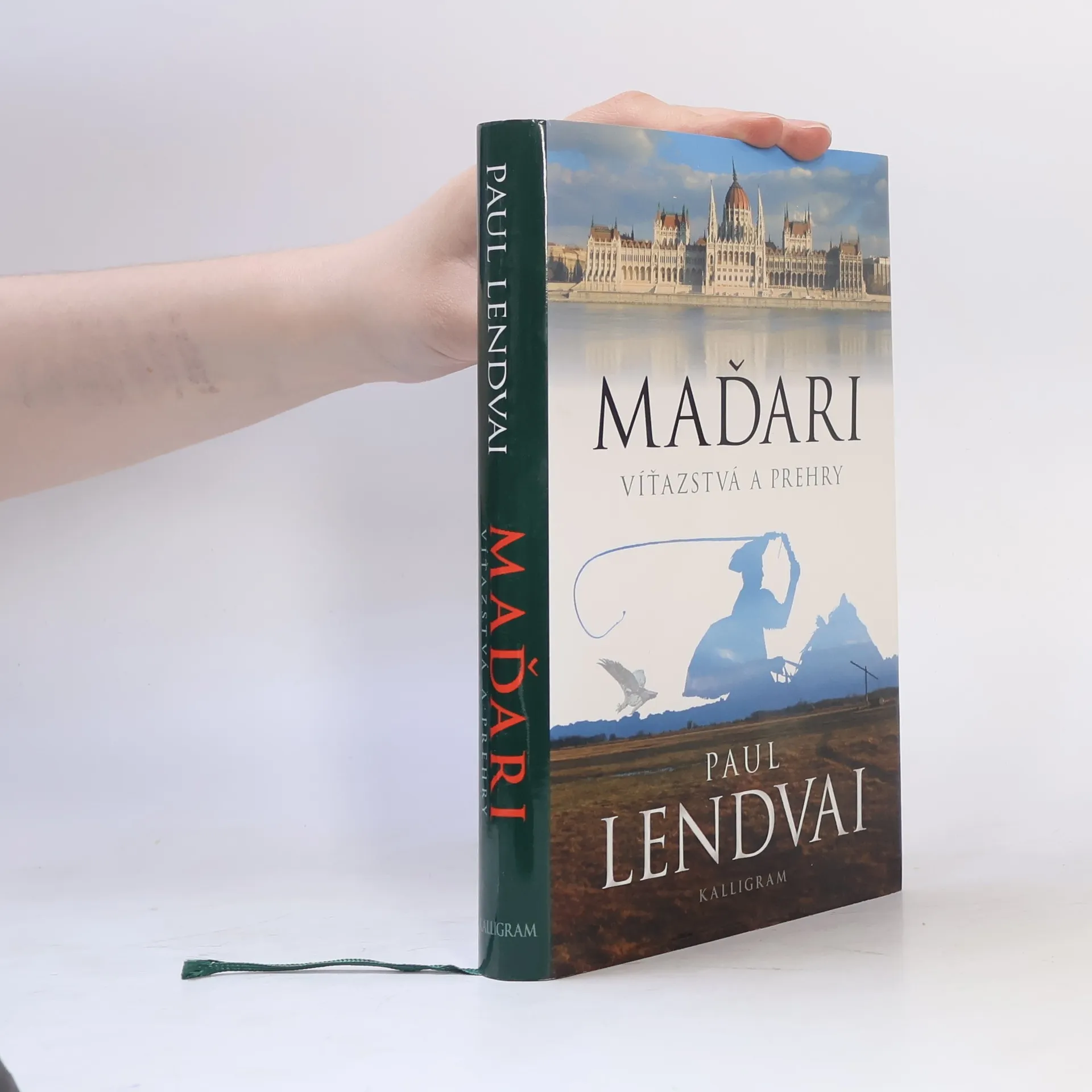
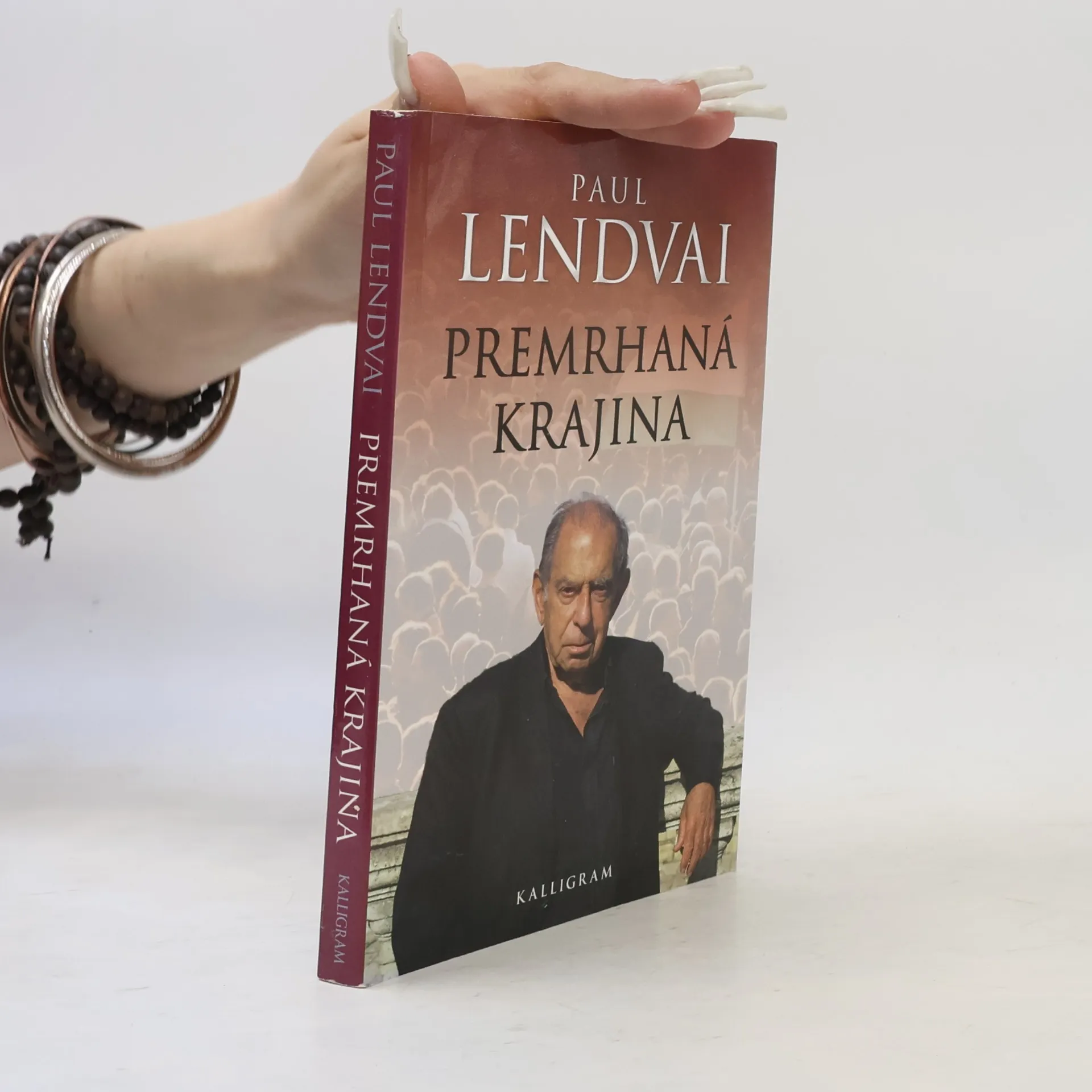
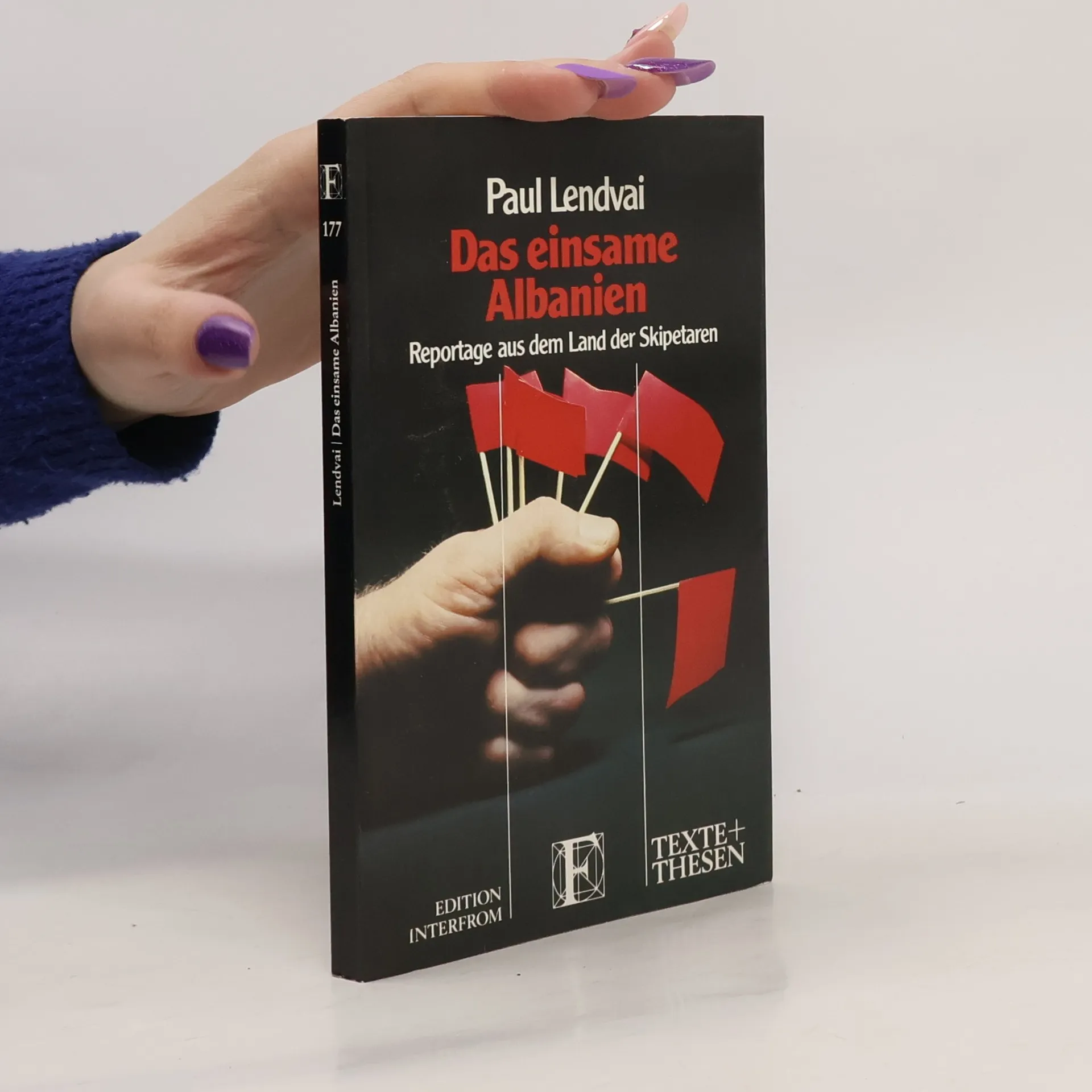
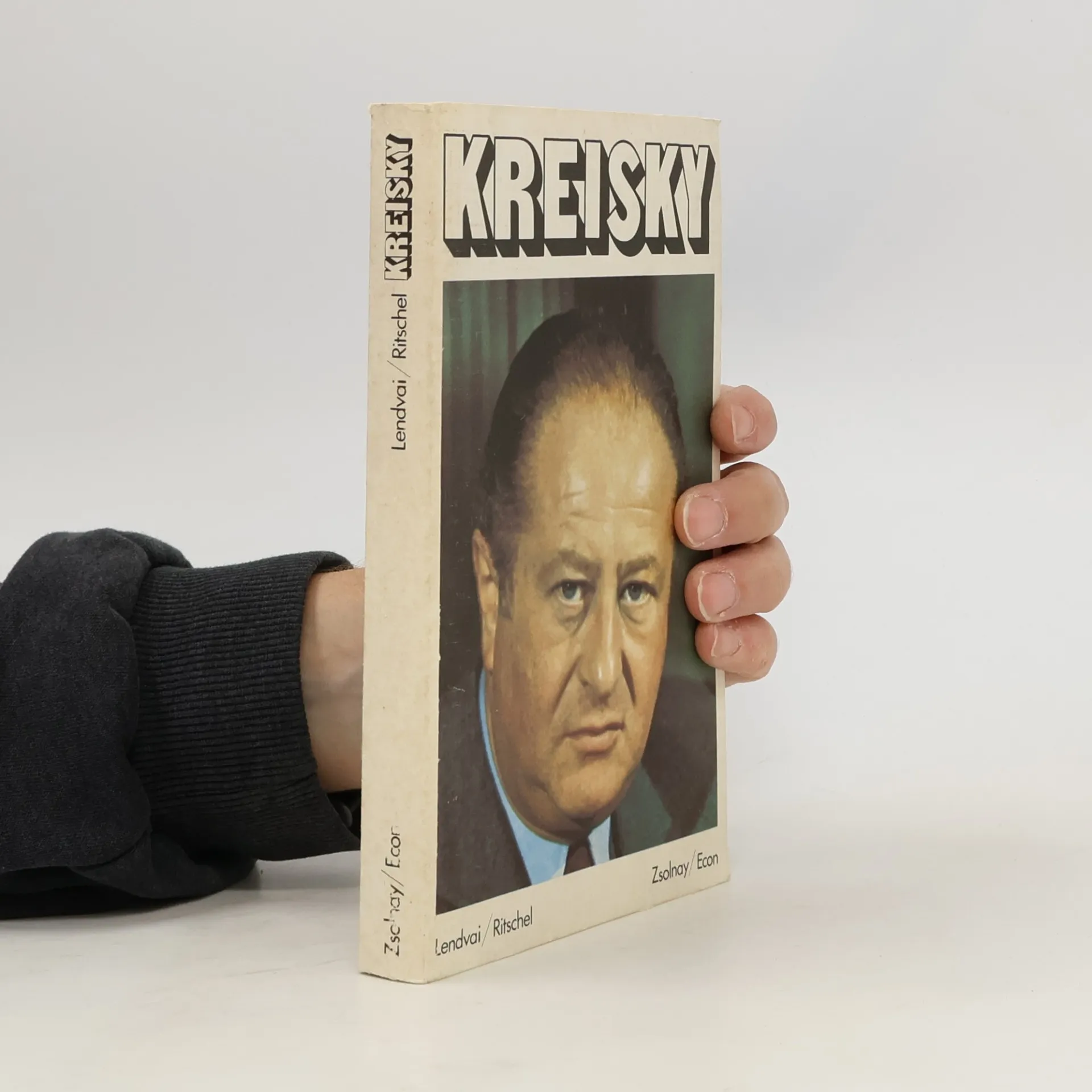
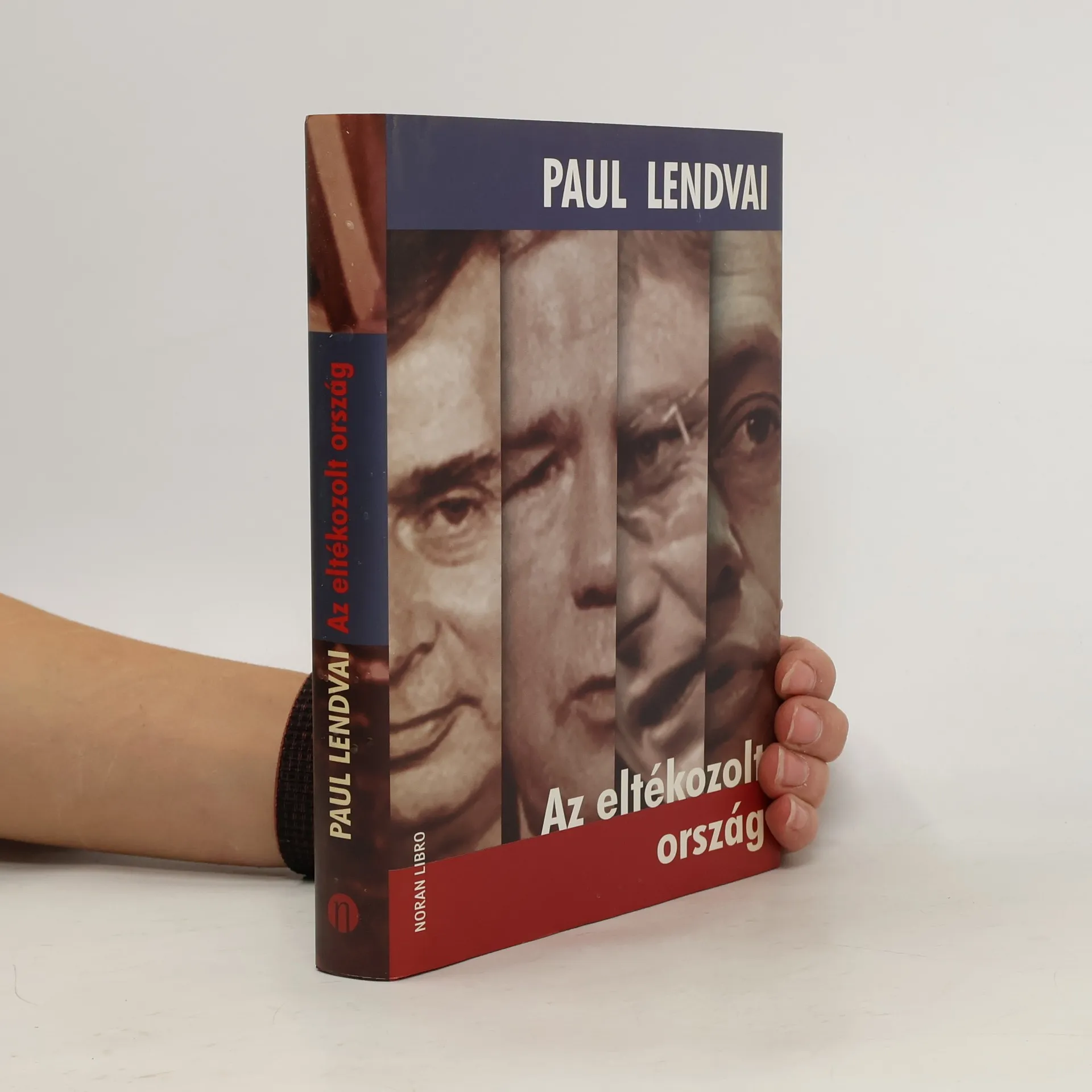
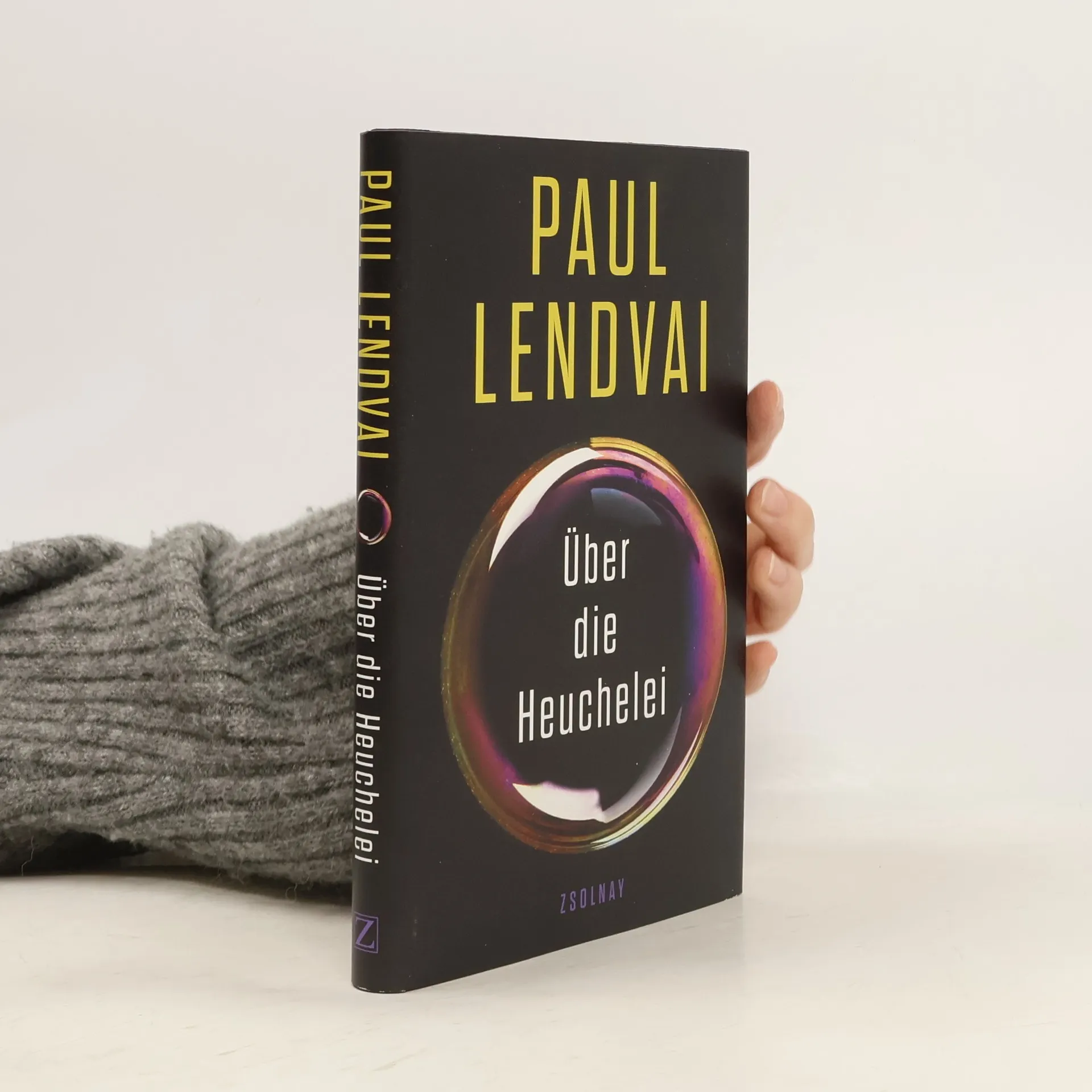
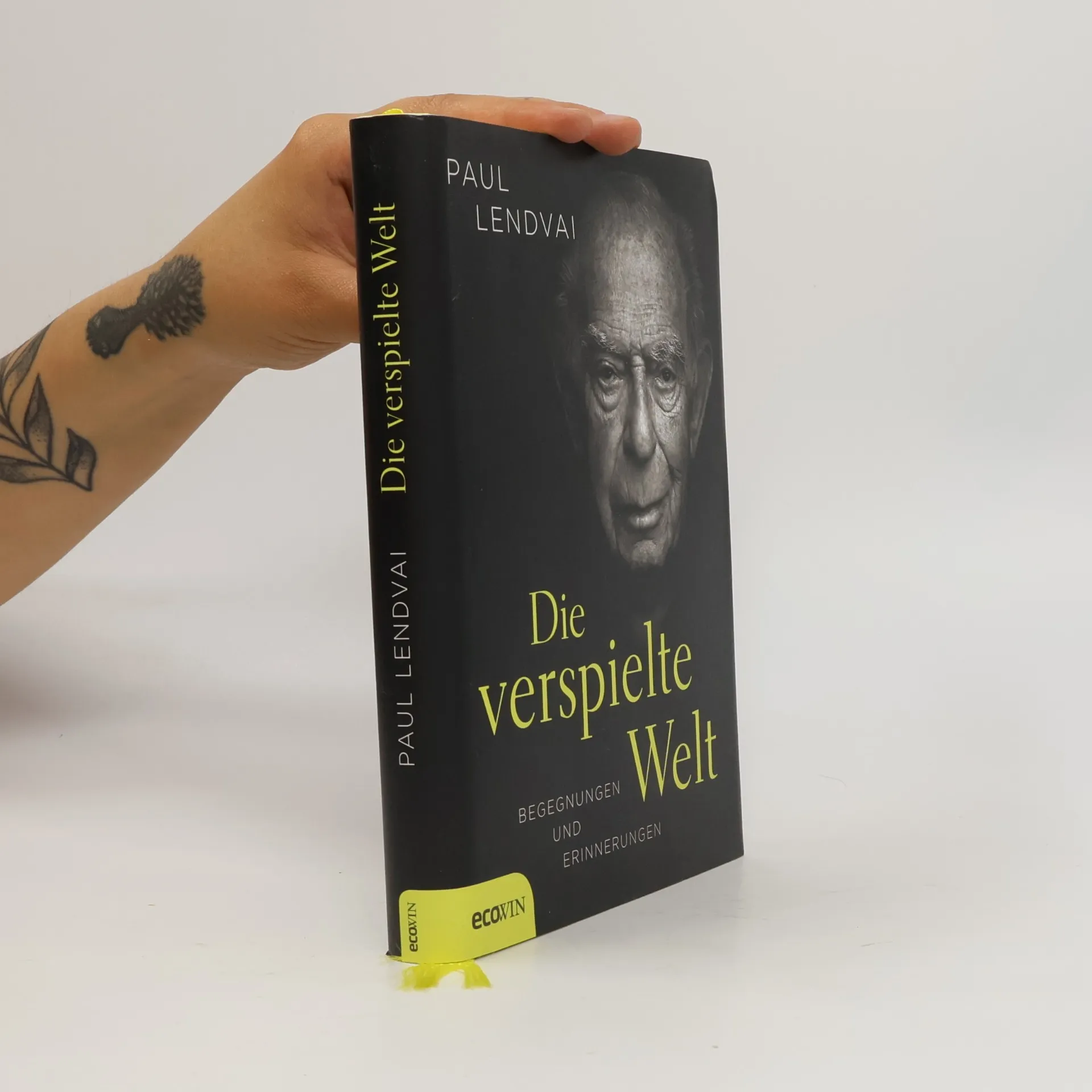
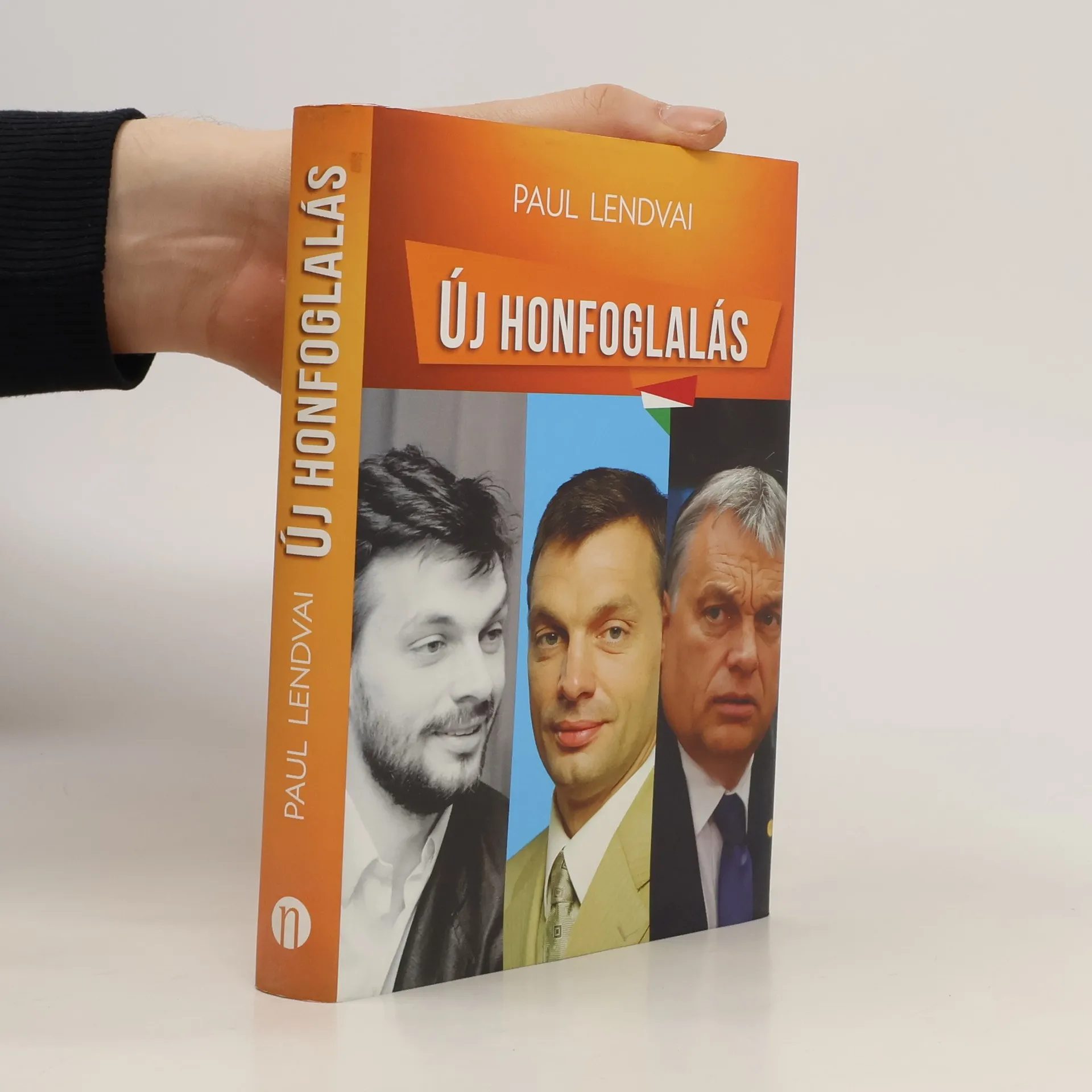
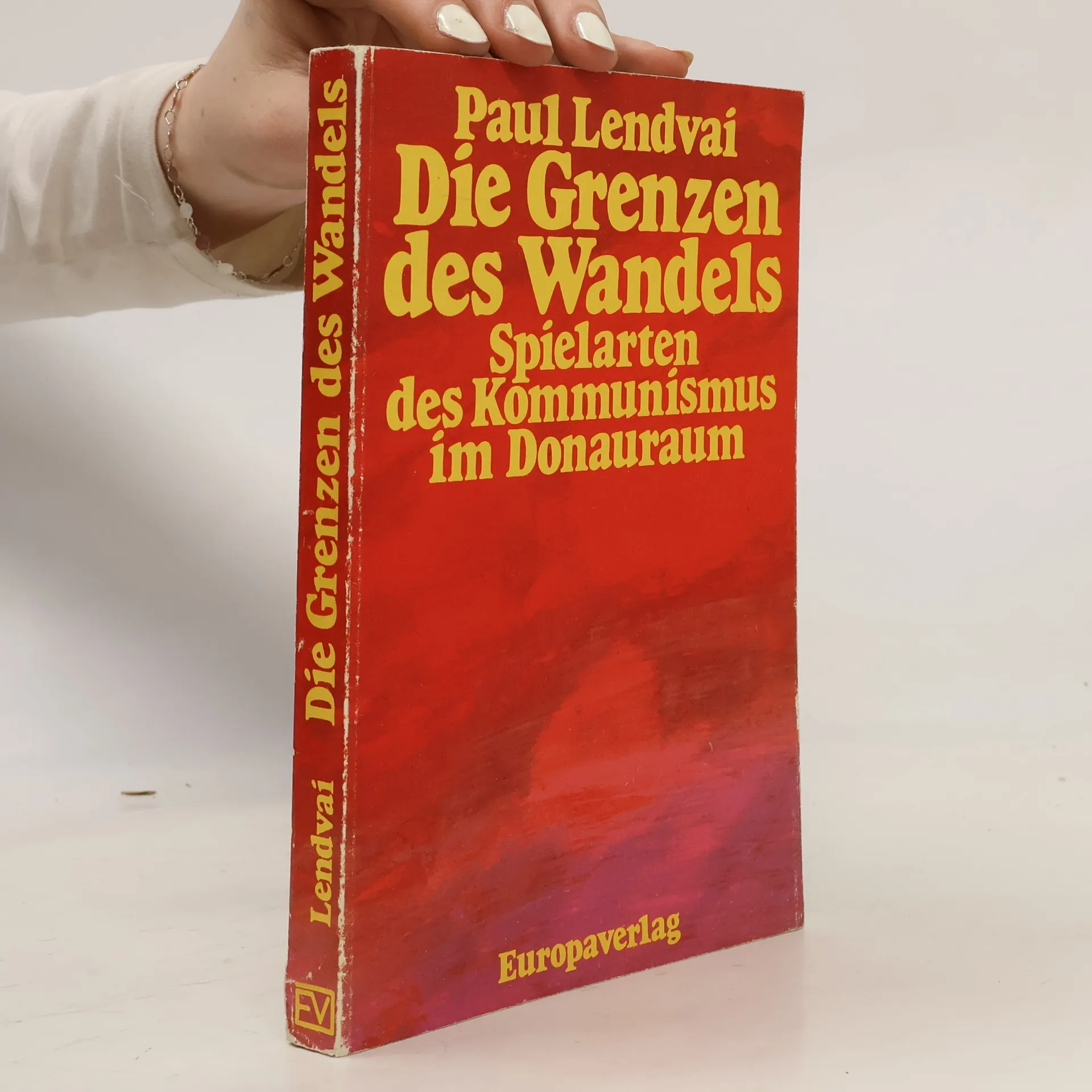
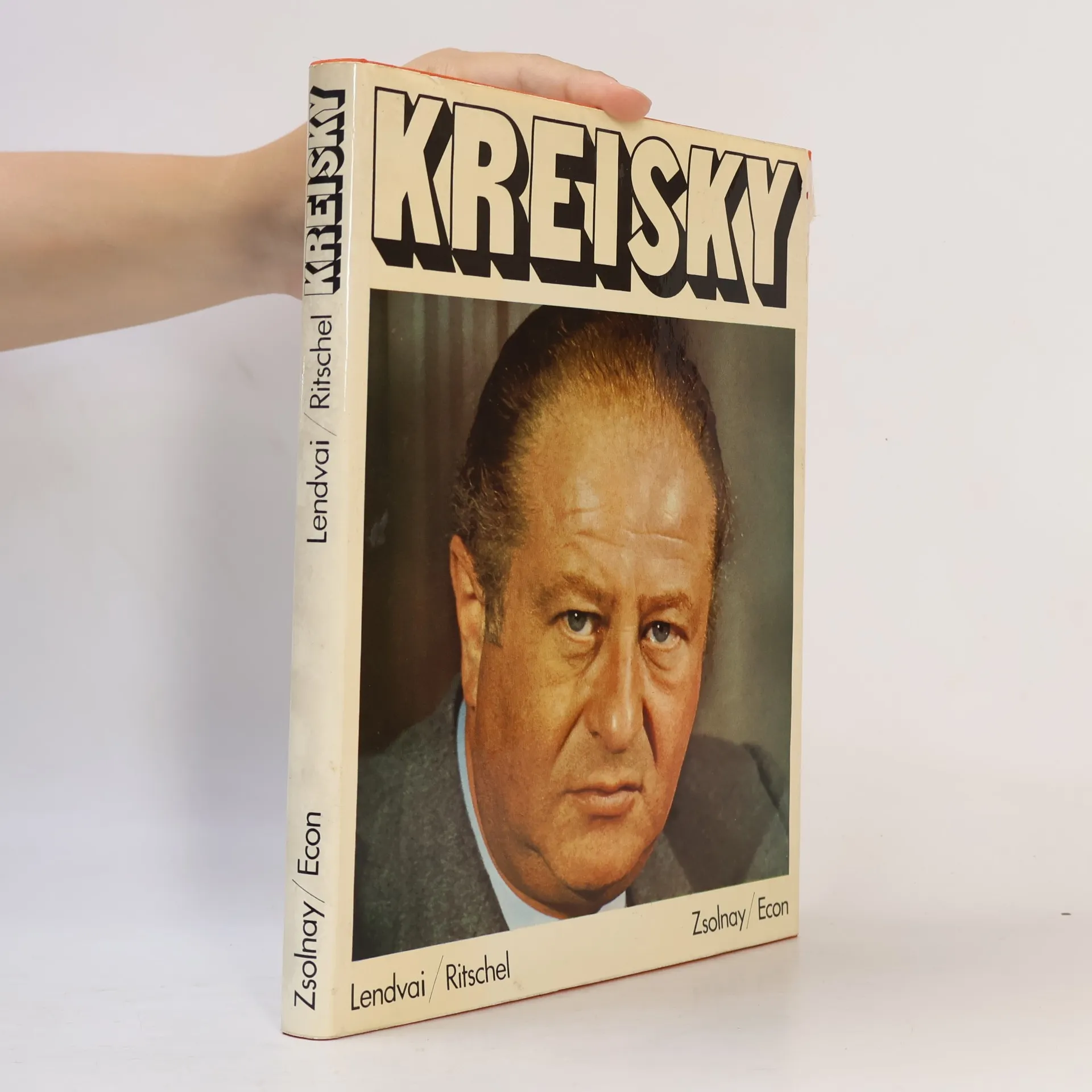
Vo svojej novej knihe ponúka Paul Lendvai pohľad na to, akým smerom sa podľa neho uberalo vnútropolitické a spoločenské dianie v Maďarsku po roku 1990. Ako vynikajúci znalec dejín strednej a východnej Európy a tiež ak rodený Maďar, ktorý sa po polstoročí vo Viedni stal Rakúšanom, analyzuje Lendvai novodobé dejiny svojej vlasti bez tabu.
Provokujúca kniha, za ktorú si autor vyslúžil veľa odsudkov, ale aj nemálo uznania. Kniha o tisícročnom premenlivom osude Maďarov, o ich histórii od najstarších čias po súčasnosť, fascinujúca prehliadka víťazstiev a prehier napísaná priateľsky, no s kritickým odstupom. Text je prepracovanou a doplnenou verziou pôvodného nemeckého vydania publikácie, ktorá vyšla v maďarčine, angličtine, češtine, rumunčine, vo francúzštine a nedávno aj v japončine.
Prvé vydanie
Pre generáciu, ktorá zažila bipolárny svet, je rakúsky komentátor Paul Lendvai, rodák z Budapešti, legendou. Východ mu v mnohom vďačí za to, že nebol v období studenej vojny Západom zabudnutý a jeho prenikavé postrehy boli majákom objektívnej žurnalistiky aj po páde železnej opony.
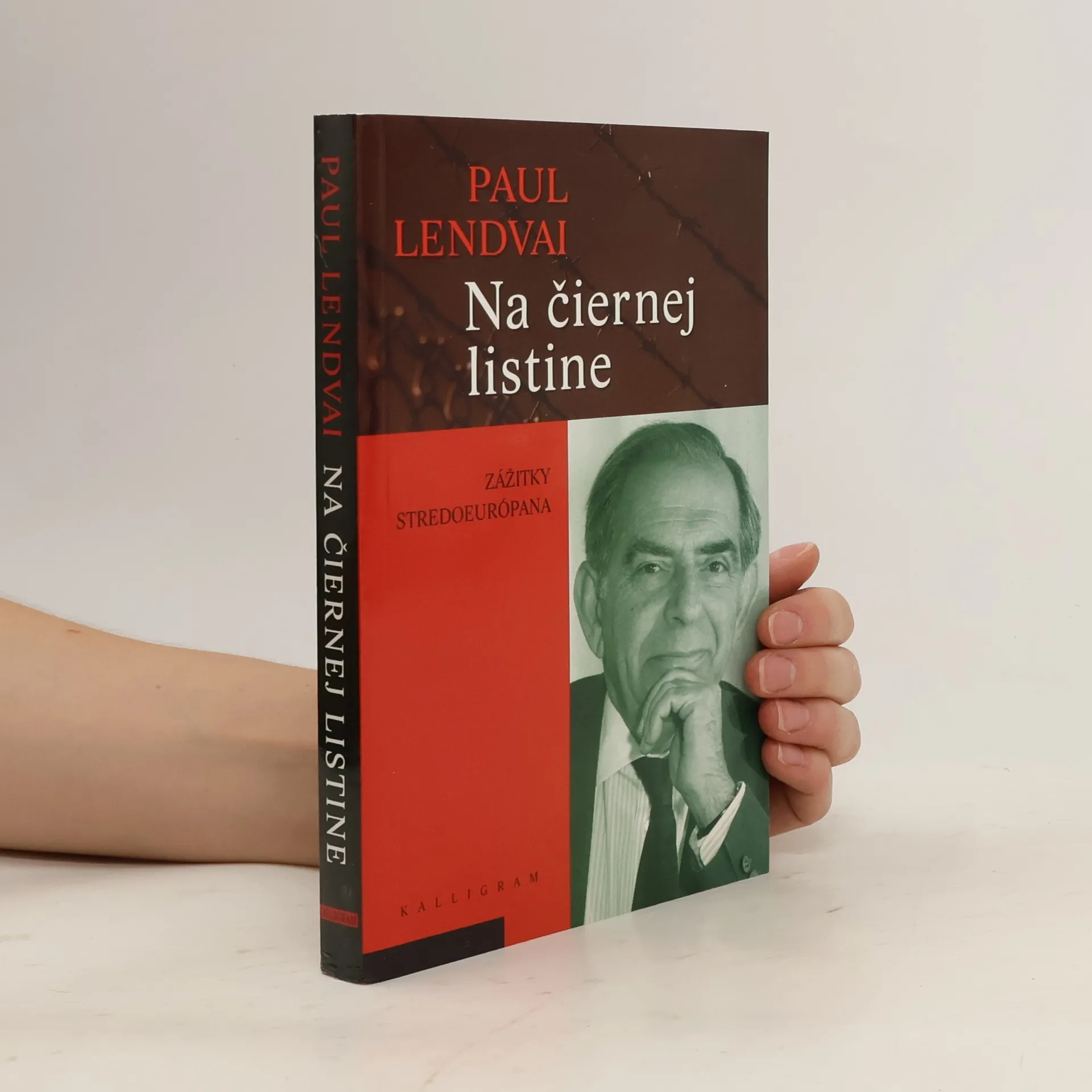
Kniha rozhovorov s novinárkou Zsófiou Mihancsik je výpoveďou odhaľujúcou motívy a zlomové momenty Lendvaiových „troch“ životov i úvahy o potrebe poctivého prístupu k vlastnej minulosti, ktoré sú prítomné v každej jeho knihe. Kritické postrehy o zákulisí povojnového i novšieho vývoja v Maďarsku sa odohrávajú na pozadí zasvätených a nekompromisných analýz a aktuálneho kontextu celej stredovýchodnej Európy.
„Nemohol a nechcel som žiť v klamstve, preto som pred polstoročím opustil vlasť. A preto som v celom svojom živote odmietal klamstvo a ohováranie, a odhaľoval, kde a ako som len mohol, jeho pramene…“ píše Lendvai v predslove svojej spovede. Boj proti hlúposti, zákernosti a zlomyseľnosti bol vždy súčasťou jeho publicistickej práce, ktorá slovom, písmom a obrazom desaťročia slúžila informovaniu svetovej verejnosti. Neprenosná skúsenosť tohto liberálneho intelektuála poskytuje originálny a neošúchaný pohľad na maďarské, ale i naše nedávne i najnovšie dejiny.
Kniha je školou politického života v strednej a východnej Európe. Paul Lendvai (1929) vychádza zo skúsenosti človeka žijúceho v totalitárnom režime. Po porážke revolúcie v roku 1956 v Budapešti odchádza do Viedne, stáva sa hviezdou vysielania verejnoprávnej televízie ORF, šéfredaktorom redakcie pre východnú a juhovýchodnú Európu. Kniha je autorovým osobným svedectvom o zákulisí sveta pred a za "železnou oponou".
Z nemeckého originálu preložil Peter Kliment.
1. vydanie.
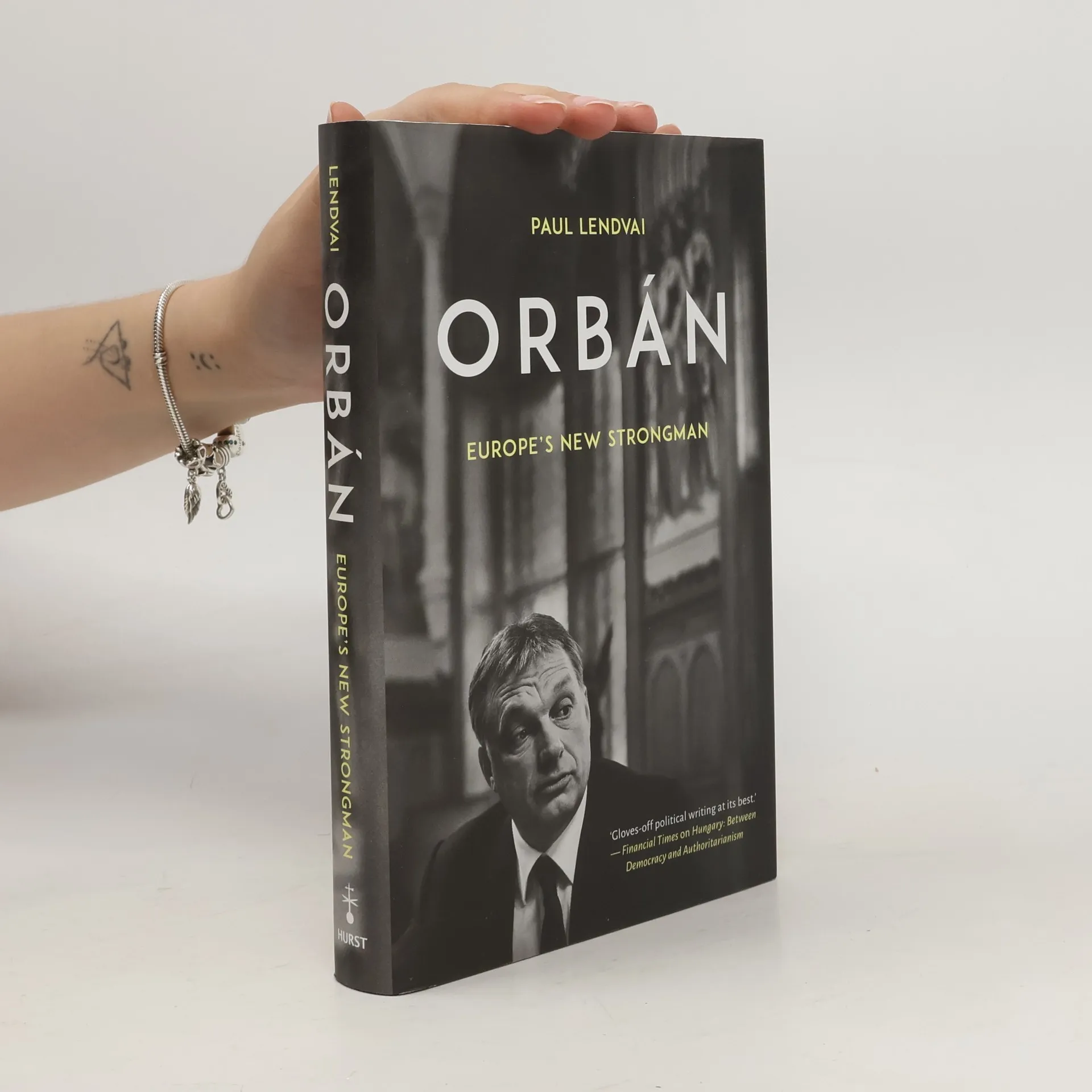
A convincing indictment of the most powerful political figure in the eastern EU ... This is gloves-off political writing at its best.' -- The Financial Times on Hungary (2012)
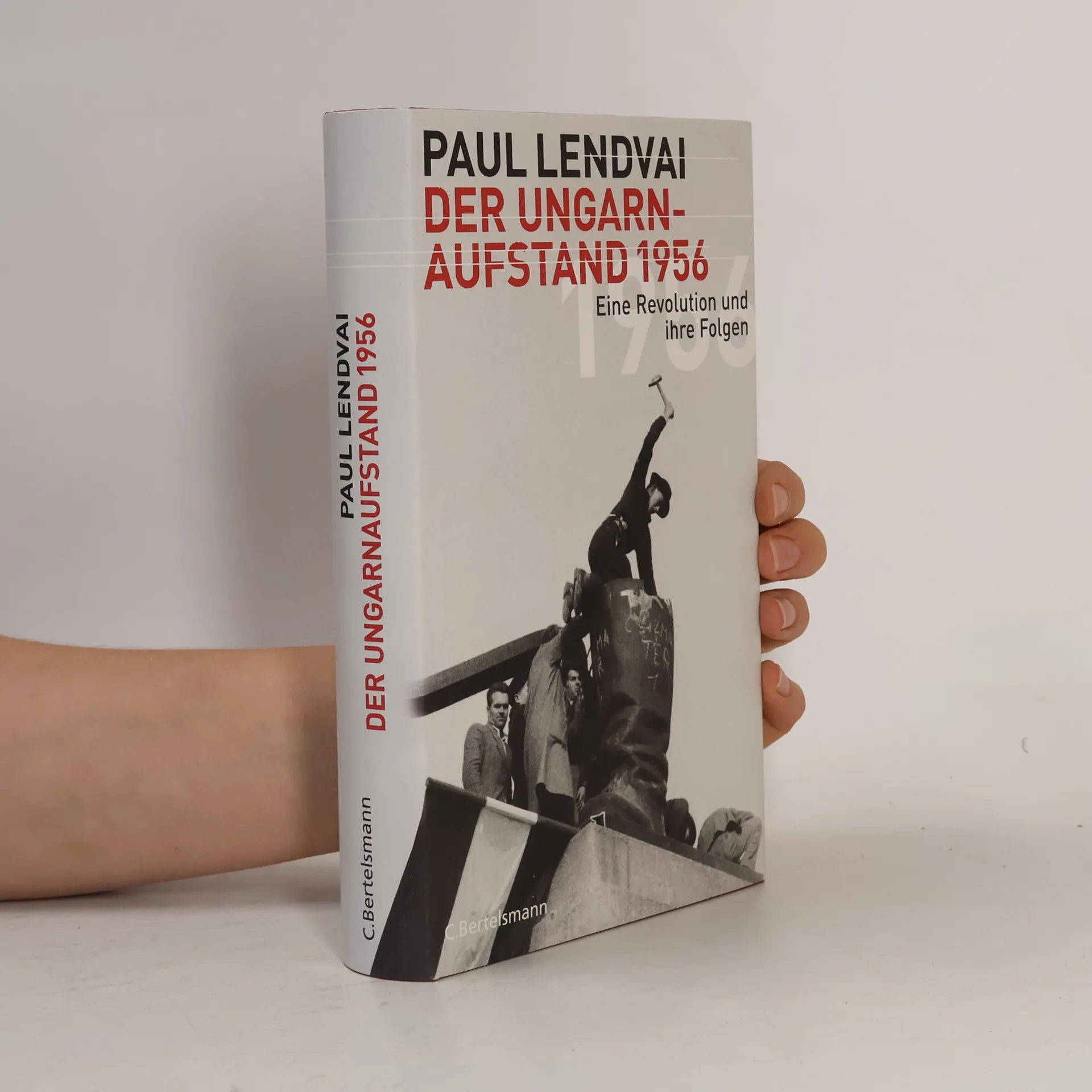
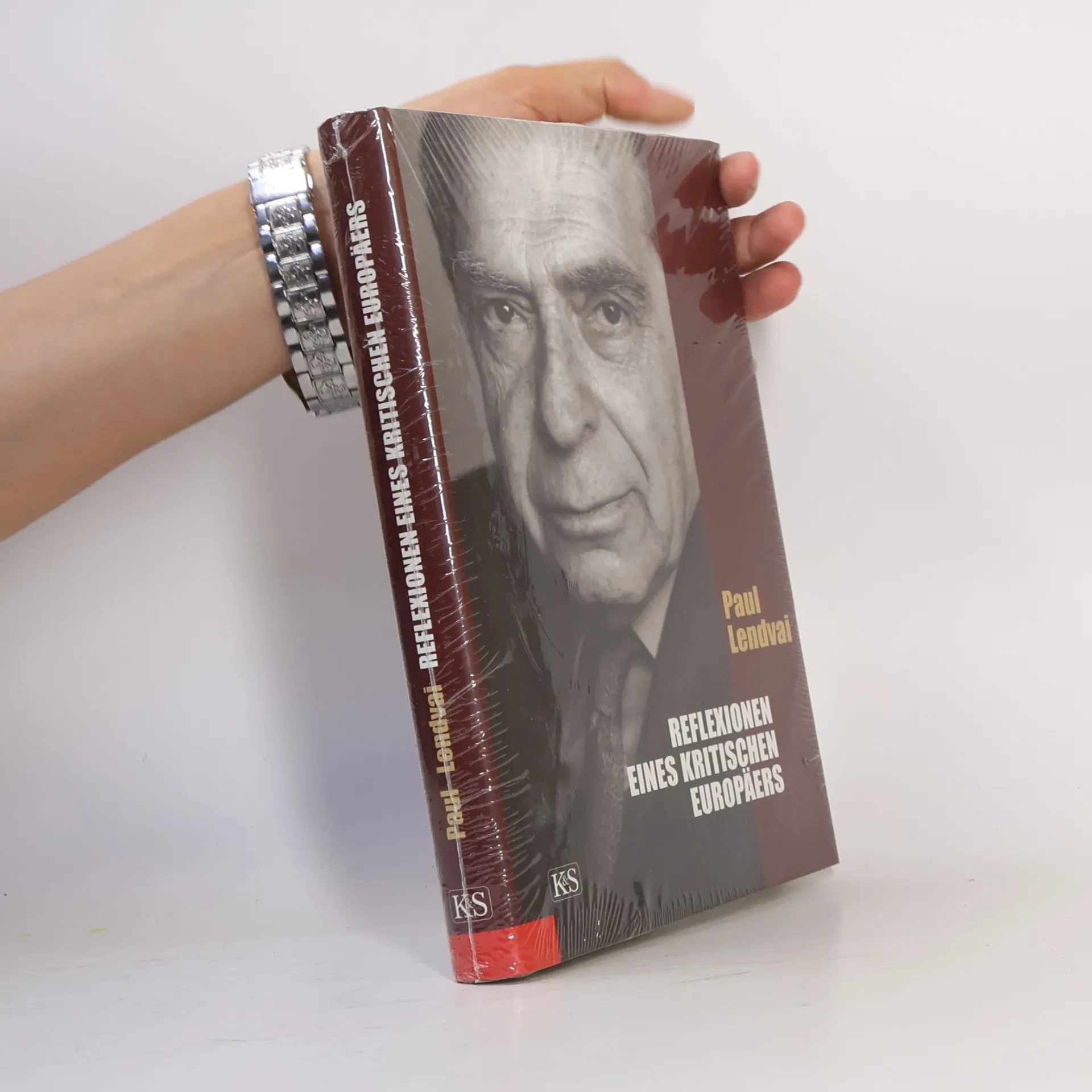
Anlässlich des 50. Jahrestags des Ungarn-Aufstands reflektiert Paul Lendvai, der 1956 nach der Niederschlagung des Aufstands aus seiner Heimat floh, über die ungarische Tragödie und deren Bedeutung für die spätere Befreiung Osteuropas. Er schildert eindringlich die Gewalt, die sein Vater und viele andere erlitten, und verbindet seine persönlichen Erfahrungen mit den historischen und politischen Kontexten des Aufstands. Lendvai rekonstruiert die Ereignisse des 23. Oktober 1956, als der Aufstand wie ein politisches Naturereignis über das Land hereinbrach und das sowjetische Regime sowie seine ungarischen Komplizen mit aller Kraft herausforderte. Durch Berichte von Überlebenden, Aussagen in Geheimprozessen und Protokolle von Partei und Regierung verfolgt er den Verlauf des Aufstands bis zu seinem blutigen Ende, einschließlich der brutalen Verfolgung des Ministerpräsidenten Imre Nagy und seiner Unterstützer durch das Kadar-Regime. Lendvai zieht das Fazit, dass der Ungarn-Aufstand eine entscheidende Zäsur für das Europa des 20. Jahrhunderts darstellt, die den Weg für weitere Umwälzungen in Prag, Warschau und die ungarische Grenzöffnung 1989 ebnete und somit das Gesicht Europas nachhaltig veränderte.
Der große Journalist und Bestsellerautor Paul Lendvai analysiert die Entwicklungen in Europa vor dem Hintergrund der Öffnung des Ostens und der Ereignisse seit dem 11. September 2001. Die Themen reichen von den turbulenten Entwicklungen am Balkan und in Russland bis zum „neuen und alten“ Antisemitismus und den vielfältigen Formen des Nationalismus, von der europäischen Integration bis zur Rolle, die große Persönlichkeiten in der Politik spielen. Grundlage des Buches sind seine Kolumnen, Artikel und Essays, die u. a. in „Der Standard“, „Neue Zürcher Zeitung“, „Frankfurter Allgemeine“, „Welt“ und „Europäische Rundschau“ erschienen sind.
Der 95-jährige Paul Lendvai ist Österreicher, Ungar, Jude und Europäer: Was bestimmt seine Identität? Geboren in Budapest, überlebte er nur knapp den Holocaust. 1953 wurde er als »Trotzkist« inhaftiert und danach mit Berufsverbot belegt, 1957 gelang ihm die Flucht nach Österreich. Hier fand er eine neue Heimat, hier wurde er zum international tätigen Journalisten. In seinem neuen Buch verknüpft er Biografisches mit Analytischem, heimische mit europäischer Politik. Trotz aller Kritik an Viktor Orbán ist er mit Ungarn eng verbunden. Und seit der Antisemitismus weltweit zunimmt, fühlt er sich stärker denn je als Teil der jüdischen Schicksalsgemeinschaft. In seinen Schilderungen wird deutlich: Identität besteht aus vielen Facetten, zusammen bilden sie das Wesen des Menschen.
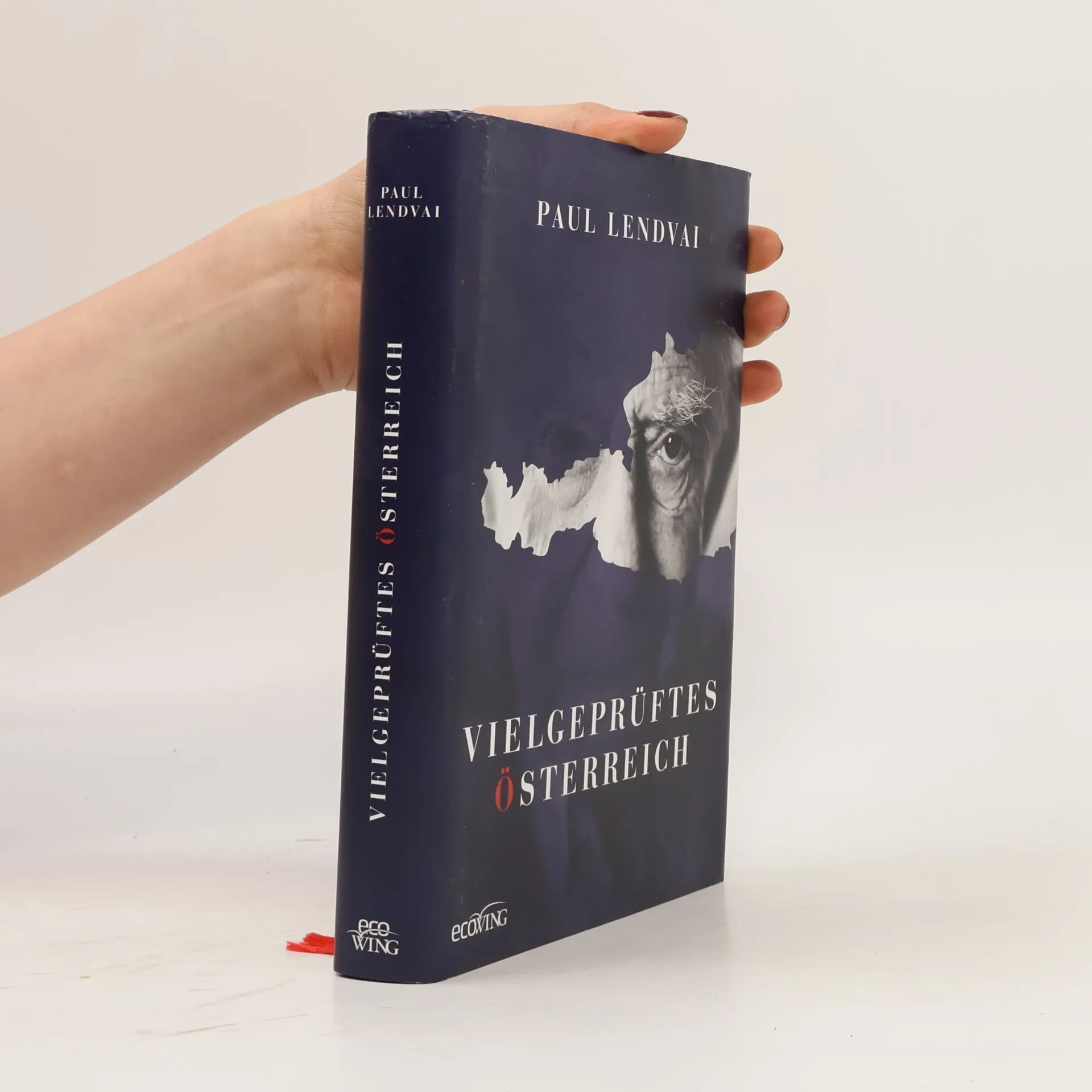
Die politische Geschichte Österreichs wird von charismatischen Persönlichkeiten wie Jörg Haider, Heinz-Christian Strache und Sebastian Kurz geprägt, die immer wieder die österreichische Identität ansprechen. Paul Lendvai, ein Insider und Journalist, bietet eine prägnante Analyse der politischen Entwicklung des Landes, von den Habsburgern über Bruno Kreisky und Wolfgang Schüssel bis hin zur FPÖ und den aktuellen Herausforderungen wie dem Ukraine-Krieg und der Gaskrise.
Er untersucht die Erfolge des Rechtspopulismus und die Gründe für die anhaltende Anziehungskraft der FPÖ. Lendvai, ein preisgekrönter Journalist mit tiefem Verständnis für die österreichische Politik, nutzt seine langjährige Erfahrung am Ballhausplatz und die Gespräche mit einflussreichen Politikern, um einen einzigartigen Einblick in die Machtstrukturen zu geben.
Seine Berichte über historische Begegnungen und Gespräche bieten wertvolle Perspektiven auf die politischen Schlüsselfiguren Österreichs. Lendvai verbindet Vergangenheit und Gegenwart, analysiert die komplexen historischen Zusammenhänge und zeigt, welche Lehren aus der Geschichte gezogen werden können. Er fragt: Österreich, quo vadis? und beleuchtet die entscheidenden Linien, die die Politik des Landes geprägt haben.
Mi is történt 1990 és 2010 között Magyarországon? Hogyan és miért lett ez az ország, amelyre a hetvenes-nyolcvanas években mindenki, mint a kommunista világ úttörő reformerére, a gazdaság átalakítók példaképére és a szabadságjogok oázisára tekintett, Közép-Európa beteg embere? Hogyan és miért lett Magyarország a gazdasági élet válsággóca s egyszersmind egy erős jobboldali radikális párt melegágya? Ezekre a kérdésekre keresi a választ ez a könyv.
Der Journalist Paul Lendvai beobachtet seit Jahrzehnten das politische Weltgeschehen und sieht darin eine Konstante: Die Heuchelei. Russlands Krieg, Migration, Klimawandel, Inflation, Trump zum Zweiten? Es herrscht Endzeitstimmung, wieder einmal. Weltweit aktive Geheimdienste und hoch alimentierte Forschungseinrichtungen schaffen es nicht, Antworten auf dramatische Umbrüche des globalen Kräftespiels zu finden. Ja, die sie lenkenden Politikerinnen und Politiker liegen häufig vollkommen falsch. Man denke nur an die Einschätzungen der Entwicklung in Russland und China und innerhalb der EU in Ungarn und Polen. Seit Jahrzehnten beobachtet Paul Lendvai das Geschehen aus unmittelbarer Nähe. Er sieht sowohl die nachlassende Kraft liberaler Ideen als auch die verführerischen Angebote populistischer Autokraten. Konstant bleibt dabei nur eines: die Heuchelei.
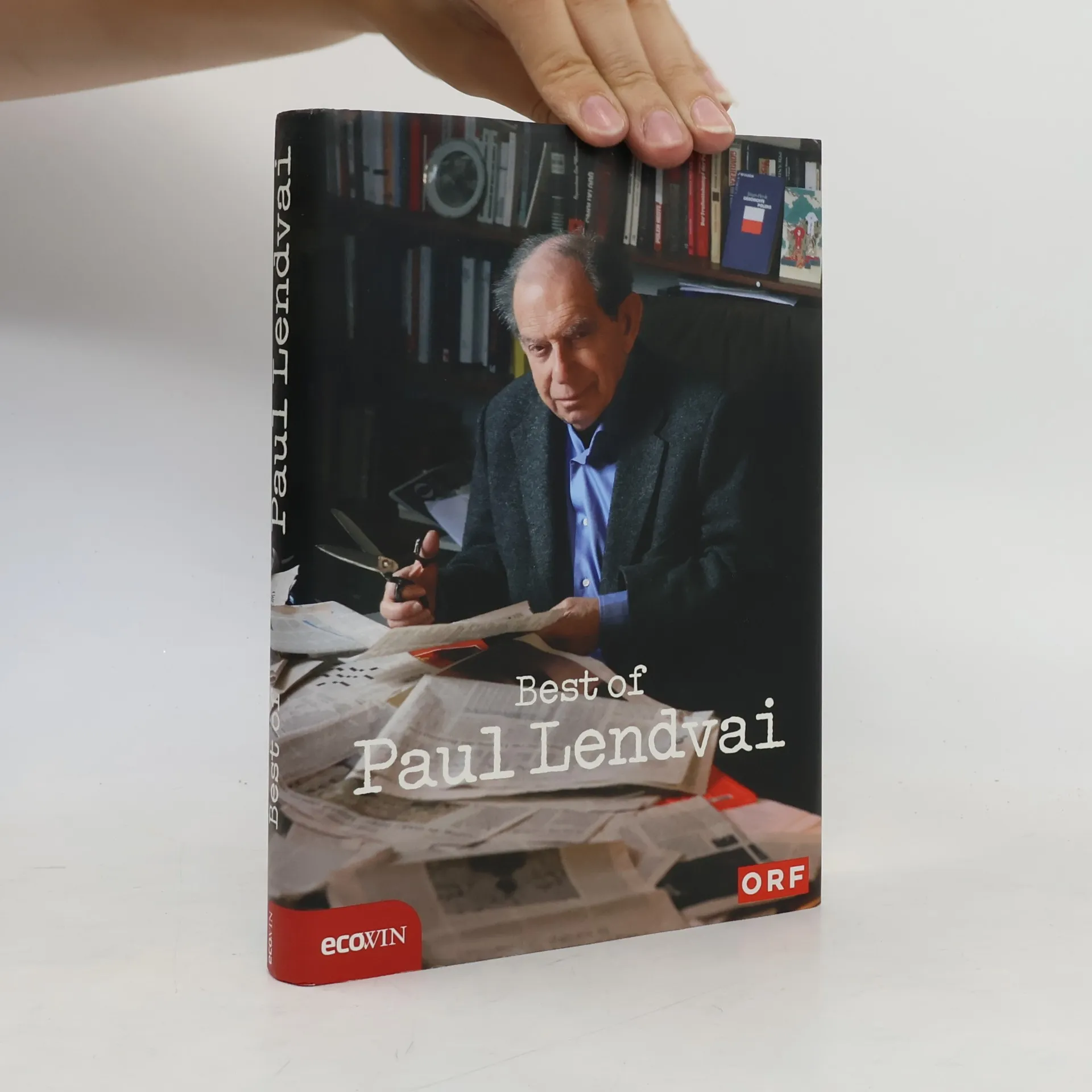
Paul Lendvai ist nicht nur Journalist, sondern auch ein tiefgehender Kenner Osteuropas, der mit bedeutenden Persönlichkeiten der Welt in Dialog trat. Im hohen Alter reflektiert er über historische Tatsachen, um sicherzustellen, dass die Gegenwart sie nicht verzerrt. Seine scharfsinnigen Analysen und kritischen Perspektiven auf die europäische Politik bieten wertvolle Einsichten. Lendvai teilt Begegnungen mit Machthabern, Politikern, Wissenschaftlern und Künstlern, darunter Melvin Lasky, Walter Laqueur und George Soros. Als Chefredakteur der Europäischen Rundschau und Kolumnist für den Standard bringt er Zeitgeschichte aus erster Hand, einschließlich der Entwicklungen in Polen, Ungarn, Albanien sowie dem Zerfall Jugoslawiens und dem Balkankrieg.
Geboren 1929 in Budapest und seit 1957 in Wien, hat Lendvai zahlreiche historische Wendepunkte erlebt, darunter den Ungarnaufstand 1956 und das Ende des Kalten Krieges. Sein umfassendes Wissen und seine Erinnerungen an herausragende Persönlichkeiten ermöglichen ein besseres Verständnis heutiger Politiker wie Václav Klaus und Viktor Orbán sowie der komplexen Geschichte Osteuropas. Seine persönlichen Anekdoten und präzisen Erinnerungen machen diesen Rückblick zu einem wertvollen Schatz der Zeitgeschichte.
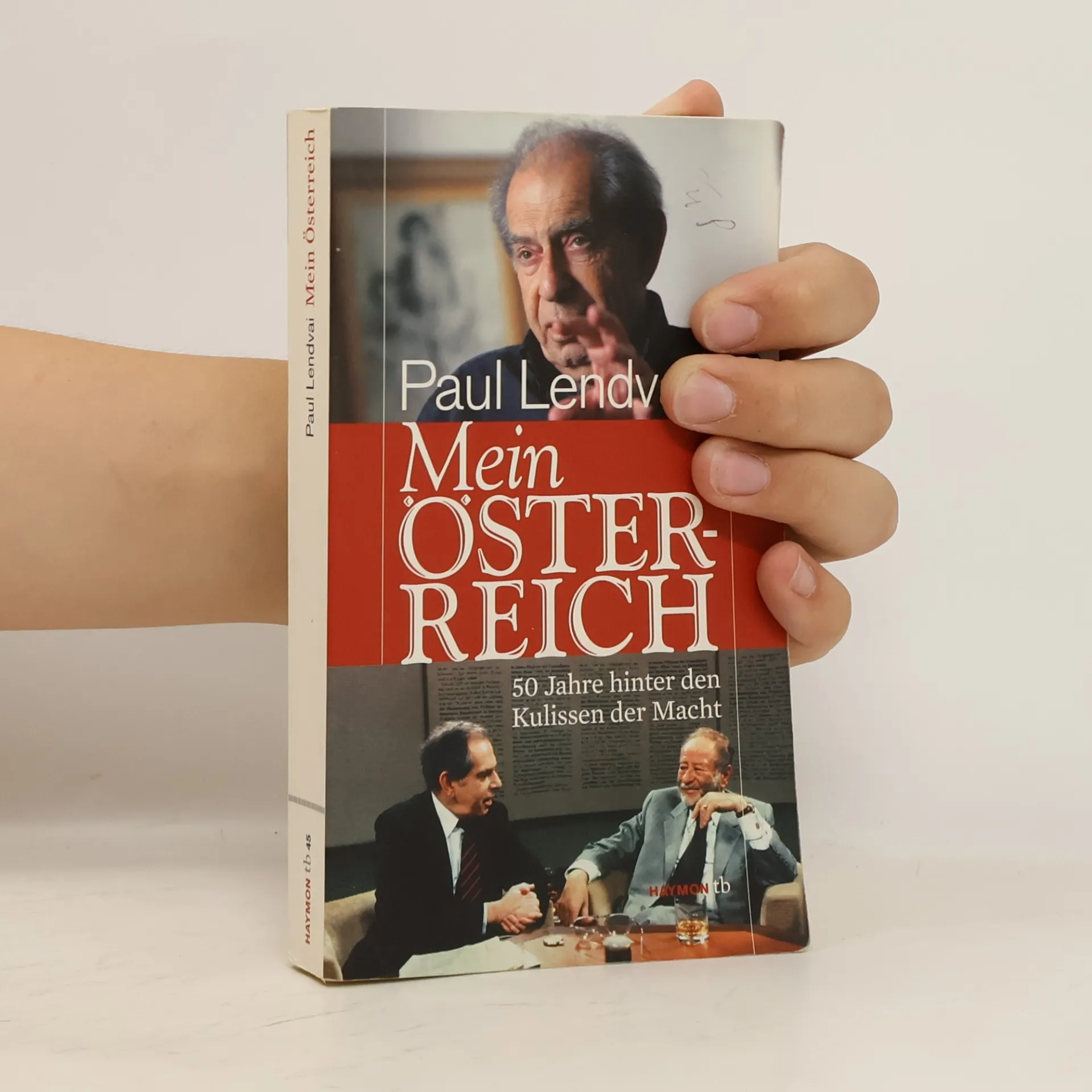
Paul Lendvai, Osteuropa-Experte und einer der großen österreichischen Publizisten, blickt zurück auf mehr als 50 Jahre am Puls der österreichischen Geschichte und Politik. Spannend und gleichzeitig zutiefst persönlich berichtet er über das Zerrbild und die Mythen der Zweiten Republik, den Aufstieg und Fall ihrer prägenden Persönlichkeiten, das Erlebte im „guten Österreich“ und die einzigartige Erfolgsbilanz eines halben Jahrhunderts. Er erzählt von seinen Begegnungen mit herausragenden Persönlichkeiten aus Politik, Wirtschaft und Medien: von Androsch bis Vranitzky, von Busek bis Schüssel, von Haider bis Gusenbauer. So zeichnet er ein unverwechselbares Bild des neuen Österreich aus der Sicht des einstigen Ungarn-Flüchtlings.
Journalismus sei die Chance, viele Leben zu leben. Diese Worte des deutschen Schriftstellers Klaus Harpprecht prägen auch das Lebenswerk von Paul Lendvai, eines Österreichers aus Leidenschaft. In seinem nunmehr 14. Buch unternimmt er einen aufregenden journalistischen Streifzug von Washington und Moskau bis Budapest und Belgrad. Reportagen, Artikel und Vortragstexte aus den letzten Jahren bieten persönliche Erlebnisse, ungewöhnliche Begegnungen, berührende Erinnerungen und überraschende Einsichten.
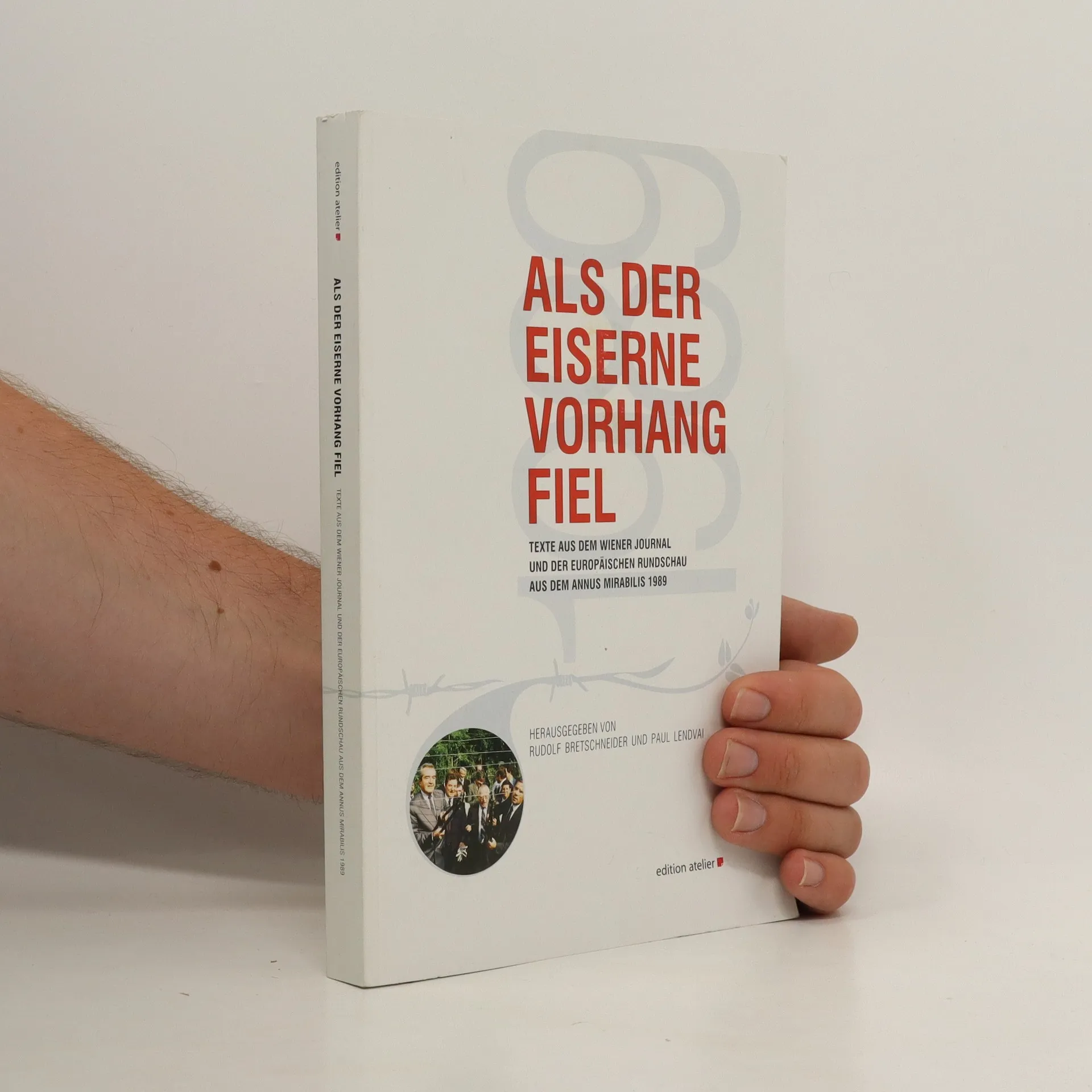
Dieses Buch soll vor allem jenen, die die ideologische Trennung unseres Kontinents auf Grund ihrer Jugend nicht miterlebt haben, Geschichte bewusst erfahrbar machen.
Denn es ist keine Selbstverständlichkeit, sondern ein Privileg, in einem wiedervereinigten Europa mit seinen Grundwerten Freiheit, Menschenrechte, Demokratie und Rechtsstaatlichkeit zu leben.