
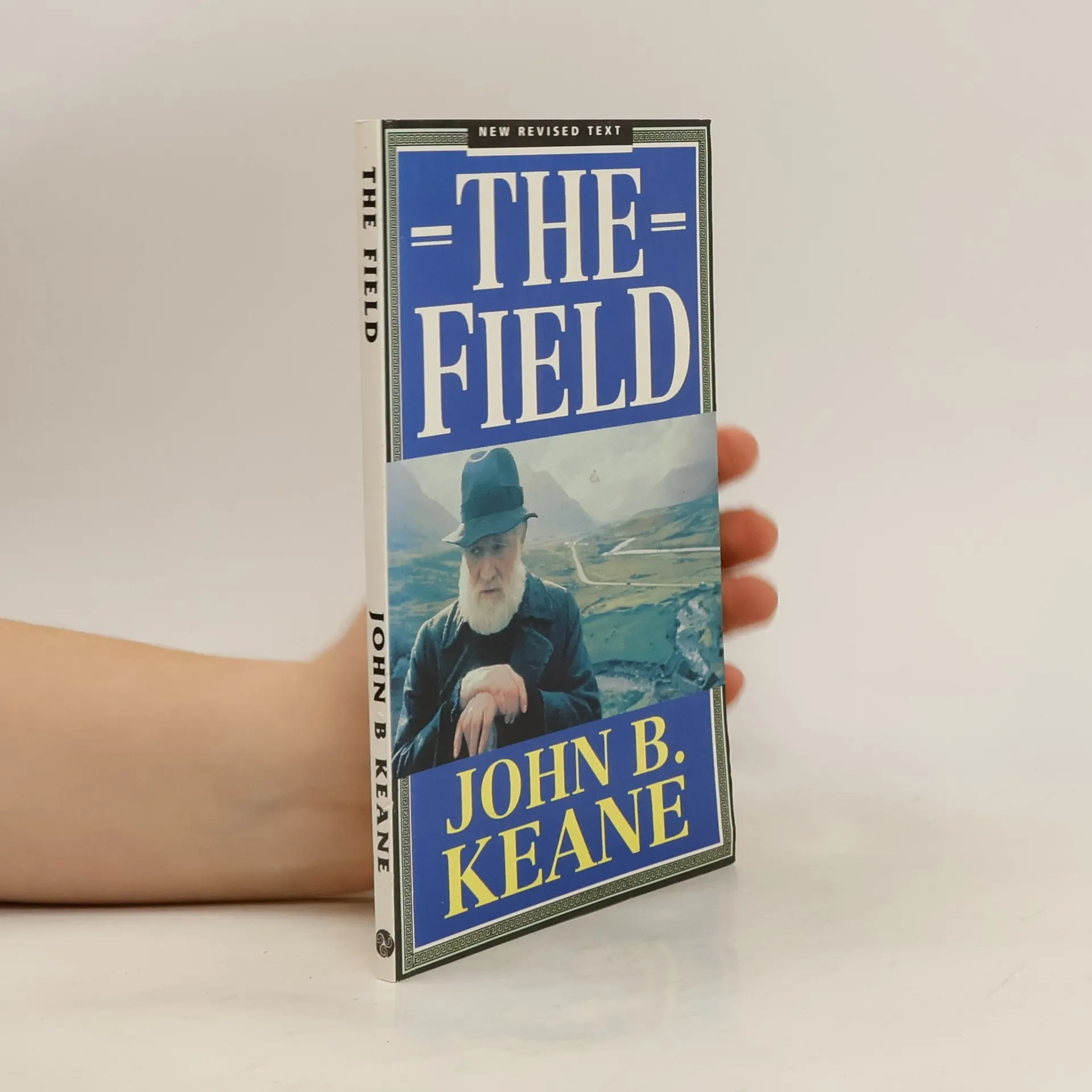

This work offers a groundbreaking perspective on the future of democracy in the twenty-first century, challenging conventional views. The author, a respected scholar, delves into innovative ideas and interpretations that reshape our understanding of democratic governance and its potential evolution in a changing world. Through insightful analysis, the book explores the implications of contemporary societal shifts on democratic ideals and practices.
From The Shortest History series comes the complete history of democracy, its champions, and its detractors—from the assemblies of ancient Mesopotamia to present perils This tumultuous global story begins with democracy’s radical core idea: We can collaborate, as equals, to determine our own lives and futures. John Keane traces how this concept emerged and evolved, from the earliest “assembly democracies” to European-style electoral democracy to our present system of “monitory democracy.” Today, governments answer not only to voters on Election Day, but to intense public scrutiny (monitoring) every day. Keane calls this media- and communication-driven system “the most complex and vibrant form of democracy yet”—but it is not invulnerable. We live in an age of political and environmental crisis, when despots in China, Russia, Saudi Arabia, and elsewhere reject the promises of power-sharing. At this urgent moment, Keane’s book mounts a new defense of a precious global ideal.
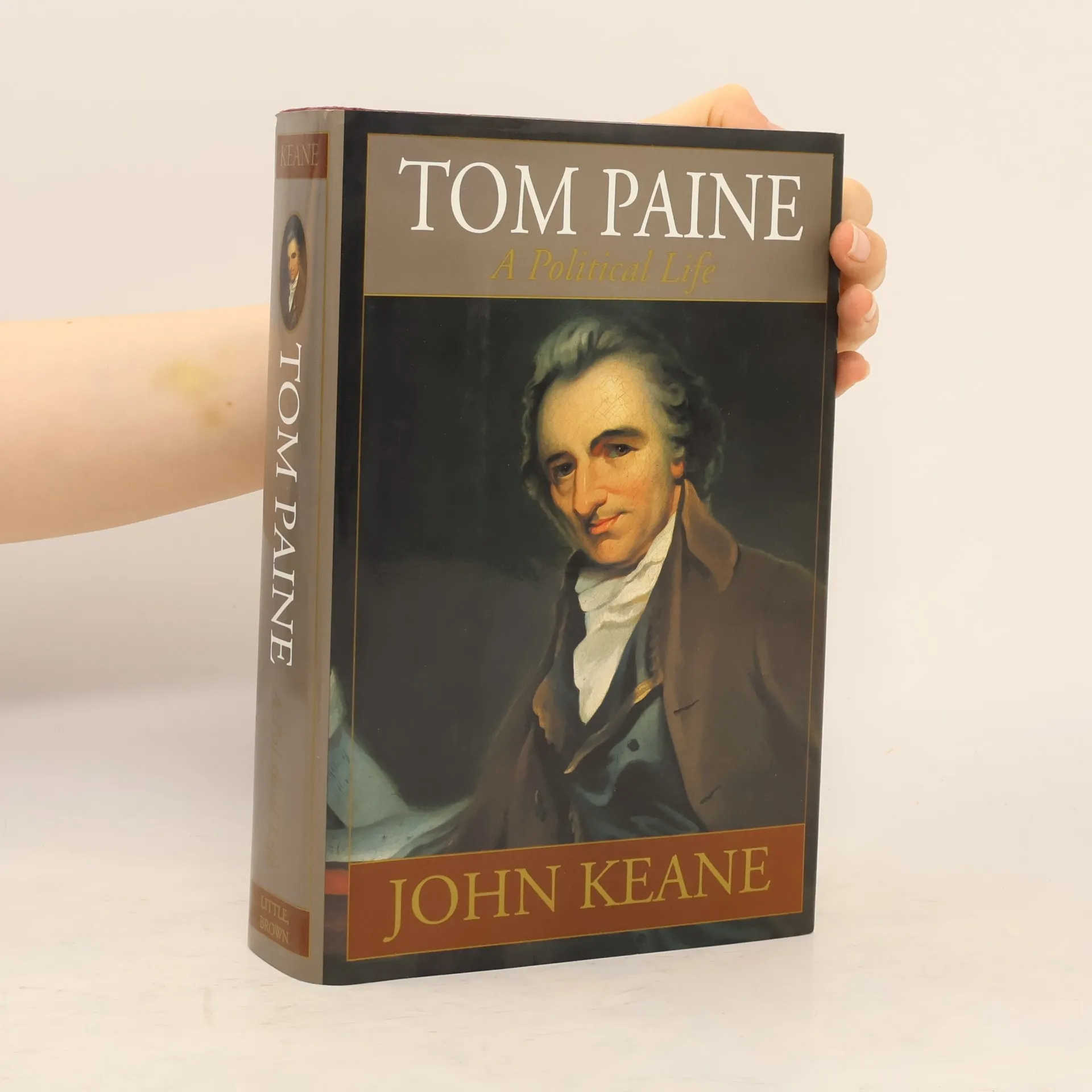
Exploring the realm of picosolar technology, this book highlights innovative small solar devices, including lanterns and systems, that are revolutionizing energy access globally. It emphasizes their role in powering modern, energy-efficient appliances, showcasing their potential to transform lives and promote sustainability in various communities.
With a unique narrative combining moving life stories and scholarly insight,
this book offers a radical re-appraisal of Indian politics. The book
demonstrates why Indian democracy is of global importance and why its
pathologies are a cause for alarm: as much for India as for the future of
democracy the world over.
One day they'll be like us. That was once the West's complacent assumption
about countries emerging from poverty, imperial rule, or communism. But many
have hardened into something very different from liberal democracy: what
eminent political thinker John Keane describes as a new form of despotism. And
one day, he warns, we may be more like them.
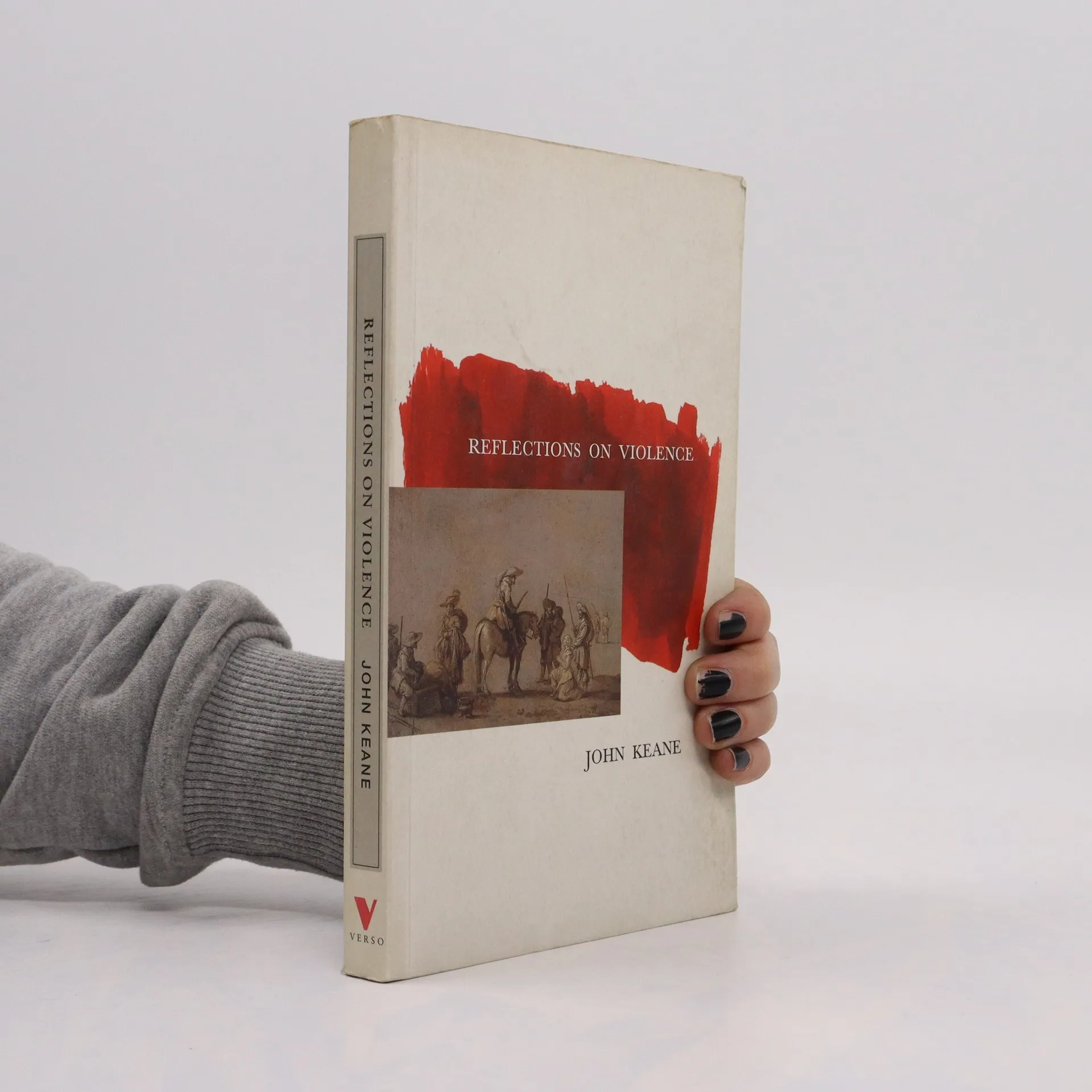
Exploring the origins and implications of violence, John Keane challenges the notion that violence is inherent to human nature. He highlights the unique relationship between violence and democracy, noting that democratic nations rarely engage in warfare with one another. Keane delves into ethical dilemmas surrounding the justification of violence and advocates for its "democratization" to ensure public accountability. Through this lens, he examines both the consequences of violence and potential remedies within democratic frameworks.
Delving into the historical roots and contemporary significance of global civil society, this work examines its political implications and potential impact on society. It offers insights into how civil society has evolved over time and its role in shaping political discourse and action today. Through a critical analysis, the book highlights the importance of civic engagement in addressing global challenges.
"John Keane reveals the unseen Havel and dramatises the key moments of joy, misery, triumph and ruin on which his life has turned." "Havel was born in 1936 into a well-connected bourgeois family in Prague. He grew up in one of the world's most hellish hot-spots and witnessed the efforts of the people of his native Czechoslovakia to deal with not one, but two totalitarian regimes. John Keane describes Havel's disdain for Nazi troops and Soviet tanks in the streets of his childhood; his daring teenage efforts in the face of Stalinism, to organise a literary circle called the Thirty-Sixers; his assaults on the theatre establishment leading to global fame for award-winning, side-splitting satires on the absurdities of unaccountable power. We see his early confrontations with the Communist authorities in the 1960s, as editor of the journal Tvar (The Face), as political writer, and as radio announcer and street activist during and immediately after the Prague Spring. We watch him brave the Cold War, dream up the human rights initiative called Charter 77, and suffer four years' imprisonment. His dramatic role in the magical 'velvet' events in the autumn of 1989 is scrutinised. We see him fighting his way through an obstacle course of death, intrigue, rivalry and trickery, then catapulted into the office of president of his country as it gropes its way towards constitutional government, market reforms, and entry into the European Union. Finally we see, through the twists and turns of the past decade, the final act of a tragedy unfolding in the hilltop castle of Prague, to the sounds of public grumbling and sharpening knives." "His account of the tragic life of Vaclav Havel presents a vivid portrait of the tumultuous events of this century. We discover why Havel, the 'post-modern president', came to have admirers in the four corners of the earth. And we see how much Havel can teach us about power-grabbing and power-sharing, the powerful and the powerless."--Jacket
The book explores the paradox of the twentieth century's extensive violence, including genocides and wars, juxtaposed with a lack of deep reflection on the nature and implications of such brutality. John Keane examines the conceptual meanings, causes, and ethical-political consequences of violence, highlighting the need for a more imaginative discourse on these critical issues. Through this analysis, the author seeks to shed light on the complexities surrounding human conflict and its pervasive impact on society.