Táto osobnosť zanechala nezmazateľnú stopu v utváraní raných Spojených štátov prostredníctvom svojej politickej angažovanosti a diplomatického úsilia. Jeho vplyv ako štátnika a jedného zo zakladateľov bol kľúčový pri formovaní národnej identity a medzinárodných vzťahov krajiny. Prostredníctvom svojej práce prispel k nastaveniu základov právneho a politického systému, ktorého ozveny rezonujú dodnes. Jeho oddanosť princípom revolučnej éry a štátnictva bola stěžejní pre budúcnosť národa.
Bravúrne argumentujúce, pôsobivé články, ktoré – hoci vznikli v rokoch 1787 – 1788 na obhájenie Ústavy USA – dodnes patria k základným pilierom americkej politológie a ústavného práva. Určite si môžu nárokovať osobitnú pozornosť v kontexte každej demokracie.
The Federalist Papers present a compelling argument for the United States Constitution through 85 articles by prominent figures like Hamilton, Madison, and Jay, exploring themes of individual versus governmental rights. In contrast, The Anti-Federalist Papers feature passionate critiques from authors like Patrick Henry and "Brutus," emphasizing concerns about centralized government. Together, these collections offer a rich historical perspective on foundational political debates, highlighting their enduring relevance to contemporary discussions about freedom and governance.
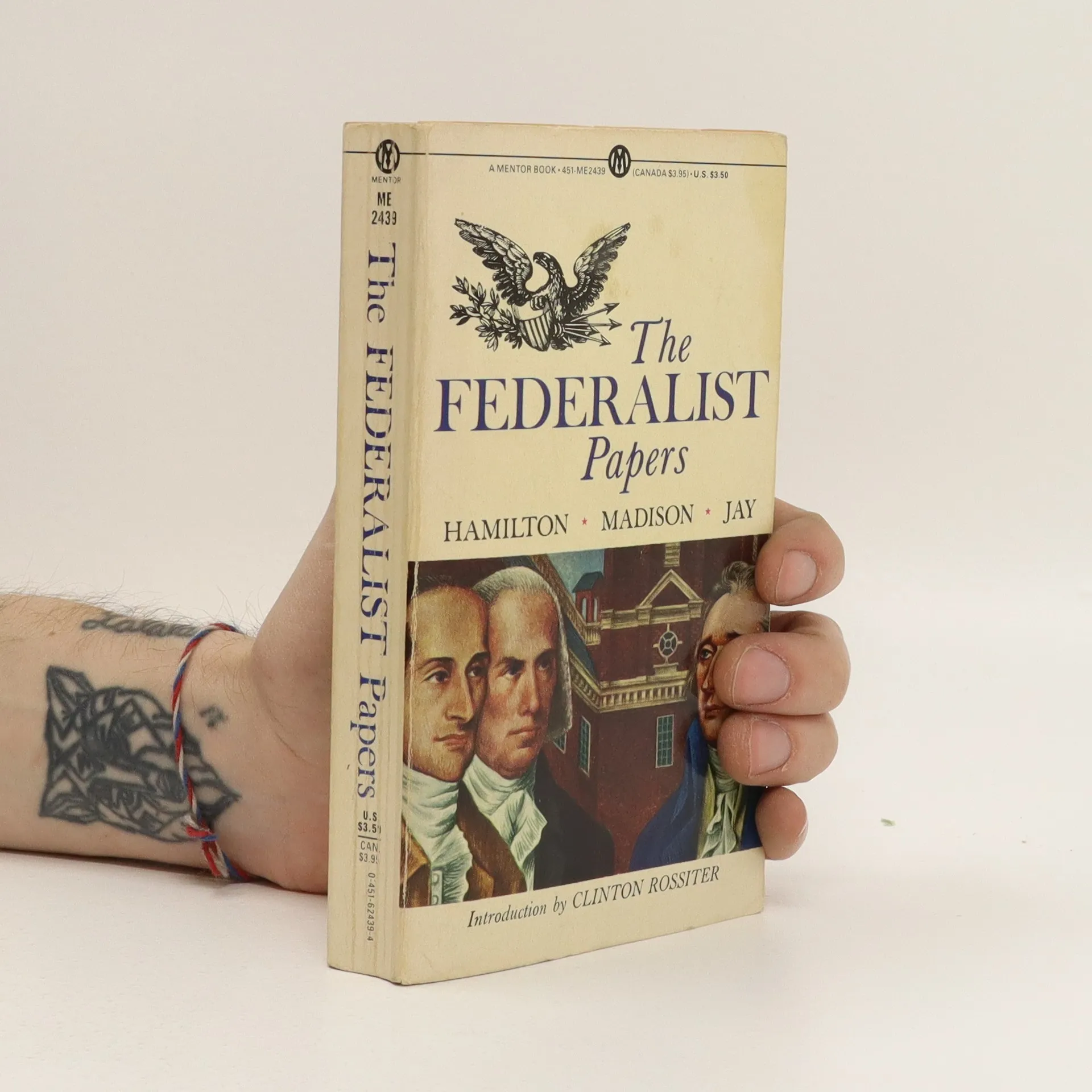
The Federalist Papers, written by Alexander Hamilton, James Madison, and John Jay, brilliantly defend what was in their day a revolutionary charter--the constitution of the United States. The Federalist Papers explain the complexities of a constitutional government--its political structure and principles based on the inherent rights of man. Scholars have long regarded this work as a milestone in political science and a classic of American political theory.
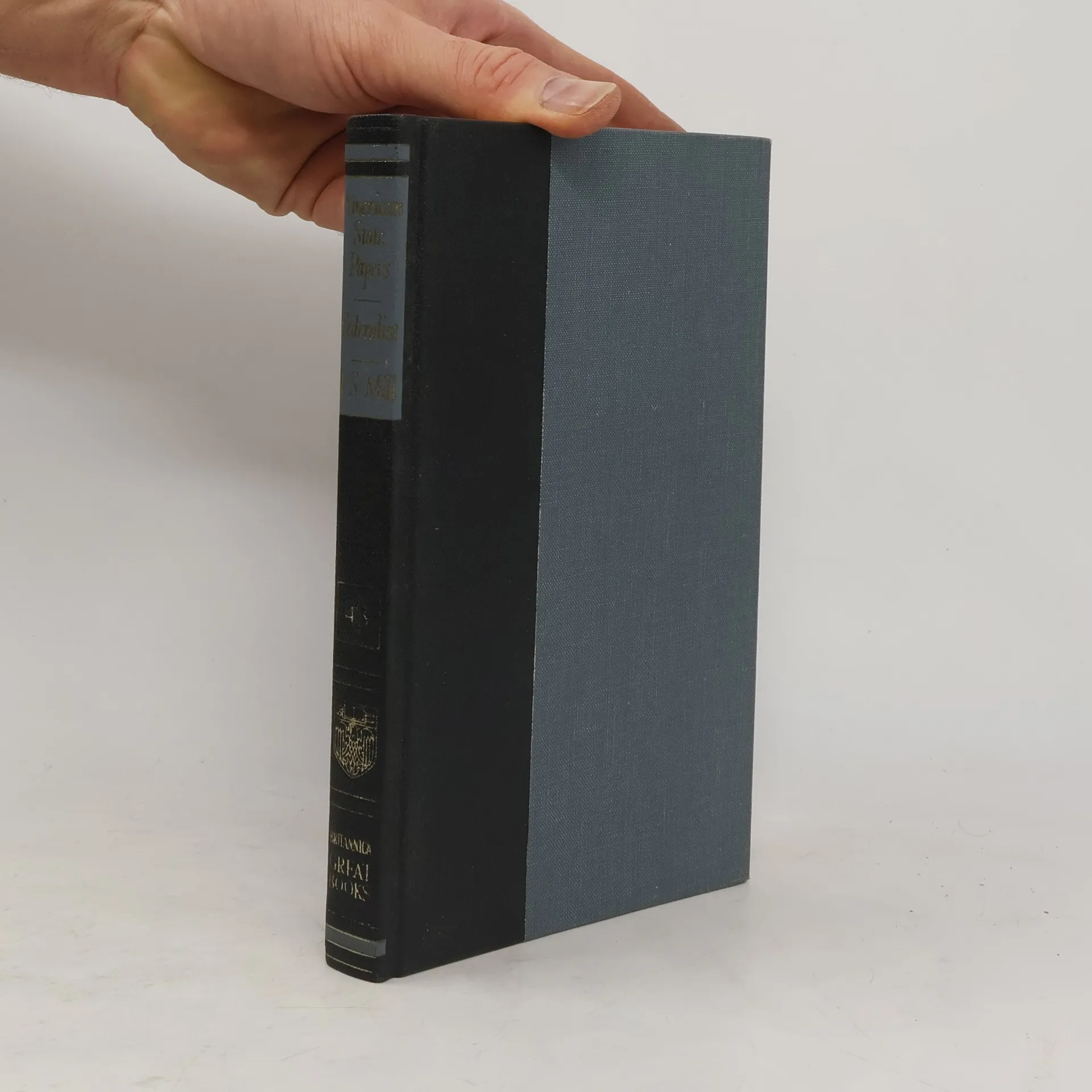
V.1. The great converstion: the substance of a liberal education; v.2. e v.3 The great ideas; v.4 . The iliad of Homero the Odyssey; v.5. Sophocles, Aeschylus, Aristophanes Euripides; v. 6. Thucydideis, Herodotus; v.7. Plato; v. 8. e v.9 Aristoteles; v. 10. Galen, Hippocrates; v. 11. Euclid, Archimedes, Apolonius, Nicomachus; v. 12.Lucretius, Epictetus,. Marcus Aurelius; v.13. Virgil; v. 14 Plutarch; v. 15 Tacitus; v. 16 Kepler, Ptolemy, Copernicus; v. 17 Plotinus; v. 18 Augustine; v. 19 e v. 20 Thomas Aquinas; v. 21 Dante; v. 22 Chaucer; v. 23 Hobbes, Machiavelli; v. 24 Rabelais; v. 25 Montaigne; v. 26 e v. 27. Shakespeare; v. 28. Gilbert, Galileo, Harvey; v. 29 Cervantes; v. 30 Francis Bacon; v. 31 Spinoza, Descartes; v. 32 Milton; v. 33 Pascal; v. 34. Huygens, Newton; v. 35 Locke, Berkeley, Hume; v. 36 Sterne, Swift; v. 37 Fielding; v. 38. Rousseau, Montesquieu; v. 39. Adam Smith; v. 40 e v.41. Gibbon; v. 42. Kant; v. 43. American State Papers; v. 44. Boswell; v. 45. Lavoisier, Fourier, Faraday; v. 46 Hegel; v. 47. Goethe; v. 48. Melville; v. 49. Darwin; v. 50. Marx; v. 51. Tolstoy; v. 52. Dostoyevsk; v. 53. William James; v. 54. Freud
Featuring 18 influential essays from The Federalist Papers, this collectible hardback edition showcases the foundational ideas behind the U.S. Constitution, first published in 1787-88. Authored by prominent figures Alexander Hamilton, John Jay, and James Madison, these essays explore the complexities of constitution-making. The edition also includes John Jay's "An Address to the People of the State of New York" and the complete American Constitution with Amendments. Beautifully illustrated with stenciled edges and gold embossing, it serves as an exquisite gift for history enthusiasts.
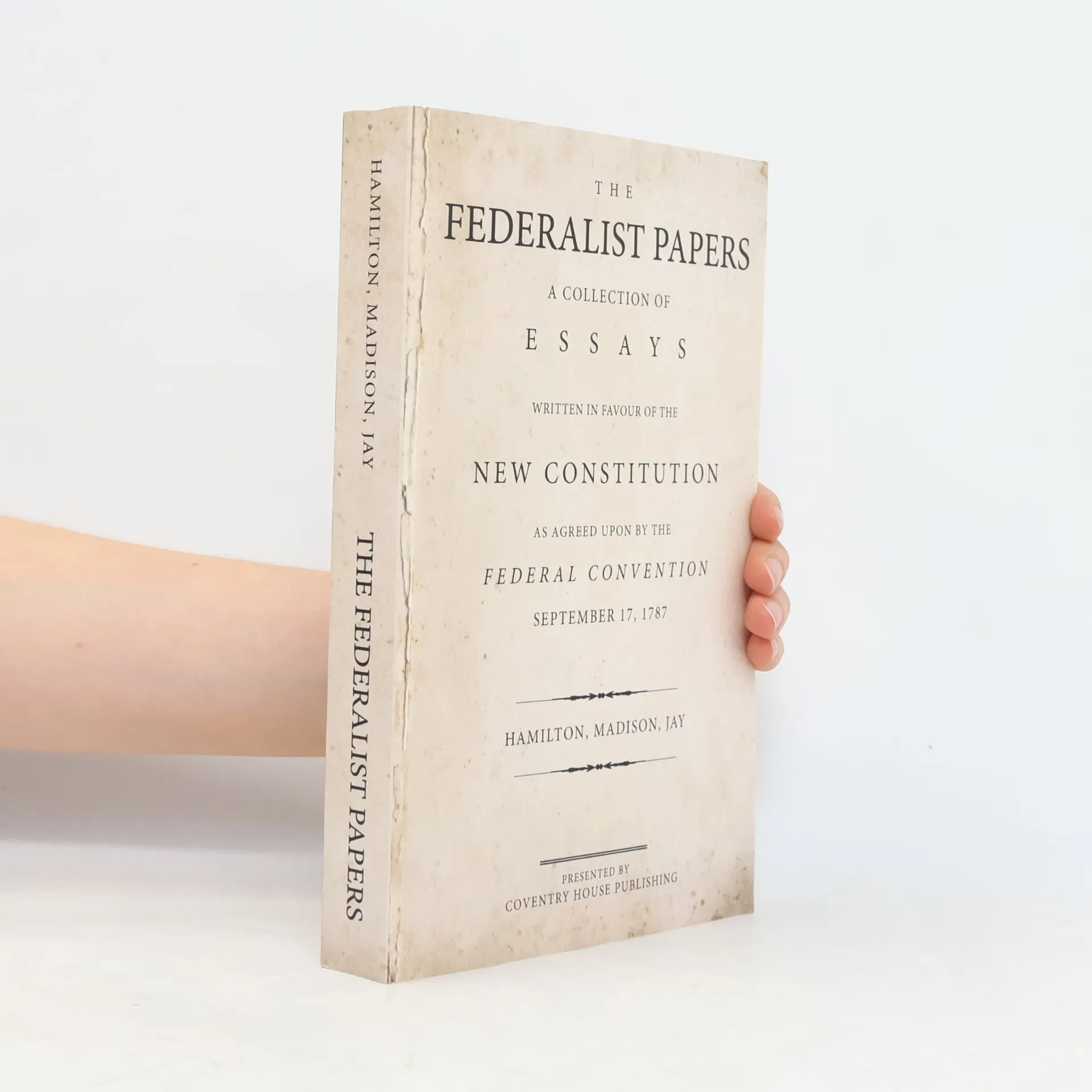
The book features a faithful reproduction of the original text, preserving its historical significance and authenticity. It offers readers a chance to engage with the content as it was originally presented, maintaining the style and nuances of the time. This edition is ideal for those interested in the preservation of literary works and the exploration of past ideas and contexts.
A Collection of Essays Written in Favour of the New Constitution as Agreed Upon by the Federal Convention September 17, 1787
440 stránok
16 hodin čítania
The Federalist Papers consist of eighty-five articles and essays authored by Alexander Hamilton, James Madison, and John Jay, advocating for the ratification of the United States Constitution. Initially published in 1787 as anonymous letters to New York newspapers, their primary aim was to sway public opinion in favor of the Constitution. In Federalist No. 1, Hamilton framed the debate in broader political terms, emphasizing the significance of the American experiment in self-governance. He posed a pivotal question about humanity's ability to create effective governance through reflection and choice rather than relying on chance and coercion. A key highlight is Federalist No. 10, where Madison addresses the dangers of majority faction rule and champions the idea of a large, commercial republic, which is often viewed as the most philosophically significant essay. This is further supported by Federalist No. 14, where Madison assesses the United States' suitability for an extended republic and defends the Constitution. Hamilton, in Federalist No. 70, argues for a singular executive leader, while Federalist No. 78 lays the foundation for judicial review by federal courts. Despite being centuries old, these essays continue to be a cornerstone of American political philosophy.