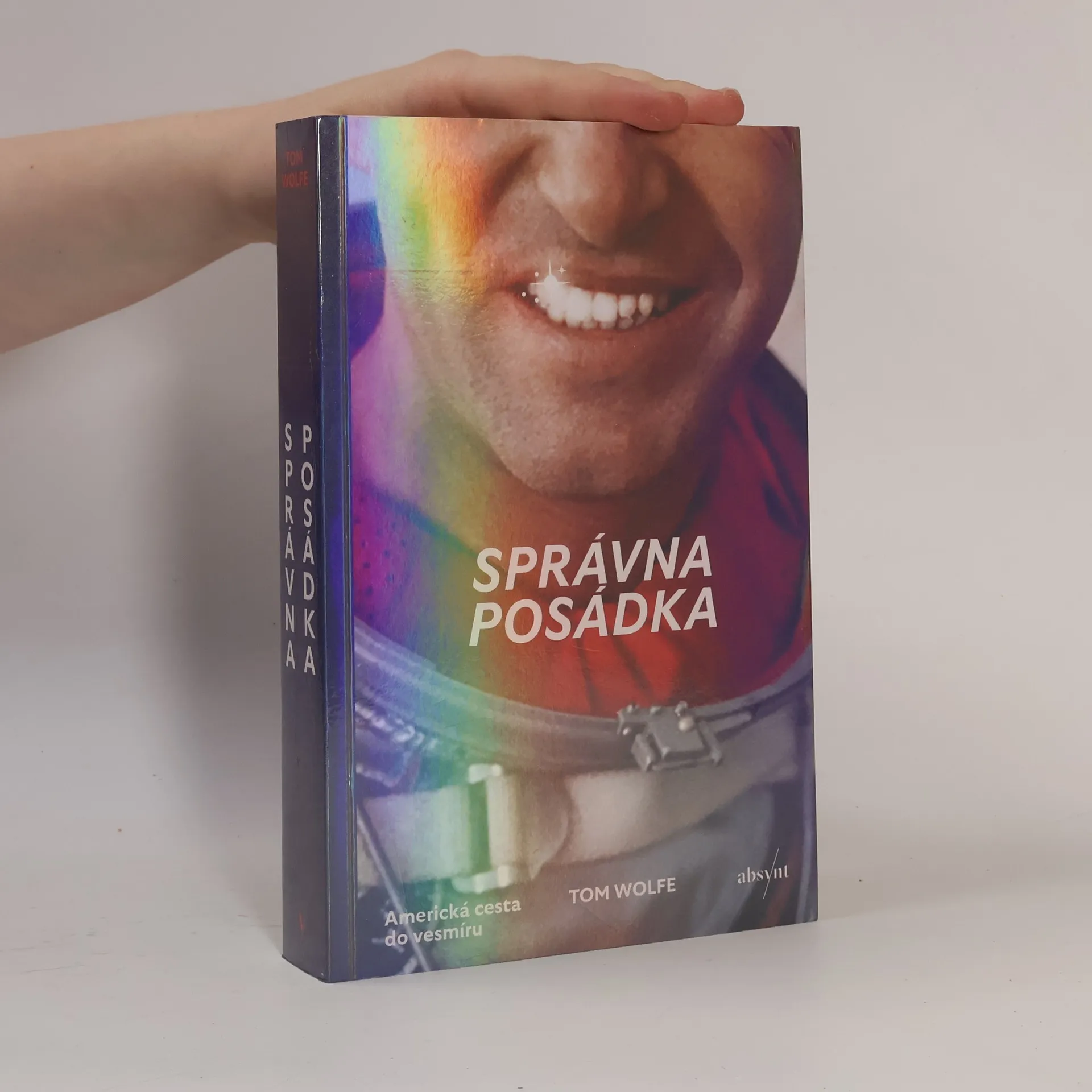
Správna posádka - Americká cesta do vesmíru
- 436 stránok
- 16 hodin čítania


Tom Wolfe, jeden zo zakladateľov hnutia Novinárskeho realizmu 60. a 70. rokov, sa ponoril do vnútorného fungovania mysle a skúmal nevedomé rozhodnutia, ktoré formujú ľudské životy. Jeho štýl, charakterizovaný voľnými asociáciami a onomatopojmiou, sa stal ochrannou známkou Novinárskeho realizmu. Wolfe sa zameral na zvláštnosti ľudského správania a jazyka a na otázky sociálneho postavenia, čím zanechal neporovnateľný odkaz v americkom literárnom kánone. Je tiež známy ako popularizátor termínu "fiction-absolute".



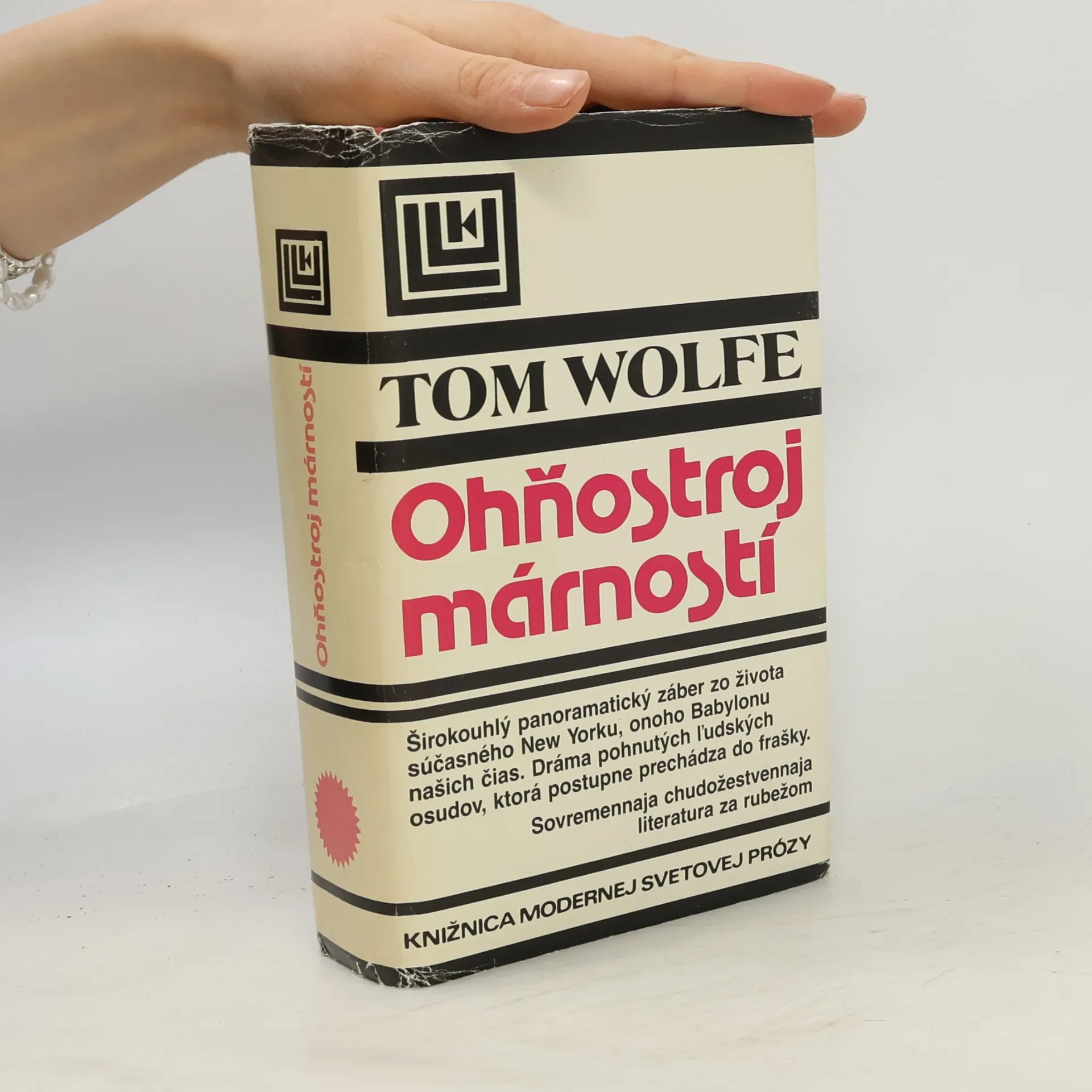
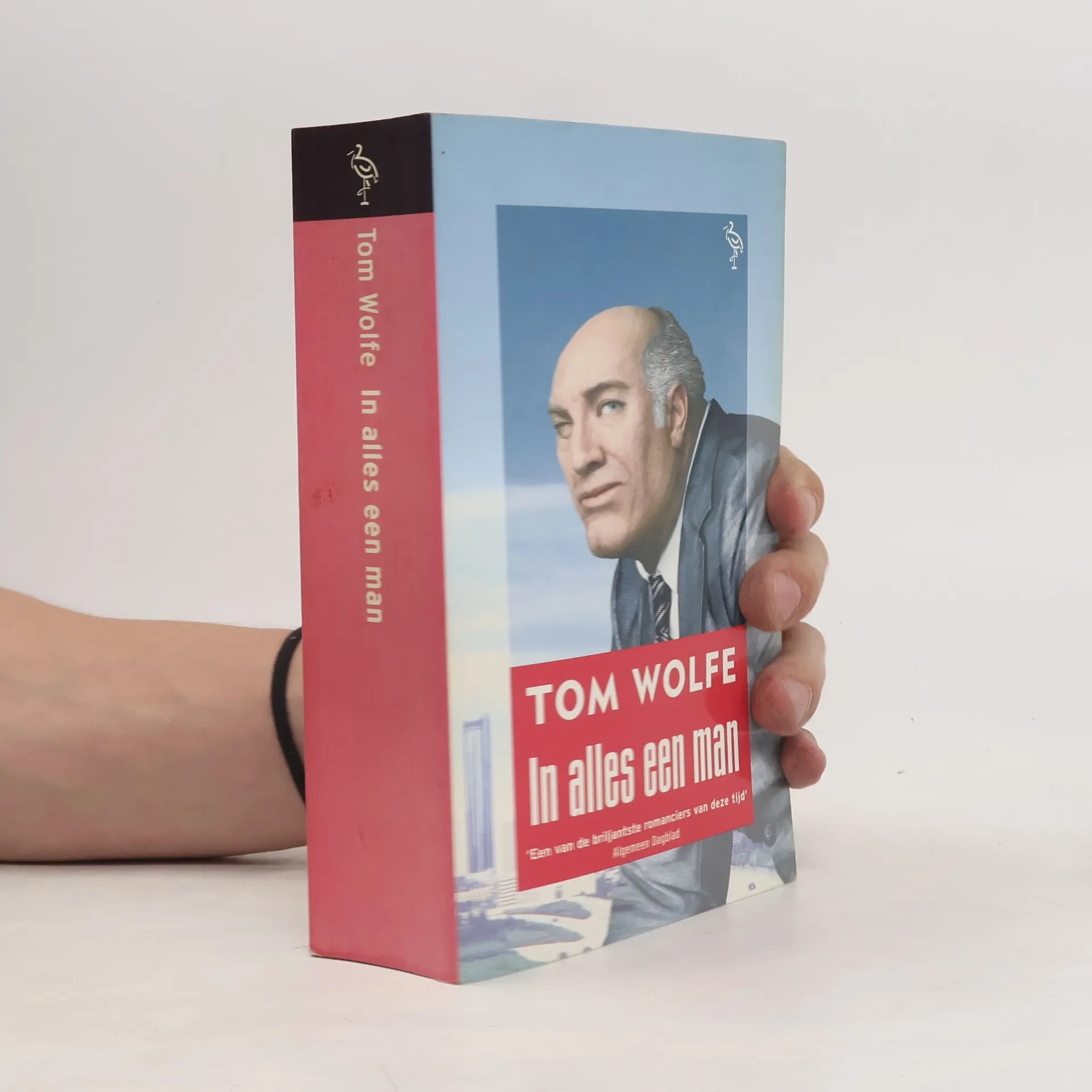
Širokouhlý panoramatický záber zo života súčasného New Yorku, onoho Babylonu našich čias. Dráma pohnutých ľudských osudov, ktorá postupne prechádza do frašky. Tom Wolfe si vie podmaniť čitateľa... je vynikajúcim rozprávačom a vie rozosmiať. Vybraný faktografický materiál transponoval do roviny typizácie a umeleckého zovšeobecnenia. Jeho rozprávanie sa však odvíja v takom tempe, že čitateľ má chvíľami pocit, akoby padal z výšky.
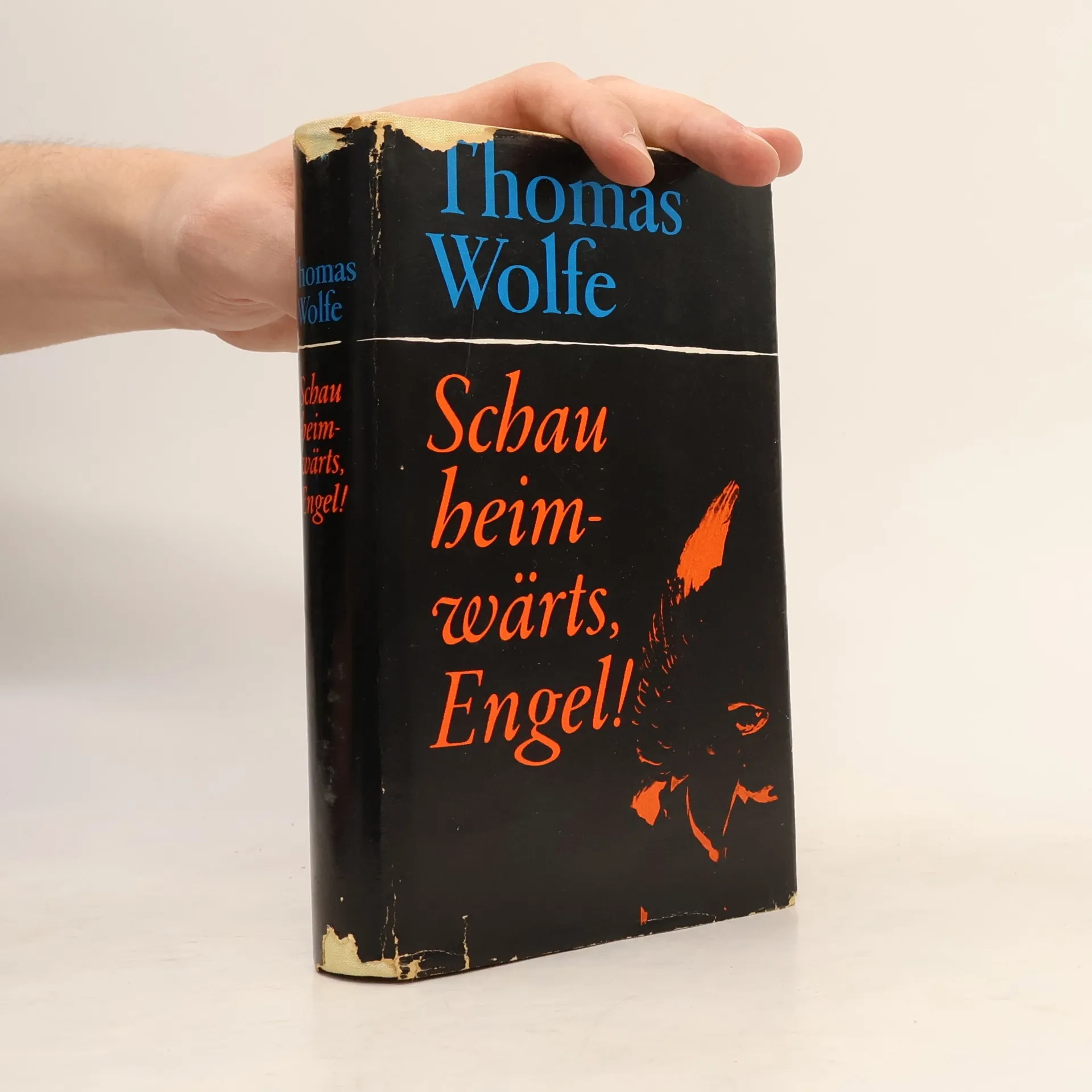
The first Americans in space--Yeager, Conrad, Grissom, and Glenn--battle the Russians for control of the heavens and put their lives on the line to demonstrate a quality beyond courage, in this classic by Wolfe.
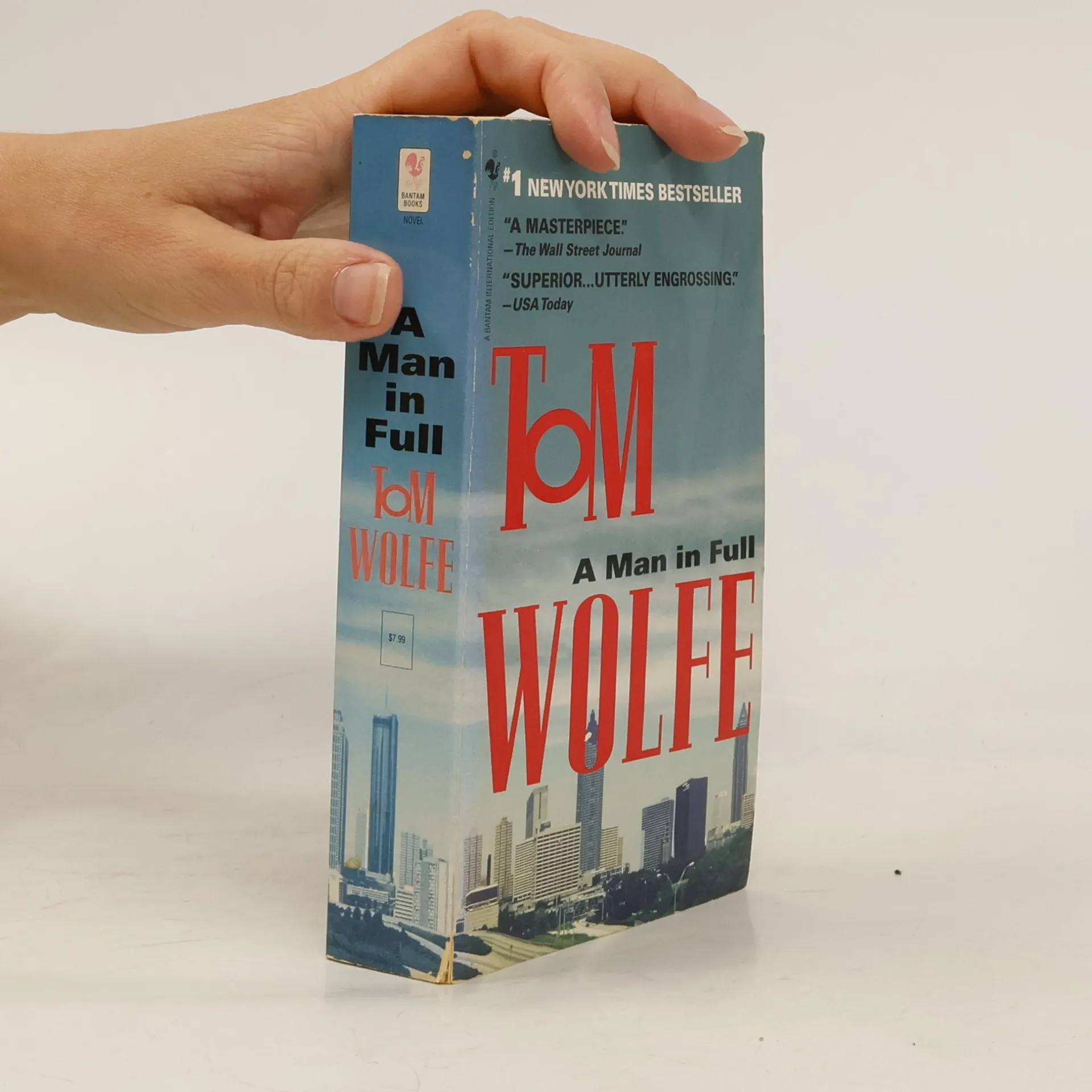
A satire on America featuring a capitalist trying to avoid ruin. The hero is Charlie Croker of Atlanta whose plantation and skyscraper face repossession by banks for non-repayment of a loan. One way out might be to request leniency in return for hushing up a rape.
Tom Wolfe's much-discussed kaleidoscopic non-fiction novel chronicles the tale of novelist Ken Kesey and his band of Merry Pranksters. In the 1960s, Kesey led a group of psychedelic sympathizers around the country in a painted bus, presiding over LSD-induced "acid tests" all along the way.
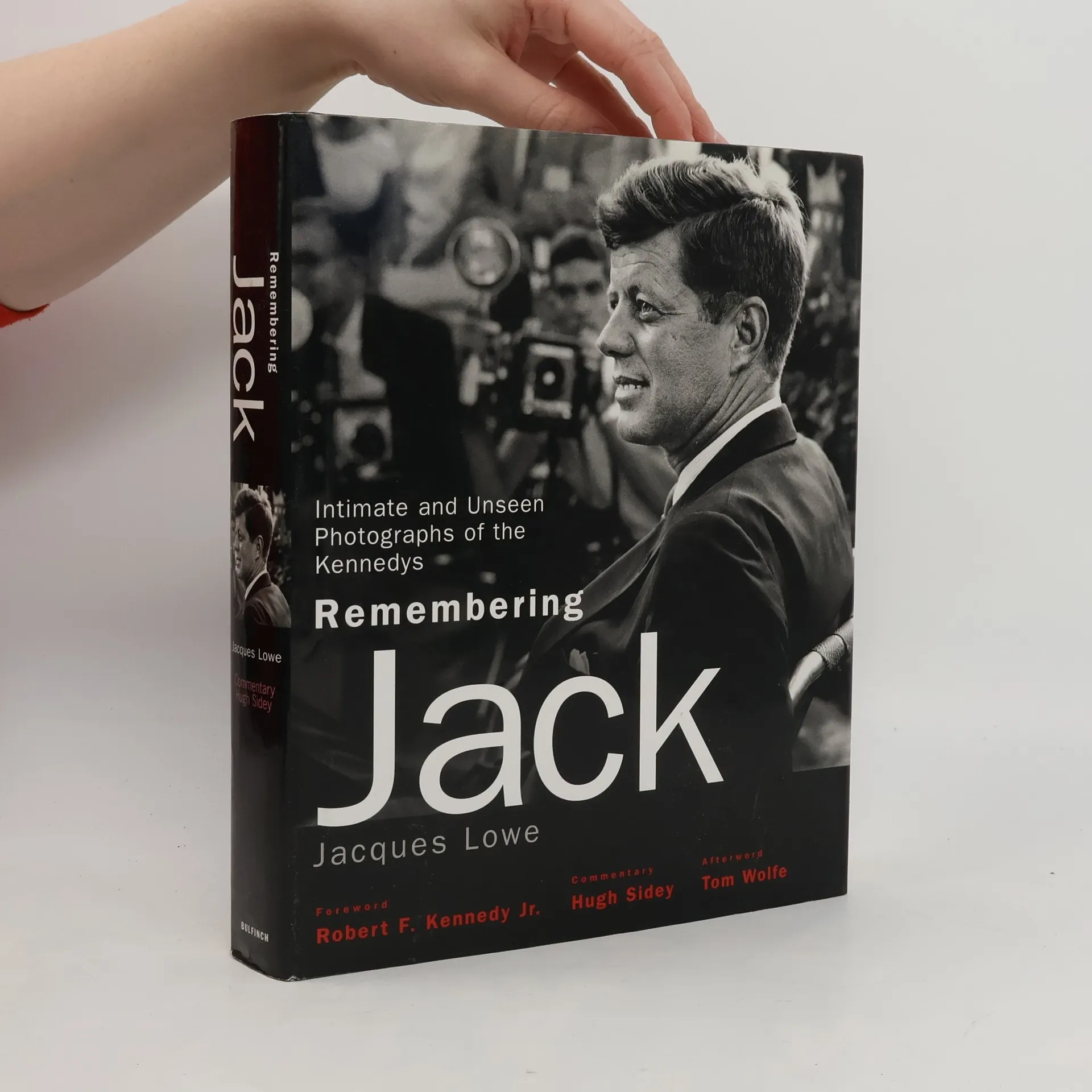
A stirring collection of never-before-seen photographs of the Kennedy family presented in this seminal work by JFK's personal photographer, Jacques Lowe.
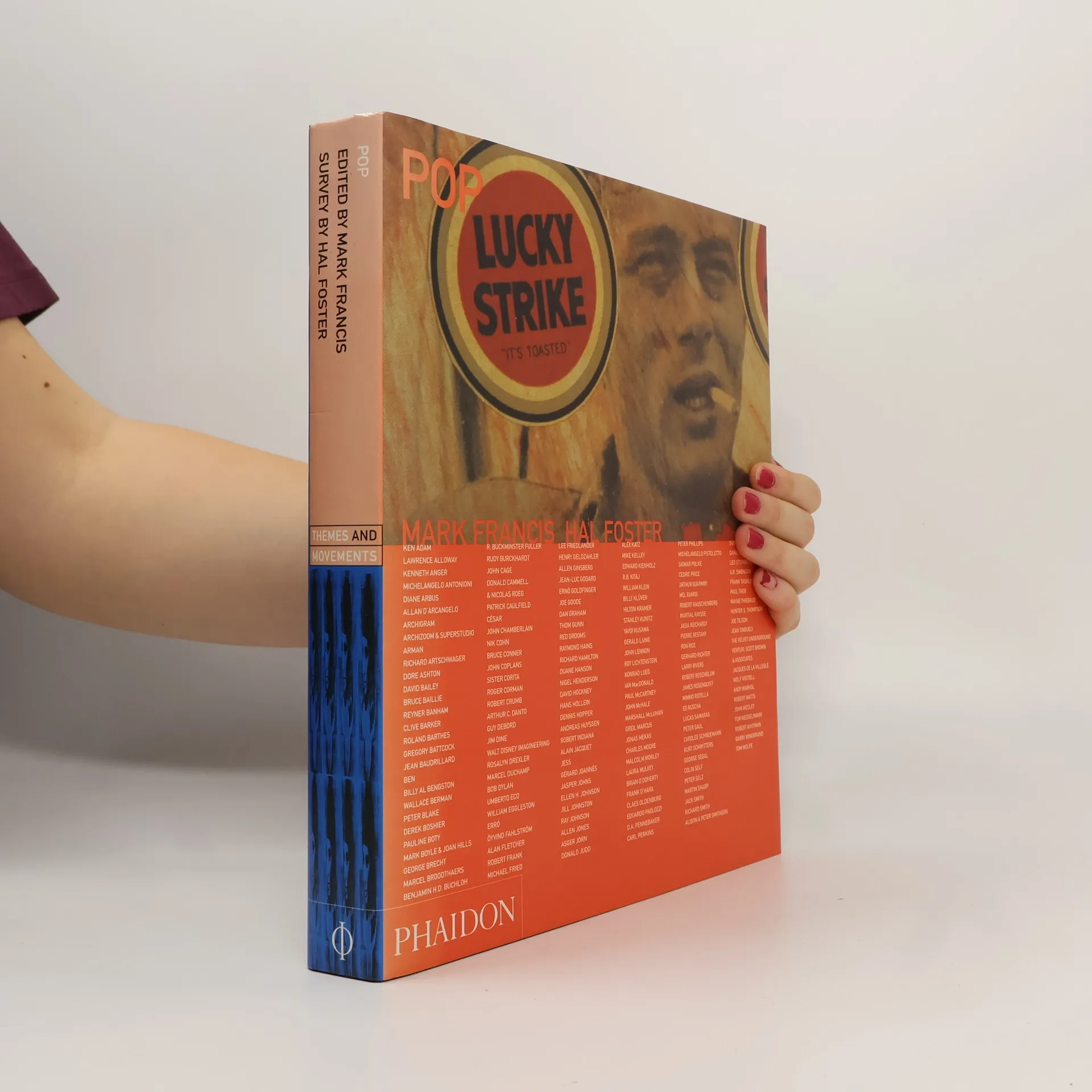
Exploring the evolution of Pop culture from the late 1950s to the late 1960s, this comprehensive survey examines its impact on art, film, photography, and architecture, highlighting the interplay between mass production and mass media. Unlike other works that focus solely on Pop art, it offers a holistic view of the movement's influence across America, Britain, and Europe, showcasing its diverse manifestations and cultural significance during this transformative era.
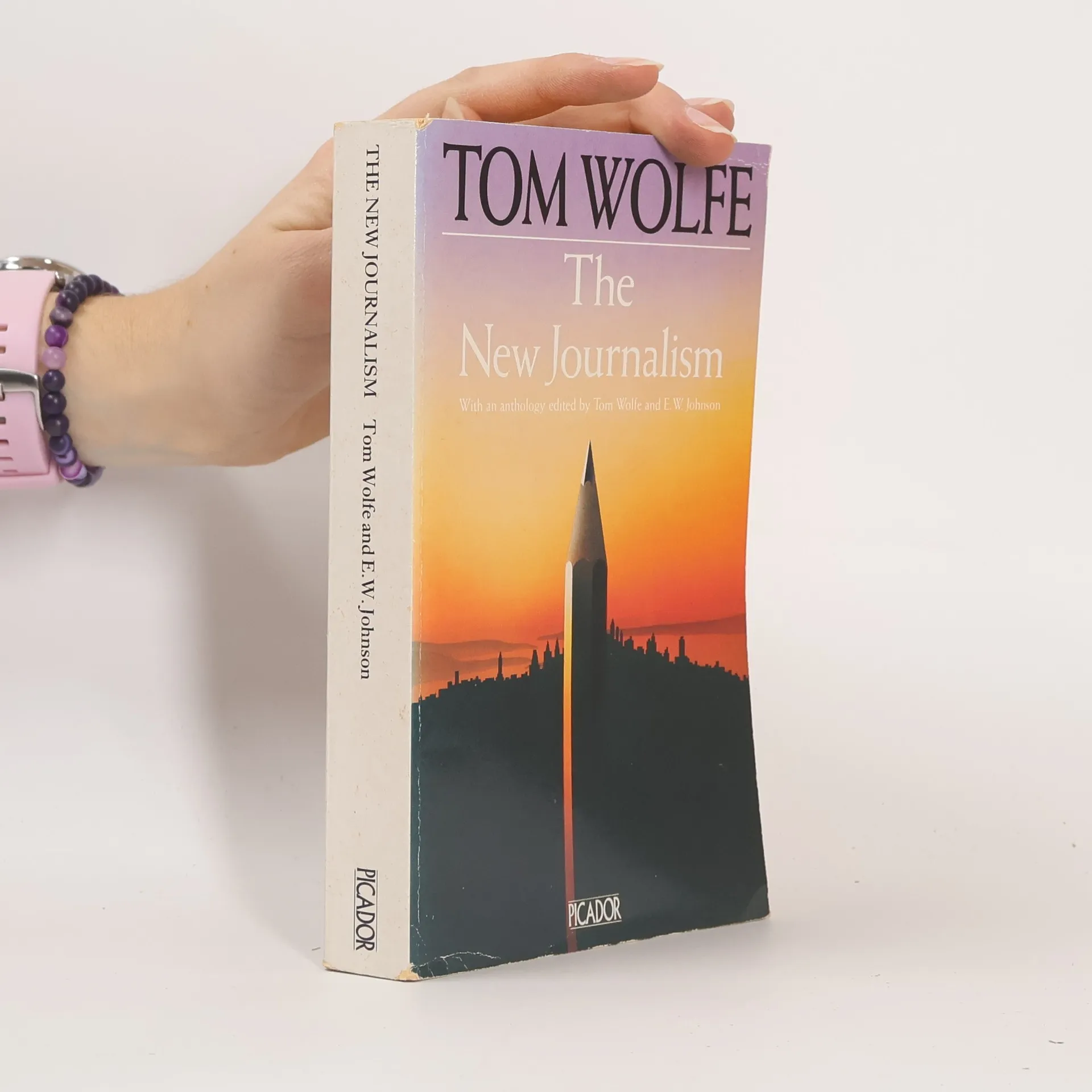
With an anthology edited by Tom Wolfe and E. W. Johnson
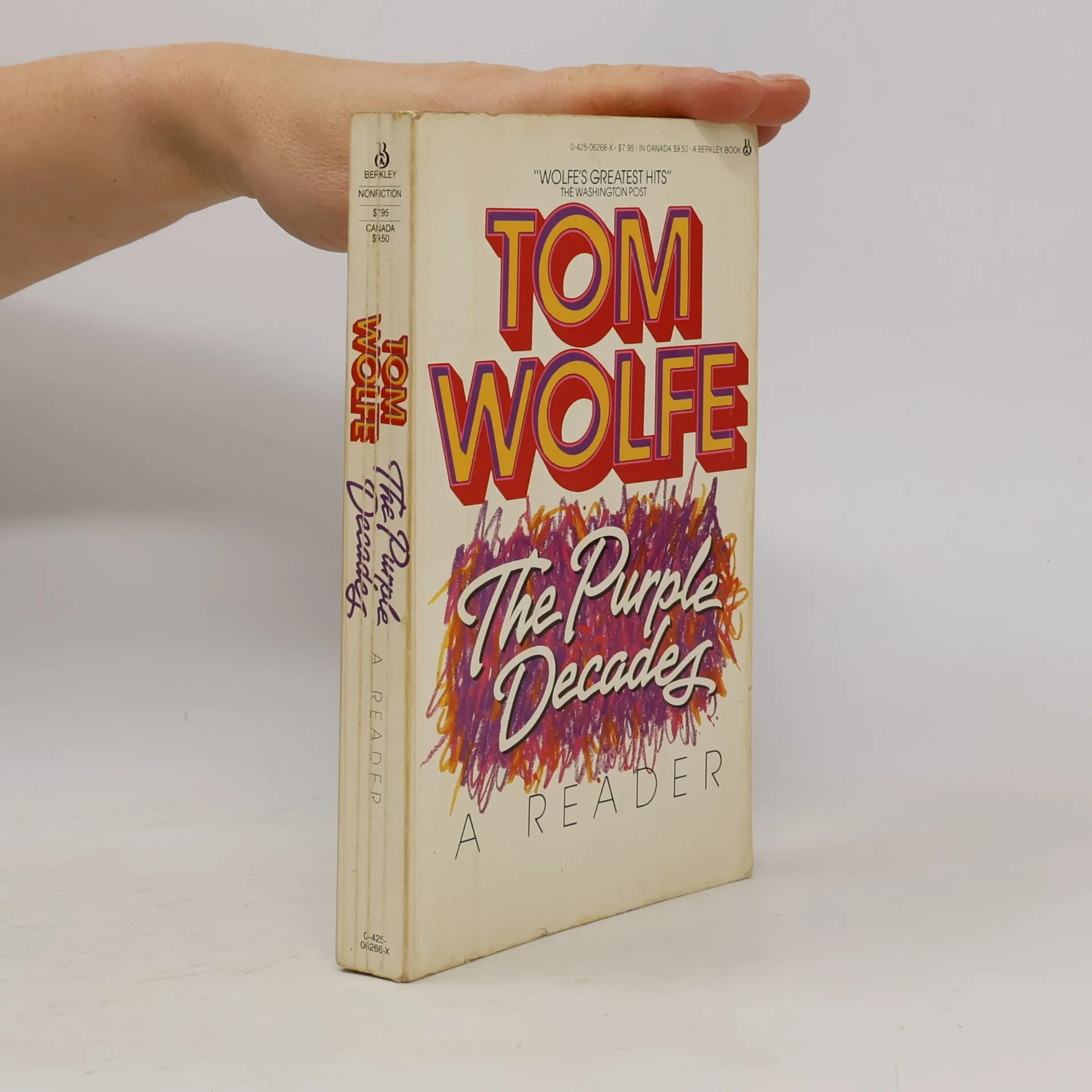
The Purple Decades brings together the author's own selections from his list of critically acclaimed publications, including the complete text of Mau-Mauing and the Flak Catchers, his account of the wild games the poverty program encouraged minority groups to play.
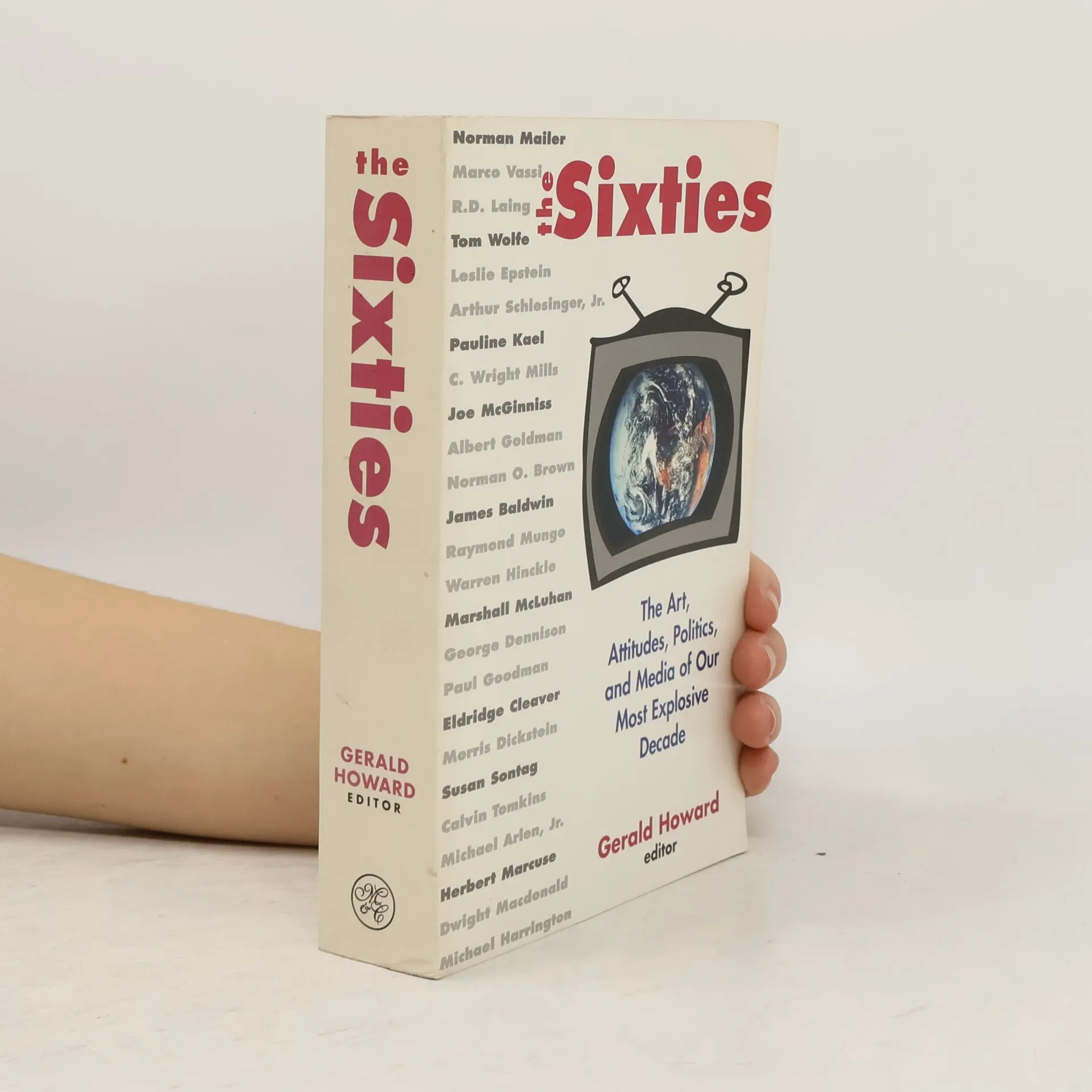
Gathers essays written during the sixties by such people as Norman Mailer, Marshall McLuhan, Tom Wolfe, Eldridge Cleaver, and others about the changes in art, politics, and the media during that decade
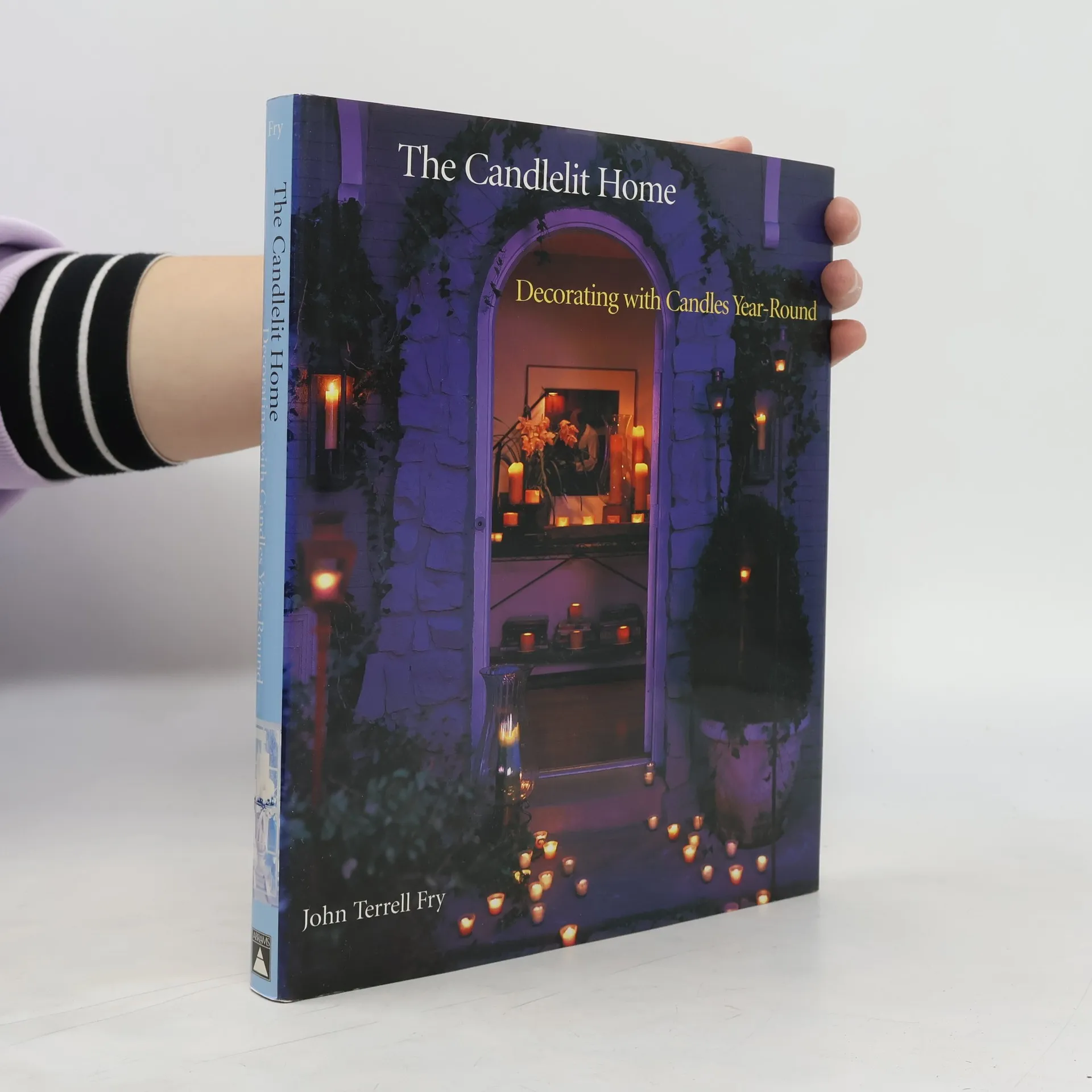
Celebrating the candle as a home decorating item, the authors present more than a hundred well-illustrated ideas and settings designed to help readers choose and place candles for maximum effect.
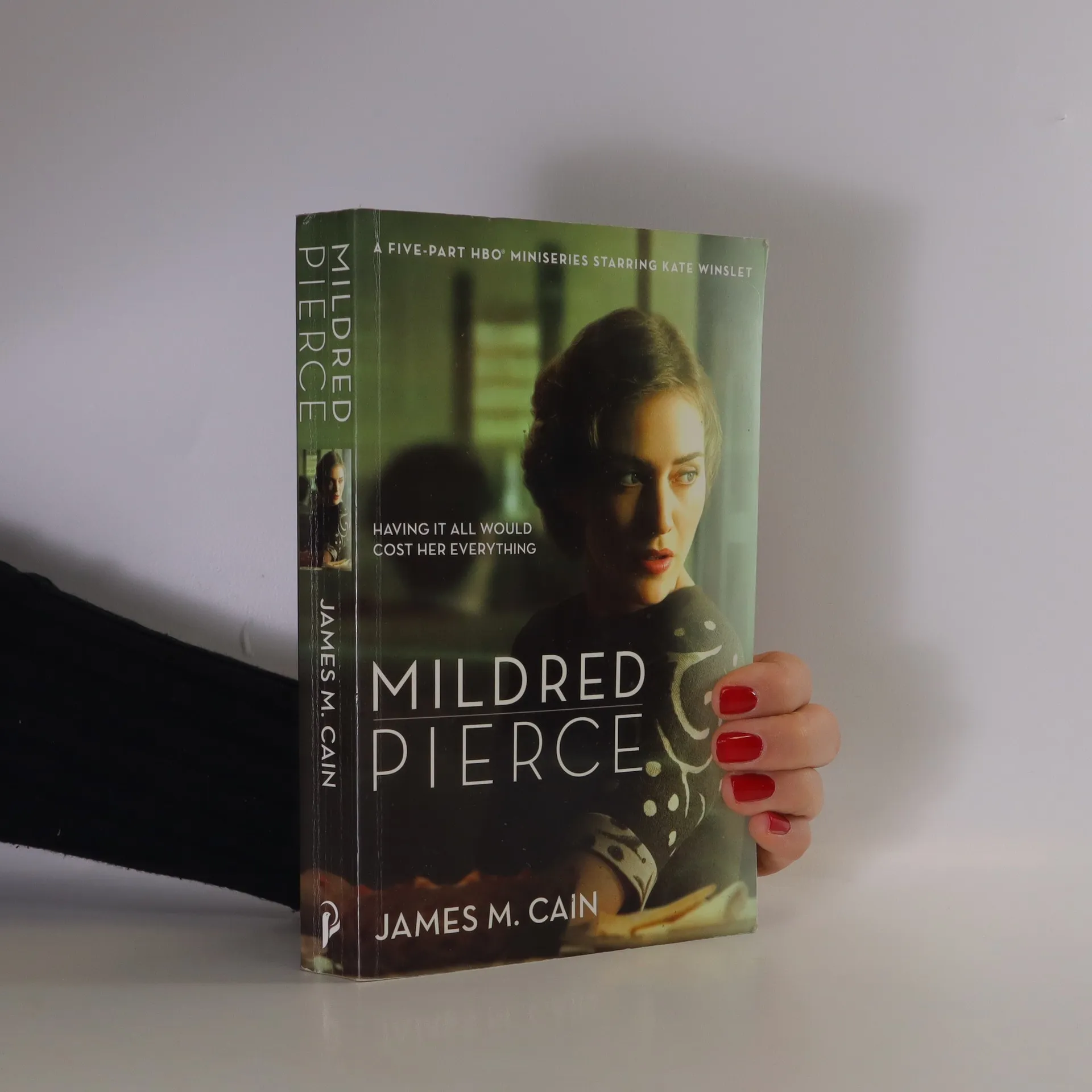
MILDRED PIERCE is the story of a determined and ambitious woman who, after her feckless husband abandons her, builds a successful business through hard work and sacrifice in order to ensure the future of her pampered and selfish daughter. But she isn't prepared for the intrigues and devastating betrayals of those closest to her.
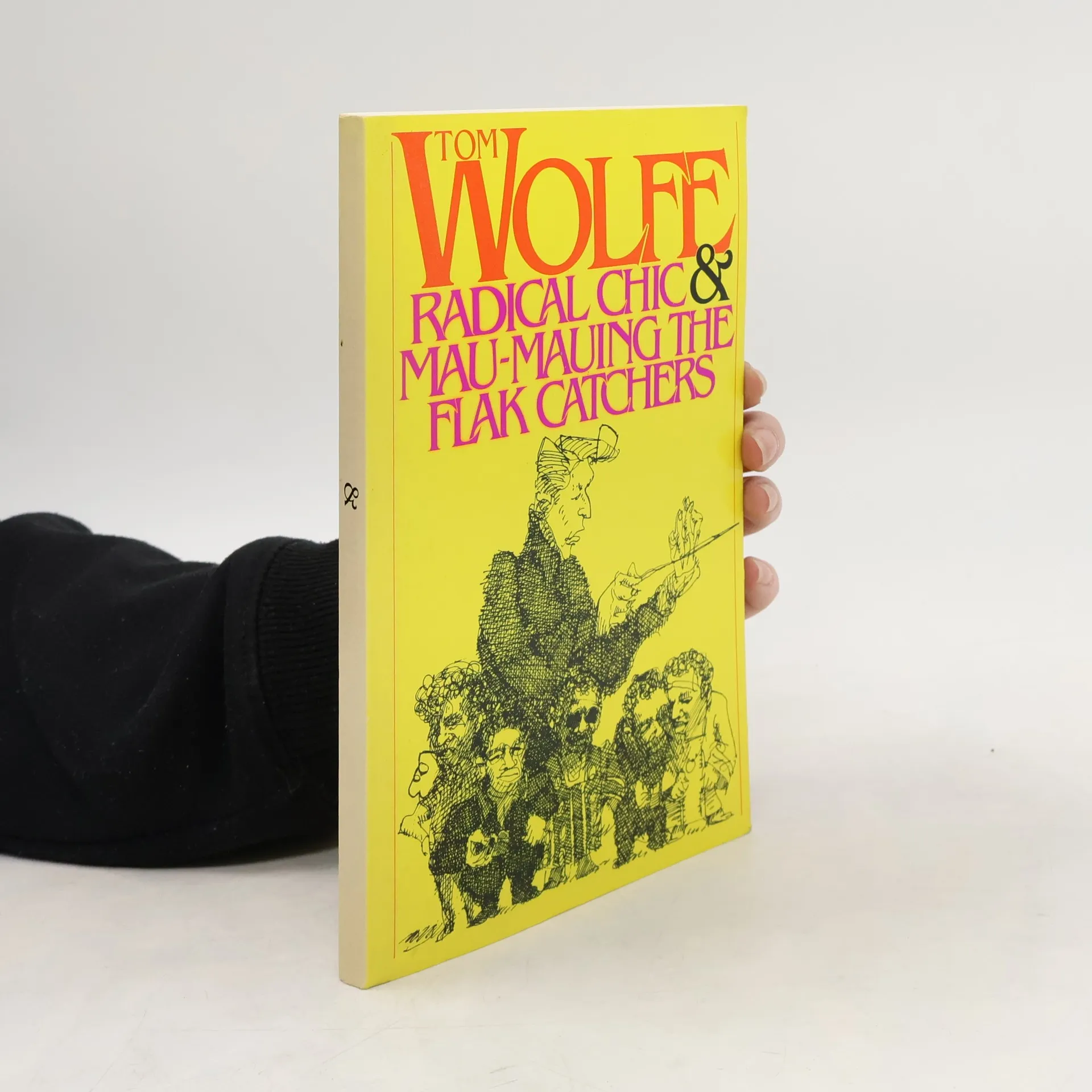
Two hilarious essays by the author of The Right Stuff show the white liberal establishment confronting the new subculture, with humorous and unexpected results. Reprint.
The author derails the great American myth of modern art in a scathing, witty, uncompromising critique of American art from the 1950s through the 1970s. Reprint.
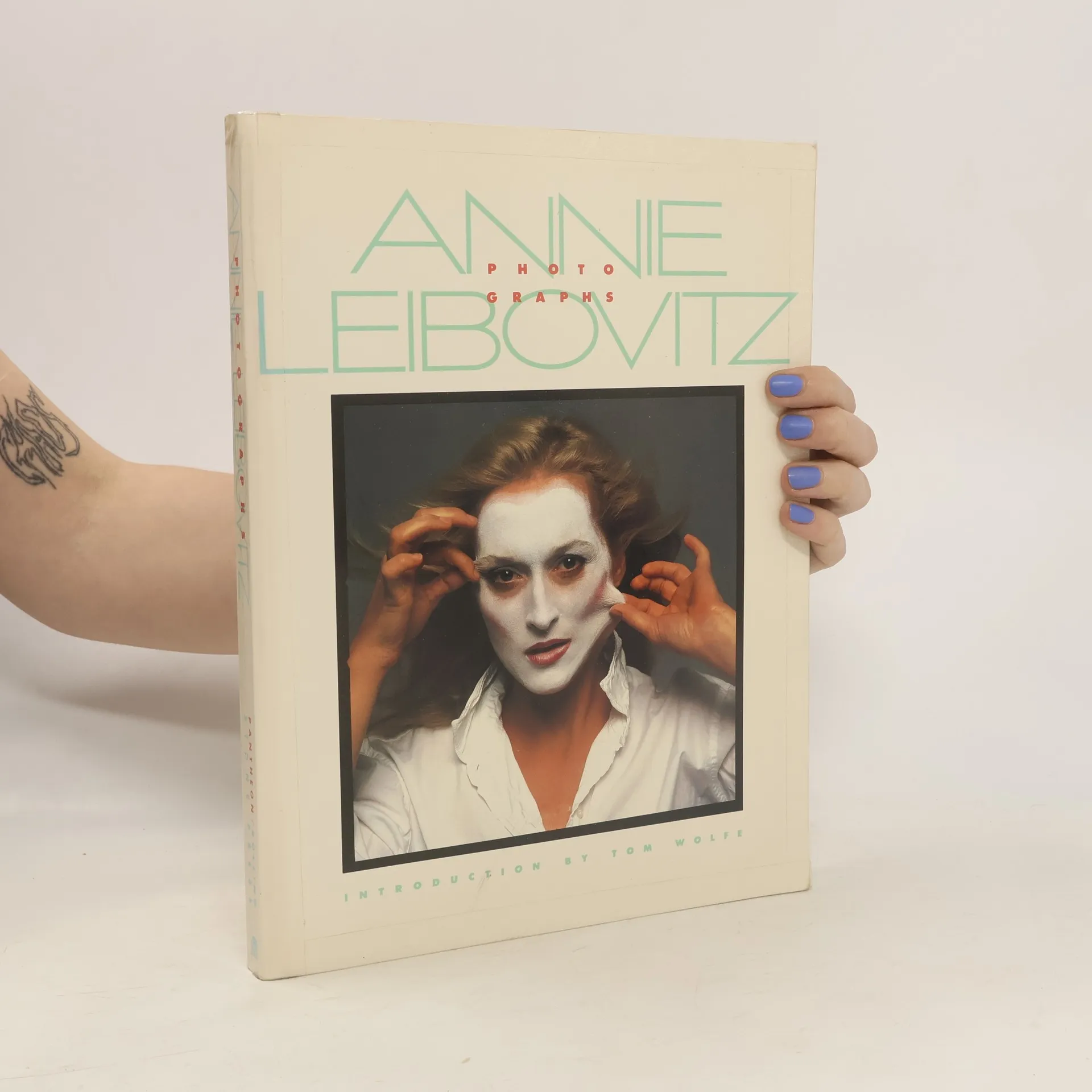
Annie Leibovitz's first book. All celebrity portraits: The Stones, Townsend, Michael Douglas, Patti Smith, Woody Allen, Clint Eastwood, etc. 142 pages; color and b&w photographic plates through out; 9.25 x 12.25 inches.
'A great journalist with a whip-like satirical prose style... Wolfe's great gift is to make the heavy seem light and this book is such an entertaining polemic that I read it in a day and immediately wanted to read it again.' - Bryan Appleyard, Sunday Times Tom Wolfe, whose legend began in journalism, takes us on an eye-opening journey that is sure to arouse widespread debate. The Kingdom of Speech is a captivating, paradigm-shifting argument that speech - not evolution - is responsible for humanity's complex societies and achievements. From Alfred Russel Wallace, the Englishman who beat Darwin to the theory of natural selection but later renounced it, and through the controversial work of modern-day anthropologist Daniel Everett, who defies the current wisdom that language is hard-wired in humans, Wolfe examines the solemn, long-faced, laugh-out-loud zig-zags of Darwinism, old and Neo, and finds it irrelevant here in our Kingdom of Speech.
Tom Wolfe is the author of a dozen books, among them such contemporary classics as The Electric Kool-Aid Acid Test, The Right Stuff, and The Bonfire of the Vanities. A native of Richmond, Virginia, he earned his B.A. at Washington and Lee University and a Ph.D. in American studies at Yale. He lives in New York City.
"When are the 1970's going to begin?" ran the joke during the l976 presidential bid. In these stories and essays Wolfe meets the question head-on -- even providing the label "The Me Decade".
Looking for new forms of status and power, the author travels from La Jolla to London in search of the 1960s subculture's wildest heroes. Reprint.
This biographer of Adolf Hitler's notorious foreign minister is also an account of the social and political workings of Nazi Germany. The book combines narrative history with intimate familiarity with the people, events and social currents that animated Hitler's regime.
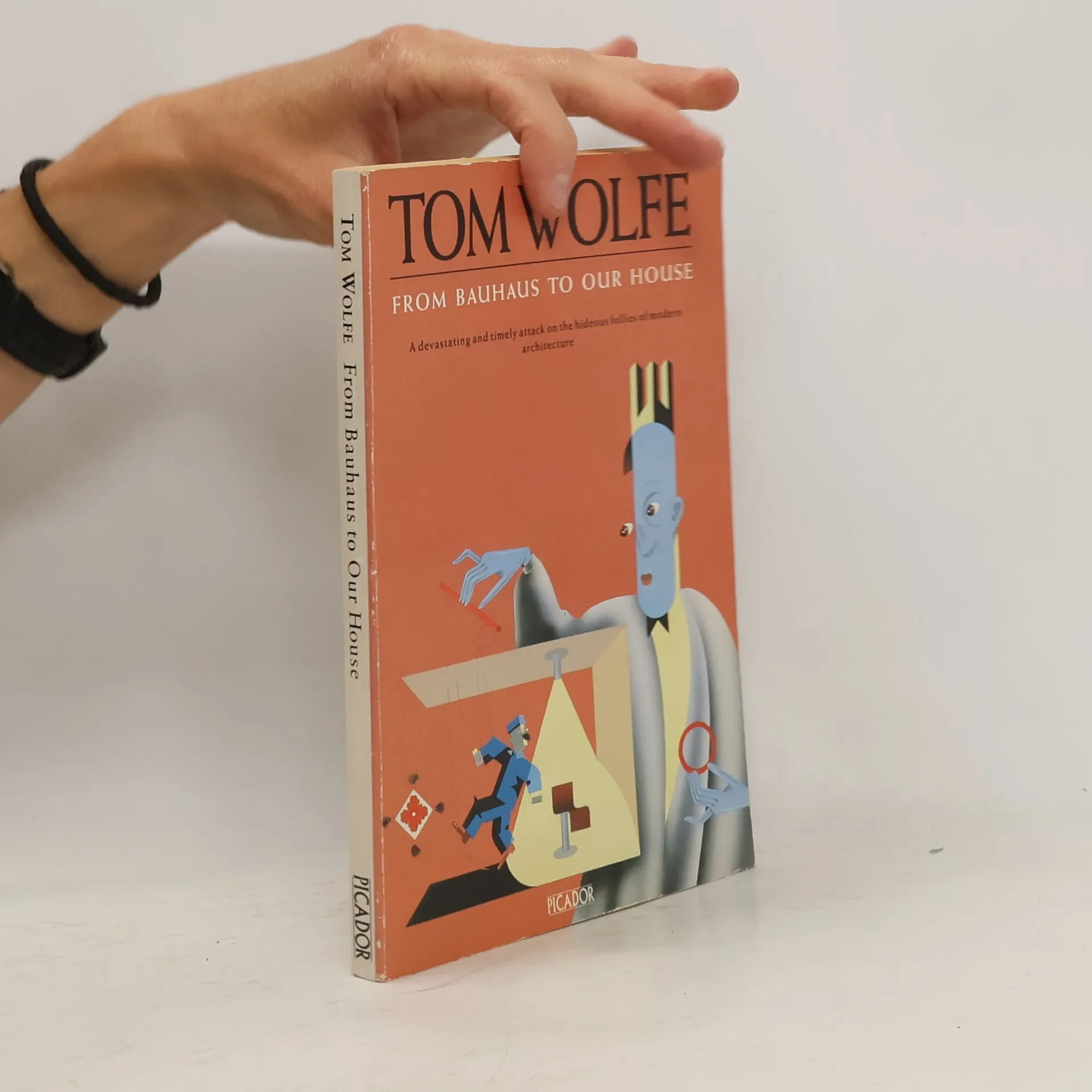
A review of architectural trends in the twentieth century that attacks the modernist mainstream.
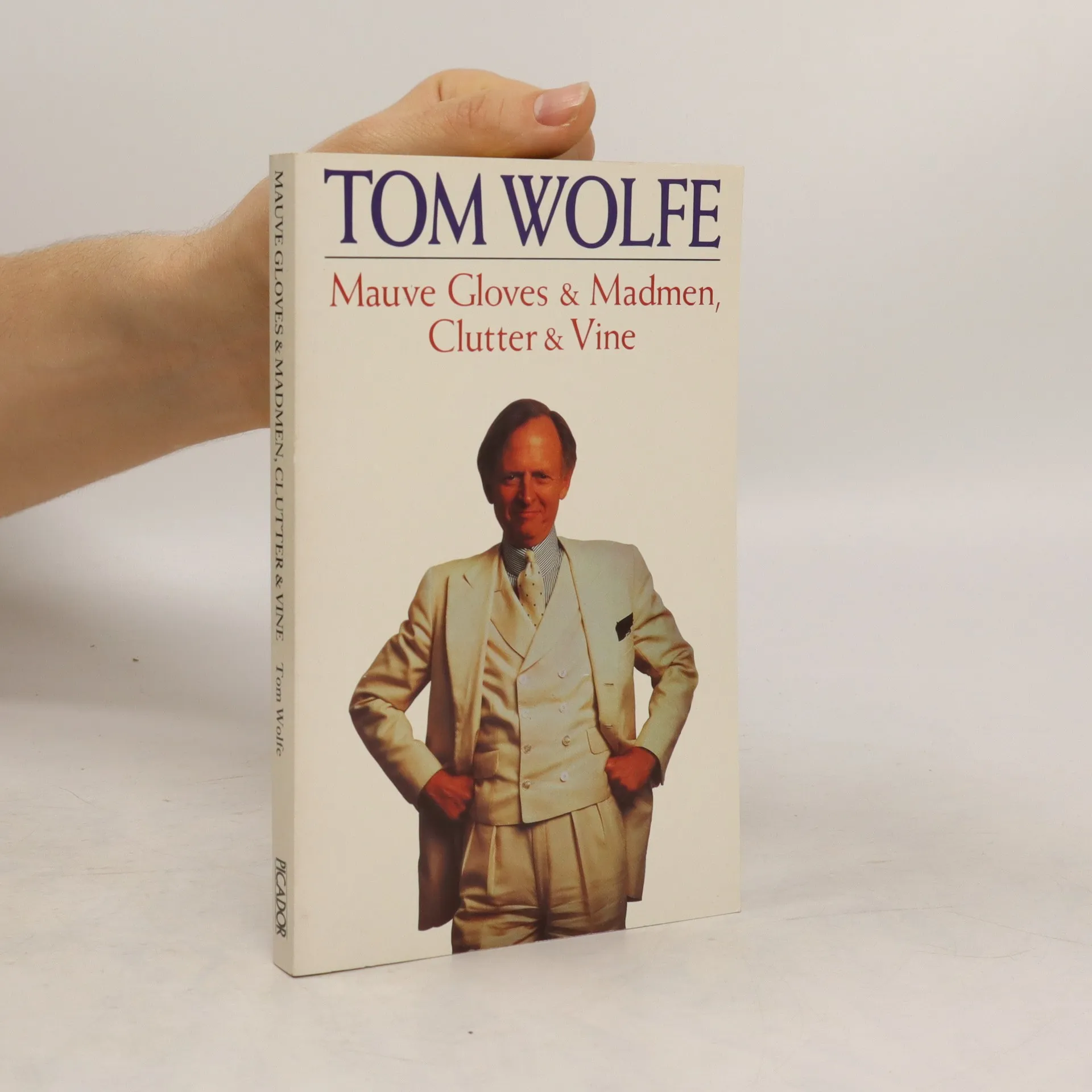
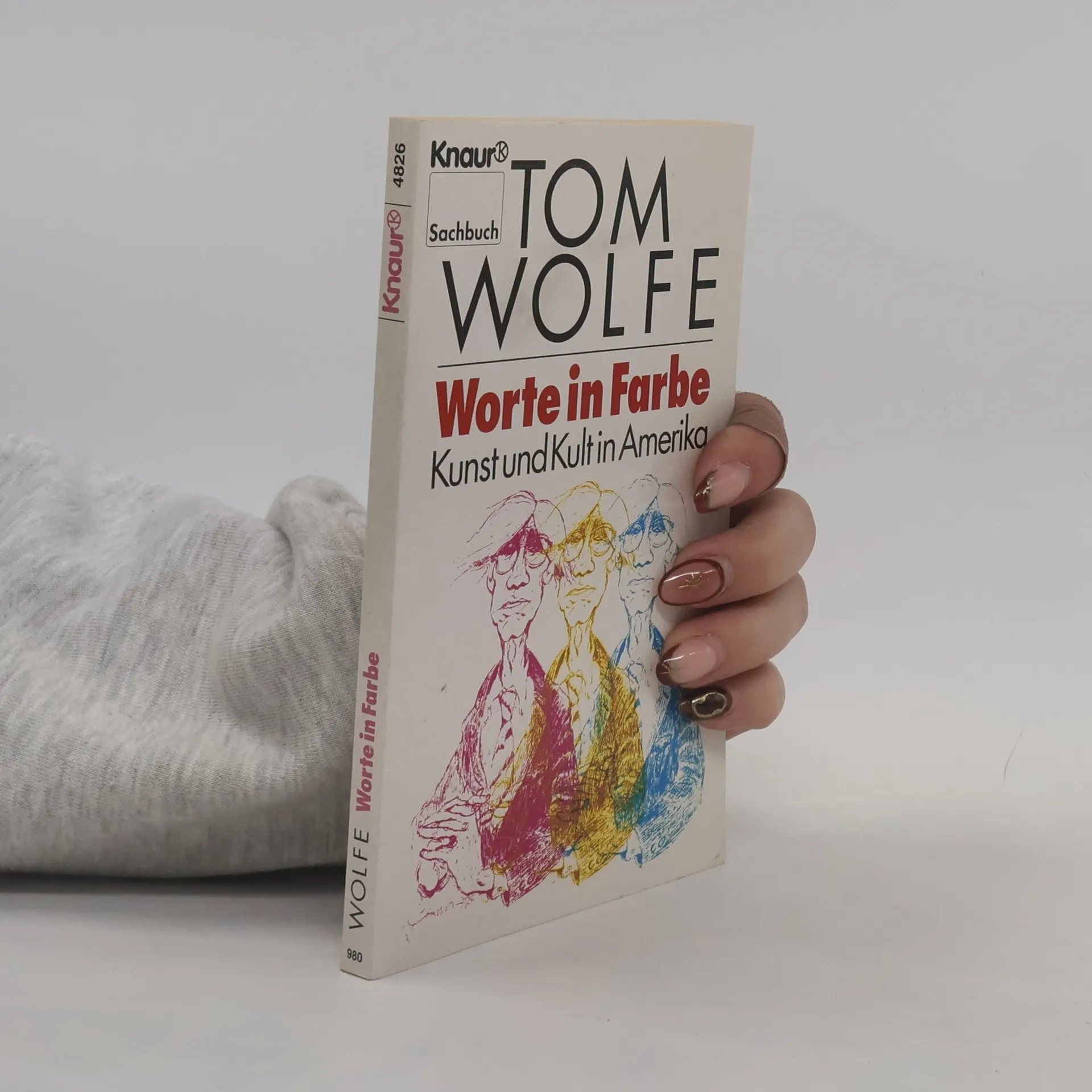
Wolfe focuses on the changing mores and social landscape of the 1980s, with drawings from two decades as a graphic artist. Reprint.
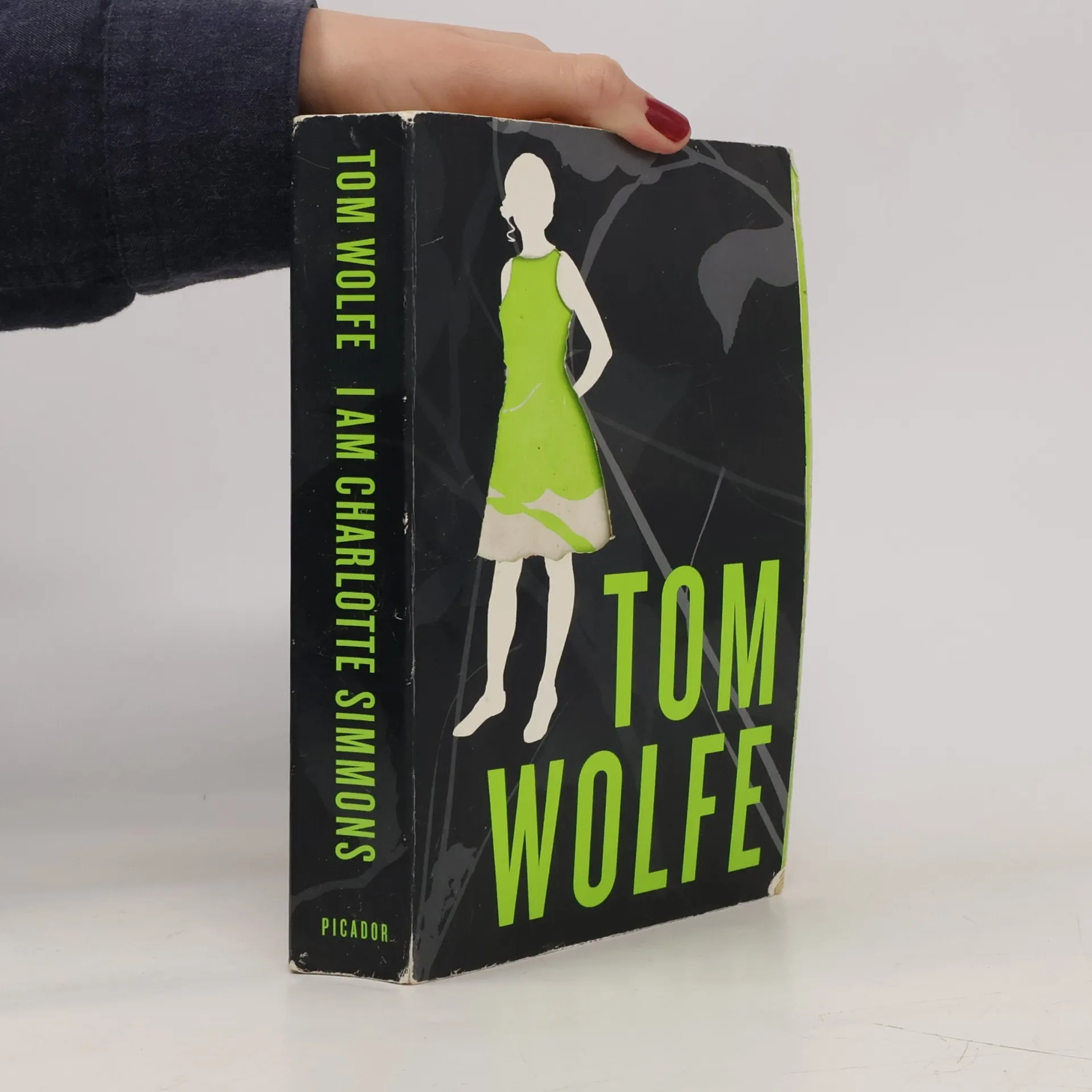
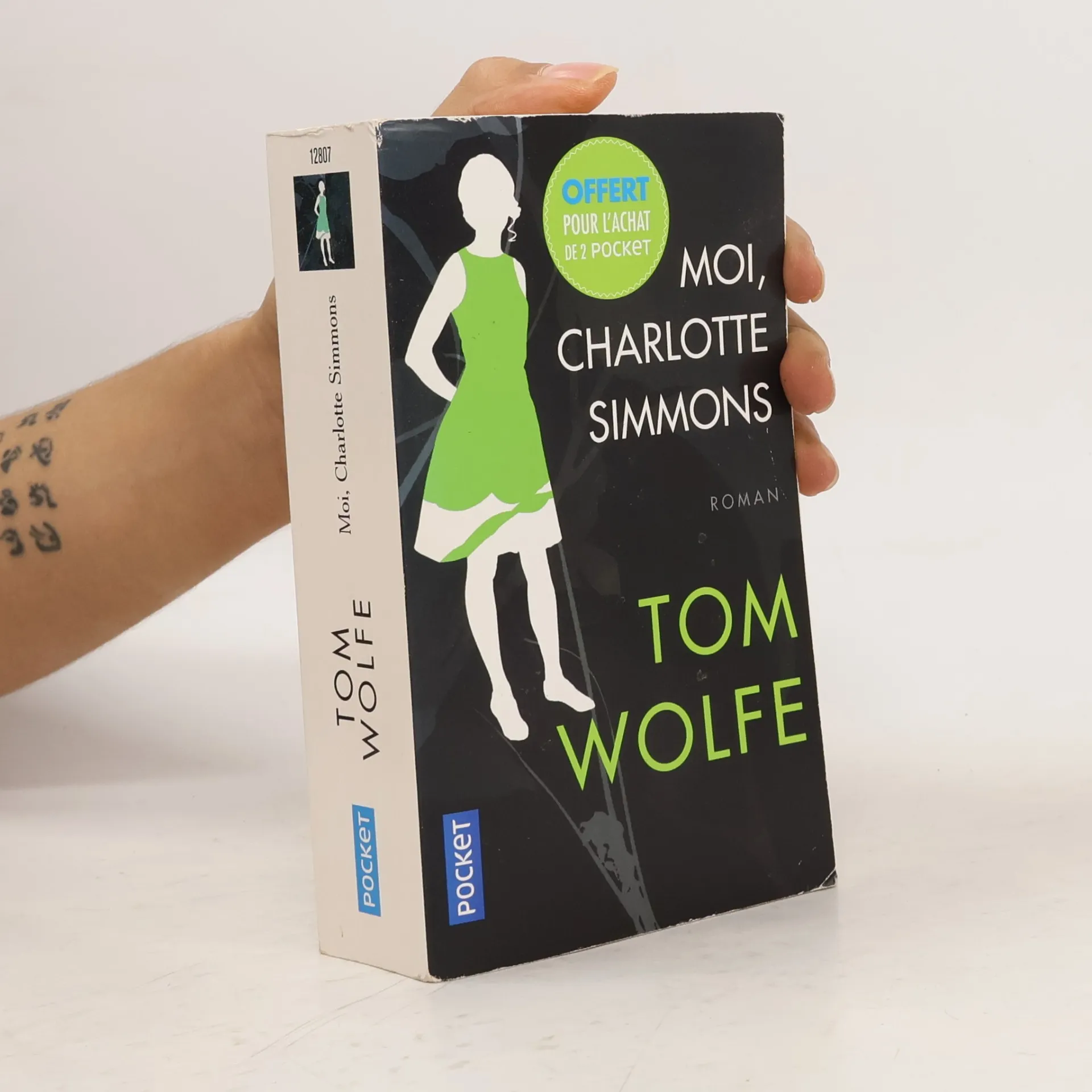
At Dupont University, an innocent college freshman named Charlotte Simmons learns that her intellect alone will not help her survive.
Tom Wolfe, the internationally acclaimed author of The Bonfire of the Vanities, returns to the origins of his success with his first collection of essays and short fictin for twenty years.
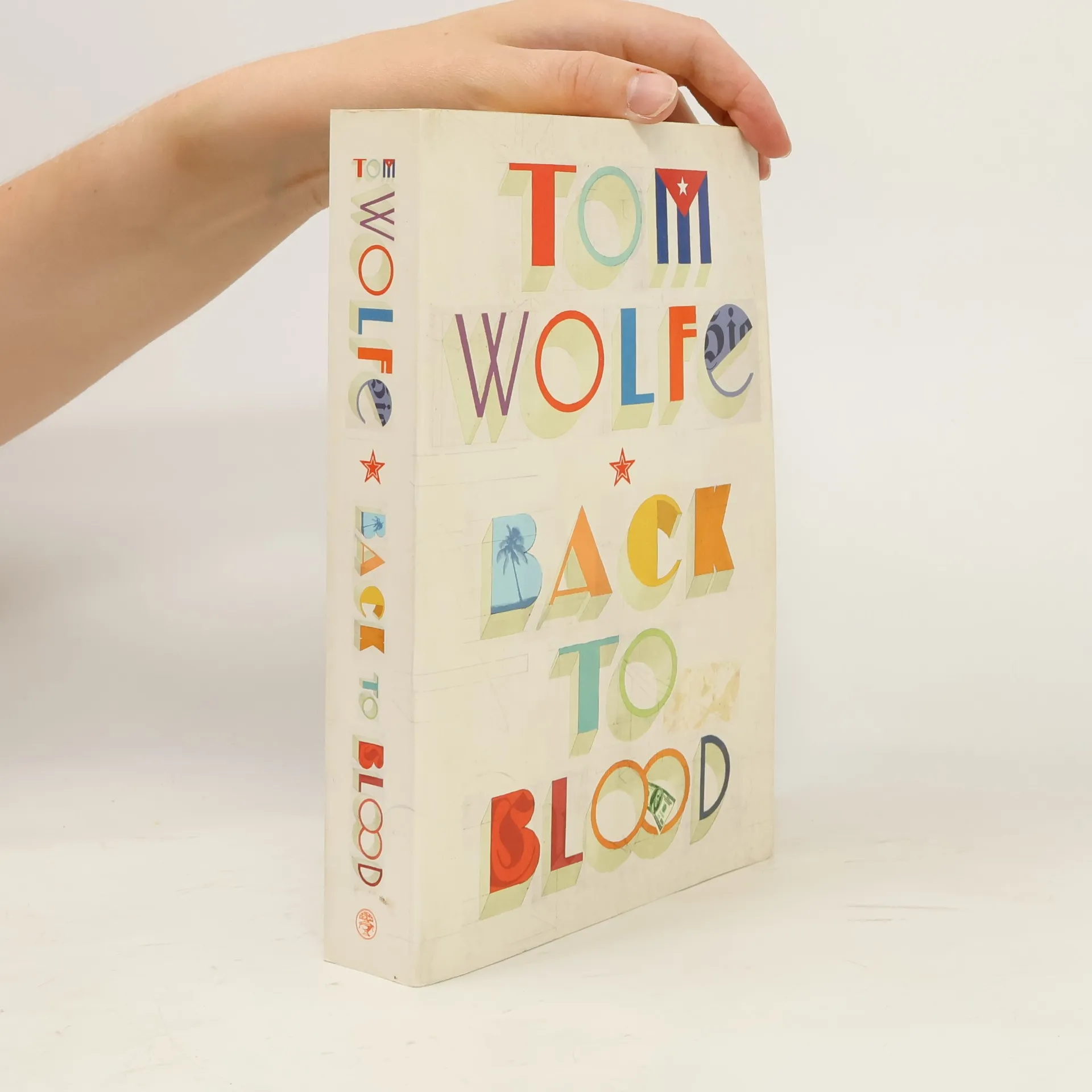
As a police launch speeds across Miami’s Biscayne Bay – with officer Nestor Camacho on board – Tom Wolfe is off and running.
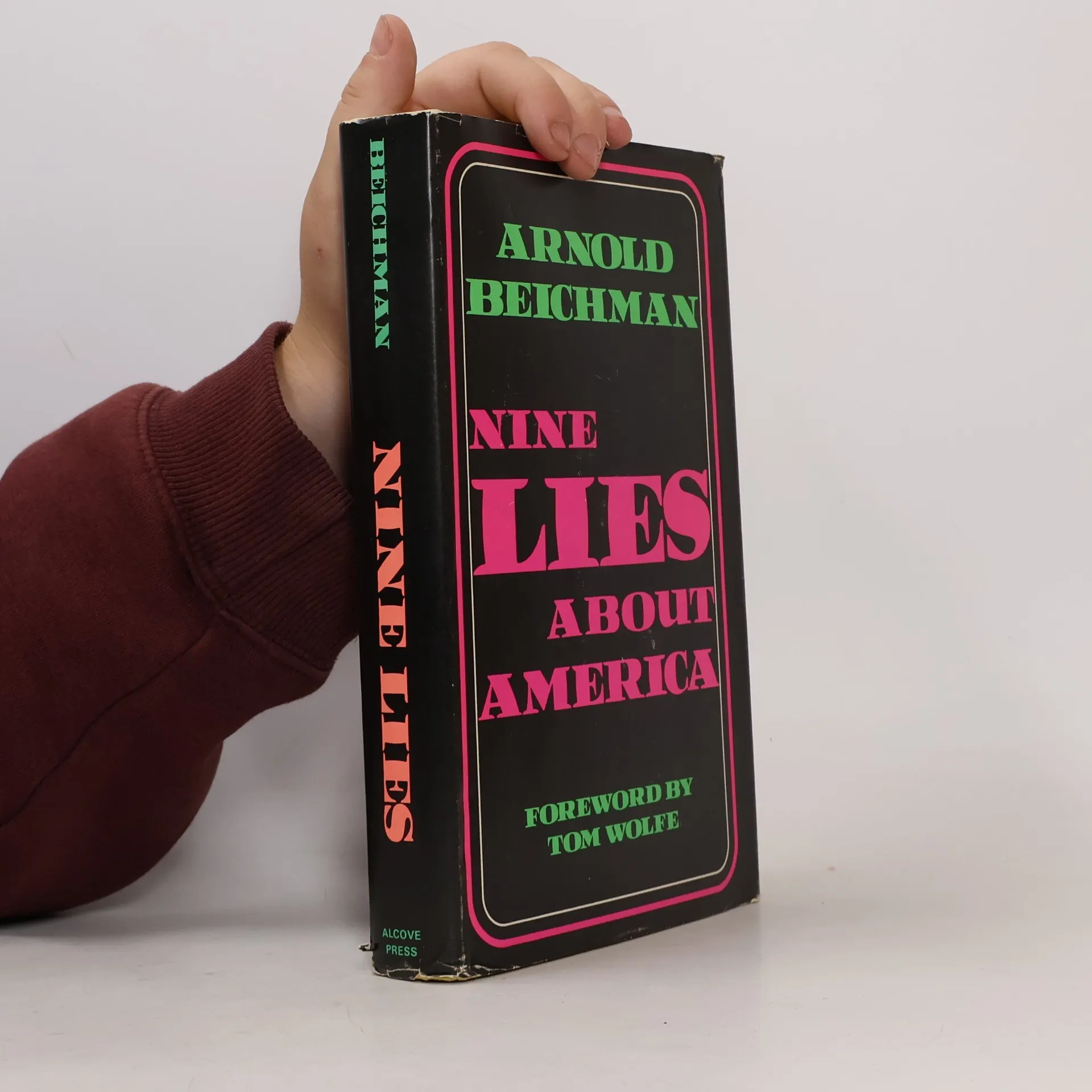
Nine Lies About America
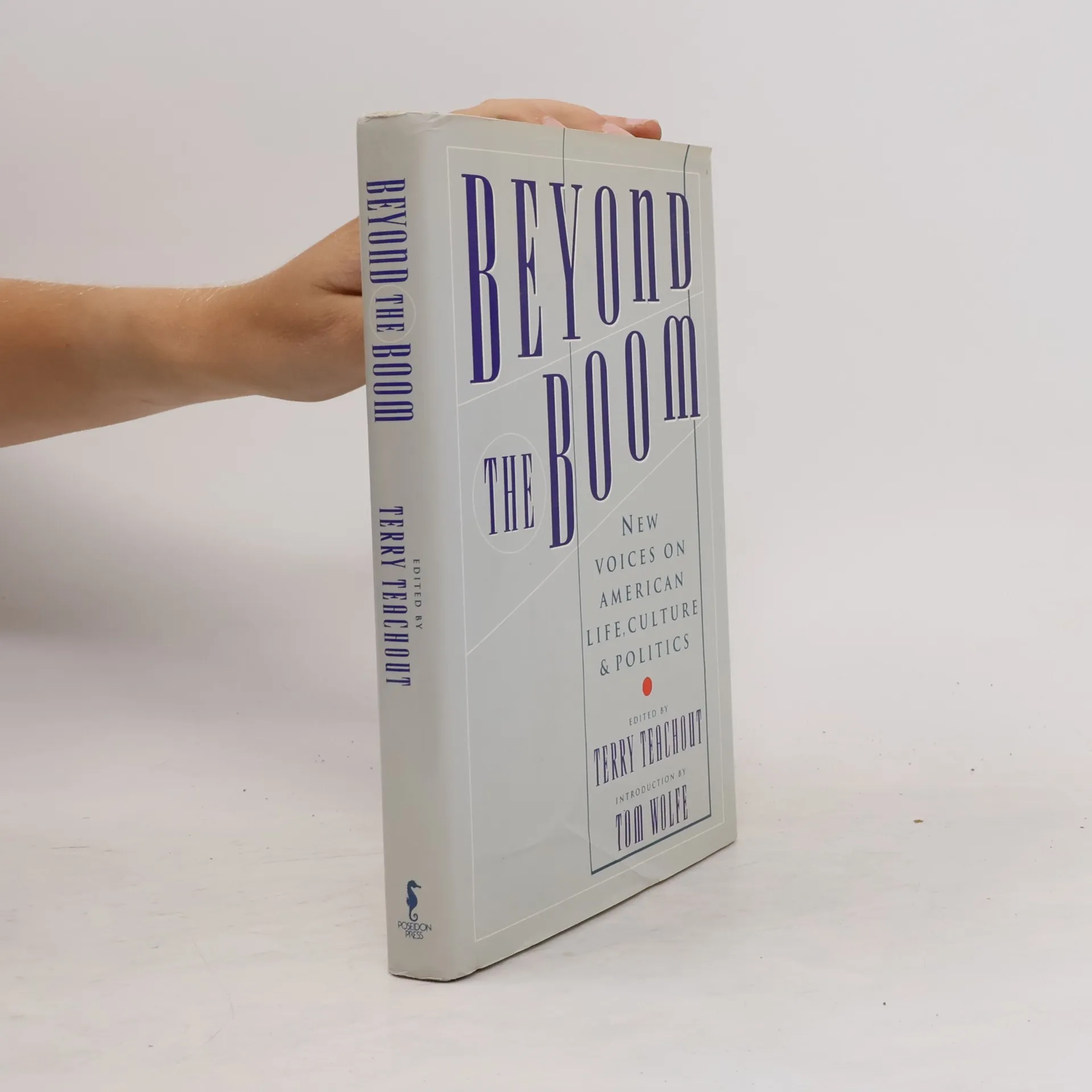
Essays on post-Vietnam baby boomers by Richard Brookhiser, Walter Olson, George Sim Johnston, Susan Vigilante, Maggie Gallagher, Richard Vigilante, Roger Kimball, Donna Rifkind, Andrew Ferguson, Bruce Bawer, John Podhoretz, Dana Mack, Lisa Schiffren, David Brooks, Terry Teachout.
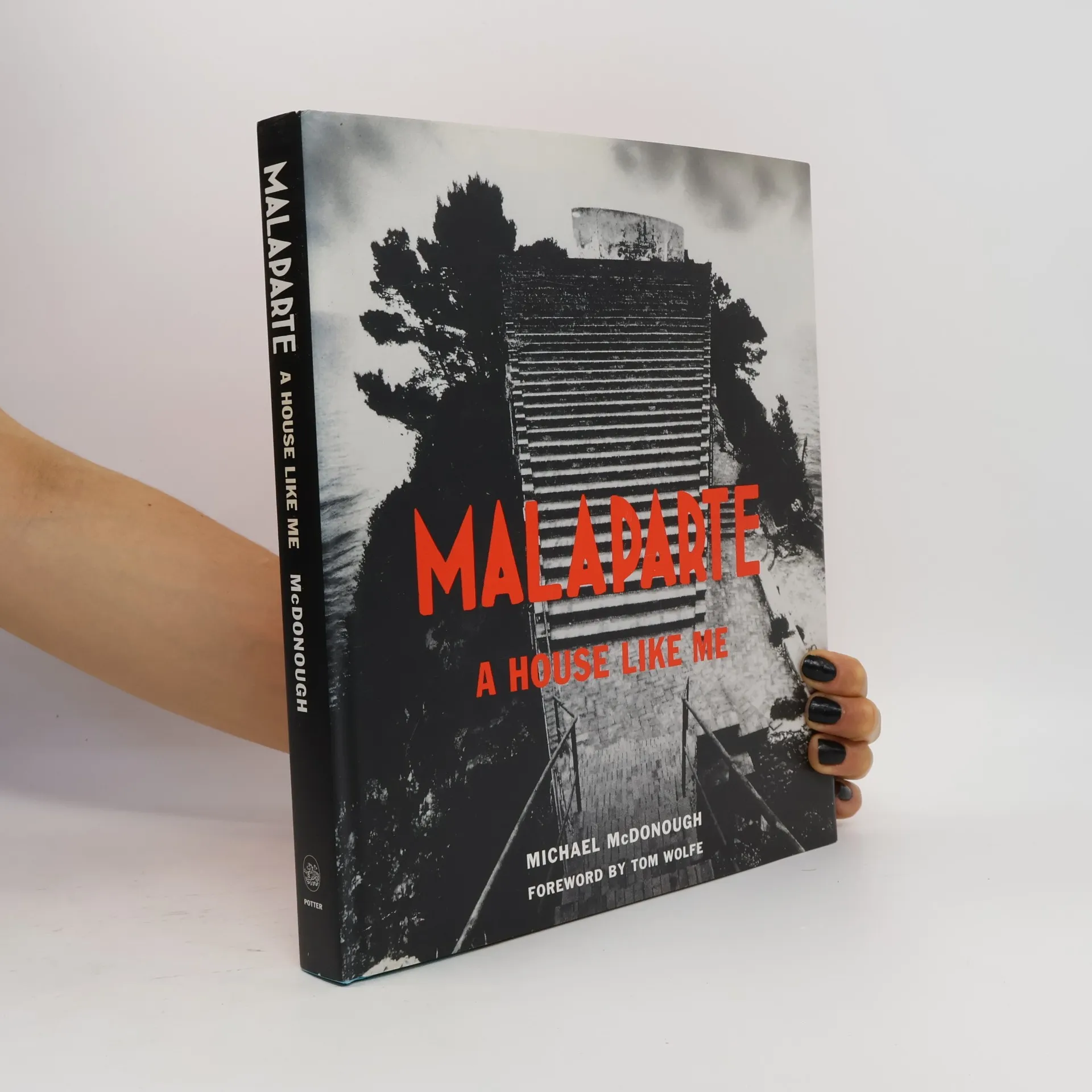
Malaparte: A House Like Me offers a captivating exploration of Curzio Malaparte and his iconic Casa Malaparte in Capri, Italy, often hailed as the most beautiful house in the world. Perched on a promontory overlooking the Mediterranean, this architectural marvel reflects the complexities of its creator, a multifaceted figure who was a writer, filmmaker, soldier, and political figure. Malaparte's life was marked by paradox; he associated with Mussolini and Stalin, criticized Hitler, and admired Mao. His experiences as a journalist and war correspondent spanned cities like London, Paris, and Berlin, adding layers to his enigmatic persona. He famously referred to his home as "Casa come me," or "house like me," prompting speculation about its deeper meanings. The book features contributions from notable personalities, including architects, artists, and designers, who provide unique insights into Malaparte and his provocative residence. It includes a stunning collection of photographs by renowned Italian photographer Mimmo Jodice, along with archival materials, poetry, original art, letters, and commentaries. Edited by architect Michael McDonough, this work celebrates Casa Malaparte's contradictions, portraying it as a living literary masterpiece, an autobiography, and a mysterious tabula rasa—a house steeped in myth.
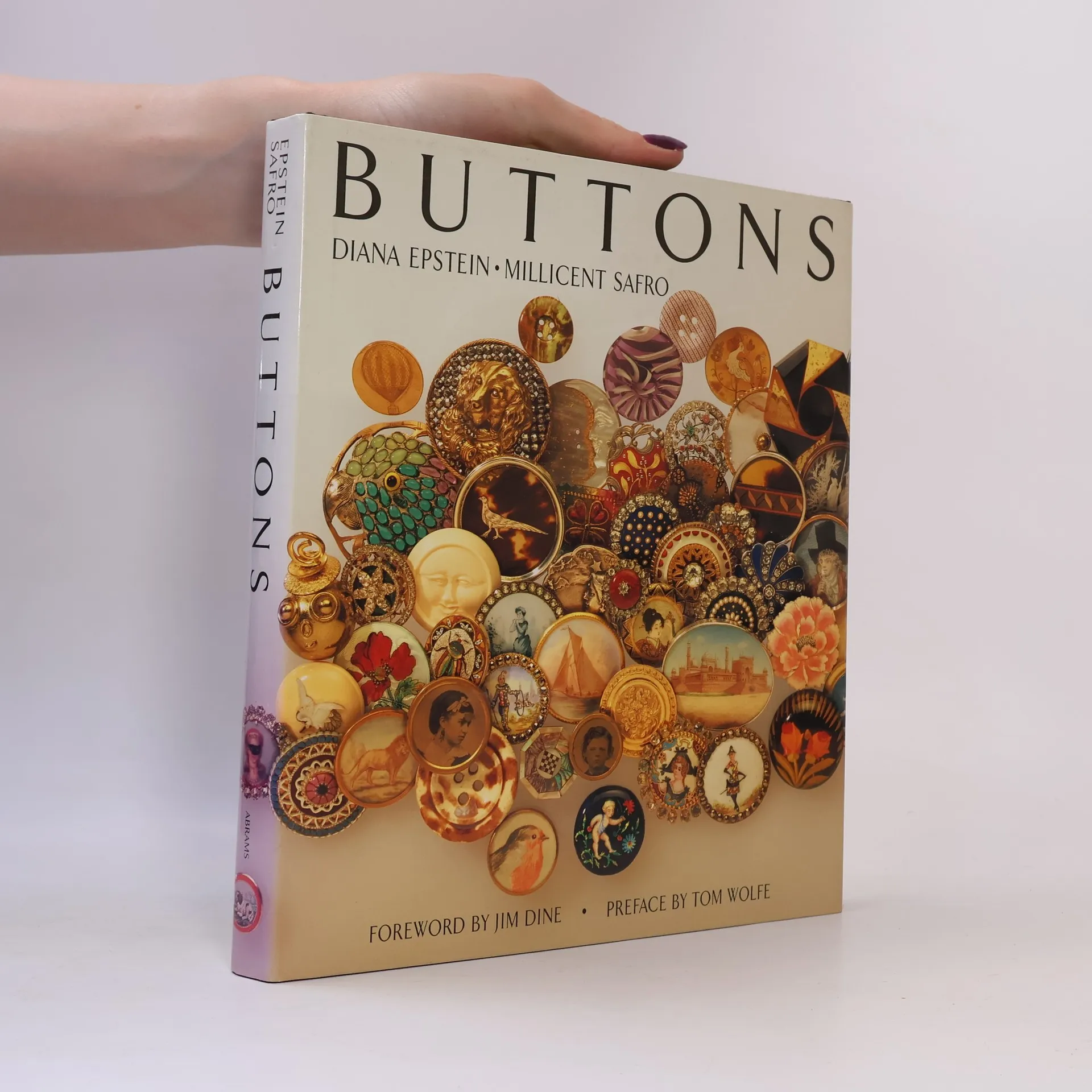
Looks at the authors' collections of buttons, describing their history and value as art.
Texte von Alexander Puschkin, Oscar Wilde, Marcel Proust, Tom Wolfe, Evelyn Waugh und vielen anderen
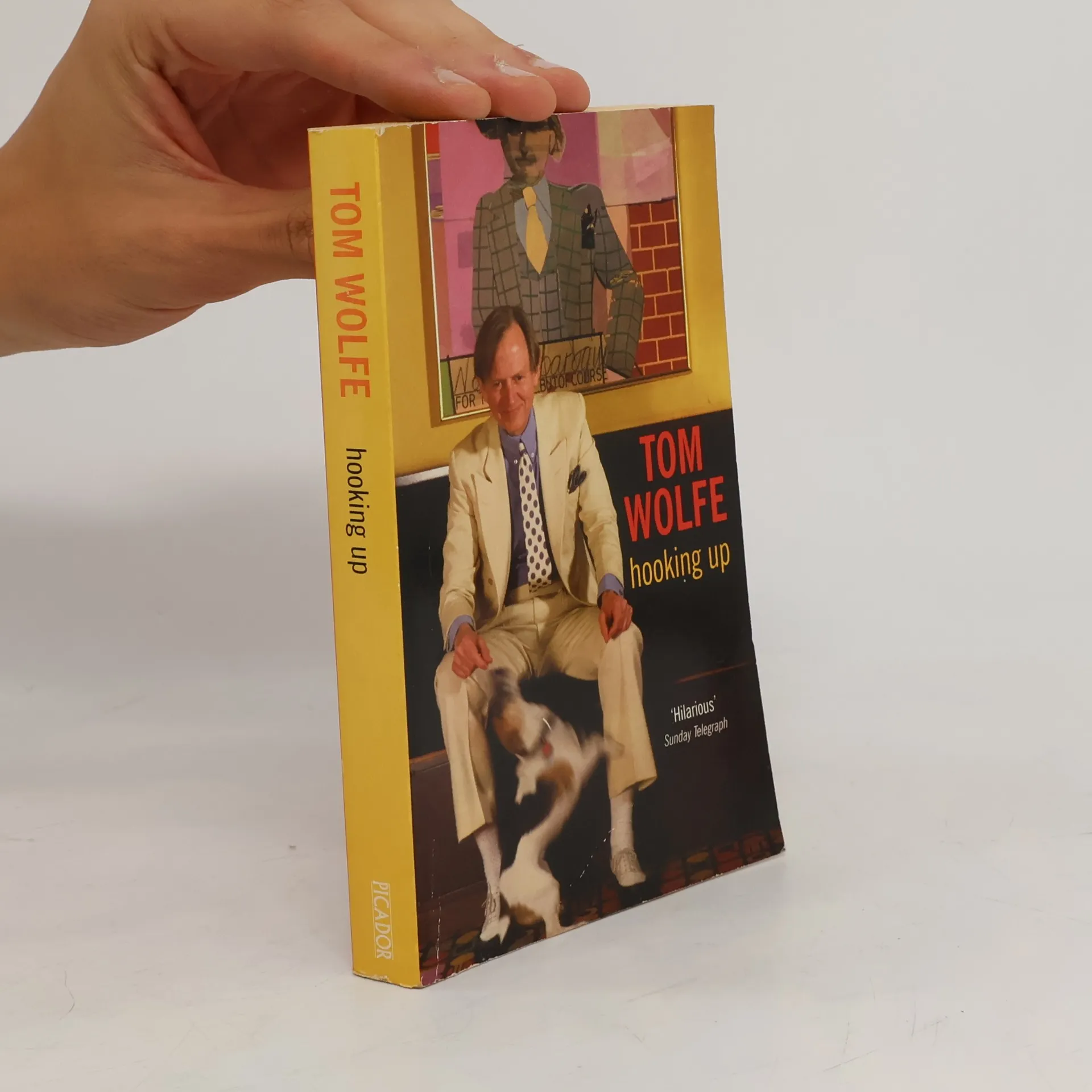
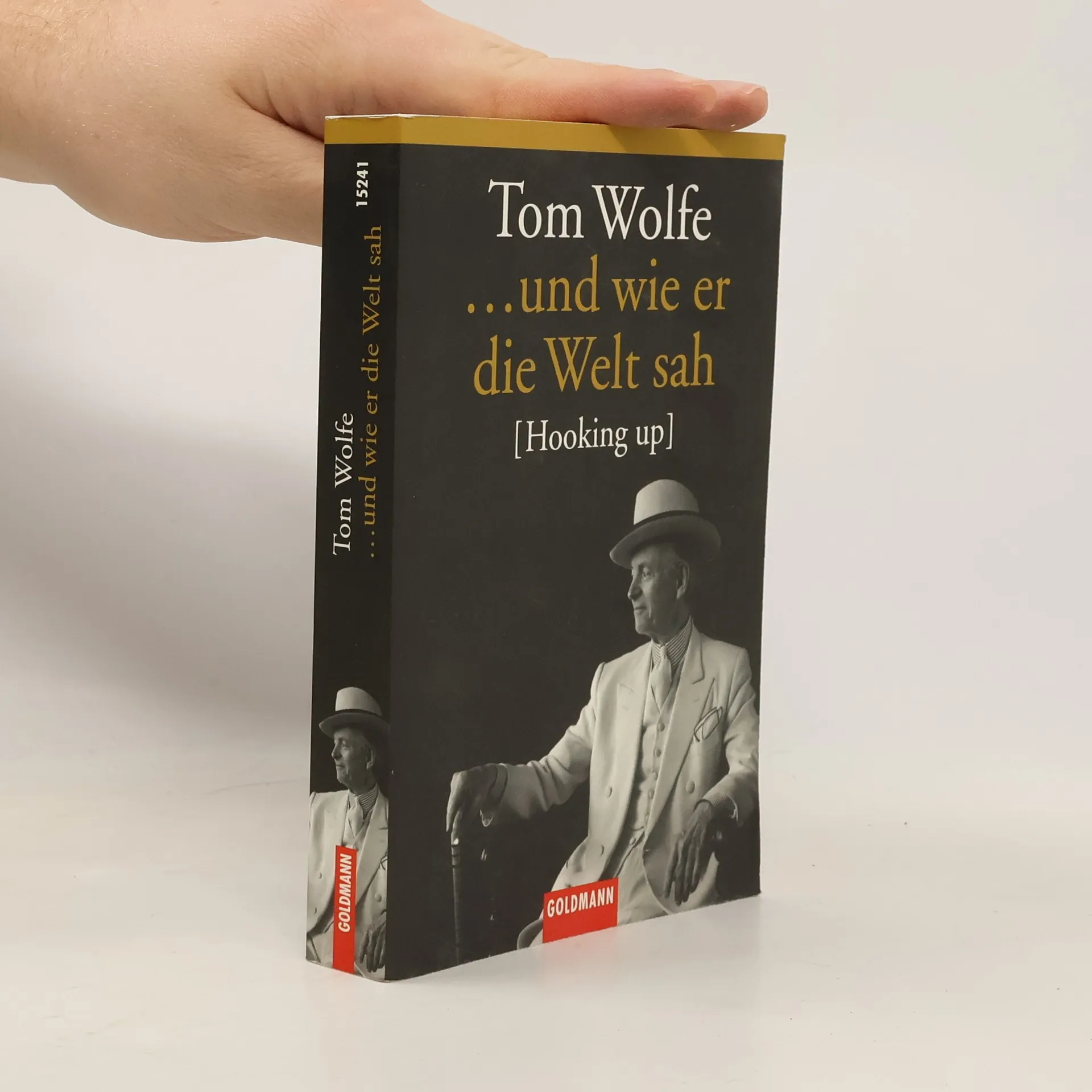
Schlitzohrige Porträts, Mediensatiren, geschliffen scharfe Polemiken - Tom Wolfe, Dandy, Romancier und meisterhafter Stilist, zieht hier alle Register seines Könnens. Brillant recherchierte Reportagen und detailgenaue Analysen zu Paarungsverhalten, Quotenwahn, Eitelkeit im Literaturbetrieb u. a. „Die spitzeste Feder, die Amerika zu bieten hat.“ Die Weltwoche „Ein Feuerwerk von Polemik, Satire und Heldengesängen aus den Vereinigten Staaten von heute. meisterhaft.“ Frankfurter Allgemeine Zeitung „Kaum ein anderer hat ein so feines Gespür für soziale Abstufungen, Statussymbole, gesellschaftliche Trends und die Lächerlichkeit der Selbstdarsteller.“ Frankfurter Rundschau
Ein modernes Märchen von Tom Wolfe.Der Name Silicon Valley steht für Taschenrechner, Videospiele, Heimcomputer, Lasertechnik, Mikroprozessoren und viele andere elektronische Neuheiten. In diesem Tal nördlich von San Francisco sind Menschen mit sensationellen Ideen weltberühmt geworden. Auch Robert Noyce gehörte zu ihnen. In der amerikanischen Provinz als Kind eines Pfarrers geboren, studierte er Physik. Er kam als Angestellter in das Silicon Valley, gründete dort sehr bald seine eigene Firma und war mit 31 Jahren Millionär.Tom Wolfe erzählt auf unnachahmliche Weise die unglaubliche Geschichte über den innovationsbesessenen Erfinder, der die Welt veränderte.
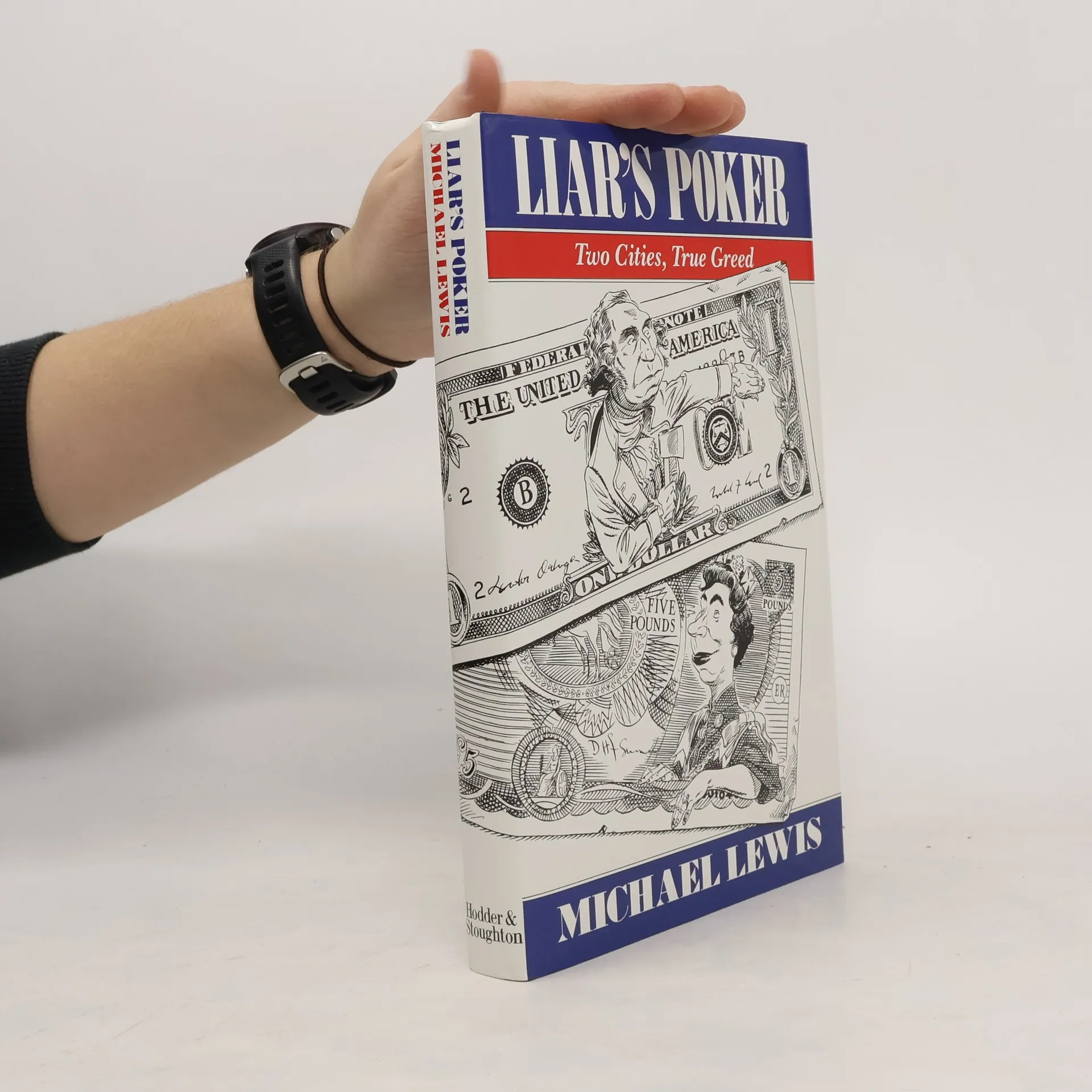
Michael Lewis retired from being a bond salesman at the age of 28, having risen from being a mere trainee. He looks back at his career, at the Golden Age of banking, at the company he worked for and the memorable figures within it, and at the spectacle of the financial boom which marks the 80s.
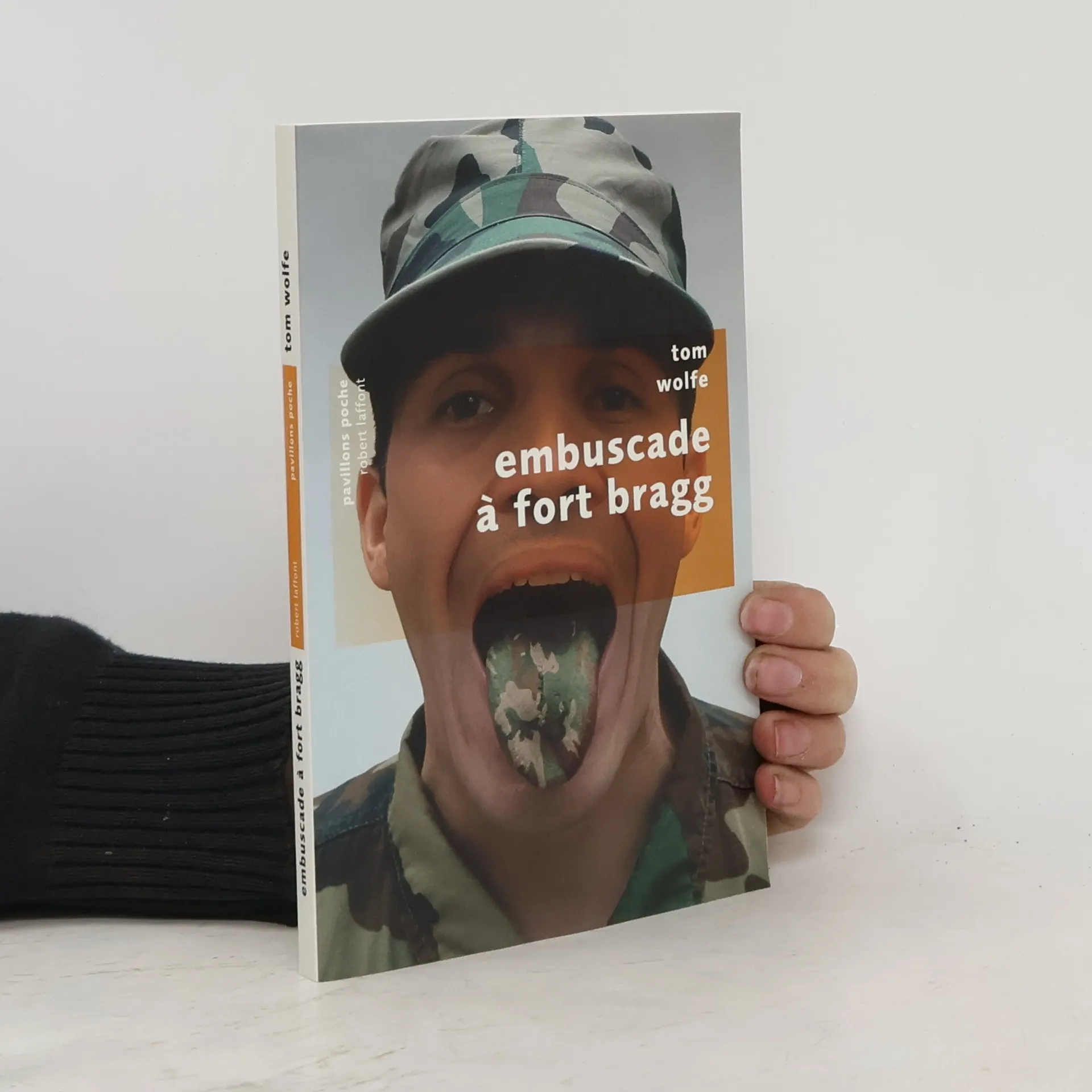
À Fort Bragg, en Caroline du Nord, grande base d'entraînement militaire, un jeune soldat homosexuel a été battu à mort dans les toilettes d'un bar topless et les trois rangers coupables de l'agression sont restés impunis. Jusqu'à ce qu'entre en jeu l'obstiné Irv Durtscher, producteur d'une émission de télévision à succès. Son embuscade va mobiliser caméras cachées, micros espions et strip-teaseuse thaïlandaise sur les lieux du crime... Dans ce court roman à la fois truculent et ciselé au vitriol, c'est tout l'univers de notre " société du spectacle " qui se trouve férocement démonté et mis en pièces par Tom Wolfe.
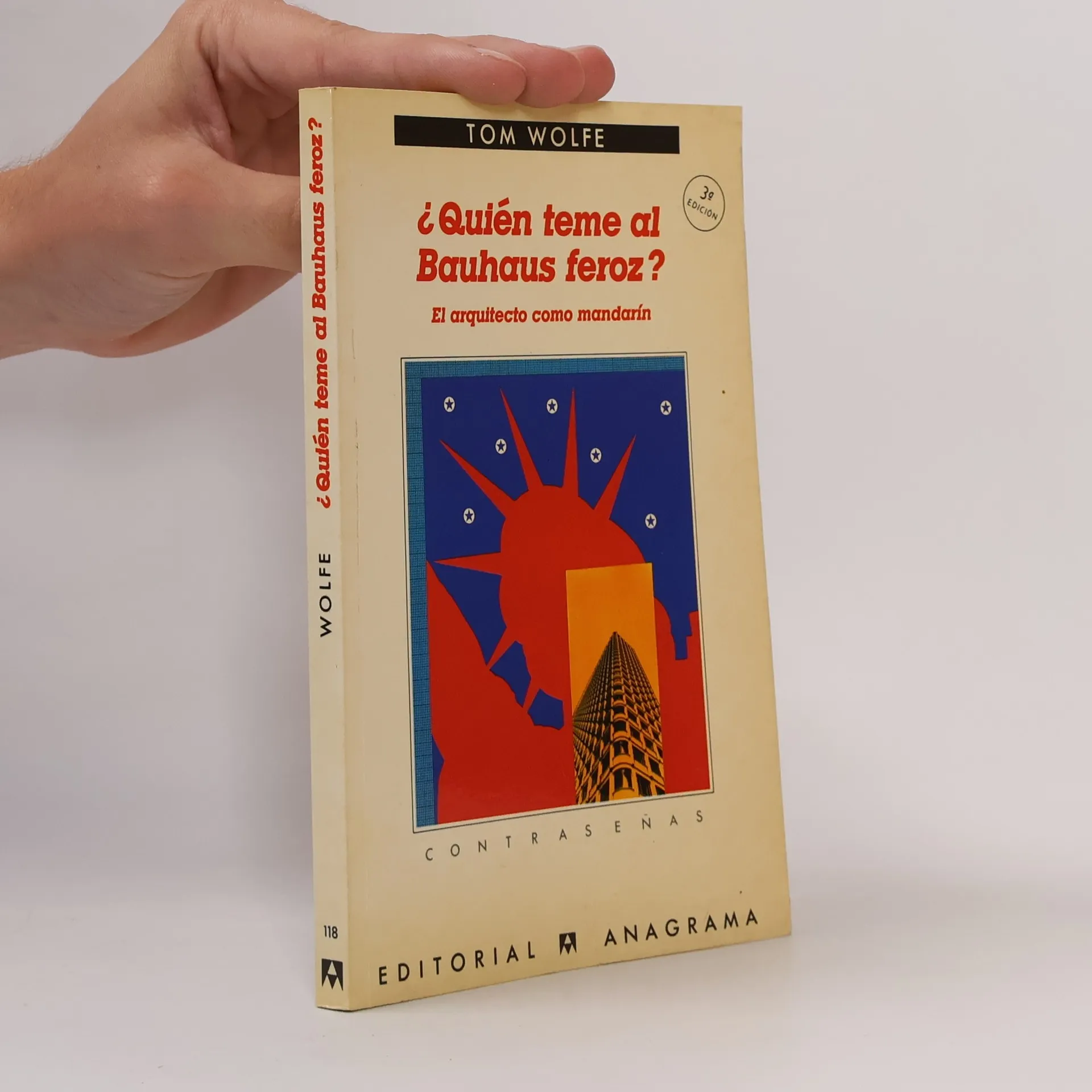
En la actualidad, se observa la arquitectura de los últimos cincuenta años con una nueva perspectiva. Tom Wolfe, maestro del «nuevo periodismo» y autor de La hoguera de las vanidades, ofrece una revisión irreverente del tema, comenzando desde el fin de la Primera Guerra Mundial y la aspiración del Bauhaus, liderado por Walter Gropius con su lema de «empezar de cero». Esta idea de reinvención se complementa con la necesidad de rechazar la arquitectura «burguesa», buscando erradicar lo antiguo y decadente para construir un mundo abstracto que celebre la unión del Arte y la Tecnología. Tras ser expulsados de Alemania por el nazismo, estos arquitectos encuentran refugio en Estados Unidos, donde la clase dirigente les entrega el poder de redefinir el paisaje arquitectónico. En este contexto, surge la paradoja de que una élite rica y poderosa financie una arquitectura fría, impersonal y abstracta, que prohíbe el lujo y el optimismo, como si fueran sinónimos de mal gusto. Wolfe se pregunta: «¿Existe otro lugar donde tanta gente rica y poderosa haya soportado tanta arquitectura que detesta?». Este análisis arquitectónico es comparable a su brillante exploración de la pintura moderna en La palabra pintada, mostrando cómo las modas intelectuales y sociales han moldeado la estética contemporánea, llevando a los creadores a renunciar a la individualidad en favor de la conformidad.
Lorsque Charlotte, sage jeune fille d'origine modeste, débarque de sa Caroline du Nord natale à Dupont University, l'Olympe de la connaissance, elle est certes brillante et déjà très jolie mais aussi un peu gourde... Le tourbillon de sa 1ère année (alcool, débauche, sexe...) va la révéler à elle-même, mais pas comme elle s'y serait attendue.