

Pokus o uvedení do myšlení M. Heideggera. Martin Heidegger (26. September 1889, Meßkirch – 26. Mai 1976, Freiburg im Breisgau) war ein deutscher phänomenologischer Philosoph, Schüler von Edmund Husserl, und einer der einflussreichsten Philosophen des 20. Jahrhunderts, der viele Denker, darunter Jean-Paul Sartre, beeinflusste. Sein größter Beitrag liegt darin, die Frage nach dem Sein, also die Ontologie, wieder aufzuwerfen, die seiner Meinung nach von der modernen Philosophie vernachlässigt wurde. Bis zu seinem totalen Einsatz am Ende des Krieges verbrachte er den Großteil seines Lebens mit Vorlesungen an akademischen Institutionen.
Walter Biemel Knihy
19. február 1918 – 6. marec 2015

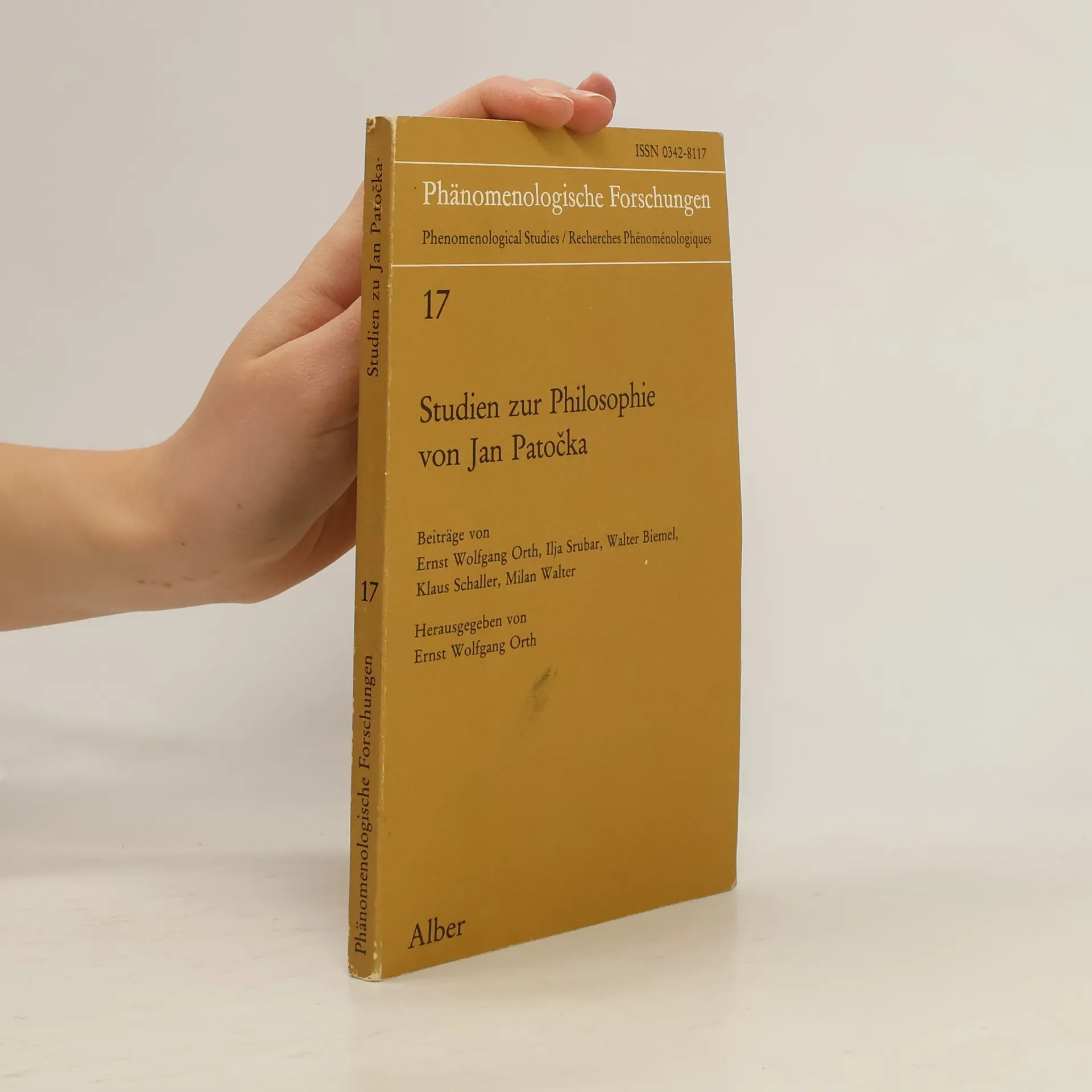


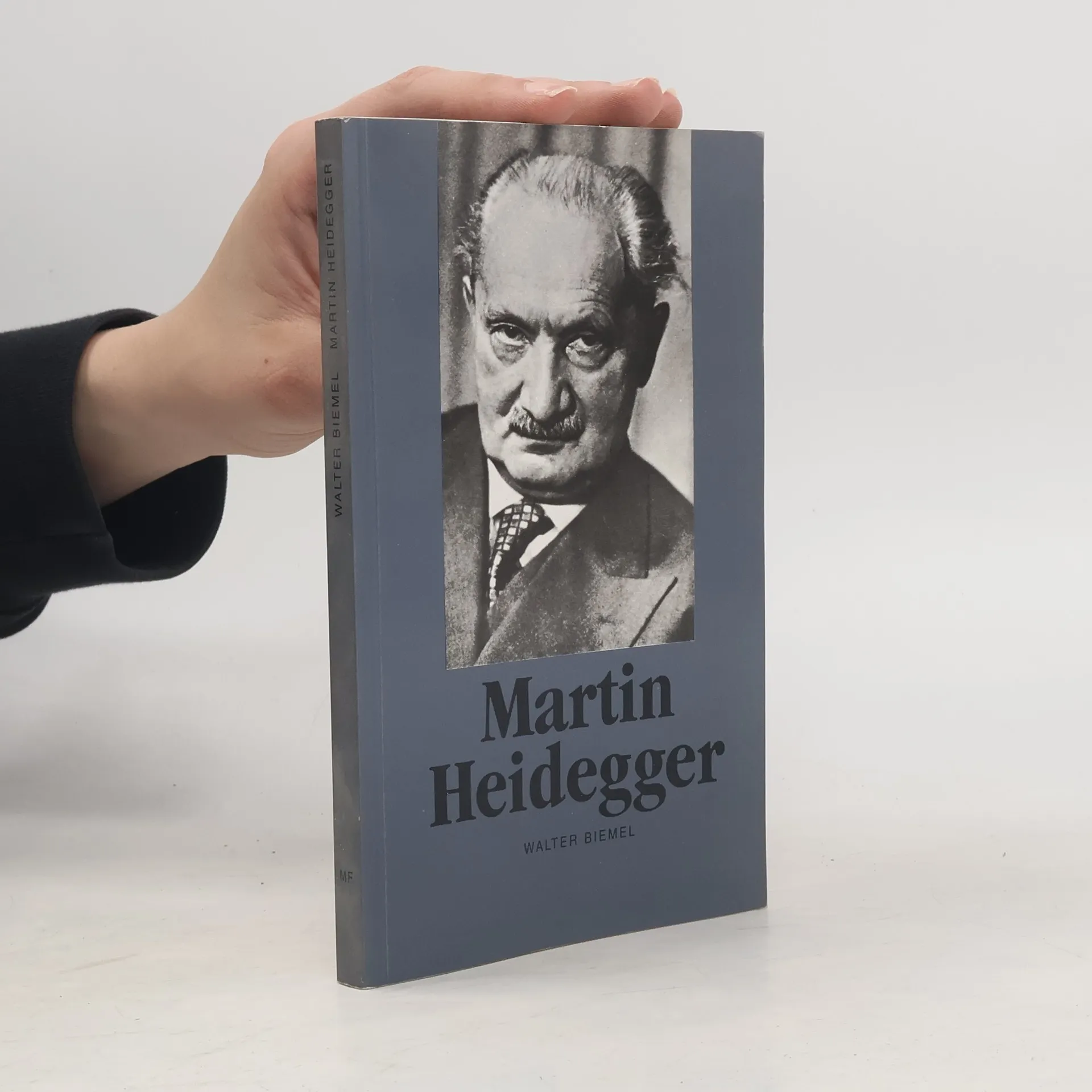
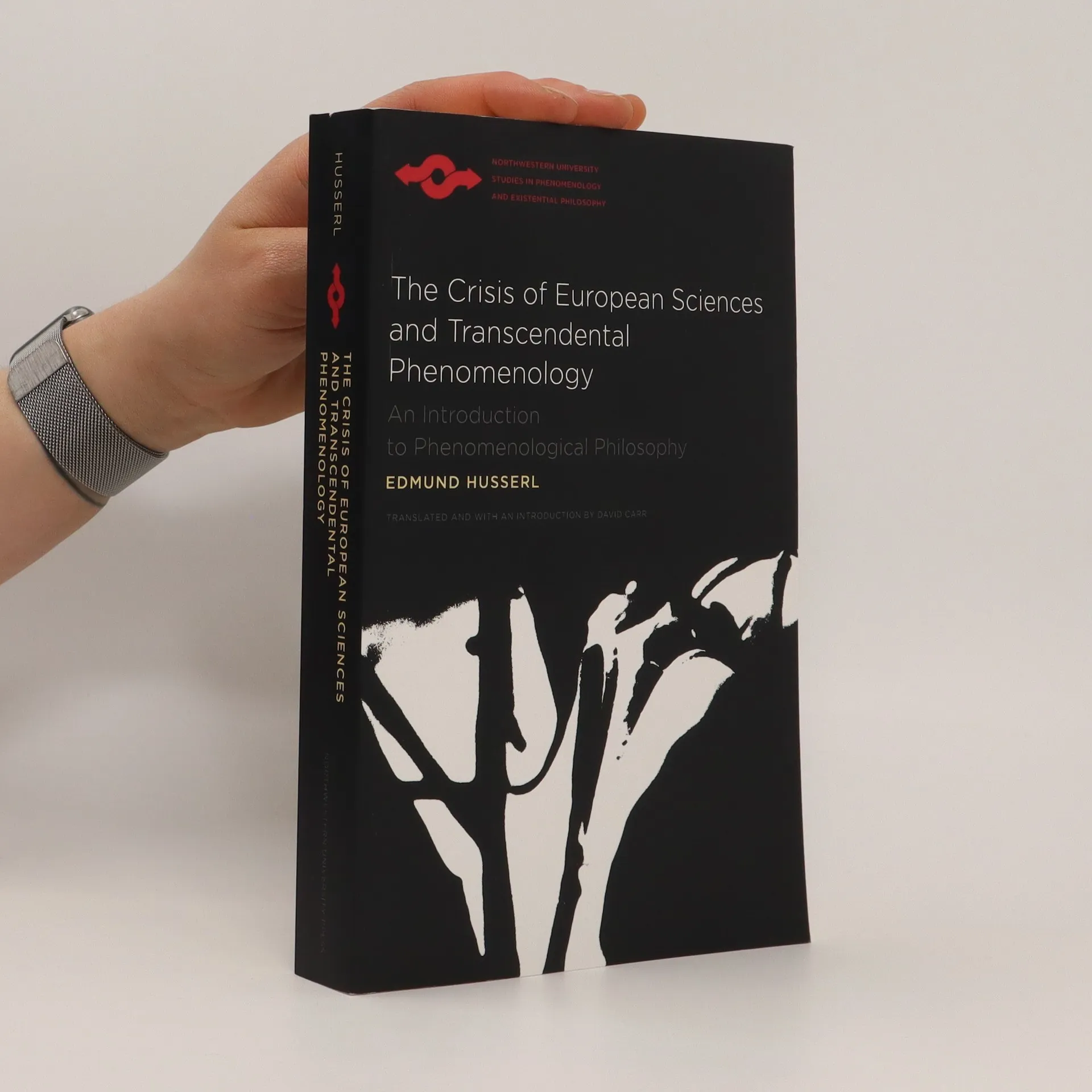
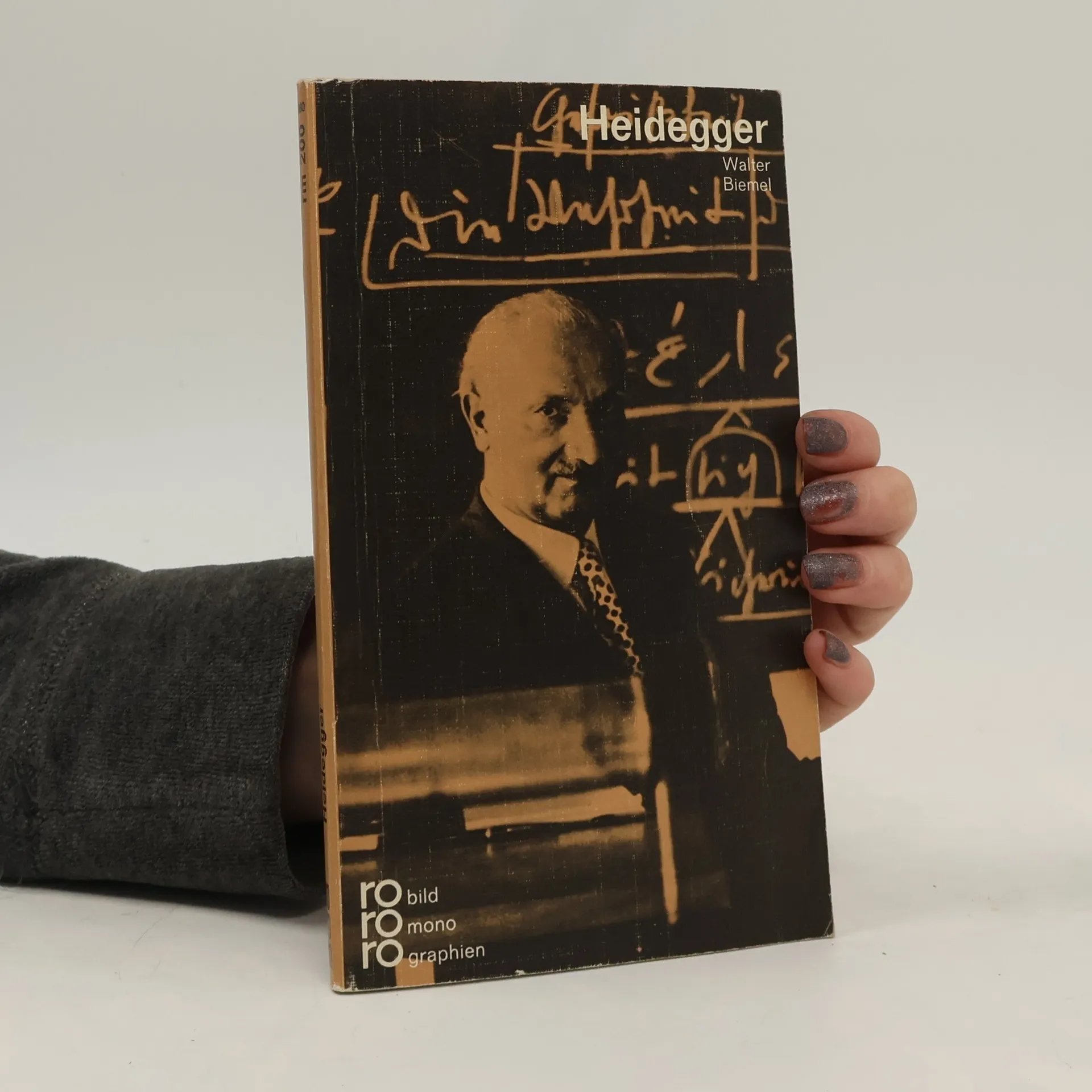
The Crisis of European Sciences and Transcendental Phenomenology
- 405 stránok
- 15 hodin čítania
The Crisis of European Sciences and Transcendental Phenomenology, Husserl's last great work, is important both for its content and for the influence it has had on other philosophers. In this book, which remained unfinished at his death, Husserl attempts to forge a union between phenomenology and existentialism. Husserl provides not only a history of philosophy but a philosophy of history. As he says in Part I, "The genuine spiritual struggles of European humanity as such take the form of struggles between the philosophies, that is, between the skeptical philosophies--or nonphilosophies, which retain the word but not the task--and the actual and still vital philosophies. But the vitality of the latter consists in the fact that they are struggling for their true and genuine meaning and thus for the meaning of a genuine humanity."
Die Bedeutung von Jean-Paul Sartre im Ideenpanorama unseres Jahrhunderts ist so groß, dass man nach seinem Tod 1980 sagte, mit ihm schließe sich eine ganze philosophische Tradition. In der Folge gab es, als Fortsetzung des umstrittenen Charakters, der Sartre als antinazistischer Aktivist, existenzialistischer Philosoph, engagierter Schriftsteller und Verteidiger der Freiheit begleitete, sowohl Apologien als auch Ablehnungen in einer breiten Debatte, die die Komplexität und Anziehungskraft seines Werkes offenbart. Walter Biemel analysiert in diesem Buch die wichtigsten Beiträge Sartres, da „das wirklich Interessante an ihm sein Werk ist, sowohl in seiner philosophischen als auch in seiner literarischen und politischen Dimension, und seine Bedeutung, das heißt, seine Auffassung von der Person ausgehend von der Freiheit“.
German
Phänomenologische Forschungen - 17: Studien zur Philosophie von Jan Patočka
- 176 stránok
- 7 hodin čítania