

WATERSTONES BEST POLITICAL BOOKS OF THE YEAR 2021 LONGLISTED FOR THE ANDREW CARNEGIE MEDAL 'I am absurdly excited for this book' Caroline Criado Perez
Katrine Marçal Poradie kníh (chronologicky)
Táto autorka, predtým známa ako Katrine Kielos, píše sugestívne príbehy, ktoré skúmajú zložité ľudské vzťahy a morálne dilemy. Jej štýl sa vyznačuje prenikavou psychologickou hĺbkou a poetickým jazykom. Čitatelia oceňujú jej schopnosť vykresliť nuansy emócií a komplexnosť ľudskej povahy. Jej diela ponúkajú hlboké zamyslenie nad svetom okolo nás a nad naším miestom v ňom.
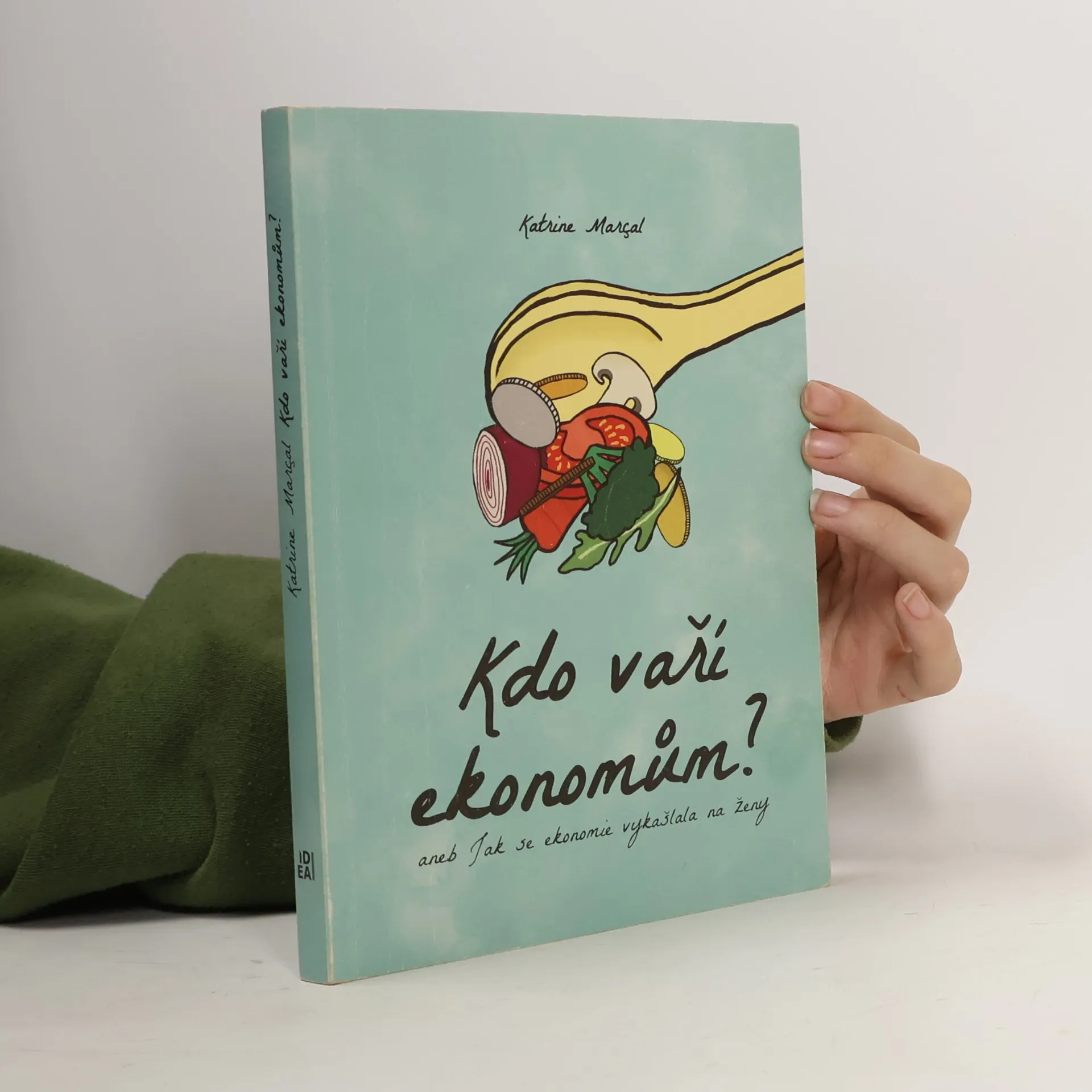
Putování za člověkem ekonomickým, od jeho zrodu až po poslední globální finanční krizi, odhaluje jeho četné vady a ukazuje, že zdaleka nejsme nezávislými a racionálními aktéry a aktérkami, kteří se zajímají pouze o sebe. Katrine Marçal nespílá pouze ekonomice, která ženy znevýhodňuje a ignoruje, ale zároveň brojí proti pojetí ekonomie, jež nám tento model představuje jako jediný možný a přirozený. Marçal operuje s jednoduchým předpokladem, že péče je práce. Často však práce neohodnocená, která se podle ekonomie nepodílí na tvorbě bohatství, přestože její hodnota tvoří podle kanadského statistického úřadu asi třetinu HDP země. Jak výkonná by ale byla ekonomika, kdyby její pracovní sílu nikdo nenaučil chodit na toaletu?
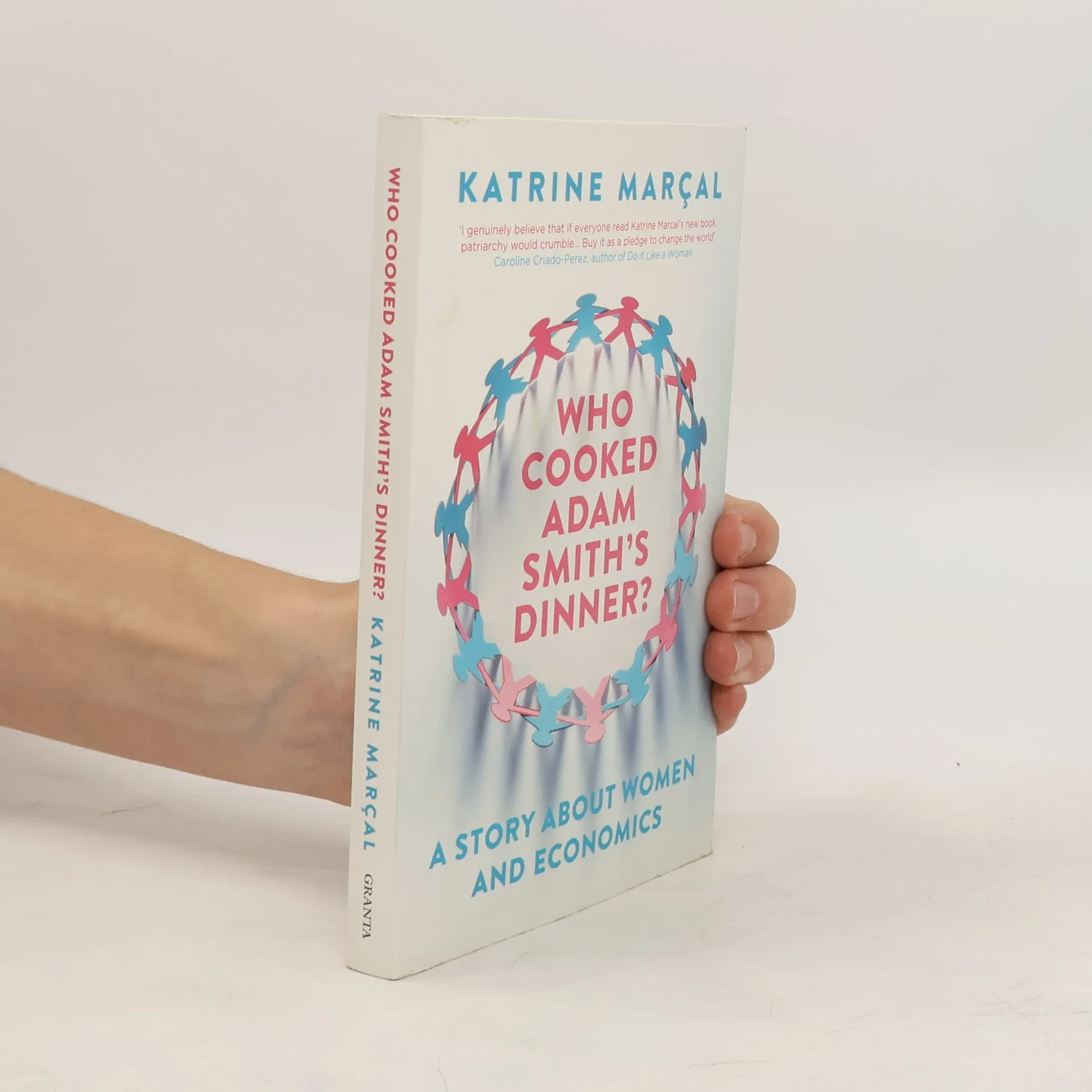
How do you get your dinner? That is the basic question of economics. When economist and philosopher Adam Smith proclaimed that all our actions were motivated by self-interest, he used the example of the baker and the butcher as he laid the foundations for 'economic man.' He argued that the baker and butcher didn't give bread and meat out of the goodness of their hearts. It's an ironic point of view coming from a bachelor who lived with his mother for most of his life -- a woman who cooked his dinner every night.Nevertheless, the economic man has dominated our understanding of modern-day capitalism, with a focus on self-interest and the exclusion of all other motivations. Such a view point disregards the unpaid work of mothering, caring, cleaning and cooking. It insists that if women are paid less, then that's because their labor is worth less. Economics has told us a story about how the world works and we have swallowed it, hook, line and sinker. This story has not served women well. Now it's time to change it. A kind of feminist Freakonomics, Who Cooked Adam Smith's Dinner? charts the myth of economic man -- from its origins at Adam Smith's dinner table, its adaptation by the Chicago School, and its disastrous role in the 2008 Global Financial Crisis -- in a witty and courageous dismantling of one of the biggest myths of our time.