Bookbot

Shaun Whiteside

    1913
    Photography
    The Ghost of Munich
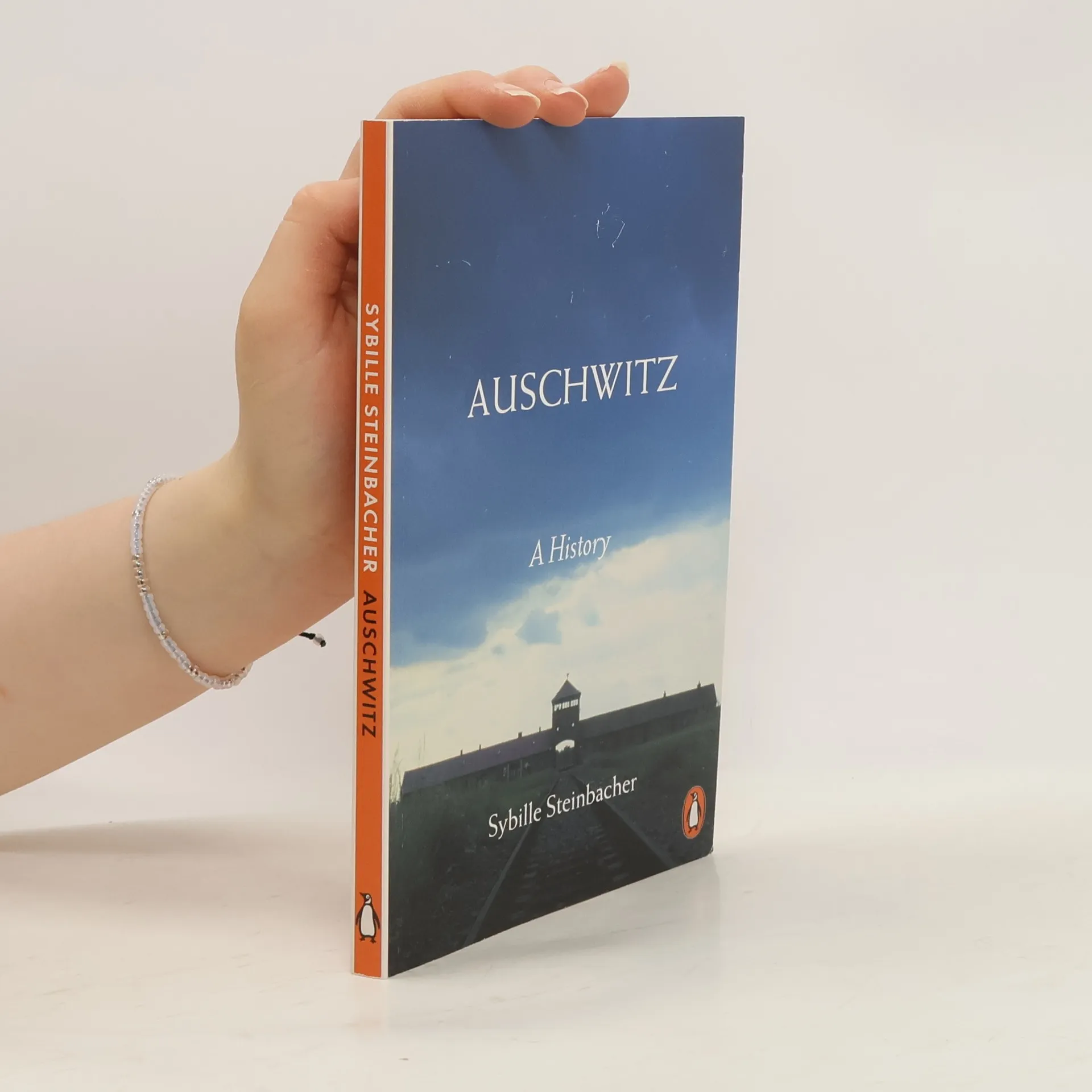
    Auschwitz : a history
    Totálne opojenie - Drogy v tretej ríši
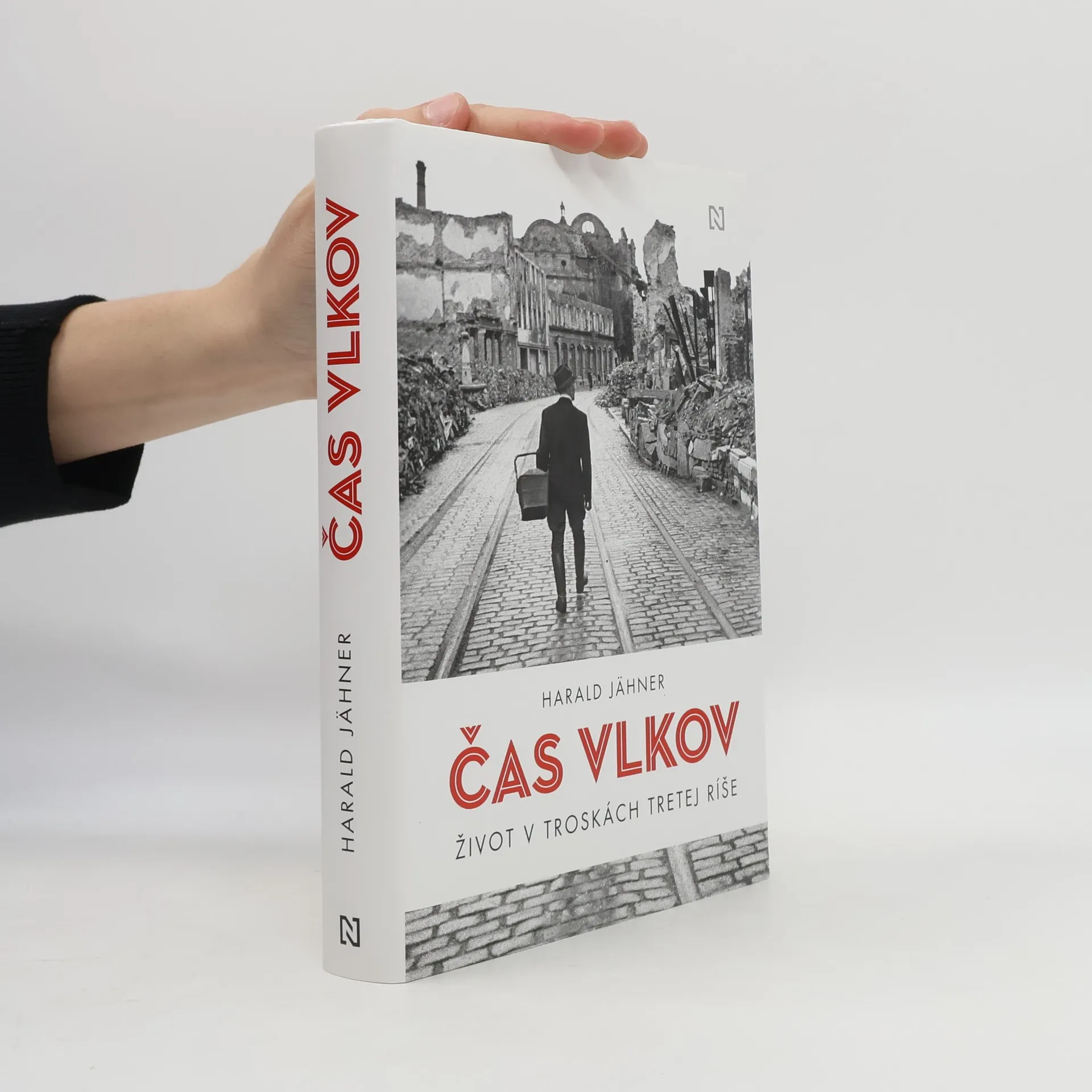
    Čas vlkov
    • Čas vlkov

      • 336 stránok
      • 12 hodin čítania

      Nemecko 1945: krajina v troskách. Z miest sa stali ruiny a viac než polovica obyvateľov žije tam, kde nepatrí alebo netúži byť. Ako sa z takéhoto chaosu dá znovu vybudovať fungujúca spoločnosť?V zbombardovanom Berlíne sa novinárka a členka odboja Ruth Andreas-Friedrich zohrieva pri provizórnej piecke a do denníka zaznamenáva, ako mesto zachvátilo šialenstvo očakávania a pracovitosti. Američania vysielajú Hansa Habeho, židovského novinára a vojaka americkej armády, do prvej línie psychologickej vojny, ktorej úlohou je založiť novinové impérium a pokúsiť sa zmeniť nemecké myslenie. Filozofka Hannah Arendt sa vracia do krajiny, z ktorej utiekla, a s prekvapením zisťuje, že jej obyvatelia sú síce posadnutí túžbou po novom začiatku, no pri zmienke o holokauste mlčia.Kniha Čas vlkov zobrazuje fascinujúcu panorámu národa, ktorý sa ocitol na križovatke monumentálnych zmien. Roky 1945 až 1955 boli hrubou a surovou dekádou, no ukázali sa ako rozhodujúce obdobie pre ďalšiu budúcnosť Nemecka. Autor ponúka strhujúci portrét skorumpovanej, demoralizovanej a súčasne slobodnej spoločnosti.
      Čas vlkov
      4,1
    • Totálne opojenie - Drogy v tretej ríši

      • 328 stránok
      • 12 hodin čítania

      Objavný pohľad na neznáme fakty o užívaní drog v tretej ríši Áno, naozaj nejde o omyl. Napriek tomu, že boli oficiálne zakázané, drogy sa v tretej ríši vyrábali a konzumovali skutočne vo veľkom. Prvotným cieľom bolo zvýšiť odolnosť a výdrž nemeckých vojakov na bojových poliach. Omamné látky však obľubovali aj najvyšší predstavitelia ríše. Nemeckí chemici preto vykonávali pokusy s metamfetamínom, neskôr sa prešlo k masovej výrobe pervitínu. Prvý raz ho nemeckí velitelia „úspešne“ vyskúšali pri obsadzovaní Poľska, a keď Nemecko v roku 1940 napadlo Francúzsko, vojaci Wehrmachtu boli pod vplyvom 35 miliónov dávok pervitínu! Ba aj údajný abstinent, nefajčiar a vyznávač zdravého životného štýlu Hitler rád siahol po farmakologickej stimulácii. Jeho osobný lekár dr. Theo Morell, ktorému sa v knihe takisto venuje dosť priestoru, mu bez problémov vnútrožilovo podával viaceré dopingové látky, tajomné hormonálne prípravky, ba aj tvrdé drogy. Iba tak mohol diktátor zotrvať vo svojom sebaklame až do konca. Autor vyhodnotil dosiaľ utajené materiály a svoje závery konfrontoval s poznatkami z odborných prameňov. Výsledkom je solídna historická práca, ktorá „prináša celkom iný pohľad“ na vtedajšie časy, ako sa vyjadril aj popredný nemecký historik Hans Mommsen.

      Totálne opojenie - Drogy v tretej ríši
      4,1
    • Auschwitz : a history

      • 176 stránok
      • 7 hodin čítania

      The reader is led through the process by which something unthinkable to any European in the 1930s had become a sprawling, industrial reality during the course of World War II, how Auschwitz grew and mutated into an entire dreadful city, how both those who managed it and those who were killed by it came to be in Poland in the 1940s, and how it was allowed to happen.

      Auschwitz : a history
      4,0
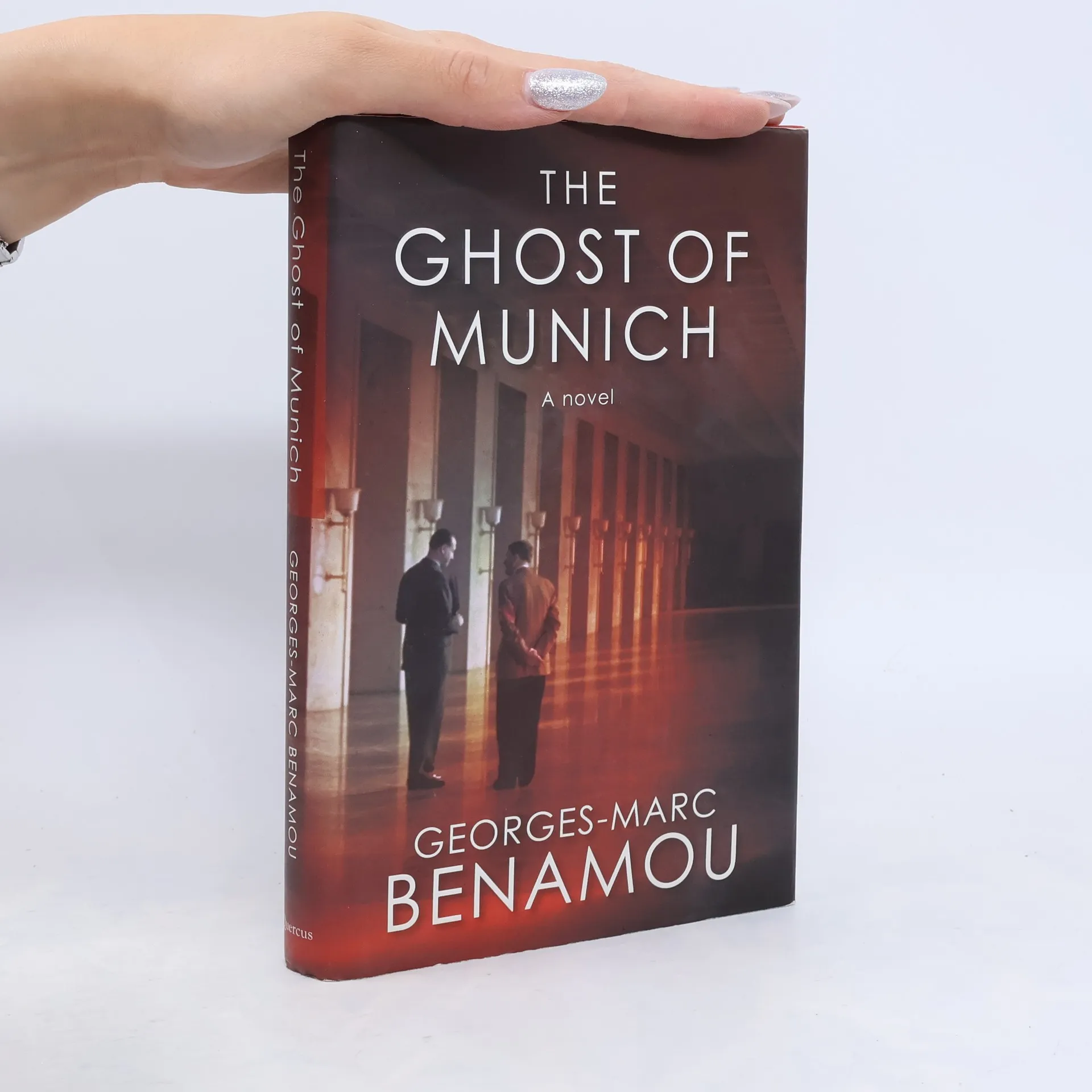
    • September 29th 1938. The day the fate of Czechoslovakia was sealed by the Munich Agreement. Hitler, Mussolini, Chamberlain and - the phantom of Munich, Edouard Daladier, president of the French Council. Summer 1968. A mysterious American journalist, young, female, Czech in origin - lands on a small island in the Rhone river. Her mission is to find Edouard Daladier, who is widely believed to be dead and to persuade him, as the only living witness to the events of Munich to let her have access to his extraordinary archive and to tell her his secrets.Daladier is a recluse, obsessed with history and his part in it but the journalist succeeds in drawing from him the astonishing story of the betrayal of a nation. Scene by scene, hour by hour the reader accompanies Daladier from his departure to Munich to his triumphant, but ultimately tragic return to Paris. In Munich we sit with him and the other leaders at the negotiation table, at lunch, in and out of each other's seats, hotel rooms and cars. The tensions of the fateful day build up, the political twists and turns and the personal intensities are described with insight and humour. "The Ghost of Munich" has the sharpness of a film, the drama of tragedy and the truth of history. -- Publisher details.

      The Ghost of Munich
      4,0
    • Photography

      A Middle-brow Art

      • 232 stránok
      • 9 hodin čítania

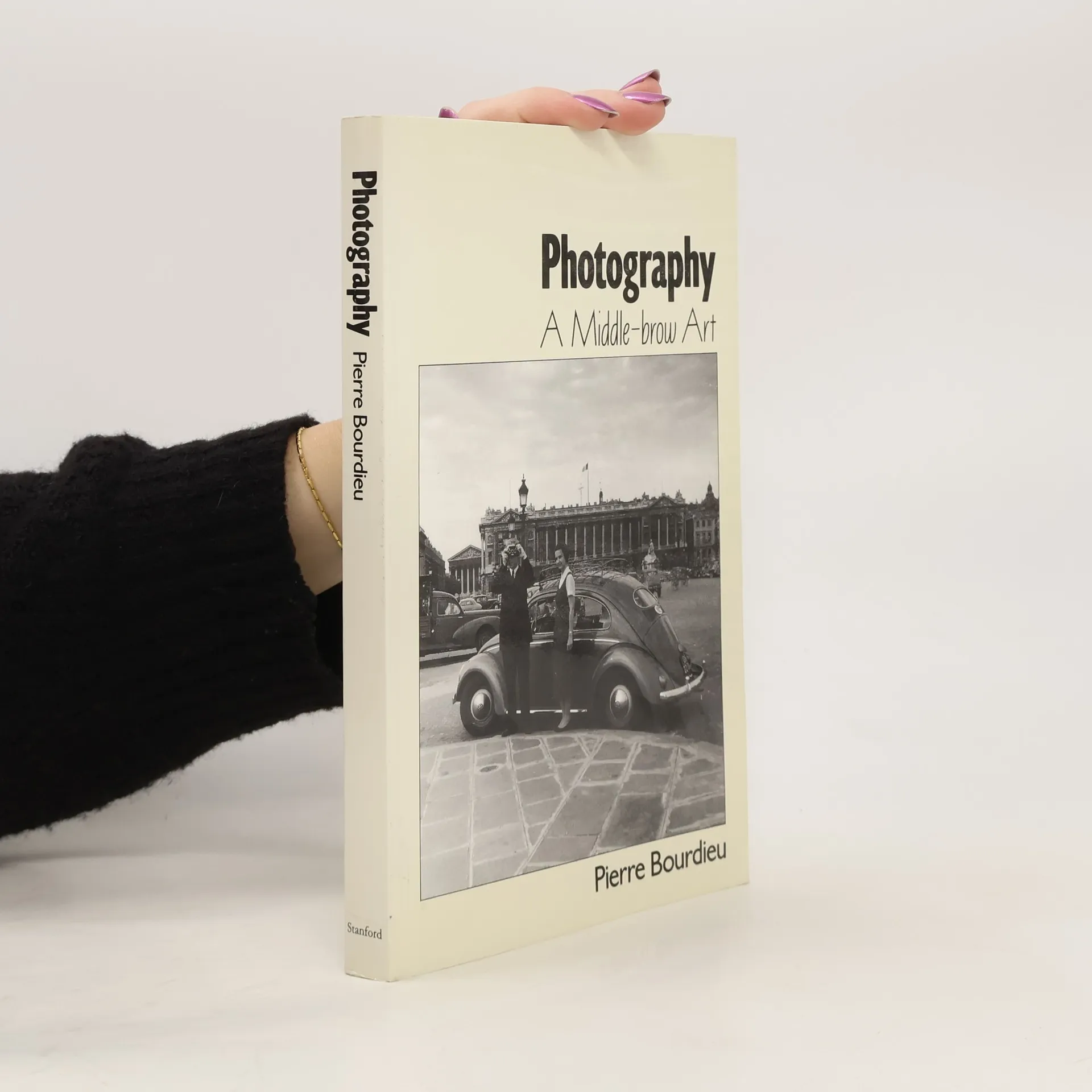
      The everyday practice of photography by millions of amateur photographers may seem to be a spontaneous and highly personal activity. But France's leading sociologist and cultural theorist shows that few cultural activities are more structured and systematic than photography.

      Photography
      3,9
    • 1913

      The Year Before the Storm

      • 288 stránok
      • 11 hodin čítania

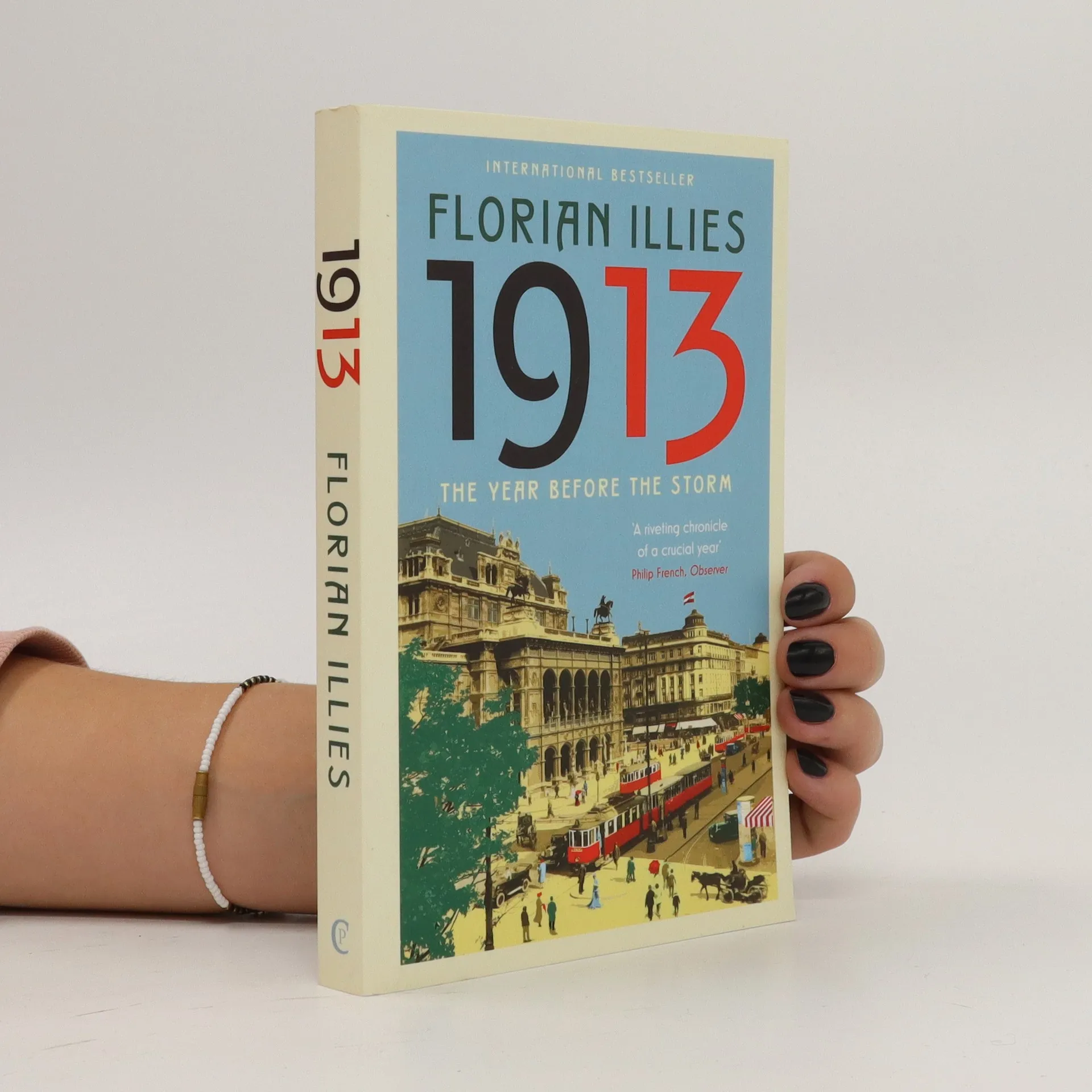
      A witty yet moving narrative worked up from sketched biographical fragments, 1913 is an intimate vision of a world that is about to change forever.The stuffy conventions of the nineteenth century are receding into the past, and 1913 heralds a new age of unlimited possibility. Kafka falls in love; Louis Armstrong learns to play the trumpet; a young seamstress called Coco Chanel opens her first boutique; Charlie Chaplin signs his first movie contract; and new drugs like cocaine usher in an age of decadence.Yet everywhere there is the premonition of ruin - the number 13 is omnipresent, and in London, Paris and Vienna, artists take the omen and act as if there were no tomorrow. In a Munich hotel lobby, Rilke and Freud discuss beauty and transience; Proust sets out in search of lost time; and while Stravinsky celebrates the Rite of Spring with industrial cacophony, an Austrian postcard painter by the name of Adolf Hitler sells his conventional cityscapes.

      1913
      4,0
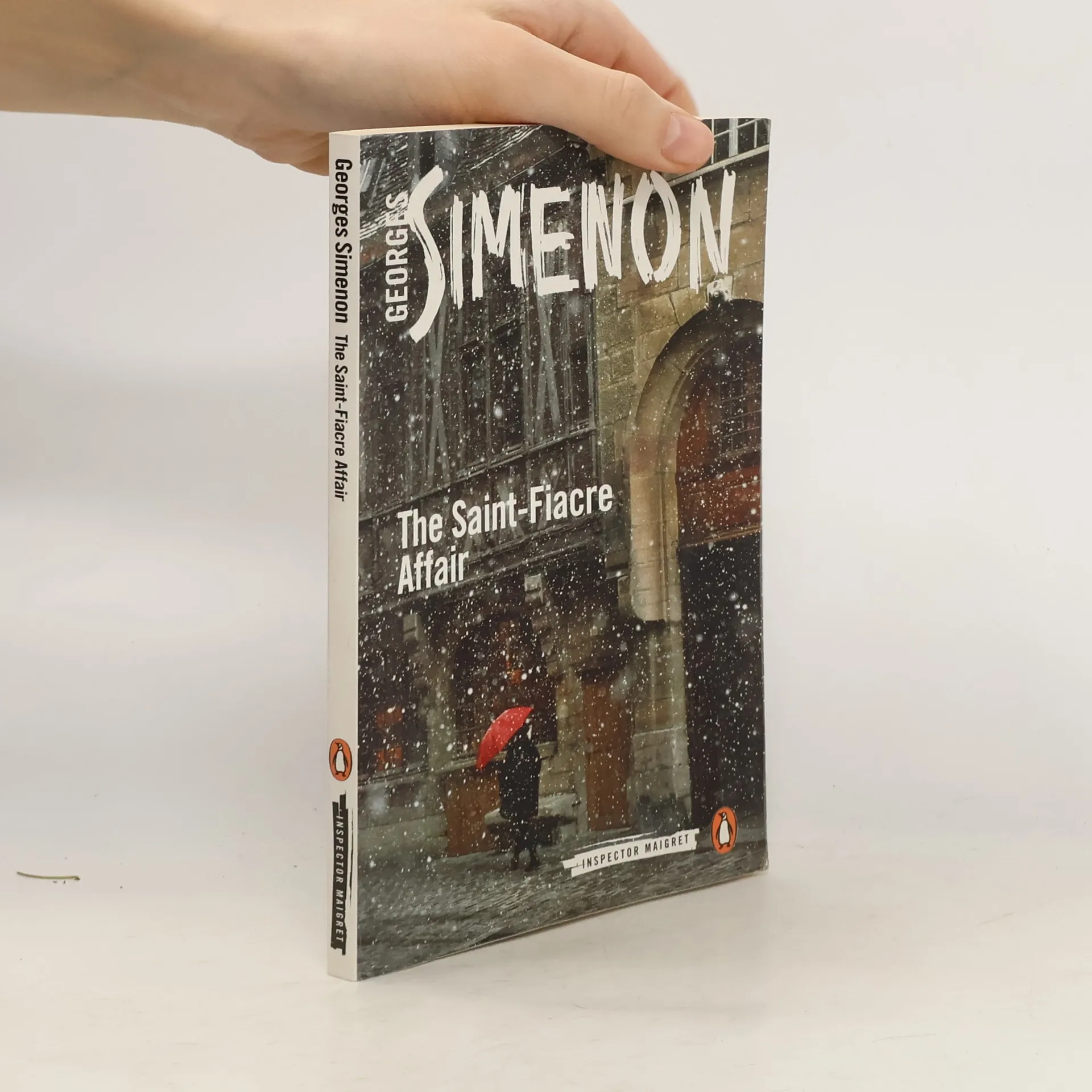
    • Inspector Maigret: The Saint-Fiacre Affair

      • 160 stránok
      • 6 hodin čítania

      When an ominous note predicting the time and place of a death finds its way to Maigret's desk in Paris, his investigation brings him to Saint-Fiacre, the place of his birth. It isn't long before a darkness descends on Maigret and the town, as the prediction becomes a brutal reality and the Inspector discovers he is not welcome in the place he once called home. As much a thriller as a meditation on alienation, The Saint-Fiacre Affair displays Simenon's unique and searing perspective of the struggles we all are forced to endure.

      Inspector Maigret: The Saint-Fiacre Affair
      3,8
    • The Widower

      • 287 stránok
      • 11 hodin čítania

      The sequel to "Love Life," this story explores themes of parental redemptive love.

      The Widower
      3,4
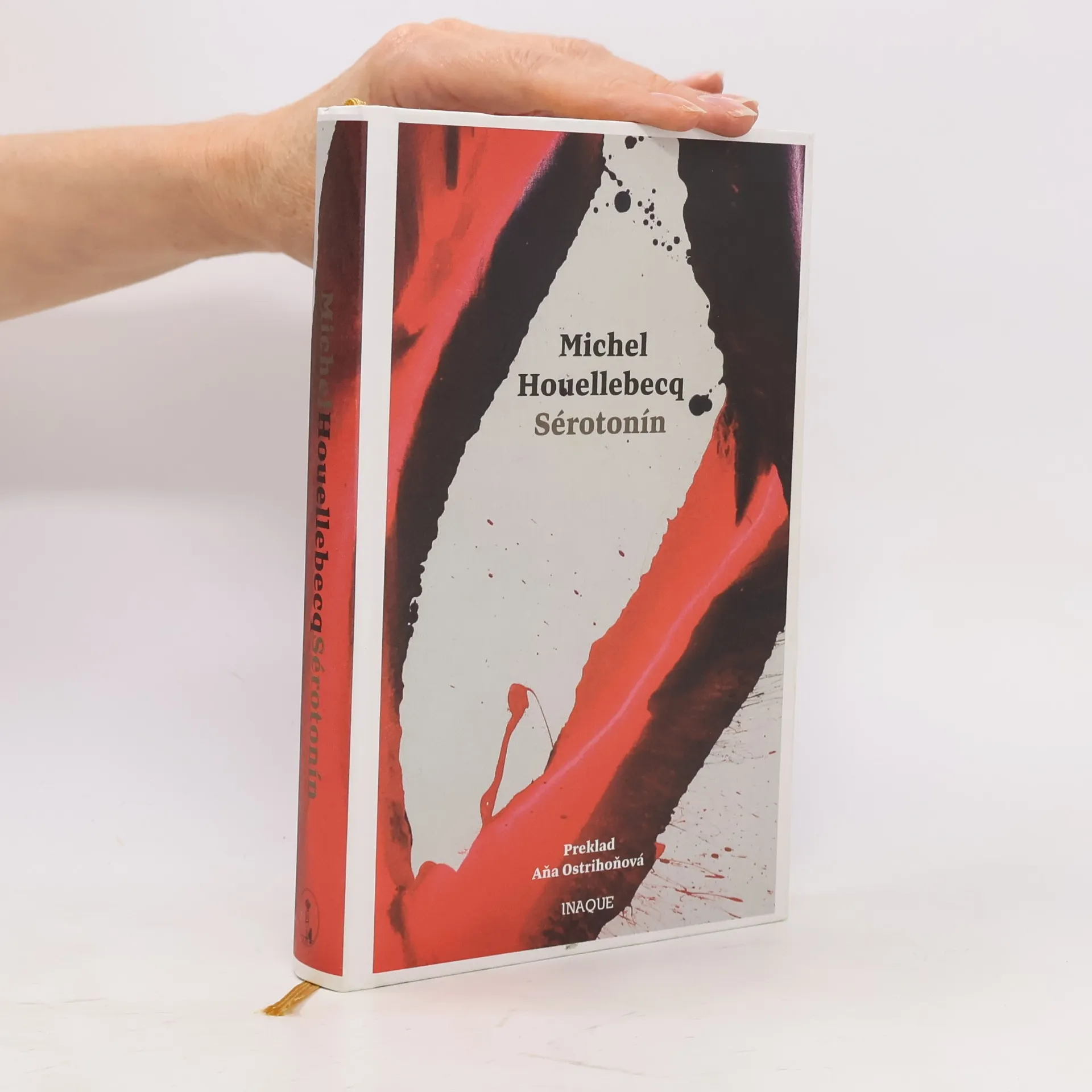
    • Sérotonín

      • 240 stránok
      • 9 hodin čítania

      Rozprávačom románu Sérotonín je štyridsaťšesťročný poľnohospodársky inžinier Florent-Claude a jeho príbeh je o Francúzsku, ktoré dupe po svojich tradíciách, ničí svoje mestá a nevšíma si živoriaci a búriaci sa vidiek. Florent-Claude rozpráva o svojom dobrovoľnom „zmiznutí“ z mesta a zo sveta, o absolútnej osamelosti muža v strednom veku a o priateľstve so spolužiakom Aymericom so šľachtickým pôvodom. Hoci ich osudy boli rozdielne, skončili podobne a spolu sa musia konfrontovať so zmarenými snami svojej mladosti a čeliť možno rovnako márnej nádeji, že Florent-Claude nájde ženu, o ktorú prišiel. Sérotonín je románom o pustošení sveta bez dobra, spolupatričnosti a zároveň je románom o smútku, výčitkách a ľútosti.

      Sérotonín
      3,5
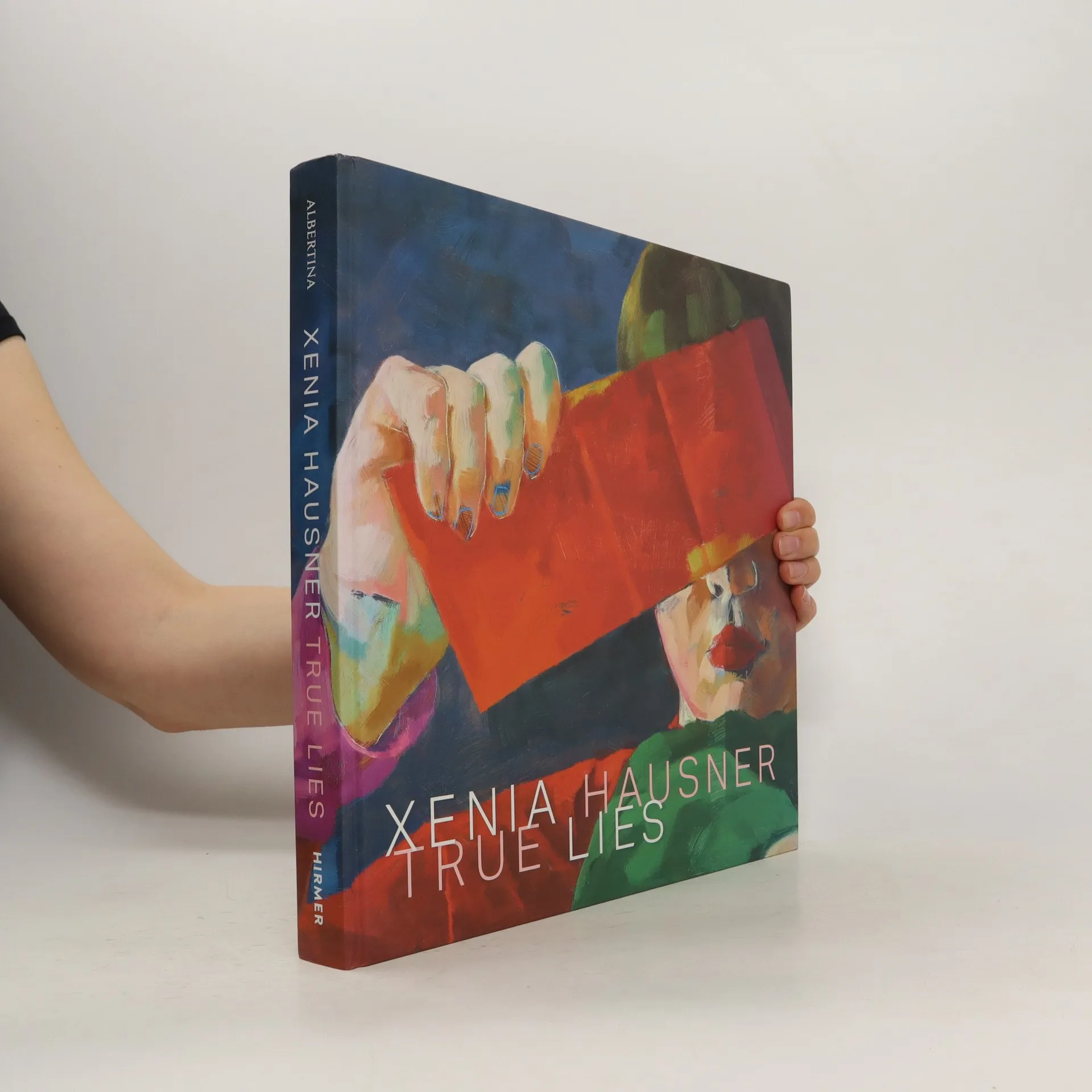
    • Xenia Hausner is one of the most important Austrian painters of our time. This richly illustrated volume focuses on the aspect of staging that characterizes all her works. Beginning with her early pieces from the 1990s and culminating in the poignant Exiles series, the book transports readers into a feminine world filled with mysterious relationships. Hausner's painting is rooted in photography; the artist constructs spatial settings in her studio and captures a moment akin to a film still. Translated into painting, her images create a dramatic tension, suggesting that what is shown must lead to the next image to reveal its mysteries. Through the staged elements in her works—the painted captured lie—we encounter the contradictions of our existence and find an alternative to a male-dominated visual language.

      Xenia Hausner. True Lies