
Bookbot

Thomas Nagel

    4. júl 1937

    Thomas Nagel je vplyvný americký filozof známy svojimi hlbokými úvahami o mysli, etike a politickej teórii. Jeho dielo sa vyznačuje prenikavou kritikou redukcionistických pohľadov na vedomie a obhajobou komplexných morálnych a politických teórií. Nagel skúma základné otázky ľudskej subjektivity a morálnej zodpovednosti, čím čitateľov vyzýva k zamysleniu sa nad povahou skúsenosti a etického konania.

    Thomas Nagel
    What Does It All Mean?
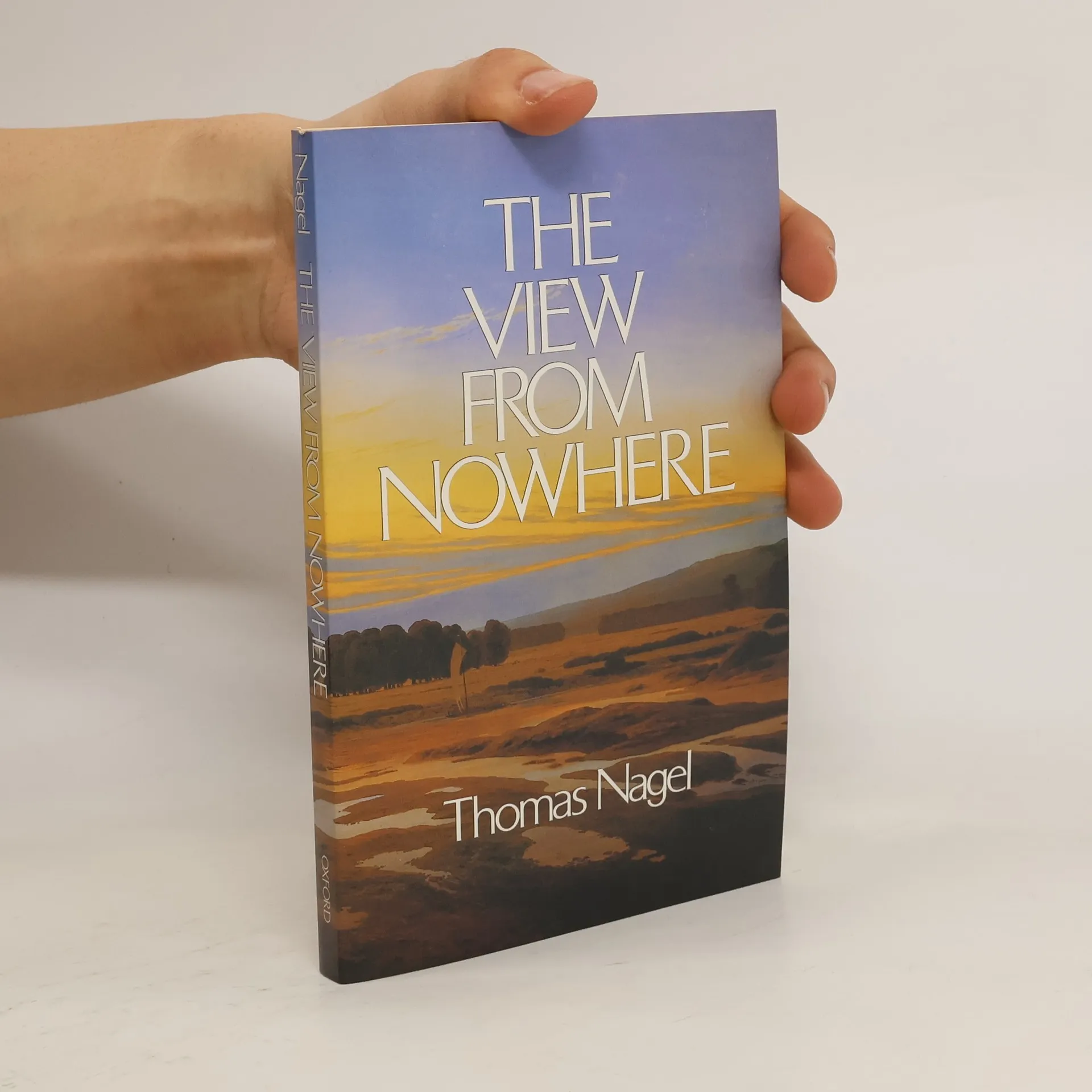
    The view from nowhere
    What Is It Like to Be a Bat?
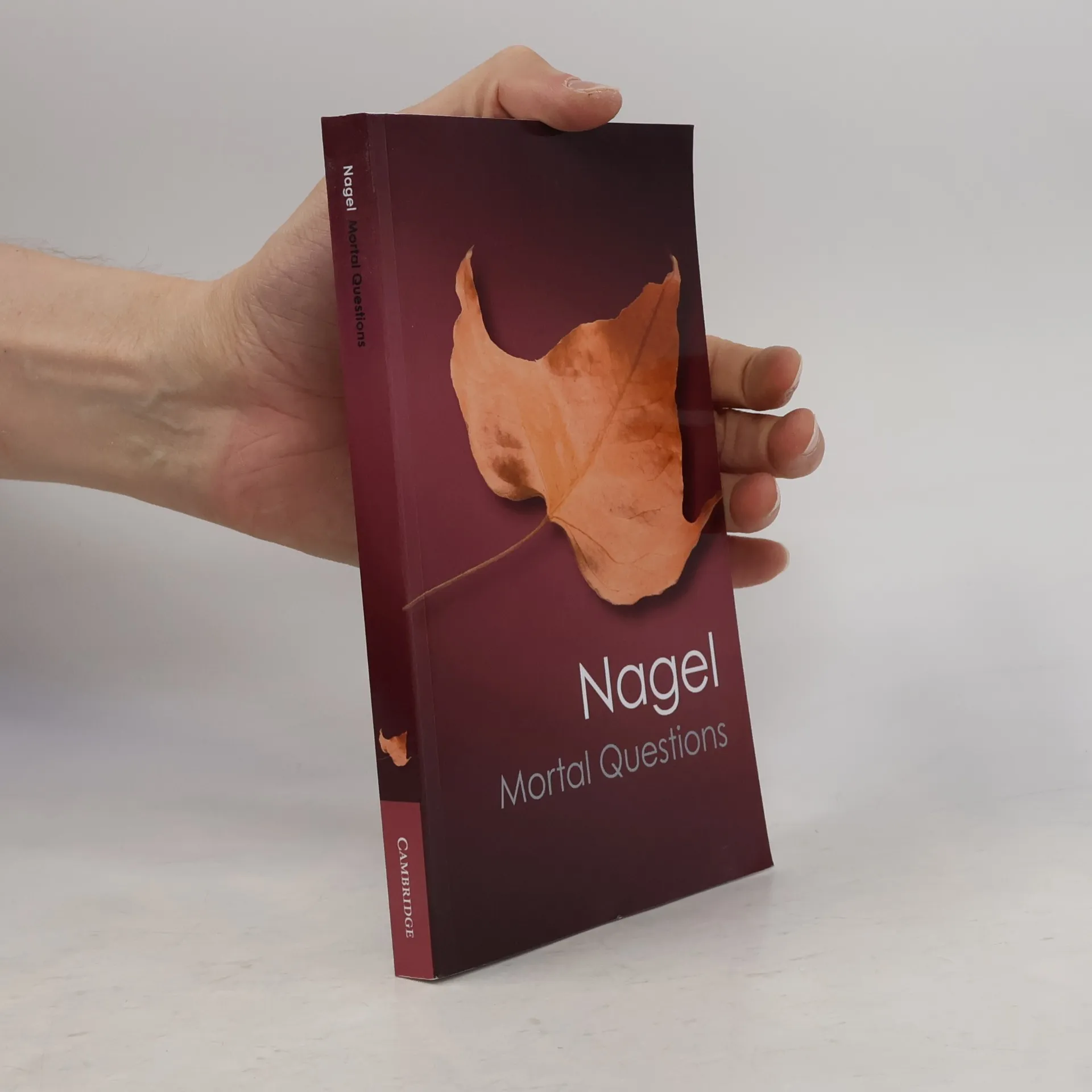
    Mortal Questions
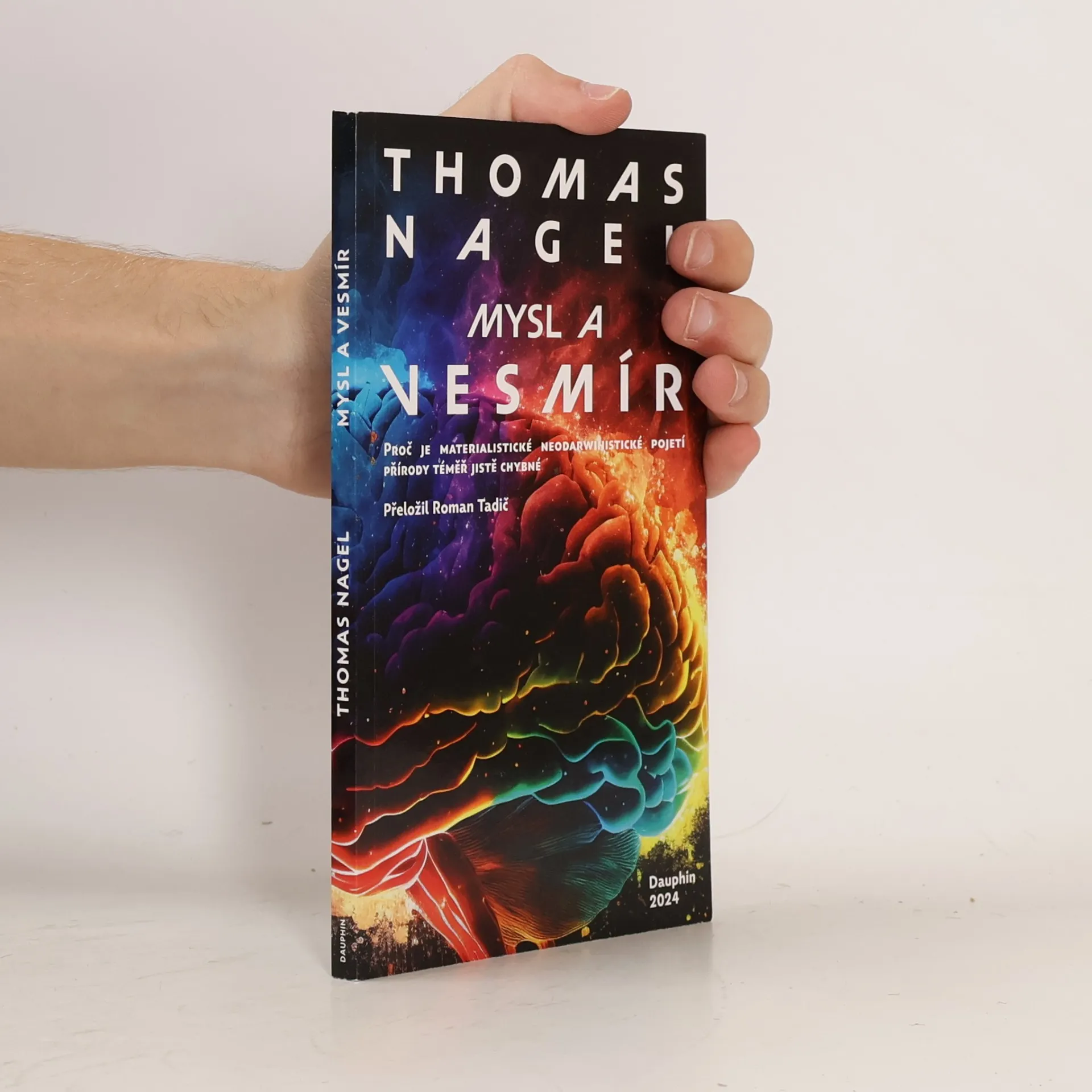
    Mysl a vesmír
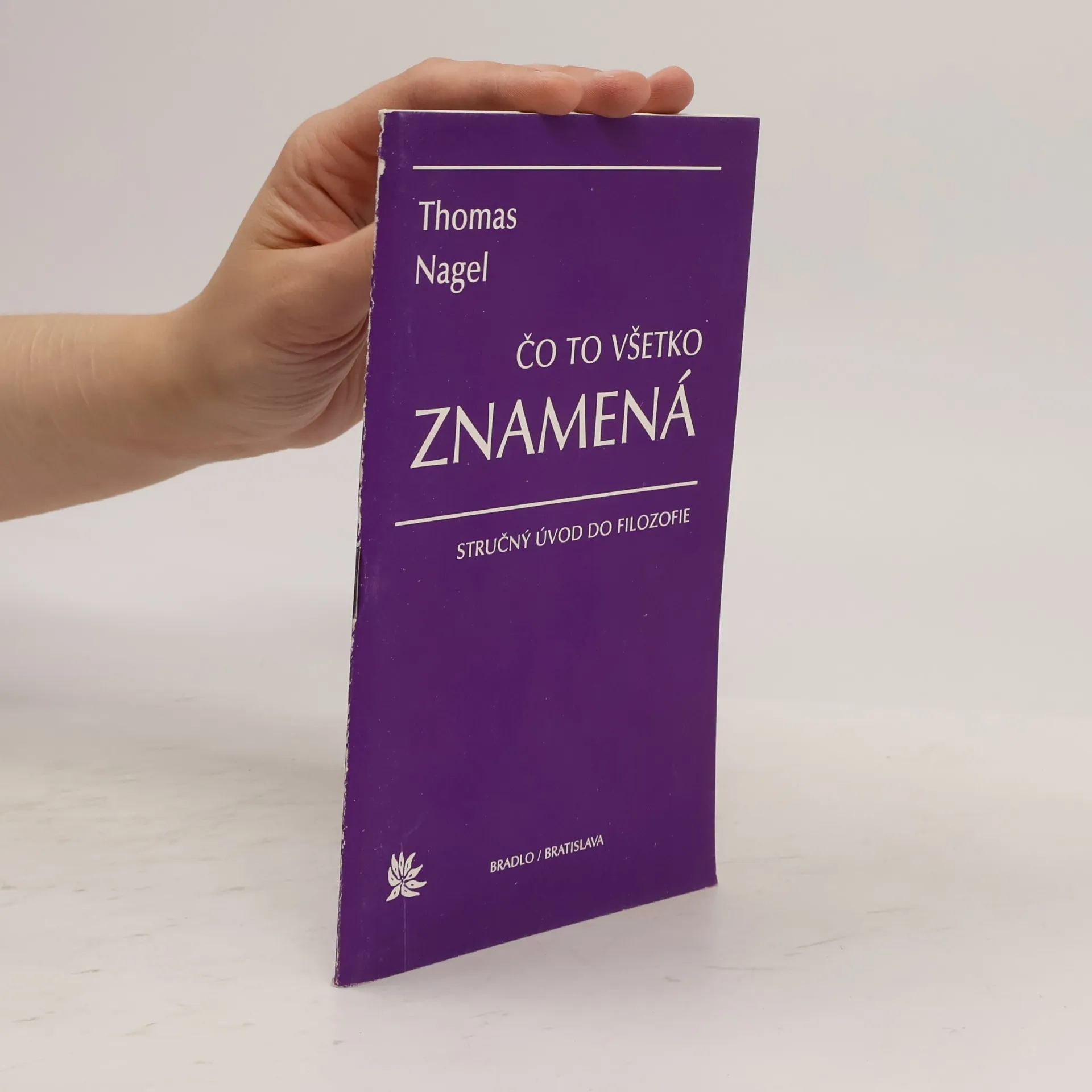
    Čo to všetko znamená? : Stručný úvod do filozofie
    • 2025

      Gemeindehaushaltsrecht Baden-Württemberg

      Neues Kommunales Haushalts- und Rechnungswesen mit Kassen- und Prüfungsrecht

      • 426 stránok
      • 15 hodin čítania

      Die Reform des Gemeindehaushaltsrechts bringt grundlegende Neuerungen für das Haushalts-, Rechnungs-, Kassen- und Prüfungswesen in Baden-Württemberg. Dieses Fachbuch ist eine Praxishilfe und eignet sich zugleich für Lehrende und Studenten in der Aus- und Fortbildung. Die wesentlichen Punkte der Planung, des Vollzugs, des Jahres- und Gesamtabschlusses sowie der Prüfung werden aufgegriffen. Maßstab ist der Blickwinkel des Praktikers: so kurz und straff wie möglich, so viel wie für die Anwendung in der Praxis nötig. Prozessbeschreibungen, Schaubilder und Buchungssätze sichern eine anschauliche Darstellung.
      Gemeindehaushaltsrecht Baden-Württemberg
    • 2024

      Mysl a vesmír

      • 136 stránok
      • 5 hodin čítania

      Mysl a vesmír Thomase Nagela je rešerše filosofických otázek týkajících se základního fyzikálního a biologického výzkumu lidské mysli. Nagel tvrdí, že přírodní a společenské vědy nejsou schopny vysvětlit existenci mysli a vědomí v paradigmatu, ve kterém se monetálně pohybují a tudížje třeba revidovat používané metodologie. Píše, že mysl je základním aspektem přírody a že jakákoli filosofie přírody, která ji nedokáže vysvětlit, je zásadně chybná.

      Mysl a vesmír
    • 2023

      This volume presents two closely related essays by Thomas Nagel: "Gut Feelings and Moral Knowledge," discusses the value of intuitions in understanding human rights and argues against subjectivist and reductionist accounts of morality of the kind offered by evolutionary psychology or based on brain scans. The second essay, "Moral Reality and Moral Progress," proposes an account of the historical development of moral truth, according to which it does not share the timelessness of scientific truth. This is because moral truth must be based on reasons that are accessible to the individuals to whom they apply, and such accessibility depends on historical developments. The result is that only some advances in moral knowledge are discoveries of what has been true all along.

      Moral Feelings, Moral Reality, and Moral Progress
    • 2023

      This book collects Thomas Nagel's recent philosophical reflections on topics of fundamental interest: ethics, moral psychology, science and religion, death, the holocaust, and the metaphysics of mind. The essays are all addressed to a general audience and should appeal not only to philosophers but to anyone interested in current attempts to understand human life, human values, and how we fit into the world. Among the figures discussed are Peter Singer, Alvin Plantinga, Christine Korsgaard, Tony Judt, Elizabeth Anscombe, Philippa Foot, Iris Murdoch, T. M. Scanlon, Ronald Dworkin, Daniel Kahneman, Jonathan Haidt, Joshua Greene, and Daniel Dennett. An accessible overview of some of the significant philosophy of our time.

      Analytic Philosophy and Human Life
    • 2023

      Radikal, provokativ und erhellend zugleich: Nagels berühmter Essay von 1974 ist einer der am häufigsten zitierten philosophischen Aufsätze des 20. Jahrhunderts. Fledermäuse haben Erfahrungen von sich und der Welt, die uns Menschen sehr fremd sind. Diese Erfahrungen sind jedoch eine subjektive Realität, die sich nicht vollständig auf objektiv erforschbare Vorgänge in Organismus, Gehirn und Nervensystem reduzieren lässt: Letztlich geht es Nagel in seinem Text also um das sogenannte Leib-Seele- bzw. Gehirn-Psyche-Problem beim Menschen bzw. eine prinzipielle Kritik am neurowissenschaftlichen Reduktionismus. Der Übersetzer Ulrich Diehl erläutert die besondere Bedeutung und die Wirkungsgeschichte dieses philosophischen Klassikers. Sprachen: Deutsch, Englisch

      What Is It Like to Be a Bat?/Wie ist es, eine Fledermaus zu sein?
    • 2020

      Thomas Nagels ebenso kurze wie genaue und umfassende Einführung in die Philosophie findet in verständlicher Form Antworten auf die großen Fragen des Lebens: Woher wissen wir etwas? Wie hängen Körper und Geist zusammen? Was bedeuten Wörter? Gibt es Willensfreiheit wirklich? Was ist Recht und was ist Unrecht? Was ist der Tod? Und worin könnte der Sinn des Lebens bestehen?

      Was bedeutet das alles? Eine ganz kurze Einführung in die Philosophie
    • 2016

      What Is It Like to Be a Bat?

      • 80 stránok
      • 3 hodiny čítania
      4,0(15)Ohodnotiť

      Exploring the irreducible subjectivity of consciousness, this classic work significantly influenced the fields of philosophy, psychology, and neuroscience. It highlights the importance of understanding consciousness in non-human animals, prompting extensive scientific inquiry into various species. The fiftieth-anniversary edition also features a second essay where Nagel presents his updated views on the mind-body problem, providing a contemporary perspective on the issues raised in the original article.

      What Is It Like to Be a Bat?
    • 2013

      Über eines sind sich die meisten Naturwissenschaftler heute einig: Das Bild, das die exakten Wissenschaften – insbesondere Physik und Evolutionsbiologie – von der Welt zeichnen, ist im Wesentlichen korrekt und alles, was existiert, kann im Prinzip mit deren Methoden erklärt werden. Und in der Tat: Die Fortschritte, die diese materialistische Standardtheorie vorzuweisen hat, sind beträchtlich. Aber es gibt auch noch Lücken: Der menschliche Geist zum Beispiel findet darin bislang keinen rechten Platz. Ein reiner Schönheitsfehler? Nur eine Frage der Zeit? Nein, sagt Thomas Nagel, und bläst in seinem neuen Buch zum Generalangriff auf die etablierte naturwissenschaftliche Weltsicht. Ihr Problem, so seine These, ist grundsätzlicher Natur: Das, was den menschlichen Geist auszeichnet – Bewusstsein, Denken und Werte –, lässt sich nicht reduzieren, schon gar nicht auf überzeitliche physikalische Gesetze. Daher bleibt eine Theorie, die all dies nicht erklären kann, zwangsläufig unvollständig, ja, sie ist mit ziemlicher Sicherheit falsch. Um dies zu begründen, durchmisst Nagel die schwierigen Fragen der Philosophie des Geistes, der Erkenntnistheorie und der Theorie der Werte. Stück für Stück zeigt er mit subtilen philosophischen Argumenten auf, wo und warum der reduktive Materialismus zu kurz greift, und entwickelt erste Ansätze für eine völlig neue Perspektive auf Geist und Kosmos. Das ist so gewagt wie beeindruckend. Philosophie pur.

      Geist und Kosmos
    • 2012

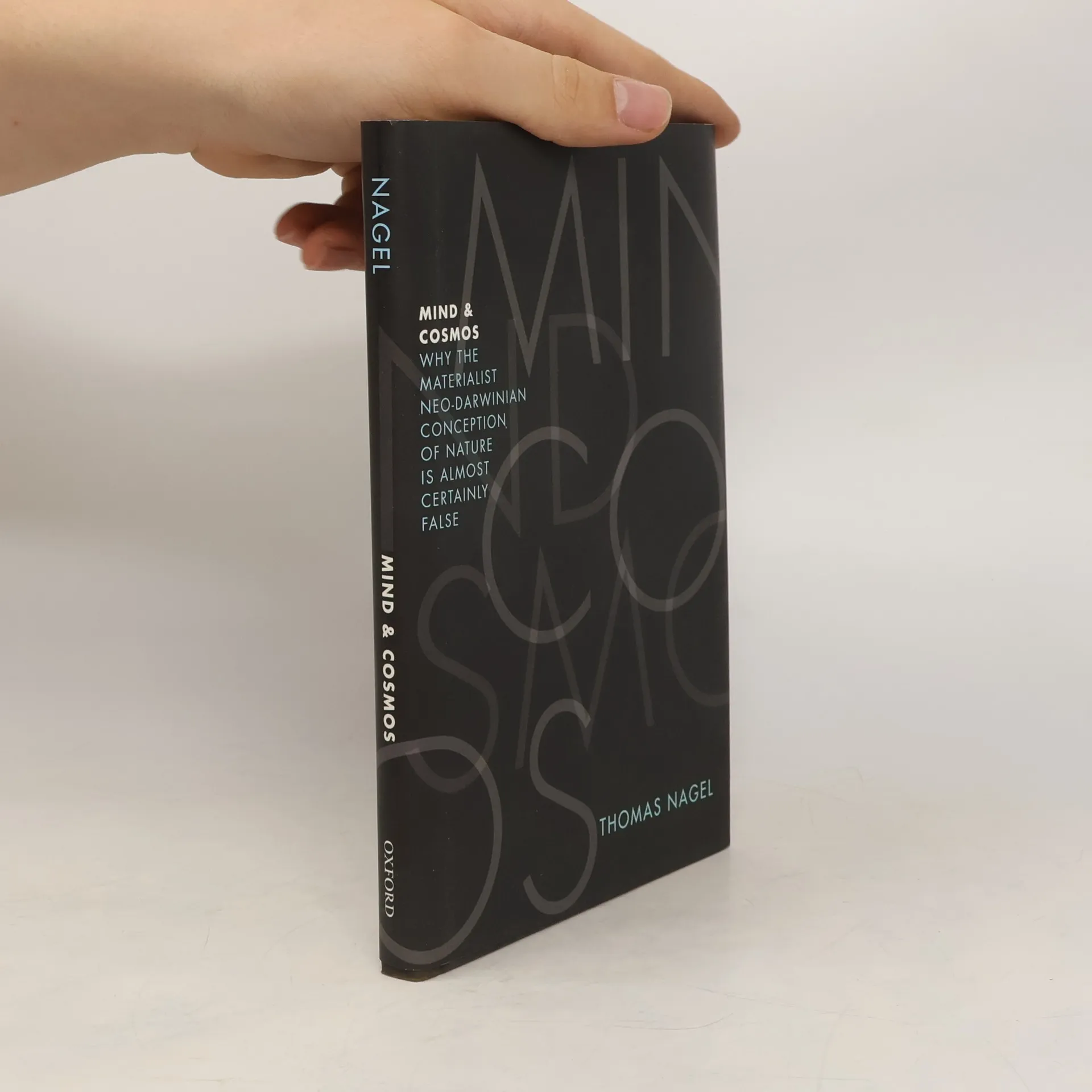
      Mind and Cosmos

      • 140 stránok
      • 5 hodin čítania
      3,6(1544)Ohodnotiť

      In Mind and Cosmos Thomas Nagel argues that the widely accepted world view of materialist naturalism is untenable. The mind-body problem cannot be confined to the relation between animal minds and animal bodies. If materialism cannot accommodate consciousness and other mind-related aspects of reality, then we must abandon a purely materialist understanding of nature in general, extending to biology, evolutionary theory, and cosmology. Since minds are features of biological systems that have developed through evolution, the standard materialist version of evolutionary biology is fundamentally incomplete. And the cosmological history that led to the origin of life and the coming into existence of the conditions for evolution cannot be a merely materialist history. An adequate conception of nature would have to explain the appearance in the universe of materially irreducible conscious minds, as such. No such explanation is available, and the physical sciences, including molecular biology, cannot be expected to provide one. The book explores these problems through a general treatment of the obstacles to reductionism, with more specific application to the phenomena of consciousness, cognition, and value. The conclusion is that physics cannot be the theory of everything.

      Mind and Cosmos
    • 2012

      Mortal Questions

      • 226 stránok
      • 8 hodin čítania
      4,3(45)Ohodnotiť

      Thomas Nagel's Mortal Questions explores some fundamental issues concerning the meaning, nature and value of human life.

      Mortal Questions