Charles Warren Hollister bol americký autor a historik, ktorý sa zameriaval na britské dejiny. Jeho diela sa vyznačovali hlbokým skúmaním a analytickým prístupom. Hollister bol jedným zo zakladajúcich členov histórie na University of California v Santa Barbare.
The first of a five volume series, "A History of England." The Making of England, 55 B.C. to 1399 takes a multi-faceted view of English (and to a lesser extent continental European) history from Roman occupation to the High Middle Ages. Includes some photographs and illustrations.
Roots of the Western Tradition is a brief chronological survey that covers the Ancient world in three parts: Prehistoric Europe & Ancient Near East, Ancient Greece & Ancient Rome. Succinct enough to be used with supplements, the coverage is carefully balanced between narrative & interpretation, highlighting historians varying viewpoints on certain issues.
Medieval Europe introduces today's students to the medieval roots of our own society. In an accessible and engaging narrative, it tells how the peoples of medieval Europe built, understood, and changed their world.
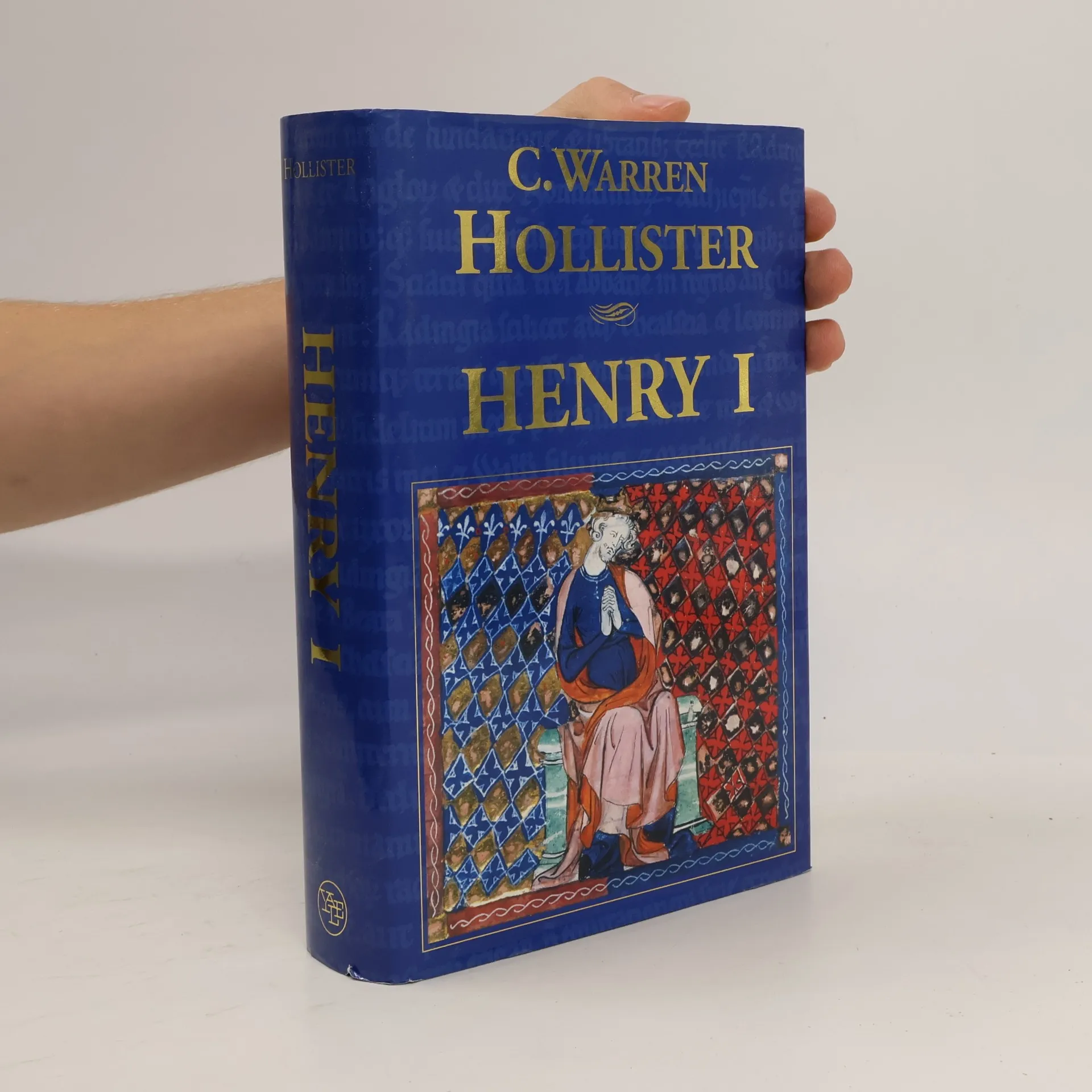
Henry I, son of William the Conqueror, ruled from 1100 to 1135, a time of fundamental change in the Anglo-Norman world. This long-awaited biography, written by one of the most distinguished medievalists of his generation, offers a major reassessment of Henry’s character and reign. Challenging the dark and dated portrait of the king as brutal, greedy, and repressive, it argues instead that Henry’s rule was based on reason and order. C. Warren Hollister points out that Henry laid the foundations for judicial and financial institutions usually attributed to his grandson, Henry II. Royal government was centralized and systematized, leading to firm, stable, and peaceful rule for his subjects in both England and Normandy. By mid-reign Henry I was the most powerful king in Western Europe, and with astute diplomacy, an intelligence network, and strategic marriages of his children (legitimate and illegitimate), he was able to undermine the various coalitions mounted against him. Henry strove throughout his reign to solidify the Anglo-Norman dynasty, and his marriage linked the Normans to the Old English line. Hollister vividly describes Henry’s life and reign, places them against the political background of the time, and provides analytical studies of the king and his magnates, the royal administration, and relations between king and church. The resulting volume is one that will be welcomed by students and general readers alike.