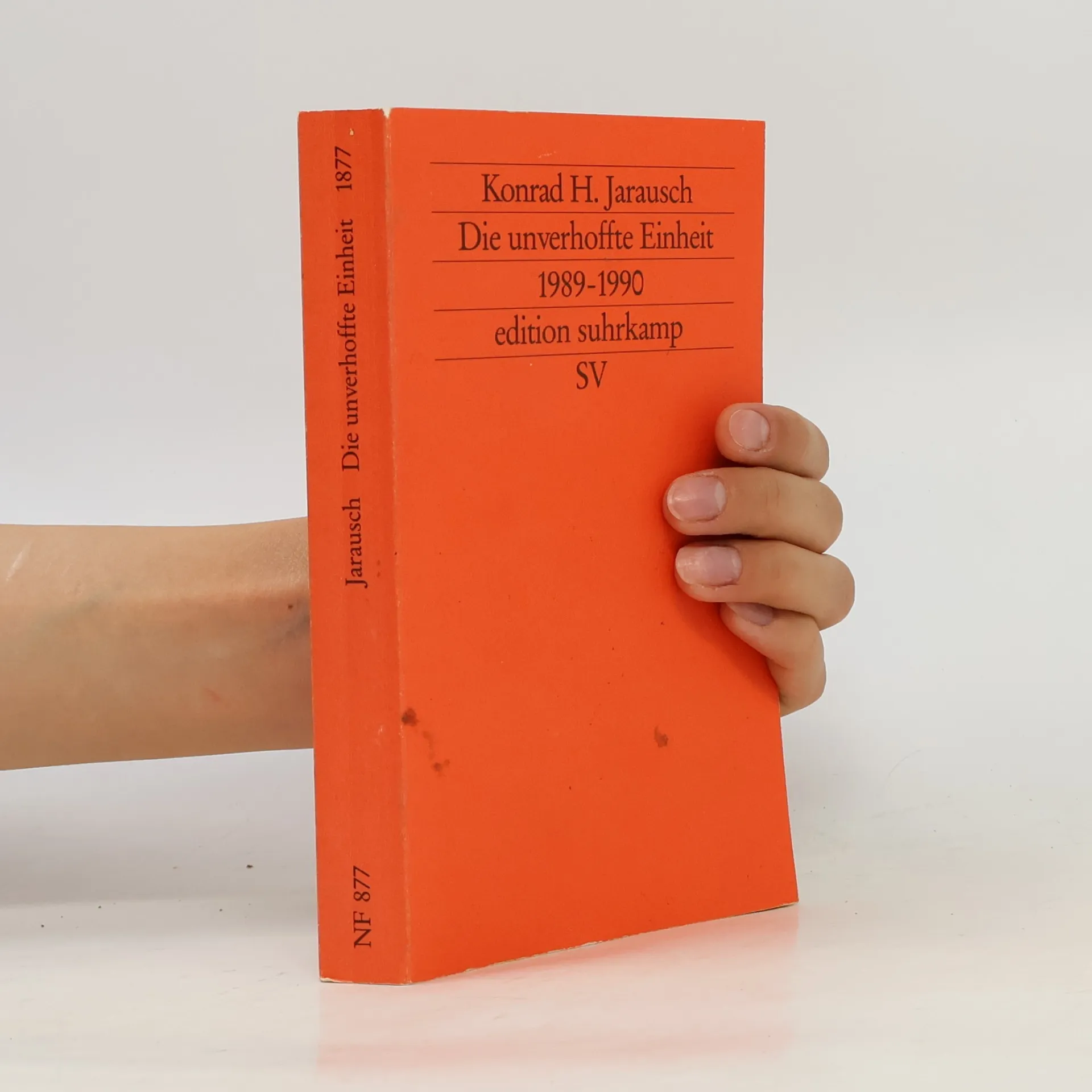
Konrad H. Jarausch je profesorom európskej civilizácie na University of North Carolina v Chapel Hill. Jeho práca sa zameriava na štúdium európskych dejín a civilizácie. Jarausch prispieva k hlbšiemu pochopeniu vývoja európskej spoločnosti a kultúry. Jeho akademický prínos rozširuje naše poznatky o európskom kultúrnom dedičstve.
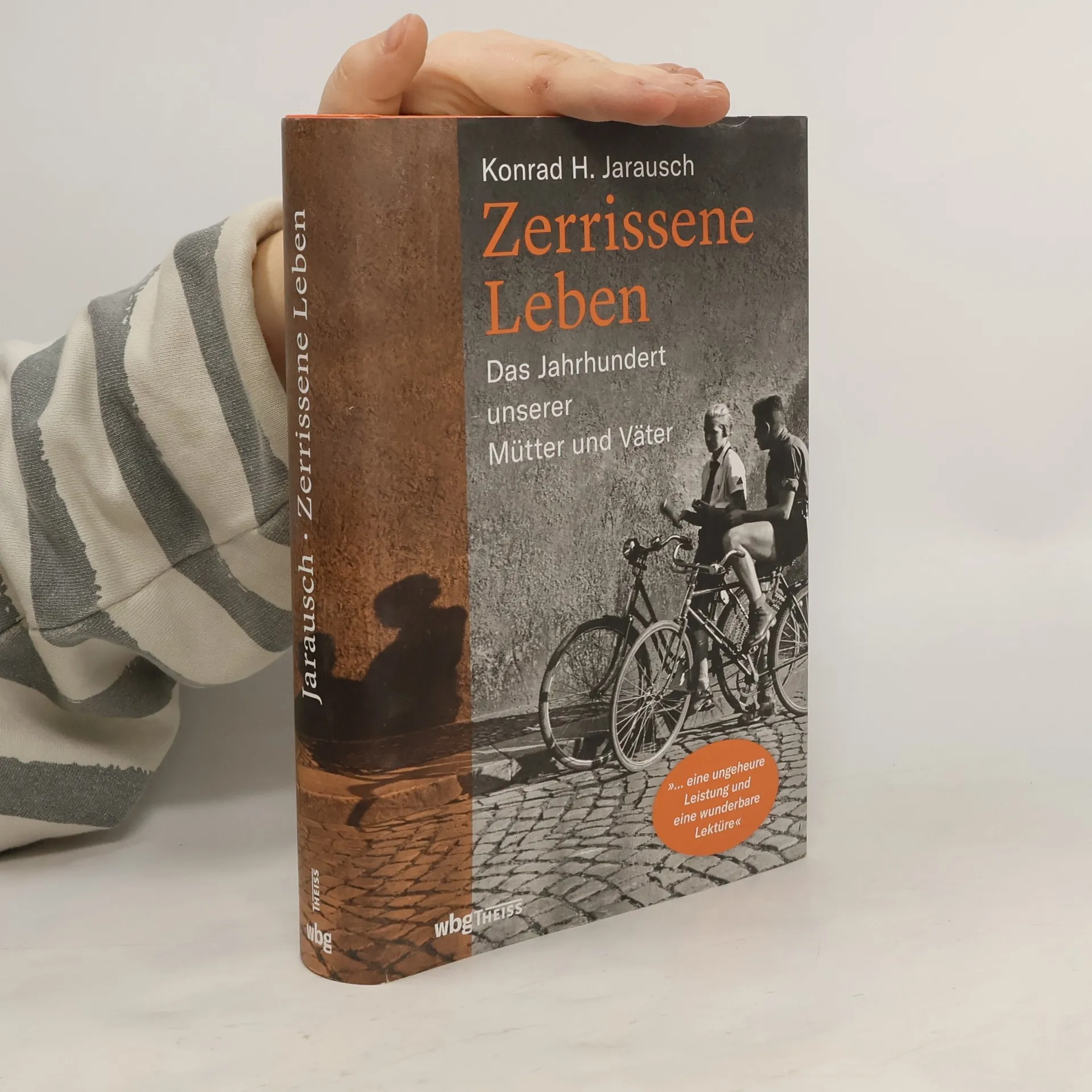
Konrad Jarausch schreibt eine neue deutsche Geschichte des 20. Jahrhunderts: im Spiegel der Lebensgeschichten von über 80 Zeitzeugen. Geboren während der Weimarer Republik, hat diese Generation den Nationalsozialismus und den Zweiten Weltkrieg erlebt, aber auch die Nachkriegszeit – in BRD oder DDR – und die Wiedervereinigung. Es sind sehr verschiedene Lebensläufe, gebrochene Biografien: von glühenden Nazis bis zu jüdischen Holocaust-Opfern, von politischen Wendehälsen bis zu unpolitischen Zeitgenossen. Darunter sind bekannte Namen wie Joachim Fest, Fritz Stern, Dorothee Sölle oder Ruth Klüger ebenso wie gänzlich unbekannte. Wie haben diese \"ganz normalen Deutschen\" das 20. Jahrhundert erlebt, erlitten und verarbeitet? Jarausch erzählt die Geschichte einer Generation. Und er tut dies auf eine besondere Art und Weise, indem er aus ihren Geschichten in vielen Mosaiksteinchen eine kollektive Biografie des 20. Jahrhunderts entstehen lässt. Wie oft kann man neu anfangen? Konrad Jarausch schreibt eine neue deutsche Geschichte des 20. Jahrhunderts: im Spiegel der Lebensgeschichten von über 80 Zeitzeugen. Geboren während der Weimarer Republik, hat diese Generation den Nationalsozialismus und den Zweiten Weltkrieg erlebt, aber auch die Nachkriegszeit - in BRD oder DDR
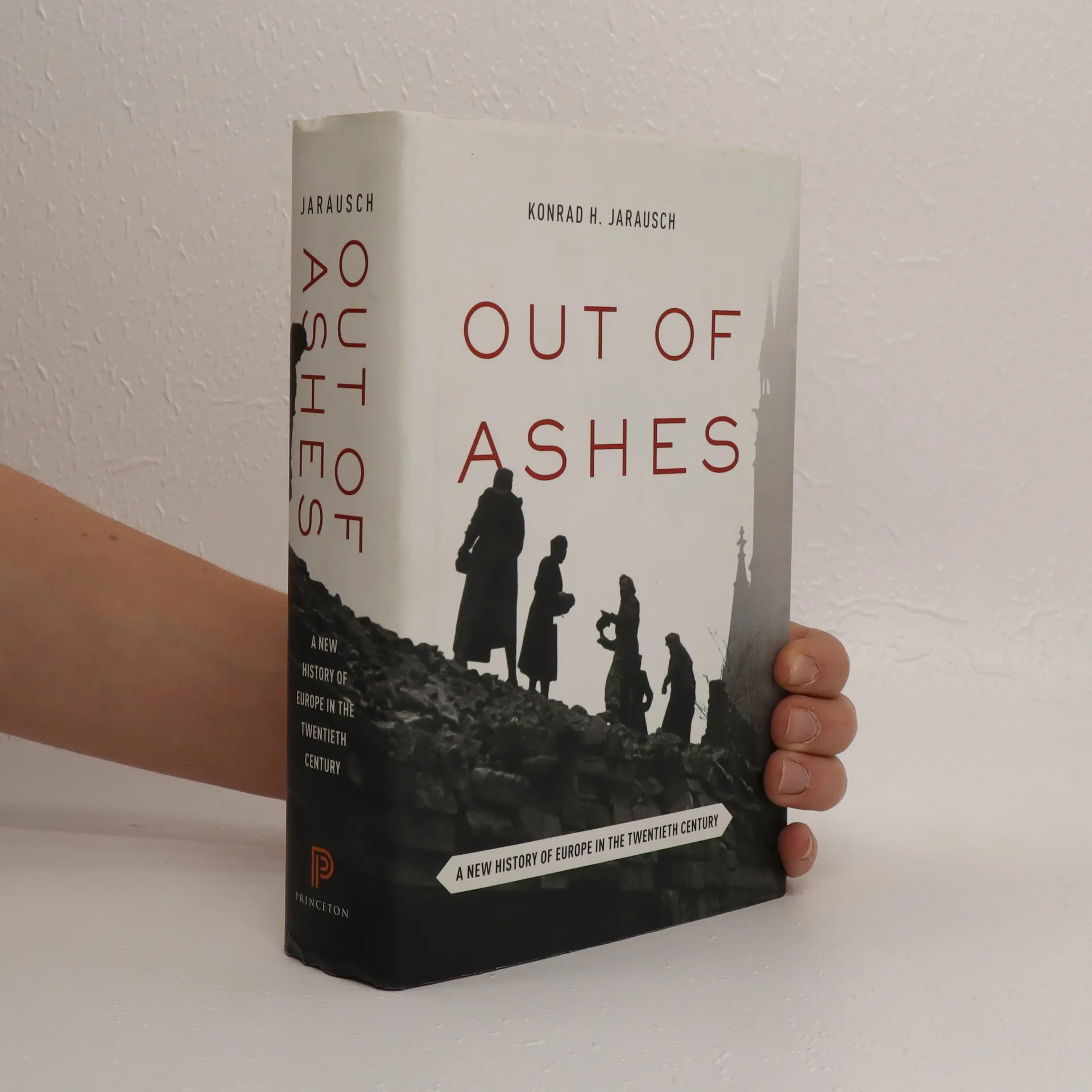
"A sweeping history of twentieth-century Europe, Out of Ashes tells the story of an era of unparalleled violence and barbarity yet also of humanity, prosperity, and promise. Konrad Jarausch describes how the European nations emerged from the nineteenth century with high hopes for continued material progress and proud of their imperial command over the globe, only to become embroiled in the bloodshed of World War I, which brought an end to their optimism and gave rise to competing democratic, communist, and fascist ideologies. He shows how the 1920s witnessed renewed hope and a flourishing of modernist art and literature, but how the decade ended in economic collapse and gave rise to a second, more devastating world war and genocide on an unprecedented scale. Jarausch further explores how Western Europe surprisingly recovered due to American help and political integration. Finally, he examines how the Cold War pushed the divided continent to the brink of nuclear annihilation, and how the unforeseen triumph of liberal capitalism came to be threatened by Islamic fundamentalism, global economic crisis, and an uncertain future. A stunning achievement, Out of Ashes explores the paradox of the European encounter with modernity in the twentieth century, shedding new light on why it led to cataclysm, inhumanity, and self-destruction, but also social justice, democracy, and peace"-- Provided by publisher
Sind die Deutschen endlich normal? Nach Weltkrieg und Trennung ist das gelungen, was sie immer sein wollten: eine Nation unter Gleichen. 1945 schien das völlig unmöglich geworden zu sein. Das Buch beschreibt den Weg der Deutschen zurück in die Zivilisation. Die alliierte Befreiung der KZ am Kriegsende machte das ganze Ausmaß des durch die NS-Verbrechen begangenen Zivilisationsbruchs deutlich. Ein halbes Jahrhundert danach gilt Deutschland als ein Musterbeispiel für eine gelungene Demokratisierung. Drei Etappen markieren die Übergänge: 1945/1949, 1968 und 1989/1990. Anhand von individuellen Selbstzeugnissen und öffentlichen Auseinandersetzungen wird verdeutlicht, wie es die Deutschen vermochten, aus ihrer dunklen Vergangenheit hinaus Wege in eine moderne, liberale Gesellschaft zu finden.
Deutungslinien der deutschen Nationalgeschichte nach 1945
255 stránok
9 hodin čítania
Als Meistererzählung bezeichnet die Geschichtswissenschaft historische Großdeutungen, die für eine bestimmte Zeit oder eine bestimmte historische Erzählperspektive leitend werden. Mit den Konjunkturen und Krisen solcher Großerzählungen in der deutschen Geschichtsschreibung nach 1945 beschäftigen sich die hier zusammengestellten Beiträge. Im Mittelpunkt stehen die drei zentralen Leittexte der deutschen Nationalgeschichte der Nachkriegszeit: die Rückbesinnung auf einen moralisch gezähmten Historismus und seine Ablösung durch das Konzept des deutschen »Sonderwegs« in der Bundesrepublik auf der einen Seite, die verschiedenen Entwicklungsstadien des ostdeutschen Gegenentwurfs in Gestalt einer sozialistischen Nationalgeschichte auf der anderen Seite. Vor diesem Hintergrund reflektieren weitere Beiträge das analytische Potenzial des Begriffs der historischen Meistererzählung und fragen angesichts der Krise nationalgeschichtlicher Erzählperspektiven nach ihren möglichen Alternativen.
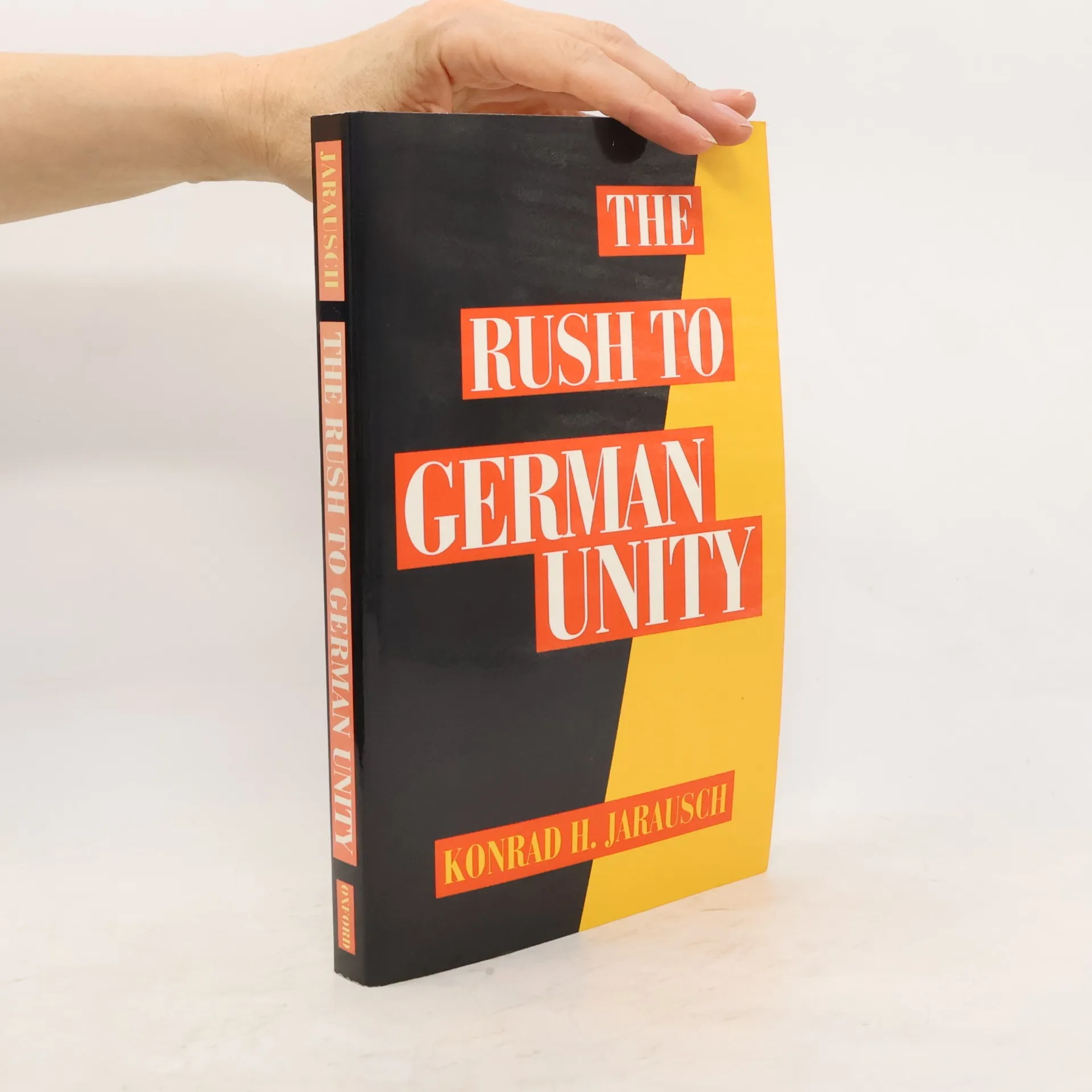
An ideal source for general readers and students, "The Rush to German Unity" explores whether solving the old German problem (by bringing down the Berlin Wall) has merely created new difficulties for Germany and challenges to overcome.
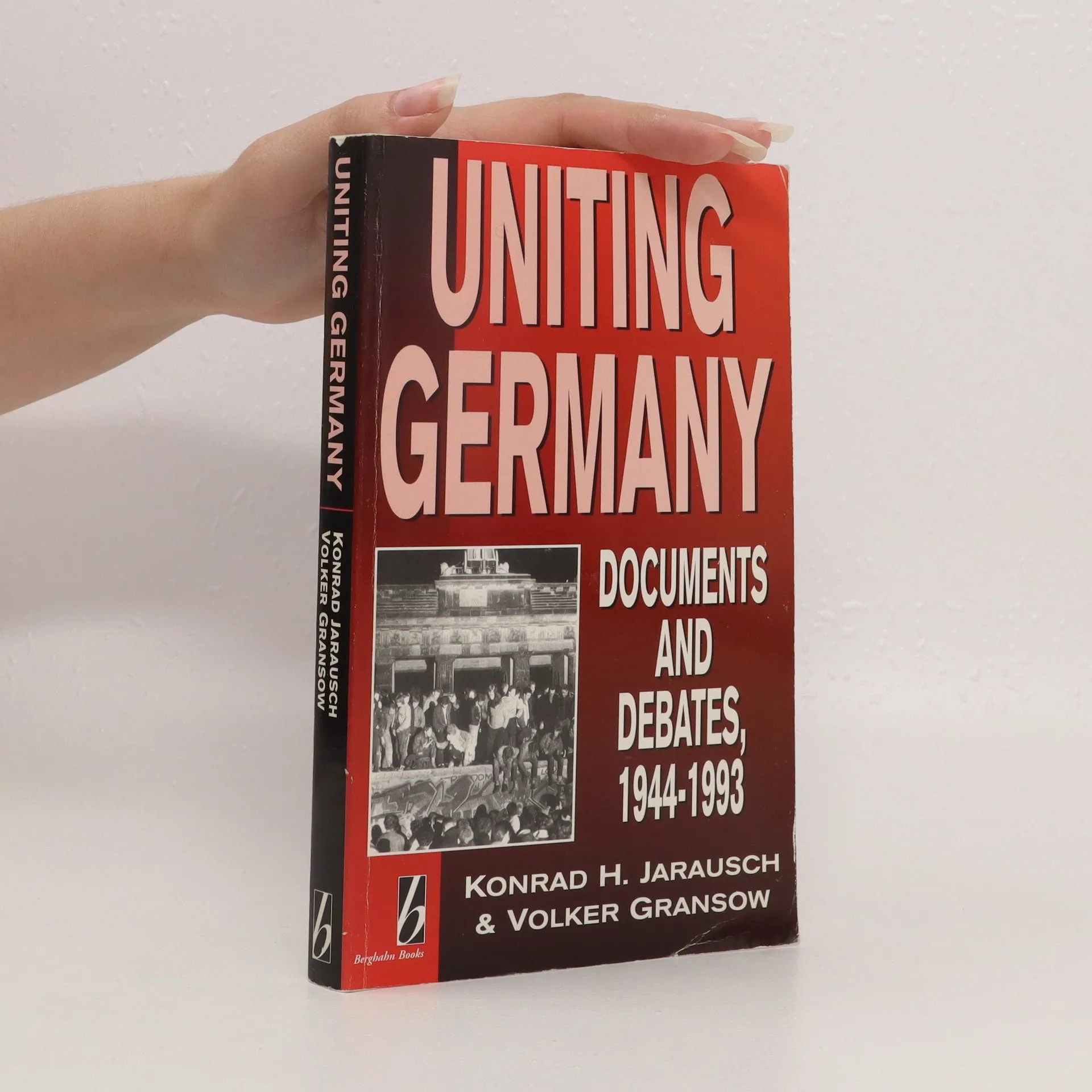
The unification of Germany is the most important change in Central Europe in the last four decades. Understanding this rapid and unforeseen development has raised old fears as well as inspired new hopes. In order to make sense out of the bewildering process and to help both expert and lay readers understand the changes and consequences, an American historian and a German social scientist put together this collection of central texts on German unification, the first of its kind. An invaluable reference tool.
The pioneering texts in quantitative history were written over two decades ago, but as a command of methodological context, computer experience, and statistical literacy have become increasingly important to the study of history, the need for an introduct